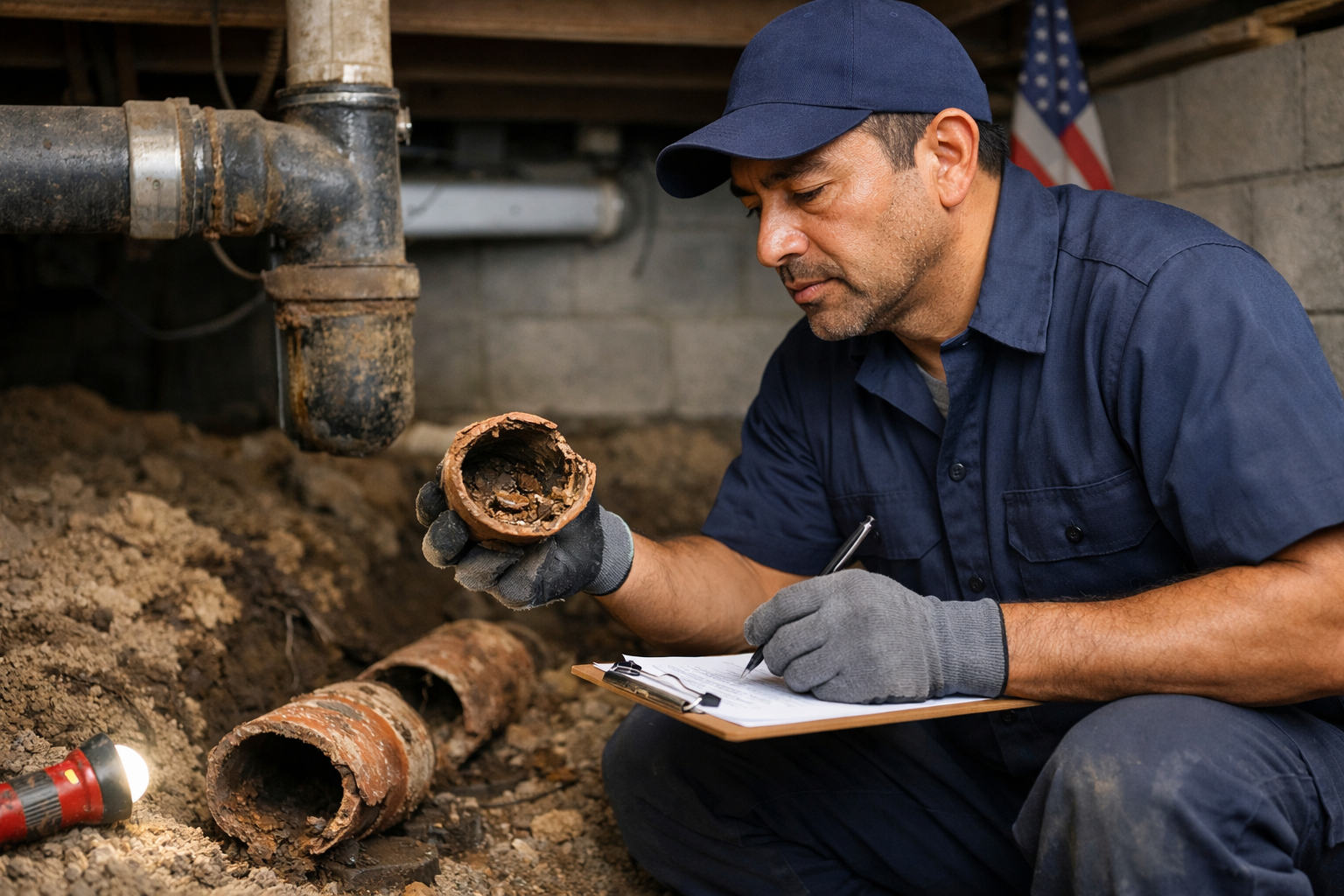
A sewer smell in house signals a problem you should not ignore. That foul odor means sewer gas is escaping into your home. Sewer gas contains harmful compounds like hydrogen sulfide and methane. These gases can cause health issues and indicate serious plumbing failures. Denver homeowners face unique sewer line challenges due to shifting soil and aging infrastructure. So understanding what causes sewer smell in house helps you act fast.
Your home’s sewer line should keep all odors trapped below ground. When you smell sewer gas inside, something has failed. The source might be a dried-out P-trap, a cracked sewer pipe, or a blocked vent. Each cause requires a different solution. But the first step is identifying where the sewer smell in house originates. This guide explains the most common causes and what to do next.
Sewer Experts has served Denver for over 25 years. We have diagnosed thousands of sewer smell in house cases. Our licensed technicians use camera inspections to find the exact problem. We offer trenchless sewer line repair options that fix issues without tearing up your yard. Call us 24/7 at (720) 663-7473 for emergency service.
Table of Contents
- What Causes Sewer Smell in House
- Health Risks of Sewer Gas Exposure
- Common Sources of Sewer Odor Inside Homes
- DIY Checks Before Calling a Professional
- When to Call a Sewer Line Expert
- How Professionals Diagnose Sewer Smell in House
- Repair Options for Sewer Line Problems
- Preventing Future Sewer Odor Issues
What Causes Sewer Smell in House
Sewer smell in house occurs when sewer gas bypasses your plumbing traps and vents. Every drain in your home has a P-trap. This curved pipe holds water that blocks sewer gas from rising. When the water in a P-trap evaporates, sewer gas flows directly into your home. Unused drains in basements or guest bathrooms often dry out completely.
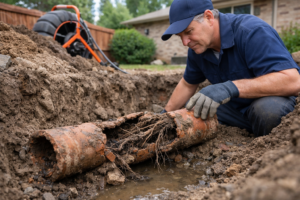
Cracked or broken sewer pipes also release sewer smell in house. Denver’s freeze-thaw cycles stress older clay and cast iron sewer lines. Tree roots invade cracks seeking moisture. So the sewer line develops leaks that allow sewer gas to escape. These leaks may be small at first but worsen over time.
Blocked or Damaged Sewer Vents
Your sewer line system includes vent pipes that extend through your roof. These vents allow sewer gas to escape safely outside. When a vent becomes blocked by debris, bird nests, or ice, pressure builds in your sewer line. The trapped sewer gas then forces its way back through drains. So you smell sewer gas inside your house instead of outside.
Damaged sewer vents cause the same problem. A cracked vent pipe near your roofline or in your attic releases sewer smell in house. This issue is harder to spot because the damage occurs out of sight. Professional plumbers use smoke tests to locate vent problems quickly.
Improperly Installed Wax Rings
Your toilet sits on a wax ring that seals it to the sewer line. Over time, this wax ring can compress or crack. When it fails, sewer gas leaks around the toilet base. You may notice a strong sewer smell in house near the bathroom floor. Rocking or loose toilets often indicate wax ring failure.
Installing a new wax ring is straightforward for experienced plumbers. However, improper installation creates gaps that allow continuous sewer gas leaks. So hiring a licensed professional ensures a proper seal. Sewer Experts installs wax rings correctly the first time. The EPA notes that indoor air quality improves dramatically when sewer gas leaks are sealed.
Health Risks of Sewer Gas Exposure
Sewer gas contains dangerous compounds. Hydrogen sulfide is the main culprit behind that rotten egg smell. Short-term exposure causes headaches, dizziness, and nausea. But prolonged exposure to high concentrations can cause serious respiratory problems. Children and elderly family members face greater health risks from sewer gas.
Methane is another component of sewer gas. It is highly flammable and displaces oxygen in enclosed spaces. So a sewer smell in house not only irritates your nose but also poses fire and asphyxiation risks. Ammonia in sewer gas irritates eyes, skin, and mucous membranes.
Recognizing Sewer Gas Symptoms
If you smell sewer gas inside your home, watch for physical symptoms. Frequent headaches, eye irritation, and fatigue may indicate ongoing exposure. Pets may also show signs of distress. They might avoid certain rooms or act lethargic. So take any persistent sewer smell in house seriously.
Immediate symptoms include coughing, throat irritation, and shortness of breath. Leave the area if you experience these symptoms. Open windows to ventilate your home. Then call a professional to locate and fix the sewer gas source. Never ignore a strong sewer smell in house.
Common Sources of Sewer Odor Inside Homes
Most sewer smell in house cases trace back to a few common culprits. Identifying the source helps you decide whether a quick fix or major repair is needed. Start by checking each bathroom, kitchen, and basement drain. These areas account for most sewer odor problems in Denver homes.
Dried-Out P-Traps
P-traps rely on standing water to block sewer gas. When you do not use a sink, shower, or floor drain for weeks, the water evaporates. Then sewer smell in house appears suddenly. This problem is most common in guest bathrooms, basement sinks, and utility drains.
Refilling a dried-out P-trap is simple. Run water in the unused drain for one minute. This refills the trap and restores the sewer gas barrier. If the sewer smell in house returns within days, the trap may have a crack or leak. Professional inspection is needed to confirm.
Cracked Sewer Line Pipes
Older homes in Denver often have clay or cast iron sewer lines. These materials deteriorate over time. Cracks develop from ground settling, tree root pressure, and freeze-thaw cycles. A cracked sewer line releases sewer smell in house through foundation walls or basement floors.
Small cracks grow into major breaks if left untreated. Sewage backups and water damage follow. So addressing sewer line cracks early saves thousands in repair costs. Sewer Experts uses video camera inspections to pinpoint cracks without excavation.
Clogged or Blocked Sewer Vents
Sewer vents extend through your roof to release sewer gas safely. Leaves, bird nests, and debris can block these vents. Ice buildup also restricts airflow during Denver winters. When a vent is blocked, sewer gas cannot escape. So it pushes back through your drains and creates a sewer smell in house.
Clearing a blocked vent requires roof access and specialized tools. Professionals remove obstructions and inspect the vent pipe for damage. Installing a vent cap prevents future blockages. Sewer Experts provides vent inspection and cleaning as part of our comprehensive sewer line services.
Faulty Toilet Seals
Toilets rely on wax rings and flange seals to prevent sewer gas leaks. When these seals fail, sewer smell in house concentrates near the bathroom floor. You may also notice water pooling around the toilet base after flushing. Loose or rocking toilets accelerate seal failure.
Replacing a wax ring and checking the flange condition resolves most toilet-related sewer odors. However, corroded flanges require additional repair. Our licensed plumbers assess the entire toilet connection to ensure a complete fix. We use high-quality wax rings that last for years.
DIY Checks Before Calling a Professional
You can perform several simple checks before calling a sewer line expert. These steps help you identify minor issues you can fix yourself. But if the sewer smell in house persists after these checks, professional diagnosis is essential.
Run Water in All Drains
Start by running water in every sink, shower, and floor drain for one minute. This refills all P-traps and restores sewer gas barriers. Check rarely used drains in basements, laundry rooms, and guest bathrooms. If the sewer smell in house disappears after this step, dried-out traps were the cause.
Set a reminder to run water in unused drains once a month. This simple habit prevents P-trap evaporation. Pour a small amount of mineral oil into seldom-used drains. The oil floats on the water and slows evaporation between uses.
Inspect Toilet Bases
Check every toilet in your home for wobbling or rocking. Press down on each side of the toilet bowl. If it moves, the wax ring seal may be compromised. Look for water stains or discoloration on the floor around the toilet base. These signs indicate a faulty seal.
Tighten loose toilet bolts carefully. But do not overtighten, as this can crack the porcelain. If tightening does not stop the rocking, the wax ring needs replacement. This job requires removing the toilet, which is best left to professionals.
Check for Visible Pipe Damage
Examine all exposed plumbing pipes in basements, crawl spaces, and under sinks. Look for cracks, corrosion, or loose connections. A sewer smell in house near a specific pipe often points to a leak at that location. Minor leaks may appear as damp spots or water stains on nearby walls.
If you find visible pipe damage, mark the location and call a professional. Attempting DIY repairs on sewer lines can worsen the problem. Licensed plumbers have the tools and expertise to repair leaks correctly. Sewer Experts offers same-day service for urgent sewer line issues.
Listen for Gurgling Sounds
Gurgling sounds from drains indicate poor venting or partial blockages. Listen for these sounds when you flush toilets or run water. Persistent gurgling often accompanies a sewer smell in house. This symptom suggests a more complex sewer line or vent problem.
Gurgling drains paired with sewer odor require professional diagnosis. The issue may involve blocked vents, clogged sewer lines, or improper pipe slopes. Family Handyman explains that chronic drain gurgling needs expert attention. Our team uses advanced diagnostic tools to identify the exact cause.
When to Call a Sewer Line Expert
Some sewer smell in house situations require immediate professional help. Do not delay if you notice multiple drains backing up simultaneously. This symptom indicates a main sewer line blockage or collapse. Sewage backups create health hazards and cause extensive property damage.
Call a sewer line expert if the sewer smell in house persists after checking P-traps and toilet seals. Persistent odors suggest hidden leaks or vent failures. These problems worsen over time and lead to costly repairs if ignored. Early intervention saves money and protects your home.
Signs of a Main Sewer Line Problem
A sewer smell in house combined with slow drains throughout your home indicates a main sewer line issue. Water backing up in the lowest drains first also signals main line blockage. You may hear gurgling in multiple fixtures when you flush a toilet.
Main sewer line problems require camera inspection and professional repair. Sewer Experts uses high-definition cameras to inspect sewer lines from the inside. We locate blockages, cracks, and root intrusions without digging. Then we recommend the most effective repair method for your situation.
Emergency Sewer Line Situations
Sewage backing up into your home is a plumbing emergency. Do not use any water fixtures until a professional clears the blockage. Raw sewage contains harmful bacteria and pathogens. So evacuate affected areas and contact an emergency plumber immediately.
Sewer Experts operates 24/7 to handle emergency sewer line situations. Our technicians arrive quickly with the equipment needed to clear blockages and restore service. We also provide sewage cleanup and sanitization services. Call (720) 663-7473 anytime you face a sewer emergency.
How Professionals Diagnose Sewer Smell in House
Professional sewer line diagnosis begins with a detailed inspection. Our technicians ask about when the sewer smell in house first appeared. We also inquire about recent plumbing changes, drainage issues, and fixture usage patterns. This information helps us narrow down potential causes quickly.
Video Camera Inspection
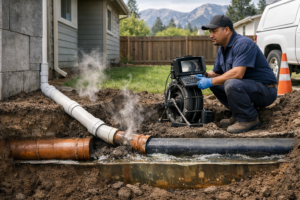
Video camera inspection is the most accurate way to diagnose sewer line problems. We insert a waterproof camera into your sewer line through a cleanout or drain. The camera travels through the entire line, recording high-definition video. We identify cracks, blockages, root intrusions, and pipe deterioration in real time.
This method eliminates guesswork and unnecessary excavation. You see exactly what we see on a monitor. The video footage shows the precise location and extent of any damage. Then we explain your repair options and provide upfront pricing. Sewer Experts includes camera inspection with every sewer line repair consultation.
Smoke Testing for Vent Issues
Smoke testing helps locate hidden sewer vent leaks. We introduce non-toxic theatrical smoke into your sewer line system. The smoke follows the path of least resistance. So it escapes through cracks, loose connections, and damaged vents. We then trace the smoke to pinpoint the exact leak location.
This technique is especially useful for finding sewer smell in house sources that are not visible. Smoke may appear around toilet bases, under sinks, or near roof vents. Once we identify the leak, we perform targeted repairs. Smoke testing is safe, fast, and highly effective.
Pressure Testing
Pressure testing evaluates your sewer line system’s integrity. We seal the sewer line and introduce air pressure. Then we monitor for pressure drops that indicate leaks. This test confirms whether your sewer line holds pressure or has compromised sections.
Pressure testing is particularly useful after sewer line repairs. It verifies that all connections are airtight and no sewer gas can escape. Our team uses calibrated equipment to ensure accurate results. You receive a detailed report of the test findings.
Repair Options for Sewer Line Problems
Modern sewer line repair offers multiple options. The best choice depends on the problem’s location, severity, and your budget. Sewer Experts specializes in both traditional excavation and advanced trenchless methods. We recommend the solution that provides the best long-term value.
Trenchless Pipe Lining
Trenchless pipe lining repairs sewer lines without excavation. We insert a resin-saturated liner into the damaged pipe. Then we inflate the liner and cure it in place. The result is a new pipe inside your old one. This method restores structural integrity and eliminates sewer smell in house at the source.
Pipe lining works for most cracked, corroded, or root-damaged sewer lines. It preserves your landscaping, driveways, and sidewalks. The entire process typically takes one day. Trenchless pipe lining carries a 50-year warranty and costs less than full excavation. Our clients appreciate the minimal disruption and fast turnaround.
Trenchless Pipe Bursting
Pipe bursting replaces severely damaged sewer lines without trenching. We pull a bursting head through your old pipe. This head breaks apart the old pipe and simultaneously pulls a new pipe into place. The process creates no mess above ground and completes in one day.
Pipe bursting is ideal for collapsed sewer lines or pipes with extensive damage. It allows us to install larger diameter pipes if needed. This method also works well for homes with mature landscaping you want to preserve. Trenchless pipe bursting costs less than traditional excavation and dig-and-replace methods.
Traditional Excavation Repair
Traditional excavation remains the best option for certain situations. When a sewer line has collapsed completely or shifted significantly, excavation provides direct access. We dig a trench to expose the damaged section. Then we remove the old pipe and install a new one. After backfilling and compaction, we restore the surface.
Excavation repair is more invasive than trenchless methods. However, it allows us to address severe structural issues effectively. We minimize disruption by limiting excavation to only the damaged section. Our crew completes excavation repairs efficiently and restores your property carefully.
Vent Pipe Repair and Replacement
Damaged sewer vents require repair or replacement. We access vent pipes through your attic or roof. Then we replace cracked sections or install new vent extensions. Properly functioning vents eliminate sewer smell in house by allowing gas to escape outside.
Vent pipe repair is straightforward but requires proper sealing. We use weatherproof materials and install vent caps to prevent future blockages. Our team ensures all vent pipes meet local building codes. Proper venting protects your home from sewer gas infiltration.
Preventing Future Sewer Odor Issues
Preventing sewer smell in house starts with regular maintenance. Simple habits keep your sewer line system functioning properly. Most sewer odor problems are avoidable with consistent care and timely inspections.
Regular Drain Use
Use all drains in your home at least once a month. This keeps P-traps filled with water. Set a calendar reminder to run water in guest bathrooms, basement sinks, and utility drains. Pour a small amount of mineral oil into rarely used drains. The oil slows water evaporation between uses.
Regular drain use also helps identify slow drainage early. If a drain empties slowly, address it before it becomes completely blocked. Small clogs are easier and cheaper to clear than major blockages. So proactive drain maintenance prevents sewer smell in house problems.
Annual Sewer Line Inspections
Schedule annual sewer line inspections to catch problems early. Camera inspections reveal developing cracks, root intrusions, and corrosion. Addressing these issues before they cause sewer smell in house saves thousands in emergency repairs. Annual inspections are especially important for homes with older sewer lines.
Sewer Experts offers comprehensive sewer line inspections at affordable rates. We record video footage for your records. Then we provide maintenance recommendations based on your sewer line’s condition. Preventive care extends your sewer line’s lifespan significantly.
Proper Waste Disposal
Never flush items that cause sewer line blockages. Avoid putting grease, coffee grounds, and fibrous foods down drains. Do not flush wipes, even those labeled flushable. These items create clogs that trap sewer gas and cause backups.
Dispose of household chemicals properly. Pouring harsh chemicals down drains corrodes pipes and damages sewer line materials. Use drain screens to catch hair and debris. Proper waste disposal reduces the risk of sewer smell in house and extends your sewer line’s life.
Tree Root Management
Tree roots are a leading cause of sewer line damage in Denver. Roots seek moisture and infiltrate sewer pipes through small cracks. Once inside, they grow rapidly and create major blockages. Manage tree roots by planting new trees away from sewer lines.
If you have large trees near your sewer line, consider root barrier installation. These barriers redirect roots away from pipes. Regular root removal through professional drain cleaning also prevents damage. Our team uses specialized cutting tools to clear roots without harming your sewer line.
Frequently Asked Questions
What is sewer smell in house?
Sewer smell in house is a foul odor caused by sewer gas escaping into your home. Sewer gas contains hydrogen sulfide, methane, and ammonia. The smell resembles rotten eggs and indicates a plumbing system failure. Common causes include dried-out P-traps, cracked sewer pipes, and blocked vents. Sewer gas exposure poses health risks. So address sewer smell in house immediately.
How do I stop sewer smell in house?
Stop sewer smell in house by identifying and fixing the source. Run water in all drains to refill P-traps. Check toilet seals for leaks. Inspect visible pipes for cracks. If the sewer smell in house persists, call a professional. Sewer line experts use camera inspections to locate hidden problems. They then recommend targeted sewer line repairs to eliminate odors permanently.
Why does sewer smell in house get worse at night?
Sewer smell in house often intensifies at night due to temperature changes. Cooler evening air slows air movement and traps sewer gas inside. Reduced water usage at night also allows P-trap water levels to drop. Blocked sewer vents worsen the problem because pressure builds overnight. So morning sewer odors indicate vent or trap issues needing professional attention.
When should I call a plumber for sewer smell in house?
Call a plumber for sewer smell in house if odors persist after checking P-traps and toilet seals. Also call immediately if you notice sewage backups or multiple slow drains. These symptoms indicate main sewer line problems. Early professional diagnosis prevents costly damage. Sewer Experts offers 24/7 emergency sewer line service for urgent situations.
Can sewer smell in house make you sick?
Yes, sewer smell in house can make you sick. Sewer gas contains hydrogen sulfide, which causes headaches, dizziness, and nausea. Prolonged exposure leads to respiratory problems and fatigue. Methane displaces oxygen and creates asphyxiation risks. Children and elderly individuals face greater health dangers. So eliminate sewer smell in house quickly to protect your family’s health.
Step-by-Step Process: Addressing Sewer Smell in House
- Notice a sewer smell in house and determine the affected areas. Identify which rooms have the strongest odor.
- Run water in all drains for one minute. This refills P-traps and restores sewer gas barriers.
- Check all toilets for rocking or wobbling. Tighten bolts carefully and look for water stains around bases.
- Inspect visible plumbing pipes in basements and under sinks. Look for cracks, corrosion, or loose connections.
- Listen for gurgling sounds from drains. Note which fixtures produce unusual noises when water runs.
- Contact a licensed plumber if the sewer smell in house persists. Describe your symptoms and completed checks.
- Schedule a professional video camera inspection. This locates hidden sewer line cracks, blockages, and vent issues.
- Review inspection findings with your plumber. Discuss repair options including trenchless methods and excavation.
- Approve the recommended sewer line repair solution. Ensure you understand the scope, timeline, and warranty coverage.
- Follow maintenance recommendations after repairs. Use all drains monthly and schedule annual sewer line inspections.
Quick Reference: Sewer Smell in House Definition
Sewer smell in house refers to the presence of foul-smelling sewer gas inside a residential property. This odor typically smells like rotten eggs due to hydrogen sulfide content. Sewer gas enters homes through dried-out P-traps, cracked sewer pipes, faulty toilet seals, or blocked sewer vents. The smell indicates that your plumbing system’s gas barrier has failed. Sewer smell in house poses health risks including headaches, respiratory irritation, and potential fire hazards from methane. Immediate identification and repair of the source is essential. Professional sewer line inspection pinpoints the exact cause. Common solutions include refilling P-traps, replacing wax rings, repairing sewer line cracks with trenchless methods, and clearing blocked vents. Preventive measures include regular drain use, annual sewer line camera inspections, proper waste disposal, and tree root management. Addressing sewer smell in house quickly protects your family’s health and prevents costly sewer line damage.
Conclusion and Next Steps
A sewer smell in house is never normal. It signals that sewer gas is escaping into your living space. This problem threatens your family’s health and indicates plumbing system failures. Most causes are fixable with professional help. But ignoring the problem leads to severe damage and higher repair costs.
Start by checking P-traps and toilet seals yourself. Run water in all drains and inspect for visible leaks. If the sewer smell in house persists, contact a licensed sewer line expert immediately. Camera inspections locate the exact problem without guesswork. Then modern repair methods like trenchless pipe lining fix issues with minimal disruption.
Sewer Experts has served Denver homeowners for over 25 years. We diagnose and repair sewer smell in house problems quickly. Our licensed technicians use advanced camera technology and offer both trenchless and traditional repair options. We provide upfront pricing and 5-year warranties on all work. Call us 24/7 at (720) 663-7473 for emergency sewer line service. Do not let sewer smell in house compromise your home’s safety and comfort.