How Sewer Line Pressure Testing Works: Find Hidden Leaks Before They Become Costly Repairs

Sewer line pressure testing is one of the most accurate ways to find hidden leaks. You can’t see most sewer problems with the naked eye. Cracks, joint failures, and slow leaks hide underground. They cause damage for months before anyone notices. Sewer line pressure testing changes that. It gives you a clear answer fast.

At Sewer Experts (SewerEx), our team has over 25 years of experience diagnosing sewer problems across Denver and the Front Range. Sewer line pressure testing is a core part of how we find leaks that other methods miss. This guide explains exactly how sewer line pressure testing works, when you need it, and what the results mean for your home. According to the U.S. Environmental Protection Agency, undetected leaks waste billions of gallons of water each year. Pressure testing your sewer line is one of the smartest steps you can take.

1. What Is Sewer Line Pressure Testing?
2. How Sewer Line Pressure Testing Works Step by Step
3. Types of Sewer Line Pressure Tests
4. When You Need Sewer Line Pressure Testing
5. What Pressure Test Results Tell You

What Is Sewer Line Pressure Testing?

What Is Sewer Line Pressure Testing?

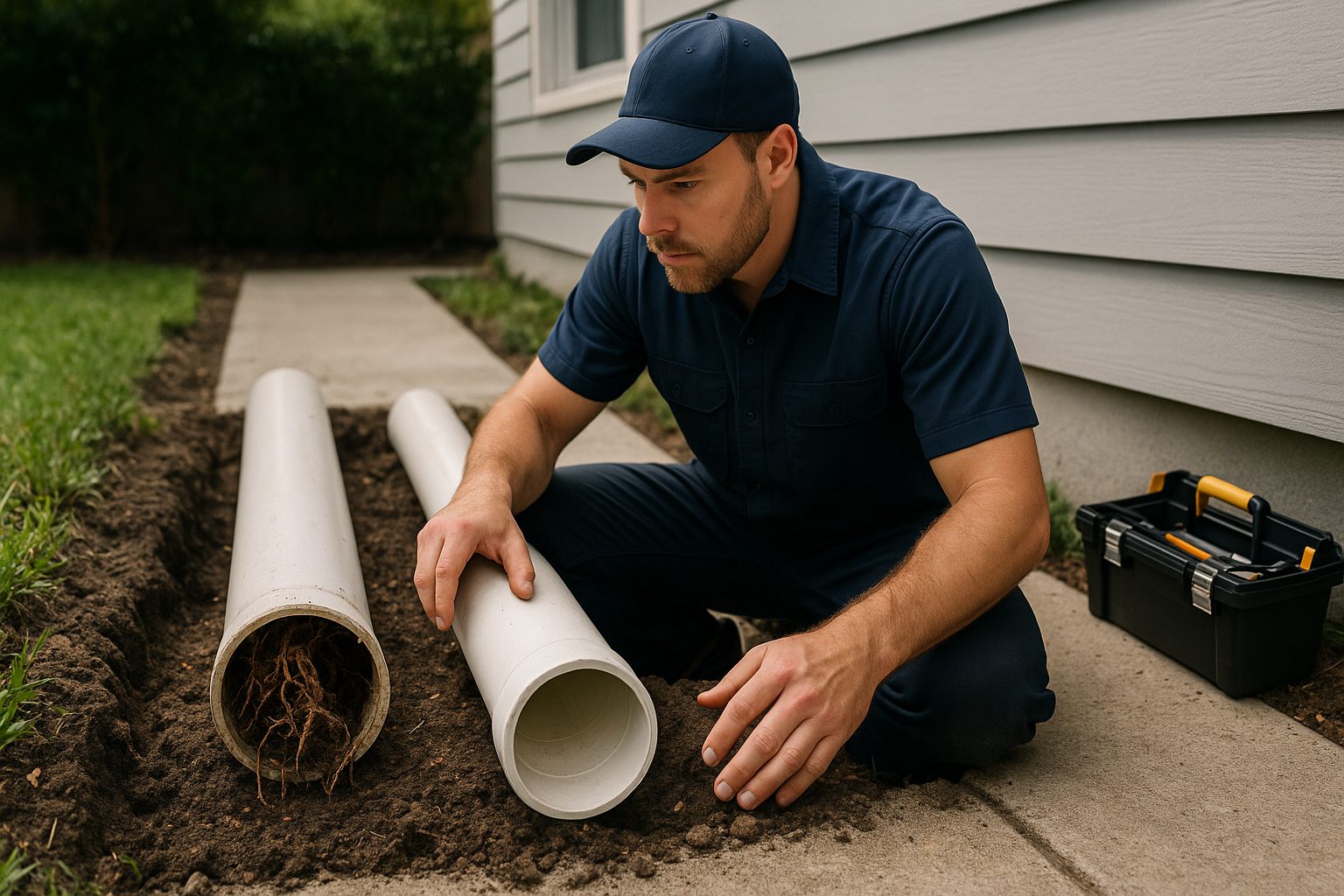
Sewer line pressure testing is a diagnostic method. It checks your sewer pipe for leaks, cracks, and weak joints. A technician seals the pipe and fills it with air or water. Then they watch the pressure. If pressure drops, there is a leak somewhere in the line.

This test is direct and reliable. It does not guess. It measures. A sewer line that holds pressure is intact. A sewer line that loses pressure has a problem. The test tells you exactly which section failed. That saves time and money on repairs.

Sewer line pressure testing works on all pipe types. It works on clay, cast iron, PVC, and ABS pipe. It works on residential and commercial lines. The test is non-invasive. You do not need to dig to run it.

Why Pressure Testing Matters

Most sewer leaks are invisible. They happen underground. Tree roots crack pipe walls slowly. Old joints shift and separate. Corrosion eats through metal pipes over time. None of this shows up on the surface until serious damage is done.

Sewer line pressure testing finds these problems early. Early detection means smaller repairs. A small crack caught today costs far less than a collapsed line next year. Pressure testing gives you facts, not guesses. You know what is wrong before you spend money on repairs.

For Denver homeowners, this matters a lot. Colorado soil shifts with freeze-thaw cycles. That movement stresses sewer pipes every winter. Pressure testing after a hard winter can catch new damage before it gets worse.

Pressure Testing vs. Camera Inspection

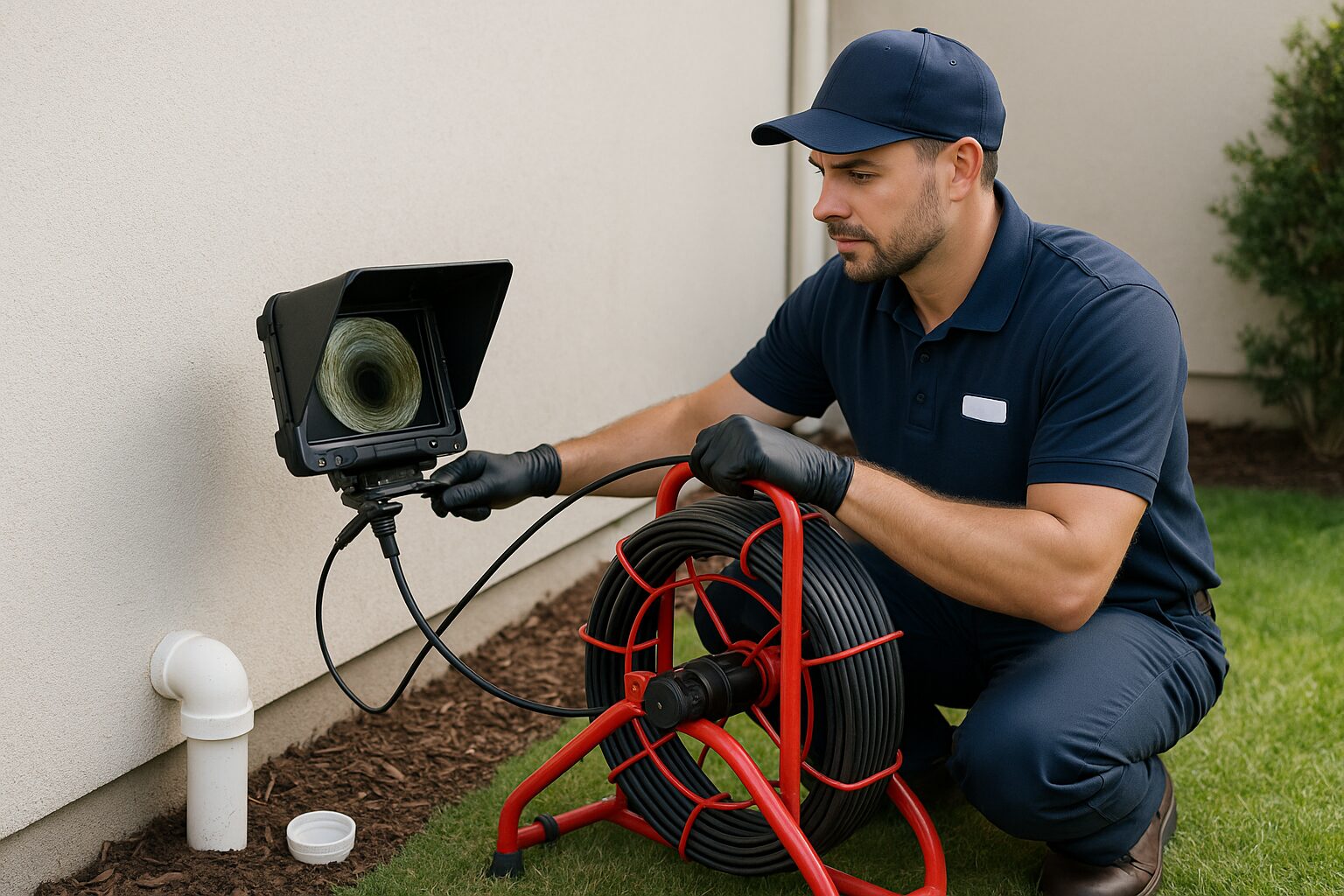
A sewer camera inspection shows you what is inside the pipe. It finds blockages, root intrusion, and visible cracks. But a camera can miss small leaks. A hairline crack may not show up clearly on video.

Sewer line pressure testing measures performance. It tells you if the pipe holds pressure. So the two tests work together. A camera shows you the condition. A pressure test confirms the pipe is sealed. Many sewer professionals use both. First the camera, then the pressure test. Together, they give you a complete picture.

At SewerEx, we often combine sewer camera inspection with pressure testing. This gives Denver homeowners the most accurate diagnosis possible.

Sewer line pressure testing is the most direct way to confirm a sewer pipe is leak-free. It measures actual performance, not just appearance. Combined with a camera inspection, pressure testing gives you a complete and accurate picture of your sewer line’s condition.

How Sewer Line Pressure Testing Works Step by Step

The sewer line pressure testing process is straightforward. A trained technician follows a clear set of steps. Each step builds on the last. The goal is to isolate the pipe and measure how well it holds pressure.

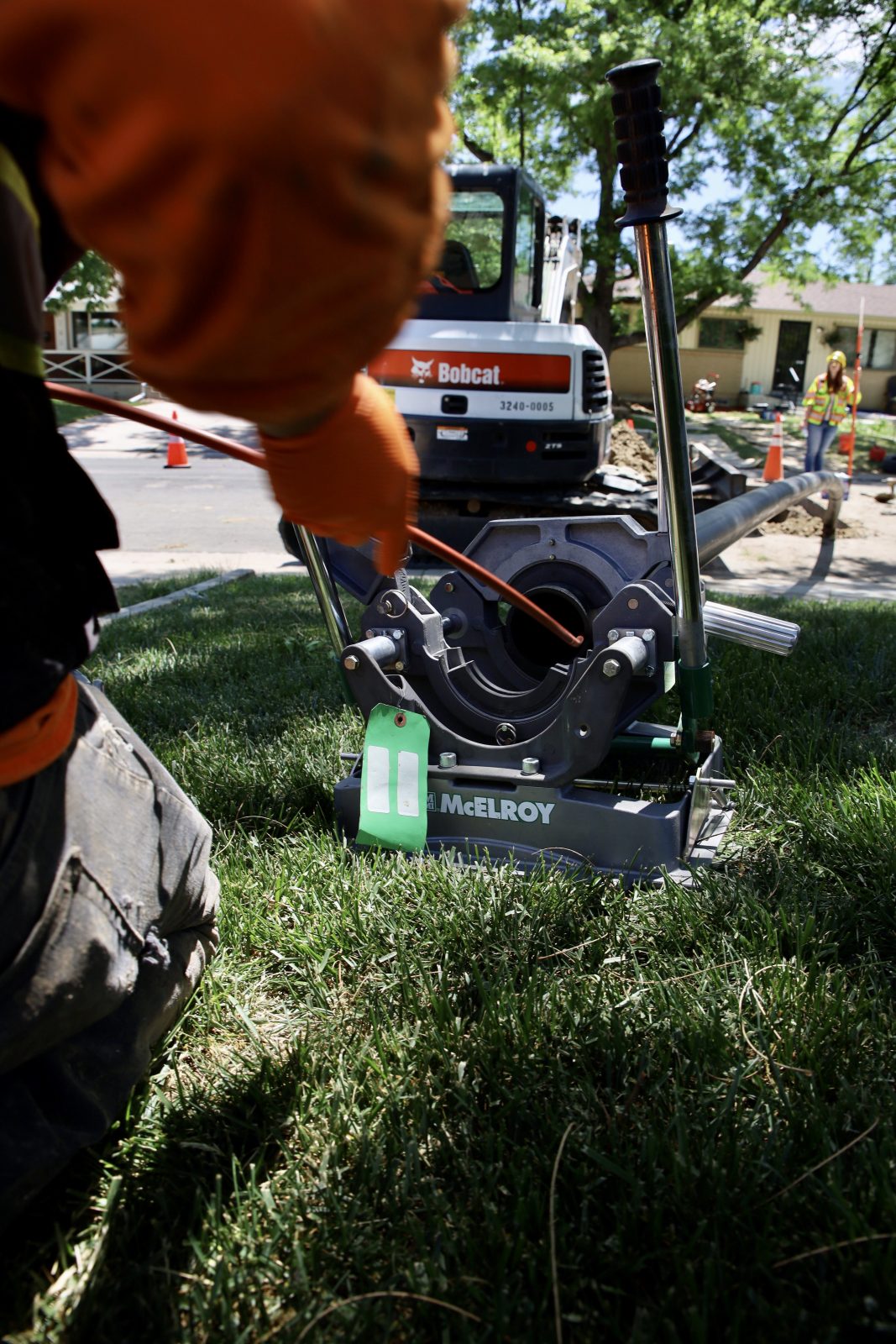
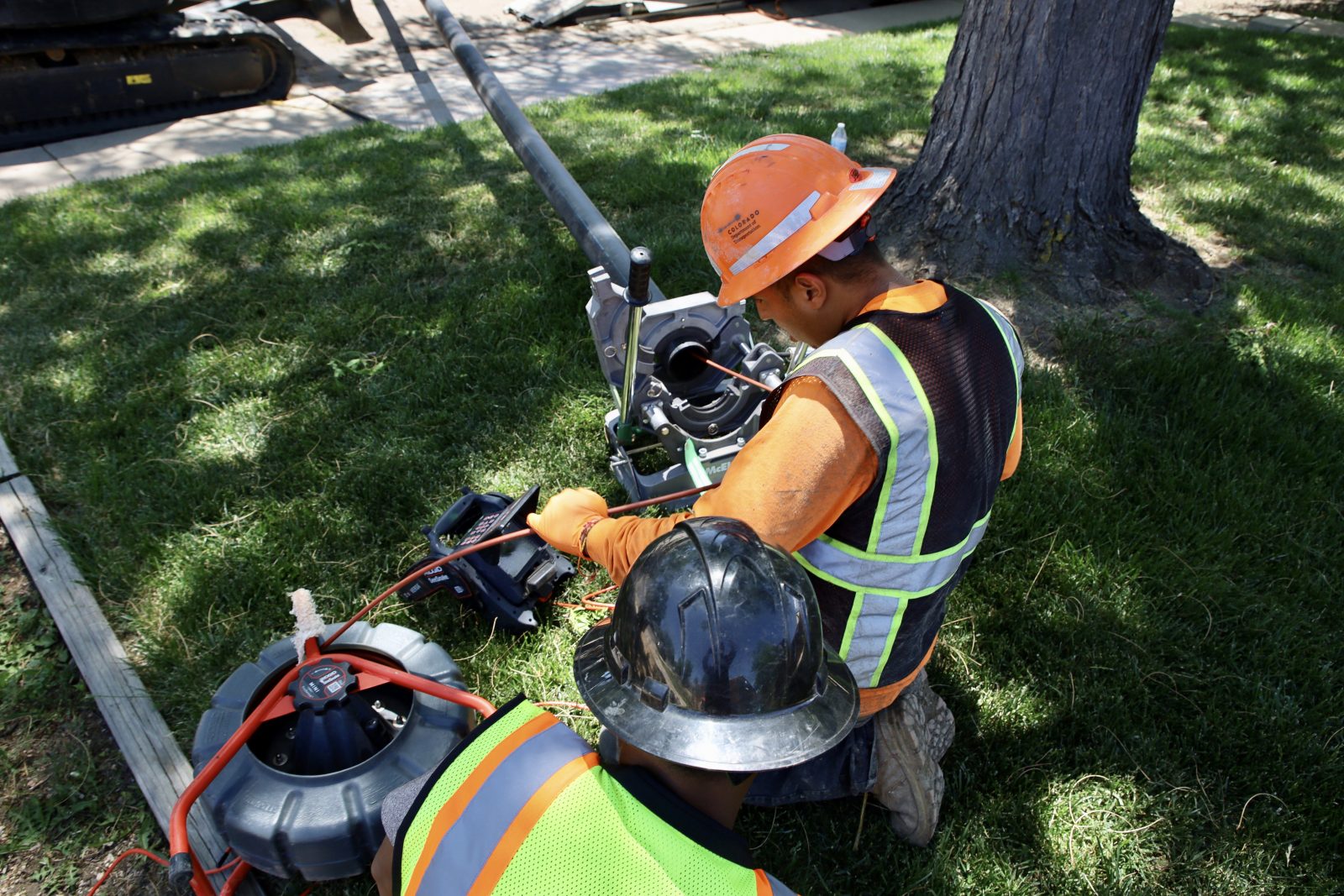
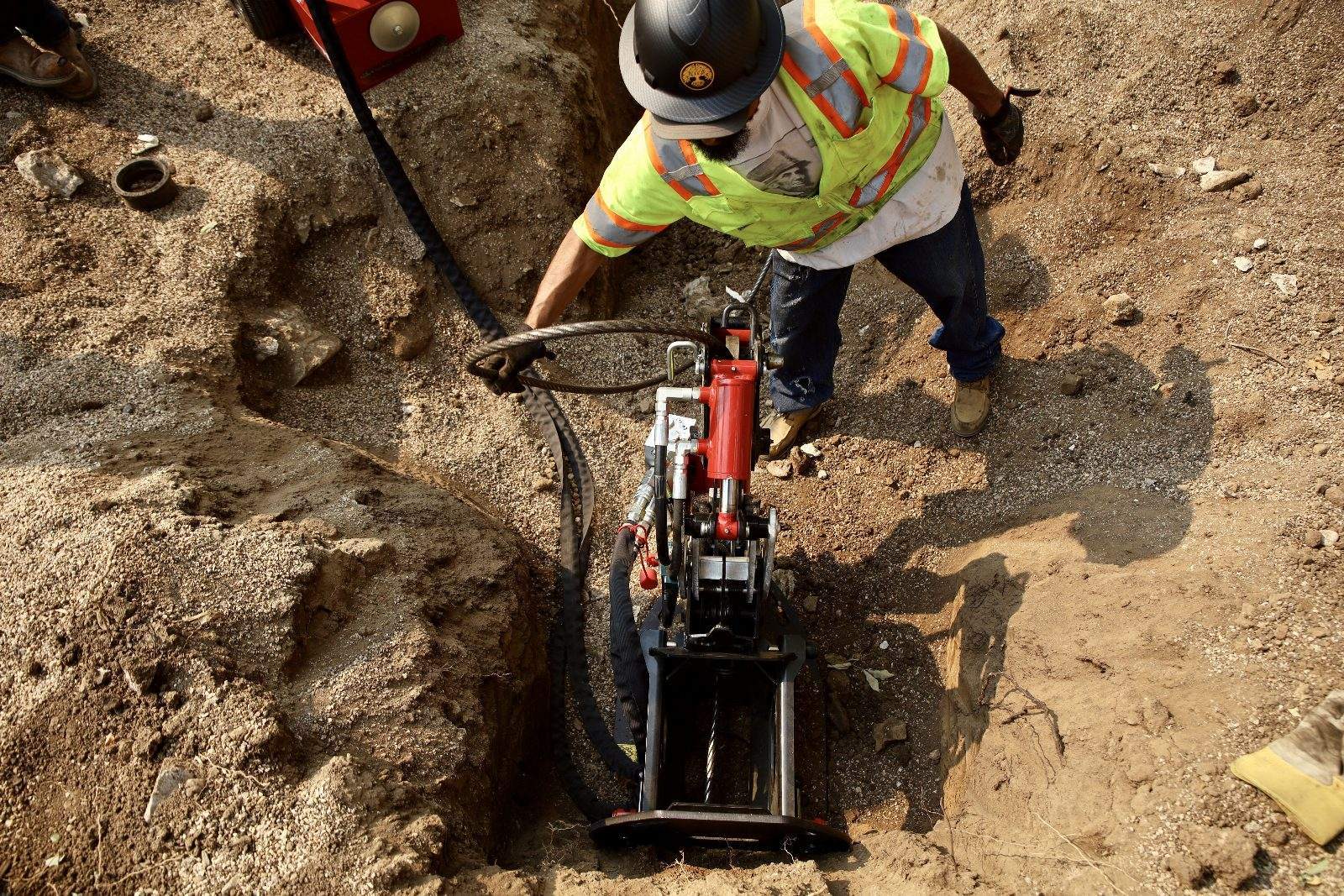
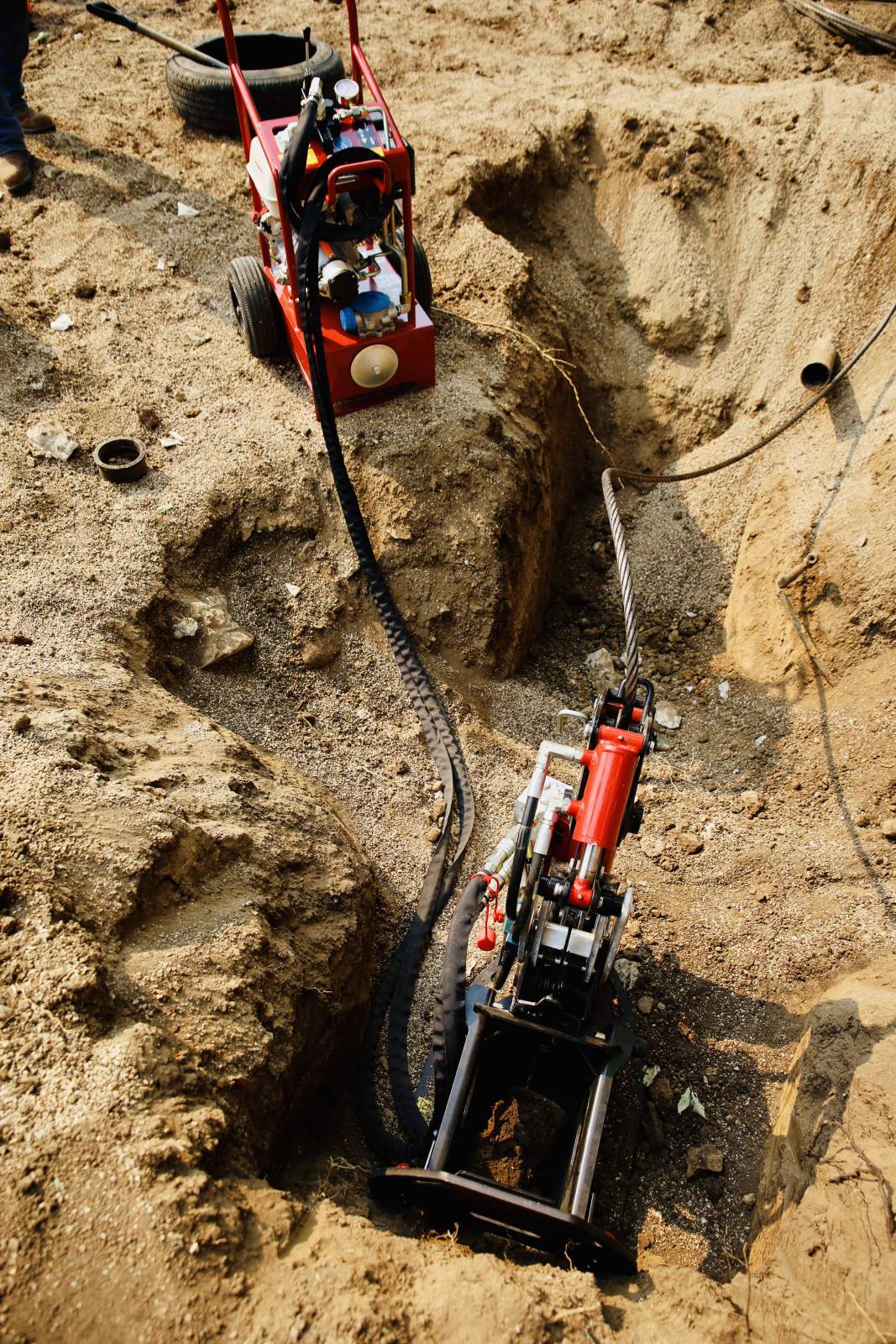
First, the technician accesses the sewer line. This is usually through a cleanout or an open end of the pipe. Then they seal both ends of the test section. Inflatable plugs or mechanical stoppers do this job. The sealed section is now isolated from the rest of the system.

Next, the technician introduces air or water into the sealed section. They bring the pressure up to a set level. For most residential sewer lines, this is around 5 PSI for air tests or a specific water column height for hydrostatic tests. Then they wait and watch the gauge.

Reading the Pressure Gauge

The pressure gauge is the heart of the sewer line pressure test. If pressure stays steady, the pipe is sealed. If pressure drops, air or water is escaping somewhere. The rate of pressure drop tells the technician how serious the leak is.

A slow drop may mean a small crack or a loose joint. A fast drop means a larger failure. The technician notes the rate and location of the drop. Then they can narrow down where the leak is. This is where sewer line pressure testing saves real money. You fix the right spot, not the whole line.

Some tests use electronic pressure loggers. These record pressure changes over time. The data shows exactly when and how fast pressure dropped. This gives a precise record of the sewer line’s condition.

After the Pressure Test

Once the sewer line pressure test is complete, the technician releases the pressure. They remove the plugs and restore normal flow. The whole process takes one to three hours for most residential lines.

The technician then reviews the results with you. They explain what the pressure data shows. If the sewer line passed, you get peace of mind. If the sewer line failed, you get a clear repair recommendation. No guessing. No vague answers.

At SewerEx, we walk every Denver homeowner through the results in plain language. You understand exactly what was found and what comes next. Check our customer reviews to see how we handle these conversations.

Types of Sewer Line Pressure Tests

There are two main types of sewer line pressure testing. Each uses a different medium to pressurize the pipe. Both are accurate. The right choice depends on the pipe type, location, and what you are testing for.

The first type is air pressure testing. The second is hydrostatic pressure testing, which uses water. Both methods follow the same basic logic. Seal the pipe, add pressure, and watch for a drop. But they have different strengths and best uses.

Understanding both types helps you ask the right questions. When you call a sewer professional, you can ask which method they plan to use and why. That conversation leads to better results.

Air Pressure Testing for Sewer Lines

Air pressure testing is fast and clean. The technician pumps air into the sealed sewer pipe section. They bring it to the required pressure level. Then they monitor the gauge for a set time period, usually 15 minutes.

Air is sensitive. Even a tiny leak causes a measurable pressure drop. This makes air pressure testing very good at finding small cracks and loose joints. It is also easy to set up. No water to manage or clean up afterward.

The American Society of Civil Engineers recommends air testing as a standard method for new sewer line installations. It is also widely used for post-repair verification. After a sewer line repair, air testing confirms the fix held.

Hydrostatic Pressure Testing Explained

Hydrostatic pressure testing fills the sewer pipe with water. The technician seals the line and fills it completely. Then they watch the water level. If the level drops, water is leaking out somewhere.

Hydrostatic testing is excellent for large-diameter pipes. It is also good for testing long sections of sewer line. Water pressure is consistent and easy to measure. This method is common in commercial sewer line pressure testing.

For residential use, hydrostatic testing works well on main sewer lines. It is especially useful when testing a line before and after trenchless pipe lining. The before test shows the leak. The after test confirms the repair sealed it completely.

Always run a sewer line pressure test after any sewer repair. This confirms the fix worked. A post-repair pressure test is the only way to know for certain the leak is gone. At SewerEx, we include this verification step in every repair we complete in Denver and across the Front Range.

When You Need Sewer Line Pressure Testing

Sewer line pressure testing is not just for emergencies. There are several situations where it makes sense to test proactively. Knowing when to test saves you from expensive surprises.

The most common reason is a suspected leak. If you smell sewage near your foundation, see wet spots in your yard, or notice slow drains throughout the house, a pressure test can confirm the problem. These are signs your sewer line may be leaking underground.

Buying a home is another key time. A sewer line pressure test during a home inspection gives you real data. You know the condition of the sewer before you close. That knowledge protects your investment.

Signs Your Sewer Line Needs Testing

Several warning signs point to a sewer line problem. Watch for these in your Denver home. Each one is a reason to schedule sewer line pressure testing soon.

First, look for unusually green or lush patches in your yard. Leaking sewage acts as fertilizer. A bright green strip over your sewer line often means a leak below. Second, watch for foundation cracks or settling. A leaking sewer line can wash away soil under your foundation. Third, notice any gurgling sounds from drains or toilets. This can mean air is entering the sewer line through a crack.

Also watch for recurring drain clogs. One clog is normal. Repeated clogs in multiple drains suggest a deeper sewer line problem. Sewer line pressure testing can confirm whether a leak is involved.

Pressure Testing for New Construction

New sewer lines need pressure testing too. Building codes in Colorado require sewer line pressure testing before a new line is covered with soil. This confirms the installation was done correctly. It protects the homeowner and the contractor.

For new construction in Denver and surrounding communities, SewerEx performs pressure testing as part of the installation process. We test every new sewer line before backfill. This is standard practice for a licensed sewer contractor.

If you are building a new home or adding a sewer connection, ask your contractor about pressure testing. It should be a standard part of the job. If they do not offer it, that is a red flag. Learn more about our full range of services on our about page.

Do not skip sewer line pressure testing when buying an older home. Many buyers rely only on a visual camera inspection. But a camera can miss small leaks. A pressure test confirms the pipe is truly sealed. Skipping this step has cost Denver homeowners thousands in surprise repairs after closing.

What Sewer Line Pressure Test Results Tell You

The results of a sewer line pressure test are clear. Pass or fail. But the details behind those results tell a much richer story. A good technician reads those details and gives you a complete picture.

A passing result means the sewer line held pressure for the full test period. No significant pressure drop was recorded. The pipe is sealed. You can move forward with confidence. This result is also useful documentation. It shows the sewer line was in good condition on a specific date.

A failing result means pressure dropped during the test. The sewer line has at least one leak. The next step is to locate the exact spot. This is where sewer camera inspection often follows the pressure test. The camera finds the visible cause of the leak.

Repair Options After a Failed Test

A failed sewer line pressure test leads to a repair decision. The right repair depends on what the camera found and where the leak is. Not every failed test means a full sewer line replacement.

For small cracks or isolated joint failures, trenchless pipe lining is often the best fix. A CIPP liner is installed inside the existing pipe. It seals the crack from the inside. No digging required. The repair lasts 50 or more years. After lining, a follow-up pressure test confirms the repair worked.

For more severe damage, trenchless pipe bursting may be the answer. This method breaks the old pipe and pulls a new one into place. It is still trenchless. Your yard stays intact. A pressure test after bursting confirms the new pipe is sealed and ready.

Pressure Test Documentation and Records

Keep your sewer line pressure test results. They are valuable documents. If you sell your home, test records show buyers the sewer line was inspected and passed. That builds trust and can speed up the sale.

For commercial properties, pressure test records are often required by local codes. Denver building departments may ask for test documentation before issuing occupancy permits. Having organized records protects you during inspections and audits.

At SewerEx, we provide written results for every sewer line pressure test we perform. You get a clear report with the date, method, pressure levels, and outcome. This record is yours to keep and use as needed.

Sewer line pressure testing gives you control. You are not guessing about your sewer line’s condition. You have data. That data drives smarter repair decisions. It prevents overspending on repairs you do not need. It also prevents underspending on problems that will only get worse. For Denver homeowners dealing with aging pipes and shifting Colorado soil, sewer line pressure testing is one of the best investments you can make in your property. It is fast, accurate, and gives you answers the same day.

Sewer line pressure testing is a proven, accurate way to find hidden leaks in your sewer pipe. It works by sealing the pipe, adding pressure, and watching for a drop. Air testing and hydrostatic testing both give you reliable results. Combined with a camera inspection, sewer line pressure testing gives you the full picture of your sewer line’s health.

Do not wait for a sewage backup or a flooded yard to act. Sewer line pressure testing is fast and non-invasive. It saves you money by finding problems early. At SewerEx, our Denver team is ready to help. Ask about sewer line pressure testing during your next sewer inspection. Contact us today to schedule your test and get clear answers about your sewer line.

Pressure testing is a standard verification method for sewer and water infrastructure. It confirms that installed or repaired pipe sections meet leak-tightness requirements before they are placed into service. Consistent use of pressure testing reduces long-term infrastructure failure rates and protects groundwater quality. It is one of the most cost-effective quality assurance steps in sewer system management.

Sewer line pressure testing is the most reliable way to confirm your sewer pipe is leak-free. It finds hidden cracks and joint failures that cameras can miss. For Denver homeowners, it is a smart, fast, and non-invasive diagnostic tool that protects your property and your budget.

Frequently Asked Questions

What does sewer line pressure testing actually measure?

Sewer line pressure testing measures how well a sewer pipe holds pressure. The pipe is sealed and pressurized. If pressure drops, the sewer line has a leak. The test shows exactly how much pressure was lost and how fast. This tells technicians where and how serious the sewer line problem is.

How long does a sewer line pressure test take?

Most sewer line pressure tests take one to three hours. Setup takes about 30 minutes. The actual pressure test period runs 15 to 60 minutes. Then the technician reviews results with you. Longer sewer lines or complex systems may take more time. Your sewer technician can give you a time estimate before starting.

Is sewer line pressure testing required by code in Denver?

Yes, sewer line pressure testing is required for new sewer installations in Colorado. Local building codes require the sewer line to pass a pressure test before backfill. For existing sewer lines, testing is not always required but is strongly recommended. It confirms your sewer line is sealed and performing correctly.

Can sewer line pressure testing damage my pipes?

No, sewer line pressure testing does not damage healthy pipes. The pressure used is low and controlled. It is well within the safe range for all standard sewer pipe materials. If a sewer line fails the test, the pipe already had a problem. The test reveals the issue but does not cause it.

What happens if my sewer line fails the pressure test?

A failed sewer line pressure test means the pipe has a leak. The next step is a camera inspection to find the exact location. Then your sewer technician recommends a repair. Options include trenchless pipe lining for small cracks or pipe bursting for severe damage. A follow-up pressure test confirms the sewer line repair worked.

Step-by-Step Process

Step-by-Step: How Sewer Line Pressure Testing Works

1. Access the sewer line through a cleanout or open pipe end
2. Seal both ends of the test section with inflatable plugs
3. Choose the right test method: air or hydrostatic pressure
4. Pressurize the sealed sewer line to the required level
5. Monitor the pressure gauge for the full test period
6. Record pressure readings and note any drops
7. Release pressure and remove plugs safely
8. Run a camera inspection if the sewer line failed the test
9. Review results and repair options with the homeowner
10. Run a follow-up pressure test to confirm the repair worked

Quick Reference: What Is Sewer Line Pressure Testing?

Sewer line pressure testing is a diagnostic method. It checks a sewer pipe for leaks and cracks. A technician seals the pipe and fills it with air or water. Then they watch the pressure. If pressure drops, the sewer line has a leak. So the test gives you a clear pass or fail result. It works on all pipe types. It is non-invasive and fast. Most tests take one to three hours. Results are available the same day. Sewer line pressure testing is used for new installations, post-repair checks, and home inspections. It is the most accurate way to confirm a sewer pipe is sealed.

Additional Resources

Trenchless Pipe Lining Denver — Learn how CIPP lining seals sewer cracks without digging. A common repair after a failed pressure test.

Trenchless Pipe Bursting Denver — Explore pipe bursting as a repair option for severely damaged sewer lines confirmed by pressure testing.

Sewer Experts Denver Reviews — Read what Denver homeowners say about our sewer line inspections, pressure testing, and repair work.

Contact Sewer Experts Denver — Schedule your sewer line pressure test or ask questions about your sewer line’s condition today.

CIPP Pipe Lining vs. Traditional Sewer Replacement: Total Cost Comparison for Denver Homeowners

Your sewer line is failing. Now you face a big choice. Do you dig up your yard for a full replacement? Or do you choose CIPP lining? CIPP lining cost savings for Denver sewer repairs are real and significant. Most Denver homeowners save 30–50% by choosing CIPP over traditional replacement. That gap adds up fast when you factor in labor, landscaping, and lost time.

At Sewer Experts (SewerEx), we have spent over 25 years fixing sewer lines across Denver and the Front Range. We have seen both methods up close. Our team offers trenchless pipe lining in Denver that repairs your sewer in days, not weeks. CIPP lining cost savings for Denver sewer jobs are not just about the invoice. They include your lawn, your driveway, your time, and your stress. This guide breaks down every cost so you can make a smart choice.

1. What Is CIPP Lining and How Does It Work?
2. CIPP Lining Cost Savings: Denver Sewer Price Breakdown
3. Hidden Costs of Traditional Sewer Replacement
4. CIPP Lining Durability vs. Traditional Pipe Lifespan
5. When CIPP Lining Is the Right Choice for Denver Homes
6. Step-by-Step CIPP Lining Process and FAQ

What Is CIPP Lining and How Does It Work?

CIPP stands for Cured-In-Place Pipe. It is a trenchless sewer repair method. A flexible liner soaked in resin is inserted into your damaged pipe. Then it is inflated and cured with heat or UV light. The result is a brand-new pipe inside your old one. No digging. No mess. No weeks of disruption.

Traditional sewer replacement works differently. Workers dig a trench from your home to the street. They pull out the old pipe and lay a new one. Then they backfill the trench and repair whatever they destroyed. That means your lawn, driveway, sidewalk, or garden may all need work after the job is done.

CIPP lining is the faster, cleaner option. Most CIPP lining jobs in Denver finish in one to two days. Traditional replacement can take five to ten days or more. The EPA’s guide on trenchless technology confirms that trenchless methods reduce surface disruption by up to 90%.

How CIPP Lining Repairs Your Sewer Pipe

The CIPP lining process starts with a sewer camera inspection. A technician sends a high-definition camera through your sewer line. This shows cracks, root intrusion, corrosion, or collapse. Next, the pipe is cleaned with hydro jetting. Then the resin-soaked liner goes in.

Once the liner is in place, it is inflated against the pipe walls. Heat or UV light cures the resin. This creates a hard, smooth, jointless pipe inside your old one. The new CIPP liner bonds tightly to the host pipe. It seals cracks and stops root intrusion. The finished pipe is strong and smooth. Flow rates often improve after CIPP lining because the interior is so clean.

CIPP lining works on clay, cast iron, PVC, and concrete pipes. It handles bends and offsets that traditional methods struggle with. So, most Denver sewer lines are good candidates for CIPP lining.

Traditional Replacement: What the Process Looks Like

Traditional sewer replacement is exactly what it sounds like. Workers dig a trench along the path of your sewer line. In Denver, that trench often runs through your front yard, under your sidewalk, and into the street. The old pipe comes out. A new pipe goes in. Then everything gets backfilled.

The digging alone takes one to two days. Backfilling and compaction take more time. Then you wait for the ground to settle before any surface repairs happen. Landscaping restoration, concrete work, and asphalt patching all come later. Each of those steps costs extra money.

For Denver homeowners, traditional replacement also means permits, traffic control, and sometimes utility conflicts. Clay soil and rocky ground in many Denver neighborhoods make digging harder and slower. So, the total cost and time for traditional replacement in Denver is often higher than in other cities.

CIPP lining repairs your sewer from the inside out. No digging. No yard damage. Most Denver CIPP lining jobs finish in one to two days. Traditional replacement takes five to ten days and leaves a trail of surface damage that costs extra to fix. CIPP lining cost savings for Denver sewer repairs start before the invoice is even written.

CIPP Lining Cost Savings: Denver Sewer Price Breakdown

Let’s talk real numbers. CIPP lining cost savings for Denver sewer repairs depend on pipe length, depth, and condition. But the averages are clear. CIPP lining typically costs $80–$250 per linear foot in Denver. Traditional sewer replacement runs $150–$400 per linear foot. That is before you add surface restoration.

A typical Denver home has 40–60 feet of sewer line from the house to the street. So, CIPP lining might cost $4,000–$12,000 total. Traditional replacement for the same line could run $8,000–$20,000 or more. Add landscaping, concrete, and asphalt repair and that number climbs fast.

The CIPP lining cost savings for Denver sewer jobs are not just in the pipe work itself. They are in everything you do not have to pay for afterward. No new sod. No driveway repair. No sidewalk replacement. No permit fees for street cuts. Those savings add up to thousands of dollars on a typical Denver sewer job. Check out SewerEx Denver reviews to see what real customers paid and saved.

CIPP Lining Cost Factors in Denver

Several things affect CIPP lining cost in Denver. Pipe diameter matters. A 4-inch residential sewer line costs less to line than a 6-inch or 8-inch line. Pipe length matters too. Longer runs cost more. Pipe depth is a factor. Deeper pipes need more prep work.

Pipe condition also plays a role. A pipe with minor cracks is easier to line than one with major root damage or partial collapse. In some cases, a pipe is too far gone for CIPP lining. That is when traditional replacement or pipe bursting makes more sense. But for most Denver sewer lines, CIPP lining is a strong option.

Access point location affects cost too. If your cleanout is easy to reach, setup is fast. If the technician needs to create a new access point, that adds time and cost. Still, even with these variables, CIPP lining cost savings for Denver sewer repairs hold up in almost every scenario.

Traditional Replacement Cost Factors in Denver

Traditional sewer replacement costs in Denver are driven by excavation. Clay and rocky soil in many Denver neighborhoods slows digging. That means more labor hours and higher bills. Pipe depth is a big factor. Denver sewer lines are often buried 6–10 feet deep due to frost depth requirements. Deep trenches need shoring for safety. That adds cost.

Street cuts are another major expense. If your sewer line runs under a city street, you need a permit. You also need traffic control and asphalt patching after the job. Denver city permits for street cuts can cost $500–$2,000 alone. Asphalt patching runs $3–$10 per square foot.

Landscaping restoration is often the biggest surprise cost. Sod replacement in Denver runs $1–$3 per square foot. A 10-foot-wide trench across a 40-foot yard means 400 square feet of sod. That is $400–$1,200 just for grass. Add trees, shrubs, or garden beds and the number grows fast. CIPP lining avoids all of this.

Hidden Costs of Traditional Sewer Replacement Denver Homeowners Miss

Hidden Costs of Traditional Sewer Replacement Denver Homeowners Miss

The invoice for traditional sewer replacement is just the start. Denver homeowners often discover hidden costs after the job is done. These costs are real. They are common. And they are almost entirely avoidable with CIPP lining.

First, there is the disruption cost. Traditional replacement means no sewer use for several days. That means no toilets, no showers, no dishwasher. Some families rent hotel rooms during the work. Others use portable toilets. Either way, that is money out of your pocket. CIPP lining keeps your sewer working throughout most of the process.

Second, there is the property damage cost. Excavation equipment is heavy. It can crack driveways, damage irrigation systems, and kill mature trees. Root systems of large trees can extend far from the trunk. A trench through that zone can kill a tree worth thousands of dollars. CIPP lining does not touch your yard. According to Colorado State University Extension, mature trees in Denver can take 10–15 years to replace once damaged.

Permit and Inspection Fees Add Up Fast

Denver requires permits for sewer work that involves street cuts or significant excavation. Permit fees vary by project scope. A basic sewer permit runs $200–$500. A street cut permit adds $500–$2,000. Inspections are required at multiple stages. Each inspection means a city inspector must visit your site. If work fails inspection, you pay for re-inspection too.

CIPP lining often requires fewer permits. In many cases, it qualifies as a repair rather than a replacement. That means simpler permitting and lower fees. Your CIPP lining contractor handles the paperwork. At SewerEx, we manage all permits for our Denver customers. So, you do not have to deal with city offices or inspection schedules.

Permit delays are also a hidden cost. Traditional replacement cannot start until permits are approved. In Denver, that can take days or weeks. Meanwhile, your sewer line is still failing. CIPP lining moves faster through the permit process. That means faster repairs and less time with a broken sewer.

Landscaping and Surface Repair Costs After Excavation

Surface restoration after traditional sewer replacement is a major expense. Most sewer contractors do not include landscaping in their base price. They dig, they replace the pipe, and they backfill. What happens to your yard after that is often your problem.

Typical surface restoration costs in Denver include sod replacement at $1–$3 per square foot, concrete repair at $6–$12 per square foot, asphalt patching at $3–$10 per square foot, and irrigation system repair at $500–$2,000. A full sewer replacement job can easily add $3,000–$8,000 in surface restoration costs on top of the pipe work itself.

CIPP lining eliminates nearly all of these costs. The liner goes in through a small access point. Your lawn stays intact. Your driveway stays intact. Your irrigation system stays intact. The CIPP lining cost savings for Denver sewer repairs are most visible in this category. You simply do not pay for damage that never happened.

Always ask for a full cost breakdown before choosing between CIPP lining and traditional replacement. Ask your contractor to itemize surface restoration, permits, and landscaping separately. Many Denver homeowners are surprised to find that CIPP lining cost savings for their sewer repair exceed $5,000 once all hidden costs are counted. Get both quotes in writing before you decide.

CIPP Lining Durability vs. Traditional Pipe Lifespan

CIPP Pipe Lining vs. Traditional Sewer Replacement: Total Cost Comparison for Denver Homeowners

Cost is not just about today. It is about how long the repair lasts. CIPP lining delivers a 50+ year lifespan when installed correctly. That is comparable to a brand-new pipe. Traditional replacement with PVC pipe also lasts 50–100 years. So, on durability alone, CIPP lining matches traditional replacement.

But here is the key difference. CIPP lining costs less upfront and causes far less disruption. You get the same long-term result for a lower total investment. The CIPP lining cost savings for Denver sewer repairs are not just short-term. They hold up over the full life of the repair.

CIPP liners are also resistant to root intrusion. The seamless interior gives tree roots no joints to penetrate. Traditional pipe joints can separate over time, especially in Denver’s clay soil where ground movement is common. A separated joint is an open invitation for roots. CIPP lining eliminates that risk entirely. Learn more about trenchless pipe bursting as another durable option when pipes are too damaged for lining.

How CIPP Lining Holds Up in Denver's Climate

Denver’s climate is tough on sewer pipes. Freeze-thaw cycles stress pipe joints. Clay soil expands and contracts with moisture changes. These forces can crack pipes and shift joints over time. CIPP lining handles these conditions well.

The cured resin liner is flexible enough to handle minor ground movement. It does not crack under freeze-thaw stress the way clay or cast iron pipes do. The seamless design means there are no joints to shift or separate. So, CIPP lining is actually better suited to Denver’s soil and climate than many traditional pipe materials.

SewerEx has installed CIPP liners across Denver for over 25 years. We have seen how they perform in Colorado’s conditions. Our CIPP liners come with a 5-year parts and labor warranty. But the liners themselves are built to last 50 years or more. That is a strong return on your sewer repair investment.

Comparing Long-Term Value of Each Method

When you compare long-term value, CIPP lining wins on almost every measure. The upfront cost is lower. The disruption is minimal. The lifespan matches traditional replacement. And the risk of future root intrusion is lower with CIPP lining than with traditional pipe joints.

Traditional replacement does have one advantage. If your pipe has completely collapsed or is severely misaligned, replacement may be the only option. CIPP lining needs a host pipe to bond to. A fully collapsed pipe cannot hold a liner. In those cases, pipe bursting or traditional replacement is the right call.

But for the majority of Denver sewer problems, including cracks, root intrusion, corrosion, and minor offsets, CIPP lining is the smarter long-term investment. You spend less now. You get the same durability. And you avoid years of potential surface damage and permit headaches. The CIPP lining cost savings for Denver sewer repairs are real over the full life of the repair.

Do not assume traditional replacement is always more durable. Many Denver homeowners choose full replacement thinking it will last longer. But a properly installed CIPP liner lasts 50+ years, the same as new PVC pipe. Choosing replacement over CIPP lining without comparing total costs means paying thousands more for the same long-term result.

When CIPP Lining Is the Right Choice for Denver Sewer Repairs

When CIPP Lining Is the Right Choice for Denver Sewer Repairs

CIPP lining is not right for every situation. But it is right for most. Knowing when to choose CIPP lining versus traditional replacement saves you money and avoids bad outcomes. Here is how to think through the decision.

CIPP lining works best when your pipe has structural integrity but is damaged. Cracks, root intrusion, corrosion, and minor joint offsets are all good candidates. The pipe needs to be intact enough to hold the liner during installation. A sewer camera inspection tells you exactly what condition your pipe is in.

Traditional replacement is better when the pipe has fully collapsed, is severely misaligned, or has major bellies that trap waste. Pipe bursting is another trenchless option for those cases. It breaks the old pipe outward while pulling a new one through. But for the majority of Denver sewer problems, CIPP lining delivers the best combination of cost, speed, and durability. The National Association of Sewer Service Companies reports that trenchless methods now handle over 60% of sewer rehabilitation projects nationwide.

Signs Your Denver Sewer Needs CIPP Lining

Several signs point to a sewer line that is a good candidate for CIPP lining. Slow drains throughout your home are a common sign. So are recurring clogs that keep coming back after cleaning. Sewage odors in your yard or basement suggest a cracked pipe. Wet spots or unusually green patches in your lawn can mean a leaking sewer line.

Root intrusion is one of the most common Denver sewer problems. Denver’s mature trees send roots deep into the soil. Those roots find sewer pipe joints and grow inside the pipe. CIPP lining seals those joints permanently. Roots cannot penetrate the seamless liner.

If your home is more than 30 years old, your sewer line may be clay or cast iron. Both materials degrade over time. A sewer camera inspection from SewerEx will show you exactly what is happening inside your pipe. That inspection is the first step toward understanding your CIPP lining cost savings for your specific Denver sewer situation.

Getting a CIPP Lining Estimate in Denver

Getting an accurate CIPP lining estimate starts with a sewer camera inspection. SewerEx provides high-definition camera inspections for Denver homeowners. The inspection shows pipe condition, damage type, and pipe dimensions. From that data, we build an accurate quote for CIPP lining.

We also provide a comparison quote for traditional replacement when appropriate. That way, you can see the CIPP lining cost savings for your specific Denver sewer line side by side. Most homeowners are surprised by how large the gap is once all costs are included.

SewerEx serves 34 communities across the Denver metro area. We are available 24 hours a day, 7 days a week. Our team is state-certified and CIPP-certified. We carry a 5-year parts and labor warranty on all work. Visit our contact page to schedule your free estimate today. You can also learn more about our full range of services at SewerEx Denver.

If your Denver sewer line is showing signs of damage, you have a real choice to make. CIPP lining cost savings for Denver sewer repairs are not just marketing language. They are real dollars you keep in your pocket. You avoid digging up your yard. You avoid weeks of disruption. You get a 50-year repair for less than the cost of full replacement. The math is clear. For most Denver homeowners, CIPP lining is the smarter, faster, and more affordable path to a working sewer line. Get a camera inspection first. Then compare both quotes. The numbers will tell you what to do.

CIPP lining cost savings for Denver sewer repairs are significant. Most homeowners save 30–50% compared to traditional replacement. That includes lower labor costs, no landscaping bills, fewer permits, and less disruption. CIPP lining finishes in days. It lasts 50+ years. And it leaves your yard exactly as you found it.

Traditional replacement has its place. But for most Denver sewer problems, CIPP lining delivers better value at every level. SewerEx has helped Denver homeowners make this choice for over 25 years. We are CIPP-certified, state-licensed, and available around the clock. Get a free estimate comparing CIPP lining versus full replacement for your Denver sewer line. Call SewerEx at (720) 663-7473 or visit our contact page to schedule your inspection today.

Trenchless rehabilitation methods like CIPP lining now account for more than 60% of all sewer repair projects in the United States. The shift is driven by cost, speed, and minimal surface disruption. For urban and suburban homeowners, trenchless methods consistently deliver lower total project costs when all restoration expenses are included in the comparison.

CIPP lining cost savings for Denver sewer repairs average 30–50% over traditional replacement when all costs are counted. The savings come from lower labor, no surface restoration, fewer permits, and faster completion. For most Denver homeowners with cracked, corroded, or root-damaged sewer lines, CIPP lining is the smarter financial choice with the same 50-year durability as a full pipe replacement.

Frequently Asked Questions

How much does CIPP lining cost compared to sewer replacement in Denver?

CIPP lining costs $80–$250 per linear foot in Denver. Traditional sewer replacement runs $150–$400 per linear foot. Add surface restoration and the gap grows. CIPP lining cost savings for Denver sewer repairs typically reach 30–50% of total project cost. Most homeowners save $4,000–$10,000 by choosing CIPP lining over full replacement.

How long does CIPP lining last on a Denver sewer line?

CIPP lining lasts 50 years or more when installed correctly. The cured resin liner is seamless and resistant to root intrusion. It handles Denver’s freeze-thaw cycles well. CIPP lining durability matches that of new PVC pipe. SewerEx backs all CIPP lining work with a 5-year parts and labor warranty.

Is CIPP lining right for my Denver sewer line?

CIPP lining works for most Denver sewer problems. Cracks, root intrusion, corrosion, and minor joint offsets are all good candidates. The pipe must have enough structure to hold the liner. A sewer camera inspection confirms whether CIPP lining is the right repair. SewerEx provides free estimates for Denver homeowners.

How long does a CIPP lining job take in Denver?

Most CIPP lining jobs in Denver finish in one to two days. Traditional sewer replacement takes five to ten days or more. CIPP lining is faster because there is no digging or surface restoration. Your sewer stays functional during most of the CIPP lining process. That means less disruption to your daily life.

What are the biggest CIPP lining cost savings for Denver sewer repairs?

The biggest CIPP lining cost savings for Denver sewer repairs come from avoided surface restoration. No sod replacement. No driveway repair. No street cut permits. No landscaping bills. CIPP lining also saves time and reduces permit costs. Total savings often reach $4,000–$10,000 compared to traditional sewer replacement on a typical Denver home.

Step-by-Step Process

Step-by-Step CIPP Lining Process for Denver Sewer Repair

1. Schedule a sewer camera inspection with SewerEx
2. Review the camera footage and pipe condition report
3. Get a written CIPP lining cost estimate for your Denver sewer
4. Compare CIPP lining cost savings versus traditional replacement quote
5. Approve the CIPP lining repair and confirm the schedule
6. SewerEx cleans the pipe with hydro jetting before lining
7. The resin-soaked CIPP liner is inserted into your sewer pipe
8. The liner is inflated and cured with heat or UV light
9. A final camera inspection confirms the CIPP lining is complete
10. SewerEx provides your 5-year warranty documentation

Quick Reference: What Is CIPP Lining Cost Savings Denver Sewer?

CIPP lining cost savings for Denver sewer repairs refer to the total money saved by choosing trenchless pipe lining over traditional sewer replacement. CIPP lining inserts a resin-soaked liner into your existing sewer pipe. The liner cures in place to form a new pipe inside the old one. No digging is required. So, you avoid excavation costs, surface restoration bills, and permit fees. CIPP lining costs $80–$250 per linear foot in Denver. Traditional replacement costs $150–$400 per linear foot, plus surface repair. The total CIPP lining cost savings for a Denver sewer repair typically range from 30–50% of the full project cost. CIPP liners last 50 years or more. They resist root intrusion and handle Denver’s freeze-thaw cycles well. Most CIPP lining jobs finish in one to two days. Traditional replacement takes five to ten days or more. For most Denver homeowners, CIPP lining delivers the same long-term result at a significantly lower total cost.

Additional Resources

Trenchless Pipe Lining Denver — Learn how CIPP lining works, what pipes qualify, and what Denver homeowners can expect during the repair process.

Trenchless Pipe Bursting Denver — Explore pipe bursting as an alternative trenchless option for severely damaged Denver sewer lines that cannot be lined.

Sewer Experts Denver Reviews — Read real customer reviews from Denver homeowners who chose SewerEx for CIPP lining and sewer repair services.

Contact SewerEx Denver — Schedule your free sewer camera inspection and get a written CIPP lining cost estimate for your Denver sewer line.

Sewer Line Repairs in HOA Communities: Who Pays and What You Need to Know

Sewer repair HOA community responsibility is one of the most confusing topics for homeowners. You notice a slow drain or a sewage smell. Then you wonder: is this my problem or the HOA’s problem? The answer depends on where the damage is. It also depends on your HOA rules. Getting this wrong can cost you thousands of dollars.

At Sewer Experts (SewerEx), we have handled sewer repair HOA community responsibility disputes for over 25 years in Denver and across the Front Range. We know exactly where the lines are drawn, both literally and legally. Sewer repair in an HOA community is not simple. But this guide breaks it all down. You will learn who owns what, how to read your HOA documents, and how to handle sewer repair disputes fast. According to the U.S. Department of Housing and Urban Development, HOA rules govern millions of American homeowners, making it critical to understand your obligations before a sewer emergency hits.

1. Understanding Sewer Repair HOA Community Responsibility
2. Lateral vs. Main Sewer Line: Who Owns What
3. How to Read Your HOA Documents for Sewer Rules
4. Handling Sewer Repair Disputes in Your HOA
5. Sewer Repair Options for HOA Communities in Denver

Understanding Sewer Repair HOA Community Responsibility

Sewer repair HOA community responsibility starts with one basic idea. Your HOA owns and maintains shared infrastructure. You own and maintain what is inside your property lines. But sewer lines do not always follow property lines neatly. That is where the confusion starts.

Most HOA communities have two types of sewer lines. The main sewer line runs under shared property. The lateral sewer line connects your home to that main line. Sewer repair HOA community responsibility usually means the HOA handles the main line. You handle your lateral. But this is not always true. Your specific HOA documents may say something different.

Sewer repair in an HOA community also depends on your state. Colorado law gives HOAs broad authority over common areas. But it also protects homeowners from unfair cost shifting. Knowing both your HOA rules and Colorado law matters a lot.

What HOA Common Area Sewer Lines Mean

Common area sewer lines are pipes the HOA owns. They run under shared driveways, parking lots, and green spaces. The HOA pays for sewer repair on these lines. They use HOA dues to cover the cost. If a main sewer line under a shared road breaks, the HOA handles it.

But here is the catch. Some HOAs define common areas very broadly. Others define them narrowly. A pipe running under your private patio might still be a common area pipe. You need to check your Declaration of Covenants, Conditions, and Restrictions, called the CC&Rs. That document defines what is common and what is private.

Private Sewer Lines Inside Your Unit

Private sewer lines are pipes inside your unit or on your lot. You own them. You pay for sewer repair on them. This includes the drain lines inside your walls. It also includes the lateral line running from your foundation to the main sewer.

Sewer repair HOA community responsibility gets tricky at the connection point. Where your lateral meets the main line, ownership can shift. Some HOAs take responsibility right up to your foundation. Others say you own the lateral all the way to the main line connection. This single detail can mean a $3,000 difference in who pays.

Sewer repair HOA community responsibility depends on where the damaged pipe sits. The HOA typically owns main sewer lines under shared property. You typically own lateral lines connecting your home to the main. But your CC&Rs define the exact boundary. Always check those documents first before spending any money on sewer repair.

Lateral vs. Main Sewer Line: Who Owns What

The lateral vs. main sewer line question is the heart of every HOA sewer repair dispute. Understanding this split is the fastest way to resolve who pays. Sewer repair HOA community responsibility almost always comes down to this one distinction.

Your lateral sewer line starts at your home. It runs underground to the main sewer line. The main sewer line collects waste from all units. It then carries everything to the municipal sewer system. Sewer repair on the main line is almost always the HOA’s job. Sewer repair on the lateral is almost always yours.

But the split point matters. In many Denver HOA communities, the lateral is your responsibility up to the property line. Past the property line, the HOA takes over. In others, you own the lateral all the way to the main line connection, even if that connection is under a shared road. A sewer camera inspection can pinpoint exactly where the damage is, which makes the ownership question much easier to answer.

Signs Your Lateral Sewer Line Needs Repair

Lateral sewer line problems show up in specific ways. You might notice slow drains in multiple fixtures at once. You might smell sewage near your foundation. You might see wet spots or sinkholes in your yard. These are all signs your lateral needs sewer repair.

Root intrusion is the most common cause of lateral sewer line damage in Denver. Tree roots grow toward moisture. They find tiny cracks in older clay or cast iron pipes. Then they grow inside and block the flow. Sewer repair HOA community responsibility for root damage depends on where the roots entered. If they entered on your side of the line, you pay. If they entered on the HOA’s side, the HOA pays.

Signs the Main Sewer Line Has a Problem

Main sewer line problems affect multiple units at once. If several neighbors all have slow drains or backups on the same day, the main line is likely the cause. This is the HOA’s sewer repair responsibility.

Main sewer line collapses can also cause sewage to back up into individual units. This is a serious health hazard. The HOA must act fast. Sewer repair HOA community responsibility for main line failures is clear. The HOA must hire a contractor and pay for the repair. If they delay, homeowners can often force action through the HOA board or Colorado courts.

According to the U.S. Environmental Protection Agency, sewer overflows pose real public health risks, which is why prompt sewer repair in any HOA community is not optional.

How to Read Your HOA Documents for Sewer Rules

Your HOA documents are the rulebook for sewer repair HOA community responsibility. Most homeowners never read them until there is a problem. Do not wait for a sewer emergency to learn what your documents say.

There are three main documents to check. The CC&Rs define ownership of common vs. private areas. The bylaws explain how the HOA board makes decisions. The rules and regulations cover day-to-day maintenance duties. All three can affect sewer repair responsibility in your HOA community.

Look for the word “exclusive use common area” in your CC&Rs. This is a special category. It means the HOA owns the area but you have exclusive use of it. Sewer lines under your private patio might fall into this category. The HOA may still own them and be responsible for sewer repair.

Key Terms to Find in Your CC&Rs

Search your CC&Rs for these specific terms. Look for “sewer,” “drain,” “lateral,” “utility,” and “maintenance.” Each section that uses these words tells you something about sewer repair HOA community responsibility.

Pay close attention to maintenance tables or schedules. Many modern CC&Rs include a chart. One column lists the component. The next column says who maintains it. The next says who pays for repair. If your CC&Rs have this chart, your sewer repair question may already be answered. So, start there before calling anyone.

What to Do When Documents Are Unclear

Sometimes HOA documents do not clearly address sewer repair responsibility. This is common in older communities. The documents were written before trenchless sewer repair technology existed. They may not address modern sewer line issues at all.

When documents are unclear, you have options. First, ask the HOA board in writing for their interpretation. Get their answer in writing too. Second, check Colorado HOA law. The Colorado Common Interest Ownership Act, or CCIOA, provides default rules when HOA documents are silent. Third, get a sewer camera inspection done. Knowing exactly where the damage is gives you facts to work with. Facts win disputes faster than arguments about vague language.

Before any sewer repair in your HOA community, get a video camera inspection first. This gives you a recorded, timestamped video showing exactly where the damage is and which side of the ownership line it falls on. This single step resolves most sewer repair HOA community responsibility disputes before they become expensive legal fights.

Handling Sewer Repair Disputes in Your HOA

Sewer repair disputes in HOA communities happen all the time. The HOA says it is your lateral. You say the damage is past your property line. Nobody wants to pay. Meanwhile, sewage is backing up into your home. You need a plan.

The first step is always documentation. Take photos. Get a sewer camera inspection report. Write down dates and times of every conversation with the HOA. This paper trail protects you. Sewer repair HOA community responsibility disputes often end up in mediation or small claims court. Good records win those cases.

Next, submit a formal written request to the HOA board. State the problem clearly. Include your camera inspection report. Ask the HOA to confirm their position in writing. Give them a reasonable deadline, usually 10 to 14 days. This creates a record and often prompts faster action.

When the HOA Refuses Sewer Repair

Sometimes the HOA refuses to handle sewer repair even when it is clearly their responsibility. This is frustrating. But you have real options. First, review the CCIOA. Colorado law requires HOAs to maintain common areas. A broken main sewer line is a common area issue. The HOA cannot legally ignore it.

Second, attend an HOA board meeting. Raise the sewer repair issue publicly. Other homeowners may have the same problem. A group of affected residents carries more weight than one complaint. Third, contact a Colorado HOA attorney. Many offer free consultations. A single letter from an attorney often moves the HOA to act on sewer repair fast.

Emergency Sewer Repair and Who Pays First

Sewage backing up into your home is an emergency. You cannot wait weeks for an HOA dispute to resolve. In this case, get the sewer repair done first. Then fight about who pays later.

Keep every receipt. Document everything with photos and video. If the sewer repair turns out to be the HOA’s responsibility, you can seek reimbursement. Colorado courts generally support homeowners who acted in good faith during a sewer emergency. The Colorado Judicial Branch handles HOA disputes through its civil court system, and small claims court handles cases up to $7,500 with no attorney required. So, do not let a dispute leave sewage in your home.

Do not start sewer repair work without notifying the HOA first, even if you are sure it is your responsibility. Many HOA communities require advance notice before any underground work. Skipping this step can result in fines or make the HOA deny any future reimbursement claims. Always notify in writing and get confirmation before digging.

Sewer Repair Options for HOA Communities in Denver

Once you know who is responsible for sewer repair in your HOA community, the next question is how to fix it. The good news is that modern sewer repair methods are far less disruptive than they used to be. You do not always need to tear up shared driveways or landscaping.

Trenchless sewer repair is the best option for most HOA communities. It fixes broken sewer lines with little to no digging. This matters a lot in an HOA setting. Tearing up a shared driveway for sewer repair can cost the HOA tens of thousands of dollars in restoration. Trenchless methods avoid that cost entirely.

Sewer Experts has handled sewer repair HOA community responsibility projects across Denver for over 25 years. We work with HOA boards, property managers, and individual homeowners. We know how to document the work so that responsibility disputes get resolved quickly.

Trenchless Pipe Lining for HOA Sewer Lines

Trenchless pipe lining, also called CIPP lining, is the most popular sewer repair method in HOA communities. A flexible liner coated in resin is inserted into the damaged pipe. It hardens in place and creates a new pipe inside the old one. No digging required.

CIPP lining repairs last 50 or more years. For an HOA community, this means one sewer repair investment protects the infrastructure for decades. Our trenchless pipe lining service is available across Denver and the Front Range. It works on lateral lines and main sewer lines alike. So, whether the HOA pays or you pay, this method saves money for everyone.

Pipe Bursting for Severely Damaged Sewer Lines

Some sewer lines are too damaged for lining. The pipe may be collapsed or severely offset. In these cases, pipe bursting is the right sewer repair method. A bursting head is pulled through the old pipe. It breaks the old pipe outward while pulling a new pipe in behind it.

Pipe bursting is still trenchless. It requires only small access pits at each end of the repair. This keeps disruption to shared HOA property minimal. Our trenchless pipe bursting service handles even the most severe sewer line failures. For HOA communities with aging clay or cast iron pipes, pipe bursting is often the most cost-effective long-term sewer repair solution.

If you live in a Denver HOA community and have a sewer problem, you do not have to figure this out alone. Sewer repair HOA community responsibility is complex. But the right sewer repair contractor makes it manageable. We provide camera inspection reports that clearly show where damage is located. We work directly with HOA boards and property managers. We document everything so that responsibility is clear. You get the sewer repair done right. And you have the paperwork to back up any reimbursement claim. That is the Sewer Experts difference.

Sewer repair HOA community responsibility does not have to be a mystery. The key is knowing where your sewer lines are, what your CC&Rs say, and how to document everything. Lateral sewer lines are usually your responsibility. Main sewer lines are usually the HOA’s. But your specific documents define the real boundary.

Sewer Experts has served Denver HOA communities for over 25 years. We handle sewer repair from camera inspection through final restoration. We work with homeowners, HOA boards, and property managers across the Front Range. Do not let a sewer dispute drag on while damage gets worse. Contact us today to clarify your sewer line responsibility and get a repair plan that works for everyone involved.

Aging sewer infrastructure is one of the top environmental challenges facing American communities. Sewer line failures in shared-use settings like HOA communities can cause sanitary sewer overflows that contaminate groundwater and pose direct public health risks. Prompt sewer repair and clear maintenance responsibility assignments are not just good practice. They are a public health necessity. HOA communities that proactively maintain sewer lines reduce overflow incidents by a significant margin compared to those that wait for failures.

Sewer repair HOA community responsibility comes down to three things: where the damaged sewer line sits, what your CC&Rs say about ownership, and whether the damage is on a lateral or main line. Get a camera inspection first. Read your documents second. Then act fast. Delayed sewer repair always costs more, whether you pay or the HOA does.

Frequently Asked Questions

Who is responsible for sewer repair in an HOA community?

Sewer repair HOA community responsibility depends on where the damaged sewer line is located. The HOA typically handles main sewer line repairs under shared property. You handle lateral sewer line repairs connecting your home to the main line. Your CC&Rs define the exact boundary for your community.

What is the difference between a lateral and main sewer line in an HOA?

A lateral sewer line runs from your home to the main sewer line. A main sewer line collects waste from all units and connects to the municipal system. Sewer repair HOA community responsibility usually assigns lateral lines to homeowners and main sewer lines to the HOA. Your documents confirm the split.

Can my HOA force me to pay for sewer line repair?

Yes, your HOA can require you to pay for sewer repair on lines you own. Sewer repair HOA community responsibility is defined in your CC&Rs. If the damaged sewer line is on your side of the ownership boundary, you are responsible. Refusing to repair it can result in HOA fines or legal action.

What should I do if my HOA refuses to fix a main sewer line?

Document the sewer problem with photos and a camera inspection report. Submit a written request to the HOA board. If they refuse, review Colorado HOA law under the CCIOA. Sewer repair HOA community responsibility for main lines is legally required. An HOA attorney can send a demand letter that often prompts fast action.

Is trenchless sewer repair a good option for HOA communities?

Yes, trenchless sewer repair is ideal for HOA communities. It fixes damaged sewer lines with minimal digging. This protects shared driveways, landscaping, and common areas. Sewer repair HOA community responsibility costs drop significantly with trenchless methods. CIPP lining repairs last 50 or more years, making it a smart long-term investment for any HOA.

Step-by-Step Process

Step-by-Step: Resolving Sewer Repair HOA Community Responsibility

1. Identify the sewer problem symptoms in your home or yard
2. Schedule a sewer camera inspection to locate the damage
3. Get a written inspection report showing exact damage location
4. Pull out your CC&Rs and find the maintenance responsibility section
5. Determine if damage is on your lateral or the HOA main line
6. Notify the HOA in writing with your inspection report attached
7. Request written confirmation of the HOA’s position on responsibility
8. If HOA disputes responsibility, consult Colorado HOA law or an attorney
9. Choose the right sewer repair method, trenchless lining or pipe bursting
10. Complete the sewer repair and keep all receipts and documentation

Quick Reference: What Is Sewer Repair HOA Community Responsibility?

Sewer repair HOA community responsibility is the legal and contractual duty to fix broken sewer lines in a shared-ownership community. It defines who pays for sewer repair based on where the damaged pipe is located. The HOA owns and maintains main sewer lines under shared property. Homeowners own and maintain lateral sewer lines connecting their units to the main line. So, the split point between HOA and homeowner responsibility is defined in the CC&Rs. These are the governing documents every HOA community must follow. In Colorado, the CCIOA also sets default rules when HOA documents are unclear. Next, a sewer camera inspection identifies exactly where damage is. Then, the responsible party arranges and pays for sewer repair. Trenchless methods like CIPP lining and pipe bursting are the most common sewer repair solutions in HOA communities today. They minimize disruption to shared property and last 50 or more years.

Additional Resources

Trenchless Pipe Lining Denver — Learn how CIPP lining fixes damaged sewer lines in HOA communities with no digging and a 50-year lifespan.

Trenchless Pipe Bursting Denver — Discover how pipe bursting replaces collapsed sewer lines under shared HOA property with minimal surface disruption.

Sewer Experts Reviews — Read what Denver-area homeowners and HOA communities say about our sewer repair work and customer service.

About Sewer Experts Denver — Learn about our 25-plus years of experience handling sewer repair for residential and HOA communities across the Front Range.

Drain vs Sewer Line Difference: What Every Denver Homeowner Must Know

Most homeowners have no idea there is a drain vs sewer line difference. They see water going down and assume it is all the same system. But drains and sewer lines are two very different things. Mixing them up leads to wrong diagnoses, wasted money, and bigger problems. Understanding the drain vs sewer line difference helps you act fast when something goes wrong.

At Sewer Experts Denver, our team has over 25 years of experience diagnosing drain and sewer line problems across the Denver metro area. We have seen what happens when homeowners ignore early warning signs. The drain vs sewer line difference is not just technical. It tells you exactly who to call and how urgent the problem is. According to the U.S. Environmental Protection Agency, sewer overflows cause serious public health risks. So knowing your system matters more than you think.

1. What Is the Drain vs Sewer Line Difference?
2. How Drain Lines Work in Your Home
3. How Sewer Lines Work Underground
4. Key Signs of a Drain Problem vs Sewer Problem
5. When to Call a Professional for Drain or Sewer Issues
6. How Sewer Experts Denver Can Help

What Is the Drain vs Sewer Line Difference?

The drain vs sewer line difference comes down to location and function. A drain is a pipe inside your home. It carries water away from one fixture. A sewer line is the main pipe outside your home. It carries all waste from your house to the city main or septic tank.

Think of it this way. Your sink drain, tub drain, and toilet drain are all individual lines. They each move water from one spot. But they all connect to one bigger pipe. That bigger pipe is your sewer line. The sewer line runs underground from your home to the street.

So the drain vs sewer line difference is really about scale. Drains handle one fixture at a time. Sewer lines handle the whole house. When a drain clogs, one fixture stops working. When a sewer line fails, every drain in your home backs up.

Drain Lines: Inside Your Home

Drain lines run through your walls and floors. Each fixture has its own drain pipe. Your kitchen sink has one. Your bathroom sink has one. Your shower and tub each have one too. These drain pipes are usually 1.5 to 2 inches wide.

Drain lines carry water and waste to a larger pipe called the branch drain. The branch drain connects multiple fixtures on the same floor. Then the branch drain connects to the main stack. The main stack runs vertically through your home. It connects to the sewer line at the base of your house.

Drain clogs happen inside these smaller pipes. Hair, grease, soap, and food are common causes. A clogged drain affects only one fixture. So if your kitchen sink backs up but your toilet flushes fine, you likely have a drain problem.

Sewer Lines: Outside Your Home

Your sewer line is the main pipe that exits your home. It runs underground from your foundation to the city sewer main. In Denver, this pipe is usually 4 to 6 inches wide. It sits 2 to 6 feet below ground.

The sewer line carries all waste from every drain in your home. It handles everything at once. Tree roots, grease buildup, pipe cracks, and ground shifts can damage sewer lines. These problems are harder to spot because the pipe is underground.

Sewer line damage is more serious than a drain clog. It affects your whole home. And it can cause sewage to back up into your house. That is a health hazard. So understanding the drain vs sewer line difference helps you know when to call right away.

The drain vs sewer line difference is simple. Drains are small pipes inside your home that serve one fixture. Sewer lines are large pipes underground that serve your whole house. A drain problem affects one spot. A sewer line problem affects every drain you have.

How Drain Lines Work in Your Home

Drain lines use gravity to move water. Water flows downhill through each pipe. Every drain in your home has a P-trap. The P-trap is the curved section of pipe under your sink. It holds a small amount of water. That water blocks sewer gases from coming back up.

Drain lines also connect to a vent system. Vent pipes run up through your roof. They let air into the drain system. Without air, water cannot flow freely. So drains and vents work together. If a vent gets blocked, your drain slows down or gurgles.

The drain vs sewer line difference matters here. Drain problems are usually local. They happen in one pipe or one trap. You can often fix a drain clog yourself with a plunger or drain snake. But some drain clogs are deeper. Those need professional drain cleaning.

Common Drain Line Problems

Drain clogs are the most common plumbing problem. Hair is the top cause in bathroom drains. Grease and food scraps clog kitchen drains. Soap scum builds up over time in all drain lines.

Slow drains are an early warning sign. If your sink drains slowly, the drain line is partly blocked. Do not ignore it. A slow drain becomes a full clog fast. And a full clog can cause water to back up and overflow.

Broken P-traps are another drain problem. A cracked or loose P-trap lets sewer gas into your home. You will smell it before you see it. That rotten egg smell means your drain system has a gap. Call a plumber to fix it right away.

When Drain Issues Signal Sewer Problems

Sometimes a drain problem is really a sewer line problem in disguise. Here is how to tell. If one drain backs up, it is likely a drain issue. But if multiple drains back up at the same time, that points to the sewer line.

Also watch for water coming up in strange places. If you flush the toilet and water comes up in the tub, your sewer line is blocked. That is a clear sign the drain vs sewer line difference matters right now. The blockage is past the point where all drains connect.

Gurgling sounds from multiple drains at once also signal a sewer line issue. The Centers for Disease Control and Prevention notes that sewage backups pose serious health risks. Do not wait. Call a sewer professional when you see these signs.

How Sewer Lines Work Underground

Your sewer line is the backbone of your home’s waste system. It collects everything from every drain. Then it moves it all to the city sewer main or your septic tank. The sewer line runs at a slight downward angle. That angle lets gravity do the work.

In Denver, most sewer lines are made of clay, cast iron, or PVC. Older homes often have clay or cast iron pipes. These materials break down over time. Tree roots love to grow into clay sewer lines. They find the moisture and push through small cracks.

Understanding the drain vs sewer line difference means knowing what can go wrong underground. Sewer line problems are harder to find. You cannot see the pipe. That is why sewer camera inspections are so important. A camera shows exactly what is happening inside your sewer line.

Top Causes of Sewer Line Damage

Tree root intrusion is the number one cause of sewer line damage in Denver. Roots grow toward water. They find tiny cracks in sewer pipes and push in. Over time, roots fill the pipe and block flow. They can also crack the pipe further.

Ground movement is another big cause. Colorado soil shifts with temperature changes. Freeze and thaw cycles put stress on underground pipes. This can cause sewer lines to crack, separate, or collapse. Older clay pipes are most at risk.

Grease buildup causes sewer line blockages too. Grease poured down kitchen drains cools and hardens inside the sewer line. It builds up layer by layer. Eventually it blocks the whole pipe. This is why you should never pour grease down any drain.

Sewer Line Inspection and Diagnosis

The best way to diagnose a sewer line problem is a camera inspection. A small camera goes into the sewer line through a cleanout access point. It sends live video to a monitor. The technician can see cracks, root intrusion, blockages, and pipe collapse.

At Sewer Experts Denver, we use high-definition cameras for every inspection. We can pinpoint the exact location of any problem. That means no guessing and no unnecessary digging. Our trenchless pipe lining service can fix many sewer line problems without digging up your yard.

Knowing the drain vs sewer line difference helps you ask the right questions. When you call us, tell us which drains are affected. Tell us if the problem is in one spot or everywhere. That information helps us diagnose faster and fix it right the first time.

Schedule a sewer camera inspection every 3 to 5 years. This is especially important if your home is over 20 years old or has large trees in the yard. Catching a small crack or root intrusion early saves thousands in repair costs. Prevention is always cheaper than emergency repair.

Key Signs of a Drain Problem vs Sewer Problem

Knowing the drain vs sewer line difference helps you read the warning signs. Some signs point clearly to a drain issue. Others point to the sewer line. And some signs can mean either one. Let us break it down clearly.

A drain problem usually affects one fixture. Your kitchen sink backs up but everything else works fine. Or your shower drains slowly but your toilet flushes normally. These are drain-level problems. They are in the individual pipe serving that one fixture.

A sewer line problem affects multiple fixtures. Two or more drains back up at the same time. You flush the toilet and water rises in the tub. Your washing machine drains and the floor drain overflows. These are sewer line warning signs. The blockage or damage is in the main sewer line.

Warning Signs of a Drain Clog

Watch for these drain clog signs. Water drains slowly from one sink or tub. You hear a gurgling sound from one drain. Water pools around one shower drain. You smell something bad from one specific drain.

These signs are local. They point to a blockage in one drain line. You can try a plunger first. If that does not work, try a drain snake. If the clog is deep or keeps coming back, call a professional for drain cleaning.

Do not use chemical drain cleaners often. They can damage older pipes. And they rarely fix deep clogs. A professional drain cleaning with hydro jetting is safer and more effective. It clears the whole drain line, not just the surface clog.

Warning Signs of a Sewer Line Failure

Sewer line warning signs are more serious. Multiple drains back up at once. Sewage smell comes from floor drains or outside near the foundation. You see wet spots or sinkholes in your yard. Your lawn has an unusually green patch over the sewer line path.

These signs mean your sewer line is damaged or blocked. Do not wait. A broken sewer line can cause sewage to leak into your soil. That contaminates groundwater and creates a health hazard. The U.S. Geological Survey explains how untreated sewage affects water quality.

Call Sewer Experts Denver right away if you see sewer line warning signs. We are available 24 hours a day, 7 days a week. Our team will inspect your sewer line and give you a clear diagnosis. Then we will explain your repair options.

Do not treat a sewer line problem like a drain clog. Many homeowners pour drain cleaner down every drain when multiple fixtures back up. This does not fix a sewer line blockage. It wastes time and can damage pipes. Call a sewer professional when more than one drain is affected at the same time.

When to Call a Professional for Drain or Sewer Issues

Some drain problems you can fix yourself. A plunger handles most simple clogs. A drain snake can reach deeper blockages. But there are clear times when you need a professional. Knowing the drain vs sewer line difference helps you decide fast.

Call a professional for any drain problem that keeps coming back. If you clear a clog and it returns within a week, something deeper is wrong. The drain line may have a buildup that needs hydro jetting. Or the pipe itself may be damaged.

Always call a professional for sewer line problems. You cannot fix a sewer line yourself. It requires special equipment and expertise. Our team at Sewer Experts Denver has the tools and training to handle any sewer line issue. We serve over 34 communities across the Denver metro area.

Professional Drain Cleaning Options

Professional drain cleaning goes beyond what a plunger can do. Hydro jetting uses high-pressure water to blast through clogs. It clears grease, hair, soap, and mineral buildup from drain lines. It also cleans the pipe walls, not just the center of the clog.

Drain snaking is another professional option. A motorized snake reaches deep into drain lines. It breaks up tough clogs that a hand snake cannot reach. For kitchen drains with grease buildup, hydro jetting works better than snaking.

After cleaning, a camera inspection confirms the drain line is clear. This step is important. It shows if there is any pipe damage that caused the clog. Knowing the drain vs sewer line difference means knowing that a clean drain line is not always a healthy one.

Sewer Line Repair and Replacement Options

Sewer line repair has changed a lot in recent years. Traditional repair meant digging up your yard. Now, trenchless methods fix most sewer lines without major excavation. This saves your landscaping and costs less.

CIPP lining is one trenchless option. A flexible liner goes into the damaged sewer line. It hardens in place and forms a new pipe inside the old one. CIPP repairs last 50 or more years. Our trenchless pipe bursting service is another option for severely damaged pipes.

For full sewer line replacement, we use directional drilling. This method installs a new pipe underground with minimal digging. All our sewer line repairs come with a 5-year parts and labor warranty. You get peace of mind with every job we do.

Understanding the drain vs sewer line difference puts you in control. You know when to grab a plunger and when to call a pro. You know which signs are minor and which ones are urgent. This knowledge saves you money and protects your home. A drain clog caught early costs very little to fix. A sewer line failure caught late can cost thousands. The difference between those two outcomes is often just knowing what to look for and acting fast. Schedule a sewer inspection today and know exactly what condition your system is in.

The drain vs sewer line difference is one of the most important things a homeowner can understand. Drains are the small pipes inside your home. Sewer lines are the large pipes underground. Each one fails in different ways and needs different solutions. Knowing the drain vs sewer line difference helps you act fast and avoid costly mistakes.

Sewer Experts Denver is here to help. We have over 25 years of experience with drain and sewer line problems across Denver and the Front Range. Our team is available 24/7 for inspections, cleaning, and repairs. Do not wait for a small problem to become a big one. Schedule a sewer inspection today and get a clear picture of your system. We will give you honest answers and lasting solutions.

Most homeowners call us after the problem has already spread to multiple drains. By then, the sewer line has been failing for months. A single camera inspection once every few years would have caught it early. The drain vs sewer line difference is not complicated. But ignoring it is expensive. We always say: inspect before you suspect.

Drains serve one fixture. Sewer lines serve your whole home. When one drain backs up, it is likely a drain clog. When multiple drains back up at once, your sewer line is the problem. Act fast on sewer line signs. They get worse quickly and cost more the longer you wait.

Frequently Asked Questions

What is the main drain vs sewer line difference?

The drain vs sewer line difference is about size and location. A drain is a small pipe inside your home. It serves one fixture. A sewer line is a large pipe underground. It carries waste from every drain in your home to the city main or septic tank.

How do I know if my drain or sewer line is blocked?

If one drain backs up, it is likely a drain clog. If multiple drains back up at the same time, your sewer line is blocked. Gurgling sounds from several drains at once also signal a sewer line problem. A sewer camera inspection gives you a clear answer fast.

Can I fix a drain clog myself or do I need a pro?

Simple drain clogs often respond to a plunger or hand drain snake. But if the drain clog keeps coming back, call a professional. Deep drain blockages need hydro jetting or motorized snaking. Never try to fix a sewer line problem yourself. Sewer line repair needs professional tools and training.

What causes sewer line damage in Denver homes?

Tree root intrusion is the top cause of sewer line damage in Denver. Roots find cracks in sewer pipes and grow inside. Ground movement from Colorado’s freeze-thaw cycles also cracks sewer lines. Grease buildup from kitchen drains causes sewer line blockages too. Older clay pipes are most at risk.

How often should I get a sewer line inspection?

Get a sewer line inspection every 3 to 5 years. If your home is over 20 years old, inspect more often. Homes with large trees near the sewer line path need regular checks too. A sewer camera inspection catches drain and sewer line problems early before they become costly emergencies.

Step-by-Step Process

Step-by-Step: Diagnosing a Drain vs Sewer Line Problem

1. Check which drains are affected in your home
2. Test each fixture to see if one or many are slow
3. Listen for gurgling sounds from multiple drains
4. Look for sewage smell near floor drains or outside
5. Check your yard for wet spots or unusually green grass
6. Try a plunger on a single slow drain first
7. Use a drain snake if the plunger does not clear it
8. Call a professional if multiple drains are affected
9. Schedule a sewer camera inspection for a clear diagnosis
10. Review repair options and schedule the right fix

Quick Reference: What Is the Drain vs Sewer Line Difference?

A drain is a pipe inside your home. It carries water away from one fixture. Examples include your sink drain, tub drain, and shower drain. Drain pipes are small. They are usually 1.5 to 2 inches wide.

A sewer line is a pipe outside your home. It runs underground from your foundation to the city sewer main or septic tank. The sewer line collects waste from every drain in your home. It is much larger than a drain pipe. Sewer lines are usually 4 to 6 inches wide.

So the drain vs sewer line difference is this. Drains are inside and serve one fixture. Sewer lines are outside and serve your whole house. A drain clog affects one spot. A sewer line problem affects every drain you have. Both need attention. But sewer line problems are more urgent.

Additional Resources

Trenchless Pipe Lining Denver — Learn how CIPP lining repairs damaged sewer lines without digging up your yard. A lasting fix with a 50-year lifespan.

Trenchless Pipe Bursting Denver — Discover how pipe bursting replaces severely damaged sewer lines with minimal excavation and disruption to your property.

Sewer Experts Denver Reviews — Read what Denver homeowners say about our drain and sewer line services. Real reviews from real customers across the Front Range.

Contact Sewer Experts Denver — Schedule a sewer inspection or drain cleaning today. Our team is available 24 hours a day, 7 days a week.

Temporary Sewer Line Fixes: What Actually Works and What Fails Fast

Temporary sewer line fixes sound like a smart short-term plan. But most of them fail within months. And when they fail, the damage is worse than before. If you’re dealing with a cracked, leaking, or slow sewer line in Denver, you need to know which temporary sewer line fixes actually buy you time. You also need to know when a temporary fix is just delaying the real problem.

At Sewer Experts Denver, we’ve seen every type of temporary sewer line fix. Some work. Most don’t. Over 25 years of sewer repair in Colorado, we’ve learned exactly which methods hold up and which ones fall apart fast. This guide gives you the honest truth about temporary sewer line fixes. So you can make a smart decision before a small problem turns into a full sewer replacement.

1. What Temporary Sewer Line Fixes Actually Are
2. Temporary Sewer Fixes That Can Buy You Time
3. Temporary Sewer Line Fixes That Fail Fast
4. When Temporary Sewer Fixes Stop Being an Option
5. Permanent Sewer Line Repair vs. Temporary Fixes

What Temporary Sewer Line Fixes Actually Are

What Temporary Sewer Line Fixes Actually Are

A temporary sewer line fix is any repair that stops a problem short-term. It does not restore the pipe to full working condition. It buys time. That’s it. Temporary sewer line fixes are not permanent solutions. They are stop-gap measures used when a full repair isn’t possible right away.

So why do people use them? Cost is one reason. Timing is another. Sometimes a homeowner needs a few weeks before a full repair can be scheduled. Sometimes a business can’t shut down for a full sewer replacement. In those cases, a temporary sewer fix makes sense. But only if you choose the right one.

Common Reasons for Temporary Sewer Repairs

There are a few situations where temporary sewer line fixes are the right call. First, you may have a small crack that isn’t causing a backup yet. Second, you may be waiting on permits for a full sewer repair. Third, you may need to sell a home and want to pass inspection first.

In each case, a temporary sewer fix can help. But you need to be honest about what it is. It is not a cure. It is a patch. And patches on sewer lines have a short life. According to the U.S. Environmental Protection Agency, aging sewer infrastructure is one of the top causes of sanitary sewer overflows in the country. Temporary fixes do not change the age of your pipe.

How Sewer Line Damage Starts

Sewer line damage rarely happens overnight. It builds up over years. Tree roots grow into joints. Clay pipes crack from soil movement. Cast iron pipes corrode from the inside. PVC pipes can shift or separate at connections.

By the time you notice a slow drain or a sewage smell, the damage is already significant. That’s why temporary sewer line fixes only work on early-stage problems. If the pipe has collapsed or has major root intrusion, no temporary fix will hold. You need a real repair.

Temporary sewer line fixes work only on early-stage damage. They buy time, not a permanent solution. If your sewer line has major cracks, root intrusion, or collapse, a temporary fix will fail fast. Always get a camera inspection before choosing any sewer repair method.

Temporary Sewer Fixes That Can Buy You Time

Temporary Sewer Fixes That Can Buy You Time

Not all temporary sewer line fixes are equal. Some actually work for a few months. Others fail in days. Here are the temporary sewer fixes that have the best track record for buying real time before a permanent repair.

The key is matching the fix to the type of damage. A temporary sewer fix for a small joint leak is different from one for a cracked pipe. Using the wrong method wastes money and makes the damage worse. So let’s go through each option honestly.

Pipe Repair Clamps and Couplings

Pipe repair clamps are one of the most reliable temporary sewer line fixes for accessible pipes. A clamp wraps around a cracked section and seals it with a rubber gasket. This works well on exposed pipes in basements or crawl spaces. It does not work on buried sewer lines without excavation.

Couplings work similarly. They connect two pipe sections when a joint has separated. Both clamps and couplings are solid temporary sewer fixes for above-ground or easily accessible pipe sections. They can hold for 6 to 18 months if installed correctly. But they are not a permanent sewer repair. Soil pressure, temperature changes, and water flow will eventually break the seal.

Hydro Jetting as a Short-Term Sewer Fix

Hydro jetting is a powerful drain cleaning method. It blasts water at high pressure through the sewer line. This clears root intrusion, grease buildup, and debris. It is not a permanent sewer repair. But it is one of the best temporary sewer line fixes for restoring flow.

After hydro jetting, a slow or blocked sewer line often flows normally for 6 to 24 months. The roots grow back. The grease builds up again. But you get real time before a full repair is needed. This is a smart temporary sewer fix when combined with a camera inspection to confirm the pipe structure is still intact.

For Denver homeowners dealing with root intrusion, hydro jetting buys meaningful time. But it only works if the pipe walls are still solid. If the pipe has cracks or collapse, hydro jetting can make things worse.

Temporary Sewer Line Fixes That Fail Fast

Temporary Sewer Line Fixes That Fail Fast

Some temporary sewer line fixes are sold as quick solutions. But they fail fast. Knowing which ones to avoid saves you money and prevents more damage. These are the methods we see fail most often in Denver sewer repairs.

The problem with bad temporary sewer fixes is that they give you false confidence. You think the problem is handled. Then three weeks later, you have raw sewage in your yard. That’s worse than the original crack. So let’s be direct about what doesn’t work.

Epoxy Putty on Buried Sewer Lines

Epoxy putty is marketed as a fast pipe fix. You press it onto a crack and it hardens. On a water pipe inside your home, it can work short-term. On a buried sewer line, it fails almost immediately.

Here’s why. Buried sewer lines carry solid waste and water. The flow pressure, soil movement, and moisture all work against epoxy putty. It can’t bond properly to a wet pipe surface underground. Most epoxy putty temporary sewer fixes fail within days on buried lines. This is one of the most common mistakes we see Denver homeowners make. They spend $20 on putty and end up needing a $4,000 repair two weeks later.

Chemical Root Killers as Sewer Fixes

Chemical root killers are poured down the drain to kill tree roots inside sewer lines. They do kill roots. But they don’t remove them. Dead roots stay in the pipe. They still block flow. And the dead root mass can actually trap more debris over time.

Chemical root killers are a weak temporary sewer fix at best. They may slow root regrowth for a few months. But they do nothing for the cracks the roots created. And they don’t restore flow if the roots are already causing a blockage. According to Colorado State University Extension, tree root intrusion is one of the leading causes of residential sewer line failure in Colorado. Chemical treatments alone are not enough.

For a real temporary sewer fix involving roots, hydro jetting is far more effective. Chemical treatments are a supplement, not a solution.

Before trying any temporary sewer line fix, get a camera inspection first. A sewer camera shows exactly what type of damage you have. This tells you which temporary fix will actually work and how long it will last. Skipping the inspection is the most expensive mistake Denver homeowners make.

When Temporary Sewer Fixes Stop Being an Option

When Temporary Sewer Fixes Stop Being an Option

There are situations where no temporary sewer line fix will work. The damage is too severe. The pipe structure is gone. At that point, a temporary fix doesn’t buy time. It just delays the inevitable and makes the final repair more expensive.

Knowing these situations helps you avoid wasting money on temporary sewer fixes that have no chance of working. Here are the clear signs that you need a permanent sewer repair right now.

Collapsed Sewer Pipes Need Real Repair

A collapsed sewer pipe cannot be patched. There is no temporary sewer fix for a pipe that has caved in. The pipe needs to be replaced or relined. Full stop. Trying a temporary sewer fix on a collapsed pipe is like putting a bandage on a broken bone.

Collapsed sewer lines are more common in Denver than people think. Older clay pipes from the 1950s and 1960s are especially prone to collapse. Soil shifting from Colorado’s freeze-thaw cycles accelerates the damage. If your camera inspection shows a collapsed section, you need trenchless pipe bursting or full replacement. No temporary fix applies here.

Severe Root Intrusion Beyond Temporary Repair

When roots have grown through multiple joints and filled a section of pipe, temporary sewer line fixes won’t hold. Hydro jetting can clear the roots. But if the pipe walls are cracked at every joint, the roots come back within weeks. The pipe is structurally compromised.

In this case, the right answer is trenchless pipe lining. A CIPP liner is installed inside the damaged pipe. It creates a new pipe within the old one. This is a permanent sewer repair that lasts 50 or more years. It is not a temporary sewer fix. But it is far less disruptive than digging up your yard. For Denver homeowners with mature trees near their sewer line, this is often the best path forward.

Don’t stack multiple temporary sewer line fixes on top of each other. We see this often. A homeowner tries epoxy putty, then chemical root killer, then a clamp. Each failed fix makes the next repair harder and more expensive. One camera inspection upfront saves you from this cycle entirely.

Permanent Sewer Line Repair vs. Temporary Fixes

Permanent Sewer Line Repair vs. Temporary Fixes

Temporary sewer line fixes have their place. But permanent sewer repair is almost always the better investment. Here’s a direct comparison so you can see the real cost difference over time.

A temporary sewer fix might cost $200 to $800. It lasts 6 to 18 months. Then you pay again. A permanent sewer repair costs more upfront. But it lasts decades. And it comes with a real warranty. At Sewer Experts Denver, every permanent repair includes a 5-year parts and labor warranty. No temporary sewer fix comes with that.

Trenchless Pipe Lining as a Permanent Fix

Trenchless pipe lining is the most popular permanent sewer repair we do in Denver. It uses CIPP technology. A flexible liner coated in resin is inserted into the damaged pipe. It cures in place and forms a new pipe inside the old one. No digging. No yard damage. No disruption to your driveway or landscaping.

Compared to any temporary sewer line fix, trenchless pipe lining is a completely different category. It solves the problem instead of delaying it. The new liner lasts 50 or more years. It seals cracks, stops root intrusion, and restores full flow capacity. For most Denver homeowners, this is the right answer once a temporary fix has run its course.

Sewer Camera Inspection Before Any Repair

Whether you’re considering a temporary sewer fix or a permanent repair, a camera inspection comes first. Always. A sewer camera shows the exact type and location of damage. It tells you if a temporary sewer line fix is even possible. And it tells you which permanent repair method fits your situation.

At Sewer Experts Denver, we use high-definition sewer cameras on every inspection. We show you the footage. You see exactly what we see. No guessing. No upselling repairs you don’t need. According to the American Society of Civil Engineers, the average U.S. sewer pipe is over 30 years old. Most Denver sewer lines are in that same age range. A camera inspection tells you where your pipe actually stands.

After the inspection, you’ll know if a temporary sewer fix makes sense or if it’s time for a permanent repair. That’s the honest answer. And it’s the only way to make a smart decision about your sewer line.

If you’re in Denver and dealing with a sewer problem, here’s what this means for you. Temporary sewer line fixes work in specific situations. They don’t work on collapsed pipes, severe root intrusion, or pipes with multiple cracks. The only way to know which category you’re in is a camera inspection. Once you know the real condition of your sewer line, you can choose the right fix. A temporary sewer fix when appropriate. A permanent repair when necessary. Either way, you’re making a decision based on facts, not guesses. That saves you money and prevents bigger problems down the road.

Temporary sewer line fixes are not all created equal. Some buy you real time. Others fail in days and make your sewer problem worse. The difference comes down to the type of damage, the method you choose, and whether you got a camera inspection first. Pipe clamps and hydro jetting can work as temporary sewer fixes on the right problems. Epoxy putty and chemical root killers almost never work on buried sewer lines.

When the damage is too severe, no temporary sewer line fix will help. Collapsed pipes and heavy root intrusion need permanent repair. At Sewer Experts Denver, we’ve handled thousands of sewer repairs across the Denver metro area. We give you the honest assessment every time. Schedule a free inspection today to find out the true condition of your sewer line and which repair option is right for you.

The average age of a sewer pipe in the United States is over 30 years. Many systems were built in the mid-20th century and are now well past their design life. Temporary repairs on aging infrastructure delay the inevitable. They do not address the root cause of pipe failure. Permanent rehabilitation is the only long-term answer for deteriorating sewer systems.

Temporary sewer line fixes work only when the pipe structure is still intact. Always start with a camera inspection. Match the fix to the damage type. And know when a temporary sewer fix has run its course. Permanent repair is almost always the better long-term investment for Denver homeowners.

Frequently Asked Questions

How long do temporary sewer line fixes actually last?

Most temporary sewer line fixes last 6 to 18 months. Pipe clamps and hydro jetting tend to last longer. Epoxy putty on buried sewer lines often fails within days. The lifespan of any temporary sewer fix depends on the damage type and pipe condition.

Can I use a temporary sewer fix to pass a home inspection?

A temporary sewer fix may restore flow enough to pass a basic inspection. But a sewer camera inspection will reveal the underlying damage. Buyers who request a sewer scope will see the real condition. Temporary sewer repairs do not hide structural pipe problems from a camera.

What is the best temporary sewer line fix for root intrusion?

Hydro jetting is the best temporary sewer fix for root intrusion. It physically removes roots from the pipe. This restores flow for 6 to 24 months. Chemical root killers are a weaker option. They kill roots but don’t remove them. Hydro jetting combined with a camera inspection gives you the best temporary sewer result.

When do temporary sewer line fixes stop working entirely?

Temporary sewer line fixes stop working when the pipe has collapsed, has multiple cracks, or has severe root damage at every joint. At that point, no temporary sewer fix can hold. Permanent repair through pipe lining or pipe bursting is the only real option left.

How much do temporary sewer line fixes cost in Denver?

Temporary sewer line fixes in Denver typically cost $200 to $800. Hydro jetting runs $300 to $600. Pipe clamps cost less but require accessible pipe. Permanent sewer repairs cost more upfront but last decades. Most Denver homeowners find permanent repair is the better value over time.

Step-by-Step Process

Step-by-Step: Evaluating Temporary Sewer Line Fixes

1. Notice the warning signs: slow drains, sewage smell, or wet spots in yard
2. Schedule a sewer camera inspection before any repair attempt
3. Review camera footage to identify damage type and location
4. Determine if pipe structure is still intact for a temporary fix
5. Choose the right temporary sewer fix for your damage type
6. Have a licensed plumber install the temporary sewer repair
7. Monitor the repair for signs of failure over the next 30 days
8. Get a follow-up camera inspection after 6 months
9. Plan and budget for permanent sewer repair based on inspection results
10. Schedule permanent sewer line repair before the temporary fix fails

Quick Reference: What Are Temporary Sewer Line Fixes?

Temporary sewer line fixes are short-term repairs. They stop a sewer problem for a limited time. They do not restore the pipe to full condition. Common temporary sewer fixes include pipe clamps, hydro jetting, and repair couplings. So they work best on early-stage damage. They do not work on collapsed pipes or severe root intrusion. A temporary sewer fix buys time. It is not a permanent solution. Always follow a temporary sewer repair with a plan for permanent repair.

Additional Resources

Trenchless Pipe Lining Denver — Learn how CIPP lining creates a permanent pipe inside your damaged sewer line without digging up your yard.

Trenchless Pipe Bursting Denver — Explore how pipe bursting replaces a collapsed or severely damaged sewer line with minimal excavation.

Sewer Experts Denver Reviews — Read what Denver homeowners say about their sewer repair experience with Sewer Experts.

Contact Sewer Experts Denver — Schedule your free sewer inspection and get an honest assessment of your sewer line’s condition.