Sewer water escaping underground is a serious problem. You may not see it. But it is happening. Dye testing sewer leaks is one of the fastest ways to find out. This test uses colored dye to trace exactly where sewer water is going. It shows if your sewer line is leaking into the soil or draining into storm systems. At Sewer Experts Denver, our team has used dye testing sewer leaks for over 25 years. We serve Denver and 34 communities across Colorado. Dye testing sewer leaks is simple, fast, and accurate. It gives you real answers without digging up your yard. According to the EPA’s guide on sanitary sewer overflows, sewer leaks cause major environmental damage every year. So, dye testing sewer leaks is not just smart. It protects your home and your community.
1. What Dye Testing Sewer Leaks Actually Is
2. How the Dye Test Process Works Step by Step
3. What Dye Testing Sewer Leaks Can Reveal
4. When You Need Dye Testing for Sewer Leaks
5. What Happens After Dye Testing Finds a Leak
What Dye Testing Sewer Leaks Actually Is
Dye testing sewer leaks is a diagnostic method. It uses a non-toxic colored dye. The dye goes into your sewer system. Then technicians watch where the color appears. If the dye shows up where it should not, you have a sewer leak. This test is one of the most reliable ways to confirm sewer line problems. It works on residential and commercial sewer lines. It also works on storm drain connections.
The dye used in sewer leak testing is safe. It does not harm soil, water, or plants. It is biodegradable. So, you do not need to worry about damage to your yard. The color is very bright, usually fluorescent green or red. This makes it easy to spot even in murky water or wet soil.
Why Sewer Dye Testing Matters
Sewer leaks are often invisible. They happen underground. You may notice wet spots in your yard. You may smell sewage near a drain. But you cannot confirm a sewer leak without a test. Dye testing sewer leaks gives you proof. It shows exactly where the sewer water is escaping.
Without dye testing, you might spend money on repairs in the wrong place. You might also miss a leak that is slowly contaminating your soil. So, dye testing sewer leaks saves time and money. It points you directly to the problem. Then your sewer repair team knows exactly where to work.
Dye Testing vs. Other Sewer Tests
There are several ways to test a sewer line. Camera inspections show the inside of the pipe. Smoke testing pushes smoke through the line to find gaps. Pressure testing checks if the pipe holds water. But dye testing sewer leaks is different. It traces the actual path of sewer water. It shows where water exits the pipe and where it ends up.
Dye testing is often used alongside sewer camera inspection. The camera shows damage inside the pipe. The dye test confirms if that damage is causing a real leak. Together, these two tests give you a complete picture of your sewer line’s condition.
Dye testing sewer leaks is a fast, non-invasive way to confirm sewer line problems. It uses safe, bright-colored dye to trace where sewer water escapes. This test is more direct than camera inspection alone. It gives you proof of a leak before any repair work begins.
How the Dye Test Process Works Step by Step
The dye testing sewer leaks process is straightforward. A trained technician handles every step. You do not need to dig up your yard. You do not need special equipment at home. The test takes anywhere from 30 minutes to a few hours. It depends on the size of your sewer system and the number of test points.
First, the technician inspects your sewer system layout. They identify the key test points. These are places where dye can enter the sewer line. They also identify where dye might appear if a sewer leak exists. This planning step makes the test accurate and efficient.
Adding Dye to the Sewer Line
The technician adds the dye directly into the sewer system. This happens through a cleanout, toilet, or drain. The dye mixes with the water already in the line. Then it flows through the sewer pipe. If the pipe is intact, the dye stays inside the system. It travels to the main sewer line without escaping.
But if there is a sewer leak, the dye exits through the crack or gap. It appears in the soil, in a nearby storm drain, or in surface water. The bright color makes it easy to spot. So, the technician watches all possible exit points carefully during the test.
Reading Dye Test Results
After adding the dye, the technician checks every possible exit point. They look at storm drains, manholes, yard areas, and nearby waterways. If the dye appears in a storm drain, it means your sewer line is cross-connected. If it appears in the soil, you have a direct sewer leak underground.
The location of the dye tells the team exactly where the sewer leak is. This is the most valuable part of dye testing sewer leaks. You get a precise location. Then repair work can begin in the right spot. Our team at Sewer Experts Denver reviews page shows how this process has helped hundreds of Denver homeowners confirm and fix sewer leaks fast.
What Dye Testing Sewer Leaks Can Reveal
Dye testing sewer leaks reveals more than just a single crack. It shows the full picture of how your sewer system is performing. Many homeowners are surprised by what the test uncovers. Some find multiple sewer leaks in one test. Others discover that their sewer line is connected to a storm drain illegally. This is called an illicit discharge. It is a violation of local codes in Denver and across Colorado.
The test also shows if groundwater is entering your sewer line. This is called inflow and infiltration. It happens when cracks in the pipe let outside water in. This extra water overloads the sewer system. It can cause backups and overflows. Dye testing sewer leaks helps identify both outflow leaks and inflow problems.
Sewer Leaks Into Storm Drains
One of the most common findings in dye testing sewer leaks is a cross-connection. This is when your sewer line connects to the storm drain system. Storm drains are not designed to handle sewage. When sewer water enters storm drains, it flows directly into rivers and streams. This causes serious pollution.
Many cities require dye testing sewer leaks before a home sale. They want to confirm there is no cross-connection. If the dye test finds one, you must fix it before the sale can close. The Colorado Department of Public Health and Environment enforces rules about sewer and storm drain connections. So, fixing a cross-connection is not optional. It is a legal requirement.
Underground Sewer Leaks in Soil
Dye testing sewer leaks also finds leaks that go directly into the soil. These leaks are harder to detect without a test. The sewer water soaks into the ground slowly. Over time, it contaminates the soil and nearby groundwater. You may notice soggy patches in your yard. You may smell a foul odor near certain areas. But these signs are not always obvious.
When the dye appears in the soil, the technician marks the exact location. This tells the repair team where to focus. In many cases, trenchless pipe lining can fix the sewer leak without digging. This saves your yard and cuts repair time significantly.
Always combine dye testing sewer leaks with a camera inspection. The camera shows the inside condition of the pipe. The dye test confirms if that damage is causing an active sewer leak. Together, these two tests give you the most complete diagnosis before any repair work starts.
When You Need Dye Testing for Sewer Leaks
Not every sewer problem needs a dye test. But there are specific situations where dye testing sewer leaks is the right call. Knowing when to schedule this test can save you time and money. It can also prevent serious damage to your property and the environment.
The most common reason for dye testing sewer leaks is a home sale. Many municipalities in Colorado require this test before a property changes hands. The test confirms the sewer line is not leaking into storm drains. It also confirms the line is structurally sound. Buyers and sellers both benefit from having this information upfront.
Signs You May Have a Sewer Leak
Several warning signs point to a possible sewer leak. Wet or soggy spots in your yard are a big one. A strong sewage smell near drains or outside is another. Slow drains throughout your home can also signal a sewer line problem. Unusually green or lush patches of grass over your sewer line may mean sewer water is feeding the roots.
If you notice any of these signs, dye testing sewer leaks is a smart next step. It confirms whether you have an active sewer leak. It also rules out other causes. So, you get a clear answer fast. Then you can decide on the right repair approach with confidence. According to the U.S. Geological Survey, sewer leaks are a leading cause of groundwater contamination in urban areas.
Required Testing Before Home Sales
In many Denver-area cities, dye testing sewer leaks is required before a home sale. Cities like Englewood, Lakewood, and others have point-of-sale inspection programs. These programs protect buyers from inheriting a sewer leak problem. They also protect local waterways from illegal sewer connections.
If you are selling your home, schedule dye testing sewer leaks early. Do not wait until the last minute. If the test finds a sewer leak, you need time to fix it. Repairs can take a few days to a week depending on the issue. Our team at Sewer Experts Denver handles both the dye test and any needed repairs. We make the process smooth for sellers and buyers alike.
Do not skip dye testing sewer leaks just because your drains seem fine. Many sewer leaks have no obvious symptoms inside the home. The leak happens underground and goes unnoticed for years. By the time you see signs, the damage is already serious. Schedule a dye test proactively, especially before a home sale or after heavy rain events.
What Happens After Dye Testing Finds a Sewer Leak
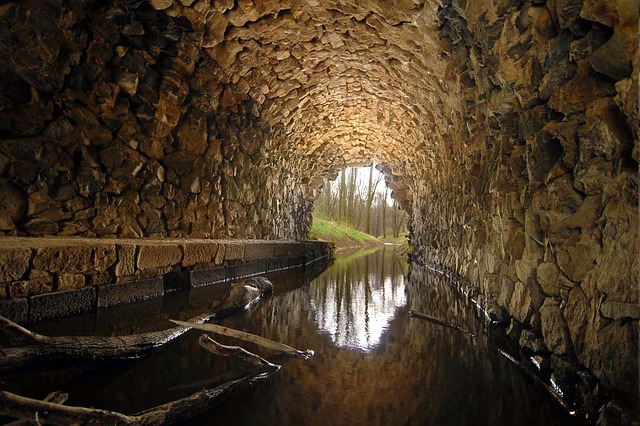
Finding a sewer leak through dye testing is the first step. The next step is fixing it. The good news is that modern sewer repair methods are fast and minimally invasive. You do not always need to dig up your yard. Trenchless repair options can fix most sewer leaks from the inside. This means less disruption to your property and a faster repair timeline.
At Sewer Experts Denver, we assess every sewer leak individually. The repair method depends on the type and location of the leak. Small cracks may need pipe lining. Larger breaks may need pipe bursting or full replacement. Our team explains every option clearly. You always know what the repair involves and what it costs before we start.
Trenchless Repair for Sewer Leaks
Trenchless repair is the preferred method for most sewer leaks found through dye testing. It does not require digging a trench across your yard. Instead, technicians insert a liner or new pipe through existing access points. The repair happens from the inside of the sewer line. This method is faster, cleaner, and less expensive than traditional excavation.
CIPP lining, or cured-in-place pipe lining, is one of the most common trenchless methods. A flexible liner coated with resin goes into the damaged sewer pipe. It hardens in place and creates a new pipe inside the old one. This repair lasts 50 or more years. It seals sewer leaks completely and restores full pipe function. You can learn more about this option on our trenchless pipe bursting service page.
When Full Sewer Line Replacement Is Needed
Sometimes dye testing sewer leaks reveals damage that is too extensive for lining alone. If the pipe has collapsed or shifted significantly, full replacement may be the only option. This is more common in older homes with clay or cast iron sewer pipes. These materials break down over time and cannot always be relined.
Full sewer line replacement sounds major. But with modern trenchless pipe bursting, it is much less disruptive than it used to be. A bursting head breaks the old pipe apart while pulling a new pipe into place. The whole process happens underground. Your yard stays mostly intact. Our team at Sewer Experts Denver has completed hundreds of full sewer line replacements across the Denver metro area.
Dye testing sewer leaks gives you control over your sewer system. You stop guessing and start knowing. Once the test confirms a sewer leak, you have options. Modern repair methods are fast and affordable. You do not have to live with a sewer leak or pay for unnecessary excavation. Whether you are a homeowner, a buyer, or a seller, dye testing sewer leaks is the smartest first step. It protects your property value, your soil, and your community’s water supply. Schedule your dye test today and get real answers about your sewer line.
Dye testing sewer leaks is one of the most reliable diagnostic tools available. It traces sewer water to its exact exit point. It confirms cross-connections, underground sewer leaks, and inflow problems. The test is fast, safe, and non-invasive. It gives you proof before any repair work begins. So, you never spend money fixing the wrong thing.
If you suspect a sewer leak, do not wait. Dye testing sewer leaks is the fastest way to get answers. Our team at Sewer Experts Denver is ready to help. We serve Denver and 34 communities across Colorado, 24 hours a day, 7 days a week. Contact us today to schedule a dye test and confirm your sewer line’s integrity. We back every service with a 5-year parts and labor warranty.
Illicit discharges from sewer lines into storm drain systems are among the most common sources of urban water pollution in Colorado. Dye testing sewer leaks is a proven method for identifying these connections before they cause lasting environmental harm. Early detection through dye testing allows property owners to fix sewer leaks before they become costly violations or contamination events.
Dye testing sewer leaks is the most direct way to confirm where your sewer line is failing. It uses safe, bright dye to trace sewer water to its exit point. The test works for home sales, suspected leaks, and routine sewer line checks. Combined with a camera inspection, it gives you a complete picture of your sewer system’s health.
Frequently Asked Questions
What is dye testing for sewer leaks?
Dye testing sewer leaks uses a safe, colored dye added to your sewer system. The dye flows through the sewer line. If a sewer leak exists, the dye exits through the crack. Technicians spot the dye at the leak point. This confirms the sewer leak location quickly and accurately.
How long does a sewer dye test take?
Most dye testing sewer leaks jobs take 30 minutes to a few hours. The time depends on your sewer system size. Larger systems with more test points take longer. But the sewer dye test itself is fast. Results are visible almost immediately after the dye enters the sewer line.
Is the dye used in sewer leak testing safe?
Yes. The dye used in sewer leak testing is non-toxic and biodegradable. It does not harm soil, plants, or water. The dye is safe for your yard and your family. It breaks down naturally after the sewer test is complete. So, there is no lasting impact on your property.
When is dye testing sewer leaks required?
Dye testing sewer leaks is often required before a home sale in many Denver-area cities. It confirms no sewer line is connected to storm drains illegally. Some cities also require sewer dye testing after major repairs. Check with your local municipality to confirm the sewer testing requirements in your area.
What happens if dye testing finds a sewer leak?
If dye testing sewer leaks finds a problem, your sewer repair team assesses the damage. Small sewer leaks may be fixed with trenchless pipe lining. Larger sewer leaks may need pipe bursting or full replacement. Most sewer leak repairs are completed quickly. Your technician explains all options before any sewer repair work begins.
Step-by-Step Process
Step-by-Step: Dye Testing Sewer Leaks Process
1. Inspect the sewer system layout and identify test points
2. Choose the right dye color for your sewer leak test
3. Add dye into the sewer line through a cleanout or drain
4. Run water to push dye through the sewer pipe
5. Watch all exit points for dye color to appear
6. Mark any location where dye shows a sewer leak
7. Document the sewer leak location with photos or video
8. Combine findings with a sewer camera inspection
9. Review repair options based on sewer leak type and location
10. Schedule sewer leak repair and confirm line integrity after fix
Quick Reference: What Is Dye Testing Sewer Leaks?
Dye testing sewer leaks is a diagnostic method. It uses a safe, colored dye to trace sewer water through a pipe. The dye enters the sewer line through a drain or cleanout. Then it flows through the system. If a sewer leak exists, the dye exits through the crack or gap. Technicians spot the dye at the leak point. So, the test confirms the exact location of the sewer leak. It is fast, non-invasive, and accurate. The dye is biodegradable and safe for soil and water. Dye testing sewer leaks is used for home sales, suspected sewer problems, and routine sewer line checks. It is often combined with a sewer camera inspection for a complete diagnosis.
Additional Resources
• Sewer Camera Inspection Denver — Learn how high-definition sewer camera inspections work alongside dye testing to give you a complete picture of your sewer line’s condition.
• Trenchless Pipe Lining Denver — Explore how trenchless pipe lining repairs sewer leaks found through dye testing without digging up your yard.
• Trenchless Pipe Bursting Denver — Find out when pipe bursting is the right repair option after dye testing confirms a major sewer line failure.
• Contact Sewer Experts Denver — Schedule your dye test or sewer line inspection with our Colorado-certified team, available 24 hours a day, 7 days a week.