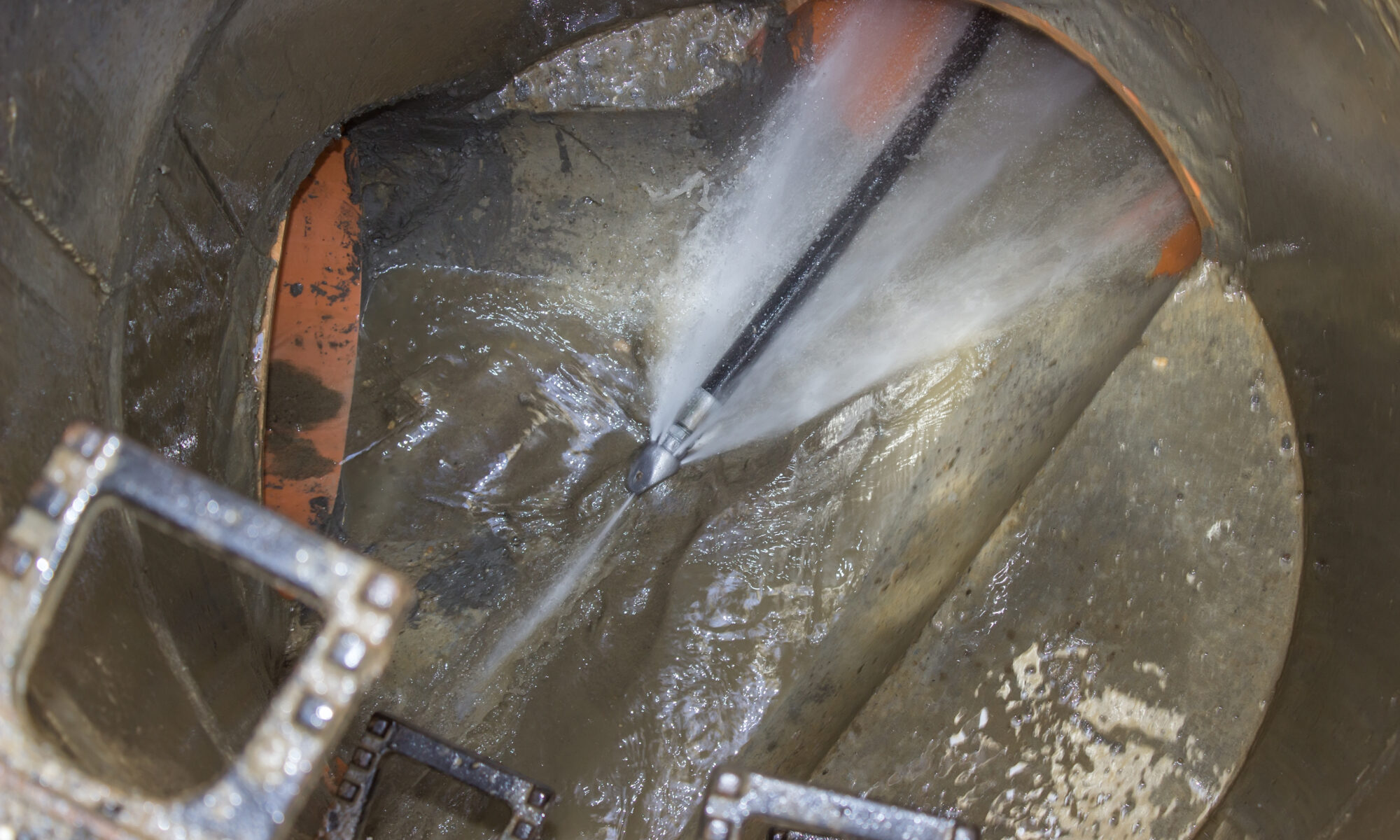
Sewer line pressure testing is one of the most accurate ways to find hidden leaks. You can’t see most sewer problems with the naked eye. Cracks, joint failures, and slow leaks hide underground. They cause damage for months before anyone notices. Sewer line pressure testing changes that. It gives you a clear answer fast.
At Sewer Experts (SewerEx), our team has over 25 years of experience diagnosing sewer problems across Denver and the Front Range. Sewer line pressure testing is a core part of how we find leaks that other methods miss. This guide explains exactly how sewer line pressure testing works, when you need it, and what the results mean for your home. According to the U.S. Environmental Protection Agency, undetected leaks waste billions of gallons of water each year. Pressure testing your sewer line is one of the smartest steps you can take.
1. What Is Sewer Line Pressure Testing?
2. How Sewer Line Pressure Testing Works Step by Step
3. Types of Sewer Line Pressure Tests
4. When You Need Sewer Line Pressure Testing
5. What Pressure Test Results Tell You
What Is Sewer Line Pressure Testing?
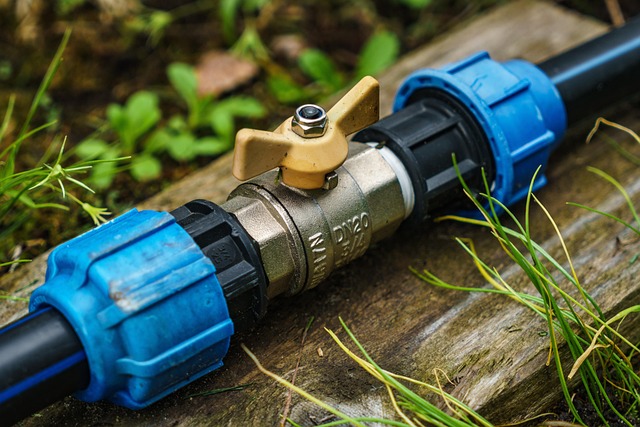
Sewer line pressure testing is a diagnostic method. It checks your sewer pipe for leaks, cracks, and weak joints. A technician seals the pipe and fills it with air or water. Then they watch the pressure. If pressure drops, there is a leak somewhere in the line.
This test is direct and reliable. It does not guess. It measures. A sewer line that holds pressure is intact. A sewer line that loses pressure has a problem. The test tells you exactly which section failed. That saves time and money on repairs.
Sewer line pressure testing works on all pipe types. It works on clay, cast iron, PVC, and ABS pipe. It works on residential and commercial lines. The test is non-invasive. You do not need to dig to run it.
Why Pressure Testing Matters
Most sewer leaks are invisible. They happen underground. Tree roots crack pipe walls slowly. Old joints shift and separate. Corrosion eats through metal pipes over time. None of this shows up on the surface until serious damage is done.
Sewer line pressure testing finds these problems early. Early detection means smaller repairs. A small crack caught today costs far less than a collapsed line next year. Pressure testing gives you facts, not guesses. You know what is wrong before you spend money on repairs.
For Denver homeowners, this matters a lot. Colorado soil shifts with freeze-thaw cycles. That movement stresses sewer pipes every winter. Pressure testing after a hard winter can catch new damage before it gets worse.
Pressure Testing vs. Camera Inspection
A sewer camera inspection shows you what is inside the pipe. It finds blockages, root intrusion, and visible cracks. But a camera can miss small leaks. A hairline crack may not show up clearly on video.
Sewer line pressure testing measures performance. It tells you if the pipe holds pressure. So the two tests work together. A camera shows you the condition. A pressure test confirms the pipe is sealed. Many sewer professionals use both. First the camera, then the pressure test. Together, they give you a complete picture.
At SewerEx, we often combine sewer camera inspection with pressure testing. This gives Denver homeowners the most accurate diagnosis possible.
Sewer line pressure testing is the most direct way to confirm a sewer pipe is leak-free. It measures actual performance, not just appearance. Combined with a camera inspection, pressure testing gives you a complete and accurate picture of your sewer line’s condition.
How Sewer Line Pressure Testing Works Step by Step
The sewer line pressure testing process is straightforward. A trained technician follows a clear set of steps. Each step builds on the last. The goal is to isolate the pipe and measure how well it holds pressure.
First, the technician accesses the sewer line. This is usually through a cleanout or an open end of the pipe. Then they seal both ends of the test section. Inflatable plugs or mechanical stoppers do this job. The sealed section is now isolated from the rest of the system.
Next, the technician introduces air or water into the sealed section. They bring the pressure up to a set level. For most residential sewer lines, this is around 5 PSI for air tests or a specific water column height for hydrostatic tests. Then they wait and watch the gauge.
Reading the Pressure Gauge
The pressure gauge is the heart of the sewer line pressure test. If pressure stays steady, the pipe is sealed. If pressure drops, air or water is escaping somewhere. The rate of pressure drop tells the technician how serious the leak is.
A slow drop may mean a small crack or a loose joint. A fast drop means a larger failure. The technician notes the rate and location of the drop. Then they can narrow down where the leak is. This is where sewer line pressure testing saves real money. You fix the right spot, not the whole line.
Some tests use electronic pressure loggers. These record pressure changes over time. The data shows exactly when and how fast pressure dropped. This gives a precise record of the sewer line’s condition.
After the Pressure Test
Once the sewer line pressure test is complete, the technician releases the pressure. They remove the plugs and restore normal flow. The whole process takes one to three hours for most residential lines.
The technician then reviews the results with you. They explain what the pressure data shows. If the sewer line passed, you get peace of mind. If the sewer line failed, you get a clear repair recommendation. No guessing. No vague answers.
At SewerEx, we walk every Denver homeowner through the results in plain language. You understand exactly what was found and what comes next. Check our customer reviews to see how we handle these conversations.
Types of Sewer Line Pressure Tests
There are two main types of sewer line pressure testing. Each uses a different medium to pressurize the pipe. Both are accurate. The right choice depends on the pipe type, location, and what you are testing for.
The first type is air pressure testing. The second is hydrostatic pressure testing, which uses water. Both methods follow the same basic logic. Seal the pipe, add pressure, and watch for a drop. But they have different strengths and best uses.
Understanding both types helps you ask the right questions. When you call a sewer professional, you can ask which method they plan to use and why. That conversation leads to better results.
Air Pressure Testing for Sewer Lines
Air pressure testing is fast and clean. The technician pumps air into the sealed sewer pipe section. They bring it to the required pressure level. Then they monitor the gauge for a set time period, usually 15 minutes.
Air is sensitive. Even a tiny leak causes a measurable pressure drop. This makes air pressure testing very good at finding small cracks and loose joints. It is also easy to set up. No water to manage or clean up afterward.
The American Society of Civil Engineers recommends air testing as a standard method for new sewer line installations. It is also widely used for post-repair verification. After a sewer line repair, air testing confirms the fix held.
Hydrostatic Pressure Testing Explained
Hydrostatic pressure testing fills the sewer pipe with water. The technician seals the line and fills it completely. Then they watch the water level. If the level drops, water is leaking out somewhere.
Hydrostatic testing is excellent for large-diameter pipes. It is also good for testing long sections of sewer line. Water pressure is consistent and easy to measure. This method is common in commercial sewer line pressure testing.
For residential use, hydrostatic testing works well on main sewer lines. It is especially useful when testing a line before and after trenchless pipe lining. The before test shows the leak. The after test confirms the repair sealed it completely.
Always run a sewer line pressure test after any sewer repair. This confirms the fix worked. A post-repair pressure test is the only way to know for certain the leak is gone. At SewerEx, we include this verification step in every repair we complete in Denver and across the Front Range.
When You Need Sewer Line Pressure Testing
Sewer line pressure testing is not just for emergencies. There are several situations where it makes sense to test proactively. Knowing when to test saves you from expensive surprises.
The most common reason is a suspected leak. If you smell sewage near your foundation, see wet spots in your yard, or notice slow drains throughout the house, a pressure test can confirm the problem. These are signs your sewer line may be leaking underground.
Buying a home is another key time. A sewer line pressure test during a home inspection gives you real data. You know the condition of the sewer before you close. That knowledge protects your investment.
Signs Your Sewer Line Needs Testing
Several warning signs point to a sewer line problem. Watch for these in your Denver home. Each one is a reason to schedule sewer line pressure testing soon.
First, look for unusually green or lush patches in your yard. Leaking sewage acts as fertilizer. A bright green strip over your sewer line often means a leak below. Second, watch for foundation cracks or settling. A leaking sewer line can wash away soil under your foundation. Third, notice any gurgling sounds from drains or toilets. This can mean air is entering the sewer line through a crack.
Also watch for recurring drain clogs. One clog is normal. Repeated clogs in multiple drains suggest a deeper sewer line problem. Sewer line pressure testing can confirm whether a leak is involved.
Pressure Testing for New Construction
New sewer lines need pressure testing too. Building codes in Colorado require sewer line pressure testing before a new line is covered with soil. This confirms the installation was done correctly. It protects the homeowner and the contractor.
For new construction in Denver and surrounding communities, SewerEx performs pressure testing as part of the installation process. We test every new sewer line before backfill. This is standard practice for a licensed sewer contractor.
If you are building a new home or adding a sewer connection, ask your contractor about pressure testing. It should be a standard part of the job. If they do not offer it, that is a red flag. Learn more about our full range of services on our about page.
Do not skip sewer line pressure testing when buying an older home. Many buyers rely only on a visual camera inspection. But a camera can miss small leaks. A pressure test confirms the pipe is truly sealed. Skipping this step has cost Denver homeowners thousands in surprise repairs after closing.
What Sewer Line Pressure Test Results Tell You
The results of a sewer line pressure test are clear. Pass or fail. But the details behind those results tell a much richer story. A good technician reads those details and gives you a complete picture.
A passing result means the sewer line held pressure for the full test period. No significant pressure drop was recorded. The pipe is sealed. You can move forward with confidence. This result is also useful documentation. It shows the sewer line was in good condition on a specific date.
A failing result means pressure dropped during the test. The sewer line has at least one leak. The next step is to locate the exact spot. This is where sewer camera inspection often follows the pressure test. The camera finds the visible cause of the leak.
Repair Options After a Failed Test
A failed sewer line pressure test leads to a repair decision. The right repair depends on what the camera found and where the leak is. Not every failed test means a full sewer line replacement.
For small cracks or isolated joint failures, trenchless pipe lining is often the best fix. A CIPP liner is installed inside the existing pipe. It seals the crack from the inside. No digging required. The repair lasts 50 or more years. After lining, a follow-up pressure test confirms the repair worked.
For more severe damage, trenchless pipe bursting may be the answer. This method breaks the old pipe and pulls a new one into place. It is still trenchless. Your yard stays intact. A pressure test after bursting confirms the new pipe is sealed and ready.
Pressure Test Documentation and Records
Keep your sewer line pressure test results. They are valuable documents. If you sell your home, test records show buyers the sewer line was inspected and passed. That builds trust and can speed up the sale.
For commercial properties, pressure test records are often required by local codes. Denver building departments may ask for test documentation before issuing occupancy permits. Having organized records protects you during inspections and audits.
At SewerEx, we provide written results for every sewer line pressure test we perform. You get a clear report with the date, method, pressure levels, and outcome. This record is yours to keep and use as needed.
Sewer line pressure testing gives you control. You are not guessing about your sewer line’s condition. You have data. That data drives smarter repair decisions. It prevents overspending on repairs you do not need. It also prevents underspending on problems that will only get worse. For Denver homeowners dealing with aging pipes and shifting Colorado soil, sewer line pressure testing is one of the best investments you can make in your property. It is fast, accurate, and gives you answers the same day.
Sewer line pressure testing is a proven, accurate way to find hidden leaks in your sewer pipe. It works by sealing the pipe, adding pressure, and watching for a drop. Air testing and hydrostatic testing both give you reliable results. Combined with a camera inspection, sewer line pressure testing gives you the full picture of your sewer line’s health.
Do not wait for a sewage backup or a flooded yard to act. Sewer line pressure testing is fast and non-invasive. It saves you money by finding problems early. At SewerEx, our Denver team is ready to help. Ask about sewer line pressure testing during your next sewer inspection. Contact us today to schedule your test and get clear answers about your sewer line.
Pressure testing is a standard verification method for sewer and water infrastructure. It confirms that installed or repaired pipe sections meet leak-tightness requirements before they are placed into service. Consistent use of pressure testing reduces long-term infrastructure failure rates and protects groundwater quality. It is one of the most cost-effective quality assurance steps in sewer system management.
Sewer line pressure testing is the most reliable way to confirm your sewer pipe is leak-free. It finds hidden cracks and joint failures that cameras can miss. For Denver homeowners, it is a smart, fast, and non-invasive diagnostic tool that protects your property and your budget.
Frequently Asked Questions
What does sewer line pressure testing actually measure?
Sewer line pressure testing measures how well a sewer pipe holds pressure. The pipe is sealed and pressurized. If pressure drops, the sewer line has a leak. The test shows exactly how much pressure was lost and how fast. This tells technicians where and how serious the sewer line problem is.
How long does a sewer line pressure test take?
Most sewer line pressure tests take one to three hours. Setup takes about 30 minutes. The actual pressure test period runs 15 to 60 minutes. Then the technician reviews results with you. Longer sewer lines or complex systems may take more time. Your sewer technician can give you a time estimate before starting.
Is sewer line pressure testing required by code in Denver?
Yes, sewer line pressure testing is required for new sewer installations in Colorado. Local building codes require the sewer line to pass a pressure test before backfill. For existing sewer lines, testing is not always required but is strongly recommended. It confirms your sewer line is sealed and performing correctly.
Can sewer line pressure testing damage my pipes?
No, sewer line pressure testing does not damage healthy pipes. The pressure used is low and controlled. It is well within the safe range for all standard sewer pipe materials. If a sewer line fails the test, the pipe already had a problem. The test reveals the issue but does not cause it.
What happens if my sewer line fails the pressure test?
A failed sewer line pressure test means the pipe has a leak. The next step is a camera inspection to find the exact location. Then your sewer technician recommends a repair. Options include trenchless pipe lining for small cracks or pipe bursting for severe damage. A follow-up pressure test confirms the sewer line repair worked.
Step-by-Step Process
Step-by-Step: How Sewer Line Pressure Testing Works
1. Access the sewer line through a cleanout or open pipe end
2. Seal both ends of the test section with inflatable plugs
3. Choose the right test method: air or hydrostatic pressure
4. Pressurize the sealed sewer line to the required level
5. Monitor the pressure gauge for the full test period
6. Record pressure readings and note any drops
7. Release pressure and remove plugs safely
8. Run a camera inspection if the sewer line failed the test
9. Review results and repair options with the homeowner
10. Run a follow-up pressure test to confirm the repair worked
Quick Reference: What Is Sewer Line Pressure Testing?
Sewer line pressure testing is a diagnostic method. It checks a sewer pipe for leaks and cracks. A technician seals the pipe and fills it with air or water. Then they watch the pressure. If pressure drops, the sewer line has a leak. So the test gives you a clear pass or fail result. It works on all pipe types. It is non-invasive and fast. Most tests take one to three hours. Results are available the same day. Sewer line pressure testing is used for new installations, post-repair checks, and home inspections. It is the most accurate way to confirm a sewer pipe is sealed.
Additional Resources
• Trenchless Pipe Lining Denver — Learn how CIPP lining seals sewer cracks without digging. A common repair after a failed pressure test.
• Trenchless Pipe Bursting Denver — Explore pipe bursting as a repair option for severely damaged sewer lines confirmed by pressure testing.
• Sewer Experts Denver Reviews — Read what Denver homeowners say about our sewer line inspections, pressure testing, and repair work.
• Contact Sewer Experts Denver — Schedule your sewer line pressure test or ask questions about your sewer line’s condition today.