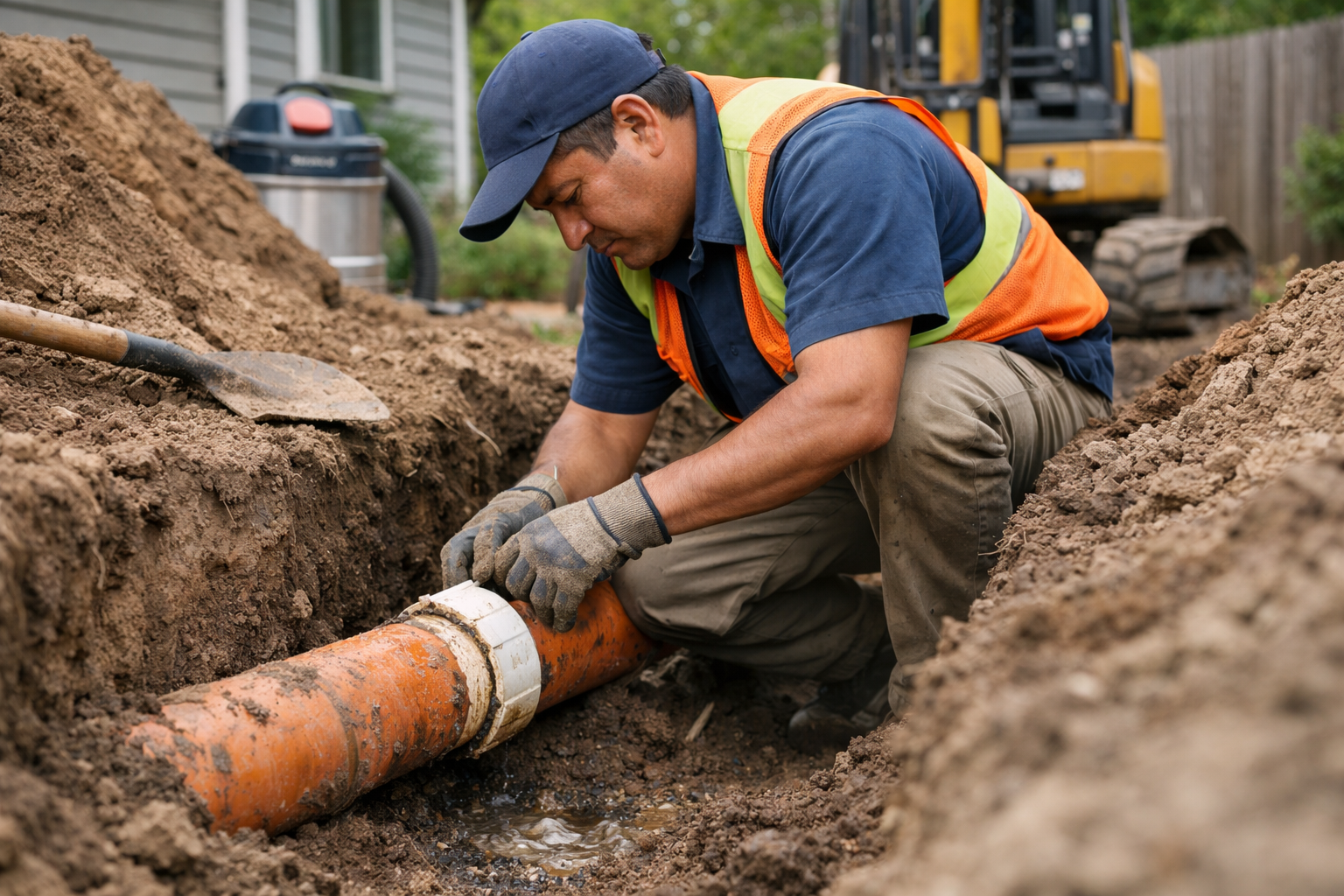
Your drain makes strange gurgling sounds. This noise signals trapped air in your sewer line. Gurgling drains often mean blockage or venting problems ahead.
Ignoring gurgling drains can lead to bigger sewer line issues. Slow drainage, backups, and costly repairs follow ignored warning signs. Quick action saves money and prevents messy emergencies.
Sewer Experts has served Denver for over 25 years. Our licensed technicians diagnose gurgling drains and sewer line problems daily. We use camera inspections to find the exact cause fast.
Table of Contents
- What Causes Gurgling Drains in Your Sewer Line
- Warning Signs Beyond Gurgling Noises
- How to Diagnose Gurgling Sewer Line Problems
- Solutions for Gurgling Drains and Sewer Line Issues
- Preventing Future Gurgling and Sewer Line Damage
- When to Call a Professional for Your Sewer Line
What Causes Gurgling Drains in Your Sewer Line
Gurgling drains happen when air gets trapped in your sewer line. Water flowing through the line pushes this air back up. The air escapes through drain openings, creating that distinctive gurgling sound.
Several common problems create trapped air in sewer lines. Blockages are the most frequent cause of gurgling drains. Tree roots, grease buildup, or foreign objects restrict water flow. This restriction forces air to bubble back through your drains.
Blockages Create Gurgling Sounds
Partial blockages in your sewer line slow water movement. Water tries to flow past the obstruction. Air trapped behind the blockage seeks the easiest escape route. Your drain becomes that escape route, producing gurgling noises.
Tree roots commonly invade sewer lines through small cracks. These roots grow inside the line, catching debris and hair. Over time, a significant blockage forms. The EPA reports that older homes face higher risks of root intrusion.
Grease and fat cause another major blockage source. These substances coat sewer line walls gradually. Each use adds more buildup. Eventually, the line narrows enough to trap air and create gurgling.
Venting Problems Cause Gurgling Drains
Your plumbing system needs proper venting to work correctly. Vent pipes allow air to enter the sewer line. This air prevents vacuum formation when water drains. Blocked or damaged vents create gurgling drains immediately.
Vent blockages happen from bird nests, leaves, or debris. Winter ice can also block vent openings. When vents fail, negative pressure builds in your sewer line. Air gets sucked through drain traps, causing loud gurgling sounds.
Improperly installed venting creates ongoing gurgling problems. New construction or remodeling projects sometimes skip proper vent placement. The result is chronic gurgling drains that never improve.
Sewer Line Damage Creates Air Pockets
Cracked or collapsed sewer lines allow soil and debris inside. These materials create partial blockages throughout the line. Air pockets form around these obstructions. Water flow pushes these air pockets toward your drains.
Older clay or cast iron sewer lines crack from age. Ground shifting damages rigid pipe materials over time. Modern trenchless pipe lining can repair these damaged sections without excavation.
Settling foundations sometimes break sewer line connections. The break allows groundwater to enter the system. This infiltration creates gurgling sounds as air displaces water in the line.
Main Sewer Line Problems Affect Multiple Drains
Gurgling in multiple drains signals main sewer line trouble. The problem exists between your home and the street connection. All fixtures connected to this line show symptoms simultaneously.
Main line blockages require professional attention quickly. These blockages can cause sewage backups into your home. Raw sewage creates health hazards and expensive cleanup costs.
Municipal sewer line problems sometimes cause residential gurgling. Street-side blockages affect entire neighborhoods. Your local utility company handles these main line issues.
Expert Insight from Sewer Experts Team:
“Gurgling drains are your sewer line talking to you. This sound means air is trapped where it shouldn’t be. Never ignore gurgling because small problems become big emergencies fast.”
Warning Signs Beyond Gurgling Noises
Gurgling drains rarely appear alone. Other warning signs accompany sewer line problems. Recognizing these signs helps you act before major damage occurs.
Slow drainage indicates partial sewer line blockage. Water takes longer to disappear from sinks and tubs. This slowness worsens gradually as blockages grow. Multiple slow drains signal main sewer line trouble.
Unusual Odors Signal Sewer Line Issues
Sewer gas smells mean your line has problems. Proper sewer lines trap gases through water-filled drain traps. Blockages or damage allow these gases to escape. The smell resembles rotten eggs or sewage.
Persistent odors require immediate investigation. These gases contain harmful compounds like methane and hydrogen sulfide. Long-term exposure creates health risks. Professional video inspection identifies the source quickly.
Yard odors sometimes indicate outdoor sewer line leaks. Sewage leaking into soil creates persistent smells near the line. Soggy spots or extra-green grass patches accompany these odors.
Water Backing Up Shows Serious Blockage
Water backing up through drains means severe blockage exists. The lowest drain in your home backs up first. Basement floor drains or first-floor toilets show symptoms initially.
Backup water often contains sewage and contaminants. This situation requires emergency professional help. Continuing to use water makes the backup worse. Our sewer line repair team responds 24/7 to these emergencies.
Multiple fixture backups indicate main line problems. Water from one fixture appears in another fixture. Flushing a toilet might cause your shower drain to backup.
Unusual Sounds Throughout Your Plumbing
Gurgling isn’t the only sound indicating sewer line trouble. Bubbling noises in toilets when running water elsewhere signal venting problems. Whistling or hissing sounds suggest air movement restrictions.
These sounds intensify when using large water volumes. Running your washing machine or dishwasher might trigger gurgling in bathroom drains. This symptom pattern points to main sewer line issues.
Listen for sounds after flushing toilets. Gurgling that continues several seconds after flushing shows air displacement problems. Normal drains make minimal noise during and after use.
Frequent Clogs Indicate Underlying Problems
Recurring clogs in the same drain suggest deeper sewer line issues. You clear the clog, but it returns within weeks. This pattern means the main line has partial blockage or damage.
Chemical drain cleaners provide only temporary relief. These products don’t address root causes like tree roots or pipe damage. Professional cleaning targets the actual problem causing repeated clogs.
The best drain cleaning methods vary by clog type. Professional technicians choose appropriate tools based on camera inspection results.
Changes in Toilet Water Levels
Toilet water levels that fluctuate signal venting or sewer line problems. Water levels drop suddenly or rise without flushing. Air pressure changes in the sewer line cause these fluctuations.
Bubbling in the toilet bowl when using other fixtures indicates shared drain issues. Air pushed through the sewer line finds the easiest escape point. Toilets provide the path of least resistance.
Weak toilet flushes combined with gurgling suggest developing blockages. The sewer line can’t handle normal water volumes. This restriction forces air back through the system.
How to Diagnose Gurgling Sewer Line Problems
Proper diagnosis identifies the exact cause of gurgling drains. This process saves time and money on repairs. Professional diagnosis uses specialized equipment and expertise.
Start by noting when and where gurgling occurs. Does it happen during or after water use? Which fixtures gurgle? Multiple gurgling drains suggest main sewer line problems.
Professional Camera Inspection Reveals Hidden Issues
Video camera inspection provides definitive answers about sewer line condition. Technicians insert a high-resolution camera into your sewer line. The camera travels through the entire line, recording video footage.
This inspection reveals blockages, cracks, root intrusion, and pipe deterioration. The exact location and severity of problems become clear. No guesswork is needed when you see actual conditions inside your line.
Camera inspection costs far less than excavating blindly. You pay only for necessary repairs, not exploratory digging. The video recording provides documentation of conditions before and after repair.
Drain Testing Identifies Venting Problems
Smoke testing helps diagnose venting issues causing gurgling drains. Technicians pump non-toxic smoke into your plumbing system. The smoke escapes through any blocked or damaged vents.
This test quickly identifies vent locations and blockage points. Smoke appears at roof vents, indicating proper function. Smoke emerging elsewhere shows venting problems needing attention.
Water flow testing evaluates drain capacity and speed. Professionals measure how quickly water moves through your sewer line. Slow flow indicates restrictions even without complete blockages.
Checking Vent Pipes for Blockages
Roof vent inspection reveals common gurgling causes. Bird nests, leaves, and debris frequently block these openings. Winter ice accumulation also restricts airflow through vents.
Visual inspection from the roof shows obvious blockages. Sometimes technicians use cameras to check internal vent conditions. Clearing blocked vents often eliminates gurgling sounds immediately.
Vent pipe damage requires repair or replacement. Cracked or disconnected vents fail to provide necessary airflow. Modern PVC venting withstands weather better than older metal vents.
Evaluating Your Sewer Line Age and Material
Older sewer lines face higher failure rates. Clay pipes crack from ground movement and root intrusion. Cast iron corrodes internally, creating rough surfaces that catch debris.
Denver homes built before 1980 often have outdated sewer line materials. These lines require more frequent maintenance and eventually need replacement. Knowing your line’s age helps predict potential problems.
Modern PVC and HDPE lines resist root intrusion and corrosion. Replacing old lines with these materials prevents future gurgling and blockage issues. Sewer line replacement becomes cost-effective when repairs become frequent.
Mapping Your Sewer Line Layout
Understanding your sewer line path helps diagnose gurgling sources. Lines running under large trees face root intrusion risks. Sections under driveways might suffer from ground settling and weight stress.
Professional technicians create sewer line maps during inspections. These maps show cleanout locations, connection points, and potential problem areas. Future maintenance becomes easier with accurate line documentation.
Locating your main cleanout provides access for inspections and repairs. Most homes have cleanouts near the foundation or in the basement. Knowing this location saves time during emergency service calls.
Expert Insight from Sewer Experts Team:
“Camera inspection shows exactly what’s happening inside your sewer line. This technology eliminates guesswork and prevents unnecessary digging. We find problems fast and fix them right.”
Solutions for Gurgling Drains and Sewer Line Issues
Fixing gurgling drains depends on the underlying cause. Professional solutions range from simple cleaning to complete line replacement. The right solution addresses your specific sewer line problem.
Hydro jetting clears most blockages causing gurgling sounds. This method uses high-pressure water to scour sewer line walls. Roots, grease, and debris wash away completely during the process.
Professional Drain Cleaning Eliminates Blockages
Professional drain cleaning removes obstructions thoroughly. Technicians use specialized equipment sized for your sewer line diameter. Cable augers break up solid blockages mechanically.
Hydro jetting provides superior cleaning compared to cable methods. Water pressure reaches 4,000 PSI or higher. This force removes even stubborn grease buildup and minor root intrusions.
Regular professional cleaning prevents gurgling drains from developing. Annual maintenance keeps sewer lines flowing freely. This proactive approach costs less than emergency repairs.
Trenchless Repair Methods Save Time and Money
Trenchless technology repairs sewer lines without extensive excavation. Pipe lining inserts a resin-coated tube inside your existing line. The resin hardens, creating a new pipe within the old one.
This method eliminates gurgling caused by cracks and root intrusion. The smooth new liner prevents future blockages. Your yard and landscaping remain intact throughout the repair.
Pipe bursting replaces severely damaged sewer lines trenchlessly. A new pipe gets pulled through the old line while breaking it apart. Only small access points need digging, not the entire line path.
Vent Cleaning and Repair Solutions
Clearing blocked vents often stops gurgling drains immediately. Technicians remove debris, nests, and ice from vent openings. This simple fix restores proper airflow to your sewer line.
Damaged vents require repair or replacement. Cracked vent pipes leak air and reduce system efficiency. Modern vent materials resist weather damage better than older installations.
Adding vents to improperly designed systems eliminates chronic gurgling. Plumbing codes require specific vent placement and sizing. Upgrading to code-compliant venting solves recurring problems permanently.
Root Removal Protects Your Sewer Line
Tree roots cause persistent gurgling and blockages. Mechanical cutting removes roots from inside your sewer line. Special cutting heads attach to cable machines for root removal.
Chemical root treatments kill roots inside sewer lines. These treatments use copper sulfate or other approved compounds. Dead roots decompose and flush away during normal water use.
Root barriers prevent future intrusion after clearing existing roots. These physical barriers install around pipes during repairs. Roots can’t penetrate the barrier to reach your sewer line.
Complete Sewer Line Replacement When Necessary
Severely damaged sewer lines require complete replacement. Multiple cracks, collapsed sections, or extensive root damage make repair impractical. New lines prevent gurgling and other problems for decades.
Modern sewer line materials outlast older clay and cast iron. PVC and HDPE resist corrosion and root intrusion. These materials cost less to install and require minimal maintenance.
Sewer line replacement investment pays off through reduced maintenance costs. You avoid repeated gurgling, blockages, and emergency service calls. New lines also increase your property value.
Preventing Future Gurgling and Sewer Line Damage
Prevention keeps your sewer line healthy and gurgling-free. Simple maintenance habits protect against blockages and damage. Regular professional service catches small problems before they grow.
Never pour grease or oil down your drains. These substances solidify inside sewer lines, creating blockages. Wipe greasy pans with paper towels before washing them.
What Not to Flush Down Your Drains
Many common items cause sewer line blockages and gurgling. Paper towels, wipes, and feminine products don’t break down like toilet paper. These items create clogs even though they flush initially.
Food waste should go in the trash, not your drain. Coffee grounds, eggshells, and rice expand when wet. This expansion creates sticky masses inside your sewer line.
Hair catches on any rough spots in your sewer line. Use drain screens to catch hair before it enters pipes. Clean these screens regularly to maintain proper drainage.
Regular Maintenance Schedule
Schedule professional sewer line inspection every two to three years. Camera inspection reveals developing problems before they cause gurgling or backups. Early detection saves money on repairs.
Annual drain cleaning removes buildup gradually accumulating in your line. This service prevents slow drainage and gurgling sounds. Many plumbing companies offer maintenance plans with scheduled service.
Clean your roof vents twice yearly to prevent blockages. Spring and fall cleaning removes debris before it causes problems. This simple task takes minutes but prevents gurgling issues.
Landscape Planning Around Sewer Lines
Plant trees and large shrubs away from your sewer line path. Tree roots grow toward water sources like sewer lines. Maintaining proper distance prevents root intrusion problems.
Slow-growing trees cause fewer sewer line problems. Fast-growing species like willows and poplars have aggressive root systems. Check with local nurseries about root-friendly tree options.
Root barriers protect existing sewer lines near established trees. These barriers install vertically between trees and lines. Roots grow downward around the barrier instead of into your line.
Water Softener and Chemical Use
Excessive chemical drain cleaner use damages sewer line materials. These harsh products corrode pipes over time. Use enzyme-based cleaners for routine maintenance instead.
Water softener discharge can affect sewer lines. High salt concentrations kill beneficial bacteria in septic systems. Direct softener discharge to appropriate drainage if you have a septic tank.
Hot water flushes help maintain clear sewer lines naturally. Weekly hot water flushing dissolves minor grease buildup. This simple practice prevents accumulation causing future gurgling.
Monitoring for Early Warning Signs
Pay attention to subtle changes in your plumbing performance. Slight slowdowns in drainage often precede gurgling sounds. Early action prevents complete blockages and backups.
Document when and where gurgling occurs. This information helps technicians diagnose problems quickly. Patterns reveal whether issues affect single fixtures or the main line.
Test all drains periodically by running water in each. Notice any sounds, slow drainage, or unusual odors. Regular testing helps you catch developing problems early.
Expert Insight from Sewer Experts Team:
“Prevention costs much less than emergency repairs. Simple habits and regular maintenance keep your sewer line flowing freely. We help Denver homeowners avoid costly surprises through scheduled service.”
When to Call a Professional for Your Sewer Line
Some gurgling drain situations require immediate professional help. Other situations allow time for scheduled service. Knowing the difference prevents both panic and neglect.
Call a professional immediately if water backs up through drains. This situation indicates severe blockage requiring emergency service. Continuing to use water makes the backup worse.
Emergency Situations Requiring Immediate Help
Multiple drains backing up simultaneously signal main sewer line blockage. Raw sewage in your home creates health hazards. Professional emergency service prevents contamination and property damage.
Strong sewage odors throughout your home indicate serious problems. These gases contain harmful compounds affecting your health. Emergency service identifies and fixes the source quickly.
Water pooling in your yard near the sewer line suggests line breaks. Sewage leaking into soil creates environmental and health concerns. The CDC recommends immediate professional help for sewage emergencies.
Situations Allowing Scheduled Service
Occasional gurgling without other symptoms can wait for scheduled service. Single-fixture gurgling often indicates minor venting issues. Schedule inspection within a few weeks to prevent worsening.
Slow drainage combined with gurgling warrants professional evaluation. These symptoms suggest developing blockages needing attention. Schedule service before complete blockage occurs.
Annual maintenance appointments catch problems early. Even without obvious symptoms, regular inspection prevents surprises. Professional technicians spot developing issues during routine service.
What Professionals Check During Service Calls
Professional sewer line service begins with thorough inspection. Technicians use camera equipment to examine your entire line. This inspection reveals blockages, cracks, root intrusion, and pipe condition.
Vent system evaluation identifies airflow problems causing gurgling. Technicians check roof vents, vent pipes, and connections. Proper venting is essential for gurgling-free drain operation.
Water flow testing measures drainage speed and capacity. Slow flow indicates restrictions even without visible blockages. This testing helps predict when maintenance will become necessary.
Choosing the Right Sewer Line Professional
Licensed plumbers have training and certification for sewer line work. Colorado requires specific licensing for sewage system work. Always verify license status before hiring any contractor.
Experience with local conditions matters in Denver. Soil types, climate, and common tree species affect sewer lines. Local professionals understand these regional factors affecting your line.
Camera inspection technology provides accurate diagnosis. Companies offering video inspection deliver better service than those guessing at problems. This technology prevents unnecessary digging and expense.
Cost Factors for Sewer Line Services
Service costs vary based on problem severity and location. Simple drain cleaning costs less than line replacement. Camera inspection helps establish accurate estimates before work begins.
Emergency service typically costs more than scheduled appointments. Planning ahead saves money on routine maintenance. Many companies offer service plans reducing overall maintenance costs.
Trenchless repair costs more initially but saves excavation expenses. Traditional replacement requires extensive digging, landscaping repair, and longer completion time. Trenchless methods complete work faster with less disruption.
Quick Reference: Understanding Gurgling Drains and Sewer Lines
Gurgling drains occur when air gets trapped inside your sewer line. This trapped air escapes through drain openings, creating distinctive gurgling sounds. The primary causes include partial blockages from tree roots or grease buildup, blocked or damaged vent pipes preventing proper airflow, and cracks or damage in the sewer line itself allowing soil infiltration.
Your sewer line carries wastewater from your home to the municipal sewer system or septic tank. Proper functioning requires clear pipes and adequate venting. When blockages or damage restrict flow, air pressure builds up and forces air back through drains. This air movement creates gurgling sounds warning you of underlying problems.
Professional diagnosis using camera inspection reveals exact causes. Treatment options range from simple vent cleaning to complete sewer line replacement. Early attention to gurgling prevents costly emergency repairs and property damage. Regular maintenance keeps your sewer line flowing freely and quietly for years.
Step-by-Step Process for Addressing Gurgling Sewer Line Issues
- Notice and document when gurgling sounds occur during water use.
- Check multiple drains throughout your home for gurgling or slow drainage.
- Look for other warning signs like odors, backups, or water level changes.
- Avoid using chemical drain cleaners which may worsen some problems.
- Contact a licensed sewer line professional for inspection and diagnosis.
- Schedule camera inspection to reveal exact problems inside your sewer line.
- Review inspection findings and recommended solutions with your technician.
- Choose appropriate repair method based on problem severity and budget.
- Have professional service completed using proper techniques and materials.
- Establish regular maintenance schedule to prevent future gurgling and blockages.
Frequently Asked Questions
What does it mean when my drain gurgles after flushing the toilet?
Gurgling after toilet flushing means air is escaping through that drain. Your sewer line or vent system has a blockage or restriction. Air pushed by the flushing water finds the easiest escape route. This gurgling sound signals you need professional inspection soon. The problem will worsen without attention. So schedule service before backups occur.
Can I fix gurgling drains myself or do I need a professional?
Simple vent blockages on your roof might clear yourself safely. But internal sewer line problems need professional equipment and expertise. Camera inspection reveals exact causes you can’t see otherwise. DIY attempts often waste time and money on wrong solutions. Also professionals have specialized tools for thorough sewer line cleaning. Then your repairs come with warranties protecting your investment.
How much does it cost to fix a gurgling sewer line in Denver?
Costs range from $150 for simple vent cleaning to $5,000+ for line replacement. Camera inspection typically costs $200 to $400 providing accurate diagnosis. Professional drain cleaning runs $300 to $600 for most homes. Trenchless repair costs $3,000 to $12,000 depending on line length and damage. Emergency service adds premium charges but prevents property damage. Because early attention costs less than waiting for major failures.
Are gurgling drains an emergency requiring immediate attention?
Gurgling alone isn’t typically an emergency requiring same-day service. But multiple drains gurgling with backups demands immediate professional help. Strong sewage odors combined with gurgling also need urgent attention. Water backing up through drains requires emergency service preventing contamination. Schedule routine service within two weeks for gurgling without backups. Then you prevent the problem from becoming an actual emergency.
What causes gurgling in only one drain versus all drains?
Single drain gurgling usually indicates problems with that specific branch line. The issue exists between that fixture and the main sewer line. All drains gurgling signals main sewer line blockage or damage. This affects every fixture connected to your home’s sewer system. Multiple gurgling drains need faster professional attention than single fixtures. Because main line problems cause backups affecting your entire home.
“`