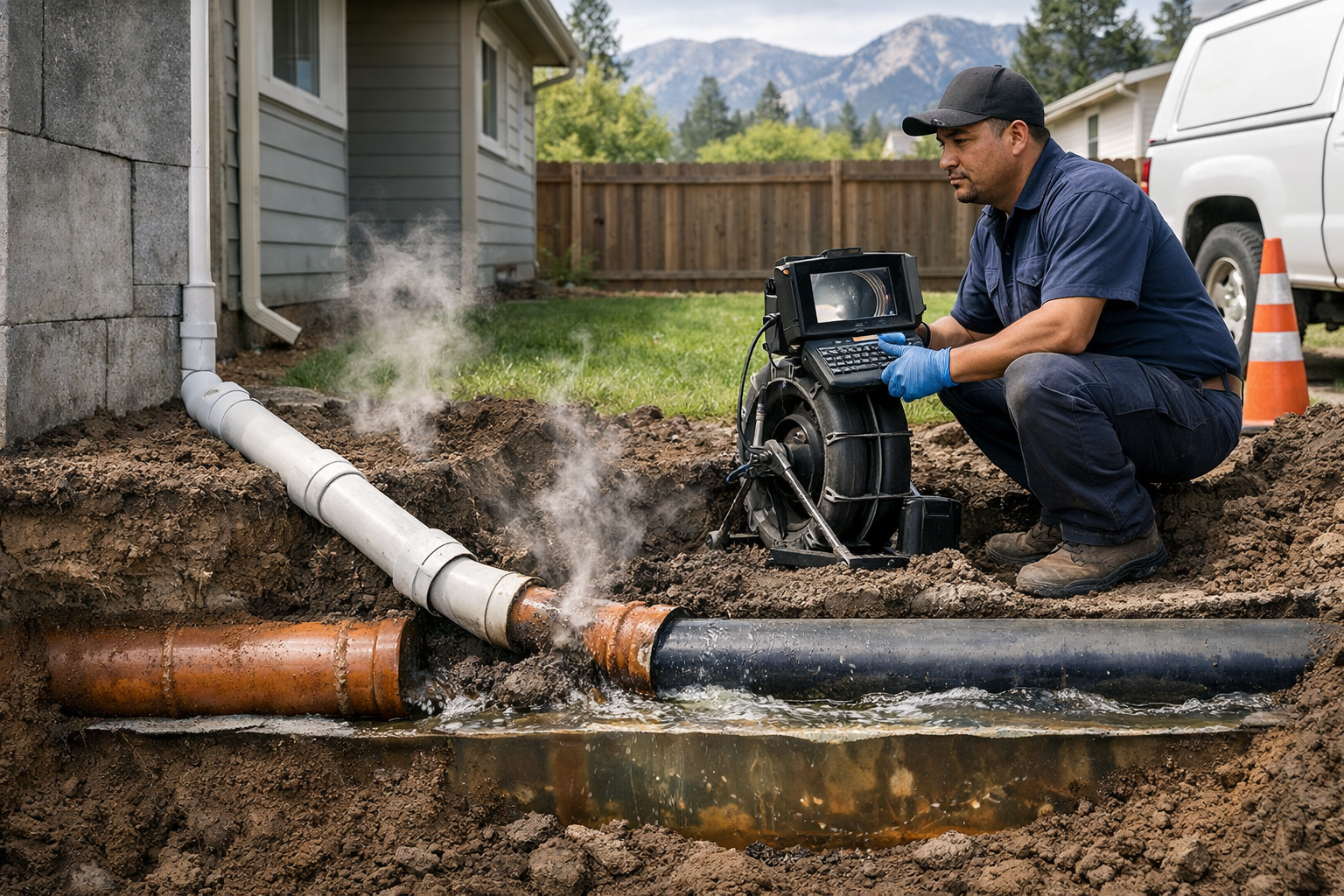
A sewage smell in your yard can mean a broken sewer line underground. This issue needs fast action to avoid damage. Let’s explore what causes this smell and how to fix it.
Sewer line problems often start small but grow fast. The smell comes from waste leaking into soil. Your yard may show wet spots or greener grass. These signs point to a sewer line leak that needs repair now.
Sewer Experts has served Denver for over 25 years. We’ve fixed thousands of sewer line issues across the metro area. Our licensed team knows exactly what that sewage smell in your yard means. We’ll show you how to spot the problem and what to do next.
Table of Contents
- What Causes a Sewage Smell in Your Yard
- Warning Signs Beyond the Smell
- Health Risks of Sewer Line Leaks
- How to Inspect for Sewer Line Damage
- Sewer Line Repair and Replacement Options
- How to Prevent Future Sewer Line Problems
What Causes a Sewage Smell in Your Yard
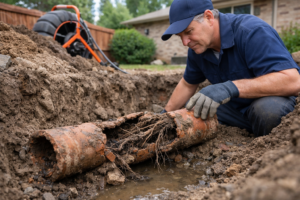
A sewage smell in your yard usually means a broken sewer line. The line that carries waste from your home to the main sewer can crack. Tree roots often cause these breaks in older pipes. Soil shifts can also damage your sewer line over time.
When a sewer line breaks, raw sewage leaks into the ground. The smell comes from bacteria and gases in the waste. This odor gets stronger near the leak location. You might notice the sewage smell in your yard after using water inside. Flushing toilets or running showers pushes more waste through the damaged sewer line.
Common Sewer Line Break Causes
Tree roots seek out water sources underground. They grow into small cracks in your sewer line. Over time, roots expand and break the pipe completely. This creates a major leak that produces a strong sewage smell in your yard.
Clay and cast iron pipes are especially vulnerable. These older sewer line materials corrode after decades of use. Corrosion weakens the pipe walls until they collapse. Ground settling can also stress your sewer line connections. Even new pipes can crack if the ground shifts significantly.
Cold weather can freeze water inside your sewer line. The ice expands and cracks the pipe. When spring arrives, you’ll notice a sewage smell in your yard from the new leak. Heavy equipment driving over your sewer line can also crush pipes buried too shallow.
How Leaks Create Odors
Raw sewage contains methane and hydrogen sulfide gases. These gases escape when your sewer line breaks. The sewage smell in your yard comes from these toxic fumes rising through the soil. Wet soil traps the odor near the surface.
A small crack might only smell bad occasionally. But a large break in your sewer line creates a constant sewage smell in your yard. The odor spreads as more waste leaks out. Rain can make the smell worse by bringing sewage to the surface.
According to the EPA’s septic system guidelines, persistent sewage odors indicate system failure. The same applies to sewer line breaks. Don’t ignore that smell coming from your yard.
Expert Insight from Sewer Experts Team:
“We see sewage smell in yard calls weekly in Denver. Tree roots cause 60% of these sewer line breaks. The smell often appears years after trees mature near your sewer line path.”
Warning Signs Beyond the Smell
A sewage smell in your yard is just one sign of sewer line damage. Other symptoms appear before or alongside the odor. Knowing these signs helps you catch problems early. Fast action prevents expensive repairs down the line.
Visible Yard Changes
Look for unusually green grass patches in your yard. Sewage acts as fertilizer when it leaks underground. The extra nutrients make grass grow faster and greener. This spot often appears directly above your broken sewer line.
Wet or soggy areas that never dry out signal trouble. Even during dry weather, the ground stays damp. This happens because sewage constantly leaks from your damaged sewer line. The soil can’t absorb all the moisture. You might see puddles forming in the same spot repeatedly.
Sinkholes or depressions can develop above major sewer line breaks. The leaking waste erodes soil underneath. Eventually the ground collapses into the void. These holes pose safety risks for people and pets. If you notice a sewage smell in your yard plus sinking ground, call for help immediately.
Indoor Plumbing Problems
Slow drains throughout your home suggest sewer line issues. When your main sewer line breaks, wastewater backs up. Multiple fixtures drain slowly at once. The problem affects toilets, sinks, and showers together.
Gurgling sounds from drains indicate air trapped in your sewer line. A break lets air enter the system. This air bubbles up through fixtures when you use water. The gurgling often accompanies a sewage smell in your yard outside.
Toilets that won’t flush properly point to sewer line blockage. A broken pipe can collapse and create an obstruction. Or roots growing into the crack block the flow. Either way, waste can’t move through your sewer line correctly. Some sewage backs up and some leaks out through the break.
Increased Pest Activity
Rats and insects are attracted to sewage leaks. A broken sewer line provides food and moisture for pests. You might notice more flies around your yard. Rats can enter your home through the damaged sewer line path. The sewage smell in your yard draws these unwanted visitors.
For comprehensive insights on identifying underground issues, check our guide on sewer line camera inspections. Video technology pinpoints exact break locations without digging up your entire yard.
Health Risks of Sewer Line Leaks
A sewage smell in your yard warns of serious health dangers. Raw sewage contains harmful bacteria and viruses. These pathogens cause illness when people or pets contact contaminated soil. The risks increase the longer you wait to fix your broken sewer line.
Disease-Causing Organisms
Sewage carries E. coli bacteria that cause severe stomach problems. Salmonella also thrives in raw waste from broken sewer lines. These bacteria spread through contaminated soil and water. Children playing in a yard with a sewage smell face the highest risk.
Hepatitis A virus can survive in sewage for months. This virus attacks the liver and causes serious illness. The CDC warns about sewage exposure risks in contaminated environments. A leaking sewer line creates exactly this type of hazard.
Parasites like Giardia live in human waste. These organisms cause digestive infections lasting weeks. Pets that dig in areas with a sewage smell in your yard can become infected. They may then spread parasites to family members.
Toxic Gas Exposure
Hydrogen sulfide gas from sewage damages respiratory systems. This gas smells like rotten eggs. Breathing high concentrations causes headaches and dizziness. Long-term exposure can lead to more serious health problems. The sewage smell in your yard indicates this gas is present.
Methane gas is also released by broken sewer lines. Methane displaces oxygen in enclosed spaces. While outdoor methane disperses quickly, it can accumulate in basements. If your sewer line breaks near your foundation, methane may enter your home.
Contaminated Water Sources
A leaking sewer line can contaminate nearby wells. Sewage seeps through soil and reaches groundwater. Even municipal water lines can be affected if breaks occur close together. The sewage smell in your yard may indicate your water supply is at risk.
Garden vegetables absorb contaminants from sewage-soaked soil. Don’t eat produce grown where your sewer line leaks. The bacteria and chemicals concentrate in plant tissues. Washing vegetables doesn’t remove all these harmful substances.
Expert Insight from Sewer Experts Team:
“We treat every sewage smell in yard call as urgent. The health risks escalate daily. Our fastest repair was completed in under 6 hours from first contact. Speed matters for your family’s safety.”
How to Inspect for Sewer Line Damage
Finding the exact location of your sewer line break requires professional tools. But you can perform initial checks yourself. These steps help you gather information before calling experts. Understanding the problem helps you make informed repair decisions.
Visual Yard Inspection
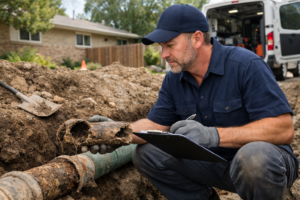
Walk your entire property looking for wet spots. Note where the sewage smell in your yard is strongest. Mark these areas with flags or stakes. Take photos showing the affected zones. This documentation helps professionals assess the situation remotely.
Check the ground for settling or depressions. Measure any sinkholes that have formed. Look at grass color variations across your yard. Green patches often follow your underground sewer line path. The most vibrant grass usually grows directly above the leak.
Examine the area around your home’s foundation. Look for soil erosion or gaps between ground and concrete. A sewer line break near the house can undermine the foundation. If you see foundation cracks along with a sewage smell in your yard, the damage may be extensive.
Indoor Plumbing Tests
Flush all toilets and watch how they drain. Note which fixtures drain slowly. Run water in multiple sinks at once. Listen for gurgling sounds from drains. These sounds indicate air entering your sewer line through a break.
Check your basement floor drains for backup. Pour water down these drains and see if it returns. Sewage backing up through floor drains confirms your main sewer line is compromised. The sewage smell in your yard likely corresponds to this indoor problem.
Document when plumbing problems occur. Do drains slow down after heavy rain? Does the sewage smell in your yard worsen when you use lots of water? These patterns help technicians diagnose the issue faster.
Professional Camera Inspection
Our video inspection services use specialized cameras to view inside your sewer line. The camera travels through the pipe and transmits live video. This shows exactly where breaks, cracks, or root intrusions exist. We can see the sewer line condition without excavation.
Camera inspection reveals problem severity and extent. Small cracks might need simple repairs. Collapsed sections require sewer line replacement. The video evidence helps you understand what work is necessary. You’ll see the same footage our technicians use to plan repairs.
This technology locates the precise GPS coordinates of damage. We can dig in exactly the right spot. This minimizes yard disruption and reduces repair time. Camera inspection also verifies repairs were successful after work completes.
When to Call Professionals
Call immediately if you notice a sewage smell in your yard plus any of these signs. Multiple slow drains indicate main sewer line problems. Standing sewage water in your yard is an emergency. Foundation cracks appearing alongside sewage odors need urgent attention.
Don’t wait for problems to worsen. A small sewer line crack grows larger over time. Tree roots expand existing breaks. What starts as a minor sewage smell in your yard becomes a major repair job. Early intervention costs far less than emergency fixes.
Sewer Experts operates 24 hours a day for emergencies. We provide same-day service throughout the Denver metro area. Our licensed technicians respond fast when you smell sewage in your yard. Call us at (720) 663-7473 for immediate help.
Sewer Line Repair and Replacement Options
Fixing a broken sewer line that causes a sewage smell in your yard involves several approaches. The best method depends on damage extent and location. Modern trenchless techniques minimize yard disruption. Traditional excavation works for severe breaks. Let’s examine your options.
Trenchless Pipe Lining
Pipe lining repairs your sewer line from inside. Technicians insert a resin-coated liner through existing access points. The liner inflates and cures to form a new pipe inside the old one. This method eliminates the sewage smell in your yard without major digging.
The new liner seals all cracks and stops root intrusion. It lasts 50 years or more with proper maintenance. Your yard stays intact except for small entry holes. We complete most pipe lining jobs in one day. This is the fastest way to stop sewage from leaking.
Our trenchless pipe lining service handles pipes from 3 to 36 inches in diameter. The process works for most residential sewer lines. We can line pipes under driveways, landscaping, and structures. No need to destroy your beautiful yard to fix the sewer line underneath.
Pipe Bursting Replacement
Pipe bursting replaces your entire sewer line with minimal digging. A bursting head breaks apart the old pipe. Simultaneously, it pulls new pipe into place. This method works when your sewer line has collapsed completely. The sewage smell in your yard disappears once new pipe is installed.
We dig only two small access pits at each end. The bursting equipment travels underground between these points. Your landscaping stays mostly undisturbed. New pipe can be larger diameter than the original. This prevents future blockages and improves flow.
Pipe bursting typically takes one to two days to complete. The new sewer line lasts 100 years with modern materials. We use high-density polyethylene pipe that resists roots and corrosion. This is the best long-term solution for severely damaged sewer lines.
Traditional Excavation
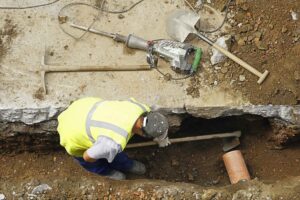
Some sewer line breaks require full excavation to repair. We dig a trench to expose the damaged section. Then we cut out the broken pipe and install new material. This approach works for complex repairs or when other methods aren’t suitable.
Excavation provides direct access to your entire sewer line. We can inspect the full length and fix multiple problems at once. If the sewage smell in your yard comes from several breaks, excavation may be most efficient. We restore your yard after completing repairs.
Modern excavation equipment minimizes disruption. We can dig precise trenches that avoid landscape features. Sod is carefully removed and replaced. Most yards look normal again within weeks. Our team always cleans up thoroughly before leaving your property.
Spot Repair
Sometimes a sewer line has just one small damaged area. Spot repair fixes that section without replacing the entire line. We dig only where the break occurred. Then we install a new pipe segment to bridge the gap.
This targeted approach costs less than full replacement. It works well when a specific event damaged your sewer line. Perhaps a vehicle drove over the pipe or ground settled in one spot. The sewage smell in your yard goes away once we seal the leak.
Spot repair typically finishes in half a day. Your sewer line returns to service quickly. We can perform spot repairs on any pipe material. This option makes sense when the rest of your sewer line is in good condition.
Choosing the Right Method
Video inspection reveals which repair method suits your situation. Camera footage shows damage extent and sewer line condition. We explain all options and provide detailed estimates. You decide what works best for your budget and timeline.
For comprehensive sewer line solutions, visit our sewer line repair page. We offer free estimates and same-day service. Our 5-year warranty covers all parts and labor. You can trust that repairs will last.
Expert Insight from Sewer Experts Team:
“About 70% of sewage smell in yard cases can be fixed with trenchless methods. This saves homeowners thousands compared to full excavation. Camera inspection determines if you qualify for this approach.”
How to Prevent Future Sewer Line Problems
Preventing sewer line damage costs less than emergency repairs. Regular maintenance keeps your system flowing smoothly. Smart landscaping choices protect underground pipes. Following these steps helps you avoid that sewage smell in your yard later.
Regular Sewer Line Inspections
Schedule video inspections every 3 to 5 years. This catches small problems before they become breaks. Camera checks reveal early root intrusion or pipe deterioration. You can address issues while repairs are still simple and affordable.
Annual inspections make sense if you have large trees near your sewer line. Tree roots grow constantly and seek water sources. Early detection lets us remove roots before they crack pipes. This prevents the sewage smell in your yard from ever appearing.
Keep records of all sewer line inspections and repairs. This documentation helps track your system’s condition over time. Future technicians can review this history to provide better service. Records also add value when selling your home.
Strategic Tree Planting
Plant trees at least 10 feet away from your sewer line path. Tree roots can extend twice as far as the canopy width. Fast-growing species like willows and poplars are especially aggressive. Choose smaller trees or shrubs near sewer lines.
Know where your sewer line runs before landscaping. Most cities require you to call 811 before digging. This free service marks underground utilities including your sewer line. Plan your garden around these marked areas.
Consider root barriers if you must plant near sewer lines. These underground shields deflect roots away from pipes. Professional landscapers can install barriers during tree planting. This extra step prevents roots from causing a sewage smell in your yard later.
Proper Waste Disposal
Never flush anything except toilet paper and human waste. Wipes labeled “flushable” still cause clogs in sewer lines. These products don’t break down like toilet paper. They accumulate and create blockages that stress your pipes.
Avoid pouring grease down drains. Grease solidifies in sewer lines and traps other debris. This creates stubborn clogs that increase pressure on pipe joints. Extra pressure can cause weak spots to crack and leak.
Install drain screens to catch hair and food particles. These items contribute to sewer line buildup over time. Preventing them from entering your system reduces maintenance needs. Your sewer line stays clearer and flows better.
Professional Drain Cleaning
Have your sewer line professionally cleaned every 18 to 24 months. This removes buildup before it causes problems. Our drain cleaning services use high-pressure water jets. This method scours pipe walls clean without damaging them.
Regular cleaning extends sewer line life significantly. It prevents the gradual buildup that leads to breaks. Clean pipes resist root intrusion better too. This maintenance investment helps you avoid smelling sewage in your yard.
Monitor for Early Warning Signs
Pay attention to how your drains perform. Slowly draining sinks or toilets indicate developing problems. Address these issues before they become emergencies. A small clog today could prevent a big sewer line break tomorrow.
Watch for changes in your yard’s appearance. New wet spots or extra-green grass may signal the start of a leak. Catching these signs early lets you fix small cracks before they grow. Fast action prevents that sewage smell in your yard from developing.
Listen to your plumbing. Gurgling sounds warn that air is entering your sewer line. This often means a crack is forming. Call for inspection when you hear unusual noises. Early detection saves money and prevents the sewage smell in your yard.
Frequently Asked Questions
What is a sewage smell in yard and what causes it?
A sewage smell in your yard indicates a broken or leaking sewer line underground. Raw sewage escaping from damaged pipes releases methane and hydrogen sulfide gases. Tree roots often crack sewer lines while seeking moisture. Corroded pipes and ground settling also cause breaks. The smell intensifies near the leak location and after household water use.
How quickly should I address a sewage smell in my yard?
Address a sewage smell in your yard immediately. Raw sewage contains harmful bacteria and viruses that endanger health. The longer you wait, the more damage occurs to your sewer line and property. Small cracks expand rapidly when ignored. Call professional help within 24 hours of noticing the odor for best results.
Can I fix a sewage smell in my yard myself?
No, fixing a sewage smell in your yard requires professional expertise. Sewer line breaks need specialized equipment like video cameras to locate. Repairs demand proper tools and licensing. DIY attempts risk health exposure and often make problems worse. Licensed technicians ensure safe, code-compliant repairs that last.
How much does fixing a sewage smell in yard cost?
Costs vary based on damage extent and repair method needed. Simple spot repairs may cost under $2,000. Full sewer line replacement can reach $10,000 or more. Trenchless methods typically cost less than excavation. Video inspection first determines exact needs. Sewer Experts provides free estimates for all sewage smell in yard concerns.
Will my homeowner’s insurance cover sewer line repairs?
Most standard policies don’t cover sewer line repairs caused by normal wear. However, sudden damage from specific events may qualify. Review your policy or contact your insurer about coverage. Some homeowners add optional sewer line insurance. This extra protection covers repair costs when breaks occur unexpectedly.
Step-by-Step Guide: What to Do When You Smell Sewage in Your Yard
Follow these steps if you notice a sewage smell in your yard. This systematic approach protects your health and property. Acting quickly prevents minor problems from becoming major disasters.
- Stop using water immediately to minimize sewage flow through the break.
- Keep children and pets away from areas with sewage smell in yard.
- Mark the location where the odor is strongest using flags or stakes.
- Take photos documenting wet spots or grass color changes in your yard.
- Check indoor drains for slow drainage or gurgling sounds throughout your home.
- Contact Sewer Experts at (720) 663-7473 for emergency service.
- Request video inspection to identify the exact location and cause of the leak.
- Review repair options presented by technicians based on inspection findings.
- Approve the recommended repair method that fits your budget and timeline.
- Schedule follow-up inspections to verify repairs eliminated the sewage smell in yard.
Quick Reference: Sewage Smell in Yard Definition
A sewage smell in your yard is a distinct odor of raw waste indicating a broken sewer line underground. This smell comes from methane and hydrogen sulfide gases released when sewage leaks from damaged pipes. The odor often resembles rotten eggs and intensifies near the leak point. Common causes include tree root intrusion, pipe corrosion, and ground settling. A sewage smell in your yard requires immediate professional attention to prevent health hazards and property damage. Licensed technicians use video inspection to locate breaks and recommend repair solutions like trenchless lining or excavation.
Conclusion and Next Steps
A sewage smell in your yard signals a serious sewer line problem that won’t fix itself. Raw sewage leaking underground threatens your family’s health and damages your property. Tree roots, corrosion, and ground movement all cause sewer line breaks. The smell intensifies as more waste escapes through cracks.
Don’t ignore that sewage smell in your yard. Small leaks grow into expensive emergencies without fast action. Video inspection pinpoints exact damage locations. Modern trenchless repairs fix most sewer line breaks without destroying your yard. Traditional excavation handles severe damage effectively.
Sewer Experts has solved sewage smell in yard problems for Denver homeowners for over 25 years. Our licensed team responds 24/7 to emergencies. We offer free estimates and same-day service. Our 5-year warranty covers all repairs completely.
Call us today at (720) 663-7473 if you smell sewage in your yard. We’ll inspect your sewer line with video cameras and explain all repair options. Fast action now prevents bigger problems later. Let our experienced team restore your sewer line and eliminate that smell for good.
“`