Old homes sewer line problems catch Denver owners off guard. Your classic home has charm, but underground pipes tell a different story. Clay pipes crack, tree roots invade, and soil shifts beneath your feet.
So, you need to know what’s lurking below. Denver’s older neighborhoods face unique sewer line challenges. Most historic homes were built when clay pipe was standard. Now those same lines are 60, 80, even 100 years old.
Sewer Experts has spent over 25 years fixing old homes sewer line problems across Denver. We’ve seen every issue that aging infrastructure can throw at homeowners. This guide shows you what to watch for and when to act.
Table of Contents
- Why Old Homes Face More Sewer Line Problems
- Common Sewer Line Issues in Historic Denver Homes
- Warning Signs Your Old Home Needs Sewer Line Attention
- How to Inspect Old Homes Sewer Line Systems
- Repair Options for Aging Sewer Lines
- Preventing Future Sewer Line Problems in Old Homes
Why Old Homes Face More Sewer Line Problems
Old homes sewer line systems weren’t built for modern use. Denver homes from the early 1900s used materials that seemed perfect at the time. Clay pipe dominated because it was cheap and available. But clay doesn’t last forever.
The sewer line in your old home faces stress every day. More water flows through than original builders ever imagined. Dishwashers, washing machines, and multiple bathrooms push old pipes past their limits. Plus, Denver’s soil conditions create unique challenges.
Material Breakdown Over Time
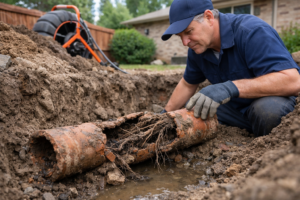
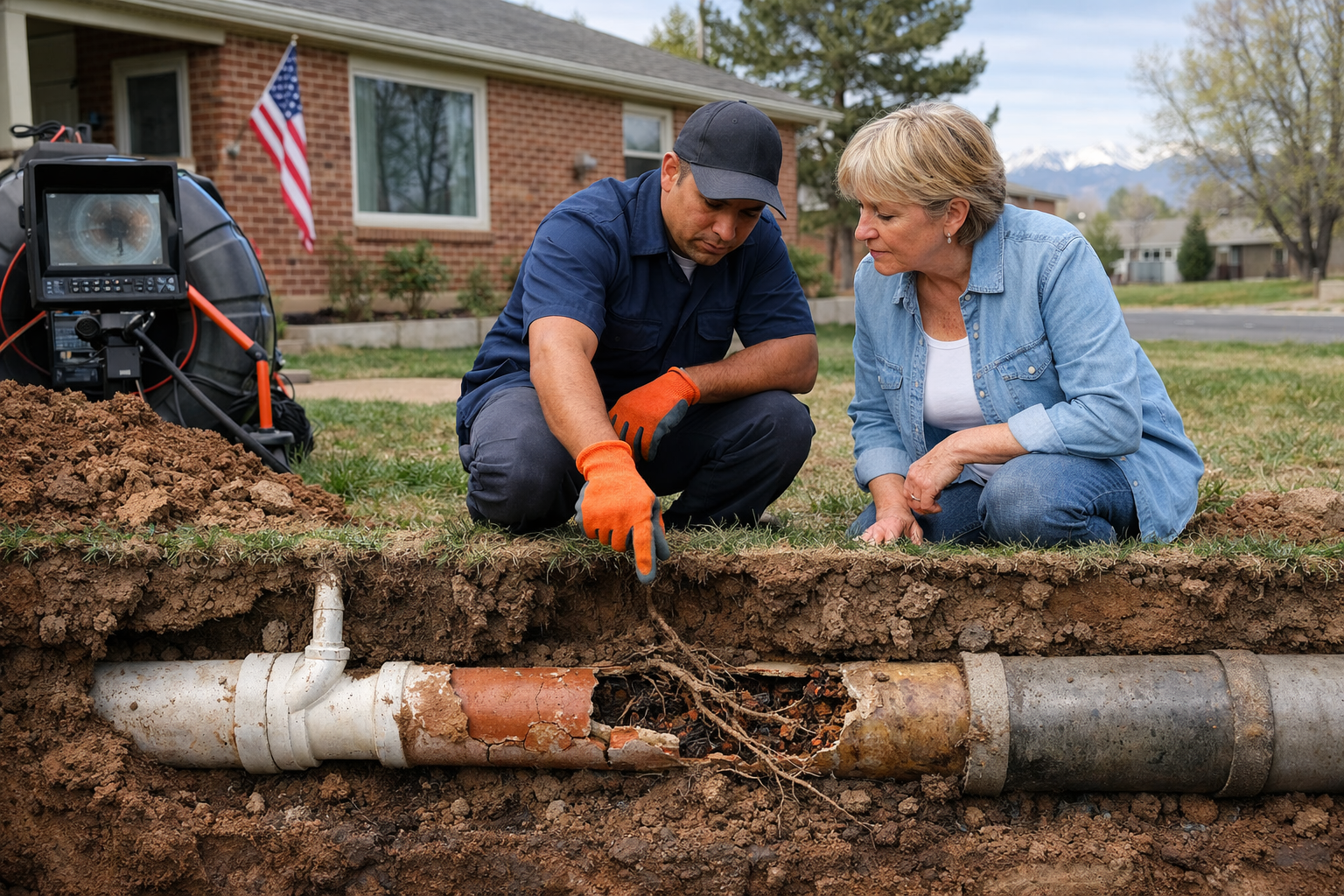
Clay sewer line pipes break down in predictable ways. First, joints separate as the ground shifts. Then, cracks form along the pipe body itself. Water seeps out, and soil seeps in. Tree roots follow the moisture and invade your sewer line.
Old homes in Denver neighborhoods like Capitol Hill and Washington Park often have aging sewer infrastructure that needs attention. Cast iron pipes face different problems but similar timelines. Rust eats through from the inside out.
Denver’s Unique Soil Conditions
Denver sits on clay soil that expands and contracts with moisture. Dry summers shrink the soil. Wet springs cause it to swell. Your old home’s sewer line moves with each cycle. After decades, this movement cracks even the strongest pipes.
The freeze-thaw cycle adds more stress. Water in soil cracks freezes and expands each winter. This pushes on your sewer line from all sides. Old homes sewer line problems accelerate because older materials can’t flex like modern options.
Key Takeaway: Age plus soil movement equals inevitable sewer line damage in old Denver homes.
Common Sewer Line Issues in Historic Denver Homes
Old homes sewer line problems follow patterns. Knowing these issues helps you spot trouble early. Most problems start small and grow worse over months or years.
Clay Pipe Deterioration
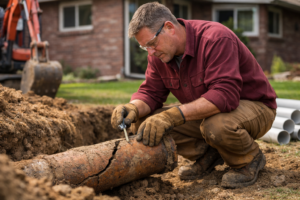
Clay pipe was the standard for sewer line construction through the 1950s. These pipes served Denver homes well for decades. But now, most clay sewer line systems are past their useful life. Joints fail first because mortar between sections crumbles away.
Once joints open, problems multiply fast. Soil enters the sewer line and creates blockages. Tree roots follow the moisture trail and invade through every crack. You’ll notice slow drains or gurgling sounds as debris builds up inside old pipes.
Tree Root Intrusion
Tree roots cause the most common old homes sewer line problems. Mature trees in historic neighborhoods send roots searching for water. Your sewer line provides both moisture and nutrients that roots crave. Even small cracks in old pipes let roots inside.
Once inside, roots grow fast. They fill the pipe and catch every bit of waste. Complete blockages happen quickly after roots establish themselves. The Forest Service notes that root systems can extend two to three times beyond a tree’s canopy.
Bellied or Sagging Lines
Old homes sewer line sections sink when soil beneath them settles. This creates a belly or sag in the pipe. Water and waste collect in these low spots instead of flowing freely. Solid waste builds up over time and eventually blocks the entire sewer line.
Denver’s soil conditions make bellied lines especially common. Clay soil shrinks away from pipes during dry periods. When moisture returns, soil doesn’t always resettle evenly beneath your sewer line. Each cycle makes the problem worse in old homes.
Corrosion and Rust
Cast iron sewer line pipes rust from the inside out. Chemical reactions with waste create corrosion over decades. Eventually, the pipe wall becomes so thin that it collapses. Old homes in Denver often have cast iron lines that are 70 to 90 years old.
You can’t see corrosion until it’s advanced. The outside of the pipe looks fine while the inside deteriorates. By the time problems show up in your drains, significant damage has already occurred to your old home’s sewer line system.
Key Takeaway: Most old homes sewer line problems involve multiple issues working together to damage your system.
Warning Signs Your Old Home Needs Sewer Line Attention
Old homes sewer line problems announce themselves if you know what to watch for. Early warning signs save you money and prevent major damage. Pay attention to changes in how your drains behave.
Slow Drains Throughout the House
One slow drain might be a simple clog. Multiple slow drains point to sewer line trouble. When your old home’s main sewer line has problems, all drains struggle. Water backs up because waste can’t flow freely through damaged pipes.
Test your drains by running water in different fixtures. If the toilet gurgles when you run the sink, your sewer line is trying to tell you something. Air trapped in old pipes causes these sounds as water forces its way past blockages.
Recurring Clogs
One clog is normal. Three clogs in the same spot means sewer line damage. Old homes sewer line problems create recurring issues because the underlying damage remains. You clear the blockage, but roots or cracks allow new debris to collect quickly.
Professional video inspection reveals what’s really happening inside your old home’s sewer line. A camera shows you exactly where damage exists and what’s causing repeated clogs. This saves you from wasting money on temporary fixes.
Foul Odors Near Drains or in Yard
Sewer gas smells mean your line is leaking. Old homes sewer line cracks let gas escape before it reaches the vent stack. You’ll notice the odor strongest near floor drains or in your basement. Outside, check for sewage smells near where your line runs to the street.
Don’t ignore sewer odors. They indicate breaks in your old home’s sewer line that will only get worse. Plus, methane gas poses health risks when it builds up indoors. Act fast when you detect unusual smells.
Wet Spots or Lush Patches in Your Yard
Unexplained wet areas in your yard often mark sewer line leaks. Sewage feeding your grass creates unusually green patches. Old homes sewer line breaks let wastewater seep into surrounding soil instead of flowing to the main system.
Look for areas that stay wet even during Denver’s dry summers. Check spots where your grass grows much thicker or greener than nearby areas. These signs point to old sewer line damage beneath your yard.
Foundation Cracks or Settling
Severe old homes sewer line leaks wash away soil beneath your foundation. This causes cracks, settling, or even structural damage. Water escaping from broken pipes creates voids under concrete. Your foundation loses support and begins to shift.
New cracks in basement walls or floors deserve immediate attention. While not every crack means sewer line damage, the combination of cracks plus drain problems strongly suggests old pipe failure beneath your home.
Key Takeaway: Multiple warning signs appearing together confirm your old home needs sewer line inspection now.
How to Inspect Old Homes Sewer Line Systems
Old homes sewer line inspection reveals problems before they become emergencies. Modern camera technology shows you exactly what’s happening inside pipes. This takes the guesswork out of diagnosing issues in your historic home.
Video Camera Inspection Benefits
A sewer line camera inspection provides clear answers. Technicians insert a waterproof camera through a cleanout or drain opening. The camera travels through your entire line and records everything it sees. You watch in real time as the camera reveals cracks, roots, or blockages.
For old homes, video inspection is essential. You need to see the condition of pipes that have been underground for decades. Our sewer line repair team uses this information to recommend the right fix for your specific situation.
What Inspectors Look For
Professional inspectors know exactly what threatens old homes sewer line systems. They look for separated joints where clay pipe sections have pulled apart. Cracks in the pipe body show up clearly on camera. Tree roots appear as dark masses filling the line.
Inspectors also check for bellied sections where the pipe has sagged. Scale buildup on the inside of cast iron pipes indicates corrosion. The camera measures the diameter of the line to detect collapses or crushing damage.
Understanding Inspection Results
Your inspection report should include clear photos or video. Look for the location of each problem area. Inspectors measure distance from the cleanout so repairs target the exact spot. Old homes sewer line damage often occurs at multiple points along the line.
Ask about the severity of each issue. Minor root intrusion might respond to cleaning. Severe cracks or collapses require more extensive sewer line repair or replacement. Understanding the full scope helps you plan and budget appropriately.
When to Schedule an Inspection
Schedule an inspection when you first buy an old home. This establishes a baseline for your sewer line condition. Repeat inspections every 3 to 5 years catch problems early. Also inspect immediately if you notice any warning signs listed earlier.
Old homes in Denver neighborhoods with mature trees need more frequent checks. Tree root growth accelerates sewer line damage in older systems. Annual inspections make sense if large trees grow near your line.
Key Takeaway: Video inspection shows you exactly what’s wrong with your old home’s sewer line before you spend money on repairs.
Repair Options for Aging Sewer Lines
Old homes sewer line problems need solutions that match the specific damage. Modern repair methods range from simple cleaning to complete replacement. Your inspection results guide which option works best for your situation.
Hydro Jetting for Root Removal
High-pressure water blasts away tree roots and buildup. Hydro jetting clears old homes sewer line blockages without damaging pipes. A specialized nozzle shoots water at 3,000 to 4,000 PSI while pulling itself back through your line.
This method works well for clearing roots from otherwise sound pipes. However, hydro jetting won’t fix cracks or separated joints. It’s often the first step before more extensive sewer line repairs. Many old homes need root removal every 2 to 3 years.
Trenchless Pipe Lining (CIPP)
Cured-in-place pipe lining creates a new pipe inside your old one. Technicians insert a resin-saturated liner through existing access points. Once in place, they inflate the liner and cure it with heat or UV light. The result is a seamless new sewer line inside the old pipe.
Old homes benefit greatly from trenchless pipe lining because it avoids digging up yards or driveways. The new liner lasts 50 years or more. This method works for most old homes sewer line problems except complete collapses.
Pipe Bursting for Full Replacement
Severely damaged sewer line sections need complete replacement. Pipe bursting breaks apart the old pipe while pulling new pipe into place. A bursting head travels through your line and fractures the old pipe outward. New pipe follows immediately behind.
This technique replaces your entire line with minimal digging. Only small access pits are needed at each end. Old homes with multiple failure points often need pipe bursting instead of patching individual sections. Modern sewer line replacement pipe lasts 100 years or more.
Traditional Excavation When Necessary
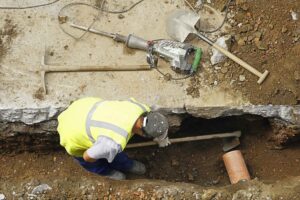
Some old homes sewer line situations require full excavation. Collapsed pipes or extensive damage across the entire line need traditional dig-and-replace methods. While more disruptive, excavation allows complete inspection and repair of your system.
Excavation also lets you upgrade to larger diameter pipe if needed. Old homes often have undersized sewer line systems for modern use. Going from 4-inch to 6-inch pipe prevents future capacity problems as you update your home.
Cost Considerations
Old homes sewer line repair costs vary widely based on damage extent. Simple root removal might cost $300 to $600. Trenchless lining typically runs $80 to $250 per foot. Complete replacement through excavation can reach $50 to $200 per foot depending on depth and access.
Get multiple opinions before major work. However, don’t sacrifice quality for the lowest bid. Proper sewer line repair in old homes requires experience with historic systems. Cheap fixes often fail quickly and cost more long-term.
Key Takeaway: Match your repair method to the specific damage in your old home’s sewer line for the best long-term results.
Preventing Future Sewer Line Problems in Old Homes
Old homes sewer line maintenance prevents small issues from becoming big headaches. Regular care extends the life of aging systems. Smart habits today save thousands in repair costs tomorrow.
Regular Professional Inspections
Schedule video inspections every 3 to 5 years for old homes. Annual checks make sense if you’ve had previous sewer line problems. Catching issues early means simpler, cheaper repairs. Small cracks are easy to fix before they become major breaks.
Keep records of all inspections and repairs. This documentation helps future technicians understand your old home’s sewer line history. It also adds value if you sell because buyers know what to expect.
Strategic Tree Management
Tree roots cause the most preventable old homes sewer line problems. Know where your sewer line runs and keep aggressive tree species away. Willows, poplars, and cottonwoods have especially invasive root systems. Plant these species at least 30 feet from your line.
Existing mature trees near your sewer line need regular root barriers. Professional installation of physical barriers redirects roots away from pipes. Some old homes benefit from chemical root treatments that discourage growth near the line.
What Goes Down Your Drains Matters
Old homes sewer line systems can’t handle what modern pipes tolerate. Avoid flushing anything besides waste and toilet paper. Never pour grease down drains because it solidifies in old pipes. Use sink strainers to catch food particles before they enter your sewer line.
Chemical drain cleaners damage old pipes over time. The harsh chemicals corrode already-weakened clay or cast iron. Stick with enzymatic cleaners or call professionals for drain cleaning when needed. Gentle methods preserve your aging sewer line longer.
Monitor Water Usage Patterns
Old homes sewer line capacity is lower than modern systems. Spread out heavy water use throughout the day. Don’t run the dishwasher, washing machine, and shower all at once. This prevents overloading your old pipes with more flow than they can handle.
Install low-flow fixtures to reduce total water volume. Less water means less stress on your sewer line. Old systems last longer when they’re not constantly pushed to their limits. Small changes in usage patterns make a big difference over time.
Address Small Issues Immediately
Don’t ignore minor drain slowdowns in your old home. Small problems indicate developing sewer line damage. Quick action prevents emergency repairs. A slow drain today becomes a backed-up basement tomorrow if you wait too long.
Keep the phone number for a trusted sewer line professional handy. Sewer Experts offers 24/7 emergency service because old homes sewer line problems don’t wait for business hours. Fast response prevents water damage and health hazards.
Key Takeaway: Proactive maintenance and smart usage extend your old home’s sewer line life by decades.
Quick Steps to Handle Old Homes Sewer Line Problems
Follow this process when you suspect sewer line trouble in your historic Denver home:
- Notice warning signs like slow drains or sewage odors throughout your old home.
- Stop using water-intensive appliances until you identify the problem.
- Call a licensed sewer line professional with experience in old homes.
- Schedule a video camera inspection to see exact damage locations.
- Review inspection results and understand all problems identified.
- Get written estimates for recommended repairs from multiple contractors.
- Choose repair method based on damage severity and your budget.
- Verify contractor license and insurance before work begins on your sewer line.
- Keep detailed records of all inspections and repairs performed.
- Schedule follow-up inspections every 3 to 5 years after major repairs.
Understanding Old Homes Sewer Line Problems: Quick Reference
Old homes sewer line problems are issues affecting underground waste pipes in historic Denver properties built before 1960. These problems typically involve clay or cast iron pipes that have deteriorated after 60 to 100 years of service. Common issues include tree root intrusion, cracked or separated joints, bellied pipe sections, and corrosion. Denver’s expansive clay soil and freeze-thaw cycles accelerate damage to aging sewer line systems. Warning signs include slow drains, recurring clogs, sewage odors, wet yard spots, and foundation cracks. Modern solutions range from root removal and trenchless lining to complete pipe replacement, depending on damage severity.
Frequently Asked Questions
What causes most sewer line problems in old Denver homes?
Clay pipe deterioration causes most old homes sewer line problems in Denver. These pipes were standard until the 1950s. After 60 to 80 years, joints separate and cracks form. Tree roots then invade through openings. Denver’s clay soil makes damage worse through expansion and contraction cycles. Freeze-thaw conditions add more stress each winter to your old sewer line system.
How often should I inspect my old home’s sewer line?
Inspect your old homes sewer line every 3 to 5 years minimum. Annual inspections make sense if large trees grow near your line. Also inspect immediately when buying an old home. Check again if you notice slow drains or other warning signs. Regular inspections catch small problems before they need expensive sewer line repairs.
Can tree roots be removed without replacing the entire sewer line?
Yes, tree roots can be removed from old homes sewer line systems using hydro jetting. High-pressure water blasts roots away without damaging sound pipes. However, roots return every 2 to 3 years through existing cracks. For permanent solutions, consider trenchless pipe lining after root removal. This seals cracks so roots can’t re-enter your old sewer line.
What’s the average lifespan of clay sewer pipes in Denver?
Clay sewer line pipes typically last 50 to 60 years in Denver conditions. Some old homes have clay pipes still functioning after 80 to 100 years. However, Denver’s soil and climate reduce expected lifespan. Most clay pipes show significant damage by age 60. Old homes built before 1960 likely need sewer line attention soon if not already addressed.
Is trenchless repair suitable for all old home sewer line problems?
No, trenchless methods work for most but not all old homes sewer line damage. Pipe lining fixes cracks, leaks, and root damage in pipes with structural integrity. Completely collapsed sections need excavation. Severely bellied lines may require traditional replacement. Your video inspection determines if trenchless options suit your specific old sewer line situation.
Conclusion: Taking Action on Your Old Home’s Sewer Line
Old homes sewer line problems demand attention before they become emergencies. Your historic Denver home has charm worth preserving. But underground infrastructure needs modern solutions to match that beauty. Ignoring warning signs leads to expensive damage and health hazards.
Start with a professional video inspection of your sewer line today. This shows exactly what’s happening beneath your property. You’ll know whether simple maintenance or major repairs make sense. Old homes deserve expert care from technicians who understand historic systems.
Sewer Experts has spent over 25 years solving old homes sewer line problems across Denver. We know what works in Capitol Hill, Washington Park, and every historic neighborhood. Our trenchless methods preserve your yard while fixing underground damage. Plus, our 5-year warranty backs every repair we complete.
Don’t wait for sewage backing into your basement. Call us today at (720) 663-7473 for a free inspection estimate. We’ll show you exactly what your old home’s sewer line needs. Then, we’ll fix it right the first time with minimal disruption to your property.
Your old home has stood strong for decades. Let’s make sure the sewer line serves you just as well for decades more.