You just bought your dream home. Then the sewer line breaks. The repair costs thousands of dollars. You wonder if a sewer line warranty could have saved you.
A sewer line warranty covers repair or replacement costs when your sewer line fails. It protects you from sudden, expensive bills. Many homeowners don’t know these plans exist.
With over 25 years serving Denver homeowners, Sewer Experts has seen every type of sewer line failure. We know what warranties cover and what they don’t. This guide explains sewer line warranty options in plain terms.
Table of Contents
- What Is a Sewer Line Warranty?
- Types of Sewer Line Protection Plans
- What Sewer Line Warranty Coverage Includes
- How Much Sewer Line Warranties Cost
- Choosing the Right Sewer Line Protection Plan
- How to Use Your Sewer Line Warranty
- Frequently Asked Questions
What Is a Sewer Line Warranty?
A sewer line warranty is a protection plan. It covers repair costs when your sewer line fails. Think of it like insurance for your pipes.
Most home warranties don’t cover sewer lines. Standard policies stop at your foundation. Your sewer line runs from your home to the city main.
That means you own the pipe. You pay for repairs. A sewer line warranty changes this. It covers the cost when things go wrong.
Why Sewer Line Warranties Matter
Sewer line repairs cost thousands of dollars. A simple crack can run $3,000 to $5,000. Full replacement can exceed $15,000. These costs catch homeowners off guard.
A sewer line protection plan spreads this risk. You pay small monthly or yearly fees. In return, the plan covers major repair bills. It’s peace of mind.
According to the U.S. Census Bureau housing data, older homes face higher risk. Pipes installed before 1980 fail more often. Clay and cast iron corrode over time.
How Sewer Line Warranties Differ from Home Warranties
Home warranties cover appliances and systems inside your house. They protect your furnace, air conditioner, and water heater. Most stop at your property line.
Sewer line warranties extend beyond your foundation. They cover the pipe to the street. This is where most failures happen. Tree roots invade. Ground shifts. Pipes crack.
You often need both types of coverage. A home warranty handles indoor problems. A sewer line warranty protects outdoor infrastructure. Together, they shield you from surprise costs.
Types of Sewer Line Protection Plans
Several types of sewer line warranty plans exist. Each offers different coverage levels. Understanding these helps you choose wisely.
Utility Company Programs
Many water and sewer utilities offer protection plans. These programs cost $5 to $15 per month. They’re added to your utility bill automatically.
Utility sewer line warranties typically cover basic repairs. They fix clogs and minor breaks. Some include emergency service with no deductible.
But coverage limits apply. Most cap payments at $5,000 or $10,000 per year. If your repair exceeds this, you pay the difference. Still, these plans offer solid value.
Third-Party Home Warranty Companies
Companies like American Home Shield and Choice Home Warranty sell sewer line coverage. These are separate from utility programs. You buy them directly.
Third-party sewer line protection plans cost $40 to $100 per month. They offer broader coverage than utility programs. Some cover full line replacement up to $20,000.
However, read the fine print carefully. Many have service fees per visit. Some exclude pre-existing conditions. Others require a waiting period before coverage starts.
Insurance Riders and Endorsements
Some homeowners insurance companies offer sewer line coverage. It’s added as a rider to your existing policy. This is called an endorsement.
These add-ons cost $50 to $250 per year. They’re cheaper than standalone sewer line warranties. But they may have higher deductibles, often $500 to $1,000.
Insurance riders typically cover sudden, accidental damage. They may not cover slow wear and tear. Check what’s excluded before adding this coverage.
Service Line Warranties of America (SLWA) Plans
SLWA partners with many utility companies nationwide. Their sewer line warranty plans cost $5 to $10 per month. They cover repairs up to $10,000 per incident.
SLWA offers fast claims processing. Most repairs start within 48 hours. They maintain a network of licensed plumbers. This speeds up service.
These plans include both sewer and water line coverage. That’s extra value. One monthly fee protects multiple systems. It simplifies your protection strategy.
What Sewer Line Warranty Coverage Includes
Not all sewer line warranties cover the same things. Knowing what’s included prevents surprise denials. Let’s break down typical coverage areas.
Covered Repairs and Replacements
Most sewer line protection plans cover these common problems:
- Tree root intrusion blocking or damaging pipes
- Collapsed or broken sewer lines from ground shifting
- Corrosion in older cast iron or clay pipes
- Clogs caused by buildup or foreign objects
- Pipe separations at joints due to age
When these issues arise, your sewer line warranty pays for professional sewer line repair. The plan covers labor and materials. Some even include excavation costs.
Full line replacement coverage varies by plan. Basic warranties may cap replacement costs. Premium plans often cover complete sewer line installation from house to street.
Common Exclusions
Every sewer line warranty has exclusions. These are problems the plan won’t cover. Knowing them upfront prevents frustration.
Pre-existing conditions are rarely covered. If your pipe was damaged before buying the warranty, you’re likely not protected. Most plans require an inspection or waiting period.
Damage from neglect or improper maintenance doesn’t qualify. If you ignored warning signs for years, the warranty may deny your claim. Regular maintenance protects your coverage.
Some plans exclude certain repair methods. For example, they may not cover trenchless pipe lining unless specified. Always ask about covered repair techniques.
Coverage Limits and Caps
Most sewer line warranties have annual or per-incident caps. A typical plan covers $5,000 to $10,000 per year. Premium plans may go higher.
If your repair costs more than the cap, you pay the excess. For instance, a $12,000 repair with a $10,000 cap leaves you $2,000 short. Know your limits before emergencies strike.
Some plans have multiple caps. They limit annual claims and per-incident payouts. Read your policy carefully. Understand all coverage boundaries.
Service Call Fees and Deductibles
Many sewer line protection plans charge service call fees. These range from $50 to $100 per visit. You pay this even if no repair is needed.
Think of it like a copay at the doctor. The fee covers the diagnosis visit. If repairs are required, the warranty covers the rest (up to limits).
Some plans have deductibles instead of service fees. You pay a set amount before coverage kicks in. Deductibles typically run $500 to $1,500. Weigh service fees against deductibles when comparing plans.
How Much Sewer Line Warranties Cost
Sewer line warranty costs vary widely. Several factors affect your premium. Understanding these helps you budget accurately.
Monthly vs. Annual Payment Options
Most plans offer monthly or annual payment. Monthly fees range from $5 to $100. Annual payments often provide a discount, saving 10% to 15%.
For example, a plan costing $10 per month ($120 yearly) might drop to $108 if paid annually. That’s $12 in savings. Over time, this adds up.
Monthly payments offer flexibility. You can cancel more easily if needed. Annual payments lock you in. They’re best if you’re certain you’ll keep the coverage.
Factors That Affect Sewer Line Warranty Pricing
Your home’s age impacts cost significantly. Older homes with original plumbing pay more. Pipes over 40 years old have higher failure risk.
Your location matters too. Areas with aggressive tree roots or unstable soil cost more to insure. Denver’s clay soil, for instance, shifts frequently. This increases sewer line stress.
Coverage limits affect price directly. Plans with higher caps charge more. A $20,000 coverage plan costs more than a $5,000 plan. Balance premium cost against potential repair bills.
According to Forbes Home sewer repair cost data, average repairs run $2,400 to $5,000. Factor this into your decision.
Comparing Costs to Out-of-Pocket Repairs
Let’s compare warranty costs to self-paying. A basic sewer line warranty costs about $120 per year. Over 10 years, that’s $1,200.
One major sewer line repair costs $3,000 to $15,000. If you face even one failure in 10 years, the warranty saves money. It’s simple math.
Plus, warranties cover emergency calls. These often come with rush fees. Having coverage means predictable costs. You avoid financial surprises.
Hidden Fees to Watch For
Some sewer line protection plans have hidden costs. Service call fees are common, as mentioned. But other charges exist too.
Inspection fees may apply before coverage starts. Some companies charge $100 to $300 for initial line inspection. This verifies no pre-existing damage.
Cancellation fees can surprise you. Some plans charge penalties if you cancel early. Read cancellation terms carefully before signing up.
Claim processing fees are rare but exist. A few plans charge administrative fees per claim. Ask about all potential fees upfront. Transparency matters.
Choosing the Right Sewer Line Protection Plan
Selecting the best sewer line warranty takes careful comparison. Don’t rush this decision. Your choice affects your wallet for years.
Assess Your Home’s Risk Level
Start by evaluating your sewer line risk. How old is your home? What material is your pipe?
Homes built before 1980 often have clay or cast iron pipes. These corrode faster. Tree roots penetrate them easily. High-risk homes benefit most from coverage.
Get a sewer camera inspection before buying a warranty. This reveals current pipe condition. If your line already has problems, fix them first. Then buy coverage.
Newer homes with PVC pipes face lower risk. If your home was built after 2000, you might skip sewer line warranty coverage. Or choose a basic plan.
Compare Coverage Terms Carefully
Not all sewer line warranties offer equal protection. Create a comparison spreadsheet. List each plan’s details side by side.
Key items to compare include:
- Annual coverage cap (higher is better)
- Per-incident limit (should cover typical repairs)
- Service call fee or deductible amount
- Waiting period before coverage starts
- Exclusions and limitations
- Repair method restrictions
Weight these factors against cost. The cheapest plan isn’t always best. Balance affordability with comprehensive coverage.
Read Customer Reviews and Ratings
Research company reputation before buying any sewer line protection plan. Check reviews on independent sites like Trustpilot and Better Business Bureau.
Look for patterns in complaints. Do customers report claim denials? Slow service? Hidden fees? These are red flags.
Positive reviews should mention fast claims processing. Good communication matters too. You want a company that’s easy to reach during emergencies.
Verify Contractor Networks
Ask which contractors the sewer line warranty uses. Some plans maintain large networks. Others work with limited providers.
Check if reputable local contractors participate. In Denver, you want experienced plumbers familiar with local soil and code requirements.
Plans that let you choose your own contractor offer flexibility. But they may require upfront payment. You submit receipts for reimbursement later. This ties up your cash temporarily.
Understand Claim Filing Procedures
Learn how to file claims before you need to. Simple processes save time during emergencies. Complex procedures cause delays.
Most plans require a phone call first. The company dispatches a contractor. Some plans need prior approval before repairs start. Know these steps.
Ask about claim turnaround time. How quickly do they process claims? How fast do repairs typically start? Good companies respond within 24 to 48 hours.
How to Use Your Sewer Line Warranty
Having a sewer line warranty is worthless if you don’t know how to use it. Let’s walk through the process step by step.
Step 1: Recognize the Warning Signs
Catch sewer line problems early. This prevents more damage. Watch for these warning signs:
- Slow drains throughout your home
- Gurgling sounds from toilets or drains
- Sewage backup in lowest drains
- Foul odors near your foundation
- Wet spots or lush grass patches in your yard
Don’t ignore these symptoms. They indicate sewer line stress. Call your warranty provider immediately when you notice them.
Step 2: Contact Your Warranty Provider
Call the number on your sewer line protection plan documents. Have your account information ready. Describe the problem clearly.
The representative will ask questions. When did symptoms start? Where is the problem occurring? What have you noticed? Answer honestly and completely.
They’ll create a service ticket. Most companies provide a claim number. Write this down. You’ll need it for follow-ups.
Step 3: Schedule the Inspection
Your sewer line warranty provider dispatches a contractor. They’ll schedule an inspection visit. This usually happens within 24 to 48 hours.
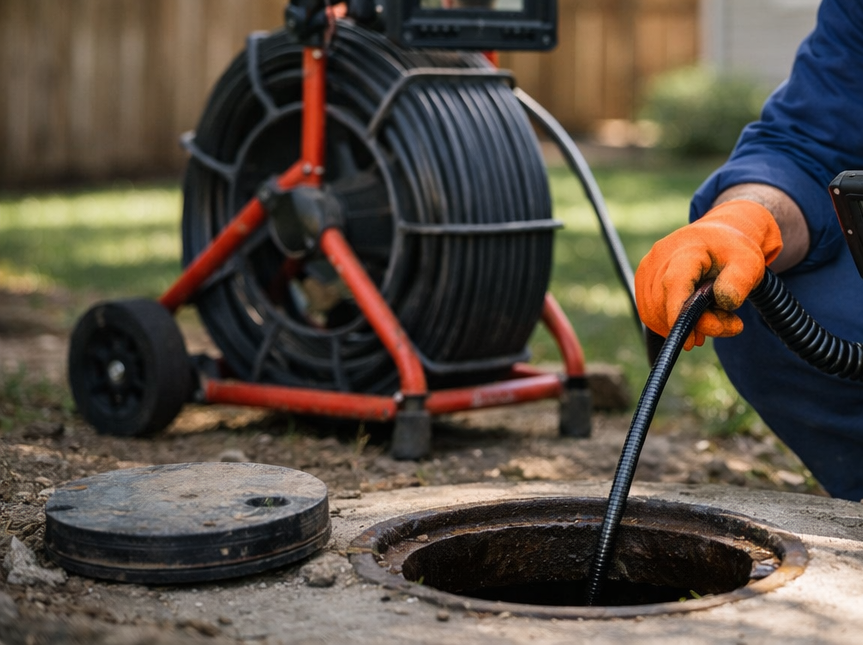
The contractor performs a camera inspection. They insert a video camera into your sewer line. This identifies the exact problem location and cause.
You may pay a service call fee at this point. Fees typically range from $50 to $100. Some plans waive this for confirmed covered repairs.
Step 4: Review the Repair Estimate
After inspection, the contractor provides a repair estimate. This details the problem, solution, and cost. Review this carefully.
Verify the repair is covered under your sewer line warranty terms. Check if the cost exceeds your coverage cap. Understand what you’ll pay out of pocket, if anything.
Ask questions if anything is unclear. Good contractors explain everything. They help you understand your options.
Step 5: Approve the Work
Once you understand the estimate, approve the repair. Sign necessary authorization forms. Confirm payment details with your warranty provider.
Some plans require pre-authorization from the warranty company. The contractor handles this. But it may delay work by a few hours or a day.
Other plans give contractors immediate authorization for covered repairs. This speeds up the process significantly.
Step 6: Monitor the Repair
Stay available during the repair process. Contractors may need access to your home. They might have questions about your plumbing layout.
For excavation work, mark sprinklers and underground utilities beforehand. This prevents accidental damage. It protects your property.
Reputable contractors, like those at Sewer Experts, communicate throughout the job. They keep you informed of progress and any surprises.
Step 7: Verify Completion and Cleanup
After repairs finish, inspect the work. Run water through your drains. Flush toilets multiple times. Ensure everything flows properly.
Check that the work area is clean. Contractors should remove debris. They should restore your yard to its original condition (or as close as possible).
If using trenchless methods like pipe lining, cleanup is minimal. There’s no excavation. Your landscaping stays intact.
Step 8: Maintain Records
Keep all paperwork related to your sewer line warranty claim. File inspection reports, estimates, invoices, and receipts. Photograph the work area before and after.
These records prove repairs occurred. They’re useful if you file future claims. They also help when selling your home. Buyers appreciate documented repairs.
Step 9: Follow Up if Needed
If problems persist after repair, contact your warranty provider immediately. Most work comes with guarantees. The contractor should return at no charge.
Your sewer line protection plan may include follow-up inspections. These verify the repair solved the problem. Take advantage of this service.
Step 10: Schedule Preventive Maintenance
Don’t wait for the next failure. Schedule regular drain cleaning and inspections. Prevention extends your sewer line life.
Many warranties require periodic maintenance. Skipping this can void your coverage. Mark your calendar. Make maintenance a priority.
Annual camera inspections catch small problems early. They prevent major failures. This saves money even with warranty coverage.
Quick Reference: Sewer Line Warranty Definition
A sewer line warranty is a service contract. It covers repair or replacement costs when your sewer line fails. These plans protect homeowners from expensive, unexpected sewer line bills.
Coverage typically includes tree root damage, pipe corrosion, and line breaks. Most plans charge monthly or annual fees. They set coverage limits and may require service call fees or deductibles.
Sewer line warranties differ from home warranties. They extend beyond your foundation. They cover the pipe running to the street connection. This fills a critical protection gap.
Conclusion: Is a Sewer Line Warranty Right for You?
A sewer line warranty offers valuable protection. It shields you from sudden, large repair bills. For many homeowners, peace of mind alone justifies the cost.
Older homes benefit most from sewer line protection plans. If your home was built before 1980, strongly consider coverage. The risk of failure is simply too high.
But even newer homes can benefit. Sewer line warranty coverage spreads risk. For a small monthly fee, you avoid potential financial disaster. It’s smart financial planning.
Compare multiple plans before deciding. Consider your home’s age, pipe material, and local soil conditions. Balance coverage limits against premium costs. Choose a reputable provider with good reviews.
And remember: a sewer line warranty works best with regular maintenance. Don’t neglect your pipes. Schedule annual inspections. Clean your drains regularly. Prevention and protection work together.
Ready to protect your home’s sewer line? Contact Sewer Experts for a professional inspection. We’ll assess your system and help you understand your risks. Don’t wait until disaster strikes.
Frequently Asked Questions
What does a sewer line warranty typically cover?
A sewer line warranty covers repairs for common failures. This includes tree root intrusion and pipe breaks. It also covers corrosion damage and major clogs. Most plans pay for labor and materials. Coverage limits apply, usually $5,000 to $20,000 per year. Some plans include full line replacement coverage. Always check specific plan details before buying.
How much does sewer line warranty coverage cost per month?
Sewer line protection plan costs range from $5 to $100 monthly. Utility company programs are cheapest at $5 to $15. Third-party plans cost $40 to $100 per month. Insurance riders run $4 to $20 monthly. Your home’s age affects pricing significantly. Older homes with clay pipes pay more. Annual payments often save 10% to 15%.
Are pre-existing sewer line problems covered by warranties?
No, most sewer line warranties exclude pre-existing conditions. If damage existed before coverage started, you’re not protected. Many plans require waiting periods of 30 to 90 days. Some require inspection before coverage begins. This verifies no current damage exists. Fix known problems before buying a sewer line warranty. Otherwise, future claims may be denied.
Can I choose my own contractor with a sewer line warranty?
It depends on your specific sewer line protection plan. Most plans use network contractors only. You can’t choose freely. These plans handle scheduling and payment directly. Some premium plans allow contractor choice. But you may pay upfront. Then submit receipts for reimbursement later. Ask about contractor flexibility when comparing plans.
How long does sewer line warranty claim processing take?
Most sewer line warranties process claims within 24 to 48 hours. Emergency calls often get faster response. The contractor schedules an inspection visit quickly. Then they provide a repair estimate. Approval may take another day. Total time from call to repair start averages 2 to 4 days. Complex cases take longer. Simple clogs resolve same-day.