Sewer Line Professional Evaluation Frequency: The Complete Homeowner Guide

Most homeowners never think about their sewer line until it backs up. But sewer line professional evaluation frequency matters more than most people know. So, how often should you check your pipes?

The right sewer line professional evaluation frequency depends on pipe age, material, and risk factors. A sewer scope inspection catches small cracks before they become big breaks. Routine checks help you head off costly surprises down the line. This guide breaks down sewer line professional evaluation frequency into simple, clear steps, drawing on our hands-on experience with pipes across the Denver area.

Why Sewer Line Professional Evaluation Frequency Matters

Your sewer line works hard every day. Yet most people never see it. So, problems grow quietly underground for years.

A good sewer line professional evaluation frequency catches issues early. Roots creep in. Pipes shift. Joints crack. Each small issue grows worse over time. But a routine sewer camera inspection finds these issues fast.

Without a set sewer line inspection frequency, small clogs turn into full blockages. Then, sewage can back up into your home. That means costly cleanup and repairs. Above all, waiting too long raises your risk of a total pipe failure.

Experts agree that early detection saves money. The EPA’s guidance on wastewater systems stresses regular maintenance for all pipe types. This applies to city sewer lines and private lines alike.

How Sewer Problems Start Small

Most sewer failures start as tiny cracks. Tree roots find these cracks fast. Then, roots grow inside the pipe. Water flow slows down. Waste builds up behind the blockage. This process can take months or years. A proper sewer line professional evaluation frequency catches this stage early.

The Cost of Skipping Evaluations

Emergency sewer repairs cost far more than routine checks. A full collapse often means digging up your yard. Also, sewage backups can damage floors and walls. Most importantly, health risks rise fast with raw sewage exposure. Skipping your sewer line inspection frequency almost always costs more later.

Key Takeaway: A steady sewer line professional evaluation frequency stops small pipe issues before they become costly disasters. Catching a crack or root intrusion early keeps a minor repair from turning into an emergency dig.

Pipe Age Sets Your Evaluation Timing

Older pipes need more frequent checks. This is a basic rule of sewer line professional evaluation frequency. Pipes over 40 years old face higher failure risk. So, they need yearly evaluation.

Newer pipes, under 10 years old, can wait longer between checks. Every three to five years is often enough. But this depends on soil type and pipe material too.

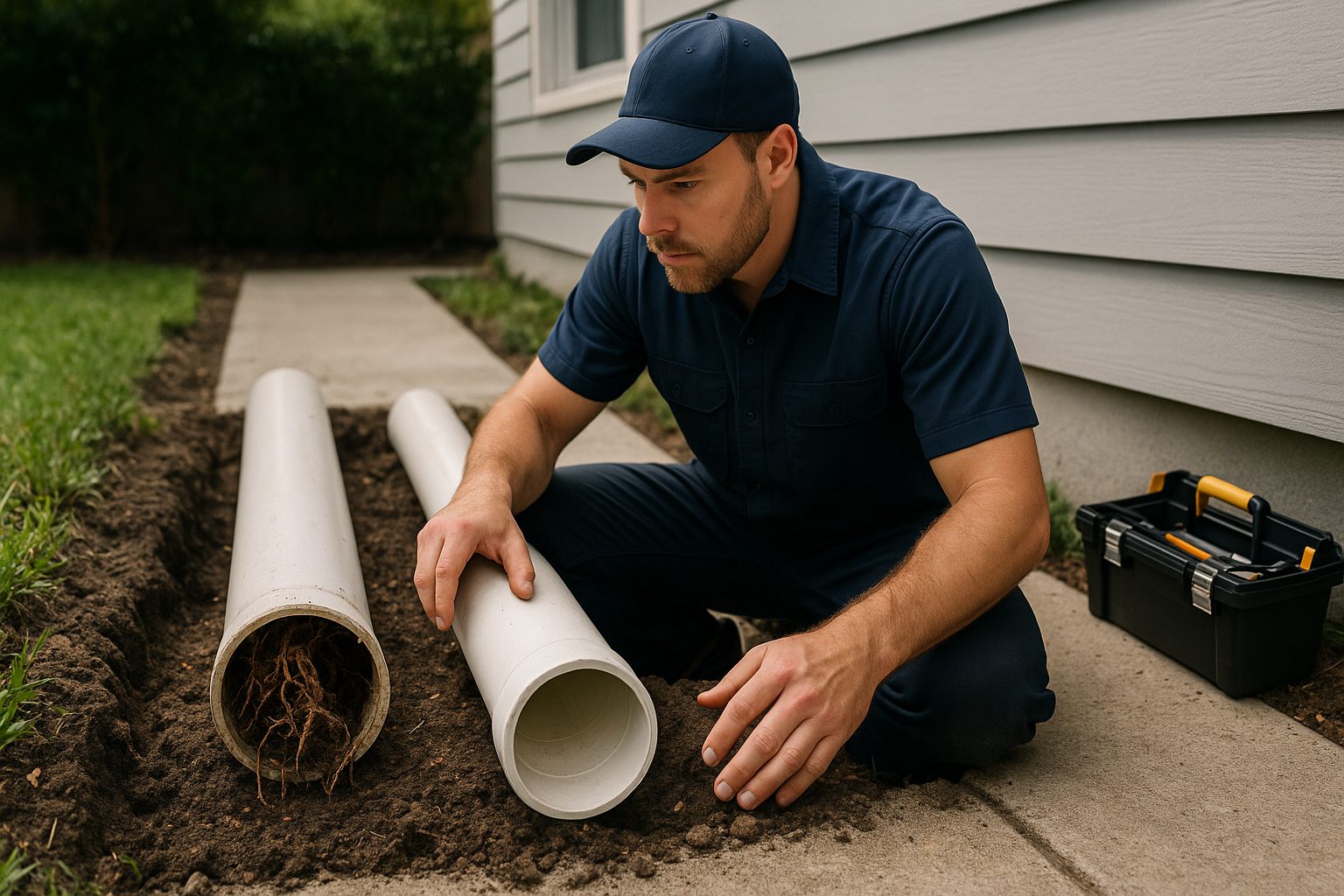
Most homes built before 1980 have clay or cast iron pipes. These materials crack and corrode over time. A regular sewer camera inspection schedule helps track wear as pipes age.

Homes built after 2000 often use PVC pipe. PVC lasts longer and resists roots better. Still, even new PVC needs a check every five years. That means every home benefits from some evaluation schedule.

Pipes Under 10 Years Old

New pipes rarely fail without cause. A check every three to five years is enough. But if you notice slow drains, schedule an evaluation right away. Do not wait for the standard sewer line inspection frequency if symptoms appear.

Pipes Over 40 Years Old

Older pipes need yearly sewer line professional evaluation frequency checks. Age weakens joints and pipe walls. Also, older materials crack more easily under tree root pressure. Annual checks catch damage before it spreads.

Expert Insight from Sewer Experts (SewerEx) Team: Homeowners often wait until a backup happens to call us. But routine sewer scope inspections find root intrusion and pipe cracks long before symptoms show up. Catching issues early is always cheaper than an emergency dig.

Pipe Material Guides Inspection Frequency

Pipe material changes how often to inspect sewer line systems. Clay pipes crack easily under root pressure. So, they need checks every one to two years.

Cast iron pipes rust from the inside out. This process is called tuberculation. It narrows the pipe over time. A yearly sewer camera inspection tracks this buildup.

Orangeburg pipe is old and weak. It was common between the 1860s and 1970s. If your home has this material, get a check every year. This pipe type fails often and without much warning.

PVC and HDPE pipes resist roots and rust well. A check every four to five years works for most homes. Still, your sewer line professional evaluation frequency should adjust if you notice any drain issues.

Clay and Cast Iron Pipe Risks

Clay pipes have many small joints. Roots find these joints fast. Cast iron rusts and narrows over decades. Both materials need frequent sewer line inspection frequency checks. Yearly reviews catch damage before a full blockage forms.

Modern PVC and HDPE Pipe

PVC pipe resists cracks and root damage well. So, it needs less frequent checks than clay or iron. Still, joints and connections can fail. A check every four to five years keeps modern pipe systems safe and flowing well.

Pro Tip: Ask your inspector to note your exact pipe material during your first sewer camera inspection. This record helps set the right sewer line professional evaluation frequency for your specific home going forward.

Risk Factors That Change Your Schedule

Trees near your sewer line raise your risk. Large trees send roots toward moisture. That means your pipe becomes a target. Homes with big trees need a shorter sewer line inspection frequency, often every year.

Soil type also matters. Clay-heavy soil shifts more with weather changes. This shifting stresses pipe joints. So, homes on clay soil need more frequent checks.

History of past clogs raises your risk too. If you have had two or more backups, your sewer line professional evaluation frequency should move to yearly. Also, homes near construction sites face higher risk from ground vibration.

Older neighborhoods with aging city sewer mains also see more issues. Your private line connects to that main. So, nearby infrastructure age can affect your own pipe health.

Tree Roots and Landscaping Risk

Large trees near your line raise root intrusion risk. Roots seek out any crack for water. Because of this, yearly checks make sense for tree-heavy yards. Removing risky trees can also help protect your pipe long term.

Past Backups and Warning Signs

Slow drains, gurgling sounds, and bad smells are warning signs. If you notice these, do not wait for your next scheduled check. Call for a sewer camera inspection right away. Past problems mean higher future risk.

Common Mistake to Avoid: Many homeowners assume no visible problem means no pipe damage. But underground cracks and root growth stay hidden for years. Skipping your sewer line professional evaluation frequency because things ‘seem fine’ often leads to costly surprise repairs.

What a Sewer Scope Inspection Involves

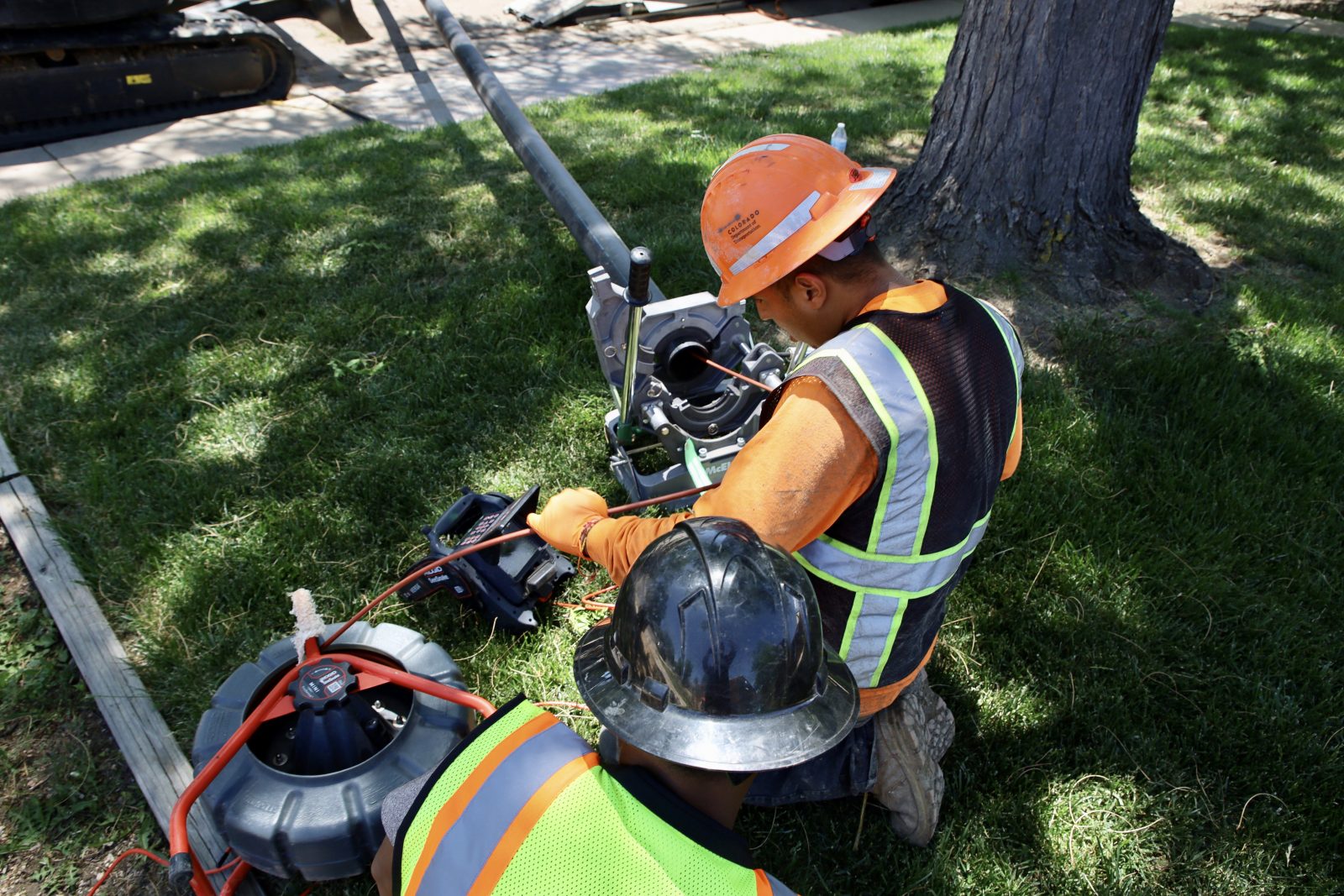
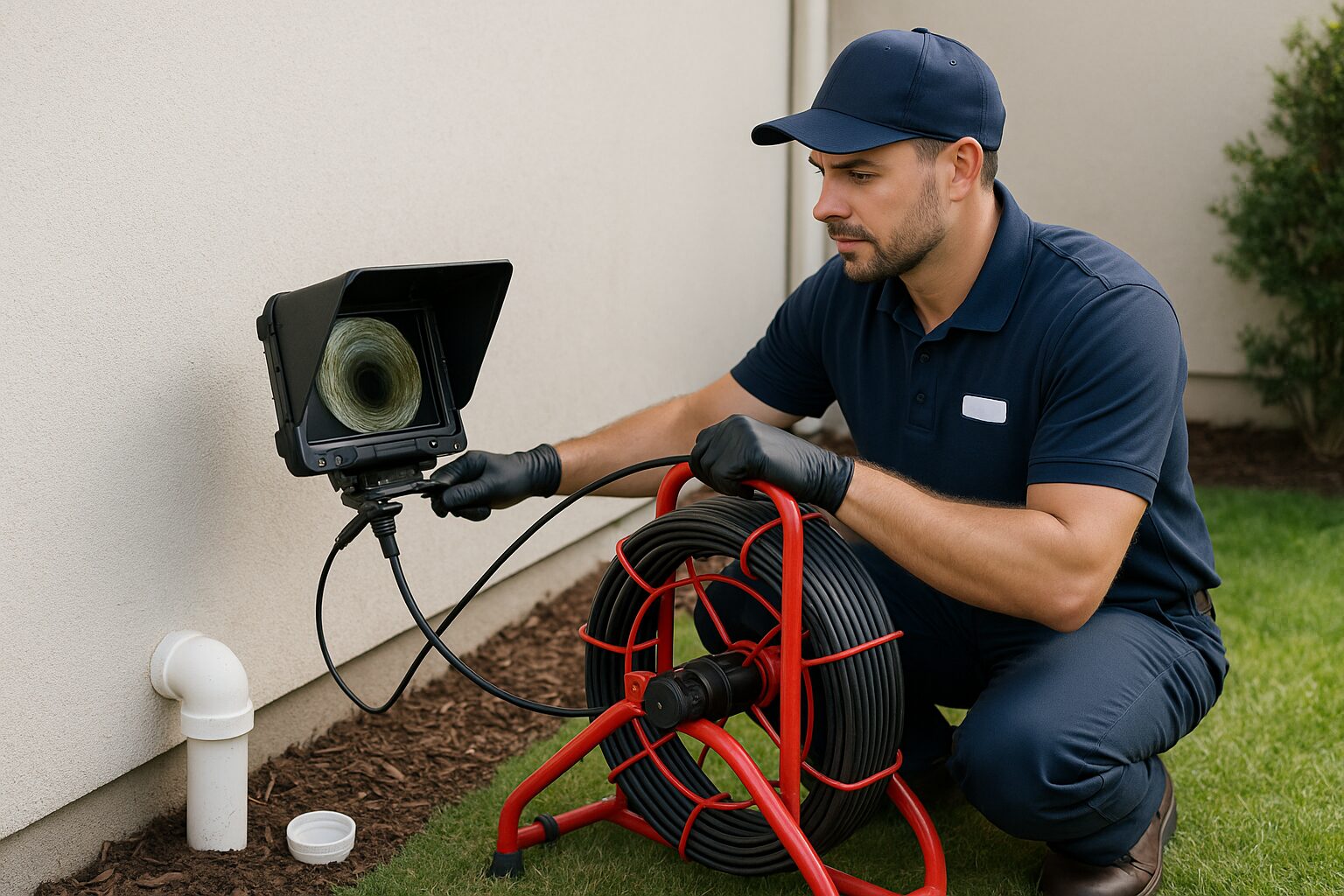
A sewer scope inspection uses a small camera. The camera travels through your pipe. Then, it sends live video to a screen. Technicians look for cracks, roots, and blockages.

Most inspections take about one hour. Sewer scope inspection cost varies by pipe length and access points. Still, this cost is small next to a full pipe replacement.

After the inspection, you get a full report. This report shows pipe condition and any risk areas. It also helps set your next sewer line professional evaluation frequency. Homeowners in Denver can review options through our trenchless pipe lining services if damage is found.

A clear video record also helps during home sales. Buyers and sellers both benefit from proof of pipe condition.

How Long an Inspection Takes

Most sewer camera inspections finish within one hour. Technicians run the camera slowly through the full pipe length. This process rarely disrupts your daily routine. You get results the same day.

Reading Your Inspection Report

Your report shows pipe material, condition, and trouble spots. Also, it includes video footage for your records. Use this report to plan your next sewer line professional evaluation frequency with confidence.

What This Means for You: Regular sewer scope inspections give you real proof of pipe health. Instead of guessing, you get clear video evidence. This helps you plan repairs before emergencies happen. It also protects your home value over time. Most importantly, it gives you peace of mind about what lies beneath your yard.

Your ideal sewer line professional evaluation frequency depends on pipe age, material, and risk. Older clay and cast iron pipes generally need checking more often — many plumbing professionals recommend a yearly look — while newer PVC lines can often go several years between visits. These are general guidelines rather than fixed rules, so consult a licensed professional to set the right schedule for your specific pipes. Trees, soil, and past clogs can also shorten that timeline fast.

Do not wait for a backup to think about your pipes. A steady sewer line professional evaluation frequency keeps small cracks from becoming expensive digs. Schedule your sewer inspection with our team today. We bring hands-on pipe experience to every job across the Denver area.

Frequently Asked Questions

What is the ideal sewer line professional evaluation frequency?

Most homes need a sewer line professional evaluation frequency of every two to five years. Older pipes need yearly checks. This evaluation frequency depends on pipe age, material, and past problems.

How often to inspect sewer line if pipes are old?

Pipes over 40 years old need yearly inspection. This sewer line inspection frequency catches rust and cracks early. Older clay and cast iron pipes fail more often without regular checks.

What affects sewer camera inspection schedule timing?

Pipe age, material, and nearby trees all affect your sewer camera inspection schedule. Homes with big trees need yearly checks. This schedule also shifts after any past sewer backup.

How much does sewer scope inspection cost?

Sewer scope inspection cost depends on pipe length and access. Still, this cost is small next to full pipe replacement. Regular checks help you avoid expensive emergency repairs later.

Does routine sewer maintenance replace professional evaluation?

No, routine sewer maintenance like drain cleaning does not replace camera checks. A proper sewer line professional evaluation frequency needs visual inspection. This finds cracks that cleaning alone cannot show.

Step-by-Step Process

Step-by-Step Sewer Line Professional Evaluation Frequency Plan

1. Check your pipe age using home purchase records.
2. Find your pipe material through past reports or inspection.
3. Note any trees growing near your sewer line.
4. Review your soil type for shifting risk.
5. List any past clogs or backup history.
6. Book a sewer camera inspection with a certified team.
7. Ask for a full video report after inspection.
8. Set your next evaluation date based on findings.
9. Watch for slow drains between scheduled checks.
10. Repeat evaluation on your set schedule going forward.

Quick Reference: What Is Sewer Line Professional Evaluation Frequency?

Sewer line professional evaluation frequency means how often a trained technician checks your sewer pipe. This check uses a camera to view inside the line. So, it finds cracks, roots, and blockages early. The right frequency depends on pipe age and material. Older pipes need yearly checks. Newer pipes can wait longer. This evaluation frequency protects your home from costly sewage backups.

Additional Resources

How to Find Your Sewer Line Fast, a full guide to locating your sewer line on your property using free online tools.
The Real Cost of Sewer Repair in Colorado, an updated breakdown of sewer repair pricing across Colorado homes.
Top Signs of a Collapsed Sewer Line, learn the warning signs that mean your sewer line needs urgent attention.
What Happens If Your Sewer Line Fails During a Home Sale, what buyers and sellers should know about pipe condition.

Slab Foundation Sewer Line Repair: Your Complete Homeowner Guide

Slab foundation sewer line repair is not like a normal repair job. Because your pipes sit under solid concrete, digging up your floor is rarely a good first step. Most homes built on a slab have sewer lines buried deep below the foundation, which makes slab foundation sewer line repair tricky for many plumbers.

Trenchless methods now fix a slab leak sewer line without breaking your floor. Sewer Experts has spent years fixing sewer line under concrete slab problems across Denver. You can read more about trenchless pipe lining for slab homes to see how this method works. This guide covers slab foundation plumbing issues, warning signs, and your best fix options.

Why Slab Foundation Sewer Line Repair Is Different

A normal sewer repair means digging a trench in your yard. But slab foundation sewer line repair means the pipe sits under your house. Crews cannot just dig up your living room. This makes access the biggest hurdle in any sewer line repair job.

Your slab foundation was poured as one solid piece. So, breaking through it is costly and messy. Most homeowners want to avoid this. That means repairing pipes under slab needs special tools and training.

Slab foundation plumbing issues also hide well. You may not see a leak until damage spreads. Then, water stains or cracks show up on your floor. This is why early sewer line under concrete slab checks matter so much.

How Slab Homes Differ From Basements

Basement homes give plumbers open access to pipes. Slab homes do not. The sewer line under concrete slab sits below a solid floor. This means repairing pipes under slab takes more planning.

Also, slab homes often have shorter, more direct pipe runs. That can help. But any slab foundation sewer line repair still needs careful mapping first.

Why Access Problems Raise Repair Costs

Digging through concrete adds labor and time. Most slab foundation plumbing issues cost more to fix with old dig-up methods. Because of this, many homeowners now ask about trenchless repair slab foundation options instead.

Trenchless work skips the jackhammer. This keeps your slab foundation sewer line repair faster and less invasive.

Key Takeaway: Slab foundation sewer line repair is harder than a normal repair job. Pipes sit under solid concrete, not open ground. This raises both cost and complexity for any sewer line under concrete slab fix.

Warning Signs of a Slab Leak Sewer Line

You cannot see under your slab. So, you must watch for clues. A slab leak sewer line often shows up in small ways first. Catching these signs early can save your slab foundation sewer line repair budget.

First, watch your water bill. A sudden spike often means a hidden leak. Also, listen for running water when nothing is on. That sound can point to a sewer line under concrete slab problem.

Next, check your floors. Warm spots, damp carpet, or cracks are red flags. These signs often mean slab foundation plumbing issues are already active below your home.

Signs Inside Your Home

Musty smells and mold growth often signal a slab leak sewer line. Also, low water pressure can mean pipes are failing under your foundation. Most importantly, sewage odors indoors mean you need help fast.

Signs Outside Your Home

Soggy yard patches near your foundation often point to slab foundation plumbing issues. Also, extra-green grass in one spot can mean a leak feeds it. These signs mean your sewer line under concrete slab needs a camera check.

Expert Insight from Sewer Experts: Slab foundation plumbing issues rarely show obvious signs at first. That means homeowners often miss early warnings. We always recommend a camera inspection before problems grow. This step protects your home and your budget.

Trenchless Repair Slab Foundation Methods

Trenchless Repair Slab Foundation Methods

Trenchless repair slab foundation work saves your floor and yard. Crews use small access points instead of full digs. This makes slab foundation sewer line repair faster and less messy overall.

Two main trenchless methods exist today. CIPP lining coats the inside of your old pipe. Pipe bursting breaks the old pipe while pulling a new one into place. Both skip the jackhammer.

The trenchless pipe lining process often lasts 50 plus years once done. This makes it a strong choice for repairing pipes under slab in older homes.

CIPP Lining for Concrete Slab Pipes

CIPP stands for cured-in-place pipe. A soft liner goes inside your damaged pipe. Then, it hardens into a new pipe wall. This method fixes a sewer line under concrete slab without any major digging.

Pipe Bursting Under Your Foundation

Pipe bursting works well when the old pipe is badly damaged. A new pipe gets pulled through as the old one breaks apart. This trenchless repair slab foundation option handles bigger slab foundation plumbing issues.

Pro Tip: Ask your plumber for a camera scope before picking a method. This step shows the exact damage. Then, you can pick the right slab foundation sewer line repair option the first time.

Common Mistakes With Sewer Line Under Concrete Slab

Common Mistakes With Sewer Line Under Concrete Slab

Many homeowners rush into the wrong fix. This often makes slab foundation plumbing issues worse. Knowing common mistakes helps you avoid extra cost during slab foundation sewer line repair.

One big mistake is skipping the camera inspection. Without it, crews guess where the sewer line under concrete slab is damaged. That guesswork can lead to breaking the wrong part of your floor.

Another mistake is choosing full excavation first. Trenchless repair slab foundation methods often cost less and take less time. So, always ask about trenchless options before agreeing to a full dig.

Ignoring Early Slab Leak Sewer Line Signs

Waiting too long turns a small slab leak sewer line into a big problem. Water can weaken your foundation over time. Then, repairing pipes under slab becomes more costly and urgent.

Hiring Non-Certified Repair Crews

Not every plumber handles slab foundation plumbing issues well. Look for state-certified sewer specialists. This matters most for trenchless repair slab foundation jobs, since the work needs special training.

Common Mistake to Avoid: Do not skip the camera inspection before repair work starts. Guessing at pipe damage under your slab often leads to wrong fixes. Always confirm the exact issue first with a proper scope.

What Slab Foundation Plumbing Issues Cost You

What Slab Foundation Plumbing Issues Cost You

Cost is often the top concern with slab foundation sewer line repair. Prices vary based on pipe length, damage, and method chosen. But trenchless repair slab foundation work often saves money over full excavation.

Traditional digging costs more because of labor and concrete repair. Your floor must be broken, fixed, and repoured. This adds real time and expense to any sewer line under concrete slab job.

Trenchless methods skip most of that labor. Fewer crew hours and no concrete replacement mean lower bills. This is why more homeowners now choose trenchless repair slab foundation options first.

Factors That Change Your Repair Cost

Pipe length affects your slab foundation sewer line repair price directly. Longer damaged sections need more lining material. Also, pipe depth under your slab can raise labor time and cost.

Why Trenchless Saves Long-Term Money

CIPP liners often last 50 plus years once installed. That means fewer repeat repairs for your sewer line under concrete slab. Most homeowners see this as a smart long-term investment.

What This Means for You: Slab foundation plumbing issues do not have to mean a torn-up floor. Trenchless repair slab foundation methods give you a faster, cleaner fix. You save money on concrete repair and labor. Most importantly, your home stays livable during the whole repair process.

Slab foundation sewer line repair does not need to mean breaking your floor. Trenchless methods fix a sewer line under concrete slab with far less mess, so you keep your floors intact and skip the cost of a full excavation. From CIPP lining to pipe bursting, you have real options for repairing pipes under slab.

Small slab foundation plumbing issues rarely stay small, so it pays to act before they grow. Get a free evaluation for your slab-foundation sewer today. Our team can walk you through every trenchless pipe lining option and help you pick the best fix for your home.

Frequently Asked Questions

What is slab foundation sewer line repair?

Slab foundation sewer line repair fixes pipes under a solid concrete floor. It often uses trenchless methods. This avoids breaking your slab. Most repairs use camera scopes first to find the damage.

How do you fix a slab leak sewer line?

Crews often use CIPP lining to fix a slab leak sewer line. A liner goes inside the old pipe. Then it hardens in place. This method skips digging up your slab foundation.

Is trenchless repair slab foundation work safe?

Yes, trenchless repair slab foundation work is safe and proven. Certified crews use small access points only. This protects your foundation. It also keeps your slab foundation sewer line repair less invasive.

How long does a sewer line under concrete slab last after repair?

A sewer line under concrete slab can last 50 plus years after CIPP lining. That makes slab foundation sewer line repair a long-term fix. Regular checks help this repair last even longer.

What causes most slab foundation plumbing issues?

Aging pipes cause most slab foundation plumbing issues. Tree roots and shifting soil add to the damage. Over time, this leads to a slab leak sewer line. Early checks catch problems fast.

Step-by-Step Slab Foundation Sewer Line Repair

Step-by-Step Slab Foundation Sewer Line Repair

1. Schedule a camera scope for your sewer line.
2. Confirm exact damage under your concrete slab.
3. Review trenchless repair slab foundation options with your plumber.
4. Choose CIPP lining or pipe bursting for your pipe.
5. Set access points instead of a full dig.
6. Clean the damaged sewer line under concrete slab.
7. Insert the liner or new pipe section.
8. Cure or seal the new pipe in place.
9. Run a final camera check on the repair.
10. Restore any small access points used during work.

Quick Reference: What Is Slab Foundation Sewer Line Repair?

Slab foundation sewer line repair fixes damaged pipes under a concrete slab home. It often uses trenchless methods instead of digging. So, your floor stays mostly untouched. Crews use small access points only. This keeps repairing pipes under slab fast and clean. Most jobs start with a camera inspection first.

Additional Resources

Learn how to locate pipes fast with our guide on how to find a sewer line on your property. This helps before any slab foundation sewer line repair begins.

Check real pricing details in our resource on the true cost of sewer repair in Colorado. This helps you budget for a sewer line under concrete slab fix.

Read about warning signs in our post on signs of a collapsed sewer line. This helps you catch slab foundation plumbing issues early.

Find out who pays for repairs in our guide on who is responsible for sewer line repairs. This clears up confusion before you call a plumber.

What Factors Increase Sewer Line Repair Costs in Denver? A Complete Pricing Guide

Sewer line repair cost factors in Denver catch most homeowners off guard. You get a quote and wonder why it’s so high, or you get two quotes that are hundreds of dollars apart. What most people don’t realize is that sewer line repair cost factors in Denver come down to a handful of specific, predictable drivers — not guesswork.

At Sewer Experts (SewerEx), our team has handled sewer repairs across Denver and the Front Range for more than a decade. We’ve seen every cost driver there is. Sewer line repair cost factors in Denver come down to five things: pipe depth, pipe material, damage extent, access location, and repair method. Aging pipes are one of the most common reasons sewer lines fail, so knowing what drives your repair bill helps you budget smart and avoid surprises.

1. Key Takeaway: Pipe Depth
2. Pro Tip: Sewer Camera Inspections
3. Common Mistake to Avoid
4. Conclusion: The Five Sewer Line Repair Cost Factors in Denver

How Pipe Depth Affects Sewer Line Repair Cost Factors

How Pipe Depth Affects Sewer Line Repair Cost Factors

Pipe depth is one of the biggest sewer line repair cost factors in Denver. The deeper your sewer line sits, the more labor and equipment your repair needs. Denver soil conditions also play a role. Clay-heavy soil near older neighborhoods takes longer to dig through.

Most residential sewer lines sit between 2 and 6 feet deep. But some lines, especially in older Denver homes, run 8 to 12 feet down. Each extra foot of depth adds time and cost. Crews need more shoring to keep trench walls safe. That means more equipment and more hours on the job.

Shallow lines cost less to access. But shallow lines near tree roots or utility crossings can still drive up sewer repair costs. Depth alone does not tell the whole story. It works together with soil type and nearby obstacles.

Soil Type and Excavation Difficulty

Denver sits on a mix of clay, sand, and rocky soil. Clay soil expands when wet. It can shift pipes over time and make digging harder. Rocky soil near the foothills requires special equipment to break through. Both soil types push sewer line repair costs higher.

Sandy soil is easier to dig but less stable. Trench walls in sandy soil collapse faster. That means more shoring and more time. Each soil type creates its own set of repair challenges. Your repair quote should reflect the specific soil conditions at your property.

A good sewer repair company will assess soil type before quoting. At SewerEx, we factor soil conditions into every estimate. That way, you get an accurate number from the start.

Utility Crossings Near Sewer Lines

Denver has a dense network of underground utilities. Gas lines, water mains, and electrical conduits often cross near sewer pipes. When your sewer line runs close to these utilities, repair crews must work carefully. Slow, careful digging costs more than fast open excavation.

Utility crossings also limit which repair methods are available. Trenchless sewer repair is often the better choice near utilities. It avoids the risk of hitting a gas or water line. But trenchless methods have their own cost factors, which we cover in Section 5.

Always call 811 before any digging in Denver. This free service marks utility locations. It protects workers and keeps your repair on schedule.

Key Takeaway: Pipe Depth: Pipe depth is a top sewer line repair cost factor in Denver. Deeper pipes need more labor, more equipment, and more time. Soil type and nearby utilities add to that cost. Ask your repair company how depth and soil conditions affect your specific quote.

Pipe Material and Sewer Line Repair Cost Factors Denver

Pipe Material and Sewer Line Repair Cost Factors Denver

The material your sewer pipe is made of directly affects sewer line repair cost factors in Denver. Different materials fail in different ways. Some are easy to repair. Others require full replacement. Knowing your pipe material helps you understand your repair options and costs.

Denver homes built before 1970 often have clay or cast iron pipes. Homes from the 1970s through 1990s may have Orangeburg pipe, which is made from tar and paper. Newer homes typically use PVC. Each material has a different lifespan and a different repair cost profile.

Clay pipes crack and shift over time. Cast iron corrodes from the inside. Orangeburg pipe collapses as it absorbs moisture. PVC is the most durable but still cracks under pressure or root intrusion. So, your pipe material is a core sewer repair cost factor.

Older Pipe Materials Cost More to Repair

Clay and cast iron pipes are harder to work with. They break differently than PVC. Repair crews need different tools and techniques. That adds time and cost to your sewer repair job.

Orangeburg pipe is the most expensive to deal with. It cannot be relined. It must be replaced. Full sewer line replacement costs more than spot repair. But with Orangeburg, there is no other safe option. Leaving it in place risks a full collapse.

If your Denver home was built before 1980, get a sewer camera inspection first. Knowing your pipe material before repair starts saves money. It helps your repair team plan the right approach from day one.

How PVC Pipes Affect Repair Pricing

PVC pipes are the easiest and cheapest to repair. They are lightweight and cut cleanly. Repair crews work faster on PVC. That means lower labor costs for you.

But PVC pipes still crack under heavy loads or tree root pressure. A cracked PVC pipe can often be spot-repaired. That costs far less than full replacement. In many cases, trenchless pipe lining works well on PVC. It seals cracks without digging up your yard.

So, PVC is the best-case scenario for sewer repair costs. If your home has PVC and the damage is minor, your repair bill will likely be on the lower end of the range.

Damage Extent Drives Sewer Repair Cost in Denver

Damage Extent Drives Sewer Repair Cost in Denver

The extent of damage is one of the most direct sewer line repair cost factors in Denver. A small crack costs far less to fix than a collapsed pipe. But damage extent is not always obvious from the surface. That is why a sewer camera inspection matters before any repair quote.

Damage falls into three broad categories. Minor damage includes small cracks, root intrusion at one spot, or a single joint failure. Moderate damage covers longer sections of cracking or multiple root intrusions. Severe damage means pipe collapse, major offset joints, or widespread corrosion.

Each level of damage calls for a different repair approach. Minor damage often needs only spot repair or pipe lining. Severe damage usually requires full sewer line replacement. The gap in cost between these two options can be thousands of dollars.

Root Intrusion and Sewer Repair Costs

Tree roots are a leading cause of sewer damage in Denver. Roots seek moisture and find their way into pipe joints. Once inside, they grow and crack the pipe from within. Root damage is one of the most common sewer line repair cost factors in Denver.

Small root intrusions can be cleared with hydro jetting. That is a lower-cost fix. But if roots have cracked the pipe wall, you need more than cleaning. You need repair or relining. Larger root masses that split a pipe require section replacement.

Denver neighborhoods with mature trees, like Park Hill and Washington Park, see more root damage. If you have large trees near your sewer line, annual inspections are a smart investment. Catching root intrusion early keeps repair costs low.

Pipe Collapse and Full Replacement Costs

A collapsed sewer pipe is the worst-case damage scenario. It means the pipe has caved in and sewage cannot flow. This requires immediate repair. And it is the most expensive sewer repair situation you can face.

Full sewer line replacement in Denver can run from $3,000 to $15,000 or more. The final cost depends on pipe length, depth, and access. Trenchless pipe bursting is often used for collapsed lines. It pulls a new pipe through the old one without full excavation.

According to Colorado State University Extension, proper home maintenance, including sewer care, prevents costly emergency repairs. Catching damage before collapse saves thousands. A $300 camera inspection can prevent a $10,000 emergency.

Pro Tip: Schedule a sewer camera inspection every few years in Denver, and more often for older homes with clay or cast iron pipes. Early detection of cracks or root intrusion is the single best way to keep sewer line repair costs low, because catching a small crack early usually costs far less than repairing a collapsed line later.

Location and Access as Sewer Repair Cost Factors

Location and Access as Sewer Repair Cost Factors

Where your sewer line runs on your property is a major sewer line repair cost factor in Denver. A pipe under your front lawn is easy to access. A pipe under your driveway, patio, or home foundation costs much more to reach.

Access difficulty affects both labor time and equipment needs. Concrete cutting, deck removal, or foundation work all add to your repair bill. These are not optional costs. They are required to reach the damaged pipe.

Location also affects permit requirements. Denver requires permits for most sewer line repairs. Permits cost money and take time. But they protect you. They ensure the work meets city code and passes inspection. Always work with a licensed contractor who pulls proper permits.

Under-Slab Sewer Lines Cost More

Sewer lines that run under a concrete slab are among the most expensive to repair. Cutting through concrete takes time and special equipment. After the repair, the concrete must be restored. That adds material and labor costs on top of the pipe repair itself.

Many Denver homes built in the 1950s and 1960s have under-slab sewer lines. These homes are most at risk for high repair costs. Trenchless methods can sometimes avoid slab cutting entirely. But not every under-slab repair is a candidate for trenchless work.

Get a camera inspection first. It shows exactly where the damage is. If it is under the slab, your repair team can assess whether trenchless is an option. That one step can save you thousands in concrete work.

Permit and Inspection Fees in Denver

Denver requires permits for sewer line repairs that involve excavation or pipe replacement. Permit fees vary by project scope. They typically range from $100 to $500 for residential sewer work. This is a real sewer repair cost factor that some contractors leave out of initial quotes.

After repair, a city inspector must approve the work. Scheduling an inspection adds a day or two to your project timeline. But it is not optional. Unpermitted sewer work can cause problems when you sell your home.

At SewerEx, we handle all permit applications for our Denver customers. We include permit fees in our upfront quotes. No surprises at the end of the job. Check our customer reviews to see how we handle the full process.

Common Mistake to Avoid: Do not hire a contractor who skips the permit process to save time or money. Unpermitted sewer work in Denver can complicate a future homeowner’s insurance claim and create headaches when you sell the home, so it’s worth checking your policy and local rules. Always confirm your contractor pulls the required permits before work begins.

Repair Method Choices and Denver Sewer Line Costs

Repair Method Choices and Denver Sewer Line Costs

The repair method your contractor uses is a direct sewer line repair cost factor in Denver. Two main approaches exist: traditional excavation and trenchless repair. Each has different cost profiles, timelines, and best-use cases.

Traditional excavation involves digging a trench to expose the damaged pipe. It is the most familiar method. But it is also the most disruptive. Your yard, driveway, or landscaping may need restoration after the repair. That restoration cost adds to your total bill.

Trenchless sewer repair avoids most of that disruption. Methods like CIPP lining and pipe bursting work from small access points. They cost more per linear foot of pipe. But they save on restoration costs and finish faster. For many Denver homeowners, trenchless is the better value overall.

Trenchless Pipe Lining vs. Traditional Repair

CIPP pipe lining inserts a resin-coated liner into the damaged pipe. The liner hardens and forms a new pipe inside the old one. It seals cracks, stops root intrusion, and restores flow. CIPP liners last 50 years or more. So, the upfront cost pays off over time.

Traditional repair costs less per linear foot of pipe work. But add in excavation, backfill, and yard restoration, and the total often exceeds trenchless. Plus, traditional repair takes longer. More days of work means more labor cost.

For most Denver homeowners, trenchless pipe lining is the smarter financial choice. It is faster, cleaner, and longer-lasting. Ask your repair company to quote both methods so you can compare the true total cost.

Pipe Bursting for Full Sewer Replacement

When a sewer line is too damaged for lining, trenchless pipe bursting is the next best option. A bursting head pulls through the old pipe, breaking it apart. A new HDPE pipe follows behind, replacing the old line entirely.

Pipe bursting costs more than lining but less than full open excavation. It works on most pipe materials, including clay, cast iron, and Orangeburg. And it leaves your yard mostly intact. That saves on landscaping and concrete restoration costs.

According to the National Association of Sewer Service Companies, trenchless methods now account for a growing share of sewer repairs nationwide. Denver contractors like SewerEx use both CIPP lining and pipe bursting to give homeowners the best repair option for their specific situation.

The right method depends on your pipe’s condition, material, depth, and location. A thorough camera inspection tells your repair team which method fits best.

What This Means for You: Choosing the right repair method directly controls your sewer line repair cost in Denver. Trenchless options often cost less in total when you factor in restoration. Traditional excavation may seem cheaper upfront but adds hidden costs. Ask for a full breakdown of both options. Compare total project cost, not just the pipe repair line item. A transparent contractor will show you both numbers without pressure. That is how you make the best decision for your home and your budget.

Sewer line repair cost factors in Denver come down to five things: pipe depth, pipe material, damage extent, access location, and repair method. Each one affects your final bill, and each one is something you can understand and plan for before you ever call a contractor. When you understand these sewer line repair cost factors, you can ask better questions and spot a fair quote.

One factor deserves extra attention: the repair method. Trenchless options like pipe lining and pipe bursting often lower your total project cost once restoration is included, because they skip the expensive yard and concrete work that traditional excavation requires. Homeowners who compare only the per-foot pipe cost, and not the full project cost, often miss the better value. So always ask for a full itemized quote that covers excavation, backfill, permits, and surface restoration — not just the pipe repair line item.

At Sewer Experts (SewerEx), we believe every Denver homeowner deserves a clear, honest estimate that spells out exactly what your sewer repair will cost and why, with no hidden fees or surprise add-ons. Contact us today for a transparent, free estimate. Our team is available 24/7 and has served Denver and the Front Range for more than a decade. Let us show you exactly what your sewer repair costs and how we keep that number as low as possible.

Frequently Asked Questions

What are the main sewer line repair cost factors in Denver?

The main sewer line repair cost factors in Denver are pipe depth, pipe material, damage extent, access difficulty, and repair method. Each factor affects your total repair bill. Deeper pipes cost more to reach. Older pipe materials cost more to fix. More damage means higher repair costs overall.

How much does sewer line repair cost in Denver on average?

Sewer line repair costs in Denver range from $1,500 for minor spot repairs to $15,000 or more for full replacement. The exact cost depends on sewer line repair cost factors like pipe depth, damage extent, and repair method. Get a free itemized estimate to know your specific number.

Does pipe depth really affect sewer repair costs in Denver?

Yes. Pipe depth is one of the biggest sewer line repair cost factors in Denver. Deeper pipes need more excavation, more shoring, and more labor hours. Denver soil conditions, including clay and rock, add to that cost. Each extra foot of depth increases your repair bill noticeably.

Is trenchless sewer repair cheaper than traditional repair in Denver?

Trenchless sewer repair often costs less in total than traditional repair in Denver. The pipe work itself may cost more per foot. But trenchless avoids expensive yard and concrete restoration. When you compare total project cost, trenchless sewer repair is frequently the better value for Denver homeowners.

How does pipe material affect sewer line repair cost factors?

Pipe material is a direct sewer line repair cost factor. Older materials like clay, cast iron, and Orangeburg cost more to repair or replace. PVC pipes are cheaper and faster to fix. Orangeburg pipe cannot be relined and must be replaced entirely, making it the most expensive pipe material to deal with.

Step-by-Step Process

Step-by-Step: Understanding Sewer Line Repair Cost Factors Denver

1. Schedule a sewer camera inspection to find the damage
2. Identify your pipe material from inspection results
3. Note the pipe depth shown in the inspection report
4. Assess the damage extent: minor, moderate, or severe
5. Check pipe location: yard, driveway, or under slab
6. Ask your contractor about trenchless repair options
7. Request a full itemized quote including permits
8. Compare total project cost, not just pipe repair cost
9. Confirm your contractor is licensed and pulls permits
10. Get a free estimate with no hidden fees from SewerEx

Quick Reference: What Are Sewer Line Repair Cost Factors Denver?

Sewer line repair cost factors in Denver are the specific conditions that raise or lower your repair bill. They include pipe depth, pipe material, damage extent, access location, and repair method. Each factor adds or removes cost from your total. Deeper pipes cost more to reach. Older pipe materials cost more to fix. More damage means more repair work. Hard-to-reach locations add labor time. And the repair method you choose affects both the pipe cost and the restoration cost. Understanding these sewer line repair cost factors helps you budget accurately. It also helps you ask the right questions when comparing quotes from Denver sewer repair companies.

Additional Resources

Trenchless Pipe Lining Denver — Learn how CIPP lining repairs sewer pipes without excavation, and how it compares in cost to traditional repair methods in Denver.

Trenchless Pipe Bursting Denver — Explore how pipe bursting replaces collapsed or severely damaged sewer lines with minimal yard disruption and competitive pricing.

Sewer Experts Denver Reviews — Read verified customer reviews from Denver homeowners who have experienced our transparent pricing and quality sewer repair work firsthand.

Contact Sewer Experts Denver — Reach our team 24/7 to schedule a free estimate and get a clear breakdown of your specific sewer line repair cost factors.

Dye Testing Sewer Leaks: What the Test Reveals About Your Sewer Line

Sewer water escaping underground is a serious problem. You may not see it. But it is happening. Dye testing sewer leaks is one of the fastest ways to find out. This test uses colored dye to trace exactly where sewer water is going. It shows if your sewer line is leaking into the soil or draining into storm systems. At Sewer Experts Denver, our team has used dye testing sewer leaks for over 25 years. We serve Denver and 34 communities across Colorado. Dye testing sewer leaks is simple, fast, and accurate. It gives you real answers without digging up your yard. According to the EPA’s guide on sanitary sewer overflows, sewer leaks cause major environmental damage every year. So, dye testing sewer leaks is not just smart. It protects your home and your community.

1. What Dye Testing Sewer Leaks Actually Is
2. How the Dye Test Process Works Step by Step
3. What Dye Testing Sewer Leaks Can Reveal
4. When You Need Dye Testing for Sewer Leaks
5. What Happens After Dye Testing Finds a Leak

What Dye Testing Sewer Leaks Actually Is

Dye testing sewer leaks is a diagnostic method. It uses a non-toxic colored dye. The dye goes into your sewer system. Then technicians watch where the color appears. If the dye shows up where it should not, you have a sewer leak. This test is one of the most reliable ways to confirm sewer line problems. It works on residential and commercial sewer lines. It also works on storm drain connections.

The dye used in sewer leak testing is safe. It does not harm soil, water, or plants. It is biodegradable. So, you do not need to worry about damage to your yard. The color is very bright, usually fluorescent green or red. This makes it easy to spot even in murky water or wet soil.

Why Sewer Dye Testing Matters

Sewer leaks are often invisible. They happen underground. You may notice wet spots in your yard. You may smell sewage near a drain. But you cannot confirm a sewer leak without a test. Dye testing sewer leaks gives you proof. It shows exactly where the sewer water is escaping.

Without dye testing, you might spend money on repairs in the wrong place. You might also miss a leak that is slowly contaminating your soil. So, dye testing sewer leaks saves time and money. It points you directly to the problem. Then your sewer repair team knows exactly where to work.

Dye Testing vs. Other Sewer Tests

There are several ways to test a sewer line. Camera inspections show the inside of the pipe. Smoke testing pushes smoke through the line to find gaps. Pressure testing checks if the pipe holds water. But dye testing sewer leaks is different. It traces the actual path of sewer water. It shows where water exits the pipe and where it ends up.

Dye testing is often used alongside sewer camera inspection. The camera shows damage inside the pipe. The dye test confirms if that damage is causing a real leak. Together, these two tests give you a complete picture of your sewer line’s condition.

Dye testing sewer leaks is a fast, non-invasive way to confirm sewer line problems. It uses safe, bright-colored dye to trace where sewer water escapes. This test is more direct than camera inspection alone. It gives you proof of a leak before any repair work begins.

How the Dye Test Process Works Step by Step

The dye testing sewer leaks process is straightforward. A trained technician handles every step. You do not need to dig up your yard. You do not need special equipment at home. The test takes anywhere from 30 minutes to a few hours. It depends on the size of your sewer system and the number of test points.

First, the technician inspects your sewer system layout. They identify the key test points. These are places where dye can enter the sewer line. They also identify where dye might appear if a sewer leak exists. This planning step makes the test accurate and efficient.

Adding Dye to the Sewer Line

The technician adds the dye directly into the sewer system. This happens through a cleanout, toilet, or drain. The dye mixes with the water already in the line. Then it flows through the sewer pipe. If the pipe is intact, the dye stays inside the system. It travels to the main sewer line without escaping.

But if there is a sewer leak, the dye exits through the crack or gap. It appears in the soil, in a nearby storm drain, or in surface water. The bright color makes it easy to spot. So, the technician watches all possible exit points carefully during the test.

Reading Dye Test Results

After adding the dye, the technician checks every possible exit point. They look at storm drains, manholes, yard areas, and nearby waterways. If the dye appears in a storm drain, it means your sewer line is cross-connected. If it appears in the soil, you have a direct sewer leak underground.

The location of the dye tells the team exactly where the sewer leak is. This is the most valuable part of dye testing sewer leaks. You get a precise location. Then repair work can begin in the right spot. Our team at Sewer Experts Denver reviews page shows how this process has helped hundreds of Denver homeowners confirm and fix sewer leaks fast.

What Dye Testing Sewer Leaks Can Reveal

Dye testing sewer leaks reveals more than just a single crack. It shows the full picture of how your sewer system is performing. Many homeowners are surprised by what the test uncovers. Some find multiple sewer leaks in one test. Others discover that their sewer line is connected to a storm drain illegally. This is called an illicit discharge. It is a violation of local codes in Denver and across Colorado.

The test also shows if groundwater is entering your sewer line. This is called inflow and infiltration. It happens when cracks in the pipe let outside water in. This extra water overloads the sewer system. It can cause backups and overflows. Dye testing sewer leaks helps identify both outflow leaks and inflow problems.

Sewer Leaks Into Storm Drains

One of the most common findings in dye testing sewer leaks is a cross-connection. This is when your sewer line connects to the storm drain system. Storm drains are not designed to handle sewage. When sewer water enters storm drains, it flows directly into rivers and streams. This causes serious pollution.

Many cities require dye testing sewer leaks before a home sale. They want to confirm there is no cross-connection. If the dye test finds one, you must fix it before the sale can close. The Colorado Department of Public Health and Environment enforces rules about sewer and storm drain connections. So, fixing a cross-connection is not optional. It is a legal requirement.

Underground Sewer Leaks in Soil

Dye testing sewer leaks also finds leaks that go directly into the soil. These leaks are harder to detect without a test. The sewer water soaks into the ground slowly. Over time, it contaminates the soil and nearby groundwater. You may notice soggy patches in your yard. You may smell a foul odor near certain areas. But these signs are not always obvious.

When the dye appears in the soil, the technician marks the exact location. This tells the repair team where to focus. In many cases, trenchless pipe lining can fix the sewer leak without digging. This saves your yard and cuts repair time significantly.

Always combine dye testing sewer leaks with a camera inspection. The camera shows the inside condition of the pipe. The dye test confirms if that damage is causing an active sewer leak. Together, these two tests give you the most complete diagnosis before any repair work starts.

When You Need Dye Testing for Sewer Leaks

Dye Testing Sewer Leaks: What the Test Reveals About Your Sewer Line
When You Need Dye Testing for Sewer Leaks

Not every sewer problem needs a dye test. But there are specific situations where dye testing sewer leaks is the right call. Knowing when to schedule this test can save you time and money. It can also prevent serious damage to your property and the environment.

The most common reason for dye testing sewer leaks is a home sale. Many municipalities in Colorado require this test before a property changes hands. The test confirms the sewer line is not leaking into storm drains. It also confirms the line is structurally sound. Buyers and sellers both benefit from having this information upfront.

Signs You May Have a Sewer Leak

Several warning signs point to a possible sewer leak. Wet or soggy spots in your yard are a big one. A strong sewage smell near drains or outside is another. Slow drains throughout your home can also signal a sewer line problem. Unusually green or lush patches of grass over your sewer line may mean sewer water is feeding the roots.

If you notice any of these signs, dye testing sewer leaks is a smart next step. It confirms whether you have an active sewer leak. It also rules out other causes. So, you get a clear answer fast. Then you can decide on the right repair approach with confidence. According to the U.S. Geological Survey, sewer leaks are a leading cause of groundwater contamination in urban areas.

Required Testing Before Home Sales

In many Denver-area cities, dye testing sewer leaks is required before a home sale. Cities like Englewood, Lakewood, and others have point-of-sale inspection programs. These programs protect buyers from inheriting a sewer leak problem. They also protect local waterways from illegal sewer connections.

If you are selling your home, schedule dye testing sewer leaks early. Do not wait until the last minute. If the test finds a sewer leak, you need time to fix it. Repairs can take a few days to a week depending on the issue. Our team at Sewer Experts Denver handles both the dye test and any needed repairs. We make the process smooth for sellers and buyers alike.

Do not skip dye testing sewer leaks just because your drains seem fine. Many sewer leaks have no obvious symptoms inside the home. The leak happens underground and goes unnoticed for years. By the time you see signs, the damage is already serious. Schedule a dye test proactively, especially before a home sale or after heavy rain events.

What Happens After Dye Testing Finds a Sewer Leak

What Happens After Dye Testing Finds a Sewer Leak

Finding a sewer leak through dye testing is the first step. The next step is fixing it. The good news is that modern sewer repair methods are fast and minimally invasive. You do not always need to dig up your yard. Trenchless repair options can fix most sewer leaks from the inside. This means less disruption to your property and a faster repair timeline.

At Sewer Experts Denver, we assess every sewer leak individually. The repair method depends on the type and location of the leak. Small cracks may need pipe lining. Larger breaks may need pipe bursting or full replacement. Our team explains every option clearly. You always know what the repair involves and what it costs before we start.

Trenchless Repair for Sewer Leaks

Trenchless repair is the preferred method for most sewer leaks found through dye testing. It does not require digging a trench across your yard. Instead, technicians insert a liner or new pipe through existing access points. The repair happens from the inside of the sewer line. This method is faster, cleaner, and less expensive than traditional excavation.

CIPP lining, or cured-in-place pipe lining, is one of the most common trenchless methods. A flexible liner coated with resin goes into the damaged sewer pipe. It hardens in place and creates a new pipe inside the old one. This repair lasts 50 or more years. It seals sewer leaks completely and restores full pipe function. You can learn more about this option on our trenchless pipe bursting service page.

When Full Sewer Line Replacement Is Needed

Sometimes dye testing sewer leaks reveals damage that is too extensive for lining alone. If the pipe has collapsed or shifted significantly, full replacement may be the only option. This is more common in older homes with clay or cast iron sewer pipes. These materials break down over time and cannot always be relined.

Full sewer line replacement sounds major. But with modern trenchless pipe bursting, it is much less disruptive than it used to be. A bursting head breaks the old pipe apart while pulling a new pipe into place. The whole process happens underground. Your yard stays mostly intact. Our team at Sewer Experts Denver has completed hundreds of full sewer line replacements across the Denver metro area.

Dye testing sewer leaks gives you control over your sewer system. You stop guessing and start knowing. Once the test confirms a sewer leak, you have options. Modern repair methods are fast and affordable. You do not have to live with a sewer leak or pay for unnecessary excavation. Whether you are a homeowner, a buyer, or a seller, dye testing sewer leaks is the smartest first step. It protects your property value, your soil, and your community’s water supply. Schedule your dye test today and get real answers about your sewer line.

Dye testing sewer leaks is one of the most reliable diagnostic tools available. It traces sewer water to its exact exit point. It confirms cross-connections, underground sewer leaks, and inflow problems. The test is fast, safe, and non-invasive. It gives you proof before any repair work begins. So, you never spend money fixing the wrong thing.

If you suspect a sewer leak, do not wait. Dye testing sewer leaks is the fastest way to get answers. Our team at Sewer Experts Denver is ready to help. We serve Denver and 34 communities across Colorado, 24 hours a day, 7 days a week. Contact us today to schedule a dye test and confirm your sewer line’s integrity. We back every service with a 5-year parts and labor warranty.

Illicit discharges from sewer lines into storm drain systems are among the most common sources of urban water pollution in Colorado. Dye testing sewer leaks is a proven method for identifying these connections before they cause lasting environmental harm. Early detection through dye testing allows property owners to fix sewer leaks before they become costly violations or contamination events.

Dye testing sewer leaks is the most direct way to confirm where your sewer line is failing. It uses safe, bright dye to trace sewer water to its exit point. The test works for home sales, suspected leaks, and routine sewer line checks. Combined with a camera inspection, it gives you a complete picture of your sewer system’s health.

Frequently Asked Questions

What is dye testing for sewer leaks?

Dye testing sewer leaks uses a safe, colored dye added to your sewer system. The dye flows through the sewer line. If a sewer leak exists, the dye exits through the crack. Technicians spot the dye at the leak point. This confirms the sewer leak location quickly and accurately.

How long does a sewer dye test take?

Most dye testing sewer leaks jobs take 30 minutes to a few hours. The time depends on your sewer system size. Larger systems with more test points take longer. But the sewer dye test itself is fast. Results are visible almost immediately after the dye enters the sewer line.

Is the dye used in sewer leak testing safe?

Yes. The dye used in sewer leak testing is non-toxic and biodegradable. It does not harm soil, plants, or water. The dye is safe for your yard and your family. It breaks down naturally after the sewer test is complete. So, there is no lasting impact on your property.

When is dye testing sewer leaks required?

Dye testing sewer leaks is often required before a home sale in many Denver-area cities. It confirms no sewer line is connected to storm drains illegally. Some cities also require sewer dye testing after major repairs. Check with your local municipality to confirm the sewer testing requirements in your area.

What happens if dye testing finds a sewer leak?

If dye testing sewer leaks finds a problem, your sewer repair team assesses the damage. Small sewer leaks may be fixed with trenchless pipe lining. Larger sewer leaks may need pipe bursting or full replacement. Most sewer leak repairs are completed quickly. Your technician explains all options before any sewer repair work begins.

Step-by-Step Process

Step-by-Step: Dye Testing Sewer Leaks Process

1. Inspect the sewer system layout and identify test points
2. Choose the right dye color for your sewer leak test
3. Add dye into the sewer line through a cleanout or drain
4. Run water to push dye through the sewer pipe
5. Watch all exit points for dye color to appear
6. Mark any location where dye shows a sewer leak
7. Document the sewer leak location with photos or video
8. Combine findings with a sewer camera inspection
9. Review repair options based on sewer leak type and location
10. Schedule sewer leak repair and confirm line integrity after fix

Quick Reference: What Is Dye Testing Sewer Leaks?

Dye testing sewer leaks is a diagnostic method. It uses a safe, colored dye to trace sewer water through a pipe. The dye enters the sewer line through a drain or cleanout. Then it flows through the system. If a sewer leak exists, the dye exits through the crack or gap. Technicians spot the dye at the leak point. So, the test confirms the exact location of the sewer leak. It is fast, non-invasive, and accurate. The dye is biodegradable and safe for soil and water. Dye testing sewer leaks is used for home sales, suspected sewer problems, and routine sewer line checks. It is often combined with a sewer camera inspection for a complete diagnosis.

Additional Resources

Sewer Camera Inspection Denver — Learn how high-definition sewer camera inspections work alongside dye testing to give you a complete picture of your sewer line’s condition.

Trenchless Pipe Lining Denver — Explore how trenchless pipe lining repairs sewer leaks found through dye testing without digging up your yard.

Trenchless Pipe Bursting Denver — Find out when pipe bursting is the right repair option after dye testing confirms a major sewer line failure.

Contact Sewer Experts Denver — Schedule your dye test or sewer line inspection with our Colorado-certified team, available 24 hours a day, 7 days a week.

How Sewer Line Pressure Testing Works: Find Hidden Leaks Before They Become Costly Repairs

Sewer line pressure testing is one of the most accurate ways to find hidden leaks. You can’t see most sewer problems with the naked eye. Cracks, joint failures, and slow leaks hide underground. They cause damage for months before anyone notices. Sewer line pressure testing changes that. It gives you a clear answer fast.

At Sewer Experts (SewerEx), our team has over 25 years of experience diagnosing sewer problems across Denver and the Front Range. Sewer line pressure testing is a core part of how we find leaks that other methods miss. This guide explains exactly how sewer line pressure testing works, when you need it, and what the results mean for your home. According to the U.S. Environmental Protection Agency, undetected leaks waste billions of gallons of water each year. Pressure testing your sewer line is one of the smartest steps you can take.

1. What Is Sewer Line Pressure Testing?
2. How Sewer Line Pressure Testing Works Step by Step
3. Types of Sewer Line Pressure Tests
4. When You Need Sewer Line Pressure Testing
5. What Pressure Test Results Tell You

What Is Sewer Line Pressure Testing?

What Is Sewer Line Pressure Testing?

Sewer line pressure testing is a diagnostic method. It checks your sewer pipe for leaks, cracks, and weak joints. A technician seals the pipe and fills it with air or water. Then they watch the pressure. If pressure drops, there is a leak somewhere in the line.

This test is direct and reliable. It does not guess. It measures. A sewer line that holds pressure is intact. A sewer line that loses pressure has a problem. The test tells you exactly which section failed. That saves time and money on repairs.

Sewer line pressure testing works on all pipe types. It works on clay, cast iron, PVC, and ABS pipe. It works on residential and commercial lines. The test is non-invasive. You do not need to dig to run it.

Why Pressure Testing Matters

Most sewer leaks are invisible. They happen underground. Tree roots crack pipe walls slowly. Old joints shift and separate. Corrosion eats through metal pipes over time. None of this shows up on the surface until serious damage is done.

Sewer line pressure testing finds these problems early. Early detection means smaller repairs. A small crack caught today costs far less than a collapsed line next year. Pressure testing gives you facts, not guesses. You know what is wrong before you spend money on repairs.

For Denver homeowners, this matters a lot. Colorado soil shifts with freeze-thaw cycles. That movement stresses sewer pipes every winter. Pressure testing after a hard winter can catch new damage before it gets worse.

Pressure Testing vs. Camera Inspection

A sewer camera inspection shows you what is inside the pipe. It finds blockages, root intrusion, and visible cracks. But a camera can miss small leaks. A hairline crack may not show up clearly on video.

Sewer line pressure testing measures performance. It tells you if the pipe holds pressure. So the two tests work together. A camera shows you the condition. A pressure test confirms the pipe is sealed. Many sewer professionals use both. First the camera, then the pressure test. Together, they give you a complete picture.

At SewerEx, we often combine sewer camera inspection with pressure testing. This gives Denver homeowners the most accurate diagnosis possible.

Sewer line pressure testing is the most direct way to confirm a sewer pipe is leak-free. It measures actual performance, not just appearance. Combined with a camera inspection, pressure testing gives you a complete and accurate picture of your sewer line’s condition.

How Sewer Line Pressure Testing Works Step by Step

The sewer line pressure testing process is straightforward. A trained technician follows a clear set of steps. Each step builds on the last. The goal is to isolate the pipe and measure how well it holds pressure.

First, the technician accesses the sewer line. This is usually through a cleanout or an open end of the pipe. Then they seal both ends of the test section. Inflatable plugs or mechanical stoppers do this job. The sealed section is now isolated from the rest of the system.

Next, the technician introduces air or water into the sealed section. They bring the pressure up to a set level. For most residential sewer lines, this is around 5 PSI for air tests or a specific water column height for hydrostatic tests. Then they wait and watch the gauge.

Reading the Pressure Gauge

The pressure gauge is the heart of the sewer line pressure test. If pressure stays steady, the pipe is sealed. If pressure drops, air or water is escaping somewhere. The rate of pressure drop tells the technician how serious the leak is.

A slow drop may mean a small crack or a loose joint. A fast drop means a larger failure. The technician notes the rate and location of the drop. Then they can narrow down where the leak is. This is where sewer line pressure testing saves real money. You fix the right spot, not the whole line.

Some tests use electronic pressure loggers. These record pressure changes over time. The data shows exactly when and how fast pressure dropped. This gives a precise record of the sewer line’s condition.

After the Pressure Test

Once the sewer line pressure test is complete, the technician releases the pressure. They remove the plugs and restore normal flow. The whole process takes one to three hours for most residential lines.

The technician then reviews the results with you. They explain what the pressure data shows. If the sewer line passed, you get peace of mind. If the sewer line failed, you get a clear repair recommendation. No guessing. No vague answers.

At SewerEx, we walk every Denver homeowner through the results in plain language. You understand exactly what was found and what comes next. Check our customer reviews to see how we handle these conversations.

Types of Sewer Line Pressure Tests

There are two main types of sewer line pressure testing. Each uses a different medium to pressurize the pipe. Both are accurate. The right choice depends on the pipe type, location, and what you are testing for.

The first type is air pressure testing. The second is hydrostatic pressure testing, which uses water. Both methods follow the same basic logic. Seal the pipe, add pressure, and watch for a drop. But they have different strengths and best uses.

Understanding both types helps you ask the right questions. When you call a sewer professional, you can ask which method they plan to use and why. That conversation leads to better results.

Air Pressure Testing for Sewer Lines

Air pressure testing is fast and clean. The technician pumps air into the sealed sewer pipe section. They bring it to the required pressure level. Then they monitor the gauge for a set time period, usually 15 minutes.

Air is sensitive. Even a tiny leak causes a measurable pressure drop. This makes air pressure testing very good at finding small cracks and loose joints. It is also easy to set up. No water to manage or clean up afterward.

The American Society of Civil Engineers recommends air testing as a standard method for new sewer line installations. It is also widely used for post-repair verification. After a sewer line repair, air testing confirms the fix held.

Hydrostatic Pressure Testing Explained

Hydrostatic pressure testing fills the sewer pipe with water. The technician seals the line and fills it completely. Then they watch the water level. If the level drops, water is leaking out somewhere.

Hydrostatic testing is excellent for large-diameter pipes. It is also good for testing long sections of sewer line. Water pressure is consistent and easy to measure. This method is common in commercial sewer line pressure testing.

For residential use, hydrostatic testing works well on main sewer lines. It is especially useful when testing a line before and after trenchless pipe lining. The before test shows the leak. The after test confirms the repair sealed it completely.

Always run a sewer line pressure test after any sewer repair. This confirms the fix worked. A post-repair pressure test is the only way to know for certain the leak is gone. At SewerEx, we include this verification step in every repair we complete in Denver and across the Front Range.

When You Need Sewer Line Pressure Testing

Sewer line pressure testing is not just for emergencies. There are several situations where it makes sense to test proactively. Knowing when to test saves you from expensive surprises.

The most common reason is a suspected leak. If you smell sewage near your foundation, see wet spots in your yard, or notice slow drains throughout the house, a pressure test can confirm the problem. These are signs your sewer line may be leaking underground.

Buying a home is another key time. A sewer line pressure test during a home inspection gives you real data. You know the condition of the sewer before you close. That knowledge protects your investment.

Signs Your Sewer Line Needs Testing

Several warning signs point to a sewer line problem. Watch for these in your Denver home. Each one is a reason to schedule sewer line pressure testing soon.

First, look for unusually green or lush patches in your yard. Leaking sewage acts as fertilizer. A bright green strip over your sewer line often means a leak below. Second, watch for foundation cracks or settling. A leaking sewer line can wash away soil under your foundation. Third, notice any gurgling sounds from drains or toilets. This can mean air is entering the sewer line through a crack.

Also watch for recurring drain clogs. One clog is normal. Repeated clogs in multiple drains suggest a deeper sewer line problem. Sewer line pressure testing can confirm whether a leak is involved.

Pressure Testing for New Construction

New sewer lines need pressure testing too. Building codes in Colorado require sewer line pressure testing before a new line is covered with soil. This confirms the installation was done correctly. It protects the homeowner and the contractor.

For new construction in Denver and surrounding communities, SewerEx performs pressure testing as part of the installation process. We test every new sewer line before backfill. This is standard practice for a licensed sewer contractor.

If you are building a new home or adding a sewer connection, ask your contractor about pressure testing. It should be a standard part of the job. If they do not offer it, that is a red flag. Learn more about our full range of services on our about page.

Do not skip sewer line pressure testing when buying an older home. Many buyers rely only on a visual camera inspection. But a camera can miss small leaks. A pressure test confirms the pipe is truly sealed. Skipping this step has cost Denver homeowners thousands in surprise repairs after closing.

What Sewer Line Pressure Test Results Tell You

The results of a sewer line pressure test are clear. Pass or fail. But the details behind those results tell a much richer story. A good technician reads those details and gives you a complete picture.

A passing result means the sewer line held pressure for the full test period. No significant pressure drop was recorded. The pipe is sealed. You can move forward with confidence. This result is also useful documentation. It shows the sewer line was in good condition on a specific date.

A failing result means pressure dropped during the test. The sewer line has at least one leak. The next step is to locate the exact spot. This is where sewer camera inspection often follows the pressure test. The camera finds the visible cause of the leak.

Repair Options After a Failed Test

A failed sewer line pressure test leads to a repair decision. The right repair depends on what the camera found and where the leak is. Not every failed test means a full sewer line replacement.

For small cracks or isolated joint failures, trenchless pipe lining is often the best fix. A CIPP liner is installed inside the existing pipe. It seals the crack from the inside. No digging required. The repair lasts 50 or more years. After lining, a follow-up pressure test confirms the repair worked.

For more severe damage, trenchless pipe bursting may be the answer. This method breaks the old pipe and pulls a new one into place. It is still trenchless. Your yard stays intact. A pressure test after bursting confirms the new pipe is sealed and ready.

Pressure Test Documentation and Records

Keep your sewer line pressure test results. They are valuable documents. If you sell your home, test records show buyers the sewer line was inspected and passed. That builds trust and can speed up the sale.

For commercial properties, pressure test records are often required by local codes. Denver building departments may ask for test documentation before issuing occupancy permits. Having organized records protects you during inspections and audits.

At SewerEx, we provide written results for every sewer line pressure test we perform. You get a clear report with the date, method, pressure levels, and outcome. This record is yours to keep and use as needed.

Sewer line pressure testing gives you control. You are not guessing about your sewer line’s condition. You have data. That data drives smarter repair decisions. It prevents overspending on repairs you do not need. It also prevents underspending on problems that will only get worse. For Denver homeowners dealing with aging pipes and shifting Colorado soil, sewer line pressure testing is one of the best investments you can make in your property. It is fast, accurate, and gives you answers the same day.

Sewer line pressure testing is a proven, accurate way to find hidden leaks in your sewer pipe. It works by sealing the pipe, adding pressure, and watching for a drop. Air testing and hydrostatic testing both give you reliable results. Combined with a camera inspection, sewer line pressure testing gives you the full picture of your sewer line’s health.

Do not wait for a sewage backup or a flooded yard to act. Sewer line pressure testing is fast and non-invasive. It saves you money by finding problems early. At SewerEx, our Denver team is ready to help. Ask about sewer line pressure testing during your next sewer inspection. Contact us today to schedule your test and get clear answers about your sewer line.

Pressure testing is a standard verification method for sewer and water infrastructure. It confirms that installed or repaired pipe sections meet leak-tightness requirements before they are placed into service. Consistent use of pressure testing reduces long-term infrastructure failure rates and protects groundwater quality. It is one of the most cost-effective quality assurance steps in sewer system management.

Sewer line pressure testing is the most reliable way to confirm your sewer pipe is leak-free. It finds hidden cracks and joint failures that cameras can miss. For Denver homeowners, it is a smart, fast, and non-invasive diagnostic tool that protects your property and your budget.

Frequently Asked Questions

What does sewer line pressure testing actually measure?

Sewer line pressure testing measures how well a sewer pipe holds pressure. The pipe is sealed and pressurized. If pressure drops, the sewer line has a leak. The test shows exactly how much pressure was lost and how fast. This tells technicians where and how serious the sewer line problem is.

How long does a sewer line pressure test take?

Most sewer line pressure tests take one to three hours. Setup takes about 30 minutes. The actual pressure test period runs 15 to 60 minutes. Then the technician reviews results with you. Longer sewer lines or complex systems may take more time. Your sewer technician can give you a time estimate before starting.

Is sewer line pressure testing required by code in Denver?

Yes, sewer line pressure testing is required for new sewer installations in Colorado. Local building codes require the sewer line to pass a pressure test before backfill. For existing sewer lines, testing is not always required but is strongly recommended. It confirms your sewer line is sealed and performing correctly.

Can sewer line pressure testing damage my pipes?

No, sewer line pressure testing does not damage healthy pipes. The pressure used is low and controlled. It is well within the safe range for all standard sewer pipe materials. If a sewer line fails the test, the pipe already had a problem. The test reveals the issue but does not cause it.

What happens if my sewer line fails the pressure test?

A failed sewer line pressure test means the pipe has a leak. The next step is a camera inspection to find the exact location. Then your sewer technician recommends a repair. Options include trenchless pipe lining for small cracks or pipe bursting for severe damage. A follow-up pressure test confirms the sewer line repair worked.

Step-by-Step Process

Step-by-Step: How Sewer Line Pressure Testing Works

1. Access the sewer line through a cleanout or open pipe end
2. Seal both ends of the test section with inflatable plugs
3. Choose the right test method: air or hydrostatic pressure
4. Pressurize the sealed sewer line to the required level
5. Monitor the pressure gauge for the full test period
6. Record pressure readings and note any drops
7. Release pressure and remove plugs safely
8. Run a camera inspection if the sewer line failed the test
9. Review results and repair options with the homeowner
10. Run a follow-up pressure test to confirm the repair worked

Quick Reference: What Is Sewer Line Pressure Testing?

Sewer line pressure testing is a diagnostic method. It checks a sewer pipe for leaks and cracks. A technician seals the pipe and fills it with air or water. Then they watch the pressure. If pressure drops, the sewer line has a leak. So the test gives you a clear pass or fail result. It works on all pipe types. It is non-invasive and fast. Most tests take one to three hours. Results are available the same day. Sewer line pressure testing is used for new installations, post-repair checks, and home inspections. It is the most accurate way to confirm a sewer pipe is sealed.

Additional Resources

Trenchless Pipe Lining Denver — Learn how CIPP lining seals sewer cracks without digging. A common repair after a failed pressure test.

Trenchless Pipe Bursting Denver — Explore pipe bursting as a repair option for severely damaged sewer lines confirmed by pressure testing.

Sewer Experts Denver Reviews — Read what Denver homeowners say about our sewer line inspections, pressure testing, and repair work.

Contact Sewer Experts Denver — Schedule your sewer line pressure test or ask questions about your sewer line’s condition today.