Slow Drains Throughout the House: Sewer Line or Something Else?

“`html

When every drain in your house slows down at once, you face a serious problem. This issue signals a sewer line blockage or damage. Slow drains whole house situations need fast attention.

Your sewer line carries all wastewater from your home to the main sewer system. When this line clogs or breaks, every drain backs up. Toilets, sinks, and showers all drain slowly together.

Sewer Experts has served Denver homeowners for over 25 years. Our licensed technicians diagnose sewer line problems fast. We use camera inspections to find the exact cause of slow drains whole house issues.

Table of Contents

What Causes Slow Drains Throughout the House

Slow drains whole house problems almost always point to your main sewer line. Individual drain clogs affect only one fixture. But when all drains slow down together, the main line has a blockage.

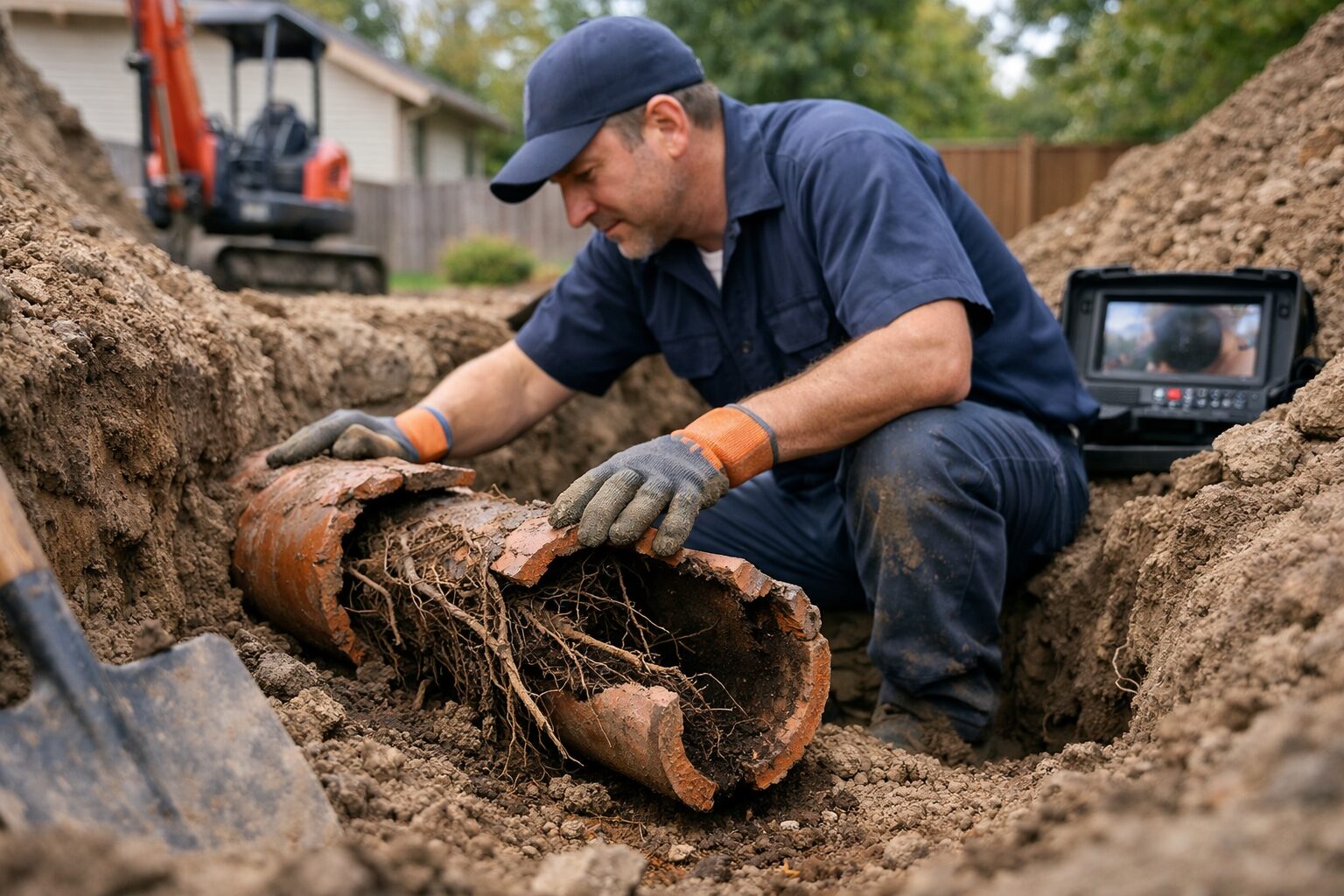
Tree roots cause most main sewer line blockages in Denver. Roots grow into small cracks in old clay or concrete pipes. Over time, roots expand and block the entire pipe.

Grease buildup creates another common sewer line blockage. Years of grease, soap, and debris coat pipe walls. This coating narrows the pipe and slows water flow throughout your home.

Root Intrusion in Sewer Lines

Tree roots seek water and nutrients from sewer lines. Even small cracks let roots enter pipes. Roots then grow rapidly inside the moist, nutrient-rich environment.

Denver’s cottonwood and willow trees have aggressive root systems. These roots can travel 50 feet or more to reach sewer lines. Once inside, roots form dense mats that trap debris.

Clay and concrete sewer pipes from the 1950s through 1980s are most vulnerable. Modern PVC pipes resist root intrusion much better. But older pipes develop cracks that invite root growth.

Grease and Debris Accumulation

Kitchen grease hardens inside cool sewer pipes. This grease catches food particles, hair, and soap scum. Over months and years, these materials build up thick layers.

The buildup starts small but grows continuously. Eventually, the pipe opening becomes too narrow for proper drainage. Water backs up into all your home’s drains at once.

Many homeowners don’t realize grease causes sewer line problems. But even small amounts of grease down the drain add up. The EPA recommends proper grease disposal to protect sewer systems.

Pipe Deterioration and Collapse

Old sewer pipes deteriorate from age and ground movement. Cast iron pipes rust through after 50 to 70 years. Clay pipes crack from soil shifting and freeze-thaw cycles.

Collapsed pipes create complete blockages. Water cannot pass through at all. This causes severe slow drains whole house problems and sewage backups.

Denver’s clay soil expands and contracts with moisture changes. This movement stresses underground pipes. Older pipes eventually crack or collapse from this constant pressure.

Warning Signs Your Sewer Line Needs Repair

Several warning signs appear before complete sewer line failure. Recognizing these signs early prevents sewage backups and water damage. Watch for these key indicators throughout your home.

Multiple slow drains are the first and most obvious sign. When two or more drains slow down together, suspect your sewer line. This differs from a single clogged drain in one fixture.

Gurgling sounds from drains signal air trapped in your sewer line. When water drains slowly, air bubbles back through other drains. You might hear toilets gurgle when you run the sink.

Sewage Odors Inside or Outside

Sewer gas smells mean waste cannot escape through your main line. These odors often appear first in lower-level bathrooms. You might also notice smells in your yard near the sewer line.

Fresh sewage has a distinct, unpleasant odor. Never ignore this smell inside your home. It indicates a serious sewer line problem that needs immediate attention.

Outdoor sewage odors near your home’s foundation suggest a cracked sewer line. Waste leaks into the surrounding soil. This creates health hazards and requires prompt sewer line repair services from licensed professionals.

Water Backing Up in Unusual Places

Water backing up through floor drains signals a main line blockage. The lowest drains in your home flood first. Basement floor drains overflow before upstairs fixtures show problems.

Toilet water rising when you run the washing machine indicates connected sewer line issues. All fixtures share the same main line. A blockage causes water to back up through the path of least resistance.

Bathtubs filling with sewage represent the most severe backup scenario. This means your main sewer line is completely blocked. Turn off water immediately and call emergency sewer services.

Persistent Slow Drainage After Clearing Drains

When drain cleaning doesn’t solve slow drains whole house problems, the main line has issues. Individual drain clogs respond to plunging or snaking. Main line blockages require professional sewer line service.

Repeatedly clearing the same drains suggests a deeper problem. You’re treating symptoms, not the root cause. The main sewer line needs inspection and repair.

Professional video inspection services reveal exactly what blocks your sewer line. Camera technology shows root intrusion, pipe damage, or severe buildup. This eliminates guesswork and ensures proper repairs.

Single Drain vs Multiple Drains: Key Differences

Understanding the difference between single drain clogs and multiple slow drains helps you respond correctly. Single drain problems need simple fixes. Multiple drain issues require sewer line attention.

A clogged kitchen sink affects only that one drain. You can often clear it with a plunger or drain snake. The problem stays isolated to that fixture’s drain pipe.

But slow drains whole house situations involve your main sewer line. Every fixture connects to this line. When the main line clogs, all drains slow down together.

How Single Drain Clogs Form

Individual drains clog from local debris buildup. Hair clogs bathroom sink drains. Food particles block kitchen drains. These clogs form in the drain pipe directly beneath the fixture.

Sink traps catch heavy objects before they enter your sewer system. This protective feature sometimes causes clogs right at the trap. You can often see and remove these blockages easily.

Shower drains accumulate hair and soap scum over time. These materials tangle together and slow water flow. But this problem affects only that one shower drain.

Why Multiple Slow Drains Point to Sewer Lines

When several drains slow down at the same time, they share a common problem downstream. Your main sewer line serves all drains. A blockage there affects every fixture.

Water seeks the lowest point when drains back up. First-floor drains show problems before second-floor drains. Basement fixtures overflow first during severe backups.

The location of slow drains whole house problems provides diagnostic clues. Drains on one side of your home suggest a partial main line blockage. All drains slowing equally indicates a blockage near the street connection.

Testing for Main Line Problems

A simple test helps identify main line issues. Flush a toilet and watch other drains closely. If water backs up in the shower or tub, you have a main line problem.

Run water in an upstairs sink while watching a downstairs toilet. Does the toilet water level rise? This confirms a shared sewer line blockage affecting multiple drains.

Professional plumbers use specialized tools to test sewer lines. Camera inspections show the exact location and cause of blockages. This precision prevents unnecessary repairs and saves money.

Main Sewer Line Problems That Cause Slow Drains

Several specific sewer line problems create slow drains whole house situations. Understanding these issues helps you recognize symptoms early. Each problem requires different repair approaches.

Main sewer line blockages develop gradually over months or years. Small restrictions grow into major blockages. Early detection prevents complete pipe failure and sewage backups.

Denver’s soil conditions and aging infrastructure increase sewer line problems. Many homes still have original clay or cast iron pipes. These materials fail predictably after decades of service.

Bellied or Sagging Pipes

A bellied sewer line has a low spot where waste collects. Ground settling creates these sags in underground pipes. Water pools in the low section instead of flowing freely.

Bellied pipes trap solid waste and toilet paper. These materials accumulate in the sag and eventually block the pipe. Water passes slowly at first, then stops completely.

Denver’s expansive clay soil causes many bellied pipes. The soil swells when wet and shrinks when dry. This movement shifts pipe supports and creates sags over time.

Offset or Separated Joints

Older sewer pipes connect with simple compression joints. These joints separate as soil shifts and pipes age. Even small separations let roots enter and waste escape.

Separated joints create ledges inside the pipe. These ledges catch debris and slow water flow. Eventually, enough material accumulates to block the entire pipe.

Cast iron and clay pipes suffer more joint problems than modern materials. The Family Handyman plumbing guide explains how old pipe connections fail over time.

Channeling in Concrete Pipes

Concrete sewer pipes develop channels from constant water flow. The bottom of the pipe wears away unevenly. Deep channels form that trap debris and create rough surfaces.

Channeled pipes catch more waste than smooth pipes. Toilet paper and solid waste snag on rough spots. These materials build up and eventually block water flow.

Severe channeling requires pipe replacement. Trenchless repair methods can reline damaged concrete pipes. But extensively channeled pipes often need complete replacement for long-term reliability.

Root-Damaged Pipes

Tree roots cause the most common sewer line damage in Denver. Roots enter through tiny cracks and grow into dense masses. These root masses completely block pipes over time.

Cutting roots provides only temporary relief. Roots grow back within months unless you seal the pipe. Modern trenchless pipe lining creates a seamless barrier against root intrusion.

Prevention works better than repeated root cutting. Installing root barriers or removing problematic trees protects your sewer line. But damaged pipes still need repair or replacement.

When to Call a Professional

Knowing when to call professional help prevents expensive damage. Some slow drains whole house problems require immediate expert attention. Other situations allow time for scheduled service appointments.

Call emergency sewer services immediately if sewage backs up into your home. This creates health hazards and causes water damage. Emergency technicians can stop the backup and prevent further problems.

Schedule prompt service when multiple drains slow down together. This indicates developing sewer line problems. Early intervention costs less than emergency repairs after complete pipe failure.

Emergency Situations Requiring Immediate Help

Sewage backing up through floor drains needs emergency response. This situation spreads contamination throughout your home. Professional crews can pump out waste and identify the blockage cause.

Multiple toilets overflowing simultaneously signal complete main line blockage. Turn off your home’s water supply immediately. Then call 24/7 emergency sewer services for rapid response.

Strong sewage odors throughout your home indicate dangerous sewer gas buildup. This gas contains harmful bacteria and methane. Evacuate your home and call professionals right away.

Problems That Need Prompt but Not Emergency Service

All drains running slowly together warrant professional inspection. This problem will worsen without intervention. Schedule professional drain cleaning services within a few days.

Gurgling drains throughout your house indicate restricted sewer line flow. Air cannot escape properly through your vent system. This suggests partial blockage that needs clearing soon.

Recurring slow drains after repeated clearing attempts mean deeper problems exist. Individual drain clearing won’t solve main line issues. Professional camera inspection identifies the real problem.

What Professionals Can Do That DIY Cannot

Professional sewer technicians use specialized camera equipment to inspect pipes. These cameras show exact blockage locations and pipe conditions. You can see root intrusion, cracks, or collapses on video.

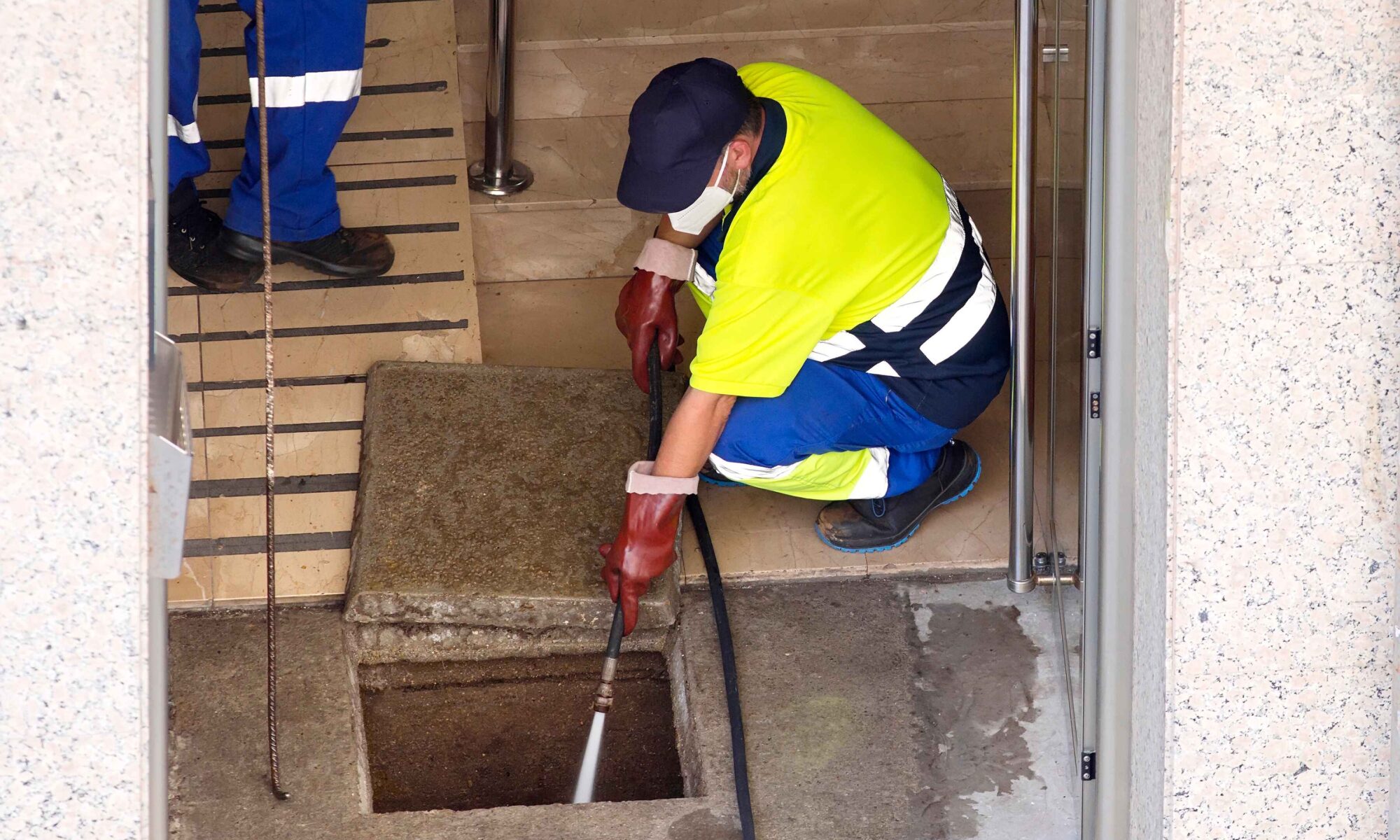
Hydro-jetting equipment clears blockages that drain snakes cannot reach. High-pressure water cuts through grease, roots, and debris. This method cleans pipe walls thoroughly and restores full flow.

Licensed plumbers understand local building codes and permit requirements. They ensure repairs meet all regulations. This protects your home’s value and prevents future legal problems.

Expert Insight from Sewer Experts Team:

“We’ve seen thousands of sewer lines over 25 years. Most slow drains whole house problems start small and grow worse. Early camera inspection saves money compared to emergency repairs later.”

How Sewer Experts Diagnoses Slow Drains Whole House

Proper diagnosis prevents unnecessary repairs and saves money. Sewer Experts uses a systematic approach to identify sewer line problems. Our process finds the exact cause of slow drains whole house issues.

We start with a detailed discussion of your symptoms. When did drains first slow down? Which drains show the most problems? Have you noticed sewage odors or gurgling sounds?

Next, we perform visual inspections of accessible drains and cleanouts. Sometimes we can spot obvious problems without camera equipment. But most sewer line issues require video inspection for accurate diagnosis.

Video Camera Inspection Process

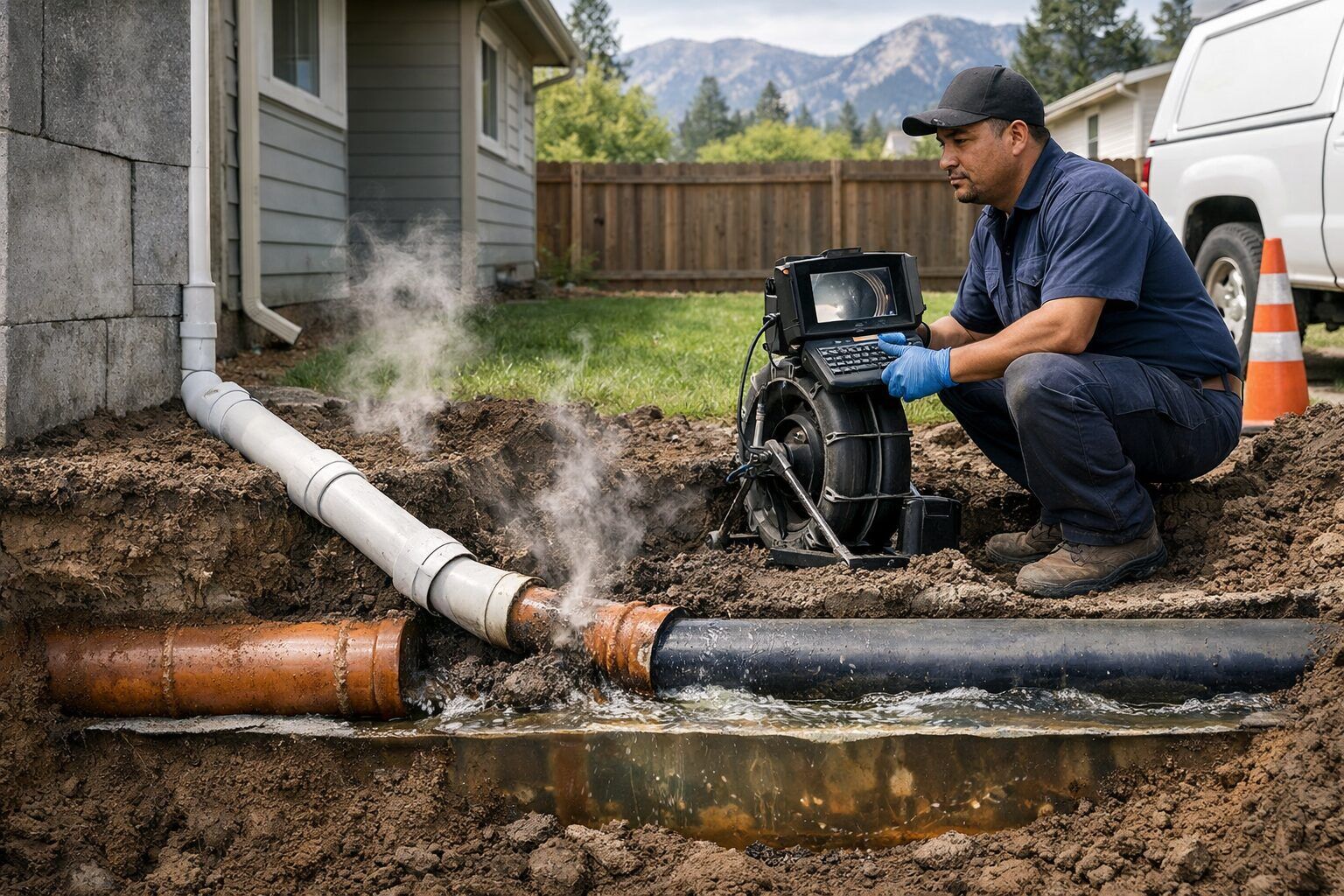
Our high-definition cameras enter your sewer line through existing cleanouts. These cameras have powerful LED lights and rotate 360 degrees. They show every inch of pipe interior in clear detail.

Camera inspection reveals root intrusion, cracks, bellied pipes, and blockages. We record the entire inspection for your review. You see exactly what causes your slow drains whole house problems.

The camera also measures exact distances to problem areas. This precision helps us plan repairs efficiently. We know exactly where to dig or where to position trenchless repair equipment.

Identifying Root Causes vs Symptoms

Many homeowners treat symptoms instead of root causes. Repeatedly clearing drains wastes time and money. We find and fix the underlying sewer line problem.

A slow drain might result from bellied pipe, not just debris buildup. Clearing the debris provides temporary relief. But the sag remains and will trap debris again soon.

Camera inspection distinguishes between simple blockages and structural problems. Simple blockages respond to cleaning. Structural damage requires repair or replacement. Proper diagnosis ensures appropriate solutions.

Explaining Your Options

After diagnosis, we explain all repair options clearly. Some problems need only hydro-jetting to clear blockages. Others require trenchless repair or pipe replacement.

We provide transparent pricing before starting any work. You understand costs and benefits of each option. This helps you make informed decisions about your sewer line repair.

Our licensed technicians answer all your questions thoroughly. We never pressure you into unnecessary services. Our goal is solving your slow drains whole house problem effectively and affordably.

Quick Reference: Slow Drains Whole House Definition

Slow drains whole house refers to a drainage problem affecting multiple fixtures simultaneously throughout a home. This condition indicates a blockage or restriction in the main sewer line rather than individual drain pipes. Common causes include tree root intrusion, grease buildup, pipe deterioration, or structural damage to the main sewer line. Unlike single drain clogs that affect only one fixture, slow drains whole house problems impact all plumbing fixtures because they share the same main line. Professional diagnosis through camera inspection identifies the exact cause and location of the problem. Solutions range from hydro-jetting to clear blockages, to trenchless pipe lining, to complete sewer line replacement depending on the severity of damage.

Step-by-Step: Addressing Slow Drains Throughout Your House

  1. Notice that multiple drains throughout your home are draining slowly at the same time.
  2. Check if the problem affects drains on different floors or in different rooms.
  3. Listen for gurgling sounds from drains or toilets when water runs elsewhere in the house.
  4. Avoid using chemical drain cleaners that can damage pipes and worsen sewer line problems.
  5. Contact licensed sewer professionals immediately if sewage backs up into your home.
  6. Schedule professional video camera inspection to identify the exact cause and location.
  7. Review inspection findings with technicians and understand all available repair options.
  8. Choose appropriate repair method based on problem type, severity, and budget considerations.
  9. Allow professionals to complete repairs using hydro-jetting, trenchless lining, or pipe replacement.
  10. Follow maintenance recommendations to prevent future sewer line problems and slow drains.

Frequently Asked Questions

What causes all drains to slow down at once?

All drains slow down together when your main sewer line has a blockage or restriction. Tree roots, grease buildup, or pipe damage typically cause this problem. Individual drain clogs affect only one fixture. But main line problems impact every drain because all fixtures connect to the same sewer line. Professional camera inspection identifies the exact cause.

Can I fix slow drains whole house myself?

DIY methods rarely solve main sewer line problems effectively. Chemical drain cleaners damage pipes and provide only temporary relief. Renting a snake might clear small blockages temporarily. But professional diagnosis prevents wasting time on ineffective solutions. Licensed technicians have specialized equipment to properly diagnose and repair sewer line issues.

How much does sewer line repair cost?

Sewer line repair costs vary based on problem severity and repair method. Simple hydro-jetting costs less than pipe replacement. Trenchless repairs cost more than traditional excavation upfront but save money on landscaping restoration. Most homeowners spend between $1,500 and $15,000 depending on the specific situation. Get detailed estimates after professional inspection.

How long do sewer line repairs take?

Simple blockage clearing takes a few hours. Trenchless pipe lining usually completes in one day. Traditional excavation and pipe replacement may take several days. Weather, soil conditions, and permit requirements affect timeline. Emergency repairs begin immediately, while scheduled repairs fit your availability. Your technician provides accurate time estimates after inspection.

How can I prevent future slow drains whole house problems?

Regular maintenance prevents many sewer line problems. Never pour grease down drains. Schedule periodic professional inspections every few years. Remove trees with aggressive roots near sewer lines. Fix small problems before they become emergencies. Modern pipe materials resist root intrusion and last longer than old clay or cast iron pipes.

Conclusion: Take Action on Slow Drains Whole House Problems

Slow drains whole house situations signal serious sewer line problems. Multiple drains slowing together mean your main line has blockages or damage. These problems worsen without professional intervention.

Tree roots, grease buildup, and pipe deterioration cause most sewer line issues. Denver’s soil conditions and aging pipes increase these problems. But modern inspection and repair methods solve them effectively.

Camera inspection reveals exactly what blocks your sewer line. This precision prevents unnecessary repairs and ensures proper solutions. Hydro-jetting, trenchless lining, or pipe replacement address different problem types.

Don’t wait until sewage backs up into your home. Early action prevents water damage and health hazards. Schedule professional inspection when you notice slow drains whole house symptoms.

Sewer Experts provides 24/7 emergency service throughout Denver. Our licensed technicians diagnose problems fast and explain all repair options clearly. We back our work with a 5-year warranty.

Call (720) 663-7473 now for immediate help with slow drains. Or schedule convenient inspection online. Protect your home from sewer line damage today.

“`

How Soil Conditions Affect Sewer Line Failure in Colorado

Your sewer line sits underground. The soil around it pushes and pulls constantly. Colorado’s expansive clay soil creates unique pressure on sewer pipes. This soil impact on sewer lines causes cracks, breaks, and costly repairs.

So, understanding how soil conditions affect sewer line failure helps you protect your property. The ground beneath your home shifts with moisture changes. Clay soil expands when wet and shrinks when dry. This cycle damages sewer pipes over time.

Sewer Experts has served Denver for over 25 years. We’ve repaired thousands of sewer lines damaged by Colorado soil conditions. Our licensed technicians know how expansive soil causes sewer line problems. We help homeowners identify soil-related sewer damage early.

Table of Contents

Colorado Soil Types That Damage Sewer Lines

Colorado soil varies across the Front Range. But expansive clay soil dominates most of Denver. This clay soil creates the biggest risk for sewer line damage. The soil expands up to 10% when moisture increases.

Clay soil particles are tiny and flat. They absorb water like a sponge. So, the soil swells during spring snowmelt and heavy rains. Then it shrinks during hot, dry summers. This cycle repeats every year.

Bentonite Clay

Bentonite clay is the most expansive soil type. It’s common throughout Denver and surrounding areas. This soil can swell 15 times its dry volume. The pressure on sewer pipes is enormous.

Most sewer line breaks occur in areas with bentonite clay. The soil pushes on pipes from all sides. Even modern PVC pipes crack under this constant pressure. Older clay and cast iron pipes fail quickly.

Sandy Soil Areas

Some Denver areas have sandy soil. Sandy soil drains water quickly and doesn’t expand much. But it creates different sewer line problems. The soil shifts and settles unevenly.

Sewer pipes in sandy soil may sag or separate. The soil doesn’t support the pipe weight well. Also, tree roots penetrate sandy soil easily. They grow into sewer line joints looking for water.

Mixed Soil Conditions

Many properties have mixed soil conditions. Clay soil may sit above sandy layers. Or rocky soil may alternate with clay pockets. These mixed conditions create unpredictable soil impact on sewer lines.

The soil expands and contracts at different rates. So, one section of your sewer line may face more pressure. This uneven stress causes cracks at pipe joints. Professional sewer camera inspection reveals soil-related damage patterns.

Expert Insight from Sewer Experts Team:

“We’ve seen how Colorado’s expansive clay soil damages sewer lines. The soil impact is constant and unavoidable. Most sewer line failures we repair started with soil movement.”

How Soil Movement Breaks Sewer Pipes

Soil movement creates several types of sewer line damage. The most common is cracking from expansion pressure. Clay soil pushes on pipes when it swells. This pressure exceeds what most pipes can handle.

Also, soil shrinkage creates voids around pipes. The pipe loses support and may sag. Sagging sewer lines collect waste and water. This leads to clogs and backups.

The Expansion and Contraction Cycle

Spring brings moisture to Colorado soil. Snowmelt and rain soak into the ground. Clay soil absorbs this water and expands rapidly. The expanding soil pushes on your sewer line.

But summer heat dries the soil out. The clay soil shrinks away from the pipe. This creates gaps and removes support. Then fall rain starts the cycle again. Year after year, this cycle weakens sewer pipes.

The USGS explains expansive soils and their impact on underground structures. Colorado ranks among states with severe expansive soil problems. The soil impact on sewer lines here is more intense.

Differential Settlement

Differential settlement happens when soil settles unevenly. Part of your sewer line drops while another section stays level. This creates stress at pipe joints. The joints separate or crack.

Clay soil settles more than sandy soil. So, areas with mixed soil conditions face higher risk. The sewer pipe bends or twists as soil settles. Even small movements cause damage over time.

Frost Heave Effects

Winter brings another soil challenge in Colorado. Water in soil freezes and expands. This pushes the ground upward. The process is called frost heave.

Frost heave lifts shallow sewer lines. The pipe moves up with the soil. But it can’t move freely because it connects to your house. So, stress builds at connection points. Spring thaw drops the soil back down suddenly.

Hydrostatic Pressure

Heavy rain saturates clay soil quickly. The soil doesn’t drain water well. Water pressure builds around your sewer line. This hydrostatic pressure pushes on the pipe.

Old sewer pipes crack under this pressure. Water then seeps into the sewer line. This adds flow volume and may cause backups. The soil impact on sewer lines increases during wet seasons.

Understanding these damage mechanisms helps you recognize problems early. Professional sewer line repair addresses soil-related damage before it gets worse. Regular inspections catch small cracks before they become breaks.

Warning Signs of Soil Impact on Sewer Lines

Soil damage to sewer lines creates visible warning signs. Learning these signs helps you act quickly. Early detection saves money and prevents property damage. Most homeowners notice symptoms before the sewer line fails completely.

Slow Drains Throughout Your Home

Multiple slow drains indicate a main sewer line problem. If just one sink drains slowly, it’s likely a local clog. But when all drains slow down, suspect sewer line damage. Soil pressure may have cracked the pipe.

The crack lets dirt and debris enter the line. This material builds up and restricts flow. Also, a sagging sewer line collects waste. Soil movement causes these sags over time.

Sewage Backups

Sewage backing up into your home is serious. It often happens in the lowest drains first. Check basement floor drains and toilets. Backups occur when soil damage blocks the sewer line.

Clay soil expansion can crush old clay pipes. The broken pieces block the line completely. Or tree roots enter through soil-caused cracks. Either way, waste can’t flow properly.

Wet Spots in Your Yard

Unexplained wet spots may signal sewer line breaks. Soil impact on sewer lines creates cracks. Sewage leaks through these cracks into surrounding soil. The wet area stays damp even without rain.

You may notice grass growing faster in one spot. Sewage acts as fertilizer for plants. Also, the area may smell bad. These signs point to a broken sewer line below.

Foundation Cracks

The same soil conditions that damage sewer lines also affect foundations. Expansive clay soil pushes on foundation walls. You may see new cracks in basement walls. Or doors and windows may stick.

Foundation problems and sewer line damage often occur together. Both result from soil movement. The FEMA guidance on expansive soils explains these connected issues. Addressing both protects your property long-term.

Gurgling Sounds

Strange gurgling sounds from drains indicate air in the line. Soil damage creates cracks that let air in. The air moves through the line as water drains. You hear it bubble up through fixtures.

Gurgling happens most often when using multiple fixtures. Flush the toilet and listen to other drains. The sound means your sewer line needs inspection. Don’t ignore this early warning sign.

Increased Water Bills

A sudden water bill increase may indicate a sewer leak. Soil pressure cracks both sewer lines and water lines. Water escapes through the crack underground. You pay for water you never used.

Check your water meter when no water is running. If it moves, you have a leak somewhere. Professional water line repair fixes leaks quickly. But first determine if soil impact caused the damage.

Expert Insight from Sewer Experts Team:

“Most sewer line failures we see started with small warning signs. Homeowners often ignore slow drains or gurgling sounds. But catching soil damage early prevents expensive emergency repairs.”

Protecting Your Sewer Line From Soil Damage

You can’t stop Colorado soil from expanding and contracting. But you can reduce soil impact on sewer lines. Several strategies protect your pipes from soil damage. These methods extend sewer line life significantly.

Maintain Consistent Soil Moisture

Keeping soil moisture stable reduces expansion and contraction. Water your lawn regularly during dry periods. This prevents clay soil from shrinking dramatically. The soil stays more uniform in volume.

But don’t overwater. Too much water saturates clay soil. This causes maximum expansion and hydrostatic pressure. So, find a balance that keeps soil moderately moist. Drip irrigation works better than sprinklers for this.

Install Root Barriers

Tree roots seek water and nutrients. They grow toward sewer lines. Roots enter through small cracks caused by soil movement. Then they expand and make the damage worse.

Root barriers block tree roots from reaching sewer lines. Install them between trees and your sewer pipe. The barrier redirects roots away from the line. This protects pipes from a common secondary damage source.

Improve Drainage Around Your Property

Poor drainage leads to soil saturation. Water collects near your foundation and sewer line. The soil expands more when constantly wet. Better drainage prevents this problem.

Extend downspouts away from your house. Grade your yard so water flows away from the foundation. Also, consider installing French drains in problem areas. These steps reduce soil moisture near sewer lines.

Schedule Regular Sewer Inspections

Professional sewer camera inspections catch problems early. A camera travels through your entire sewer line. It shows cracks, roots, and soil damage. Small problems get fixed before they become emergencies.

Schedule inspections every 2-3 years if you have older pipes. Properties with clay soil should inspect more often. The investment prevents costly repairs later. Early detection is key to managing soil impact on sewer lines.

Consider Pipe Relining

Trenchless pipe relining strengthens your existing sewer line. A new pipe forms inside the old one. This eliminates cracks where roots can enter. The relined pipe resists soil pressure better.

Pipe relining works well for preventing future soil damage. It’s less disruptive than full replacement. The trenchless pipe lining process takes just one day usually. Your sewer line becomes more resistant to soil movement.

Replace Vulnerable Pipe Materials

Old clay and cast iron pipes crack easily under soil pressure. Consider replacing them with modern materials. PVC and HDPE pipes flex slightly with soil movement. They resist cracking better than rigid materials.

Replacement costs less than repeated repairs. Also, modern pipes last 50-100 years. The investment protects your property long-term. Professional sewer line replacement uses materials suited to Colorado soil conditions.

Repair Solutions for Soil-Damaged Sewer Lines

Soil impact on sewer lines requires professional repair. Several methods fix damage effectively. The best solution depends on damage extent and pipe condition. Modern techniques minimize disruption to your property.

Trenchless Pipe Bursting

Pipe bursting replaces your sewer line without digging trenches. A machine pulls a new pipe through the old one. The old pipe breaks apart and pushes into surrounding soil. The new pipe takes its place immediately.

This method works well when soil damage is extensive. It replaces the entire line in one day usually. Your landscaping stays intact. The new pipe resists future soil movement better.

The trenchless pipe bursting process costs less than traditional excavation. You avoid landscape restoration expenses. Also, the work finishes faster with less disruption.

Cured-In-Place Pipe (CIPP) Lining

CIPP lining creates a new pipe inside your existing sewer line. A resin-soaked liner gets inserted through an access point. Then it inflates and cures in place. The result is a seamless new pipe.

CIPP lining works great for pipes with multiple small cracks. These cracks often result from soil pressure. The new liner seals all cracks at once. It also resists root intrusion completely.

This repair method takes less time than excavation. Most projects finish in 4-6 hours. Your sewer line works immediately after curing. The liner lasts 50 years or more.

Spot Repairs

Sometimes soil damage affects just one section. A spot repair fixes that section without replacing the entire line. This costs less than full replacement. It works when damage is localized.

The damaged section gets cut out. A new piece connects in its place. Or a short liner seals just the damaged area. Spot repairs make sense for newer pipes with limited damage.

Traditional Excavation

Severe soil damage may require digging up the sewer line. Excavation allows complete pipe replacement. It also lets us address soil conditions. We can add gravel bedding or improve drainage.

Traditional excavation costs more and takes longer. Your yard needs restoration afterward. But sometimes it’s the best long-term solution. Especially when we need to reroute the line or change pipe depth.

Hybrid Approaches

Many repairs combine methods. We might use trenchless techniques for most of the line. Then excavate just one problem section. This hybrid approach balances cost and effectiveness.

Every property is different. Soil conditions vary even within one yard. So, we assess your specific situation first. Then we recommend the best repair method. Our goal is lasting results at reasonable cost.

Expert Insight from Sewer Experts Team:

“We’ve repaired thousands of sewer lines damaged by Colorado soil. Modern trenchless methods work remarkably well. They fix soil damage without tearing up your yard.”

Quick Reference Definition

What is soil impact on sewer lines?

Soil impact on sewer lines refers to damage caused by ground movement around underground pipes. Expansive clay soil common in Colorado swells when wet and shrinks when dry. This repeated expansion and contraction creates pressure on sewer pipes. The pressure causes cracks, breaks, and joint separations. Also, soil settlement removes pipe support, causing sags. Frost heave lifts pipes in winter. All these soil movements stress sewer lines over time. Eventually the pipe fails and leaks sewage. Denver’s bentonite clay soil creates particularly severe conditions. Most sewer line failures in Colorado result partly from soil impact. Understanding this helps property owners prevent damage. Regular inspections catch soil-related problems early. Modern repair methods address the underlying soil conditions. This reduces future damage risk significantly.

Step-by-Step Sewer Line Assessment Process

How to Assess Soil Impact on Your Sewer Line

  1. Watch for warning signs like slow drains, backups, or wet yard spots. Document when symptoms occur and their frequency.
  2. Check your property’s soil type through county records or soil testing. Identify if you have expansive clay soil present.
  3. Schedule a professional sewer camera inspection. The camera reveals cracks, breaks, and damage patterns inside the line.
  4. Review the camera footage with your technician. Look for soil intrusion, root penetration, and crack locations.
  5. Assess your sewer line age and material. Older clay and cast iron pipes suffer more soil damage.
  6. Evaluate surrounding soil conditions. Check foundation cracks, settling, and drainage problems that indicate soil movement.
  7. Get a detailed assessment report. It should identify all damage and explain soil impact contribution.
  8. Review repair options with your contractor. Compare trenchless methods versus traditional excavation for your situation.
  9. Consider preventive measures along with repairs. Improve drainage, install root barriers, or add soil moisture management.
  10. Create a maintenance plan. Schedule regular inspections every 2-3 years to catch new problems early.

Frequently Asked Questions

What causes the most sewer line damage in Colorado?

Expansive clay soil causes most Colorado sewer line damage. The soil swells when wet and shrinks when dry. This cycle creates constant pressure on underground pipes. Denver’s bentonite clay is especially damaging. It expands up to 15 times its dry volume. Most sewer line breaks we repair show clear soil damage patterns.

How do I know if soil damaged my sewer line?

Several signs indicate soil impact on sewer lines. Watch for slow drains throughout your home. Sewage backups often mean soil crushed or cracked pipes. Wet spots in your yard suggest leaks from soil damage. Also, foundation cracks may appear alongside sewer problems. Professional camera inspection confirms soil damage. The camera shows crack patterns typical of soil pressure.

Can I prevent soil from damaging my sewer line?

You can reduce but not eliminate soil impact on sewer lines. Maintain consistent soil moisture with regular watering during dry periods. This prevents extreme shrinkage and expansion. Improve drainage around your property to reduce soil saturation. Install root barriers between trees and sewer lines. Schedule regular inspections to catch small problems early. These steps minimize soil damage risk significantly.

Does homeowners insurance cover soil damage to sewer lines?

Most homeowners insurance policies exclude sewer line damage from soil movement. Soil impact is considered gradual deterioration, not a sudden event. However, some policies offer optional sewer line coverage. Check your policy or ask your agent. Consider this coverage if you have expansive clay soil. Professional repairs cost thousands without insurance help.

How long do sewer line repairs last in Colorado soil?

Modern sewer line repairs last 50-100 years in Colorado soil. Trenchless pipe lining creates seamless pipes that resist soil pressure. New PVC and HDPE pipes flex with soil movement. They don’t crack like old clay pipes. Traditional excavation with proper bedding also lasts decades. The key is using materials suited to expansive soil conditions. Regular maintenance extends repair life even more.

Sewer Line Problems in Older Denver Homes

Old homes sewer line problems catch Denver owners off guard. Your classic home has charm, but underground pipes tell a different story. Clay pipes crack, tree roots invade, and soil shifts beneath your feet.

So, you need to know what’s lurking below. Denver’s older neighborhoods face unique sewer line challenges. Most historic homes were built when clay pipe was standard. Now those same lines are 60, 80, even 100 years old.

Sewer Experts has spent over 25 years fixing old homes sewer line problems across Denver. We’ve seen every issue that aging infrastructure can throw at homeowners. This guide shows you what to watch for and when to act.

Table of Contents

Why Old Homes Face More Sewer Line Problems

Old homes sewer line systems weren’t built for modern use. Denver homes from the early 1900s used materials that seemed perfect at the time. Clay pipe dominated because it was cheap and available. But clay doesn’t last forever.

The sewer line in your old home faces stress every day. More water flows through than original builders ever imagined. Dishwashers, washing machines, and multiple bathrooms push old pipes past their limits. Plus, Denver’s soil conditions create unique challenges.

Material Breakdown Over Time

Clay sewer line pipes break down in predictable ways. First, joints separate as the ground shifts. Then, cracks form along the pipe body itself. Water seeps out, and soil seeps in. Tree roots follow the moisture and invade your sewer line.

Old homes in Denver neighborhoods like Capitol Hill and Washington Park often have aging sewer infrastructure that needs attention. Cast iron pipes face different problems but similar timelines. Rust eats through from the inside out.

Denver’s Unique Soil Conditions

Denver sits on clay soil that expands and contracts with moisture. Dry summers shrink the soil. Wet springs cause it to swell. Your old home’s sewer line moves with each cycle. After decades, this movement cracks even the strongest pipes.

The freeze-thaw cycle adds more stress. Water in soil cracks freezes and expands each winter. This pushes on your sewer line from all sides. Old homes sewer line problems accelerate because older materials can’t flex like modern options.

Key Takeaway: Age plus soil movement equals inevitable sewer line damage in old Denver homes.

Common Sewer Line Issues in Historic Denver Homes

Old homes sewer line problems follow patterns. Knowing these issues helps you spot trouble early. Most problems start small and grow worse over months or years.

Clay Pipe Deterioration

Clay pipe was the standard for sewer line construction through the 1950s. These pipes served Denver homes well for decades. But now, most clay sewer line systems are past their useful life. Joints fail first because mortar between sections crumbles away.

Once joints open, problems multiply fast. Soil enters the sewer line and creates blockages. Tree roots follow the moisture trail and invade through every crack. You’ll notice slow drains or gurgling sounds as debris builds up inside old pipes.

Tree Root Intrusion

Tree roots cause the most common old homes sewer line problems. Mature trees in historic neighborhoods send roots searching for water. Your sewer line provides both moisture and nutrients that roots crave. Even small cracks in old pipes let roots inside.

Once inside, roots grow fast. They fill the pipe and catch every bit of waste. Complete blockages happen quickly after roots establish themselves. The Forest Service notes that root systems can extend two to three times beyond a tree’s canopy.

Bellied or Sagging Lines

Old homes sewer line sections sink when soil beneath them settles. This creates a belly or sag in the pipe. Water and waste collect in these low spots instead of flowing freely. Solid waste builds up over time and eventually blocks the entire sewer line.

Denver’s soil conditions make bellied lines especially common. Clay soil shrinks away from pipes during dry periods. When moisture returns, soil doesn’t always resettle evenly beneath your sewer line. Each cycle makes the problem worse in old homes.

Corrosion and Rust

Cast iron sewer line pipes rust from the inside out. Chemical reactions with waste create corrosion over decades. Eventually, the pipe wall becomes so thin that it collapses. Old homes in Denver often have cast iron lines that are 70 to 90 years old.

You can’t see corrosion until it’s advanced. The outside of the pipe looks fine while the inside deteriorates. By the time problems show up in your drains, significant damage has already occurred to your old home’s sewer line system.

Key Takeaway: Most old homes sewer line problems involve multiple issues working together to damage your system.

Warning Signs Your Old Home Needs Sewer Line Attention

Old homes sewer line problems announce themselves if you know what to watch for. Early warning signs save you money and prevent major damage. Pay attention to changes in how your drains behave.

Slow Drains Throughout the House

One slow drain might be a simple clog. Multiple slow drains point to sewer line trouble. When your old home’s main sewer line has problems, all drains struggle. Water backs up because waste can’t flow freely through damaged pipes.

Test your drains by running water in different fixtures. If the toilet gurgles when you run the sink, your sewer line is trying to tell you something. Air trapped in old pipes causes these sounds as water forces its way past blockages.

Recurring Clogs

One clog is normal. Three clogs in the same spot means sewer line damage. Old homes sewer line problems create recurring issues because the underlying damage remains. You clear the blockage, but roots or cracks allow new debris to collect quickly.

Professional video inspection reveals what’s really happening inside your old home’s sewer line. A camera shows you exactly where damage exists and what’s causing repeated clogs. This saves you from wasting money on temporary fixes.

Foul Odors Near Drains or in Yard

Sewer gas smells mean your line is leaking. Old homes sewer line cracks let gas escape before it reaches the vent stack. You’ll notice the odor strongest near floor drains or in your basement. Outside, check for sewage smells near where your line runs to the street.

Don’t ignore sewer odors. They indicate breaks in your old home’s sewer line that will only get worse. Plus, methane gas poses health risks when it builds up indoors. Act fast when you detect unusual smells.

Wet Spots or Lush Patches in Your Yard

Unexplained wet areas in your yard often mark sewer line leaks. Sewage feeding your grass creates unusually green patches. Old homes sewer line breaks let wastewater seep into surrounding soil instead of flowing to the main system.

Look for areas that stay wet even during Denver’s dry summers. Check spots where your grass grows much thicker or greener than nearby areas. These signs point to old sewer line damage beneath your yard.

Foundation Cracks or Settling

Severe old homes sewer line leaks wash away soil beneath your foundation. This causes cracks, settling, or even structural damage. Water escaping from broken pipes creates voids under concrete. Your foundation loses support and begins to shift.

New cracks in basement walls or floors deserve immediate attention. While not every crack means sewer line damage, the combination of cracks plus drain problems strongly suggests old pipe failure beneath your home.

Key Takeaway: Multiple warning signs appearing together confirm your old home needs sewer line inspection now.

How to Inspect Old Homes Sewer Line Systems

Old homes sewer line inspection reveals problems before they become emergencies. Modern camera technology shows you exactly what’s happening inside pipes. This takes the guesswork out of diagnosing issues in your historic home.

Video Camera Inspection Benefits

A sewer line camera inspection provides clear answers. Technicians insert a waterproof camera through a cleanout or drain opening. The camera travels through your entire line and records everything it sees. You watch in real time as the camera reveals cracks, roots, or blockages.

For old homes, video inspection is essential. You need to see the condition of pipes that have been underground for decades. Our sewer line repair team uses this information to recommend the right fix for your specific situation.

What Inspectors Look For

Professional inspectors know exactly what threatens old homes sewer line systems. They look for separated joints where clay pipe sections have pulled apart. Cracks in the pipe body show up clearly on camera. Tree roots appear as dark masses filling the line.

Inspectors also check for bellied sections where the pipe has sagged. Scale buildup on the inside of cast iron pipes indicates corrosion. The camera measures the diameter of the line to detect collapses or crushing damage.

Understanding Inspection Results

Your inspection report should include clear photos or video. Look for the location of each problem area. Inspectors measure distance from the cleanout so repairs target the exact spot. Old homes sewer line damage often occurs at multiple points along the line.

Ask about the severity of each issue. Minor root intrusion might respond to cleaning. Severe cracks or collapses require more extensive sewer line repair or replacement. Understanding the full scope helps you plan and budget appropriately.

When to Schedule an Inspection

Schedule an inspection when you first buy an old home. This establishes a baseline for your sewer line condition. Repeat inspections every 3 to 5 years catch problems early. Also inspect immediately if you notice any warning signs listed earlier.

Old homes in Denver neighborhoods with mature trees need more frequent checks. Tree root growth accelerates sewer line damage in older systems. Annual inspections make sense if large trees grow near your line.

Key Takeaway: Video inspection shows you exactly what’s wrong with your old home’s sewer line before you spend money on repairs.

Repair Options for Aging Sewer Lines

Old homes sewer line problems need solutions that match the specific damage. Modern repair methods range from simple cleaning to complete replacement. Your inspection results guide which option works best for your situation.

Hydro Jetting for Root Removal

High-pressure water blasts away tree roots and buildup. Hydro jetting clears old homes sewer line blockages without damaging pipes. A specialized nozzle shoots water at 3,000 to 4,000 PSI while pulling itself back through your line.

This method works well for clearing roots from otherwise sound pipes. However, hydro jetting won’t fix cracks or separated joints. It’s often the first step before more extensive sewer line repairs. Many old homes need root removal every 2 to 3 years.

Trenchless Pipe Lining (CIPP)

Cured-in-place pipe lining creates a new pipe inside your old one. Technicians insert a resin-saturated liner through existing access points. Once in place, they inflate the liner and cure it with heat or UV light. The result is a seamless new sewer line inside the old pipe.

Old homes benefit greatly from trenchless pipe lining because it avoids digging up yards or driveways. The new liner lasts 50 years or more. This method works for most old homes sewer line problems except complete collapses.

Pipe Bursting for Full Replacement

Severely damaged sewer line sections need complete replacement. Pipe bursting breaks apart the old pipe while pulling new pipe into place. A bursting head travels through your line and fractures the old pipe outward. New pipe follows immediately behind.

This technique replaces your entire line with minimal digging. Only small access pits are needed at each end. Old homes with multiple failure points often need pipe bursting instead of patching individual sections. Modern sewer line replacement pipe lasts 100 years or more.

Traditional Excavation When Necessary

Some old homes sewer line situations require full excavation. Collapsed pipes or extensive damage across the entire line need traditional dig-and-replace methods. While more disruptive, excavation allows complete inspection and repair of your system.

Excavation also lets you upgrade to larger diameter pipe if needed. Old homes often have undersized sewer line systems for modern use. Going from 4-inch to 6-inch pipe prevents future capacity problems as you update your home.

Cost Considerations

Old homes sewer line repair costs vary widely based on damage extent. Simple root removal might cost $300 to $600. Trenchless lining typically runs $80 to $250 per foot. Complete replacement through excavation can reach $50 to $200 per foot depending on depth and access.

Get multiple opinions before major work. However, don’t sacrifice quality for the lowest bid. Proper sewer line repair in old homes requires experience with historic systems. Cheap fixes often fail quickly and cost more long-term.

Key Takeaway: Match your repair method to the specific damage in your old home’s sewer line for the best long-term results.

Preventing Future Sewer Line Problems in Old Homes

Old homes sewer line maintenance prevents small issues from becoming big headaches. Regular care extends the life of aging systems. Smart habits today save thousands in repair costs tomorrow.

Regular Professional Inspections

Schedule video inspections every 3 to 5 years for old homes. Annual checks make sense if you’ve had previous sewer line problems. Catching issues early means simpler, cheaper repairs. Small cracks are easy to fix before they become major breaks.

Keep records of all inspections and repairs. This documentation helps future technicians understand your old home’s sewer line history. It also adds value if you sell because buyers know what to expect.

Strategic Tree Management

Tree roots cause the most preventable old homes sewer line problems. Know where your sewer line runs and keep aggressive tree species away. Willows, poplars, and cottonwoods have especially invasive root systems. Plant these species at least 30 feet from your line.

Existing mature trees near your sewer line need regular root barriers. Professional installation of physical barriers redirects roots away from pipes. Some old homes benefit from chemical root treatments that discourage growth near the line.

What Goes Down Your Drains Matters

Old homes sewer line systems can’t handle what modern pipes tolerate. Avoid flushing anything besides waste and toilet paper. Never pour grease down drains because it solidifies in old pipes. Use sink strainers to catch food particles before they enter your sewer line.

Chemical drain cleaners damage old pipes over time. The harsh chemicals corrode already-weakened clay or cast iron. Stick with enzymatic cleaners or call professionals for drain cleaning when needed. Gentle methods preserve your aging sewer line longer.

Monitor Water Usage Patterns

Old homes sewer line capacity is lower than modern systems. Spread out heavy water use throughout the day. Don’t run the dishwasher, washing machine, and shower all at once. This prevents overloading your old pipes with more flow than they can handle.

Install low-flow fixtures to reduce total water volume. Less water means less stress on your sewer line. Old systems last longer when they’re not constantly pushed to their limits. Small changes in usage patterns make a big difference over time.

Address Small Issues Immediately

Don’t ignore minor drain slowdowns in your old home. Small problems indicate developing sewer line damage. Quick action prevents emergency repairs. A slow drain today becomes a backed-up basement tomorrow if you wait too long.

Keep the phone number for a trusted sewer line professional handy. Sewer Experts offers 24/7 emergency service because old homes sewer line problems don’t wait for business hours. Fast response prevents water damage and health hazards.

Key Takeaway: Proactive maintenance and smart usage extend your old home’s sewer line life by decades.

Quick Steps to Handle Old Homes Sewer Line Problems

Follow this process when you suspect sewer line trouble in your historic Denver home:

  1. Notice warning signs like slow drains or sewage odors throughout your old home.
  2. Stop using water-intensive appliances until you identify the problem.
  3. Call a licensed sewer line professional with experience in old homes.
  4. Schedule a video camera inspection to see exact damage locations.
  5. Review inspection results and understand all problems identified.
  6. Get written estimates for recommended repairs from multiple contractors.
  7. Choose repair method based on damage severity and your budget.
  8. Verify contractor license and insurance before work begins on your sewer line.
  9. Keep detailed records of all inspections and repairs performed.
  10. Schedule follow-up inspections every 3 to 5 years after major repairs.

Understanding Old Homes Sewer Line Problems: Quick Reference

Old homes sewer line problems are issues affecting underground waste pipes in historic Denver properties built before 1960. These problems typically involve clay or cast iron pipes that have deteriorated after 60 to 100 years of service. Common issues include tree root intrusion, cracked or separated joints, bellied pipe sections, and corrosion. Denver’s expansive clay soil and freeze-thaw cycles accelerate damage to aging sewer line systems. Warning signs include slow drains, recurring clogs, sewage odors, wet yard spots, and foundation cracks. Modern solutions range from root removal and trenchless lining to complete pipe replacement, depending on damage severity.

Frequently Asked Questions

What causes most sewer line problems in old Denver homes?

Clay pipe deterioration causes most old homes sewer line problems in Denver. These pipes were standard until the 1950s. After 60 to 80 years, joints separate and cracks form. Tree roots then invade through openings. Denver’s clay soil makes damage worse through expansion and contraction cycles. Freeze-thaw conditions add more stress each winter to your old sewer line system.

How often should I inspect my old home’s sewer line?

Inspect your old homes sewer line every 3 to 5 years minimum. Annual inspections make sense if large trees grow near your line. Also inspect immediately when buying an old home. Check again if you notice slow drains or other warning signs. Regular inspections catch small problems before they need expensive sewer line repairs.

Can tree roots be removed without replacing the entire sewer line?

Yes, tree roots can be removed from old homes sewer line systems using hydro jetting. High-pressure water blasts roots away without damaging sound pipes. However, roots return every 2 to 3 years through existing cracks. For permanent solutions, consider trenchless pipe lining after root removal. This seals cracks so roots can’t re-enter your old sewer line.

What’s the average lifespan of clay sewer pipes in Denver?

Clay sewer line pipes typically last 50 to 60 years in Denver conditions. Some old homes have clay pipes still functioning after 80 to 100 years. However, Denver’s soil and climate reduce expected lifespan. Most clay pipes show significant damage by age 60. Old homes built before 1960 likely need sewer line attention soon if not already addressed.

Is trenchless repair suitable for all old home sewer line problems?

No, trenchless methods work for most but not all old homes sewer line damage. Pipe lining fixes cracks, leaks, and root damage in pipes with structural integrity. Completely collapsed sections need excavation. Severely bellied lines may require traditional replacement. Your video inspection determines if trenchless options suit your specific old sewer line situation.

Conclusion: Taking Action on Your Old Home’s Sewer Line

Old homes sewer line problems demand attention before they become emergencies. Your historic Denver home has charm worth preserving. But underground infrastructure needs modern solutions to match that beauty. Ignoring warning signs leads to expensive damage and health hazards.

Start with a professional video inspection of your sewer line today. This shows exactly what’s happening beneath your property. You’ll know whether simple maintenance or major repairs make sense. Old homes deserve expert care from technicians who understand historic systems.

Sewer Experts has spent over 25 years solving old homes sewer line problems across Denver. We know what works in Capitol Hill, Washington Park, and every historic neighborhood. Our trenchless methods preserve your yard while fixing underground damage. Plus, our 5-year warranty backs every repair we complete.

Don’t wait for sewage backing into your basement. Call us today at (720) 663-7473 for a free inspection estimate. We’ll show you exactly what your old home’s sewer line needs. Then, we’ll fix it right the first time with minimal disruption to your property.

Your old home has stood strong for decades. Let’s make sure the sewer line serves you just as well for decades more.

Signs Your Sewer Line Is Reaching End of Life

Your sewer line won’t last forever. Most lines show clear warning signs before they fail. Knowing these old sewer line signs can save you thousands in emergency repairs.

Sewer lines in Denver homes age faster than many homeowners expect. Clay pipes crack. Cast iron corrodes. Tree roots invade. Each material has a lifespan, and each shows specific symptoms as it reaches the end.

Sewer Experts has repaired and replaced thousands of aging sewer lines across the Denver metro area. We’ve seen every type of failure pattern. This guide shows you exactly what to watch for.

Table of Contents

Why Sewer Line Age Matters in Denver

Denver’s soil conditions accelerate sewer line aging. Clay soil expands when wet. It contracts when dry. This constant movement stresses old sewer lines year after year.

Most Denver homes built before 1980 have original sewer lines. That means pipes are now 45+ years old. Clay pipes typically last 50-60 years. Cast iron lasts 50-75 years. Your line may be near the end.

Denver’s Aging Infrastructure Challenge

The Denver metro area experienced major growth from 1950-1980. Builders installed thousands of sewer lines during this period. Now all these lines are aging at once.

According to the EPA infrastructure gap analysis, aging sewer systems need massive investment nationwide. Denver faces the same challenge. Old sewer line signs appear more frequently each year.

Colorado’s freeze-thaw cycles make things worse. Water enters small cracks. It freezes and expands. The crack grows larger. This process repeats every winter, accelerating damage to old sewer lines.

Cost of Waiting Too Long

Emergency sewer line repairs cost 2-3 times more than planned replacements. Raw sewage backups damage floors, walls, and belongings. Insurance often won’t cover damage from old sewer line failure.

Early detection saves money. Spotting old sewer line signs early lets you plan and budget. You can choose the best repair method. You avoid emergency pricing.

Key Takeaway: Denver’s soil and climate put extra stress on aging sewer lines.

Old Sewer Line Materials and Their Lifespans

Different sewer line materials age differently. Each shows unique old sewer line signs. Knowing your pipe material helps predict failure timing.

Clay Sewer Pipes (1900-1980)

Clay was the standard sewer line material for decades. Clay pipes last 50-60 years in good conditions. Denver’s conditions aren’t always good.

Clay pipe sections connect with compression joints. These joints separate as the ground shifts. Tree roots easily penetrate the gaps. Clay also cracks when the ground freezes or settles.

Old sewer line signs in clay pipes include:

  • Slow drains throughout the house
  • Gurgling sounds when water drains
  • Wet spots in the yard above the line
  • Lush grass patches from nutrient-rich leaks

Cast Iron Sewer Pipes (1950-1980)

Cast iron replaced clay in many newer Denver homes. It lasts 50-75 years. But Denver’s soil chemistry accelerates corrosion.

Cast iron corrodes from inside and outside simultaneously. Waste creates hydrogen sulfide gas. This gas becomes sulfuric acid. The acid eats through the pipe walls.

Outside, Denver’s clay soil holds moisture against the pipe. This moisture causes rust. Eventually, the pipe wall becomes thin. It develops holes or collapses completely.

Old sewer line signs in cast iron include:

  • Rust-colored water backing up into fixtures
  • Frequent clogs in the same location
  • Sewage odors near the foundation
  • Visible rust on exposed pipe sections

Orangeburg Sewer Pipes (1945-1972)

Orangeburg pipe was made from wood pulp and tar. It was cheap and easy to install. But it only lasts 30-50 years maximum.

Orangeburg deteriorates faster than any other sewer line material. The pipe becomes soft and deformed. It collapses under normal soil pressure. Tree roots penetrate easily.

If your Denver home was built between 1945-1972, you likely have Orangeburg. These old sewer line signs demand immediate attention:

  • Complete drain failure
  • Sunken areas in the yard
  • Multiple sewage backups
  • Visible pipe deformation on camera inspection

The Department of Energy residential buildings data shows most homes from this era need major sewer line work.

Early PVC Installations (1970-1990)

PVC became common in the 1970s. Early PVC formulations weren’t as durable as modern versions. Some early PVC lines now show age-related issues.

PVC doesn’t corrode like metal. It doesn’t absorb moisture like Orangeburg. But older PVC can become brittle. Joints may separate. The pipe can crack under pressure.

Old sewer line signs in early PVC include:

  • Leaks at joint connections
  • Cracks from ground settlement
  • Root intrusion at separated joints

Key Takeaway: Clay and cast iron sewer lines over 50 years old need inspection.

10 Warning Signs Your Sewer Line Is Failing

Old sewer line signs progress from minor to severe. Early signs are easy to miss. Later signs are impossible to ignore. Here’s what to watch for.

1. Multiple Slow Drains

One slow drain usually means a local clog. Multiple slow drains signal a main sewer line problem. This is one of the earliest old sewer line signs.

When your sewer line starts failing, drainage slows throughout the house. Sinks drain slowly. Tubs take longer to empty. The toilet struggles to flush completely.

This happens because the old sewer line has reduced capacity. Cracks, root intrusion, or partial collapse narrow the pipe. Water can still flow, but not at normal speed.

2. Frequent Backups

Sewage backups are serious old sewer line signs. Backups that happen repeatedly point to a failing line. The problem will only get worse.

Backups often occur at the lowest drain first. In most Denver homes, that’s a basement floor drain. You might see water pooling there after heavy use upstairs.

If you need professional help addressing backups, our drain cleaning services can diagnose the underlying cause.

3. Sewage Odors

Sewer gas smells mean your line has cracks or breaks. Properly sealed sewer lines don’t release odors. This is one of the most obvious old sewer line signs.

You might smell sewage near your foundation. Odors may appear in your basement. Sometimes you’ll notice the smell in your yard above the sewer line path.

Sewer gas contains harmful compounds. It also indicates that sewage is escaping into the soil. This creates health risks and environmental damage.

4. Wet Spots in the Yard

Unexplained wet spots above your sewer line route mean leaks. The line is releasing water into the surrounding soil. This creates perpetually damp areas even during dry weather.

These wet spots often appear as strips across your lawn. They follow the sewer line path from your house to the street connection. The grass may be unusually green and lush.

Leaking sewage acts as fertilizer. Plants above a leaking old sewer line grow faster than surrounding vegetation. This creates visible patches of different growth.

5. Foundation Cracks

Major sewer line leaks can undermine your foundation. Escaping water saturates the soil. The ground becomes unstable. Your foundation may settle or crack.

Not all foundation cracks mean sewer problems. But combined with other old sewer line signs, foundation issues suggest serious leaks. The saturated soil can’t support the foundation properly.

Sinkholes sometimes develop above severely damaged sewer lines. The soil washes into the broken pipe. This leaves voids underground. The ground surface eventually collapses.

6. Gurgling Sounds

Gurgling from drains signals air trapped in the system. Air shouldn’t be in your sewer line. It enters through cracks or breaks in the pipe.

You’ll hear gurgling when water drains. Toilets make bubbling sounds. Sink drains gurgle as water flows down. These sounds indicate old sewer line signs you shouldn’t ignore.

The gurgling happens because air displaces water in the damaged section. As water flows past the break, it pulls air into the line. This creates the characteristic sound.

7. Pest Infestations

Rats and insects can enter through broken sewer lines. Rats especially love sewer systems. They use old sewer line cracks as entry points to your home.

Cockroaches also travel through sewer lines. They enter through even small cracks. If you suddenly have pest problems, check for other old sewer line signs.

Fruit flies sometimes indicate sewer problems too. They breed in the organic material that accumulates in damaged pipes. Large numbers of fruit flies may mean line issues.

8. Indentations in Your Lawn

Collapsed sewer lines create depressions in your yard. The ground sinks where the pipe has failed. You might notice strips of lower ground following your sewer line route.

These indentations start small. They grow larger as more soil washes away. Eventually, you may see significant trenches or holes. This represents advanced failure of old sewer line sections.

9. Mold Growth

Sewer leaks create moisture inside walls and under floors. This moisture promotes mold growth. You might see mold in your basement near where the sewer line exits.

Mold from sewer leaks poses health risks. The combination of moisture and sewage creates ideal conditions for dangerous mold species. Professional remediation becomes necessary.

10. High Water Bills

Leaking sewer lines waste water. If you notice unexplained increases in water usage, check for old sewer line signs. Underground leaks can waste hundreds of gallons daily.

The EPA WaterSense program notes that household leaks waste nearly 1 trillion gallons annually nationwide. Old sewer lines contribute significantly to this waste.

Key Takeaway: Multiple symptoms together indicate serious old sewer line problems needing immediate attention.

How to Inspect Your Aging Sewer Line

Professional inspection reveals exactly what’s happening inside your old sewer line. Modern camera technology shows every crack, root, and corrosion spot. This information guides repair decisions.

Video Camera Inspection Process

Camera inspection is the gold standard for evaluating old sewer line condition. A waterproof camera travels through the entire line. It records high-definition video of the interior.

The camera attaches to a flexible cable. Technicians feed it through a cleanout or toilet connection. It travels the full length of your sewer line to the street connection.

Real-time monitoring lets technicians see problems immediately. They can measure crack sizes. They can identify root locations. They can spot corrosion patterns. This detailed information is crucial for old sewer line assessment.

Our video inspection services provide complete documentation of your sewer line condition.

What Inspections Reveal

Camera inspections show several key old sewer line signs:

  • Cracks and breaks in the pipe walls
  • Root intrusion extent and location
  • Corrosion severity and distribution
  • Joint separation or misalignment
  • Partial or complete collapse
  • Pipe material identification
  • Exact failure locations with distance measurements

The inspection also determines if repair is possible. Minor cracks may qualify for trenchless lining. Severe collapse requires replacement. Knowing the exact condition prevents wrong repair choices.

Inspection Timing Recommendations

Don’t wait for obvious old sewer line signs before inspecting. Proactive inspection catches problems early. Here’s when to schedule inspection:

  • Home age over 40 years – inspect every 5 years
  • Clay or cast iron pipes – inspect when problems appear
  • Before buying a home – always inspect sewer lines
  • After tree removal near the line – check for root damage
  • Following ground settling or foundation work – verify line integrity

DIY Pre-Inspection Checks

Before calling professionals, you can check for obvious old sewer line signs. These checks help you describe symptoms accurately:

First, map your drains. Note which fixtures drain slowly. Record any backup locations. This pattern helps identify problem areas in the old sewer line.

Second, check your cleanout. Most homes have a sewer cleanout pipe in the basement or yard. Remove the cap carefully. Look for standing water or sewage. This indicates downstream blockage or damage.

Third, walk your property along the suspected sewer line route. Look for the warning signs listed earlier. Note wet spots, sunken areas, or unusual plant growth.

Finally, smell around your foundation and in your basement. Strong sewage odors point to nearby leaks. These old sewer line signs help technicians focus inspection efforts.

Key Takeaway: Professional camera inspection provides definitive answers about old sewer line condition.

Modern Replacement Options for Old Sewer Lines

When old sewer line signs indicate replacement is necessary, you have options. Modern technology offers alternatives to traditional dig-and-replace methods. Each option has specific benefits for Denver homeowners.

Traditional Excavation Replacement

Traditional replacement means digging up the old sewer line. This method provides complete access. It allows inspection of surrounding soil conditions. It ensures proper grading for the new line.

Excavation works well when:

  • The line runs under minimal landscaping
  • You’re already doing major yard work
  • The old sewer line has completely collapsed
  • You need to reroute the line path
  • Local code requires specific depth changes

The process takes 1-3 days typically. Crews dig a trench along the old sewer line route. They remove the old pipe completely. They install new PVC pipe with proper slope. Then they backfill and restore the surface.

For complete details on this method, see our guide to sewer line replacement.

Trenchless Pipe Lining (CIPP)

Cured-in-place pipe lining creates a new pipe inside the old one. This method preserves your landscaping. It works for pipes with cracks, leaks, or root damage. It doesn’t require extensive excavation.

The process starts with thorough cleaning. High-pressure water removes roots, debris, and buildup. Then technicians insert a resin-saturated liner. They inflate it against the old sewer line walls. Heat or UV light cures the resin into a hard new pipe.

Benefits include:

  • No landscape destruction
  • Completion in one day typically
  • 50+ year lifespan for the new lining
  • Lower overall cost than excavation
  • Stronger than original pipe material

CIPP works best when old sewer line signs show cracks and leaks but not complete collapse. The original pipe must still have structural integrity to support the liner.

Learn more about this advanced technology through our trenchless pipe lining services.

Pipe Bursting

Pipe bursting replaces the old sewer line without trenching. A bursting head breaks apart the old pipe. Simultaneously, it pulls new pipe into place. This method works even for collapsed lines.

Technicians dig only two small access pits. One at each end of the damaged section. They insert the bursting head at one pit. It travels through the old sewer line toward the other pit. The head fractures the old pipe outward. New HDPE pipe follows immediately behind.

Pipe bursting advantages include:

  • Minimal excavation required
  • Can upsize pipe diameter
  • Works for completely failed lines
  • Fast completion time
  • Modern pipe material replaces old sewer line

This method costs less than full excavation. It takes less time. Your yard remains mostly intact. For Denver homeowners with mature landscaping, this represents significant savings.

Our pipe bursting services offer efficient replacement with minimal disruption.

Choosing the Right Method

The best replacement method depends on several factors:

Damage severity matters most. Minor cracks suit pipe lining. Complete collapse may require excavation or pipe bursting. Your inspection video reveals which method works best.

Pipe location influences method choice. Lines under driveways or patios benefit from trenchless methods. Lines in open lawn areas may use any method economically.

Local codes sometimes mandate specific methods. Denver regulations may require depth changes. Your sewer service provider ensures code compliance regardless of method chosen.

Budget considerations affect decisions too. Trenchless methods often cost less overall. They eliminate landscape restoration expenses. But severely damaged lines might need traditional replacement despite higher costs.

Key Takeaway: Modern trenchless methods repair most old sewer line problems without destroying your yard.

Preventing Premature Sewer Line Failure

Even old sewer lines can last longer with proper care. Prevention extends the time before replacement becomes necessary. These strategies reduce old sewer line signs and prolong system life.

Regular Maintenance Schedule

Professional cleaning extends old sewer line lifespan significantly. Annual or biennial cleaning removes debris before it causes damage. It also lets technicians spot developing problems early.

Hydro-jetting provides thorough cleaning. High-pressure water removes grease, roots, and mineral buildup. This prevents blockages that stress aging pipes. It also removes materials that accelerate corrosion.

Schedule cleaning based on usage and age. Homes over 40 years old benefit from annual service. Homes with known root problems need twice-yearly attention.

Tree Management

Tree roots cause significant old sewer line damage. Roots seek water and nutrients. Your sewer line provides both. Aggressive roots penetrate any weakness in old pipes.

Plant trees at least 10 feet from your sewer line path. Use slow-growing species with less aggressive root systems. Avoid willows, poplars, and maples near sewer lines.

For existing trees near old sewer lines, annual root treatment helps. Chemical root inhibitors slow growth into pipes. Mechanical root cutting removes intrusions before they cause major damage.

Proper Disposal Practices

What you put down drains affects old sewer line health. Grease, oil, and harsh chemicals accelerate deterioration. They also create blockages that stress aging pipes.

Never pour grease down drains. It solidifies in pipes and creates blockages. These blockages increase pressure on old sewer line weak spots.

Avoid harsh chemical drain cleaners. They corrode metal pipes and damage joints. They’re especially harmful to old sewer line materials like cast iron.

Flush only toilet paper and human waste. So-called “flushable” wipes don’t break down. They accumulate in old sewer lines and create blockages.

Monitoring and Early Detection

Regular monitoring catches old sewer line signs before they become emergencies. Pay attention to drain performance. Note any changes immediately.

Keep records of problems and repairs. Document slow drain dates. Note backup locations. This history helps identify patterns indicating old sewer line deterioration.

Schedule inspection if you notice multiple symptoms. Early detection allows planned repairs. You avoid emergency response costs and water damage expenses.

Foundation and Soil Management

Protect the soil around your old sewer line. Stable soil means less stress on aging pipes. Minimize ground disturbance near the line route.

Maintain consistent soil moisture. Denver’s clay soil expands when wet and shrinks when dry. This movement stresses old sewer lines. Water your foundation area during dry periods. Install proper drainage to prevent saturation.

Avoid heavy equipment over the sewer line path. Weight compacts soil and can crush old pipes. Mark your sewer line route clearly. Inform contractors before any excavation or landscaping work.

Winter Protection

Colorado winters stress old sewer lines. Freeze-thaw cycles widen existing cracks. Protect your system during cold months.

Keep water flowing through the system. Use trickles prevent freezing in exposed sections. This is especially important for old sewer line sections near foundation walls.

Insulate exposed pipes in crawl spaces and basements. Old cast iron and clay pipes have no built-in freeze protection. Added insulation prevents ice formation inside cracked sections.

Clear cleanout caps of snow and ice. Access points need to remain usable. Emergency repairs require immediate cleanout access.

Key Takeaway: Regular maintenance and careful monitoring significantly extend old sewer line lifespan.

Conclusion: Taking Action on Old Sewer Line Signs

Old sewer line signs provide early warning of system failure. Slow drains, sewage odors, and wet spots all indicate problems developing. Recognizing these signs early saves money and prevents disasters.

Your home’s sewer line age determines urgency. Lines over 50 years old need immediate attention. Clay and cast iron pipes from the 1960s and 1970s are reaching end of life now across Denver.

Professional inspection provides definitive answers. Camera technology reveals exact conditions inside your old sewer line. This information guides smart repair decisions. You can choose between traditional excavation and modern trenchless methods based on actual needs.

Don’t wait for complete failure. Old sewer line problems worsen quickly once symptoms appear. Early replacement costs less than emergency repairs. It also prevents sewage backups that damage your home and belongings.

Take action now if you’ve noticed multiple old sewer line signs. Schedule professional inspection. Get expert recommendations. Plan your repair or replacement before emergency strikes.

Frequently Asked Questions

How long do sewer lines typically last?

Clay sewer lines last 50-60 years in good conditions. Cast iron lines last 50-75 years typically. Orangeburg pipes only last 30-50 years maximum. PVC lasts 100+ years. Denver’s soil and climate may reduce these lifespans significantly. Old sewer line age alone doesn’t guarantee failure, but pipes over 50 years need inspection.

What causes old sewer lines to fail?

Corrosion attacks metal pipes from inside and outside. Tree roots penetrate cracks and joints in old sewer lines. Ground movement from freeze-thaw cycles cracks rigid pipes. Normal wear from decades of use weakens materials. Denver’s expansive clay soil accelerates damage through constant pressure changes on old sewer line sections.

Can I repair an old sewer line or must I replace it?

Repair works for isolated cracks or small root intrusions. Trenchless pipe lining can restore old sewer line sections without replacement. But extensive damage, multiple failures, or complete collapse require full replacement. Video inspection shows whether repair is feasible. Sometimes partial replacement of worst sections is most cost-effective.

How much does old sewer line replacement cost?

Traditional excavation replacement costs $100-$200 per linear foot typically. Trenchless methods cost $80-$250 per foot depending on complexity. Total project costs range from $3,000-$15,000 for most Denver homes. Exact costs depend on line length, depth, accessibility, and chosen method. Emergency repairs cost significantly more than planned replacements.

Will homeowners insurance cover old sewer line damage?

Standard homeowner policies typically don’t cover old sewer line deterioration or maintenance issues. They may cover sudden, accidental damage. But age-related failure is considered maintenance, not a covered event. Some insurers offer optional sewer line coverage riders. Review your policy carefully. Preventive replacement saves more than insurance typically covers anyway.

Step-by-Step Process for Addressing Old Sewer Line Problems

  1. Document all symptoms you’ve noticed including dates and locations of problems.
  2. Check your home’s age and research likely sewer line material used when built.
  3. Walk your property and look for visible old sewer line signs in yard.
  4. Schedule professional camera inspection to see exact condition inside the pipe.
  5. Review inspection video and discuss findings with your sewer specialist thoroughly.
  6. Get detailed written estimates for recommended repair or replacement method options.
  7. Compare traditional excavation costs against trenchless repair method alternatives when applicable.
  8. Verify all permits required and ensure contractor handles permitting process completely.
  9. Schedule work during season that minimizes impact on your property and daily life.
  10. Complete regular maintenance after repair to extend new sewer line lifespan significantly.

Quick Reference: Old Sewer Line Signs Definition

Old sewer line signs are observable symptoms indicating a sewer system is approaching failure due to age-related deterioration. These signs include slow drains throughout the home, frequent sewage backups, persistent sewage odors, unexplained wet spots in the yard, foundation cracks, gurgling sounds from drains, pest infestations entering through damaged pipes, indentations or sinkholes in the lawn above the sewer line path, mold growth from moisture leaks, and unusually high water bills from underground leaks. Old sewer line signs typically appear in pipes over 40-50 years old made from clay, cast iron, or Orangeburg materials common in Denver-area homes built before 1980. Recognizing these signs early allows homeowners to plan repairs or replacement before complete system failure causes emergency situations and expensive property damage. Professional camera inspection confirms the severity of problems indicated by visible old sewer line signs and guides appropriate repair method selection.

How Long Do Sewer Lines Last?

Your sewer line age matters more than you think. Most Denver homeowners ignore this until a backup forces action. So, knowing your sewer line lifespan helps you plan ahead.

Sewer lines fail without warning. But the signs show up early if you know what to watch. This guide shows you how long sewer lines last in Denver.

You will learn the real lifespan of each sewer pipe material. You will see the warning signs of aging sewer lines. Then, you will know when repair makes sense and when replacement saves money.

Table of Contents

What Affects Sewer Line Lifespan

Several factors control how long your sewer line lasts. The pipe material plays the biggest role in sewer line lifespan. But soil conditions matter just as much.

Denver soil shifts and settles over time. Clay soil expands when wet and shrinks when dry. So, this movement stresses your sewer line every season.

Soil Type and Ground Movement

Clay-heavy soil around Denver creates pressure on sewer pipes. The expansion cycle causes small cracks first. Then, those cracks grow into bigger problems.

Rocky soil can puncture older sewer lines during settling. Tree roots find these weak spots fast. Also, roots grow inside sewer pipes seeking water and nutrients.

Ground freezing affects shallow sewer line sections. Frost heave pushes pipes upward in winter. So, this stress shortens your sewer line lifespan over decades.

Installation Quality and Depth

Proper installation adds years to any sewer line material. Pipes need correct slope for drainage. Also, bedding material protects against ground movement.

Shallow sewer lines face more temperature stress. Deep installations avoid frost damage better. But depth also makes sewer line repair more complex when needed.

Poor backfill creates voids under pipes. These voids let pipes sag or break. So, professional installation protects your sewer line investment.

Water Chemistry and Flow Patterns

Hard water in Denver corrodes metal sewer pipes faster. Mineral buildup narrows pipe diameter over time. Then, slow drainage becomes a constant issue.

Low flow lets solids settle in sewer lines. This creates clogs that stress pipe walls. Also, standing water accelerates corrosion inside metal pipes.

According to the EPA water quality standards, acidic water shortens metal pipe lifespan significantly. pH levels below 6.5 attack cast iron and steel aggressively.

Tree Root Intrusion Impact

Mature trees send roots 50 feet or more seeking moisture. Sewer lines provide both water and nutrients. So, roots enter through joints and small cracks.

Once inside, roots grow thick and block flow. They also crack pipes wider as they expand. Also, root removal damages aging sewer line walls further.

Fast-growing trees like cottonwoods and willows threaten sewer lines most. But any tree within 30 feet poses risk. So, regular camera inspections catch root intrusion early.

Sewer Line Lifespan By Material Type

Each sewer pipe material has different life expectancy. Knowing your sewer line material helps you plan for replacement. So, check your home records first.

Older Denver homes often have cast iron or clay sewer pipes. Newer homes use PVC or modern materials. But age alone does not tell the whole story.

Cast Iron Sewer Line Lifespan

Cast iron sewer lines last 50 to 75 years typically. But Denver water chemistry can shorten this timeline. So, many cast iron lines fail around 50 years.

These pipes corrode from inside out. Small pinholes appear first, then grow larger. Also, rust buildup narrows the pipe diameter over time.

Cast iron was common in Denver homes built before 1975. The material handles ground movement well initially. But corrosion weakens the pipe structure steadily.

Key Warning: Cast iron sewer lines over 50 years old need camera inspection now.

Clay Pipe Sewer Line Lifespan

Clay sewer pipes can last 50 to 60 years. But joints between sections fail sooner. So, root intrusion happens easily at these weak points.

Clay resists corrosion better than metal pipes. However, ground movement cracks clay easily. Also, these pipes break under pressure from settling.

Denver homes from 1900 to 1980 often have clay sewer lines. The material was cheap and readily available. But modern options last much longer.

Orangeburg Pipe Sewer Line Lifespan

Orangeburg sewer lines last only 30 to 50 years. This fiber pipe material degrades in soil moisture. So, most Orangeburg pipes fail before 50 years.

These pipes were used mainly from 1945 to 1972. They collapse under pressure over time. Also, roots penetrate Orangeburg very easily.

If your Denver home was built in this era, check your sewer line material. Orangeburg pipes need replacement now in most cases. So, do not wait for complete failure.

PVC Sewer Line Lifespan

PVC sewer lines last 100 years or more. This plastic material resists corrosion completely. Also, tree roots cannot penetrate solid PVC easily.

Most Denver homes built after 1980 have PVC sewer lines. The joints seal tight with solvent cement. So, root intrusion at connections is rare.

PVC handles ground movement better than rigid materials. Temperature changes do not affect it much. Also, professional sewer line installation ensures long PVC lifespan.

ABS Plastic Sewer Line Lifespan

ABS sewer lines also last 50 to 80 years. This black plastic resists chemicals well. But UV exposure weakens ABS over time.

Some Denver homes use ABS for indoor drain lines. It works well for this purpose. However, PVC performs better for main sewer line runs.

Modern Trenchless Pipe Lining Lifespan

Trenchless pipe lining creates a new pipe inside old ones. The cured-in-place pipe lasts 50 years or more. So, trenchless pipe lining extends sewer line lifespan without digging.

This epoxy liner resists roots and corrosion completely. It also seals cracks and leaks permanently. Also, the smooth surface improves flow better than old pipes.

Expert Insight from Sewer Experts Team:

“We see cast iron sewer lines failing around 55 years in Denver. Clay pipes last longer but joints fail first. Modern PVC gives the best lifespan value.”

Warning Signs Your Sewer Line Is Aging

Your sewer line shows symptoms before complete failure. Catching these signs early saves thousands in damage costs. So, watch for these common problems.

Most homeowners ignore slow drains until backups happen. But slow drainage means your sewer line needs attention now. Also, strange sounds from drains signal issues.

Frequent Drain Clogs and Backups

Clogs in multiple drains point to sewer line problems. One clogged sink means that drain needs clearing. But clogs throughout the home signal main line issues.

Backups in basement drains happen first usually. Water seeks the lowest point when the sewer line blocks. So, floor drains overflow before upstairs fixtures.

Tree roots cause most recurring clogs in aging sewer lines. Chemical drain cleaners do not remove roots effectively. Also, these chemicals damage old pipe walls further.

Slow Drainage Throughout the Home

Aging sewer lines drain slower over time. Buildup narrows the pipe diameter gradually. So, you notice slower drainage across all fixtures.

When every drain runs slow, your main sewer line needs inspection. This symptom means partial blockage or pipe degradation. Also, slow flow increases backup risk significantly.

Professional drain cleaning helps temporarily with slow flow. But recurring problems mean your sewer line lifespan is ending. So, schedule camera inspection to see pipe condition.

Gurgling Sounds From Drains

Gurgling means trapped air in your sewer line. Blockages create air pockets that escape through fixtures. So, toilets and drains make bubbling sounds.

These sounds get louder as blockages grow worse. You might hear gurgling when using nearby fixtures. Also, gurgling can signal venting problems or partial clogs.

Consistent gurgling from multiple drains means main sewer line issues. The trapped air seeks escape through any opening. So, this symptom needs professional diagnosis fast.

Sewage Odors Inside or Outside

Sewer gas smells mean your line has cracks or breaks. These openings let odors escape into your home. Also, outdoor sewage smells indicate underground leaks.

Methane gas from sewage is both smelly and dangerous. Small amounts cause headaches and nausea. So, never ignore persistent sewer odors anywhere.

Cracks in aging sewer lines release gases constantly. The smell gets worse in humid weather. Also, venting problems can cause similar odors indoors.

Wet Spots and Lush Grass Patches

Soggy areas in your yard signal underground sewer line leaks. Sewage fertilizes grass, creating extra-green patches. So, unexplained wet spots need investigation.

Leaking sewage keeps soil moist even during dry periods. You might see sinkholes forming over broken pipe sections. Also, paved areas can crack from underground water erosion.

According to the EPA sewer overflow guidance, even small leaks waste water and threaten property foundations. Early detection prevents costly structural damage later.

Foundation Cracks and Settling

Sewer line leaks erode soil under foundations. This creates voids that let concrete settle. So, new cracks in foundation walls can trace to sewer problems.

Doors and windows that stick suddenly might indicate settling. Uneven floors also suggest foundation issues below. Also, sewer line leaks take years to show these symptoms.

The connection is not always obvious at first. But persistent moisture from aging sewer lines causes serious damage. So, foundation issues warrant sewer line inspection too.

Increased Water Bills Without Explanation

Leaking sewer lines waste treated water constantly. Your water meter runs even when no fixtures are on. So, unexplained bill increases can mean sewer line leaks.

Check your water meter with all fixtures off. If it still moves, you have a leak somewhere. Also, sewer line leaks usually waste more water than fixture leaks.

How To Extend Your Sewer Line Lifespan

Regular maintenance adds years to any sewer line material. Simple habits prevent most clogs and damage. So, protecting your sewer line saves money long-term.

Most sewer line problems develop slowly over years. Preventive care catches issues before they become emergencies. Also, professional inspections spot hidden damage early.

Regular Camera Inspections

Camera inspections show your sewer line condition clearly. High-definition cameras travel through pipes revealing cracks and roots. So, you see problems before they cause backups.

Schedule inspections every 2 to 3 years for older homes. Homes with mature trees need annual inspections. Also, inspect before buying any property over 30 years old.

Professional video inspection costs less than emergency repairs. The camera footage shows exactly where problems exist. So, you can plan repairs strategically instead of reactively.

Proper Waste Disposal Habits

What goes down your drains affects sewer line lifespan directly. Grease solidifies in pipes and traps other debris. So, never pour cooking oil or grease down drains.

Flush only toilet paper and human waste in toilets. Wipes labeled “flushable” still clog sewer lines often. Also, feminine products and paper towels cause serious blockages.

Food waste belongs in trash or compost, not drains. Coffee grounds and eggshells accumulate in sewer lines. So, use drain screens to catch debris before it enters pipes.

Tree and Shrub Management

Plant trees away from sewer line paths. Root barriers installed during landscaping protect pipes. So, plan your yard with underground utilities in mind.

Remove trees growing too close to existing sewer lines. Fast-growing species threaten pipes most. Also, consider root-killing treatments for established problem trees.

Know where your sewer line runs before planting anything. Most cities provide utility location services free. So, call before digging to avoid damaging pipes yourself.

Professional Drain Cleaning Schedule

Annual professional cleaning removes buildup before it causes problems. Hydro-jetting scours pipe walls clean safely. So, regular service prevents most emergency clogs.

Chemical drain cleaners damage old sewer line walls over time. The harsh chemicals weaken pipes already stressed by age. Also, these products rarely clear main line blockages effectively.

Professional equipment clears roots and buildup safely. Technicians also inspect during cleaning to spot issues. So, you get maintenance and assessment together.

Water Pressure Management

Extremely high water pressure stresses old sewer line joints. Pressure regulators protect both supply and drain pipes. So, maintain pressure between 40 and 70 PSI.

Test your home water pressure annually with a simple gauge. Hardware stores sell these gauges for under $15. Also, high pressure wastes water and energy constantly.

Winter Protection Measures

Insulate exposed sewer line sections before winter. Frozen pipes can crack even below ground in severe cold. So, protect shallow sections near the home foundation.

Keep water running during extreme cold snaps. Moving water resists freezing better than standing water. Also, a slow drip prevents drainage system freeze-ups.

Denver winters stress aging sewer lines significantly. Temperature cycles expand and contract pipes daily. So, older systems need extra winter monitoring.

Expert Insight from Sewer Experts Team:

“We find that homes with annual inspections avoid 80% of emergency sewer line repairs. Prevention costs far less than emergency replacement.”

When To Replace vs Repair Your Sewer Line

Deciding between sewer line repair and replacement saves money long-term. Small problems need simple fixes usually. But aging sewer lines often need complete replacement soon.

The 50% rule helps make this decision clearly. If repairs cost more than half of replacement, replace instead. So, calculate both options before choosing.

Repair Makes Sense When

Single isolated breaks in otherwise healthy sewer lines need repair only. Modern techniques fix specific sections without full replacement. So, spot repairs extend overall sewer line lifespan affordably.

Sewer lines under 40 years old usually benefit from targeted repairs. The remaining pipe sections still have decades of life left. Also, repair costs stay low for localized damage.

Root intrusion in one area can be cleared and that section lined. This prevents future root growth at that spot. So, trenchless pipe bursting repairs specific sections without digging.

Replacement Makes Sense When

Multiple problem areas throughout your sewer line indicate system-wide failure. Fixing one spot today means another fails next month. So, full replacement stops the cycle of repairs.

Sewer lines over 50 years old often need replacement regardless of symptoms. The remaining lifespan is short even with repairs. Also, modern materials outlast old pipes by decades.

Entire sewer line material change requires full replacement. You cannot mix cast iron with PVC effectively. So, upgrading materials means new line installation.

Cost Comparison Factors

Repair costs range from $1,500 to $4,000 for typical spot fixes. Full sewer line replacement costs $3,000 to $25,000 depending on length. So, complex projects cost more than simple ones.

Trenchless methods cost more upfront but save landscaping expenses. Traditional excavation destroys driveways and gardens that need restoration. Also, trenchless work finishes faster than digging.

According to HomeAdvisor sewer line cost data, replacement becomes cost-effective when repairs exceed $5,000 total. Multiple repairs within 5 years signal replacement time.

Lifespan Remaining Calculation

Estimate years left by subtracting current age from expected material lifespan. Cast iron sewer lines at 55 years have maybe 5 years remaining. So, repairs make less sense here.

If remaining lifespan is under 10 years, replacement makes financial sense. You avoid paying twice for the same problem. Also, new sewer lines add home value significantly.

Camera inspection shows actual pipe condition versus calendar age. Some 40-year-old lines look like new inside. But others fail at 30 years from corrosion.

Future Problem Prevention

Replacement lets you reroute sewer lines away from problem trees. This prevents future root intrusion completely. So, planning now saves money for decades ahead.

Modern pipe materials resist issues that plagued old ones. PVC will not corrode like cast iron does. Also, proper installation prevents settling damage long-term.

Warranty coverage favors replacement over repair too. New sewer line installation includes 5-year or longer warranties. But repairs might have only 1-year coverage.

Quick Reference Definition

Sewer line lifespan is the expected number of years a sewer pipe system functions properly before requiring replacement. This lifespan varies by material type, with cast iron lasting 50-75 years, clay lasting 50-60 years, and PVC lasting 100 years or more. Factors affecting sewer line lifespan include soil conditions, installation quality, water chemistry, tree root intrusion, and maintenance practices. Denver homeowners should inspect older sewer lines regularly and plan replacement when pipes exceed 50 years of age or show multiple failure symptoms. Professional camera inspection reveals actual pipe condition better than age alone.

Step-by-Step Sewer Line Assessment Process

Follow these steps to evaluate your sewer line condition systematically. This process helps you make informed decisions about repair or replacement. So, start with simple checks first.

  1. Determine Your Sewer Line Age: Check home sale records or city building permits for installation date. Homes built before 1980 likely have aging sewer lines needing inspection.
  2. Identify Your Pipe Material: Review home inspection reports or contact previous owners about sewer line material. Cast iron, clay, and Orangeburg pipes have shorter lifespans than PVC.
  3. Document Current Symptoms: List all drainage issues, odors, and yard wet spots noticed in the past year. Multiple symptoms indicate serious sewer line problems requiring professional help.
  4. Schedule Professional Camera Inspection: Contact licensed plumbers for high-definition sewer line video inspection. This reveals cracks, roots, corrosion, and blockages precisely.
  5. Review Inspection Footage Together: Watch the camera recording with the technician to understand damage locations and severity. Ask questions about repair options shown in the video.
  6. Calculate Remaining Expected Lifespan: Subtract current age from material expected lifespan to estimate years remaining. Sewer lines with under 10 years left often need replacement now.
  7. Get Written Estimates for Both Options: Request detailed quotes for targeted repair and full replacement separately. Compare long-term costs including warranties and future maintenance.
  8. Consider Trenchless Technology Benefits: Ask about trenchless pipe lining or bursting instead of excavation. These methods preserve landscaping and complete work faster than traditional digging.
  9. Plan Timing Based on Problem Severity: Emergency issues need immediate repair, while proactive replacement can wait for optimal scheduling. Avoid winter replacement when possible in Denver climate.
  10. Arrange Financing if Needed: Many sewer line contractors offer payment plans for replacement projects. Home equity loans or insurance coverage may help with major repairs too.

Frequently Asked Questions

What is the average lifespan of residential sewer lines?

The average sewer line lifespan ranges from 50 to 100 years depending on pipe material. Cast iron sewer lines last 50 to 75 years typically. Clay sewer pipes function for 50 to 60 years. PVC sewer lines last 100 years or more. Denver soil conditions and maintenance practices affect these lifespans significantly. Professional inspection reveals actual pipe condition better than age estimates alone.

How do I know if my sewer line needs replacement?

Your sewer line needs replacement when you see multiple failure symptoms together. Frequent backups, slow drainage, sewage odors, and wet yard spots indicate serious problems. Sewer lines over 50 years old with any symptoms should be replaced. Camera inspection shows cracks, root intrusion, and corrosion clearly. Also, replacement makes sense when repair costs exceed half of replacement cost.

Can tree roots really damage sewer lines?

Tree roots cause major damage to aging sewer lines throughout Denver. Roots enter through small cracks and joints seeking moisture and nutrients. Once inside, roots grow thick and block sewer line flow completely. Roots also crack pipes wider as they expand over years. Trees within 30 feet of sewer lines pose the greatest risk. Regular camera inspections catch root intrusion before severe damage occurs.

Is trenchless sewer line repair worth the extra cost?

Trenchless sewer line methods cost more initially but save money overall in most cases. These techniques preserve landscaping, driveways, and gardens completely. Traditional excavation requires expensive restoration after pipe replacement. Trenchless work also completes faster than digging, usually within one day. The 50-year warranty on trenchless lining protects your investment long-term. So, trenchless methods deliver better value despite higher upfront costs.

How often should I inspect my sewer line?

Inspect your sewer line every 2 to 3 years if your home is over 30 years old. Homes with mature trees need annual sewer line camera inspections. Schedule inspection immediately if you notice any drainage problems or sewage odors. Pre-purchase inspections reveal sewer line condition before buying older homes. Regular inspections catch small problems before they become expensive emergencies. Professional video inspection costs far less than emergency sewer line repairs or replacement.