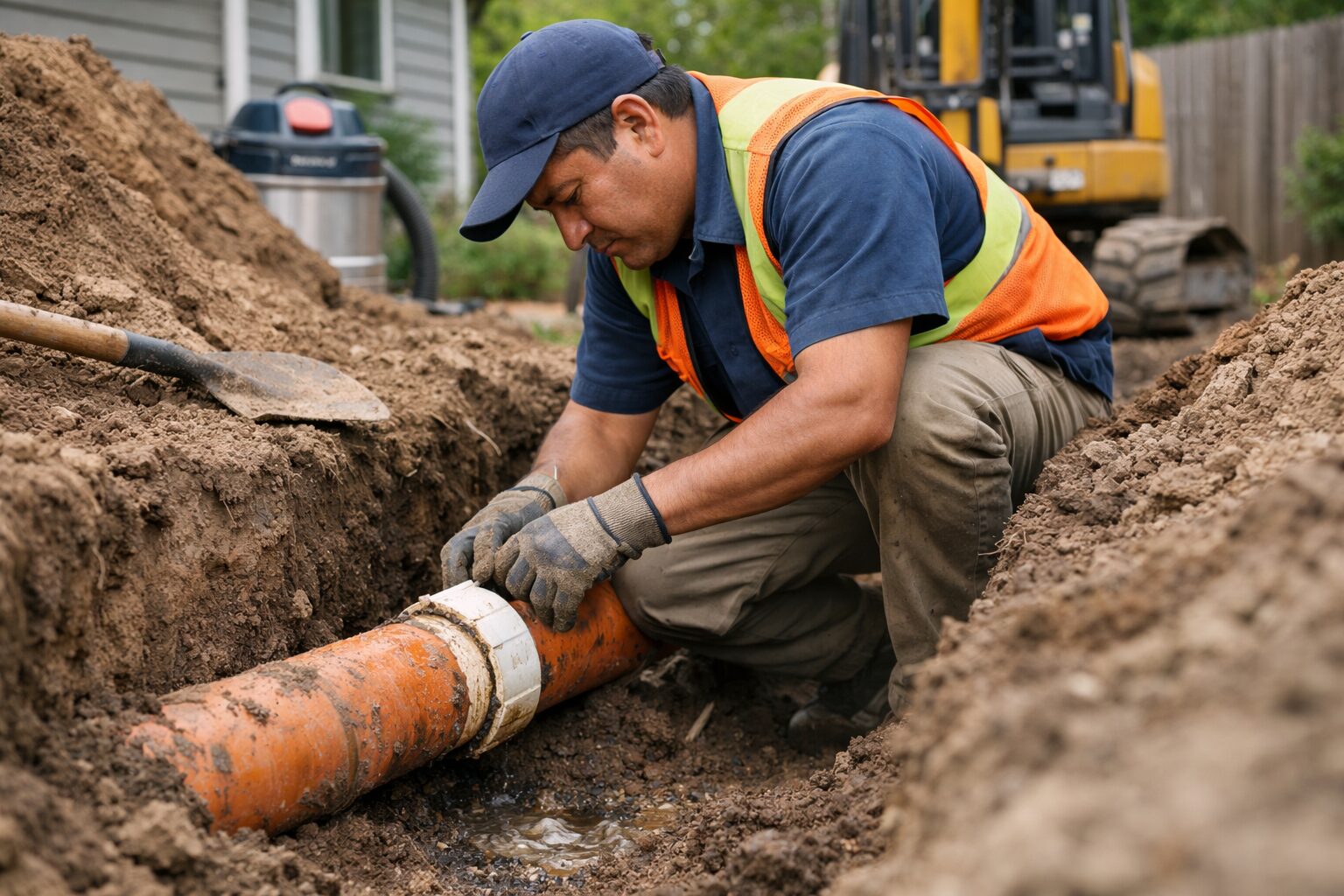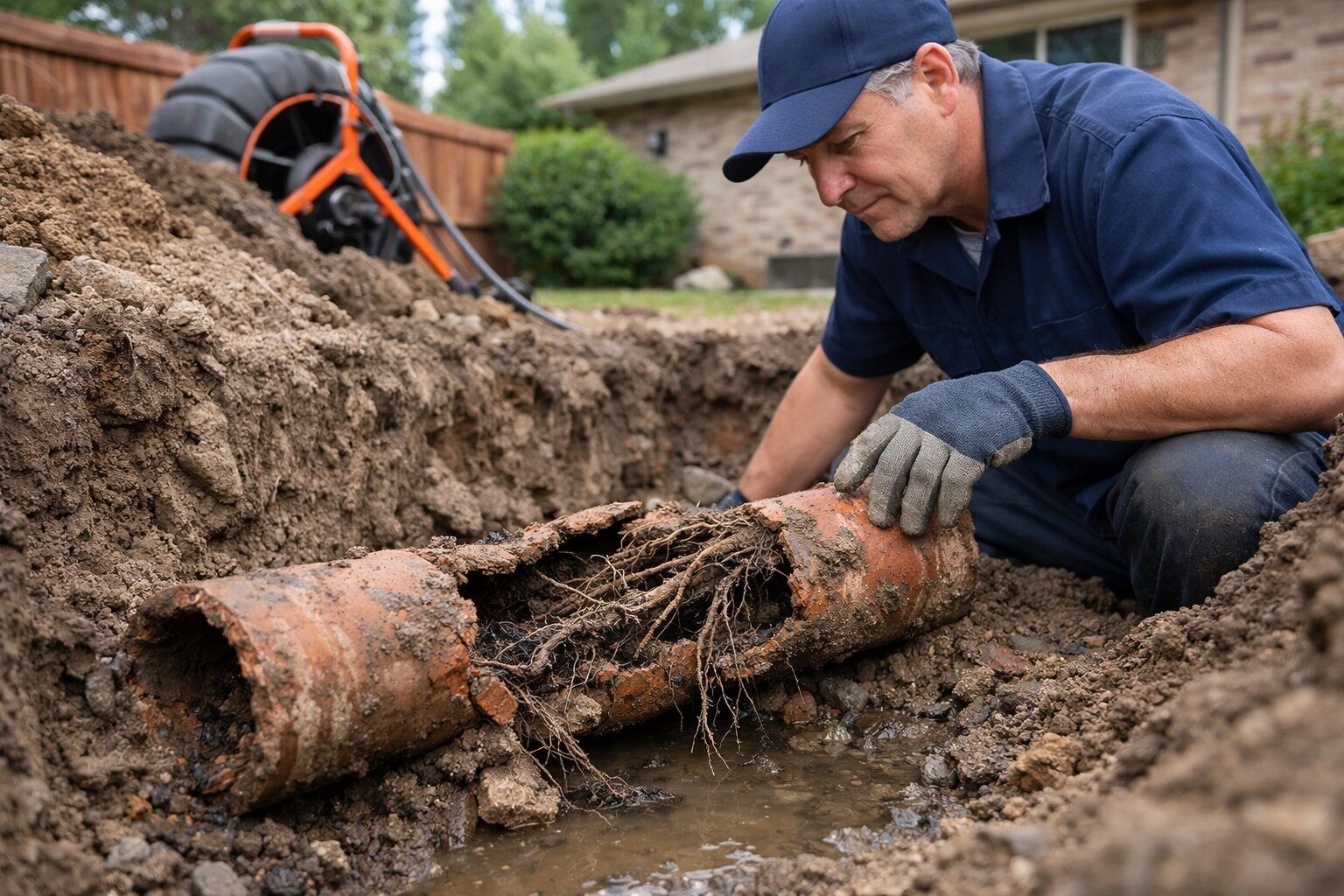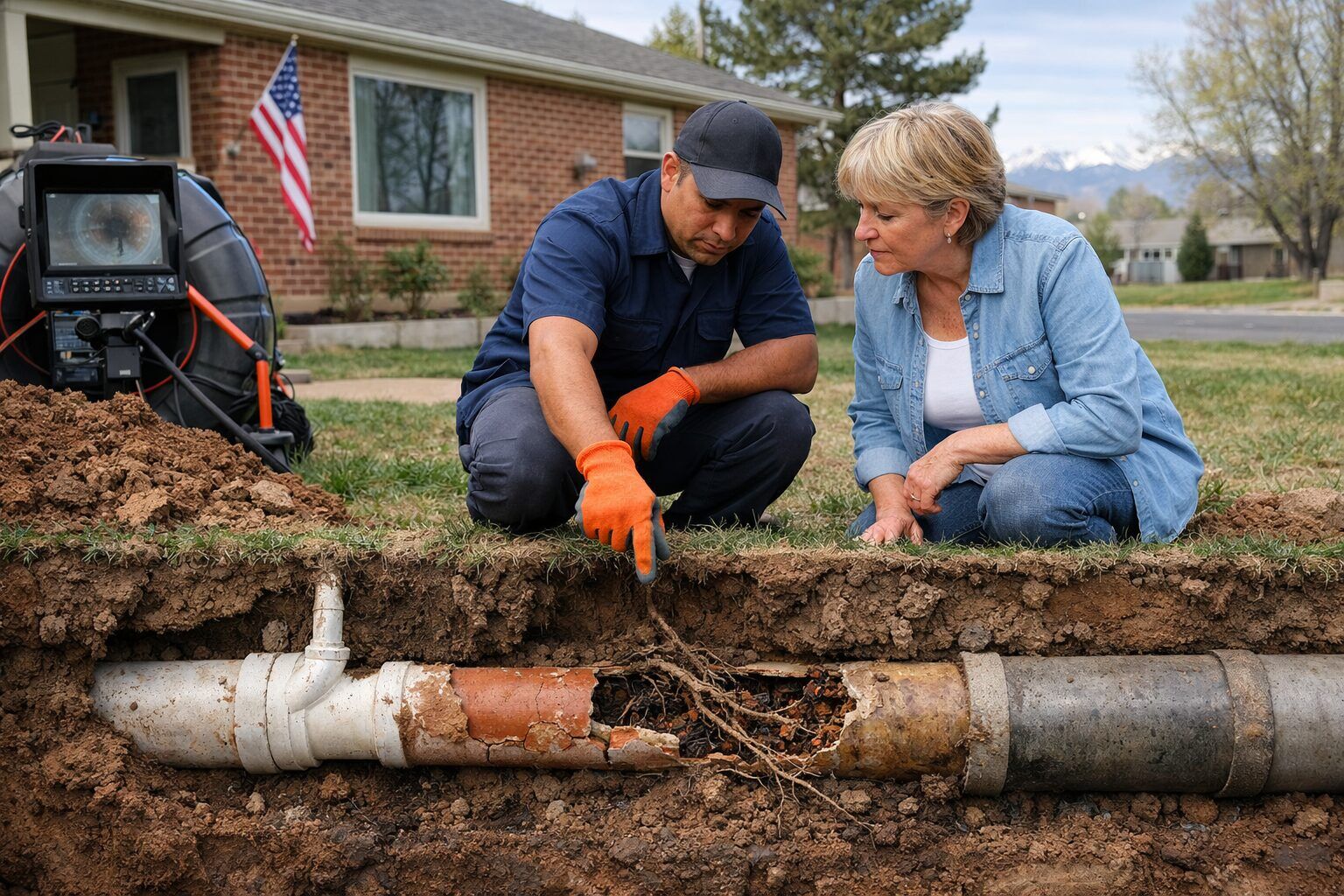
What Happens If Your Sewer Line Fails During a Home Sale?

You found the perfect home. You made an offer. Then the inspection comes back with sewer line trouble. Now what?

A sewer line problem during a home sale can feel like a crisis. But it does not have to derail your deal. You have options that keep things moving.

This guide explains what happens when a sewer line fails during a home sale. You will learn how to spot the problem early. You will see what sellers and buyers can do next. You will also find out when to call a pro. With over 25 years serving Denver homeowners, Sewer Experts has seen every scenario. We know how to solve sewer line issues fast so your home sale stays on track.

Table of Contents

What Is a Sewer Line and Why It Matters

A sewer line carries waste from your home to the city main. It runs underground from your house to the street. Most people never see it until something goes wrong.

Sewer lines can last decades. But tree roots, shifting soil, and old materials cause failures. When a sewer line fails, waste backs up into the home. That creates health risks and property damage.

Why Sewer Line Condition Affects Home Sales

Buyers want a home that works. A broken sewer line is a red flag. It means costly repairs ahead. That changes the deal terms fast.

In Colorado, sellers must disclose known defects. A sewer line issue when selling a house is a major defect. You cannot hide it. If you do, you risk legal trouble later.

Home inspectors often spot sewer line trouble during the sale process. They may recommend a video inspection to see inside the pipe. That reveals cracks, blockages, and root intrusion.

Common Sewer Line Problems

Here are the issues that show up most often:

  • Tree roots growing into pipes
  • Cracked or collapsed sections
  • Corroded cast iron or clay pipes
  • Bellied pipes that sag and trap waste
  • Blockages from grease or debris

Each problem has a fix. But the cost and timeline vary. That is why buyers want answers before they close.

Expert Insight from Sewer Experts Team:

“We see sewer line issues delay home sales every week. Most problems are fixable in days. The key is acting fast and choosing the right repair method.”

How Sewer Line Problems Surface During a Sale

Sewer line trouble usually appears during the home inspection. The inspector checks for signs of trouble. Then they may suggest a camera inspection to confirm.

Signs Inspectors Look For

Inspectors watch for these warning signs:

  • Slow drains throughout the house
  • Gurgling sounds from toilets or sinks
  • Sewer odors in the yard or basement
  • Soggy spots or greener grass near the sewer line
  • Cracks in the foundation near the main line

If any of these show up, the inspector will note them. That triggers a deeper look at the sewer line.

The Role of Video Inspection

A video inspection uses a small camera on a cable. The camera travels through the sewer line. It sends real-time video to a monitor above ground.

This shows exactly what is wrong. You see the cracks, roots, and blockages. You also see where they are located. That helps you plan the repair.

Video inspection costs a few hundred dollars. But it saves thousands by pinpointing the problem. Buyers often request this before closing. The National Association of Certified Home Inspectors recommends sewer scoping for older homes.

What Happens After Discovery

Once a sewer line problem is confirmed, the sale process pauses. Both sides must decide how to move forward. That means negotiating repairs, credits, or price adjustments.

Some buyers walk away if the issue seems too big. Others stay if the seller agrees to fix it. That is why knowing your options matters.

Sewer Disclosure Requirements in Colorado

Colorado law requires sellers to disclose known defects. This includes sewer line problems. If you know about a sewer issue, you must tell the buyer.

What Colorado Law Says

The Colorado Division of Real Estate oversees disclosure rules. Sellers must complete a Seller’s Property Disclosure form. This form asks about plumbing and sewer issues.

If you have had sewer line repairs, you disclose that. If you know roots are a problem, you disclose that too. Failing to disclose can lead to lawsuits after closing.

When to Disclose Sewer Line Issues

You disclose as soon as you know. That means before listing the home if possible. If the issue comes up during inspection, you disclose it then.

Some sellers get a sewer inspection before listing. That way, they know the condition upfront. They can fix problems early or price the home accordingly.

Risks of Not Disclosing

Hiding a sewer line problem is fraud. Buyers can sue for damages. They can also force you to pay for repairs after closing. That costs more than fixing it upfront.

Sewer disclosure in Colorado protects both sides. Sellers avoid legal trouble. Buyers make informed decisions. That keeps the sale moving smoothly.

Negotiation Options When a Sewer Line Fails

When a sewer line issue surfaces, you have choices. Sellers and buyers can negotiate terms that work for both sides. Here are the most common options.

Option 1: Seller Repairs Before Closing

The seller hires a contractor to fix the sewer line. Work is done before closing. The buyer gets a home with a working sewer system.

This option gives buyers peace of mind. They know the problem is solved. But it delays closing until repairs are complete.

Sellers should hire a licensed, insured contractor. Get a warranty on the work. That protects you if issues arise later. Sewer Experts offers a five-year warranty on sewer line repairs.

Option 2: Price Reduction

The seller reduces the sale price. The buyer uses that savings to pay for sewer line repairs after closing. This keeps the sale on schedule.

Buyers prefer this if they want to choose their own contractor. Sellers like it because they do not manage repairs. But buyers take on the risk of higher costs.

Option 3: Closing Credit

The seller gives the buyer a credit at closing. This money goes toward repair costs. The buyer handles the work after they own the home.

Credits are flexible. Buyers can use them for sewer line repairs or other needs. Sellers avoid delays and still offer compensation.

Option 4: Walk Away

If the sewer line problem is too severe, either side can walk away. Buyers lose their earnest money deposit unless the contract allows an inspection contingency.

This is rare. Most sewer line issues are fixable. But if the cost is extreme or the timeline too long, walking away may make sense.

Which Option Works Best?

It depends on the situation. If the sewer line needs a full replacement, repairs before closing may take too long. A credit or price cut works better.

If the fix is minor, like clearing roots or patching a crack, repairs before closing are fast. The buyer gets a clean sewer line with no surprises.

Talk to your real estate agent. They can help you negotiate terms that keep the deal alive. And consult a sewer line pro to understand the scope of work.

Should You Repair or Replace the Sewer Line?

Not all sewer line problems need a full replacement. Some issues can be repaired quickly. Others require new pipe installation. Here is how to decide.

When Repair Makes Sense

Repairs work for localized problems. If one section is cracked or blocked, you can fix just that part. This saves time and money.

Common repairs include:

  • Clearing tree roots
  • Patching small cracks
  • Relining damaged sections

Trenchless methods like pipe lining fix problems without digging up the yard. A resin liner is inserted into the old pipe. It hardens to create a new pipe inside the old one.

This takes one to two days. It costs less than full replacement. And it does not tear up landscaping.

When Replacement Is Necessary

If the entire sewer line is old, corroded, or collapsed, replacement is the better choice. Patching multiple spots only delays the inevitable.

Signs you need sewer line replacement:

  • Pipe is over 50 years old
  • Multiple cracks or collapses
  • Severe root intrusion throughout
  • Frequent backups even after repairs

Replacement involves installing new pipe from the house to the street. This can be done with traditional digging or trenchless pipe bursting.

Pipe bursting breaks the old pipe while pulling new pipe into place. This avoids extensive excavation. It is faster and less disruptive than traditional methods.

Trenchless vs. Traditional Methods

Trenchless methods preserve your yard. They are faster and often cheaper. But they do not work in every situation. If the pipe is too damaged or access is limited, traditional digging may be required.

A qualified contractor will assess your sewer line and recommend the best method. They will explain costs, timelines, and benefits of each approach.

Sewer Experts specializes in both trenchless and traditional methods. We evaluate each sewer line individually. Then we recommend the solution that fits your needs and budget.

Expert Insight from Sewer Experts Team:

“Trenchless repairs are game-changers for home sales. We can fix most sewer line problems in one or two days. That keeps closings on track.”

Timeline and Costs for Sewer Line Work

Understanding the timeline and cost helps you plan. Sewer line repairs vary based on the problem and method used. Here are typical ranges.

Timeline for Sewer Line Repairs

Minor repairs take one to two days. This includes clearing blockages or patching small cracks. Trenchless pipe lining also fits this timeline.

Full sewer line replacement takes three to five days. Traditional excavation may take longer if access is difficult or weather delays work.

If you need permits from the city, add a few days. Most sewer line work requires a permit. Your contractor should handle this for you.

Cost Ranges for Sewer Line Work

Costs depend on the scope of work. Here are general estimates for Denver area homes:

  • Video inspection: $200 to $500
  • Root removal or snaking: $150 to $400
  • Trenchless pipe lining: $3,000 to $8,000
  • Trenchless pipe bursting: $5,000 to $12,000
  • Traditional sewer line replacement: $4,000 to $15,000

These are estimates. Your actual cost depends on pipe length, depth, and access. A contractor should give you a written estimate after inspecting the line.

Factors That Affect Cost

Several factors influence the final price:

  • Length of pipe to repair or replace
  • Depth of the sewer line
  • Accessibility of the line
  • Type of pipe material needed
  • Permits and inspection fees

Trenchless methods often cost less than traditional digging. They also finish faster. That is a big advantage during a home sale.

Who Pays for Sewer Line Work?

That depends on the negotiation. Sellers may pay upfront. Buyers may accept a credit and handle repairs later. Or both sides split the cost.

Your real estate contract should specify who pays. Make sure everything is in writing before closing.

Conclusion and Next Steps

A sewer line problem during a home sale is stressful. But it is fixable. Most issues can be resolved quickly with the right contractor and approach.

Start with a video inspection. That shows exactly what is wrong. Then decide whether to repair or replace. Work with your real estate agent to negotiate terms that keep the sale moving.

If you are in the Denver metro area, Sewer Experts can help. We offer 24/7 emergency service. We use trenchless methods when possible. And we back our work with a five-year warranty.

Do not let a sewer line issue derail your home sale. Call (720) 663-7473 or visit our contact page to schedule an inspection. We will assess the problem and recommend the fastest, most cost-effective solution.

Your home sale does not have to stop. With the right help, you can fix the sewer line and close on time.

Frequently Asked Questions

What is a sewer line home sale issue?

A sewer line home sale issue happens when a broken or failing pipe is found during the sale process. This can delay closing or change deal terms. Buyers and sellers must negotiate repairs, credits, or price adjustments. Most sewer line problems are fixable in days. The key is acting fast.

How do I know if my sewer line is failing?

Signs include slow drains, gurgling toilets, sewer odors, and soggy yard spots. A video inspection shows the exact problem. Inspectors often recommend this during home sales. If you notice these signs, call a sewer line pro. Early detection saves money and stress.

What are sewer disclosure requirements in Colorado?

Colorado law requires sellers to disclose known defects. This includes sewer line problems. You must complete a Seller’s Property Disclosure form. Failing to disclose can lead to lawsuits. Always tell buyers about past repairs or known issues. Honesty protects you legally.

Should I repair or replace the sewer line?

It depends on the damage. Minor cracks or blockages can be repaired. Old or severely damaged lines need replacement. Trenchless methods like pipe lining fix many problems without digging. A contractor will assess your sewer line and recommend the best option. Get a written estimate before deciding.

Can sewer line issues stop a home sale?

Yes, but most deals continue with negotiation. Sellers can repair the line before closing. Or they can offer a price reduction or credit. Buyers may accept repairs or walk away if the problem is severe. Work with your agent to find a solution that keeps the sale on track.

Step-by-Step Process: How to Handle a Sewer Line Problem During a Home Sale

  1. Schedule a video inspection to identify the problem and location.
  2. Get a written estimate from a licensed sewer line contractor.
  3. Review the estimate with your real estate agent to understand options.
  4. Decide whether to repair, replace, or negotiate a credit with the buyer.
  5. If repairing, hire a contractor with a warranty and insurance.
  6. Obtain necessary permits from your local building department.
  7. Complete the sewer line work and request a final inspection.
  8. Provide documentation of repairs to the buyer and their agent.
  9. Adjust closing terms if needed based on repair costs or delays.
  10. Close on the home sale with confidence knowing the sewer line is fixed.

Quick Reference: What Is a Sewer Line?

A sewer line is the underground pipe that carries waste from your home to the city sewer main. It runs from your house to the street. Most sewer lines last 30 to 50 years. But tree roots, old materials, and shifting soil can cause failures. When a sewer line fails, waste backs up into the home. That creates health risks and costly damage. Regular inspections catch problems early. Video inspections show the inside of the pipe. This helps you plan repairs before a crisis hits.

Sewer Line Warranties & Protection Plans Explained

You just bought your dream home. Then the sewer line breaks. The repair costs thousands of dollars. You wonder if a sewer line warranty could have saved you.

A sewer line warranty covers repair or replacement costs when your sewer line fails. It protects you from sudden, expensive bills. Many homeowners don’t know these plans exist.

With over 25 years serving Denver homeowners, Sewer Experts has seen every type of sewer line failure. We know what warranties cover and what they don’t. This guide explains sewer line warranty options in plain terms.

Table of Contents

What Is a Sewer Line Warranty?

A sewer line warranty is a protection plan. It covers repair costs when your sewer line fails. Think of it like insurance for your pipes.

Most home warranties don’t cover sewer lines. Standard policies stop at your foundation. Your sewer line runs from your home to the city main.

That means you own the pipe. You pay for repairs. A sewer line warranty changes this. It covers the cost when things go wrong.

Why Sewer Line Warranties Matter

Sewer line repairs cost thousands of dollars. A simple crack can run $3,000 to $5,000. Full replacement can exceed $15,000. These costs catch homeowners off guard.

A sewer line protection plan spreads this risk. You pay small monthly or yearly fees. In return, the plan covers major repair bills. It’s peace of mind.

According to the U.S. Census Bureau housing data, older homes face higher risk. Pipes installed before 1980 fail more often. Clay and cast iron corrode over time.

How Sewer Line Warranties Differ from Home Warranties

Home warranties cover appliances and systems inside your house. They protect your furnace, air conditioner, and water heater. Most stop at your property line.

Sewer line warranties extend beyond your foundation. They cover the pipe to the street. This is where most failures happen. Tree roots invade. Ground shifts. Pipes crack.

You often need both types of coverage. A home warranty handles indoor problems. A sewer line warranty protects outdoor infrastructure. Together, they shield you from surprise costs.

Types of Sewer Line Protection Plans

Several types of sewer line warranty plans exist. Each offers different coverage levels. Understanding these helps you choose wisely.

Utility Company Programs

Many water and sewer utilities offer protection plans. These programs cost $5 to $15 per month. They’re added to your utility bill automatically.

Utility sewer line warranties typically cover basic repairs. They fix clogs and minor breaks. Some include emergency service with no deductible.

But coverage limits apply. Most cap payments at $5,000 or $10,000 per year. If your repair exceeds this, you pay the difference. Still, these plans offer solid value.

Third-Party Home Warranty Companies

Companies like American Home Shield and Choice Home Warranty sell sewer line coverage. These are separate from utility programs. You buy them directly.

Third-party sewer line protection plans cost $40 to $100 per month. They offer broader coverage than utility programs. Some cover full line replacement up to $20,000.

However, read the fine print carefully. Many have service fees per visit. Some exclude pre-existing conditions. Others require a waiting period before coverage starts.

Insurance Riders and Endorsements

Some homeowners insurance companies offer sewer line coverage. It’s added as a rider to your existing policy. This is called an endorsement.

These add-ons cost $50 to $250 per year. They’re cheaper than standalone sewer line warranties. But they may have higher deductibles, often $500 to $1,000.

Insurance riders typically cover sudden, accidental damage. They may not cover slow wear and tear. Check what’s excluded before adding this coverage.

Service Line Warranties of America (SLWA) Plans

SLWA partners with many utility companies nationwide. Their sewer line warranty plans cost $5 to $10 per month. They cover repairs up to $10,000 per incident.

SLWA offers fast claims processing. Most repairs start within 48 hours. They maintain a network of licensed plumbers. This speeds up service.

These plans include both sewer and water line coverage. That’s extra value. One monthly fee protects multiple systems. It simplifies your protection strategy.

What Sewer Line Warranty Coverage Includes

Not all sewer line warranties cover the same things. Knowing what’s included prevents surprise denials. Let’s break down typical coverage areas.

Covered Repairs and Replacements

Most sewer line protection plans cover these common problems:

  • Tree root intrusion blocking or damaging pipes
  • Collapsed or broken sewer lines from ground shifting
  • Corrosion in older cast iron or clay pipes
  • Clogs caused by buildup or foreign objects
  • Pipe separations at joints due to age

When these issues arise, your sewer line warranty pays for professional sewer line repair. The plan covers labor and materials. Some even include excavation costs.

Full line replacement coverage varies by plan. Basic warranties may cap replacement costs. Premium plans often cover complete sewer line installation from house to street.

Common Exclusions

Every sewer line warranty has exclusions. These are problems the plan won’t cover. Knowing them upfront prevents frustration.

Pre-existing conditions are rarely covered. If your pipe was damaged before buying the warranty, you’re likely not protected. Most plans require an inspection or waiting period.

Damage from neglect or improper maintenance doesn’t qualify. If you ignored warning signs for years, the warranty may deny your claim. Regular maintenance protects your coverage.

Some plans exclude certain repair methods. For example, they may not cover trenchless pipe lining unless specified. Always ask about covered repair techniques.

Coverage Limits and Caps

Most sewer line warranties have annual or per-incident caps. A typical plan covers $5,000 to $10,000 per year. Premium plans may go higher.

If your repair costs more than the cap, you pay the excess. For instance, a $12,000 repair with a $10,000 cap leaves you $2,000 short. Know your limits before emergencies strike.

Some plans have multiple caps. They limit annual claims and per-incident payouts. Read your policy carefully. Understand all coverage boundaries.

Service Call Fees and Deductibles

Many sewer line protection plans charge service call fees. These range from $50 to $100 per visit. You pay this even if no repair is needed.

Think of it like a copay at the doctor. The fee covers the diagnosis visit. If repairs are required, the warranty covers the rest (up to limits).

Some plans have deductibles instead of service fees. You pay a set amount before coverage kicks in. Deductibles typically run $500 to $1,500. Weigh service fees against deductibles when comparing plans.

How Much Sewer Line Warranties Cost

Sewer line warranty costs vary widely. Several factors affect your premium. Understanding these helps you budget accurately.

Monthly vs. Annual Payment Options

Most plans offer monthly or annual payment. Monthly fees range from $5 to $100. Annual payments often provide a discount, saving 10% to 15%.

For example, a plan costing $10 per month ($120 yearly) might drop to $108 if paid annually. That’s $12 in savings. Over time, this adds up.

Monthly payments offer flexibility. You can cancel more easily if needed. Annual payments lock you in. They’re best if you’re certain you’ll keep the coverage.

Factors That Affect Sewer Line Warranty Pricing

Your home’s age impacts cost significantly. Older homes with original plumbing pay more. Pipes over 40 years old have higher failure risk.

Your location matters too. Areas with aggressive tree roots or unstable soil cost more to insure. Denver’s clay soil, for instance, shifts frequently. This increases sewer line stress.

Coverage limits affect price directly. Plans with higher caps charge more. A $20,000 coverage plan costs more than a $5,000 plan. Balance premium cost against potential repair bills.

According to Forbes Home sewer repair cost data, average repairs run $2,400 to $5,000. Factor this into your decision.

Comparing Costs to Out-of-Pocket Repairs

Let’s compare warranty costs to self-paying. A basic sewer line warranty costs about $120 per year. Over 10 years, that’s $1,200.

One major sewer line repair costs $3,000 to $15,000. If you face even one failure in 10 years, the warranty saves money. It’s simple math.

Plus, warranties cover emergency calls. These often come with rush fees. Having coverage means predictable costs. You avoid financial surprises.

Hidden Fees to Watch For

Some sewer line protection plans have hidden costs. Service call fees are common, as mentioned. But other charges exist too.

Inspection fees may apply before coverage starts. Some companies charge $100 to $300 for initial line inspection. This verifies no pre-existing damage.

Cancellation fees can surprise you. Some plans charge penalties if you cancel early. Read cancellation terms carefully before signing up.

Claim processing fees are rare but exist. A few plans charge administrative fees per claim. Ask about all potential fees upfront. Transparency matters.

Choosing the Right Sewer Line Protection Plan

Selecting the best sewer line warranty takes careful comparison. Don’t rush this decision. Your choice affects your wallet for years.

Assess Your Home’s Risk Level

Start by evaluating your sewer line risk. How old is your home? What material is your pipe?

Homes built before 1980 often have clay or cast iron pipes. These corrode faster. Tree roots penetrate them easily. High-risk homes benefit most from coverage.

Get a sewer camera inspection before buying a warranty. This reveals current pipe condition. If your line already has problems, fix them first. Then buy coverage.

Newer homes with PVC pipes face lower risk. If your home was built after 2000, you might skip sewer line warranty coverage. Or choose a basic plan.

Compare Coverage Terms Carefully

Not all sewer line warranties offer equal protection. Create a comparison spreadsheet. List each plan’s details side by side.

Key items to compare include:

  • Annual coverage cap (higher is better)
  • Per-incident limit (should cover typical repairs)
  • Service call fee or deductible amount
  • Waiting period before coverage starts
  • Exclusions and limitations
  • Repair method restrictions

Weight these factors against cost. The cheapest plan isn’t always best. Balance affordability with comprehensive coverage.

Read Customer Reviews and Ratings

Research company reputation before buying any sewer line protection plan. Check reviews on independent sites like Trustpilot and Better Business Bureau.

Look for patterns in complaints. Do customers report claim denials? Slow service? Hidden fees? These are red flags.

Positive reviews should mention fast claims processing. Good communication matters too. You want a company that’s easy to reach during emergencies.

Verify Contractor Networks

Ask which contractors the sewer line warranty uses. Some plans maintain large networks. Others work with limited providers.

Check if reputable local contractors participate. In Denver, you want experienced plumbers familiar with local soil and code requirements.

Plans that let you choose your own contractor offer flexibility. But they may require upfront payment. You submit receipts for reimbursement later. This ties up your cash temporarily.

Understand Claim Filing Procedures

Learn how to file claims before you need to. Simple processes save time during emergencies. Complex procedures cause delays.

Most plans require a phone call first. The company dispatches a contractor. Some plans need prior approval before repairs start. Know these steps.

Ask about claim turnaround time. How quickly do they process claims? How fast do repairs typically start? Good companies respond within 24 to 48 hours.

How to Use Your Sewer Line Warranty

Having a sewer line warranty is worthless if you don’t know how to use it. Let’s walk through the process step by step.

Step 1: Recognize the Warning Signs

Catch sewer line problems early. This prevents more damage. Watch for these warning signs:

  • Slow drains throughout your home
  • Gurgling sounds from toilets or drains
  • Sewage backup in lowest drains
  • Foul odors near your foundation
  • Wet spots or lush grass patches in your yard

Don’t ignore these symptoms. They indicate sewer line stress. Call your warranty provider immediately when you notice them.

Step 2: Contact Your Warranty Provider

Call the number on your sewer line protection plan documents. Have your account information ready. Describe the problem clearly.

The representative will ask questions. When did symptoms start? Where is the problem occurring? What have you noticed? Answer honestly and completely.

They’ll create a service ticket. Most companies provide a claim number. Write this down. You’ll need it for follow-ups.

Step 3: Schedule the Inspection

Your sewer line warranty provider dispatches a contractor. They’ll schedule an inspection visit. This usually happens within 24 to 48 hours.

The contractor performs a camera inspection. They insert a video camera into your sewer line. This identifies the exact problem location and cause.

You may pay a service call fee at this point. Fees typically range from $50 to $100. Some plans waive this for confirmed covered repairs.

Step 4: Review the Repair Estimate

After inspection, the contractor provides a repair estimate. This details the problem, solution, and cost. Review this carefully.

Verify the repair is covered under your sewer line warranty terms. Check if the cost exceeds your coverage cap. Understand what you’ll pay out of pocket, if anything.

Ask questions if anything is unclear. Good contractors explain everything. They help you understand your options.

Step 5: Approve the Work

Once you understand the estimate, approve the repair. Sign necessary authorization forms. Confirm payment details with your warranty provider.

Some plans require pre-authorization from the warranty company. The contractor handles this. But it may delay work by a few hours or a day.

Other plans give contractors immediate authorization for covered repairs. This speeds up the process significantly.

Step 6: Monitor the Repair

Stay available during the repair process. Contractors may need access to your home. They might have questions about your plumbing layout.

For excavation work, mark sprinklers and underground utilities beforehand. This prevents accidental damage. It protects your property.

Reputable contractors, like those at Sewer Experts, communicate throughout the job. They keep you informed of progress and any surprises.

Step 7: Verify Completion and Cleanup

After repairs finish, inspect the work. Run water through your drains. Flush toilets multiple times. Ensure everything flows properly.

Check that the work area is clean. Contractors should remove debris. They should restore your yard to its original condition (or as close as possible).

If using trenchless methods like pipe lining, cleanup is minimal. There’s no excavation. Your landscaping stays intact.

Step 8: Maintain Records

Keep all paperwork related to your sewer line warranty claim. File inspection reports, estimates, invoices, and receipts. Photograph the work area before and after.

These records prove repairs occurred. They’re useful if you file future claims. They also help when selling your home. Buyers appreciate documented repairs.

Step 9: Follow Up if Needed

If problems persist after repair, contact your warranty provider immediately. Most work comes with guarantees. The contractor should return at no charge.

Your sewer line protection plan may include follow-up inspections. These verify the repair solved the problem. Take advantage of this service.

Step 10: Schedule Preventive Maintenance

Don’t wait for the next failure. Schedule regular drain cleaning and inspections. Prevention extends your sewer line life.

Many warranties require periodic maintenance. Skipping this can void your coverage. Mark your calendar. Make maintenance a priority.

Annual camera inspections catch small problems early. They prevent major failures. This saves money even with warranty coverage.

Quick Reference: Sewer Line Warranty Definition

A sewer line warranty is a service contract. It covers repair or replacement costs when your sewer line fails. These plans protect homeowners from expensive, unexpected sewer line bills.

Coverage typically includes tree root damage, pipe corrosion, and line breaks. Most plans charge monthly or annual fees. They set coverage limits and may require service call fees or deductibles.

Sewer line warranties differ from home warranties. They extend beyond your foundation. They cover the pipe running to the street connection. This fills a critical protection gap.

Conclusion: Is a Sewer Line Warranty Right for You?

A sewer line warranty offers valuable protection. It shields you from sudden, large repair bills. For many homeowners, peace of mind alone justifies the cost.

Older homes benefit most from sewer line protection plans. If your home was built before 1980, strongly consider coverage. The risk of failure is simply too high.

But even newer homes can benefit. Sewer line warranty coverage spreads risk. For a small monthly fee, you avoid potential financial disaster. It’s smart financial planning.

Compare multiple plans before deciding. Consider your home’s age, pipe material, and local soil conditions. Balance coverage limits against premium costs. Choose a reputable provider with good reviews.

And remember: a sewer line warranty works best with regular maintenance. Don’t neglect your pipes. Schedule annual inspections. Clean your drains regularly. Prevention and protection work together.

Ready to protect your home’s sewer line? Contact Sewer Experts for a professional inspection. We’ll assess your system and help you understand your risks. Don’t wait until disaster strikes.

Frequently Asked Questions

What does a sewer line warranty typically cover?

A sewer line warranty covers repairs for common failures. This includes tree root intrusion and pipe breaks. It also covers corrosion damage and major clogs. Most plans pay for labor and materials. Coverage limits apply, usually $5,000 to $20,000 per year. Some plans include full line replacement coverage. Always check specific plan details before buying.

How much does sewer line warranty coverage cost per month?

Sewer line protection plan costs range from $5 to $100 monthly. Utility company programs are cheapest at $5 to $15. Third-party plans cost $40 to $100 per month. Insurance riders run $4 to $20 monthly. Your home’s age affects pricing significantly. Older homes with clay pipes pay more. Annual payments often save 10% to 15%.

Are pre-existing sewer line problems covered by warranties?

No, most sewer line warranties exclude pre-existing conditions. If damage existed before coverage started, you’re not protected. Many plans require waiting periods of 30 to 90 days. Some require inspection before coverage begins. This verifies no current damage exists. Fix known problems before buying a sewer line warranty. Otherwise, future claims may be denied.

Can I choose my own contractor with a sewer line warranty?

It depends on your specific sewer line protection plan. Most plans use network contractors only. You can’t choose freely. These plans handle scheduling and payment directly. Some premium plans allow contractor choice. But you may pay upfront. Then submit receipts for reimbursement later. Ask about contractor flexibility when comparing plans.

How long does sewer line warranty claim processing take?

Most sewer line warranties process claims within 24 to 48 hours. Emergency calls often get faster response. The contractor schedules an inspection visit quickly. Then they provide a repair estimate. Approval may take another day. Total time from call to repair start averages 2 to 4 days. Complex cases take longer. Simple clogs resolve same-day.

Does Homeowners Insurance Cover Sewer Line Damage?

“`html

Your sewer line just backed up. Water is pooling in your basement. You wonder if sewer line insurance coverage will pay for this mess.

Most homeowners face this same shock. Your policy might not cover what you think it does. Understanding sewer line insurance coverage in Denver saves you from costly surprises down the road.

Sewer Experts has helped Denver homeowners with sewer line insurance coverage questions for over 25 years. Our team knows exactly what policies cover and what they don’t. This guide walks you through every detail you need to know right now.

Table of Contents

What Standard Homeowners Insurance Covers for Sewer Lines

Most standard policies offer limited sewer line insurance coverage. The key word here is “sudden.” Your policy typically covers damage that happens all at once. A tree falls and crushes your pipe. That’s usually covered.

But slow wear and tear gets different treatment. Pipes that corrode over 20 years aren’t sudden events. Your sewer line insurance coverage won’t pay for gradual deterioration. Insurance companies expect you to maintain your property.

Sudden and Accidental Damage

Your policy covers certain unexpected events. A contractor hits your sewer line with heavy equipment. Water damage from that break gets covered under most standard plans. The Insurance Information Institute explains coverage basics in detail.

Fire damage to sewer lines falls under this category too. So does damage from sudden ground movement. These are all “peril” based events. Your sewer line insurance coverage kicks in when something dramatic and instant happens.

What Your Base Policy Typically Includes

Base homeowners insurance includes dwelling coverage. This pays for your house structure. It extends to permanently installed features. Your sewer line connects to your home. So partial coverage exists in most policies.

The coverage limit matters here. Most policies cap sewer line insurance coverage at $5,000 to $10,000. That might not cover a full line replacement. Denver sewer line repairs often cost $15,000 or more for complete jobs.

Key Takeaway: Standard policies cover sudden sewer line damage but cap payouts low. Know your limit before problems hit.

Common Sewer Line Insurance Coverage Exclusions

Insurance companies write exclusions into every policy. These are things they won’t pay for. Understanding sewer line insurance coverage exclusions protects you from claim denials. Let’s look at what typically doesn’t get covered.

Wear and Tear Over Time

Old pipes eventually fail. Rust eats through cast iron. Clay pipes crack from decades of use. No sewer line insurance coverage pays for normal aging. Insurance sees this as your maintenance responsibility.

Your policy expects you to replace old infrastructure. If your home has 50-year-old sewer lines, you’re on the hook. This is the single biggest exclusion in sewer line insurance coverage. Plan ahead for this expense.

Tree Root Intrusion

Tree roots cause major sewer line problems in Denver. They seek out water sources. Your pipes provide exactly that. Roots break through joints and cracks. They fill pipes completely over time.

Most sewer line insurance coverage excludes root damage. Why? Because policies view this as preventable. You should remove problem trees near lines. You should maintain your landscaping. The video inspection service can spot root intrusion early.

Damage Outside Your Property Line

Your sewer line runs from your house to the street. The city owns the main sewer line. You own the lateral line to that connection. But where does your property end?

Sewer line insurance coverage stops at your property boundary. Damage on city property isn’t your insurance problem. But it’s not the city’s problem either. This gray area catches many homeowners off guard. You might pay out of pocket for repairs.

Lack of Maintenance

You must maintain your sewer line. Regular cleanings prevent backups. Inspections catch problems early. If you neglect basic care, your sewer line insurance coverage can deny claims.

Insurance adjusters look for maintenance records. They ask when you last cleaned your line. No records? Your claim might get rejected. Keep receipts from drain cleaning services for this reason.

Key Takeaway: Most exclusions relate to maintenance and gradual damage. You must prove sudden loss for coverage.

Optional Sewer Line Insurance Coverage You Can Add

Standard policies leave gaps. But you can buy extra protection. Optional sewer line insurance coverage fills these holes. Let’s explore what additional coverage looks like and what it costs.

Water Backup Coverage Endorsement

This endorsement covers sewer backups into your home. Water comes up through drains. Your basement floods with sewage. Standard policies often exclude this scenario completely.

Water backup coverage typically costs $40 to $100 per year. Coverage limits range from $5,000 to $25,000. This is the most important addition to your sewer line insurance coverage. Every Denver homeowner should consider it.

The coverage pays for water damage cleanup. It covers damaged belongings. It handles repairs to your home. But it still might not pay for the actual sewer line repair itself.

Service Line Coverage

This newer option specifically targets underground utilities. It covers your water line, sewer line, and other underground services. Service line coverage fills the biggest gap in standard sewer line insurance coverage.

This endorsement costs about $50 to $150 annually. Coverage usually caps at $10,000 to $25,000. It covers repairs or replacement of damaged lines. This includes gradual wear in some policies.

Check if tree root damage is included. Some service line policies cover roots. Others still exclude them. Read your specific endorsement carefully before buying.

Equipment Breakdown Coverage

Sewer ejector pumps and lift stations can fail. These mechanical parts move sewage in some homes. Standard sewer line insurance coverage often excludes mechanical breakdowns.

Equipment breakdown coverage handles these failures. It pays for pump replacement and damage from pump failure. This matters if your home sits below the main sewer line.

Expert Insight from Sewer Experts Team, Licensed Colorado Contractors:

“We see claim denials every week. Most happen because homeowners don’t know what their sewer line insurance coverage actually includes. Always buy the water backup endorsement at minimum.”

Home Warranty Plans

Home warranties differ from insurance. They’re service contracts for repairs and replacements. Many cover sewer lines up to a certain amount. This supplements your sewer line insurance coverage.

Home warranties typically cost $300 to $600 per year. They include a service call fee of $75 to $125 per visit. Coverage caps vary from $1,500 to $10,000 for sewer lines.

These plans work well for older homes. They cover wear and tear that insurance excludes. But read contracts carefully. Many exclude pre-existing conditions and require regular maintenance.

Key Takeaway: Optional coverage costs $100 to $200 yearly but can save you $20,000 in repair bills. Consider your home’s age and condition.

Warning Signs Your Sewer Line Needs Attention

Early detection protects your sewer line insurance coverage. It also prevents massive damage. Watch for these warning signs. Act fast when you spot them.

Slow Draining Throughout Your Home

One slow drain suggests a local clog. Multiple slow drains point to your main sewer line. This affects your sewer line insurance coverage if you ignore it.

Water backs up in lowest fixtures first. Your basement toilet or floor drain shows problems earliest. Kitchen and bathroom sinks drain slowly next. These signs mean your line is partially blocked.

Don’t wait for a complete backup. Call for inspection now. The sewer line repair team can clear blockages before they cause insurance-level damage.

Gurgling Sounds in Drains

Drains shouldn’t make noise. Gurgling means air is trapped in your line. Water can’t flow smoothly. Air bubbles push back up through your drains.

This often happens when tree roots block part of your pipe. It also occurs when pipes start to collapse. These sounds are your sewer line’s early warning system. Listen to them.

Sewage Odors Inside or Outside

Sewer gas smells terrible. It also indicates a problem with your line. Cracks or breaks let gas escape. This impacts your sewer line insurance coverage claim later.

Outside odors near your sewer line route suggest leaks. Wet spots in your yard confirm this. Raw sewage creates health hazards. It also damages your property foundation over time.

Unexplained Lawn Patches

Bright green grass patches seem nice. But they might signal a sewer leak underground. Sewage acts as fertilizer. Grass grows extra thick over leak spots.

Soggy areas when it hasn’t rained also indicate leaks. Your sewer line insurance coverage claim needs this evidence. Take photos of these patches before calling for repairs.

Rodent or Insect Problems

Rats and cockroaches enter through sewer line breaks. Even small cracks let them in. A sudden pest problem might stem from your sewer system.

This warning sign surprises many homeowners. But it’s common with older clay pipes. The pests follow sewage smells to find entry points. Fix your sewer line to solve the pest issue permanently.

Key Takeaway: Early warning signs let you prevent major damage. Document everything to support your sewer line insurance coverage claim if needed.

How to File a Sewer Line Insurance Coverage Claim

Filing a claim correctly makes the difference between approval and denial. Follow these steps for your sewer line insurance coverage claim. Documentation matters more than anything else.

Document the Damage Immediately

Take photos of everything. Capture water damage, sewage backups, and affected belongings. Video works even better. Walk through damaged areas narrating what you see.

Date stamp all documentation. Your sewer line insurance coverage claim needs a clear timeline. Write down when you first noticed problems. Note when damage occurred.

Don’t clean up before documenting. Insurance adjusters need to see original conditions. You can prevent further damage. But preserve evidence of what already happened.

Contact Your Insurance Company Fast

Call your insurer within 24 hours of discovery. Most policies require prompt notification. Delays can complicate your sewer line insurance coverage claim. Some insurers deny late-reported claims entirely.

Get a claim number immediately. Ask about next steps. Find out what documentation they need. Some insurers send adjusters right away. Others ask you to get repair estimates first.

Get Professional Inspection Reports

Insurance companies trust licensed contractors. DIY assessments don’t carry weight. Schedule a professional sewer line inspection immediately. The inspection report becomes crucial evidence for your claim.

Request a detailed report. It should identify the damage cause. It must explain if damage was sudden or gradual. This determines if your sewer line insurance coverage applies. Video inspection footage provides undeniable proof.

Obtain Detailed Repair Estimates

Get at least two repair quotes. Include all necessary work. Break down labor and materials separately. Your insurer needs to see exactly what repairs cost.

Make sure estimates address the damage cause. If roots damaged your line, the estimate should say so. If a sudden break occurred, that needs documentation. This connects your claim to your sewer line insurance coverage terms.

Keep All Communication Records

Save every email from your insurance company. Record phone call dates and names. Keep copies of all submitted documents. Your sewer line insurance coverage claim might take months to resolve.

Create a claim folder. Put everything in one place. This helps if disputes arise. It also speeds up the process when the adjuster asks for information.

Understand Your Out-of-Pocket Costs

You’ll pay your deductible first. This typically ranges from $500 to $2,500. Your sewer line insurance coverage only pays amounts above the deductible. Factor this into your budget.

You might also pay for coverage gaps. If damage exceeds your policy limit, you cover the difference. If exclusions apply, you pay for those portions. Emergency cleanup often comes from your pocket initially.

Expert Insight from Sewer Experts Team, Licensed Colorado Contractors:

“We help homeowners with sewer line insurance coverage documentation regularly. The number one mistake is inadequate photo evidence. Take 50 photos instead of 5. You can’t have too much proof.”

Key Takeaway: Document everything and act fast. Your sewer line insurance coverage claim depends on proof and timing.

Preventing Sewer Line Damage to Protect Your Coverage

Prevention is cheaper than repairs. It also protects your sewer line insurance coverage eligibility. Insurers reward good maintenance. They deny claims when you neglect basic care.

Schedule Regular Inspections

Get your sewer line inspected every 2-3 years. Video inspections show problems before they worsen. This costs $200 to $400 but saves thousands later.

Older homes need annual inspections. If your house is over 30 years old, inspect yearly. Original sewer lines in these homes are reaching end-of-life. Catch problems while your sewer line insurance coverage still applies.

Clean Your Lines Regularly

Professional cleaning removes buildup. It prevents blockages before they happen. Schedule cleaning every 18-24 months. This maintains your line and your coverage eligibility.

Keep all service receipts. These prove maintenance if you file a claim. Insurance adjusters look for this documentation. Regular cleaning shows you care for your property properly.

Manage Trees Near Sewer Lines

Plant trees away from sewer line routes. Keep aggressive species like willows far from underground pipes. Existing problem trees might need removal. This protects your sewer line insurance coverage from root-related claim denials.

Root barriers help with established trees. These plastic shields direct roots away from pipes. Install them if removing trees isn’t an option. Consult an arborist for proper placement.

Avoid Flushing Harmful Items

Only flush human waste and toilet paper. Everything else damages your sewer line over time. “Flushable” wipes aren’t actually flushable. They create clogs and void your sewer line insurance coverage claims.

Grease, oils, and fats solidify in pipes. Pour them in trash containers instead. Coffee grounds and eggshells also cause problems. Proper disposal prevents maintenance-related claim denials.

Address Small Issues Immediately

Minor leaks become major breaks. Small clogs grow into complete blockages. Fix problems when they’re still small. This preserves your sewer line insurance coverage for true emergencies.

Don’t ignore slow drains or minor backups. These are warning signs. Call professionals for diagnosis. The contact team can assess issues before they escalate.

Know Your Line’s Age and Material

Clay pipes last 50-60 years. Cast iron lasts 75-100 years. PVC lasts indefinitely. Know what material your line uses. Plan replacement before catastrophic failure.

This knowledge impacts your sewer line insurance coverage strategy. Older lines need that service line endorsement. Newer lines might skip extra coverage safely. Match your insurance to your infrastructure age.

Key Takeaway: Prevention costs hundreds but saves thousands. It also keeps your sewer line insurance coverage valid when you need it most.

Understanding Denver-Specific Sewer Line Insurance Coverage Considerations

Denver presents unique challenges for sewer lines. Clay soil expands and contracts dramatically. This movement stresses pipes year-round. Your sewer line insurance coverage needs to account for these local factors.

Clay Soil Impact on Sewer Lines

Colorado clay soil is highly reactive. It swells when wet and shrinks when dry. This constant movement shifts your sewer line. Joints separate and pipes crack over time.

Standard sewer line insurance coverage often excludes earth movement damage. But sudden ground shifts from extreme weather might qualify. Document weather conditions if your line breaks during storms or droughts.

Freeze-Thaw Cycles

Denver winters freeze and thaw repeatedly. Water inside cracked pipes expands when frozen. This widens existing cracks. Eventually pipes burst completely.

Your sewer line insurance coverage might cover sudden freeze damage. It won’t cover the original crack that let water in. This gray area causes many claim disputes. Proper insulation and depth prevent these problems.

Older Home Infrastructure

Many Denver neighborhoods feature homes from the 1950s and 1960s. Original sewer lines in these homes are now 60-70 years old. Clay and cast iron lines from this era are failing throughout the metro area.

Sewer line insurance coverage for older homes costs more. Some insurers require inspection reports before issuing policies. Others exclude pre-existing conditions entirely. Shop carefully if your home is over 50 years old.

Municipal Requirements and Coverage

Denver requires backflow prevention devices in some areas. These protect the municipal system from contamination. If yours fails, damage might not be covered. Check your sewer line insurance coverage for backflow device protection.

The city also has specific repair requirements. Not all contractors meet Denver standards. Using unlicensed contractors can void your insurance claim. Always hire licensed professionals like sewer line replacement specialists who know local codes.

Key Takeaway: Denver’s climate and soil create unique challenges. Your sewer line insurance coverage must address these local conditions specifically.

Comparing Sewer Line Insurance Coverage Options

Different policies offer different protection levels. Understanding these differences helps you choose the right sewer line insurance coverage. Let’s compare your options side by side.

Standard Homeowners Policy Only

This basic option covers sudden and accidental damage only. Coverage caps at $5,000 to $10,000. It excludes backups, wear and tear, and most common problems.

Cost: Included in standard premium. Pros: No additional cost. Cons: Very limited protection. Best for: New homes with new sewer lines only.

Standard Policy Plus Water Backup

This adds sewage backup coverage to your base policy. It protects your home from water damage. But it still might not pay for the actual line repair.

Cost: Add $40-$100 annually. Pros: Protects against most common Denver sewer problems. Cons: Doesn’t cover the pipe itself. Best for: Most Denver homeowners as minimum protection.

Standard Policy Plus Service Line Coverage

This option covers your underground sewer line specifically. It includes gradual damage in some policies. Coverage extends from house to property line.

Cost: Add $50-$150 annually. Pros: Covers actual pipe repairs or replacement. Cons: Still has coverage caps and some exclusions. Best for: Homes with aging infrastructure.

Comprehensive Package

This combines water backup and service line coverage. It offers maximum sewer line insurance coverage protection. You’re covered for almost all scenarios.

Cost: Add $100-$250 annually. Pros: Complete peace of mind. Cons: Highest annual cost. Best for: Older homes or those with previous issues.

Home Warranty Alternative

Some homeowners choose warranties instead of insurance endorsements. Warranties cover maintenance and wear issues. But they don’t cover your belongings or water damage.

Cost: $300-$600 annually plus service fees. Pros: Covers wear and tear. Cons: Doesn’t replace insurance. Best for: Supplement to insurance, not replacement.

Key Takeaway: Most Denver homeowners need at minimum water backup coverage. Homes over 30 years old should add service line coverage too.

Frequently Asked Questions

Does homeowners insurance cover sewer line replacement?

Standard policies rarely cover full replacement costs. They cover sudden damage only. Wear and tear isn’t covered under basic sewer line insurance coverage. Service line endorsements add this protection. Expect to pay extra for replacement coverage.

What causes most sewer line insurance coverage claim denials?

Lack of maintenance causes most denials. Insurance requires proof of regular care. Gradual damage also gets denied often. Tree root damage is another common exclusion. Always document maintenance and address problems quickly to protect your coverage.

How much does sewer line insurance coverage cost in Denver?

Water backup endorsements cost $40-$100 yearly. Service line coverage adds $50-$150 per year. Comprehensive protection runs $100-$250 annually. These costs are far less than repair bills. A full sewer line replacement costs $10,000-$25,000 in Denver.

When should I file a sewer line insurance coverage claim?

File within 24 hours of discovering major damage. Don’t wait if sewage backs up into your home. Document everything before cleanup. Quick action prevents claim disputes. Delayed reporting can void your sewer line insurance coverage entirely.

Can I prevent sewer line insurance coverage issues?

Yes, through regular maintenance and inspections. Clean your lines every 18-24 months. Inspect every 2-3 years minimum. Address small problems immediately. Keep all maintenance records. This documentation protects your sewer line insurance coverage when you need it.

Step-by-Step Process: Maximizing Your Sewer Line Insurance Coverage

  1. Review your current homeowners policy carefully. Identify your base sewer line insurance coverage limits and exclusions now.
  2. Contact your insurance agent. Ask about water backup and service line endorsements available for your property.
  3. Get your sewer line inspected by licensed professionals. This establishes a baseline for your line’s current condition today.
  4. Add appropriate endorsements to your policy. Most Denver homes need at minimum water backup coverage added.
  5. Create a maintenance schedule. Mark your calendar for inspections every 2-3 years and cleaning every 18-24 months.
  6. Document all maintenance work completed. Keep receipts, reports, and photos in a dedicated sewer line insurance coverage file.
  7. Watch for warning signs daily. Note any slow drains, odors, or unusual sounds in your plumbing system.
  8. Act immediately if problems appear. Don’t wait for small issues to become insurance-level emergencies.
  9. Take extensive photos if damage occurs. Document everything before any cleanup to support your sewer line insurance coverage claim.
  10. File claims within 24 hours. Contact your insurer immediately and follow their specific claim process exactly.

Quick Reference: Sewer Line Insurance Coverage Defined

Sewer line insurance coverage protects homeowners from costs related to sewer line damage and failure. Standard homeowners policies provide limited coverage for sudden and accidental damage only. Most base policies cap sewer line insurance coverage at $5,000 to $10,000 and exclude gradual wear, tree roots, and maintenance-related failures. Homeowners can purchase additional protection through water backup endorsements, which cover sewage entering the home, and service line coverage endorsements, which protect the underground pipe itself. Comprehensive sewer line insurance coverage combines multiple endorsements to provide maximum protection. This coverage is especially important in Denver due to reactive clay soil, freeze-thaw cycles, and aging infrastructure in many neighborhoods. Proper maintenance documentation is essential to maintain coverage eligibility and prevent claim denials.

Making the Right Sewer Line Insurance Coverage Decision

Your sewer line sits underground and out of sight. But problems surface fast when failure happens. Water damage ruins basements. Sewage creates health hazards. Repair bills reach $20,000 or more for full replacement.

Standard sewer line insurance coverage won’t handle these costs. You need additional protection. Water backup coverage is essential for Denver homeowners. Service line coverage adds another layer of security for older homes.

Don’t wait until problems strike. Review your policy today. Add necessary endorsements now. Schedule that first inspection this month. These simple steps protect you from financial disaster and maintain your sewer line insurance coverage when you need it most.

Take action before the next heavy rain or freeze cycle tests your system. Contact Sewer Experts for inspection and maintenance services. Your future self will thank you when your coverage actually pays instead of getting denied.

“`

What Is a Sewer Lateral and Why It Matters

Your home’s sewer lateral is a hidden hero. It carries waste from your home to the city main. When it fails, you face costly damage fast.

This guide shows you what a sewer lateral is. You will learn how it works. You will see why it matters. You will also know when to call a pro.

Sewer Experts has served Denver for over 25 years. Our team has repaired thousands of sewer laterals. We use trenchless methods to save your yard. We work 24/7 to protect your home.

Table of Contents

What Is a Sewer Lateral?

A sewer lateral is the pipe connecting your home to the public sewer system. It runs underground from your house to the city’s main sewer line. Most homeowners never see this pipe. But it plays a vital role every day.

The lateral sewer line explained is simple. Waste leaves your home through drains. It flows into the sewer lateral. Then it travels to the city main. From there, it goes to a treatment plant.

Two Parts of Your Sewer Lateral

Your private sewer lateral has two sections. The upper lateral runs from your home to the property line. You own this part. You must maintain it. You pay for repairs here.

The lower lateral runs from your property line to the city main. The city owns this section. They handle repairs on their side. But you must know where the line splits.

Most sewer laterals are 4 to 6 inches wide. They slope downward slightly. Gravity moves waste along. No pumps are needed in most cases.

Materials Used in Sewer Laterals

Older homes often have clay or cast iron pipes. These materials can last decades. But they crack over time. Tree roots find weak spots. Water seeps in and causes problems.

Newer homes use PVC or ABS plastic pipes. These materials resist corrosion better. They last longer than older options. But even plastic pipes can fail.

Key Takeaway: Your sewer lateral is your responsibility until it reaches the city main.

How Your Sewer Lateral Works

Your sewer lateral operates on a simple principle. Waste flows downhill through gravity. No electricity is required. No moving parts exist in the pipe.

When you flush a toilet, waste enters the lateral. When you run a sink, water flows in. All drains in your home connect to one main line. That line becomes your sewer lateral.

The Flow Process

Waste moves from high to low. Your home sits higher than the city main. The lateral slopes about 1/4 inch per foot. This slope keeps waste moving steadily.

If the slope is too flat, waste can pool. If it’s too steep, water rushes ahead without solids. Proper installation matters from day one. A skilled contractor ensures correct slope during installation.

The sewer line installation process requires precision. Our team measures grade carefully. We test flow before backfilling. This prevents future clogs and backups.

What Happens When It Works Right

A healthy sewer lateral moves waste silently. You never smell sewer gas. Drains empty quickly and smoothly. You never think about the pipe underground.

But when problems start, you notice immediately. Slow drains appear first. Strange smells come next. Then backups occur. These signs mean your lateral needs attention.

According to the EPA septic system guide, proper maintenance prevents most failures. Regular inspection catches small issues early.

Expert Insight from Sewer Experts Team, Licensed Colorado Specialists:

“Most lateral sewer line explained problems start small. A tiny crack lets roots in. Then roots grow and block the pipe. Catch it early, save thousands later.”

Common Sewer Lateral Problems

Sewer lateral issues come in several forms. Tree roots cause the most damage. They seek water and nutrients. Your private sewer lateral provides both. Roots enter through joints and cracks.

Once inside, roots grow thick and tangled. They trap waste passing through. A small root ball becomes a big blockage. Eventually, nothing flows past it.

Pipe Corrosion and Deterioration

Old pipes break down over time. Clay pipes crack from shifting soil. Cast iron rusts from the inside out. Even modern pipes can fail from poor installation.

Corrosion creates rough spots inside the pipe. Waste catches on these rough areas. Small catches become big clogs. The pipe narrows as buildup increases.

Cold Colorado winters stress pipes further. Freeze-thaw cycles cause expansion and contraction. This movement cracks weak pipes faster. Spring often reveals winter damage.

Bellied or Sagging Sections

A bellied sewer lateral has a low spot. Waste pools in this dip. Solid material settles there. Over time, a permanent clog forms.

Ground settlement causes most bellies. Poor compaction during installation creates voids. The soil settles later. The pipe sags into the void.

Our video inspection service finds bellies quickly. A camera shows the exact location. We see how severe the problem is. Then we recommend the right fix.

Offset Joints and Separated Sections

Pipes connect at joints. These joints can separate over time. Ground movement pulls sections apart. Roots push sections out of alignment.

An offset joint creates a ridge inside the pipe. Waste snags on this ridge. The snag becomes a clog. Water backs up into your home.

Key Takeaway: Most sewer lateral problems worsen slowly over months or years.

Warning Signs of Sewer Lateral Damage

Slow drains are the first red flag. One slow drain might be a local clog. Multiple slow drains suggest a lateral sewer line explained issue. The main line is backing up.

Watch for toilets that bubble when you run water. This means air is trapped in the line. Air can’t escape past a blockage. So it comes up through your toilet.

Unusual Smells and Sounds

Sewer gas smells like rotten eggs. This gas should never enter your home. If you smell it, you have a crack or clog. The gas escapes through the damaged area.

Gurgling sounds mean air is moving wrong. Water should flow smoothly and silently. Gurgling indicates a partial blockage. Air bubbles up through standing water.

These sounds often occur after flushing. They may happen when a washing machine drains. Any gurgling deserves investigation. Don’t wait for a full backup.

Wet Spots and Sinkholes in Your Yard

A leaking sewer lateral saturates soil. The ground above stays wet. Grass grows greener in that spot. You might see a depression forming.

Serious leaks create sinkholes. The soil erodes as water washes it away. A void forms underground. Eventually, the surface collapses into this void.

The USGS sinkhole information explains how underground water movement causes collapse. Sewer leaks accelerate this process. Act fast if you see sinking ground.

Basement Backups

The lowest drains backup first. Basement floor drains overflow when the private sewer lateral clogs. Toilets on lower floors won’t flush properly. Water may come up through shower drains.

Multiple fixtures backing up at once is serious. This means the main lateral is blocked. Waste has nowhere to go. It comes back into your home.

Emergency response matters here. Our team provides 24/7 sewer line repair for urgent situations. We clear blockages fast. We prevent health hazards and property damage.

Expert Insight from Sewer Experts Team, Licensed Colorado Specialists:

“Never ignore slow drains or strange smells. These early warnings save money. A small repair today beats a huge replacement tomorrow.”

Sewer Lateral Maintenance Tips

Prevention beats repair every time. Regular maintenance keeps your lateral sewer line explained functioning smoothly. Start with what goes down your drains. Be selective and careful.

Never flush wipes, even “flushable” ones. Don’t pour grease down any drain. Avoid flushing paper towels or feminine products. These items cause most clogs.

What to Flush and What to Trash

Only human waste and toilet paper belong in your sewer lateral. Everything else goes in the trash. This simple rule prevents countless problems.

Kitchen disposal waste should be minimal. Garbage disposals overload your private sewer lateral. Food particles accumulate over time. They coat pipe walls and narrow the opening.

Hair is a major clog culprit. Use drain screens in all showers and tubs. Clean these screens regularly. A few dollars in screens saves hundreds in repairs.

Regular Professional Inspection

Schedule a camera inspection every few years. This shows your pipe’s condition. You see problems before they cause emergencies. Early detection saves thousands of dollars.

Older homes need more frequent checks. Clay and cast iron pipes deteriorate faster. Annual inspections make sense for homes over 50 years old.

Trees near your sewer line require extra vigilance. Root intrusion happens gradually. Regular inspections catch roots when they’re small. Small root removal is quick and cheap.

Chemical Treatments: Use with Caution

Chemical drain cleaners damage pipes over time. They create heat that can crack clay. They corrode cast iron faster. Use them rarely if at all.

Enzyme-based treatments work gentler. They break down organic matter slowly. Use them monthly as a preventive measure. But they won’t clear major clogs.

Professional drain cleaning services are safer and more effective. We use mechanical methods that won’t harm pipes. We remove clogs completely, not just temporarily.

Protect Your Lateral During Landscaping

Know where your sewer lateral runs. Mark the location on a property map. Share this map with any contractors working on your property.

Don’t plant large trees near the lateral. Keep trees at least 10 feet away. Their roots will eventually find your pipe. Prevention here is far easier than root removal.

Before any digging, call 811 for utility location. This service is free in Colorado. Technicians mark all underground utilities. You avoid costly damage and dangerous situations.

Key Takeaway: Simple habits and regular checks keep your sewer lateral healthy for decades.

Repair vs Replace: What You Need

Not every sewer lateral problem requires full replacement. Many issues respond well to targeted repairs. A camera inspection shows what you actually need. This saves you money and time.

Small cracks can be fixed with spot repairs. We access the damaged section through one excavation. We replace just the broken part. The rest of your lateral stays intact.

When Repair Makes Sense

Repair works well for localized damage. One cracked joint can be fixed. A small section with roots can be cleared and patched. These repairs cost far less than replacement.

If your pipe is less than 40 years old, repair often works. Modern materials last longer. They have fewer weak points. A small problem doesn’t doom the entire line.

Trenchless repair methods minimize disruption. We use pipe lining to create a new pipe inside the old one. This method requires no digging. Your yard stays intact. The repair lasts decades.

When Replacement Is Necessary

Multiple damaged sections need replacement. If half your lateral is failing, fix the whole thing. Patchwork repairs become expensive and temporary. Full replacement provides peace of mind.

Very old pipes often need replacement. Clay pipes over 60 years old are fragile. Cast iron that old has thinned considerably. These materials have reached their lifespan limit.

Repeated backups suggest systemic failure. If you’ve had three or more major clogs, replacement makes sense. The pipe has likely deteriorated throughout. More clogs will keep coming.

Trenchless Technology: The Modern Solution

Trenchless pipe lining saves your landscaping. We insert a resin-coated liner into your existing pipe. The liner hardens into a smooth, durable pipe. The old pipe becomes the outer shell.

This method works for most lateral sewer line explained situations. It costs less than traditional replacement. It takes less time to complete. And it causes minimal property disruption.

Our trenchless pipe lining service has restored thousands of Denver area laterals. We’ve perfected the process over 25 years. We complete most jobs in one day.

Pipe bursting is another trenchless option. We break the old pipe while pulling in a new one. This method lets us increase pipe diameter if needed. It works even when lining won’t.

Cost Factors to Consider

Repair costs vary by damage extent. A simple root removal costs a few hundred dollars. Spot repairs range from $1,000 to $3,000. Full replacement can reach $10,000 or more.

Trenchless methods cost more upfront than spot repairs. But they cost less than traditional dig-and-replace. Plus, you save on landscaping restoration. No driveway or patio needs rebuilding.

Consider long-term value, not just immediate cost. A quality replacement lasts 50 years or more. Cheap repairs might fail in five years. Invest in quality work from licensed professionals.

Expert Insight from Sewer Experts Team, Licensed Colorado Specialists:

“We always show clients what the camera sees. Then we explain all options clearly. You choose repair or replace based on facts, not fear.”

Key Takeaway: Modern trenchless methods make private sewer lateral replacement faster, cleaner, and more affordable than ever.

Frequently Asked Questions

What is a sewer lateral?

A sewer lateral is the underground pipe connecting your home to the city sewer main. It carries wastewater from your house to the public system. You own and maintain the section on your property. The city maintains the section in the street.

How do I know if my sewer lateral is failing?

Watch for slow drains, gurgling sounds, and sewer odors. Multiple fixtures backing up at once signals a main line problem. Wet spots in your yard may indicate a leak. Schedule a camera inspection if you notice these signs.

Can tree roots really damage my sewer lateral?

Yes, tree roots cause most sewer lateral damage. Roots seek water and nutrients inside pipes. They enter through tiny cracks and joints. Once inside, they grow large and block flow. Keep large trees away from your lateral sewer line explained route.

How often should I have my sewer lateral inspected?

Inspect your private sewer lateral every 3 to 5 years. Older homes need annual checks. Schedule an inspection before buying a home. Regular checks catch small problems early. Early fixes cost far less than emergency repairs.

Does homeowner’s insurance cover sewer lateral repairs?

Most standard policies don’t cover sewer lateral damage. Some insurers offer optional sewer line coverage. Check your policy or ask your agent. This coverage typically costs $50 to $100 yearly. It can save thousands if problems occur.

How to Maintain Your Sewer Lateral: 10 Essential Steps

  1. Never flush wipes, paper towels, or feminine products down toilets.
  2. Avoid pouring grease or oil down any drain in your home.
  3. Install drain screens in all showers, tubs, and sinks.
  4. Schedule a professional camera inspection every 3 to 5 years.
  5. Keep trees at least 10 feet away from your sewer lateral route.
  6. Call 811 before any digging projects on your property.
  7. Use enzyme-based drain treatments monthly to prevent buildup.
  8. Address slow drains immediately before they become major clogs.
  9. Mark your sewer lateral location on a property map.
  10. Know where your property line ends and city responsibility begins.

Quick Reference: Sewer Lateral Definition

A sewer lateral is the underground pipe that connects your home’s plumbing to the municipal sewer system. This pipe, typically 4 to 6 inches in diameter, runs from your house to the city’s main sewer line in the street. The portion on your property is called the private sewer lateral, and you are responsible for its maintenance and repair. The lateral uses gravity to move wastewater from your home to the public system. Common materials include clay, cast iron, PVC, and ABS plastic. Problems like tree root intrusion, pipe corrosion, and clogs can cause backups and require professional repair or replacement. Regular inspection and proper use prevent most lateral sewer line explained issues. Understanding your sewer lateral helps you protect your home from costly damage and maintain proper sanitation.

Protect Your Home with Professional Sewer Lateral Care

Your sewer lateral works hard every day. It removes waste from your home safely. But it needs attention to keep working right. Regular care prevents most problems before they start.

Watch for early warning signs. Slow drains mean something is wrong. Strange smells or sounds need investigation. Don’t wait until waste backs up into your home.

Professional inspection shows your lateral’s true condition. A camera reveals problems you can’t see. Small issues caught early cost far less to fix. Prevention always beats emergency repair.

When problems arise, call experienced professionals. Sewer Experts has served Denver for over 25 years. We’ve repaired thousands of sewer laterals. Our trenchless methods save your yard and your budget.

We offer free estimates and same-day service. Our licensed technicians work 24/7 for emergencies. We use advanced technology and proven techniques. You get quality work backed by a 5-year warranty.

Don’t let a small sewer lateral problem become a big disaster. Contact us today at (720) 663-7473. Or visit our contact page to schedule your inspection. Protect your home with expert sewer lateral care.

Who Is Responsible for Sewer Line Repairs: Homeowner or City?

You see a puddle in your yard. You smell something foul near your driveway. You wonder who is responsible for sewer line repair when things go wrong. Many homeowners face this question every day. The answer depends on where the problem sits and what your city rules say.

This guide explains who is responsible for sewer line repair in plain terms. You will learn what causes the problem and what to watch for. You will see simple next steps you can take today. You will also learn when a pro visit makes sense. Use this to avoid bigger damage and costly surprises.

Sewer line responsibility splits between you and your city. The split happens at a specific point on your property. Knowing this split saves you time, stress, and money. It also helps you act fast when trouble appears.

Table of Contents

Who Is Responsible for Sewer Line Repair: The Basics

Most cities own the main sewer line under the street. You own the lateral sewer line from your home to that main line. The lateral line is your responsibility for sewer line repair. The city handles the main line. But the exact split varies by location.

In Denver, the property line often marks the dividing point. Your lateral line runs from your house to the curb or property edge. The city line starts there and connects to the main sewer system. So if a problem occurs on your side, you pay. If it occurs on the city side, they pay.

Understanding Lateral Sewer Line Responsibility

Your lateral sewer line carries waste from your home to the main line. It sits underground and usually runs under your yard or driveway. Tree roots, soil shifts, and age can damage this line. When damage happens, you must arrange and pay for the fix.

Some cities offer cost-share programs or emergency help. But most homeowners bear full lateral sewer responsibility. Check your local rules to know your exact obligation. This clarity helps you budget and plan ahead.

City vs Homeowner: The Key Dividing Line

The city owns and maintains the main sewer line. This line collects waste from many homes and carries it to a treatment plant. If the main line clogs or breaks, the city sends a crew. You do not pay for that work.

But your lateral line is different. You own it. You maintain it. You fix it when trouble strikes. The EPA homeowner guide explains why proper maintenance matters for all sewer systems. Regular care prevents costly emergency repairs later.

Why This Split Matters for Homeowners

Knowing who is responsible for sewer line repair protects your wallet. If you call the city for a lateral line problem, they will redirect you. You will waste time and delay the fix. Fast action prevents sewage backups and property damage.

Also, some insurance policies cover sudden sewer damage. But coverage depends on the cause and location. Understanding your responsibility helps you file claims correctly. It also helps you choose the right coverage when you shop for insurance.

Key Takeaway: You own your lateral sewer line. The city owns the main line. Know the split to act fast.

Where the Line Splits: Property Line vs Lateral Line

The property line is the legal boundary of your land. In most cases, your sewer responsibility ends at this line. The city responsibility starts there. But some cities define the split differently.

For example, some cities say homeowners own the line all the way to the main connection. Others split responsibility at the curb or sidewalk. Always check your city ordinance or call your local public works department. A quick call saves confusion later.

How to Find Your Property Line

Your property survey shows the exact boundary. You received this document when you bought your home. If you cannot find it, contact your county assessor or title company. They can provide a copy.

You can also look for property markers. These small metal stakes sit at corners of your lot. They mark the boundary line. Once you locate them, you know where your lateral line ends. This knowledge guides you when problems arise.

What Happens at the Connection Point

Your lateral line connects to the city main line at a junction. This junction often sits near the curb or under the street. The connection point is critical. Damage here can affect both your line and the city line.

If the problem sits right at the connection, determining who is responsible for sewer line repair gets tricky. The city may inspect to decide. In some cases, you split the cost. In others, the city covers it. Clear documentation and photos help resolve disputes.

Special Cases: Shared Lines and Easements

Some older neighborhoods have shared lateral lines. Two or more homes connect to one lateral before reaching the main line. In this case, all connected homeowners share sewer line responsibility. Repairs require cooperation and cost-sharing.

Easements also complicate matters. An easement allows the city or a utility to use part of your property. If your lateral line runs through an easement, the city may have some responsibility. Review your property deed or consult a local attorney to clarify.

Key Takeaway: The property line usually marks the split. Check your survey and city rules to confirm.

Common Causes of Sewer Line Damage

Tree roots cause many sewer line problems. Roots seek water and nutrients. They grow into small cracks in the pipe. Over time, they expand and block the line. This blockage leads to slow drains and backups.

Age also damages sewer lines. Older clay or cast iron pipes corrode and crack. Modern PVC pipes last longer, but they can still shift or break. Soil movement, freezing, and ground settling stress all pipe materials.

Tree Roots: The Silent Invader

Tree roots can infiltrate a sewer line within a few years. Once inside, they grow rapidly. They form dense mats that trap waste and paper. This buildup reduces flow and causes backups. Root intrusion is a top reason homeowners need sewer line repair.

Preventing root damage requires regular maintenance. The video inspection service spots roots early before they cause major clogs. Annual checks catch small issues before they grow. Cutting roots and sealing cracks extend your line’s life.

Pipe Material and Age

Clay pipes were common in older homes. They last decades but become brittle over time. Cracks form at joints and along the pipe body. Cast iron pipes rust from the inside out. Both materials need replacement eventually.

PVC and ABS pipes resist corrosion. But improper installation or ground shifts can break them. Knowing your pipe material helps you predict future problems. Ask the previous owner or check city records to learn your pipe type.

Soil Movement and Ground Settling

Soil naturally shifts over time. Heavy rain, drought, and freezing cycles cause expansion and contraction. This movement stresses sewer pipes. Cracks and breaks follow. Areas with expansive clay soil see more sewer line damage.

Ground settling also affects pipes. New construction nearby can compact soil. This pressure bends or breaks your lateral line. If you notice sudden drainage issues after nearby work, settling may be the cause. A professional inspection confirms the problem.

Clogs from Improper Use

Flushing the wrong items clogs sewer lines. Paper towels, wipes, and feminine products do not break down like toilet paper. Grease and cooking oil harden in pipes. These clogs build up and block flow. Over time, they cause backups and damage.

Educate your household on proper disposal. Only flush human waste and toilet paper. Dispose of grease in the trash. These simple steps reduce clogs and protect your sewer line. Prevention is easier and cheaper than repair.

Key Takeaway: Tree roots, age, and soil shifts cause most sewer line problems. Proper use and maintenance prevent many issues.

Signs You Need Sewer Line Repair Now

Slow drains signal a possible sewer line problem. If multiple drains run slowly at once, the issue likely sits in the main lateral line. A single slow drain usually means a local clog. But multiple drains point to a deeper problem.

Foul odors near drains or in your yard also indicate trouble. Sewage gas escapes through cracks or breaks. This smell is unmistakable. It warns you to act fast. Ignoring it leads to bigger damage and health risks.

Recognizing Multiple Slow Drains

When your toilet, shower, and sink all drain slowly, the blockage sits downstream. This blockage often occurs in the lateral sewer line. Tree roots or a collapsed section cause this symptom. You need professional help to clear or repair the line.

Try flushing the toilet while running water in the sink. If the sink backs up, the problem is in your lateral line. This simple test confirms a shared blockage. It tells you who is responsible for sewer line repair: you, not the city.

Unexplained Wet Spots or Puddles

A wet spot in your yard with no rain can mean a broken sewer line. Sewage leaks into the soil and creates a damp area. Grass may grow greener there due to extra nutrients. But the smell and health risk outweigh any lawn benefit.

Check for puddles near your driveway or foundation. A cracked pipe can leak sewage that pools on the surface. This visible sign demands immediate attention. A broken sewer line can undermine your foundation or contaminate your soil.

Gurgling Sounds from Drains

Gurgling noises mean air is trapped in your sewer line. A partial blockage or crack allows air to enter. When water flows, the air escapes through the drain. This sound is a clear warning. It tells you to inspect your lateral line soon.

Gurgling can also occur when the city main line has a problem. But if it happens only in your home, the issue is on your side. Contact a sewer line repair specialist to diagnose the exact cause and location.

Sewage Backup in Your Home

A sewage backup is the most urgent sign. Waste water flows back into your tubs, toilets, or floor drains. This means the line is completely blocked or broken. Stop using all water immediately. Call a professional right away.

Sewage backups pose serious health risks. They contaminate your home and require costly cleanup. Acting fast limits the damage. It also helps you determine who is responsible for sewer line repair. If the backup occurs only in your home, the problem is yours to fix.

Key Takeaway: Slow drains, odors, wet spots, gurgling, and backups all signal sewer line trouble. Act fast to limit damage.

What to Do When You Find a Sewer Problem

First, stop using water in your home. Turn off faucets and avoid flushing toilets. This prevents more sewage from entering a blocked or broken line. It also reduces the risk of backups and property damage.

Next, call a licensed plumber or sewer repair company. Explain your symptoms clearly. Ask if they offer emergency service. Many pros respond within hours. Fast action protects your home and keeps repair costs down.

Documenting the Problem

Take photos of any visible damage. Capture wet spots, puddles, or standing water. Note the date and time. This documentation helps if you need to file an insurance claim. It also proves the extent of the damage to your repair company.

Write down all symptoms you noticed. Include when they started and how they progressed. This timeline helps the technician diagnose the problem faster. Clear communication speeds up the repair process.

Contacting Your City or Utility

If you suspect the problem is on the city side, call your local public works department. Describe the issue and your location. They will send an inspector to check the main line. If the problem is theirs, they will fix it at no cost to you.

But if the inspector confirms the problem is on your lateral line, you pay. The city will tell you to hire a private contractor. Knowing who is responsible for sewer line repair before you call saves time and avoids confusion.

Choosing Between Repair and Replacement

Sometimes a simple repair fixes the problem. A plumber can clear roots or patch a small crack. But if your pipe is old or severely damaged, replacement makes more sense. Replacing the line now prevents future emergencies.

Modern trenchless methods reduce disruption. The trenchless pipe lining service inserts a new liner inside the old pipe. This method avoids digging up your yard. It saves time and restores your line quickly. Ask your contractor about trenchless options.

Understanding Your Insurance Coverage

Check your homeowner’s insurance policy. Some policies cover sudden sewer line damage. But they often exclude damage from neglect or tree roots. Read your policy carefully or call your agent to confirm coverage.

If your damage qualifies, file a claim promptly. Provide all documentation and photos. Follow your insurer’s process exactly. This ensures you receive the maximum benefit. Insurance can offset a large portion of your repair cost.

Key Takeaway: Stop water use, document the problem, and call a pro fast. Check with your city and insurance to confirm who pays.

How to Choose the Right Repair Professional

Look for a licensed and insured sewer repair company. A valid license shows the company meets local standards. Insurance protects you if something goes wrong during the job. Always verify these credentials before you hire.

Read online reviews and ask for references. Past customers share honest feedback about quality and service. A company with many positive reviews and few complaints is a safe choice. Trust matters when you hire someone to fix your sewer line.

Questions to Ask Before You Hire

Ask about their experience with lateral sewer lines. How many repairs have they done? Do they offer video inspection to diagnose the problem accurately? A thorough inspection finds the exact location and cause of the damage.

Request a written estimate before work begins. The estimate should list all costs, materials, and labor. It should also explain who is responsible for sewer line repair in your case. A clear estimate prevents surprise charges later.

Comparing Traditional Dig vs Trenchless Methods

Traditional repair involves digging a trench to access the pipe. This method works well for small sections. But it disrupts your yard and takes longer. It also costs more in landscaping restoration after the job.

Trenchless repair avoids most digging. The crew inserts a liner or bursts the old pipe and pulls in a new one. This method is faster and less invasive. It also lasts as long as traditional methods. Compare both options and choose what fits your budget and timeline.

Checking for Warranties and Guarantees

A reputable company offers a warranty on their work. The warranty should cover both labor and materials. Ask how long the warranty lasts and what it includes. A strong warranty gives you peace of mind.

Also ask about guarantees. Some companies guarantee that the repair will solve the problem. If it does not, they return to fix it at no extra charge. These guarantees show confidence in their work. They also protect you from repeat expenses.

Understanding Denver-Specific Regulations

Denver has specific codes for sewer line repair. Your contractor must follow these rules. Permits may be required for major repairs or replacements. A licensed pro knows these regulations and handles permits for you.

The Denver wastewater management page provides official information on local sewer rules. Review this resource to understand your city’s requirements. Staying informed helps you ask the right questions and avoid compliance issues.

Key Takeaway: Hire a licensed, insured pro with good reviews. Compare repair methods and ask about warranties and local rules.

Quick Reference: Who Is Responsible for Sewer Line Repair?

Who is responsible for sewer line repair depends on where the damage occurs. Homeowners own the lateral sewer line from their house to the property line or curb. The city owns the main sewer line under the street. If a problem sits on your lateral line, you pay for the fix. If it sits on the main line, the city pays. Check your local ordinance to confirm the exact dividing point. This knowledge helps you act fast and avoid confusion when trouble strikes.

Step-by-Step Process: What to Do When You Suspect Sewer Line Damage

  1. Stop using all water in your home to prevent more sewage from entering the line.
  2. Check for visible signs like wet spots, odors, or slow drains in multiple fixtures.
  3. Take photos and notes of all symptoms and their locations for documentation.
  4. Call a licensed sewer repair professional and explain the problem clearly.
  5. Ask the pro to perform a video inspection to locate the exact damage.
  6. Request a written estimate that includes all costs and explains sewer line responsibility.
  7. Contact your city if you think the problem is on the main line.
  8. Review your homeowner’s insurance policy to check for coverage.
  9. Choose between traditional dig repair or trenchless methods based on your budget and yard.
  10. Schedule the repair promptly to avoid further damage and higher costs.

Conclusion: Take Action to Protect Your Home

Knowing who is responsible for sewer line repair saves you time and money. You own your lateral line. The city owns the main line. The split usually happens at your property line. Understanding this split helps you act fast when problems arise.

Watch for warning signs like slow drains, odors, and wet spots. These symptoms tell you to inspect your line. Stop using water and call a pro right away. Fast action prevents sewage backups and costly damage. It also clarifies who pays for the fix.

Choose a licensed, insured contractor with good reviews. Ask about video inspection and trenchless repair options. Compare estimates and check warranties. Following these steps protects your home and your wallet. You now have the knowledge to handle sewer line problems with confidence.

If you suspect a sewer line issue, contact a sewer line replacement expert in Denver today. Early detection and repair prevent bigger problems down the road. Take action now to keep your home safe and your sewer system working smoothly.

Frequently Asked Questions

What is who is responsible for sewer line repair?

Who is responsible for sewer line repair depends on where the damage sits. Homeowners own the lateral line from the house to the property line. The city owns the main sewer line under the street. If the problem is on your lateral line, you pay. If it is on the main line, the city pays. Check your local rules to confirm.

How do I know if my sewer line problem is my responsibility?

If the problem occurs between your home and the property line, it is your responsibility. Signs include slow drains in multiple fixtures, foul odors, or wet spots in your yard. A video inspection pinpoints the damage location. Once you know where the problem sits, you know who pays for the fix.

Why does sewer line responsibility matter to homeowners?

Sewer line responsibility matters because it determines who pays for repairs. If you own the damaged section, you cover the cost. If the city owns it, they cover it. Knowing this split helps you call the right party fast. It also helps you budget and plan for repairs.

When should I call a professional for sewer line repair?

Call a professional as soon as you notice signs of trouble. Slow drains, foul smells, gurgling sounds, or sewage backups all require immediate attention. Waiting increases damage and repair costs. A pro can inspect your line and recommend the best fix. Early action saves you money and stress.

Can trenchless repair work for my sewer line?

Yes, trenchless repair works for most sewer line problems. This method avoids digging up your yard. A technician inserts a liner or bursts the old pipe and pulls in a new one. Trenchless repair is faster and less disruptive than traditional digging. Ask your contractor if your line qualifies for this method.