What Is a Sewer Line? Complete Guide to How Sewer Systems Work

Introduction

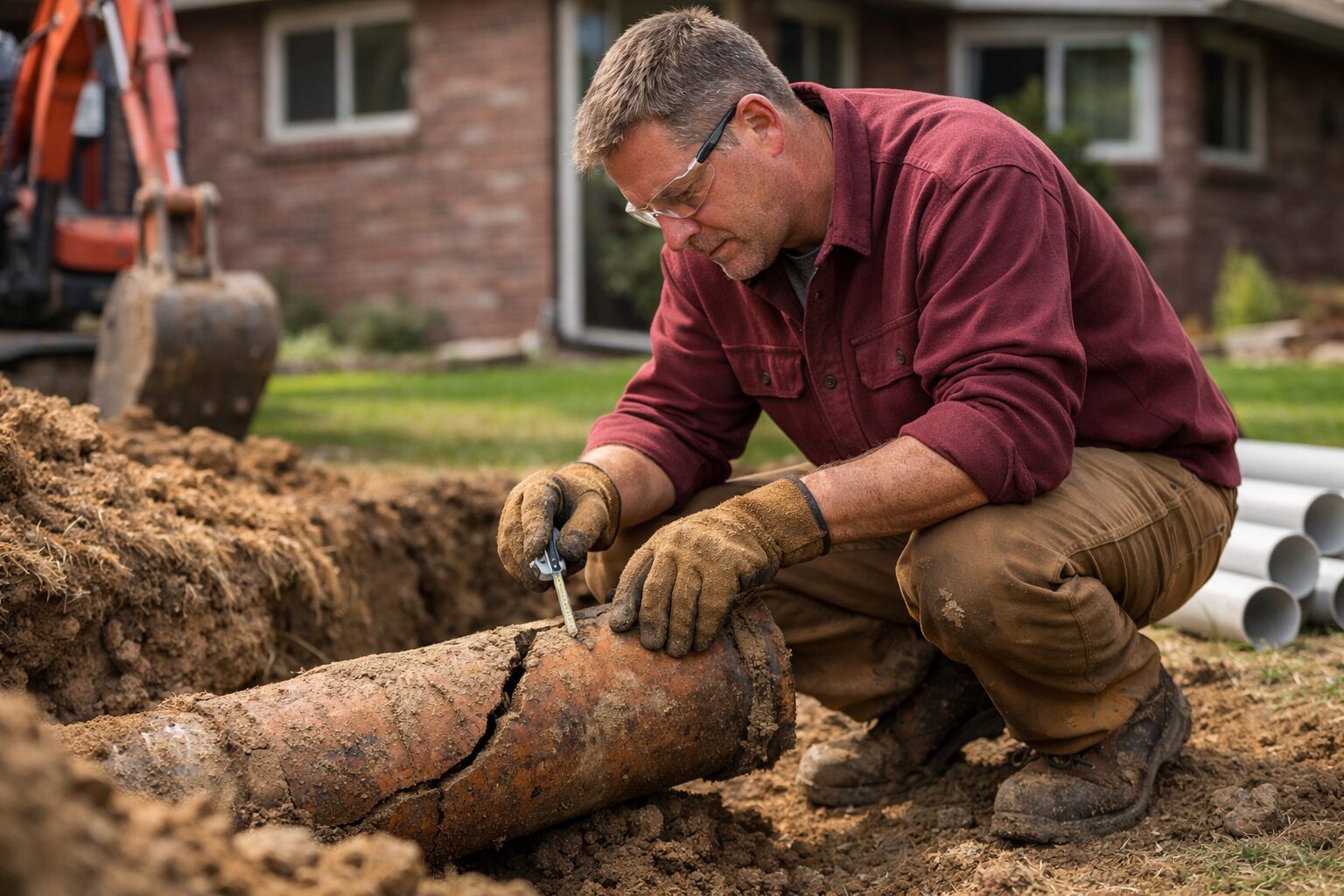
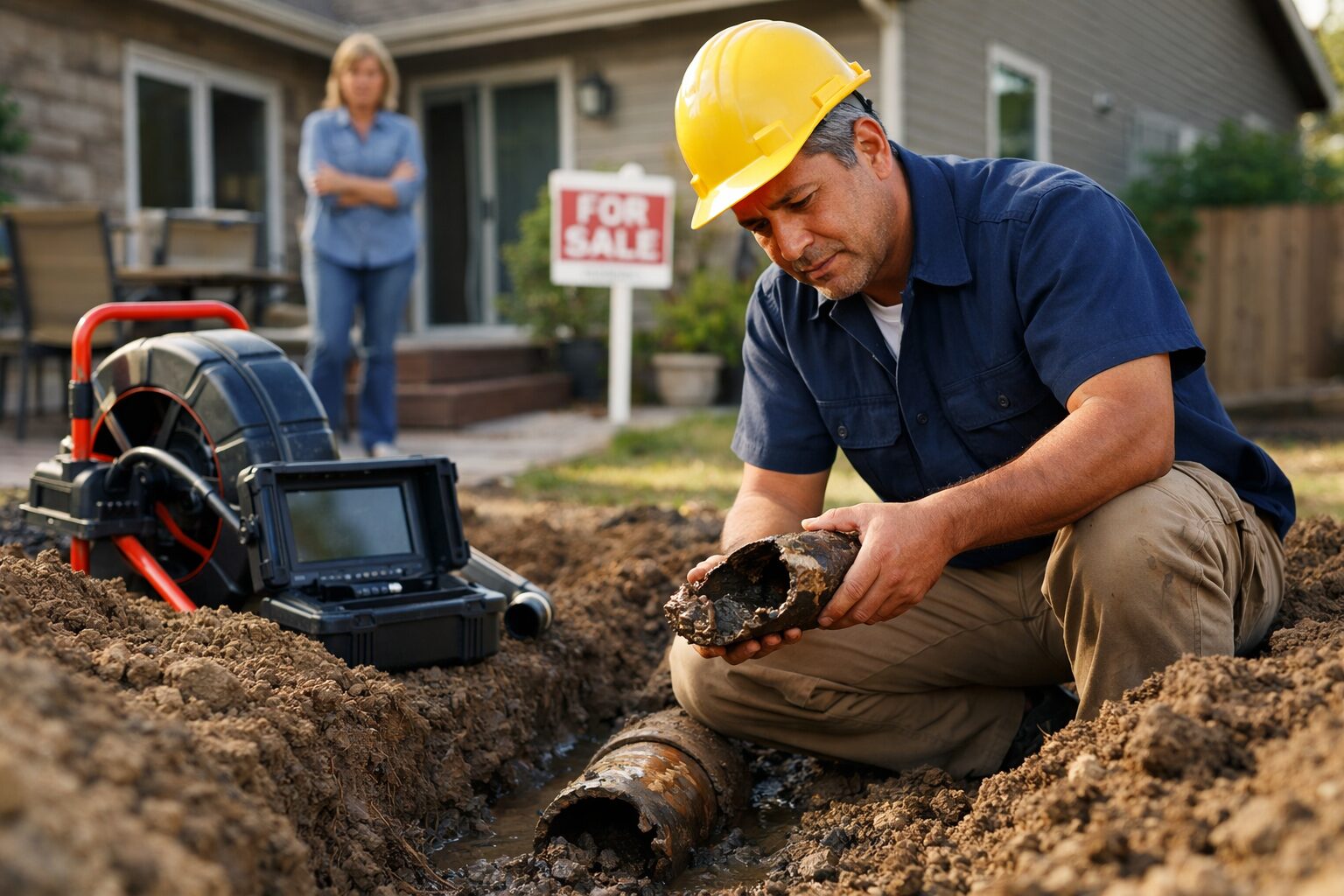
So, what is a sewer line exactly? A sewer line is a pipe that moves waste water from your home to the city sewer system. This main sewer line runs under your yard. It connects all your drains to the public sewer. When you flush a toilet or drain a sink, waste flows through your home’s sewer line system. But most people never think about their sewer line until problems happen. Then, sewer line issues can cause big headaches and cost a lot to fix.

Your main sewer line does important work every single day. It carries all the waste water away from your house. Without a working sewer line, your home would face serious health risks. Plus, sewer line damage can flood your yard with raw sewage. That’s why knowing how sewer systems work helps you catch problems early.

This guide explains what a sewer line does in simple terms. You’ll learn how main sewer lines work. We’ll cover common sewer line problems too. After that, you’ll know when to call Denver sewer repair experts. Most importantly, you’ll understand why sewer line maintenance matters for your home.

Table of Contents

  • What Is a Sewer Line and Its Main Purpose
  • How Main Sewer Lines Work in Your Home
  • What Does a Sewer Line Do Every Day
  • Common Sewer Line Problems Denver Homeowners Face
  • How Sewer Systems Work From House to City

What Is a Sewer Line and Its Main Purpose

A sewer line is a pipe that carries waste water away from your home. This main sewer line connects your house drains to the city sewer system. So, every drain in your home feeds into this one main pipe. The sewer line runs underground from your house to the street. Then it connects to the municipal sewer system.

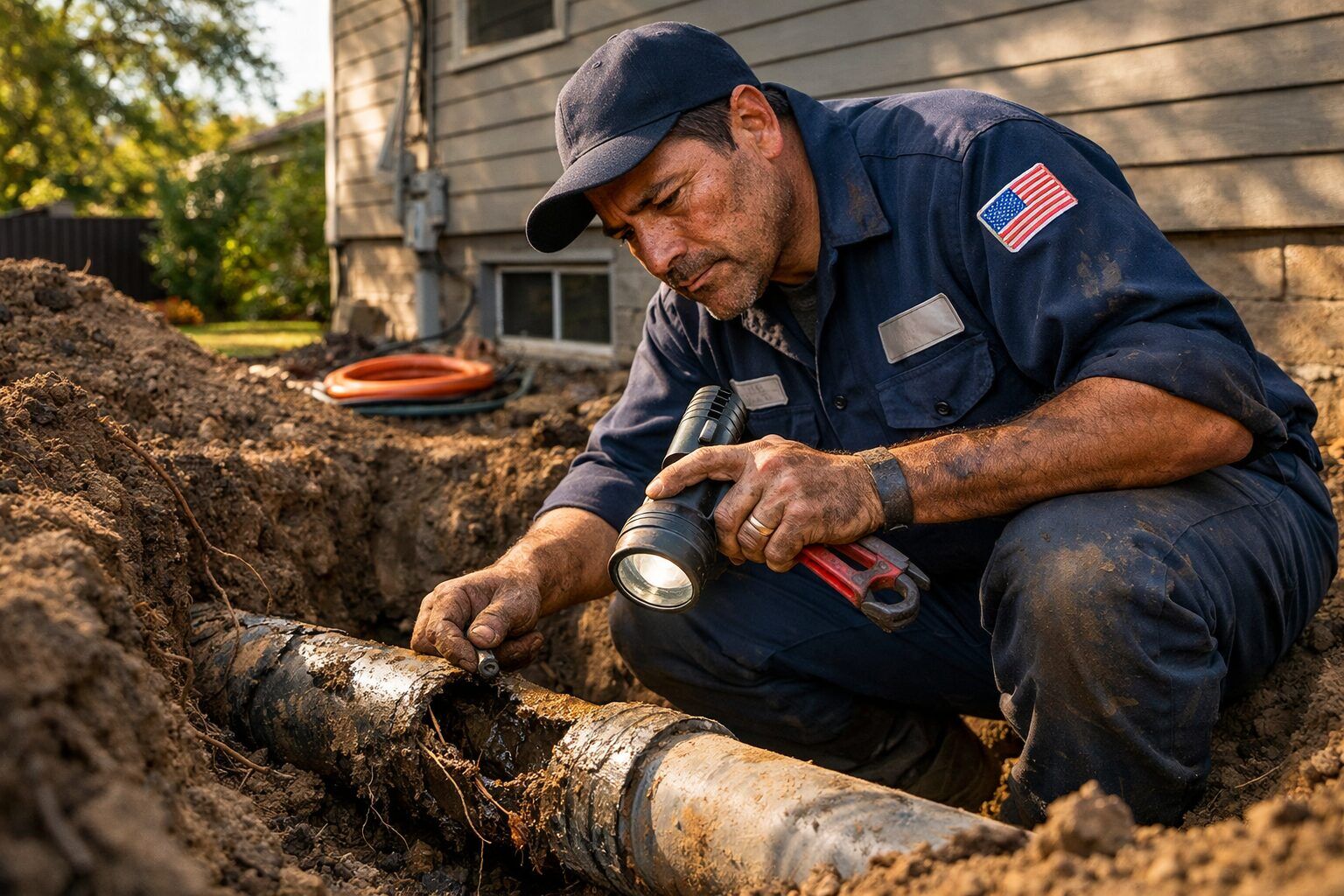
Most sewer lines are made from clay, cast iron, or PVC pipe. Older homes often have clay or cast iron sewer lines. These materials can crack or break down over time. Newer homes use PVC because it lasts longer. But all sewer lines need proper care to work right.

Why Your Main Sewer Line Matters

Your main sewer line handles all the waste water from your home. It carries water from toilets, sinks, showers, and washing machines. Without a working sewer line, waste water has nowhere to go. That means sewage backs up into your house. Plus, broken sewer lines can contaminate your yard and drinking water.

The sewer line slope matters a lot for proper flow. Pipes must slope down at the right angle. This helps gravity move waste water toward the city sewer. If the slope is wrong, waste can get stuck in your sewer line.

Key Takeaway: Your main sewer line is the most important drain pipe in your home because it handles all waste water removal.


How Main Sewer Lines Work in Your Home

Main sewer lines work using gravity to move waste water. When you flush or drain water, it flows down through your home’s drain pipes. All these pipes connect to one main sewer line. Then gravity pulls the waste water down and out to the street.

The typical residential sewer system has several key parts. First, drain pipes inside your home carry waste to the main stack. This vertical pipe runs through your house. Next, the main stack connects to your lateral sewer line. This horizontal pipe runs under your yard to the city sewer main in the street.

Understanding Sewer System Components

Your home sewer system has three main parts. The drain pipes inside your house are the first part. These connect to sinks, toilets, and other fixtures. Second, the main stack is a large vertical pipe. It connects all your drains together. Third, the lateral sewer line runs from your house to the street.

Vent pipes are also crucial for how sewer systems work. These pipes let air into your drain system. Air helps water flow smoothly through sewer lines. Without proper venting, your drains would gurgle and drain slowly.

Tree roots are a common threat to main sewer lines. Roots grow toward water sources like sewer pipes. They can crack pipes and grow inside them. Then waste water can’t flow properly through your sewer line.

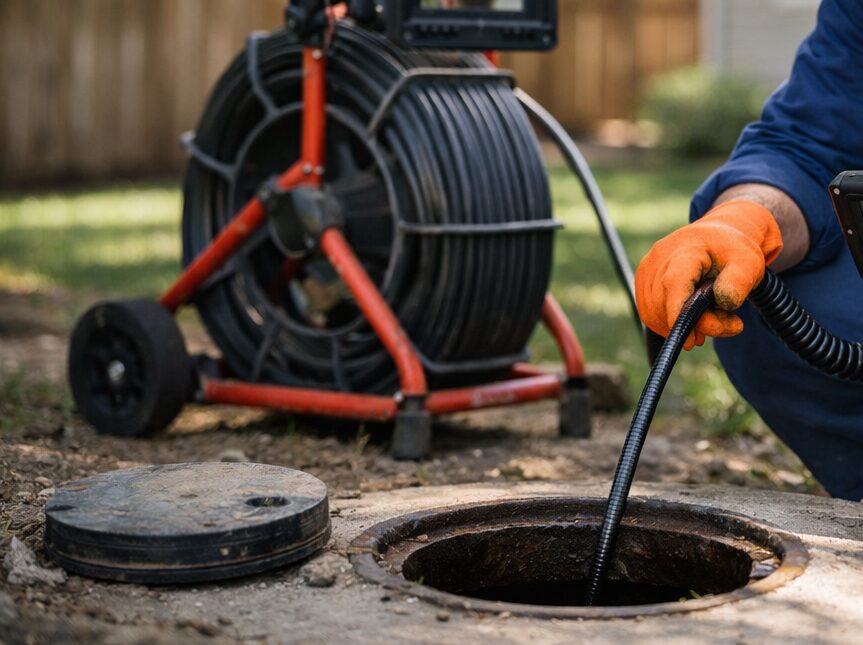
Expert Insight from Marisa Beaver, Denver Sewer Repair Specialist: Most Denver homeowners don’t know their sewer line exists until something goes wrong. But regular sewer line inspections catch problems early. This saves you thousands in emergency repairs. Plus, modern camera technology lets us see inside your sewer line without digging.


What Does a Sewer Line Do Every Day

A sewer line does one main job: it moves waste water away from your home. Every time you use water, that water must go somewhere. So, your sewer line carries it to the city treatment plant. This happens 24 hours a day, seven days a week.

Your main sewer line handles enormous amounts of water. An average family uses 300 gallons of water per day. All that water flows through your sewer line. The pipe must stay clear and undamaged to handle this flow.

Daily Sewer Line Functions

The sewer line transports more than just toilet waste. It also carries water from showers, washing machines, and dishwashers. Kitchen sink waste with food particles flows through it too. Even the water from your bathroom sink goes through your main sewer line.

Grease is a major enemy of sewer lines. When grease cools in pipes, it hardens. Then it blocks water flow through your sewer line. Over time, grease buildup causes complete sewer line blockages. That’s why you should never pour grease down any drain.

Hair and soap scum also affect sewer line function. These materials stick to pipe walls. They slowly reduce the pipe’s diameter. Eventually, your sewer line can’t carry enough water. Then you get slow drains or backups.

Pro Tip: Pour hot water down your drains weekly to help prevent grease buildup in your sewer line.

Our Denver drain cleaning services remove clogs before they become major sewer line problems.


Common Sewer Line Problems Denver Homeowners Face

Denver homeowners face several common sewer line issues. Tree roots cause many sewer line problems in older neighborhoods. Clay pipes are especially vulnerable to root intrusion. Once roots get inside, they grow quickly and block the entire sewer line.

Freezing temperatures can also damage sewer lines in Colorado. When water freezes inside pipes, it expands. This pressure can crack your main sewer line. Deep frost penetration during harsh winters makes this problem worse.

Signs Your Sewer Line Needs Repair

Multiple slow drains indicate a main sewer line problem. If one drain is slow, it’s usually a local clog. But when all your drains are slow, your sewer line likely has a blockage. This is a serious warning sign.

Bad smells coming from drains mean your sewer line isn’t working right. Sewer gas should exit through vent pipes on your roof. If you smell sewage inside, your sewer line might be cracked or blocked.

Sewage backups are the most obvious sewer line problem. Water or waste coming up through drains needs immediate attention. This means your main sewer line is completely blocked or damaged. You need emergency sewer line repair right away.

Wet spots in your yard can signal a broken sewer line. When pipes crack, water leaks into the surrounding soil. You might see grass that’s extra green or soggy areas. These spots often smell bad too.

Common Mistake to Avoid: Many people use chemical drain cleaners for sewer line clogs. But harsh chemicals can damage old pipes and make problems worse.


How Sewer Systems Work From House to City

Understanding how sewer systems work helps you maintain your home. Your lateral sewer line starts at your house foundation. It slopes downward as it crosses your property. At the property line, it connects to the city’s main sewer line.

The municipal wastewater system then carries waste to treatment plants. Treatment removes harmful bacteria and pollutants. Clean water returns to rivers and streams. This process protects public health and the environment.

The Journey of Waste Water

Waste water begins its journey when you use any drain. It flows through your home’s drain pipes first. All these pipes feed into your main sewer line. Gravity pulls the water down and out of your house.

Your lateral sewer line slopes about 1/4 inch per foot. This grade ensures proper flow without being too steep. If the sewer line slope is wrong, waste can’t move properly. Then you get clogs and backups.

City sewer mains are much larger than home sewer lines. They’re built to handle waste from many houses. Pump stations help move sewage when gravity isn’t enough. Eventually, all waste reaches the treatment plant.

Modern sewer line technology has improved waste water management. CIPP lining can repair damaged sewer lines without digging. This trenchless method saves your landscaping. Plus, the new liner lasts 50 years or more.

What Happens at the Treatment Plant

Treatment plants remove solids from sewage first. Then bacteria break down organic waste. Chemical treatments kill harmful germs. Finally, clean water is released safely back into nature.

The treatment process protects your community’s health. It prevents disease from contaminated water. Well-maintained sewer systems make this possible. That’s why your main sewer line matters beyond just your home.

Our trenchless sewer repair services use modern CIPP lining technology to fix sewer lines with minimal yard damage.


Conclusion and Next Steps

Now you know what a sewer line is and how it works. Your main sewer line carries all waste water from your home to the city system. It works using gravity and proper pipe slope. When your sewer line fails, you face sewage backups and health hazards. But regular maintenance prevents most sewer line problems.

Watch for warning signs like slow drains and bad smells. These indicate your sewer line needs attention. Don’t wait for a complete backup to call for help. Early sewer line inspection saves money and stress.

Denver homeowners should have their main sewer line inspected every few years. Older homes with clay or cast iron pipes need more frequent checks. Tree roots and freezing damage are common in Colorado. Professional sewer camera inspection shows exactly what’s happening inside your pipes.

Get Expert Sewer Line Help in Denver

Sewerex has served Denver homeowners for over 20 years. Our team specializes in sewer line repair and replacement. We use modern trenchless technology to fix sewer lines fast. This means less digging and lower costs for you.

Schedule your sewer line inspection today. We’ll check your main sewer line with advanced camera equipment. Then we’ll explain exactly what repairs you need. Our honest pricing and quality work have made us Denver’s trusted sewer experts.

Don’t let sewer line problems damage your home. Call Sewerex at the first sign of trouble. We’re available 24/7 for emergency sewer repairs. Plus, our trenchless methods protect your yard and landscaping.


Frequently Asked Questions

What is a sewer line and where is it located?

A sewer line is a pipe that moves waste water from your home. It runs underground from your house to the street. Then it connects to the city’s main sewer system. Most sewer lines are 4 to 6 inches in diameter. They’re buried 2 to 6 feet deep in your yard.

How do main sewer lines differ from drain pipes?

Main sewer lines carry waste from all your drains to the city sewer. Drain pipes inside your home connect to the main sewer line. So, drain pipes are smaller and only serve individual fixtures. The main sewer line handles your entire home’s waste water.

How often should I inspect my sewer line?

You should inspect your sewer line every 2 to 3 years. Older homes need annual sewer line inspections. Also, inspect after buying a home or before major landscaping. Camera inspections show problems before they become emergencies.

What causes sewer line clogs and backups?

Tree roots cause most sewer line blockages in Denver. Grease buildup and foreign objects also clog sewer lines. Old pipes can collapse and block water flow too. Plus, improper pipe slope leads to waste accumulation.

When should I call a professional for sewer line repair?

Call professionals immediately if you have sewage backups or multiple slow drains. Bad smells from drains also need expert attention. Wet spots in your yard mean your sewer line might be broken. Don’t try to fix main sewer line problems yourself.


Step-by-Step: How to Identify Sewer Line Problems

How to Check Your Sewer Line for Issues:

  1. Run water in all your sinks and watch how fast it drains.
  2. Flush every toilet and listen for gurgling sounds from other drains.
  3. Check your basement floor drains for standing water or backup.
  4. Walk your yard and look for soggy spots or extra green grass.
  5. Smell near floor drains for sewer gas odors inside your home.
  6. Run your washing machine and watch other drains for slow flow.
  7. Note any drains that bubble when you use other fixtures nearby.
  8. Check your water bill for unexplained increases that suggest leaks.
  9. Look for cracks in your foundation that might indicate settling from leaks.
  10. Schedule a professional camera inspection if you notice any warning signs.

Quick Reference: What Is a Sewer Line?

A sewer line is the main pipe that carries all waste water from your home to the city sewer system. It connects every drain, toilet, and fixture in your house. The sewer line uses gravity to move waste water underground from your foundation to the street. Most sewer lines are 4 to 6 inches wide and made from clay, cast iron, or PVC. This crucial pipe handles hundreds of gallons of water daily. When it fails, sewage can back up into your home or leak into your yard.

Local Sewer Line Experts: Why Denver Homeowners Trust Us

Your pipes need local sewer repair Denver experts who know this city. Denver soil causes unique sewer problems. So, our sewer specialists understand how Colorado weather affects your pipes. We’ve done local sewer repair Denver work for over 20 years. Plus, homeowners trust our sewer replacement experts Colorado team. Also, our Denver sewer specialists fix pipes the right way. Many families call us first for emergency plumbing Denver needs. Then, they see why we’re different. Our local sewer repair Denver crew knows your neighborhood. Next, we fix your sewer fast. But we also save you money. After that, your pipes work great for years.

Table of Contents:

  • What Makes Local Sewer Repair Denver Different
  • Signs You Need Sewer Replacement Experts Colorado
  • Our Denver Sewer Specialists Process
  • Emergency Plumbing Denver: 24/7 Response
  • Cost Savings with Local Sewer Repair Denver

What Makes Local Sewer Repair Denver Different

Local sewer repair Denver work needs special knowledge. Denver has clay soil that shifts a lot. So, your sewer pipes move with the ground. But many sewer repair companies don’t know this. Also, Denver’s freeze-thaw cycles crack older pipes. Then, roots grow into these cracks fast. Our local sewer repair Denver team fixes these problems daily. Plus, we know which pipes fail first in your area. Many Denver sewer specialists use old repair methods. Yet, those methods don’t last here. After that, homeowners pay twice for repairs.

Denver’s bentonite clay expands when wet. This clay pressure crushes weak sewer pipes. So, local sewer repair Denver experts must use strong materials. But we also need trenchless technology. Also, traditional dig-and-replace methods destroy yards. Then, you pay thousands extra for landscaping. Our sewer replacement experts Colorado team uses advanced CIPP pipe lining instead. Next, this method saves your lawn. Plus, it costs less than digging. Many homeowners choose this local sewer repair Denver option. Still, some pipes need full replacement. After that, we use the fastest dig methods available.

Why Local Knowledge Matters

Local sewer repair Denver companies know your pipes better. Denver homes built before 1980 have clay pipes. So, these pipes crack easily now. But homes from 1980-2000 have different problems. Also, cast iron pipes rust fast in Denver water. Then, Orangeburg pipes collapse after 50 years. Our Denver sewer specialists identify your pipe type first. Next, we plan the best repair method. Plus, we know which permits Denver requires. Many out-of-state sewer companies don’t understand local codes. Yet, our team handles permits daily. After that, inspections go smoothly.

Expert Insight from Marisa Beaver, Lead Sewer Specialist: “Local sewer repair Denver work taught us one thing. Every neighborhood has unique pipe problems. So, we study each area’s sewer history. But this knowledge saves homeowners thousands. Also, we fix pipes right the first time. Then, families avoid repeat problems for decades.”

Key Takeaway: Local sewer repair Denver experts understand Colorado soil and weather challenges that damage pipes.


Signs You Need Sewer Replacement Experts Colorado

Your drains show when sewer problems start. Slow drains mean partial sewer blockages. So, water backs up in multiple fixtures. But many homeowners ignore these early signs. Also, gurgling sounds signal sewer line problems. Then, sewage smells appear near your foundation. Our sewer replacement experts Colorado team sees these symptoms daily. Plus, wet spots in your yard indicate leaks. Many Denver sewer specialists recommend camera inspections for accurate diagnosis. Next, we find the exact problem location. After that, we show you the video evidence.

Tree roots cause most local sewer repair Denver calls. Roots seek water inside cracked pipes. So, they grow thick mats inside your sewer. But these roots block waste flow completely. Also, roots damage pipes from the outside. Then, the pipe collapses over time. Our Denver sewer specialists remove roots safely. Plus, we seal the cracks roots entered through. Many homeowners need root barriers installed too. Still, severe root damage requires pipe replacement. After that, your sewer works perfectly again.

Emergency Warning Signs

Some symptoms need emergency plumbing Denver help immediately. Sewage backing into your home is dangerous. So, call us right away day or night. But other signs also require fast action. Also, multiple clogged drains signal main line problems. Then, toilet water rises when you run the sink. Our emergency plumbing Denver team responds within 60 minutes. Next, we stop the sewage backup fast. Plus, we protect your home from water damage. Many Denver sewer specialists can’t respond this quickly. Yet, fast action prevents thousands in damage. After that, we schedule permanent repairs.

Local sewer repair Denver problems worsen in spring. Snowmelt saturates Denver’s clay soil. So, ground movement breaks weak pipes then. But fall also brings problems when trees prepare for winter. Also, roots grow aggressively in autumn. Then, pipe damage accelerates rapidly. Our sewer replacement experts Colorado team stays busiest during these seasons. Plus, we stock extra equipment for peak times. Many homeowners call us for preventive inspections. Still, some wait until sewage backs up. After that, emergency repairs cost more than prevention.

Pro Tip: Schedule local sewer repair Denver inspections every three years to catch problems early.


Our Denver Sewer Specialists Process

Our local sewer repair Denver process starts with understanding your problem. We ask detailed questions about your symptoms. So, we arrive prepared with the right tools. But we also review your home’s age and location. Also, we check Denver records for your sewer line. Then, we know what pipe material to expect. Our Denver sewer specialists bring camera equipment to every call. Next, we inspect your entire sewer line thoroughly. Plus, we record the inspection for your records. Many other sewer companies skip this step. Yet, video proof shows exactly what needs fixing. After that, you make informed repair decisions.

Step-by-Step Sewer Repair Process

Our sewer replacement experts Colorado follow proven steps:

  • We inspect your sewer line with professional cameras first
  • Then, we identify all problems and damage locations
  • Next, we explain your repair options in plain language
  • Also, we provide written estimates with no hidden fees
  • After that, we schedule work at your convenience
  • Plus, we complete most local sewer repair Denver jobs in one day
  • Then, we test the repair thoroughly before leaving
  • Next, we clean your property completely
  • Also, we provide video proof that repairs work
  • Finally, we offer written warranties on all sewer work

Camera inspections reveal problems traditional methods miss. Our Denver sewer specialists use high-definition cameras now. So, we see even tiny cracks clearly. But we also measure pipe conditions accurately. Also, we locate problems within inches of their true position. Then, we mark your yard before any digging starts. Many homeowners worry about yard damage from repairs. Yet, our trenchless local sewer repair Denver methods minimize digging. Plus, we restore lawns and landscaping afterward. Still, some repairs require traditional excavation. After that, we make your yard look better than before.

Modern Repair Technology

Technology changed local sewer repair Denver work completely. CIPP lining repairs pipes from inside. So, we don’t dig up your entire yard. But this method only works on structurally sound pipes. Also, pipe bursting replaces old pipes without trenches. Then, we pull new pipe through the old one. Our sewer replacement experts Colorado use both methods. Plus, we recommend the best option for your situation. Many Denver sewer specialists only know traditional methods. Yet, trenchless technology saves homeowners thousands. After that, repairs last 50 years or more.

Common Mistake to Avoid: Never hire local sewer repair Denver companies that don’t use camera inspections first.


Emergency Plumbing Denver: 24/7 Response

Sewage emergencies happen at the worst times. Weekend backups ruin family gatherings. So, holiday problems stress everyone out. But late-night sewage issues are dangerous too. Also, early morning backups make you late for work. Then, you need emergency plumbing Denver help fast. Our Denver sewer specialists answer phones 24/7/365. Next, we dispatch crews within 60 minutes. Plus, we arrive with all needed equipment. Many other sewer companies don’t offer true emergency service. Yet, sewage can’t wait until Monday morning. After that, we fix your problem before more damage occurs.

Our emergency plumbing Denver trucks stay stocked always. We carry pipe sections in all common sizes. So, we complete repairs without delays. But we also have all necessary tools ready. Also, our trucks include powerful drain cleaning equipment. Then, we handle any sewer problem immediately. Many Denver sewer specialists need multiple trips for parts. Yet, extra trips cost you more money and time. Plus, our technicians train constantly on new methods. Still, we use tried-and-true techniques that work. After that, your sewer functions perfectly again.

What to Do During Sewage Emergencies

Stop using all water in your home immediately. Running water makes backups worse fast. So, turn off washing machines and dishwashers. But also tell family members not to flush toilets. Also, don’t try to clean up sewage yourself. Then, bacteria in sewage can make you very sick. Our emergency plumbing Denver team handles cleanup safely. Next, we wear protective equipment during all sewage work. Plus, we sanitize affected areas thoroughly. Many homeowners don’t know proper sewage cleanup procedures. Yet, improper cleanup spreads dangerous bacteria. After that, we prevent health problems from sewage exposure.

Local sewer repair Denver emergencies need documentation for insurance. We photograph all damage before starting work. So, you have proof for insurance claims. But we also provide detailed written reports. Also, we work with your insurance company directly. Then, claims get processed faster and easier. Our sewer replacement experts Colorado understand insurance requirements. Plus, we help maximize your coverage benefits. Many Denver sewer specialists don’t help with insurance. Yet, this support saves homeowners thousands in costs. After that, insurance covers most emergency repair expenses.

What This Means: Emergency plumbing Denver services from local experts save your home from extensive sewage damage.


Cost Savings with Local Sewer Repair Denver

Local sewer repair Denver costs less than you think. Trenchless methods save thousands on landscaping restoration. So, you avoid digging up your entire yard. But you also save on concrete replacement costs. Also, trenchless repairs finish faster than traditional methods. Then, you use your plumbing again sooner. Our Denver sewer specialists give accurate estimates upfront. Next, we never surprise you with hidden fees. Plus, we offer financing for larger sewer projects. Many homeowners worry they can’t afford necessary repairs. Yet, delaying local sewer repair Denver work costs more later. After that, small problems become major failures.

Preventive maintenance costs less than emergency repairs always. Regular inspections catch problems while they’re still small. So, minor repairs prevent major replacements. But many Denver homeowners skip inspections to save money. Also, this short-term thinking costs thousands later. Then, complete pipe collapse requires full replacement. Our sewer replacement experts Colorado recommend inspections every three years. Plus, we offer maintenance plans that include inspections. Many plan members save 20% on all repairs. Still, even without plans, prevention costs less. After that, your sewer stays healthy for decades longer.

Real Cost Comparisons

Traditional dig-and-replace local sewer repair Denver costs $150-$250 per foot. Trenchless CIPP lining costs $80-$150 per foot instead. So, you save $70-$100 per foot immediately. But you also save landscaping restoration costs. Also, concrete driveway replacement costs $8-$12 per square foot. Then, avoiding driveway damage saves thousands more. Our Denver sewer specialists help you choose the most affordable option. Plus, we show you exactly what each method includes. Many sewer companies don’t explain all your choices. Yet, understanding options helps you make smart decisions. After that, you get the best value for your money.

Emergency plumbing Denver calls cost more than scheduled repairs. After-hours service includes trip charges and premium rates. So, daytime repairs save you money. But preventive maintenance saves even more than that. Also, catching problems early means simpler repairs. Then, simple fixes cost hundreds instead of thousands. Our local sewer repair Denver team encourages regular inspections. Plus, inspection costs get credited toward any needed repairs. Many homeowners join our maintenance programs for maximum savings. Still, even one-time inspections provide valuable information. After that, you make repair decisions based on facts.

Key Takeaway: Local sewer repair Denver investments protect your home’s value and prevent costly emergency repairs.


Conclusion and Next Steps

Local sewer repair Denver protects your biggest investment. Your home needs healthy sewer pipes to function properly. So, don’t ignore warning signs of sewer problems. But also schedule regular inspections every three years. Also, choose sewer replacement experts Colorado who use modern methods. Then, your repairs last 50 years or longer. Our Denver sewer specialists provide honest assessments always. Plus, we never pressure you into unnecessary work. Many homeowners trust us because we care about them. Still, sewer problems won’t fix themselves over time. After that, small issues become big emergencies. Now, take action to protect your home today.

Schedule Your Local Sewer Repair Denver Inspection

Contact our Denver sewer specialists for a free sewer inspection. We’ll check your pipes with professional camera equipment. So, you see exactly what’s happening underground. But you’ll also get a detailed written report. Also, we explain all repair options in plain language. Then, you decide what works best for your budget. Our local sewer repair Denver team serves the entire metro area. Plus, we offer emergency plumbing Denver services 24/7. Call Sewerex at (720) 410-2525 for fast help. Many Denver families call us their trusted sewer experts. Yet, we’d love to earn your trust too. Schedule your sewer inspection today and protect your home.


Frequently Asked Questions

How do I know if I need local sewer repair Denver services?

Slow drains signal sewer problems starting. Also, gurgling sounds mean partial blockages. Then, sewage smells indicate serious issues. Plus, wet spots in your yard show leaks. Our Denver sewer specialists can inspect your pipes fast. So, call us when you notice any of these signs.

What makes sewer replacement experts Colorado different from regular plumbers?

Sewer specialists focus only on pipe repair. So, we have specialized equipment and training. But general plumbers handle many different problems. Also, sewer work requires specific licenses in Colorado. Then, our Denver sewer specialists stay current on all regulations. Plus, we handle complex sewer problems daily.

How fast can emergency plumbing Denver teams respond?

We respond within 60 minutes for true emergencies. So, call us immediately when sewage backs up. But we also prioritize calls based on severity. Also, our trucks stay fully stocked with parts. Then, we complete most repairs in one visit. Plus, our Denver sewer specialists work until your problem is fixed.

Will local sewer repair Denver damage my landscaping?

Trenchless methods minimize yard damage significantly. So, most repairs need only small access holes. But full replacements require more digging sometimes. Also, we always restore your yard after work. Then, we bring in topsoil and grass seed. Plus, many homeowners say their yards look better afterward.

When should I call sewer replacement experts Colorado instead of trying DIY fixes?

Call professionals for any backup beyond single fixtures. So, main line problems need expert equipment always. But also call us for recurring drain clogs. Also, tree root problems require professional removal. Then, our local sewer repair Denver team prevents future root damage. Plus, professional help costs less than failed DIY attempts.


Step-by-Step Denver Sewer Repair Process

How to Get Your Local Sewer Repair Denver Done Right:

  • Call our Denver sewer specialists for free phone consultation
  • Then, we schedule your convenient inspection appointment time
  • Next, we inspect your sewer line with professional cameras
  • Also, we show you the video and explain problems
  • After that, we provide written estimates for all repairs
  • Plus, you choose the repair option that fits your budget
  • Then, we schedule work at a time convenient for you
  • Next, our sewer replacement experts Colorado complete the repairs
  • Also, we test everything thoroughly before we leave
  • Finally, we provide written warranties on all our local sewer repair Denver work

Quick Reference: What Is Local Sewer Repair Denver?

Local sewer repair Denver means fixing damaged underground pipes. These pipes carry waste from your home to the city sewer. So, local sewer repair Denver experts use cameras to inspect pipes. But we also use trenchless technology when possible. Also, our Denver sewer specialists understand Colorado soil conditions. Then, we choose repair methods that last longest here. Plus, local companies respond faster than out-of-state contractors.


Additional Resources for Denver Homeowners

Related Sewer Services:

Our sewer replacement experts Colorado handle all pipe problems. Visit our main services page for detailed information. Also, learn about our emergency plumbing Denver response procedures. Plus, check our preventive maintenance programs for cost savings.

Types of Sewer Pipes: Clay, PVC, Cast Iron, and Orangeburg Explained

Types of Sewer Pipes Every Homeowner Should Know

Your home’s sewer pipes carry waste away every day. But do you know what types of sewer pipes are under your property? Most homeowners don’t think about sewer line materials until problems start. Then they face big repair bills.

The types of sewer pipes in your home matter a lot. Different sewer pipe materials have different lifespans. Some types of sewer pipes last 50 years. Others fail in just 30 years. Knowing your sewer line materials helps you plan for the future.

At Sewerex, we work with all types of sewer pipes daily. We serve Denver homes and businesses. Our team has over 20 years of experience with sewer line materials. We’ve seen how different types of sewer pipes perform over time. So we know which sewer pipe materials work best.

This guide covers four main types of sewer pipes. You’ll learn about clay, PVC, cast iron, and Orangeburg sewer lines. Plus, we explain which sewer line materials last longest. Then you can make smart choices about your home’s sewer system repairs.

Table of Contents:

  • Clay Sewer Pipes: The Old Standard
  • PVC Sewer Pipes: Modern and Reliable
  • Cast Iron Sewer Pipes: Heavy-Duty Classic
  • Orangeburg Sewer Pipes: The Problem Material
  • Comparing Lifespan of Sewer Pipes by Material

Clay Sewer Pipes: The Old Standard for Underground Lines

Clay sewer pipes were the top choice for decades. Most homes built before 1950 have clay sewer line materials. These types of sewer pipes are made from baked clay. Then they’re glazed to help water flow smoothly.

So how long do clay types of sewer pipes last? The EPA reports that clay sewer systems can work for 50 to 60 years. But many clay sewer line materials start breaking down sooner. Tree roots love clay sewer pipes. They grow into the joints between pipe sections.

Clay types of sewer pipes have some good points. They resist chemicals well. Drain cleaners won’t hurt clay sewer line materials. Plus, clay sewer pipes don’t rust like metal types.

Problems With Clay Sewer Line Materials

But clay types of sewer pipes also have big problems. First, they break easily. Clay sewer line materials crack when the ground shifts. Heavy vehicles driving overhead can crush clay sewer pipes.

Next, tree roots invade clay types of sewer pipes fast. The joints between sections let roots in. Once roots get into clay sewer line materials, they grow thick. Then your clay sewer pipes get clogged. Water backs up into your home.

Also, clay types of sewer pipes are heavy. This makes clay sewer line materials hard to install. Workers need special equipment for clay sewer pipes. Repairs cost more because of the weight.

Key Takeaway: Clay sewer pipes last 50-60 years but break easily and attract tree roots through their joints.

Expert Insight from Marisa Beaver, President of Sewerex: “We see clay sewer pipes in most older Denver homes. The biggest issue with clay sewer line materials is tree root invasion. Once roots get into clay types of sewer pipes, you need professional help. Our video inspection services show exactly where clay sewer pipes are failing.”


PVC Sewer Pipes: Modern Plastic Sewer Line Materials Win

PVC sewer pipes changed everything in the 1970s. These plastic types of sewer pipes are light and strong. PVC sewer line materials cost less than other options. Plus, PVC sewer pipes last a very long time.

Most new homes today use PVC types of sewer pipes. The lifespan of sewer pipes made from PVC is impressive. According to the Plastics Pipe Institute research, PVC sewer line materials can last over 100 years. That’s twice as long as clay sewer pipes.

PVC types of sewer pipes resist tree roots better than clay. The smooth joints in PVC sewer line materials keep roots out. Chemicals don’t damage PVC sewer pipes either. So drain cleaners are safe to use.

Why PVC Beats Other Types of Sewer Pipes

PVC sewer line materials are easy to install. They’re light, so workers move them quickly. This means lower labor costs for PVC types of sewer pipes. Plus, PVC sewer pipes connect with special glue. No heavy equipment is needed.

The smooth inside of PVC sewer line materials helps too. Waste flows easily through PVC types of sewer pipes. Clogs happen less often in PVC sewer pipes. When you do get a blockage, it’s easier to clear.

PVC sewer line materials also handle temperature changes well. They flex slightly when the ground freezes. This keeps PVC types of sewer pipes from cracking. Cast iron and clay sewer pipes can’t do this.

Pro Tip: Choose Schedule 40 PVC for residential sewer lines – it’s the perfect balance of strength and cost for most homes.

But PVC types of sewer pipes do have limits. Very hot water can soften PVC sewer line materials over time. Also, UV light from the sun damages exposed PVC sewer pipes. So always bury PVC sewer line materials completely.

PVC vs Cast Iron Sewer Pipe Comparison

Many homeowners ask about PVC vs cast iron sewer pipe options. Both types of sewer pipes work well. But PVC sewer line materials cost much less. Installing PVC types of sewer pipes is faster too.

Cast iron sewer pipes are quieter than PVC. Water flowing through cast iron sewer line materials makes less noise. But for underground use, this doesn’t matter much. Most sewer line materials are buried deep anyway.

The lifespan of sewer pipes matters most. PVC sewer line materials outlast cast iron types. PVC types of sewer pipes can reach 100 years. Cast iron sewer pipes typically last 50-75 years. So PVC sewer line materials win for longevity.


Cast Iron Sewer Pipes: Heavy-Duty Metal Sewer Line Materials

Cast iron sewer pipes dominated from 1900 to 1970. These metal types of sewer pipes are incredibly strong. Cast iron sewer line materials can handle heavy loads above ground. Many commercial buildings still use cast iron sewer pipes.

The lifespan of sewer pipes made from cast iron is good. Most cast iron sewer line materials last 50 to 75 years. Some cast iron types of sewer pipes reach 100 years. But this depends on water quality and soil conditions.

Cast iron sewer pipes have thick walls. This makes cast iron sewer line materials very durable. They won’t break if a car drives overhead. Cast iron types of sewer pipes also reduce noise well. Water flowing through them is quiet.

Downsides of Cast Iron Sewer Line Materials

But cast iron sewer pipes have serious problems too. First, they rust from the inside out. Water and waste corrode cast iron sewer line materials slowly. After 50 years, many cast iron types of sewer pipes have thin spots. Then they start leaking.

Next, cast iron sewer pipes are extremely heavy. This makes cast iron sewer line materials expensive to install. Workers need special equipment for cast iron types of sewer pipes. Labor costs are higher than with PVC sewer line materials.

Also, cast iron sewer line materials can collapse. As they rust, cast iron sewer pipes get weaker. The weight of soil above presses down. Eventually, old cast iron types of sewer pipes cave in. Then you need complete replacement.

Common Mistake to Avoid: Don’t assume cast iron pipes are fine just because they’re old – have them inspected after 50 years to catch problems early.

Tree roots also attack cast iron sewer pipes. They grow into joints between cast iron sewer line materials. Once roots get inside cast iron types of sewer pipes, they’re hard to remove. The rough, corroded inside of cast iron sewer pipes gives roots places to grip.

When Cast Iron Types of Sewer Pipes Make Sense

Despite the problems, cast iron sewer line materials still have uses. High-rise buildings often need cast iron sewer pipes. The types of sewer pipes in tall buildings must be very strong. Cast iron sewer line materials handle the pressure.

Also, some building codes require cast iron types of sewer pipes. Check local regulations before choosing sewer line materials. Your city might mandate cast iron sewer pipes for certain applications.

For most homes, though, PVC sewer line materials work better. They cost less than cast iron types of sewer pipes. Plus, PVC sewer pipes last longer and resist corrosion.


Orangeburg Sewer Pipes: The Problematic Fiber Sewer Line Materials

Orangeburg sewer pipes were popular from 1945 to 1972. These unusual types of sewer pipes are made from wood fibers. Manufacturers mixed the fibers with tar. Then they pressed everything into pipe shapes.

Why did builders use Orangeburg sewer line materials? After World War II, metal was scarce. Orangeburg types of sewer pipes filled the gap. They were cheap and easy to install. Thousands of homes got Orangeburg sewer pipes.

But the lifespan of sewer pipes made from Orangeburg is terrible. Most Orangeburg sewer line materials fail in 30 to 50 years. Many Orangeburg types of sewer pipes collapse even sooner. Today, experts consider Orangeburg sewer pipes a serious problem.

Why Orangeburg Sewer Line Materials Fail Fast

Orangeburg sewer pipes have major weaknesses. First, they absorb water over time. Wet Orangeburg sewer line materials become soft. Then the types of sewer pipes start to sag. Eventually, Orangeburg sewer pipes collapse completely.

Next, tree roots easily penetrate Orangeburg sewer line materials. The soft fiber allows roots to push through. Once inside Orangeburg types of sewer pipes, roots grow fast. This blocks the entire Orangeburg sewer pipe system.

Also, Orangeburg sewer pipes deform under pressure. The soil weight above flattens Orangeburg sewer line materials. This changes the shape of these types of sewer pipes. Water can’t flow properly through deformed Orangeburg sewer pipes.

What This Means for Homeowners: If your home was built between 1945-1972, you likely have Orangeburg pipes that need replacement soon.

Chemicals damage Orangeburg sewer line materials too. Strong drain cleaners eat away at Orangeburg types of sewer pipes. Even normal sewage breaks down Orangeburg sewer pipes over time. The tar coating wears off Orangeburg sewer line materials.

Signs Your Home Has Orangeburg Sewer Line Materials

How do you know if you have Orangeburg types of sewer pipes? First, check when your home was built. Houses from 1945 to 1972 often have Orangeburg sewer line materials. Second, look for frequent backups. Collapsing Orangeburg sewer pipes cause constant drain problems.

Slow drains throughout your home signal Orangeburg sewer line materials too. As Orangeburg types of sewer pipes deform, water flows poorly. Also, you might see soggy spots in your yard. Leaking Orangeburg sewer pipes create wet areas above them.

If you suspect Orangeburg sewer line materials, get an inspection fast. Our team at Sewerex uses camera inspection technology to check types of sewer pipes. We can see if you have failing Orangeburg sewer pipes.

Replacing Orangeburg Types of Sewer Pipes

Don’t wait if you have Orangeburg sewer line materials. These types of sewer pipes will fail. It’s not a question of if but when. Replacing Orangeburg sewer pipes now prevents bigger problems later.

Modern replacement options beat Orangeburg sewer line materials completely. PVC types of sewer pipes are the best choice. They last three times longer than Orangeburg sewer pipes. Plus, PVC sewer line materials resist all the problems that destroy Orangeburg types.

At Sewerex, we specialize in replacing old sewer lines. Our trenchless methods can replace Orangeburg sewer line materials without tearing up your yard. We’ve helped hundreds of Denver homeowners upgrade from Orangeburg types of sewer pipes to modern PVC sewer line materials.


Comparing Lifespan of Sewer Pipes by Material Type

Understanding the lifespan of sewer pipes helps you plan ahead. Different types of sewer pipes have very different life expectancies. Let’s compare all the major sewer line materials side by side.

Clay sewer pipes last about 50 to 60 years. But tree roots often damage clay sewer line materials sooner. Ground movement can crack clay types of sewer pipes early too. So actual clay sewer pipe lifespan varies a lot.

PVC sewer line materials have the longest lifespan. These modern types of sewer pipes can last over 100 years. PVC sewer pipes resist corrosion completely. Plus, PVC sewer line materials handle ground movement well.

Cast Iron and Orangeburg Sewer Pipe Lifespans

Cast iron sewer pipes typically last 50 to 75 years. Some cast iron sewer line materials reach 100 years in perfect conditions. But rust shortens the life of most cast iron types of sewer pipes. Water quality affects how long cast iron sewer line materials survive.

Orangeburg sewer pipes have the shortest lifespan by far. Most Orangeburg sewer line materials fail in 30 to 50 years. Many Orangeburg types of sewer pipes collapse even sooner. No Orangeburg sewer pipe should still be in use today.

Expert Insight: The lifespan of sewer pipes depends on installation quality too. Properly installed PVC or cast iron sewer line materials last much longer. Poor installation can cut the life of any types of sewer pipes in half.

Factors That Affect Sewer Line Materials Lifespan

Several things change how long types of sewer pipes last. First, soil conditions matter. Acidic soil corrodes some sewer line materials faster. Clay and cast iron sewer pipes suffer most from bad soil.

Next, tree roots impact the lifespan of sewer pipes significantly. Large trees near sewer line materials cause problems. Roots seek water in all types of sewer pipes. Clay and Orangeburg sewer pipes are most vulnerable.

Also, how you use your sewer line materials affects their life. Flushing harsh chemicals damages some types of sewer pipes. Orangeburg sewer line materials break down fastest from chemical exposure. PVC sewer pipes handle chemicals best.

The quality of installation matters too. Well-installed types of sewer pipes last their full expected life. But rushed work shortens sewer line materials lifespan. Always hire experienced pros for any sewer pipe work.


Conclusion: Choose the Right Sewer Line Materials for Your Home

Now you know about all the major types of sewer pipes. Clay sewer line materials were the old standard. PVC types of sewer pipes are the modern choice. Cast iron sewer pipes offer durability. And Orangeburg sewer line materials should be replaced immediately.

For new installations, PVC sewer pipes make the most sense. These sewer line materials last longest and cost least. The lifespan of sewer pipes made from PVC beats all other types. Plus, PVC sewer line materials resist the problems that plague other sewer pipes.

If your home has old clay or cast iron types of sewer pipes, plan for replacement. These sewer line materials have served you well. But after 50 years, all sewer pipes need upgrading. Don’t wait until they fail completely.

Most importantly, get your sewer line materials inspected regularly. Knowing which types of sewer pipes you have helps you prepare. Then you can budget for replacement before problems start.

Ready to Upgrade Your Old Sewer Pipes?

At Sewerex, we work with all types of sewer pipes daily. Our team has replaced thousands of sewer line materials across Denver. We know which sewer pipes work best for Colorado homes. Plus, our trenchless methods save you money on installation.

Don’t wait until your old sewer line materials fail. Schedule your  sewer inspection today. We’ll check which types of sewer pipes you have. Then we’ll recommend the best sewer line materials for your situation. Our 5-year warranty covers all sewer pipe work.

Call Sewerex now at (720) 663-7473. We serve Denver and all surrounding areas. Let us help you choose the right types of sewer pipes for your home. Your sewer line materials are too important to ignore.


Frequently Asked Questions About Types of Sewer Pipes

What are the most common types of sewer pipes in older homes?

Older homes typically have clay or cast iron sewer line materials. Homes built before 1950 usually have clay sewer pipes. Houses from 1950 to 1970 often have cast iron types. Also, homes from 1945 to 1972 might have Orangeburg sewer line materials. So you should get an inspection to confirm which sewer pipes you have.

How long does PVC pipe last compared to other sewer line materials?

PVC sewer pipes can last over 100 years with proper installation. This beats clay sewer line materials by 40-50 years. PVC also outlasts cast iron types of sewer pipes by 25-50 years. Plus, PVC sewer line materials last three times longer than Orangeburg sewer pipes. So PVC is the longest-lasting option for residential sewer lines.

What causes cast iron sewer pipes to fail over time?

Cast iron sewer line materials rust from the inside out over decades. Water and waste corrode these types of sewer pipes slowly. After 50 years, thin spots develop in cast iron sewer pipes. Tree roots also invade through corroded joints in cast iron sewer line materials. Plus, the weight of soil eventually crushes weakened cast iron types of sewer pipes.

Should I replace Orangeburg sewer pipes even if they’re working?

Yes, replace Orangeburg sewer line materials as soon as possible. These types of sewer pipes are already past their expected lifespan. Orangeburg sewer pipes can collapse suddenly without warning. So waiting for problems costs more in emergency repairs. Modern PVC sewer line materials are much more reliable and last decades longer.

When should I call a professional about my sewer line materials?

Call a sewer pro if you notice slow drains in multiple fixtures. Also, contact experts when you see soggy spots in your yard. Sewage smells inside or outside mean your types of sewer pipes need inspection. Plus, if your home is over 50 years old, schedule a professional video inspection of your sewer line materials. Early detection saves thousands in repair costs.


Step-by-Step Guide: How to Check Your Sewer Pipe Type

How to Identify Which Types of Sewer Pipes You Have:

  1. Check your home’s building records for sewer line materials documentation
  2. Look at your home’s construction year to narrow down pipe types
  3. Inspect any exposed sewer pipes in your basement or crawl space
  4. Note the color and material of visible sewer line materials
  5. Call a pro for video camera inspection of buried sewer pipes
  6. Review inspection footage to see exact types of sewer pipes underground
  7. Ask the technician about the condition of your sewer line materials
  8. Get a written report on your sewer pipe type and condition
  9. Discuss replacement options if you have failing types of sewer pipes
  10. Plan your budget for upgrading old sewer line materials to modern PVC

Quick Reference: What Are Types of Sewer Pipes?

Types of sewer pipes are the different materials used for underground waste lines. The four main sewer line materials are clay, PVC, cast iron, and Orangeburg. Clay sewer pipes were used before 1950 and last 50-60 years. PVC types of sewer pipes are modern plastic that lasts 100+ years. Cast iron sewer line materials are heavy metal pipes lasting 50-75 years. Orangeburg sewer pipes are fiber-based and only last 30-50 years. Each type has different strengths and weaknesses for residential sewer systems.

How to Find Sewer Line on Your Property Fast (2026 Guide)

Introduction

Do you need to find sewer line pipes on your property? Most homeowners face this challenge at some point. You might need to find your sewer line for repairs. Or you may want to plan landscaping work. Either way, knowing how to find sewer line locations saves time and money.

So, locating your sewer cleanout is the first step. But many people don’t know where to start. The good news? You can find sewer line pipes yourself. Plus, we’ll show you when to call a sewer line location service.

This guide helps Denver homeowners find their sewer lines. We cover simple methods you can try first. Then we explain when professional help makes sense. After reading this, you’ll know exactly how to find sewer line pipes on your property. You’ll also learn how to avoid costly damage to underground utilities.


Table of Contents

  • How to Find Sewer Line Cleanout Access Points
  • Locating Sewer Cleanout: Indoor vs Outdoor Methods
  • Find Sewer Line in Yard Using Property Records
  • Professional Sewer Line Location Service Options
  • Tools to Help You Find Sewer Line Pipes Safely

How to Find Sewer Line Cleanout Access Points

Your sewer cleanout is your best starting point. This access point shows where your sewer line begins. Most homes have at least one cleanout. So, finding it first makes the rest easier.

Look for a round or square cap first. These caps are usually white or black. The cap sits on a short pipe. This pipe sticks up from the ground. It’s often near your home’s foundation.

Check your basement or crawl space next. Many older homes have indoor cleanouts. Look along the walls near floor drains. The cleanout might be in a concrete floor. Also, check utility rooms and laundry areas.

Common Sewer Cleanout Locations

Now let’s check the most common spots. First, walk around your home’s perimeter. Look within 5-10 feet of the foundation. The sewer cleanout is often on the street-facing side. This makes sense because sewer lines run to the street.

But some homes differ from this pattern. Then you might find your sewer cleanout in the back yard. Older properties sometimes have unusual layouts. So, check all sides of your house carefully.

The cleanout cap usually has a square fitting. This fitting lets you open the cap. Some caps say “sewer” or “cleanout” on top. If you find this, you’ve found your starting point.

Expert Insight from Marisa Beaver, Sewerex Owner: Most Denver homes built after 1980 have exterior cleanouts. But older properties may only have indoor access. When you can’t locate your sewer cleanout, we use camera equipment. This helps us map the entire line path.


Locating Sewer Cleanout: Indoor vs Outdoor Methods

Indoor and outdoor searches need different approaches. So, let’s cover both methods. This helps you find sewer line access fast.

For indoor searches, start in the basement. Look for a white or black pipe cap near the floor. The pipe usually measures 3-4 inches across. Also, check behind storage or furniture. Homeowners often hide cleanouts accidentally.

Outdoor searches take more effort. But they often succeed when indoor searches fail. Walk your property in a grid pattern. Look for small pipes sticking up. These pipes are usually 6-12 inches tall. They have caps on top.

Steps for Finding Underground Sewer Lines

First, check your property survey. This document shows utility locations. You received it when buying your home. If you can’t find it, contact your county office. They keep records of all property surveys.

Next, mark any visible cleanouts you find. Use flags or spray paint. This creates a starting point. Then you can trace the line path. The sewer line runs from your cleanout. It goes toward the street in most cases.

Also, look for clues in your landscaping. Sewer lines often show up as sunken areas. Or you might see a line of greener grass. This happens because the pipe provides moisture. Dead grass patches can signal problems though.

Use a metal detector if needed. This tool finds metal pipes underground. Most older sewer lines contain some metal. Run the detector in straight lines. Work from your house toward the street. Mark any signals you get.

Pro Tip: Call 811 before any digging. This free service marks all underground utilities. It prevents damage to gas, electric, and water lines.


Find Sewer Line in Yard Using Property Records

Property records help you find sewer line locations accurately. These documents show where builders installed pipes. So, getting your records saves guesswork.

Start with your home’s original blueprints. These plans show all utility placements. Contact your builder if you have them. Or check with your local building department. They keep copies of all permitted work.

Your property’s plat map also helps. This map shows lot boundaries and easements. It marks where utilities enter your property. Most county offices provide these maps. Some are available online now.

Using As-Built Drawings to Locate Pipes

As-built drawings are the most accurate records. These show exactly where workers installed pipes. They include depth measurements too. So, you can find sewer line pipes precisely.

Request these drawings from your city. The building department keeps all plumbing permits. Each permit includes installation details. Some cities charge small fees for copies. But the information is worth it.

Our professional camera inspection services create modern as-built records. We map your entire sewer line path. Then we provide you with detailed diagrams. This helps with future maintenance planning.

Also, check for utility easements. These are areas reserved for utility access. Your sewer line often runs through easements. The location is marked on your property deed. Review your deed at the county recorder’s office.

Common Mistake to Avoid: Never assume sewer lines run straight. Many properties have unusual layouts. Trees, rocks, or slopes change pipe paths. Always verify locations before digging.


Professional Sewer Line Location Service Options

Sometimes DIY methods aren’t enough to find sewer line pipes. That’s when professional help makes sense. A sewer line location service has specialized equipment. They locate pipes fast and accurately.

Professional locators use electronic detection equipment. This equipment sends signals through pipes. Then it maps the exact path. The process takes 30-60 minutes usually. Plus, it’s non-invasive and safe.

Camera inspection is another professional option. We insert a camera into your cleanout. The camera travels through your sewer line. It shows the complete pipe path. You also see the pipe’s condition.

When to Call Sewer Line Location Experts

Call professionals if you can’t find your cleanout. Also call if property records aren’t available. Or if you need exact depth measurements. These situations need professional tools.

Emergency repairs need fast location services. So, don’t wait if you have backups. We respond quickly to locate problem areas. Then repairs can start immediately.

Pre-construction projects also benefit from professional locating. Planning a deck, pool, or addition? Then you must know pipe locations first. Our trenchless sewer repair technology can reroute lines if needed. This prevents future access problems.

At Sewerex, we offer complete sewer line location service. Our team serves Denver and surrounding areas. We’ve helped homeowners for over 20 years. So, we know local pipe layouts well.

Expert Insight from Marisa Beaver: Ground penetrating radar works best for deep lines. We use this technology in Denver’s rocky soil. It locates pipes up to 15 feet deep. This beats traditional metal detectors every time.


Tools to Help You Find Sewer Line Pipes Safely

The right tools make locating easier and safer. So, gather these supplies before starting. Most items are inexpensive and reusable.

A basic metal detector costs $50-$200. Choose one that detects iron and copper. These metals are common in sewer pipes. The detector beeps when it finds metal. This helps you trace the pipe path.

Marking flags help you map findings. Buy bright colors that stand out. Place flags where you detect the line. This creates a visual path. You can then measure distances accurately.

Essential Location Equipment

A long probe rod helps verify depth. Push it gently into soft ground. Stop when you hit something solid. This might be your sewer line. Probes work best in loose soil though.

A hand auger digs small test holes. These holes let you visually confirm pipe location. Dig carefully near suspected spots. Stop digging when you see pipe material. Then fill the hole to prevent hazards.

Get our professional drain cleaning services if you find blockages. Don’t try to clear major clogs yourself. Professional equipment clears lines without damage. Plus, we inspect while cleaning.

A tape measure helps you map distances. Measure from your house to each flag. Write down these measurements. This creates a reference map. Keep this map with your home documents.

Key Takeaway: Safety equipment matters most. Wear gloves when touching cleanouts. Use eye protection near pipes. Call 811 before any digging.


Conclusion and Next Steps

Now you know how to find sewer line locations on your property. Start with your cleanout search. Use property records next. Then try detection tools if needed. Finally, call professionals when DIY methods don’t work.

Remember to mark your findings carefully. Keep records of what you discover. This information helps with future maintenance. So, document everything as you go.

The most important step is calling 811 first. This prevents utility damage. Plus, it’s free and required by law. Don’t skip this crucial safety step.

Schedule Your Sewer Line Location Service Today

Need help locating your sewer line in Denver? Sewerex provides expert sewer line location and inspection services. Our team uses advanced detection equipment. We map your complete sewer system accurately.

We’ve served Denver homeowners for over 20 years. Our CIPP lining technology repairs without digging. Plus, we offer emergency services 24/7. Contact Sewerex today at (720) 664-8988. Let us help you find your sewer line fast and safely.


Frequently Asked Questions

How do I find my sewer line without digging?

You can find sewer line pipes without digging first. Use a metal detector to trace the path. Also check property records for pipe locations. Professional camera inspection works best though. It maps pipes without any excavation.

Where is the sewer cleanout usually located on a property?

Most sewer cleanouts sit near the foundation. They’re often on the side facing the street. But some homes have cleanouts in basements. Check within 5-10 feet of your house. Look for a white or black cap.

Can I use a metal detector to find my sewer line?

Yes, metal detectors work for many sewer lines. Older pipes contain metal that detects easily. Run the detector from house to street. Mark all signals you receive. Then verify with a probe rod.

How much does a sewer line location service cost in Denver?

Professional sewer line location service costs $200-$400 typically. The price depends on property size though. Camera inspection adds $150-$300 more. But you get accurate maps and condition reports. This prevents costly digging mistakes later.

What should I do after I find my sewer line?

Mark the location permanently after finding your line. Take photos and measurements. Update your property records with this information. Then schedule regular inspections every 3-5 years. This prevents major problems from developing.


Step-by-Step Process

How to Locate Your Complete Sewer Line System:

  1. Find your main sewer cleanout near the foundation.
  2. Check property records and building permits for pipe maps.
  3. Call 811 to mark all underground utilities safely first.
  4. Use a metal detector to trace the path.
  5. Place marking flags where you detect the line clearly.
  6. Measure distances from your house to each flag point.
  7. Take photos of all cleanout locations you find.
  8. Create a simple map with all measurements included.
  9. Store this information with your home maintenance records.
  10. Schedule professional camera inspection to verify your sewer line path.

Quick Reference: What Is a Sewer Line?

A sewer line is the main pipe carrying waste from your home. It connects all your drains to the city sewer. Or it goes to your septic tank instead. This pipe runs underground from your foundation. Most sewer lines measure 4-6 inches in diameter. They slope downward toward the street connection point.


Additional Resources for Denver Homeowners

Related Sewer Line Services:

Top 10 Signs of a Collapsed Sewer Line (And What to Do Next)

Your home depends on a working sewer line. But sewer lines can fail. So you need to know the signs of collapsed sewer line problems. Then you can act fast. Plus, quick action saves you money. It also protects your home from major damage.

I’m Marisa Beaver. I founded Sewer Experts in Denver. We help homeowners with sewer line problems every day. After 20 years in utilities, I know sewer emergencies. Also, I’ve seen what happens when people wait too long. Now, I want to help you spot the signs early.

This guide shows you the top 10 signs of collapsed sewer line issues. You’ll learn what each sign means. Plus, you’ll know what to do next. Most importantly, you’ll protect your Denver home from expensive repairs.


Table of Contents

  • Signs of Collapsed Sewer Line: Multiple Drains Back Up
  • Broken Drain Pipe Symptoms: Sewage Odors in Your Home
  • Sewer Line Failure Denver: Soggy Patches in Your Yard
  • Colorado Sewer Emergency: Gurgling Sounds from Drains
  • Signs of Collapsed Sewer Line: Slow Draining Throughout House
  • Foundation Cracks and Settling Issues
  • Lush Green Patches in Your Lawn
  • Increased Pest Activity Around Your Home
  • Sewage Backup in Basement or Lower Drains
  • Mold Growth on Walls and Ceilings
  • What to Do When You Spot These Signs
  • FAQ: Collapsed Sewer Line Questions

Signs of Collapsed Sewer Line: Multiple Drains Back Up

Multiple drains backing up at once means trouble. This is one of the clearest signs of collapsed sewer line problems. So pay attention when it happens.

Your home’s drain system connects to one main sewer line. All your sinks, toilets, and tubs drain into this line. When the sewer line collapses, nothing can drain properly. Thus, water backs up in multiple places at the same time.

You’ll notice this pattern first. The lowest drains in your home back up before others. Basement floor drains fill with water. Then the problem spreads upward. Next, your first-floor toilet won’t flush. After that, your bathroom sink fills with water. Also, your shower drain stops working.

This differs from a simple clog. A clog affects just one drain. But a collapsed sewer line affects every drain in your house. For example, when you flush the toilet, water comes up in the shower. Or you run the washing machine, and the basement drain overflows.

Why This Happens

Collapsed sewer lines create a physical barrier. Sewage can’t flow past the collapsed section. So it has nowhere to go but back up into your home. The official Denver sewer regulations require that homeowners maintain their sewer lines from the house to the main city line.

Tree roots often cause this collapse. They grow into small cracks in the pipe. Then they expand and crush the pipe completely. Also, old pipes simply wear out over time. Cast iron and clay pipes deteriorate after 50 years or more.

Key Takeaway: Multiple drains backing up at once means your main sewer line has failed. Don’t wait. Call our Denver sewer line repair specialists right away.


Broken Drain Pipe Symptoms: Sewage Odors in Your Home

Sewage smells don’t belong in your home. These odors are serious broken drain pipe symptoms. Plus, they signal an urgent problem with your sewer line.

A healthy sewer system stays airtight. Sewage stays trapped in the pipes. You shouldn’t smell anything except near roof vents. But when a sewer line collapses, that changes fast.

The collapse creates cracks and openings. Sewer gas escapes through these openings. This gas contains methane and hydrogen sulfide. Both smell terrible. Also, both pose health risks to your family.

You might smell these odors in several places. First, near floor drains in your basement. Then near toilets that gurgle when you use other fixtures. Also, you might smell sewage outside near your foundation. In fact, a strong sewage smell outside often means a major collapse.

Health Risks You Need to Know

Sewer gas exposure causes headaches and nausea. Long-term exposure can be dangerous. Plus, sewage contains harmful bacteria. These bacteria spread disease if sewage backs up into your home.

Children and elderly family members face the highest risk. So do people with breathing problems. Therefore, sewage odors require immediate action. Never ignore this sign.

Don’t try masking the smell with air fresheners. That won’t fix the problem. Instead, you need professional help. Our team uses video inspection to find the exact location of the collapse. Then we fix it using modern trenchless sewer repair methods.

Pro Tip: If you smell sewage, open windows for ventilation. Keep children and pets away from the area. Then call us immediately for a 24/7 emergency response.


Sewer Line Failure Denver: Soggy Patches in Your Yard

Wet spots in your yard signal sewer line failure Denver homeowners can’t ignore. These soggy areas appear even when it hasn’t rained. Plus, they often smell bad.

A collapsed sewer line leaks sewage into the ground. This sewage saturates the soil around the break. Your yard becomes swampy in that spot. The grass stays wet even during dry weather. Also, you might notice the ground feels soft when you walk on it.

This symptom gets worse over time. The soggy area grows larger. Then a sinkhole might form. These sinkholes happen because water washes away the soil underneath. Eventually, the ground can no longer support the weight above it.

Denver’s Unique Climate Challenges

Denver’s freeze-thaw cycles make this worse. Water freezes in winter. Then it expands. This expansion creates more stress on damaged pipes. So minor cracks become major collapses. Also, our clay soil shifts frequently. This shifting puts extra pressure on old sewer lines.

Many Denver homes have sewer lines from the 1950s or earlier. These old pipes weren’t designed for modern usage. Plus, they’ve endured decades of ground movement. Now they’re failing at higher rates than ever before.

If you see wet patches near your foundation, act quickly. The moisture can damage your home’s foundation. Foundation repairs cost thousands of dollars. But catching a sewer line collapse early saves you money. Our Denver sewer camera inspection services locate the problem without digging up your entire yard.

Common Mistake to Avoid: Don’t assume wet spots are just from overwatering your lawn. Check if the area smells like sewage. Also, check if it stays wet even when you turn off sprinklers. These signs point to a sewer line problem.


Colorado Sewer Emergency: Gurgling Sounds from Drains

Gurgling drains mean you have a Colorado sewer emergency developing. These strange sounds happen when air gets trapped in your pipes. Then the air forces its way back up through drains.

Normal drains don’t make noise. Water flows smoothly down the pipes. Air vents on your roof release pressure. But a collapsed sewer line disrupts this system completely.

Here’s what causes the gurgling. Sewage can’t flow past the collapsed section. So it creates a blockage. Air behind the blockage has nowhere to go. Thus, it bubbles back up through your drains. You hear this as a gurgling or bubbling sound.

You’ll notice gurgling most often in your toilet. For example, you flush the toilet and hear bubbling. Or you run water in the sink, and the toilet gurgles. Also, the bathtub might gurgle when you use the washing machine. These connected symptoms prove the main sewer line has problems.

When Gurgling Becomes an Emergency

Gurgling starts mild. At first, you hear it occasionally. But it gets worse over time. Then you hear it every time you use water. Finally, sewage starts backing up into your home. This progression can happen in days or weeks.

Don’t wait until sewage overflows. Once gurgling starts, the collapse is already happening. Schedule a sewer line inspection immediately. We use advanced camera technology to see inside your pipes. Then we show you exactly what’s wrong.

Many homeowners ignore gurgling sounds at first. They think it’s just a minor issue. But gurgling is never minor. It’s your sewer system’s way of screaming for help. Take action now before the problem becomes a messy, expensive disaster.

Expert Insight from Marisa Beaver, Sewer Experts Founder: “I tell every homeowner the same thing. Gurgling drains are an early warning system. We can often fix the problem with trenchless repair. But if you wait until sewage backs up, repairs become much more complex and costly.”


Signs of Collapsed Sewer Line: Slow Draining Throughout House

Slow drains throughout your entire house reveal signs of collapsed sewer line damage. One slow drain might be a simple clog. But multiple slow drains point to your main sewer line.

Think about how your drain system works. Every fixture drains into the main sewer line. When that line collapses, drainage slows down everywhere. The water and waste have nowhere to go. So they move very slowly through the damaged pipe.

You’ll notice this in a pattern. First, your basement drains slow down. Then your first-floor sinks take longer to drain. Also, your shower leaves standing water. Plus, your toilet flushes weakly. In fact, you might need to flush twice or three times.

This differs from normal clogs. A plunger won’t fix it. Drain cleaner won’t help either. The problem lies in your main sewer line. So you need professional sewer line repair, not DIY solutions.

What Causes Slow Drainage

Several things cause sewer line collapse and slow drainage. Tree roots are the most common culprit. They grow into the pipe through tiny cracks. Then they expand and block the flow. After that, the pipe collapses from the pressure.

Old age is another major cause. Sewer pipes last about 50 to 80 years. Denver has many homes older than that. These old pipes corrode and weaken. Eventually, they collapse under normal use.

Ground shifting also damages pipes. Denver’s soil moves as temperatures change. This movement stresses pipes over decades. Small cracks become big problems. Then the pipe fails completely.

The EPA guidelines on sewer infrastructure recommend regular inspections for homes over 30 years old. These inspections catch problems before they become emergencies. We offer affordable inspection services for Denver homeowners. Our cameras show you the exact condition of your sewer line.

Key Takeaway: If multiple drains throughout your house are slow, your sewer line needs immediate attention. Don’t try DIY fixes. Call our team for a professional video inspection.


Foundation Cracks and Settling Issues

Foundation cracks and settling are serious signs of collapsed sewer line damage. Many homeowners don’t connect these issues. But leaking sewage undermines your home’s foundation.

Here’s what happens. A collapsed sewer line leaks sewage into the soil. This sewage saturates the ground around your foundation. The saturated soil becomes unstable. Then it can no longer support your home’s weight properly.

You’ll see several warning signs. First, cracks appear in your foundation walls. These cracks start small. But they grow wider over time. Also, you might notice cracks in your basement floor. Plus, doors and windows stick or won’t close properly. These are all signs your foundation is settling.

Water damage appears inside too. Your basement walls might show water stains. Mold grows in damp corners. The floor feels damp even when it’s dry outside. All these symptoms connect to the leaking sewer line.

The Cost of Waiting

Foundation repairs cost between $10,000 and $30,000 in Denver. That’s on top of sewer line repair costs. But catching the sewer line problem early prevents foundation damage. So you save tens of thousands of dollars.

Structural damage gets worse fast. Small cracks become large gaps. Minor settling becomes major shifts. Eventually, your entire home’s structure becomes compromised. Then you face even bigger repair bills.

We’ve worked with the Denver Housing Authority on thousands of properties. We’ve seen what happens when foundation problems go unchecked. The damage compounds year after year. Finally, the repair costs become overwhelming. Don’t let this happen to your home.

Our trenchless sewer repair technology fixes sewer lines without major excavation. We can reline your existing pipe from inside. This method saves your landscaping. It also costs less than traditional dig-and-replace methods. Plus, we complete most repairs in one or two days.

What This Means for You: Foundation cracks connected to sewer problems require immediate professional help. Contact us for a free inspection. We’ll determine if your sewer line is causing the damage.


Lush Green Patches in Your Lawn

Surprisingly lush green grass patches reveal hidden sewer line problems. Most people think healthy grass is good. But isolated super-green areas tell a different story.

Sewage acts as fertilizer. When your sewer line collapses and leaks, sewage seeps into the soil. Plants absorb these nutrients. So the grass grows faster and greener than surrounding areas. This creates obvious patches of difference in your lawn.

These patches appear suddenly. One week your lawn looks uniform. The next week, you notice an extra-green section. The grass grows taller faster in that spot. You have to mow it more often. Also, the area might feel softer when you walk on it.

This symptom appears with other signs too. The green patch might also be soggy. You might smell sewage in that area. Plus, the grass in that spot might attract more insects. All these signs together confirm a sewer line problem.

Denver Landscaping Considerations

Denver’s semi-arid climate makes this sign easier to spot. Most lawns need regular watering to stay green. But a section getting “fertilized” by sewage stays green without extra water. This difference becomes very obvious during dry spells.

Many Denver homes have mature trees in the yard. These trees cause many sewer line problems. Their roots search for water and nutrients. So they grow toward and into sewer pipes. This root intrusion eventually collapses the pipe. Then sewage leaks right at the base of the tree.

If you notice extra-green grass near trees, inspect that area carefully. Look for other signs like soft soil or sewage odors. Then call us for a professional inspection. We can determine if tree roots have damaged your sewer line. We’ll also recommend solutions that protect both your trees and your pipes.

Pro Tip: Take photos of your lawn throughout the year. Compare them month to month. This helps you spot changes like new green patches. Early detection means easier repairs.


Increased Pest Activity Around Your Home

Increased pest activity signals serious sewer line problems. Rats, mice, and insects live in sewer systems. When pipes collapse, these pests find ways into your home.

Rodents travel through sewers all the time. They’re searching for food and shelter. Intact sewer pipes keep them contained underground. But a collapsed pipe creates openings. Then rats and mice squeeze through even tiny cracks. Soon they’re in your basement or crawl space.

You might notice droppings first. Rat droppings appear in basements or near floor drains. Also, you might hear scratching sounds in walls. Plus, you’ll see gnaw marks on stored items. These signs mean rodents have found a way inside.

Insects present problems too. Cockroaches thrive in sewers. They crawl through collapsed pipes into your home. Also, sewer flies breed in stagnant sewage water. These flies are small and dark. They appear suddenly in large numbers. Plus, they’re hard to eliminate because they keep breeding in the broken pipe.

Health Risks from Pest Intrusion

Pests from sewers carry diseases. Rats spread leptospirosis and hantavirus. Cockroaches trigger allergies and asthma. Sewer flies indicate unsanitary conditions. All these pests threaten your family’s health.

Many homeowners call exterminators first. The exterminator kills visible pests. But more keep coming. That’s because the source remains: the broken sewer line. You must fix the pipe to stop the pest invasion permanently.

We’ve seen this pattern hundreds of times. Homeowners fight pests for months. They spend money on exterminators. Nothing works. Then we inspect their sewer line. We find a collapsed section. We repair it. Then the pest problem disappears.

Don’t waste money treating symptoms. Address the root cause. Call us for a sewer line inspection. We’ll determine if a pipe problem is letting pests inside. Then we’ll fix it right the first time.

Common Mistake to Avoid: Don’t assume pest problems are unrelated to plumbing. If extermination doesn’t work long-term, check your sewer lines. The pests are coming from somewhere. A collapsed sewer line provides the perfect entry point.


Sewage Backup in Basement or Lower Drains

Sewage backup in your basement is the most obvious sign of collapsed sewer line failure. This is a true emergency. Sewage contains dangerous bacteria and viruses. It poses serious health risks to everyone in your home.

Basement backups follow a pattern. First, lower drains start backing up. Floor drains fill with wastewater. Then the basement toilet overflows. After that, sewage appears in basement sinks or utility tubs. The problem escalates quickly from there.

You’ll see dark, foul-smelling water. It might contain toilet paper and waste. The smell becomes overwhelming. Plus, the backup gets worse when you use water upstairs. For example, flushing an upstairs toilet makes the basement flood more.

This happens because sewage has nowhere to go. The collapsed section blocks everything. So waste backs up to the lowest point in your home. That’s always the basement. Once backup starts, the situation becomes urgent. Every minute counts.

Immediate Steps to Take

First, stop using all water in your home. Don’t flush toilets. Don’t run sinks or showers. Don’t use the washing machine. Every drop you use makes the backup worse.

Second, keep everyone away from the sewage. It’s toxic. Children and pets face the highest risk. Sewage exposure can cause serious illness. Also, sewage can damage your belongings permanently.

Third, call us immediately. We offer 24/7 emergency sewer repair service throughout Denver. We’ll arrive quickly with the equipment needed. We’ll locate the collapse using video inspection. Then we’ll determine the best repair method.

Many sewage backups require immediate cleanup too. Raw sewage contaminates everything it touches. Carpets, drywall, and stored items may need disposal. Professional cleanup services prevent mold growth and eliminate health hazards.

Our team has handled countless sewage emergencies in Denver. We understand how stressful this situation is. We work fast to stop the backup. Then we repair your sewer line so it never happens again. Plus, we work with your insurance company to document everything for claims.

Expert Insight from Marisa Beaver, Sewer Experts Founder: “Sewage backups are frightening. But stay calm. Stop using water. Call us right away. We’ve handled emergencies far worse than yours. We’ll fix it fast and get your life back to normal.”


Mold Growth on Walls and Ceilings

Mold growth on walls and ceilings reveals hidden sewer line damage. Many homeowners don’t connect mold to sewer problems. But leaking sewage creates perfect conditions for mold.

A collapsed sewer line leaks wastewater into the surrounding soil. This moisture seeps through foundation walls. It also rises through cracks in basement floors. Then it creates damp conditions behind walls and under floors.

Mold needs three things: moisture, warmth, and organic material. Your home provides all three. The leak provides constant moisture. Your heated home provides warmth. Drywall and wood provide organic material. So mold grows rapidly.

You might notice several signs. First, dark spots appear on basement walls. These spots grow larger over time. Also, you might see fuzzy growth in corners. Plus, you’ll smell a musty odor. This smell indicates active mold growth. In fact, you might smell the mold before you see it.

Health Impact of Mold Exposure

Mold causes respiratory problems. People with asthma or allergies suffer most. Symptoms include coughing, wheezing, and difficulty breathing. Also, some people develop skin rashes. Plus, mold exposure can trigger severe allergic reactions in sensitive individuals.

Black mold is particularly dangerous. It produces toxins that cause serious health problems. Children, elderly people, and those with weakened immune systems face the highest risk. Therefore, any mold growth requires immediate attention.

Fixing mold requires fixing the source. You can clean visible mold. But it returns if moisture continues. The CDC guidelines on mold remediation emphasize eliminating moisture sources first. That means repairing your collapsed sewer line.

We’ve helped hundreds of Denver homeowners solve mold problems. First, we repair the sewer line. This stops the leak. Then the area dries out naturally. After that, professional mold remediation removes the existing growth. Finally, the mold problem is solved permanently.

Don’t ignore mold growth. It damages your home’s structure. It also threatens your family’s health. Call us for a sewer line inspection. We’ll determine if a pipe leak is causing your mold problem.

Key Takeaway: Persistent mold growth often connects to plumbing problems. Get your sewer line inspected if mold keeps returning after cleaning.


What to Do When You Spot These Signs

You’ve learned the top 10 signs of collapsed sewer line problems. Now you know what to do next. Quick action saves you money. It also protects your home from serious damage.

Follow these steps immediately. First, stop using water if you see sewage backup. Every flush makes the problem worse. Next, document what you see. Take photos of soggy areas, foundation cracks, or mold growth. This documentation helps with insurance claims later.

Then, call our emergency line at (720) 663-7473. We’re available 24/7 for Colorado sewer emergencies. Our team responds quickly throughout Denver and the Front Range. We serve Aurora, Lakewood, Thornton, Arvada, Westminster, and surrounding areas.

Our Professional Repair Process

We start with a video camera inspection. This shows us exactly what’s wrong. The camera travels through your sewer line. It reveals cracks, collapses, and root intrusions. You’ll see the problem on our monitor. So you’ll understand what needs repair.

Next, we explain your options. Many sewer line repairs don’t require digging. Our trenchless repair methods reline pipes from inside. This saves your landscaping. It also costs less than traditional replacement. Plus, the repair lasts 50 years or more.

For severe collapses, we might recommend pipe bursting. This method breaks the old pipe while installing a new one. It requires minimal digging. Most repairs finish in one or two days. Then your sewer system works better than ever.

We’re licensed, insured, and bonded. Our team has over 20 years of experience. We’re locally owned and operated. Plus, we’re the preferred vendor for major Denver property management companies. We also hold an on-call contract with Denver Housing Authority for over 19,000 homes.

Cost and Insurance Considerations

Sewer line repairs vary in cost. Simple relining might cost $3,000 to $7,000. Complete replacement costs more. But waiting makes everything more expensive. Foundation repairs cost tens of thousands. Sewage cleanup costs thousands more.

Some homeowner’s insurance covers sewer line repairs. Coverage depends on your policy and the cause of damage. We’ll help you document everything for insurance claims. We’ve worked with every major insurance company. We know what they require.

Many customers ask about financing. We offer payment plans for qualified homeowners. Don’t let cost prevent you from fixing a dangerous sewer line problem. We’ll work with you to find an affordable solution.

Schedule your free inspection today. We’ll send an experienced technician to your home. They’ll assess your sewer line condition. Then they’ll provide a detailed estimate. You’ll know exactly what’s wrong and what it costs to fix.


Ready to Fix Your Sewer Line Problem?

Don’t wait for a complete sewer line collapse. The signs are clear. Multiple slow drains, sewage odors, and soggy yards all point to serious problems. Plus, foundation cracks and mold growth mean the damage is spreading.

Call Sewer Experts today at (720) 663-7473. We’ll schedule your video inspection right away. Our experienced team serves all of Denver and the Front Range. We’re available 24/7 for emergencies. Plus, we offer free estimates on all sewer line repairs.

Visit our services page to learn more about our trenchless repair technology. Or contact us through our website at info@sewerex.com. We’re here to help protect your home and restore your peace of mind.


Frequently Asked Questions

How much does it cost to fix a collapsed sewer line in Denver?

Repair costs range from $3,000 to $15,000 in Denver. The cost depends on several factors. First, the severity of the collapse matters. Also, the pipe’s location affects cost. Plus, the repair method you choose changes the price. Our team provides free estimates after a video inspection. Then you’ll know exactly what your repair will cost.

Can I prevent sewer line collapse?

Yes, regular maintenance prevents most collapses. Schedule sewer inspections every three to five years. Also, avoid flushing wipes and feminine products. Plus, have tree roots cleared professionally. These steps extend your sewer line’s life significantly. Prevention costs far less than emergency repairs later.

How long does sewer line repair take?

Most trenchless repairs finish in one to two days. Traditional excavation takes three to five days. But exact timing depends on the damage extent. Also, weather can affect outdoor work. We’ll give you a clear timeline after inspecting your sewer line. Then you can plan accordingly.

Will my homeowner’s insurance cover sewer line repair?

Coverage varies by policy and damage cause. Some policies cover sudden collapses. But they don’t cover normal wear and tear. Review your policy carefully. Or call your insurance agent. We’ll provide documentation to support your claim. Many of our customers get partial or full coverage.

What happens if I ignore the signs of collapsed sewer line?

Ignoring signs leads to catastrophic failure. Sewage backs up into your home. Foundation damage worsens. Mold spreads throughout walls. Repair costs multiply dramatically. Also, you risk serious health hazards. Address sewer problems immediately when you spot warning signs. Early repairs are always cheaper than emergency fixes.


Step-by-Step: What Happens During a Sewer Line Collapse

Understanding the Sewer Line Collapse Process:

  1. Small cracks form in your sewer pipe from age or stress.
  2. Tree roots detect moisture and grow toward these cracks.
  3. Roots penetrate the pipe and expand inside the line.
  4. The pipe weakens further as roots grow thicker each year.
  5. Soil shifts during freeze-thaw cycles stress the weakened pipe.
  6. The damaged section begins sagging under ground pressure above.
  7. Drainage slows as the pipe’s interior space narrows significantly.
  8. The pipe wall cracks or breaks from the combined stress.
  9. Soil washes into the pipe through the new break.
  10. The entire section collapses and blocks all sewage flow completely.

Quick Reference: What Is a Collapsed Sewer Line?

A collapsed sewer line occurs when your underground sewage pipe breaks or caves in completely. The pipe can no longer carry waste away from your home. So sewage backs up into your drains. Also, it leaks into surrounding soil. This creates health hazards and property damage. Most collapses happen in pipes over 50 years old. Tree roots, corrosion, and ground movement cause most failures. Professional repair requires excavation or trenchless relining methods.


Additional Resources for Denver Homeowners

Related Sewer and Drain Services: