
When every drain in your house slows down at once, you face a serious problem. This issue signals a sewer line blockage or damage. Slow drains whole house situations need fast attention.
Your sewer line carries all wastewater from your home to the main sewer system. When this line clogs or breaks, every drain backs up. Toilets, sinks, and showers all drain slowly together.
Sewer Experts has served Denver homeowners for over 25 years. Our licensed technicians diagnose sewer line problems fast. We use camera inspections to find the exact cause of slow drains whole house issues.
Table of Contents
- What Causes Slow Drains Throughout the House
- Warning Signs Your Sewer Line Needs Repair
- Single Drain vs Multiple Drains: Key Differences
- Main Sewer Line Problems That Cause Slow Drains
- When to Call a Professional
- How Sewer Experts Diagnoses Slow Drains Whole House
What Causes Slow Drains Throughout the House
Slow drains whole house problems almost always point to your main sewer line. Individual drain clogs affect only one fixture. But when all drains slow down together, the main line has a blockage.
Tree roots cause most main sewer line blockages in Denver. Roots grow into small cracks in old clay or concrete pipes. Over time, roots expand and block the entire pipe.
Grease buildup creates another common sewer line blockage. Years of grease, soap, and debris coat pipe walls. This coating narrows the pipe and slows water flow throughout your home.
Root Intrusion in Sewer Lines
Tree roots seek water and nutrients from sewer lines. Even small cracks let roots enter pipes. Roots then grow rapidly inside the moist, nutrient-rich environment.
Denver’s cottonwood and willow trees have aggressive root systems. These roots can travel 50 feet or more to reach sewer lines. Once inside, roots form dense mats that trap debris.
Clay and concrete sewer pipes from the 1950s through 1980s are most vulnerable. Modern PVC pipes resist root intrusion much better. But older pipes develop cracks that invite root growth.
Grease and Debris Accumulation
Kitchen grease hardens inside cool sewer pipes. This grease catches food particles, hair, and soap scum. Over months and years, these materials build up thick layers.
The buildup starts small but grows continuously. Eventually, the pipe opening becomes too narrow for proper drainage. Water backs up into all your home’s drains at once.
Many homeowners don’t realize grease causes sewer line problems. But even small amounts of grease down the drain add up. The EPA recommends proper grease disposal to protect sewer systems.
Pipe Deterioration and Collapse
Old sewer pipes deteriorate from age and ground movement. Cast iron pipes rust through after 50 to 70 years. Clay pipes crack from soil shifting and freeze-thaw cycles.
Collapsed pipes create complete blockages. Water cannot pass through at all. This causes severe slow drains whole house problems and sewage backups.
Denver’s clay soil expands and contracts with moisture changes. This movement stresses underground pipes. Older pipes eventually crack or collapse from this constant pressure.
Warning Signs Your Sewer Line Needs Repair
Several warning signs appear before complete sewer line failure. Recognizing these signs early prevents sewage backups and water damage. Watch for these key indicators throughout your home.
Multiple slow drains are the first and most obvious sign. When two or more drains slow down together, suspect your sewer line. This differs from a single clogged drain in one fixture.
Gurgling sounds from drains signal air trapped in your sewer line. When water drains slowly, air bubbles back through other drains. You might hear toilets gurgle when you run the sink.
Sewage Odors Inside or Outside
Sewer gas smells mean waste cannot escape through your main line. These odors often appear first in lower-level bathrooms. You might also notice smells in your yard near the sewer line.
Fresh sewage has a distinct, unpleasant odor. Never ignore this smell inside your home. It indicates a serious sewer line problem that needs immediate attention.
Outdoor sewage odors near your home’s foundation suggest a cracked sewer line. Waste leaks into the surrounding soil. This creates health hazards and requires prompt sewer line repair services from licensed professionals.
Water Backing Up in Unusual Places
Water backing up through floor drains signals a main line blockage. The lowest drains in your home flood first. Basement floor drains overflow before upstairs fixtures show problems.
Toilet water rising when you run the washing machine indicates connected sewer line issues. All fixtures share the same main line. A blockage causes water to back up through the path of least resistance.
Bathtubs filling with sewage represent the most severe backup scenario. This means your main sewer line is completely blocked. Turn off water immediately and call emergency sewer services.
Persistent Slow Drainage After Clearing Drains
When drain cleaning doesn’t solve slow drains whole house problems, the main line has issues. Individual drain clogs respond to plunging or snaking. Main line blockages require professional sewer line service.
Repeatedly clearing the same drains suggests a deeper problem. You’re treating symptoms, not the root cause. The main sewer line needs inspection and repair.
Professional video inspection services reveal exactly what blocks your sewer line. Camera technology shows root intrusion, pipe damage, or severe buildup. This eliminates guesswork and ensures proper repairs.
Single Drain vs Multiple Drains: Key Differences
Understanding the difference between single drain clogs and multiple slow drains helps you respond correctly. Single drain problems need simple fixes. Multiple drain issues require sewer line attention.
A clogged kitchen sink affects only that one drain. You can often clear it with a plunger or drain snake. The problem stays isolated to that fixture’s drain pipe.
But slow drains whole house situations involve your main sewer line. Every fixture connects to this line. When the main line clogs, all drains slow down together.
How Single Drain Clogs Form
Individual drains clog from local debris buildup. Hair clogs bathroom sink drains. Food particles block kitchen drains. These clogs form in the drain pipe directly beneath the fixture.
Sink traps catch heavy objects before they enter your sewer system. This protective feature sometimes causes clogs right at the trap. You can often see and remove these blockages easily.
Shower drains accumulate hair and soap scum over time. These materials tangle together and slow water flow. But this problem affects only that one shower drain.
Why Multiple Slow Drains Point to Sewer Lines
When several drains slow down at the same time, they share a common problem downstream. Your main sewer line serves all drains. A blockage there affects every fixture.
Water seeks the lowest point when drains back up. First-floor drains show problems before second-floor drains. Basement fixtures overflow first during severe backups.
The location of slow drains whole house problems provides diagnostic clues. Drains on one side of your home suggest a partial main line blockage. All drains slowing equally indicates a blockage near the street connection.
Testing for Main Line Problems
A simple test helps identify main line issues. Flush a toilet and watch other drains closely. If water backs up in the shower or tub, you have a main line problem.
Run water in an upstairs sink while watching a downstairs toilet. Does the toilet water level rise? This confirms a shared sewer line blockage affecting multiple drains.
Professional plumbers use specialized tools to test sewer lines. Camera inspections show the exact location and cause of blockages. This precision prevents unnecessary repairs and saves money.
Main Sewer Line Problems That Cause Slow Drains
Several specific sewer line problems create slow drains whole house situations. Understanding these issues helps you recognize symptoms early. Each problem requires different repair approaches.
Main sewer line blockages develop gradually over months or years. Small restrictions grow into major blockages. Early detection prevents complete pipe failure and sewage backups.
Denver’s soil conditions and aging infrastructure increase sewer line problems. Many homes still have original clay or cast iron pipes. These materials fail predictably after decades of service.
Bellied or Sagging Pipes
A bellied sewer line has a low spot where waste collects. Ground settling creates these sags in underground pipes. Water pools in the low section instead of flowing freely.
Bellied pipes trap solid waste and toilet paper. These materials accumulate in the sag and eventually block the pipe. Water passes slowly at first, then stops completely.
Denver’s expansive clay soil causes many bellied pipes. The soil swells when wet and shrinks when dry. This movement shifts pipe supports and creates sags over time.
Offset or Separated Joints
Older sewer pipes connect with simple compression joints. These joints separate as soil shifts and pipes age. Even small separations let roots enter and waste escape.
Separated joints create ledges inside the pipe. These ledges catch debris and slow water flow. Eventually, enough material accumulates to block the entire pipe.
Cast iron and clay pipes suffer more joint problems than modern materials. The Family Handyman plumbing guide explains how old pipe connections fail over time.
Channeling in Concrete Pipes
Concrete sewer pipes develop channels from constant water flow. The bottom of the pipe wears away unevenly. Deep channels form that trap debris and create rough surfaces.
Channeled pipes catch more waste than smooth pipes. Toilet paper and solid waste snag on rough spots. These materials build up and eventually block water flow.
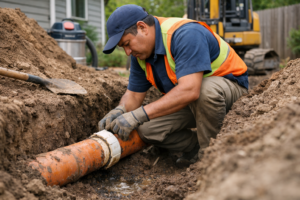
Severe channeling requires pipe replacement. Trenchless repair methods can reline damaged concrete pipes. But extensively channeled pipes often need complete replacement for long-term reliability.
Root-Damaged Pipes
Tree roots cause the most common sewer line damage in Denver. Roots enter through tiny cracks and grow into dense masses. These root masses completely block pipes over time.
Cutting roots provides only temporary relief. Roots grow back within months unless you seal the pipe. Modern trenchless pipe lining creates a seamless barrier against root intrusion.
Prevention works better than repeated root cutting. Installing root barriers or removing problematic trees protects your sewer line. But damaged pipes still need repair or replacement.
When to Call a Professional
Knowing when to call professional help prevents expensive damage. Some slow drains whole house problems require immediate expert attention. Other situations allow time for scheduled service appointments.
Call emergency sewer services immediately if sewage backs up into your home. This creates health hazards and causes water damage. Emergency technicians can stop the backup and prevent further problems.
Schedule prompt service when multiple drains slow down together. This indicates developing sewer line problems. Early intervention costs less than emergency repairs after complete pipe failure.
Emergency Situations Requiring Immediate Help
Sewage backing up through floor drains needs emergency response. This situation spreads contamination throughout your home. Professional crews can pump out waste and identify the blockage cause.
Multiple toilets overflowing simultaneously signal complete main line blockage. Turn off your home’s water supply immediately. Then call 24/7 emergency sewer services for rapid response.
Strong sewage odors throughout your home indicate dangerous sewer gas buildup. This gas contains harmful bacteria and methane. Evacuate your home and call professionals right away.
Problems That Need Prompt but Not Emergency Service
All drains running slowly together warrant professional inspection. This problem will worsen without intervention. Schedule professional drain cleaning services within a few days.
Gurgling drains throughout your house indicate restricted sewer line flow. Air cannot escape properly through your vent system. This suggests partial blockage that needs clearing soon.
Recurring slow drains after repeated clearing attempts mean deeper problems exist. Individual drain clearing won’t solve main line issues. Professional camera inspection identifies the real problem.
What Professionals Can Do That DIY Cannot
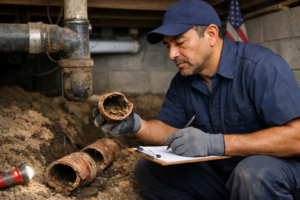
Professional sewer technicians use specialized camera equipment to inspect pipes. These cameras show exact blockage locations and pipe conditions. You can see root intrusion, cracks, or collapses on video.
Hydro-jetting equipment clears blockages that drain snakes cannot reach. High-pressure water cuts through grease, roots, and debris. This method cleans pipe walls thoroughly and restores full flow.
Licensed plumbers understand local building codes and permit requirements. They ensure repairs meet all regulations. This protects your home’s value and prevents future legal problems.
Expert Insight from Sewer Experts Team:
“We’ve seen thousands of sewer lines over 25 years. Most slow drains whole house problems start small and grow worse. Early camera inspection saves money compared to emergency repairs later.”
How Sewer Experts Diagnoses Slow Drains Whole House
Proper diagnosis prevents unnecessary repairs and saves money. Sewer Experts uses a systematic approach to identify sewer line problems. Our process finds the exact cause of slow drains whole house issues.
We start with a detailed discussion of your symptoms. When did drains first slow down? Which drains show the most problems? Have you noticed sewage odors or gurgling sounds?
Next, we perform visual inspections of accessible drains and cleanouts. Sometimes we can spot obvious problems without camera equipment. But most sewer line issues require video inspection for accurate diagnosis.
Video Camera Inspection Process
Our high-definition cameras enter your sewer line through existing cleanouts. These cameras have powerful LED lights and rotate 360 degrees. They show every inch of pipe interior in clear detail.
Camera inspection reveals root intrusion, cracks, bellied pipes, and blockages. We record the entire inspection for your review. You see exactly what causes your slow drains whole house problems.
The camera also measures exact distances to problem areas. This precision helps us plan repairs efficiently. We know exactly where to dig or where to position trenchless repair equipment.
Identifying Root Causes vs Symptoms
Many homeowners treat symptoms instead of root causes. Repeatedly clearing drains wastes time and money. We find and fix the underlying sewer line problem.
A slow drain might result from bellied pipe, not just debris buildup. Clearing the debris provides temporary relief. But the sag remains and will trap debris again soon.
Camera inspection distinguishes between simple blockages and structural problems. Simple blockages respond to cleaning. Structural damage requires repair or replacement. Proper diagnosis ensures appropriate solutions.
Explaining Your Options
After diagnosis, we explain all repair options clearly. Some problems need only hydro-jetting to clear blockages. Others require trenchless repair or pipe replacement.
We provide transparent pricing before starting any work. You understand costs and benefits of each option. This helps you make informed decisions about your sewer line repair.
Our licensed technicians answer all your questions thoroughly. We never pressure you into unnecessary services. Our goal is solving your slow drains whole house problem effectively and affordably.
Quick Reference: Slow Drains Whole House Definition
Slow drains whole house refers to a drainage problem affecting multiple fixtures simultaneously throughout a home. This condition indicates a blockage or restriction in the main sewer line rather than individual drain pipes. Common causes include tree root intrusion, grease buildup, pipe deterioration, or structural damage to the main sewer line. Unlike single drain clogs that affect only one fixture, slow drains whole house problems impact all plumbing fixtures because they share the same main line. Professional diagnosis through camera inspection identifies the exact cause and location of the problem. Solutions range from hydro-jetting to clear blockages, to trenchless pipe lining, to complete sewer line replacement depending on the severity of damage.
Step-by-Step: Addressing Slow Drains Throughout Your House
- Notice that multiple drains throughout your home are draining slowly at the same time.
- Check if the problem affects drains on different floors or in different rooms.
- Listen for gurgling sounds from drains or toilets when water runs elsewhere in the house.
- Avoid using chemical drain cleaners that can damage pipes and worsen sewer line problems.
- Contact licensed sewer professionals immediately if sewage backs up into your home.
- Schedule professional video camera inspection to identify the exact cause and location.
- Review inspection findings with technicians and understand all available repair options.
- Choose appropriate repair method based on problem type, severity, and budget considerations.
- Allow professionals to complete repairs using hydro-jetting, trenchless lining, or pipe replacement.
- Follow maintenance recommendations to prevent future sewer line problems and slow drains.
Frequently Asked Questions
What causes all drains to slow down at once?
All drains slow down together when your main sewer line has a blockage or restriction. Tree roots, grease buildup, or pipe damage typically cause this problem. Individual drain clogs affect only one fixture. But main line problems impact every drain because all fixtures connect to the same sewer line. Professional camera inspection identifies the exact cause.
Can I fix slow drains whole house myself?
DIY methods rarely solve main sewer line problems effectively. Chemical drain cleaners damage pipes and provide only temporary relief. Renting a snake might clear small blockages temporarily. But professional diagnosis prevents wasting time on ineffective solutions. Licensed technicians have specialized equipment to properly diagnose and repair sewer line issues.
How much does sewer line repair cost?
Sewer line repair costs vary based on problem severity and repair method. Simple hydro-jetting costs less than pipe replacement. Trenchless repairs cost more than traditional excavation upfront but save money on landscaping restoration. Most homeowners spend between $1,500 and $15,000 depending on the specific situation. Get detailed estimates after professional inspection.
How long do sewer line repairs take?
Simple blockage clearing takes a few hours. Trenchless pipe lining usually completes in one day. Traditional excavation and pipe replacement may take several days. Weather, soil conditions, and permit requirements affect timeline. Emergency repairs begin immediately, while scheduled repairs fit your availability. Your technician provides accurate time estimates after inspection.
How can I prevent future slow drains whole house problems?
Regular maintenance prevents many sewer line problems. Never pour grease down drains. Schedule periodic professional inspections every few years. Remove trees with aggressive roots near sewer lines. Fix small problems before they become emergencies. Modern pipe materials resist root intrusion and last longer than old clay or cast iron pipes.
Conclusion: Take Action on Slow Drains Whole House Problems
Slow drains whole house situations signal serious sewer line problems. Multiple drains slowing together mean your main line has blockages or damage. These problems worsen without professional intervention.
Tree roots, grease buildup, and pipe deterioration cause most sewer line issues. Denver’s soil conditions and aging pipes increase these problems. But modern inspection and repair methods solve them effectively.
Camera inspection reveals exactly what blocks your sewer line. This precision prevents unnecessary repairs and ensures proper solutions. Hydro-jetting, trenchless lining, or pipe replacement address different problem types.
Don’t wait until sewage backs up into your home. Early action prevents water damage and health hazards. Schedule professional inspection when you notice slow drains whole house symptoms.
Sewer Experts provides 24/7 emergency service throughout Denver. Our licensed technicians diagnose problems fast and explain all repair options clearly. We back our work with a 5-year warranty.
Call (720) 663-7473 now for immediate help with slow drains. Or schedule convenient inspection online. Protect your home from sewer line damage today.
“`