Your home’s sewer lateral is a hidden hero. It carries waste from your home to the city main. When it fails, you face costly damage fast.
This guide shows you what a sewer lateral is. You will learn how it works. You will see why it matters. You will also know when to call a pro.
Sewer Experts has served Denver for over 25 years. Our team has repaired thousands of sewer laterals. We use trenchless methods to save your yard. We work 24/7 to protect your home.
Table of Contents
- What Is a Sewer Lateral?
- How Your Sewer Lateral Works
- Common Sewer Lateral Problems
- Warning Signs of Sewer Lateral Damage
- Sewer Lateral Maintenance Tips
- Repair vs Replace: What You Need
What Is a Sewer Lateral?
A sewer lateral is the pipe connecting your home to the public sewer system. It runs underground from your house to the city’s main sewer line. Most homeowners never see this pipe. But it plays a vital role every day.
The lateral sewer line explained is simple. Waste leaves your home through drains. It flows into the sewer lateral. Then it travels to the city main. From there, it goes to a treatment plant.
Two Parts of Your Sewer Lateral
Your private sewer lateral has two sections. The upper lateral runs from your home to the property line. You own this part. You must maintain it. You pay for repairs here.
The lower lateral runs from your property line to the city main. The city owns this section. They handle repairs on their side. But you must know where the line splits.
Most sewer laterals are 4 to 6 inches wide. They slope downward slightly. Gravity moves waste along. No pumps are needed in most cases.
Materials Used in Sewer Laterals
Older homes often have clay or cast iron pipes. These materials can last decades. But they crack over time. Tree roots find weak spots. Water seeps in and causes problems.
Newer homes use PVC or ABS plastic pipes. These materials resist corrosion better. They last longer than older options. But even plastic pipes can fail.
Key Takeaway: Your sewer lateral is your responsibility until it reaches the city main.
How Your Sewer Lateral Works
Your sewer lateral operates on a simple principle. Waste flows downhill through gravity. No electricity is required. No moving parts exist in the pipe.
When you flush a toilet, waste enters the lateral. When you run a sink, water flows in. All drains in your home connect to one main line. That line becomes your sewer lateral.
The Flow Process
Waste moves from high to low. Your home sits higher than the city main. The lateral slopes about 1/4 inch per foot. This slope keeps waste moving steadily.
If the slope is too flat, waste can pool. If it’s too steep, water rushes ahead without solids. Proper installation matters from day one. A skilled contractor ensures correct slope during installation.
The sewer line installation process requires precision. Our team measures grade carefully. We test flow before backfilling. This prevents future clogs and backups.
What Happens When It Works Right
A healthy sewer lateral moves waste silently. You never smell sewer gas. Drains empty quickly and smoothly. You never think about the pipe underground.
But when problems start, you notice immediately. Slow drains appear first. Strange smells come next. Then backups occur. These signs mean your lateral needs attention.
According to the EPA septic system guide, proper maintenance prevents most failures. Regular inspection catches small issues early.
Expert Insight from Sewer Experts Team, Licensed Colorado Specialists:
“Most lateral sewer line explained problems start small. A tiny crack lets roots in. Then roots grow and block the pipe. Catch it early, save thousands later.”
Common Sewer Lateral Problems
Sewer lateral issues come in several forms. Tree roots cause the most damage. They seek water and nutrients. Your private sewer lateral provides both. Roots enter through joints and cracks.
Once inside, roots grow thick and tangled. They trap waste passing through. A small root ball becomes a big blockage. Eventually, nothing flows past it.
Pipe Corrosion and Deterioration
Old pipes break down over time. Clay pipes crack from shifting soil. Cast iron rusts from the inside out. Even modern pipes can fail from poor installation.
Corrosion creates rough spots inside the pipe. Waste catches on these rough areas. Small catches become big clogs. The pipe narrows as buildup increases.
Cold Colorado winters stress pipes further. Freeze-thaw cycles cause expansion and contraction. This movement cracks weak pipes faster. Spring often reveals winter damage.
Bellied or Sagging Sections
A bellied sewer lateral has a low spot. Waste pools in this dip. Solid material settles there. Over time, a permanent clog forms.
Ground settlement causes most bellies. Poor compaction during installation creates voids. The soil settles later. The pipe sags into the void.
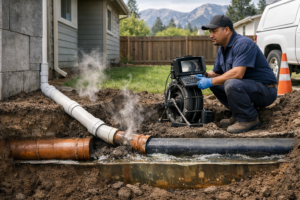
Our video inspection service finds bellies quickly. A camera shows the exact location. We see how severe the problem is. Then we recommend the right fix.
Offset Joints and Separated Sections
Pipes connect at joints. These joints can separate over time. Ground movement pulls sections apart. Roots push sections out of alignment.
An offset joint creates a ridge inside the pipe. Waste snags on this ridge. The snag becomes a clog. Water backs up into your home.
Key Takeaway: Most sewer lateral problems worsen slowly over months or years.
Warning Signs of Sewer Lateral Damage
Slow drains are the first red flag. One slow drain might be a local clog. Multiple slow drains suggest a lateral sewer line explained issue. The main line is backing up.
Watch for toilets that bubble when you run water. This means air is trapped in the line. Air can’t escape past a blockage. So it comes up through your toilet.
Unusual Smells and Sounds
Sewer gas smells like rotten eggs. This gas should never enter your home. If you smell it, you have a crack or clog. The gas escapes through the damaged area.
Gurgling sounds mean air is moving wrong. Water should flow smoothly and silently. Gurgling indicates a partial blockage. Air bubbles up through standing water.
These sounds often occur after flushing. They may happen when a washing machine drains. Any gurgling deserves investigation. Don’t wait for a full backup.
Wet Spots and Sinkholes in Your Yard
A leaking sewer lateral saturates soil. The ground above stays wet. Grass grows greener in that spot. You might see a depression forming.
Serious leaks create sinkholes. The soil erodes as water washes it away. A void forms underground. Eventually, the surface collapses into this void.
The USGS sinkhole information explains how underground water movement causes collapse. Sewer leaks accelerate this process. Act fast if you see sinking ground.
Basement Backups
The lowest drains backup first. Basement floor drains overflow when the private sewer lateral clogs. Toilets on lower floors won’t flush properly. Water may come up through shower drains.
Multiple fixtures backing up at once is serious. This means the main lateral is blocked. Waste has nowhere to go. It comes back into your home.
Emergency response matters here. Our team provides 24/7 sewer line repair for urgent situations. We clear blockages fast. We prevent health hazards and property damage.
Expert Insight from Sewer Experts Team, Licensed Colorado Specialists:
“Never ignore slow drains or strange smells. These early warnings save money. A small repair today beats a huge replacement tomorrow.”
Sewer Lateral Maintenance Tips
Prevention beats repair every time. Regular maintenance keeps your lateral sewer line explained functioning smoothly. Start with what goes down your drains. Be selective and careful.
Never flush wipes, even “flushable” ones. Don’t pour grease down any drain. Avoid flushing paper towels or feminine products. These items cause most clogs.
What to Flush and What to Trash
Only human waste and toilet paper belong in your sewer lateral. Everything else goes in the trash. This simple rule prevents countless problems.
Kitchen disposal waste should be minimal. Garbage disposals overload your private sewer lateral. Food particles accumulate over time. They coat pipe walls and narrow the opening.
Hair is a major clog culprit. Use drain screens in all showers and tubs. Clean these screens regularly. A few dollars in screens saves hundreds in repairs.
Regular Professional Inspection
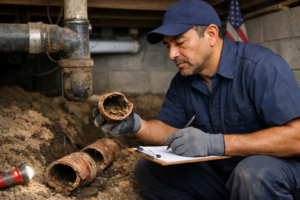
Schedule a camera inspection every few years. This shows your pipe’s condition. You see problems before they cause emergencies. Early detection saves thousands of dollars.
Older homes need more frequent checks. Clay and cast iron pipes deteriorate faster. Annual inspections make sense for homes over 50 years old.
Trees near your sewer line require extra vigilance. Root intrusion happens gradually. Regular inspections catch roots when they’re small. Small root removal is quick and cheap.
Chemical Treatments: Use with Caution
Chemical drain cleaners damage pipes over time. They create heat that can crack clay. They corrode cast iron faster. Use them rarely if at all.
Enzyme-based treatments work gentler. They break down organic matter slowly. Use them monthly as a preventive measure. But they won’t clear major clogs.
Professional drain cleaning services are safer and more effective. We use mechanical methods that won’t harm pipes. We remove clogs completely, not just temporarily.
Protect Your Lateral During Landscaping
Know where your sewer lateral runs. Mark the location on a property map. Share this map with any contractors working on your property.
Don’t plant large trees near the lateral. Keep trees at least 10 feet away. Their roots will eventually find your pipe. Prevention here is far easier than root removal.
Before any digging, call 811 for utility location. This service is free in Colorado. Technicians mark all underground utilities. You avoid costly damage and dangerous situations.
Key Takeaway: Simple habits and regular checks keep your sewer lateral healthy for decades.
Repair vs Replace: What You Need
Not every sewer lateral problem requires full replacement. Many issues respond well to targeted repairs. A camera inspection shows what you actually need. This saves you money and time.
Small cracks can be fixed with spot repairs. We access the damaged section through one excavation. We replace just the broken part. The rest of your lateral stays intact.
When Repair Makes Sense
Repair works well for localized damage. One cracked joint can be fixed. A small section with roots can be cleared and patched. These repairs cost far less than replacement.
If your pipe is less than 40 years old, repair often works. Modern materials last longer. They have fewer weak points. A small problem doesn’t doom the entire line.
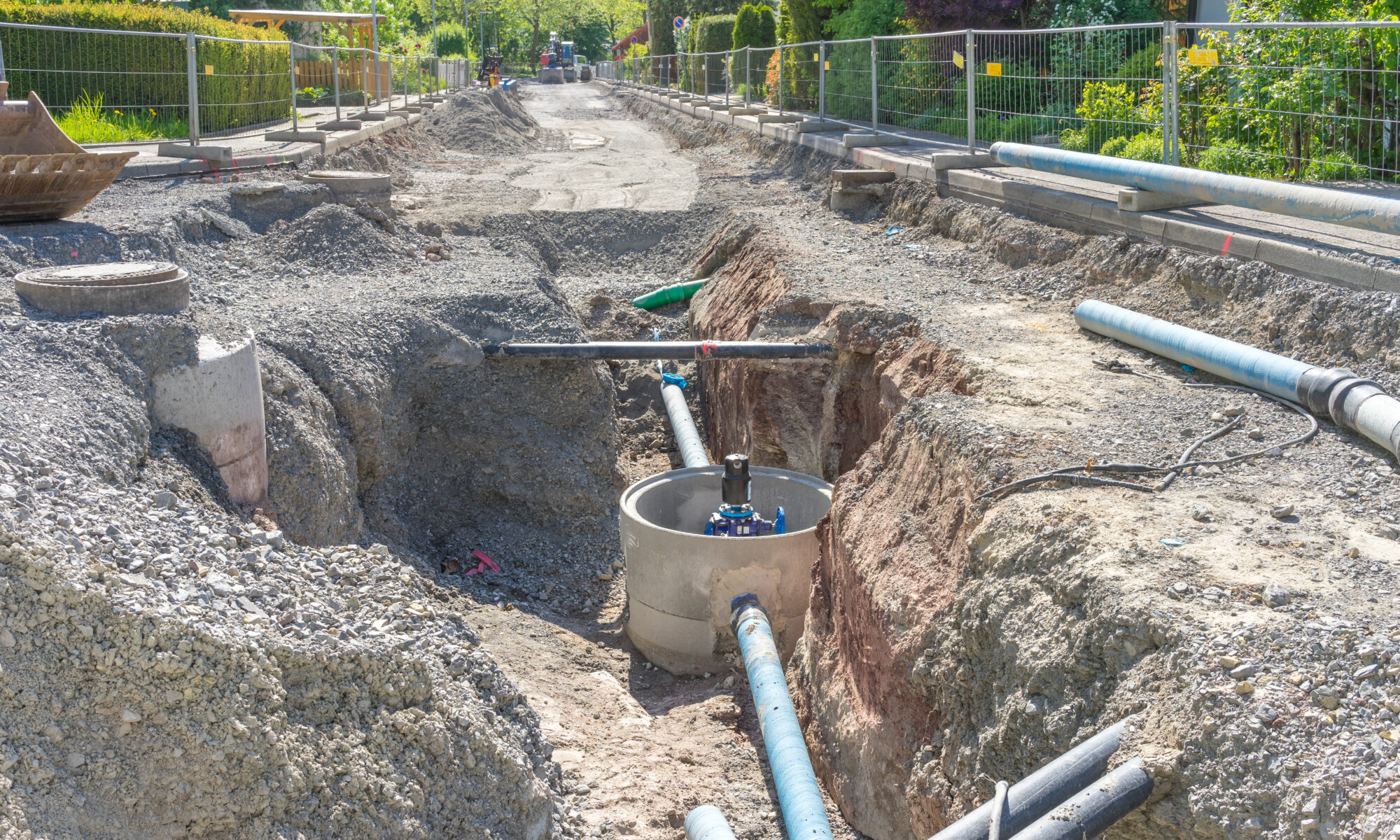
Trenchless repair methods minimize disruption. We use pipe lining to create a new pipe inside the old one. This method requires no digging. Your yard stays intact. The repair lasts decades.
When Replacement Is Necessary
Multiple damaged sections need replacement. If half your lateral is failing, fix the whole thing. Patchwork repairs become expensive and temporary. Full replacement provides peace of mind.
Very old pipes often need replacement. Clay pipes over 60 years old are fragile. Cast iron that old has thinned considerably. These materials have reached their lifespan limit.
Repeated backups suggest systemic failure. If you’ve had three or more major clogs, replacement makes sense. The pipe has likely deteriorated throughout. More clogs will keep coming.
Trenchless Technology: The Modern Solution
Trenchless pipe lining saves your landscaping. We insert a resin-coated liner into your existing pipe. The liner hardens into a smooth, durable pipe. The old pipe becomes the outer shell.
This method works for most lateral sewer line explained situations. It costs less than traditional replacement. It takes less time to complete. And it causes minimal property disruption.
Our trenchless pipe lining service has restored thousands of Denver area laterals. We’ve perfected the process over 25 years. We complete most jobs in one day.
Pipe bursting is another trenchless option. We break the old pipe while pulling in a new one. This method lets us increase pipe diameter if needed. It works even when lining won’t.
Cost Factors to Consider
Repair costs vary by damage extent. A simple root removal costs a few hundred dollars. Spot repairs range from $1,000 to $3,000. Full replacement can reach $10,000 or more.
Trenchless methods cost more upfront than spot repairs. But they cost less than traditional dig-and-replace. Plus, you save on landscaping restoration. No driveway or patio needs rebuilding.
Consider long-term value, not just immediate cost. A quality replacement lasts 50 years or more. Cheap repairs might fail in five years. Invest in quality work from licensed professionals.
Expert Insight from Sewer Experts Team, Licensed Colorado Specialists:
“We always show clients what the camera sees. Then we explain all options clearly. You choose repair or replace based on facts, not fear.”
Key Takeaway: Modern trenchless methods make private sewer lateral replacement faster, cleaner, and more affordable than ever.
Frequently Asked Questions
What is a sewer lateral?
A sewer lateral is the underground pipe connecting your home to the city sewer main. It carries wastewater from your house to the public system. You own and maintain the section on your property. The city maintains the section in the street.
How do I know if my sewer lateral is failing?
Watch for slow drains, gurgling sounds, and sewer odors. Multiple fixtures backing up at once signals a main line problem. Wet spots in your yard may indicate a leak. Schedule a camera inspection if you notice these signs.
Can tree roots really damage my sewer lateral?
Yes, tree roots cause most sewer lateral damage. Roots seek water and nutrients inside pipes. They enter through tiny cracks and joints. Once inside, they grow large and block flow. Keep large trees away from your lateral sewer line explained route.
How often should I have my sewer lateral inspected?
Inspect your private sewer lateral every 3 to 5 years. Older homes need annual checks. Schedule an inspection before buying a home. Regular checks catch small problems early. Early fixes cost far less than emergency repairs.
Does homeowner’s insurance cover sewer lateral repairs?
Most standard policies don’t cover sewer lateral damage. Some insurers offer optional sewer line coverage. Check your policy or ask your agent. This coverage typically costs $50 to $100 yearly. It can save thousands if problems occur.
How to Maintain Your Sewer Lateral: 10 Essential Steps
- Never flush wipes, paper towels, or feminine products down toilets.
- Avoid pouring grease or oil down any drain in your home.
- Install drain screens in all showers, tubs, and sinks.
- Schedule a professional camera inspection every 3 to 5 years.
- Keep trees at least 10 feet away from your sewer lateral route.
- Call 811 before any digging projects on your property.
- Use enzyme-based drain treatments monthly to prevent buildup.
- Address slow drains immediately before they become major clogs.
- Mark your sewer lateral location on a property map.
- Know where your property line ends and city responsibility begins.
Quick Reference: Sewer Lateral Definition
A sewer lateral is the underground pipe that connects your home’s plumbing to the municipal sewer system. This pipe, typically 4 to 6 inches in diameter, runs from your house to the city’s main sewer line in the street. The portion on your property is called the private sewer lateral, and you are responsible for its maintenance and repair. The lateral uses gravity to move wastewater from your home to the public system. Common materials include clay, cast iron, PVC, and ABS plastic. Problems like tree root intrusion, pipe corrosion, and clogs can cause backups and require professional repair or replacement. Regular inspection and proper use prevent most lateral sewer line explained issues. Understanding your sewer lateral helps you protect your home from costly damage and maintain proper sanitation.
Protect Your Home with Professional Sewer Lateral Care
Your sewer lateral works hard every day. It removes waste from your home safely. But it needs attention to keep working right. Regular care prevents most problems before they start.
Watch for early warning signs. Slow drains mean something is wrong. Strange smells or sounds need investigation. Don’t wait until waste backs up into your home.
Professional inspection shows your lateral’s true condition. A camera reveals problems you can’t see. Small issues caught early cost far less to fix. Prevention always beats emergency repair.
When problems arise, call experienced professionals. Sewer Experts has served Denver for over 25 years. We’ve repaired thousands of sewer laterals. Our trenchless methods save your yard and your budget.
We offer free estimates and same-day service. Our licensed technicians work 24/7 for emergencies. We use advanced technology and proven techniques. You get quality work backed by a 5-year warranty.
Don’t let a small sewer lateral problem become a big disaster. Contact us today at (720) 663-7473. Or visit our contact page to schedule your inspection. Protect your home with expert sewer lateral care.