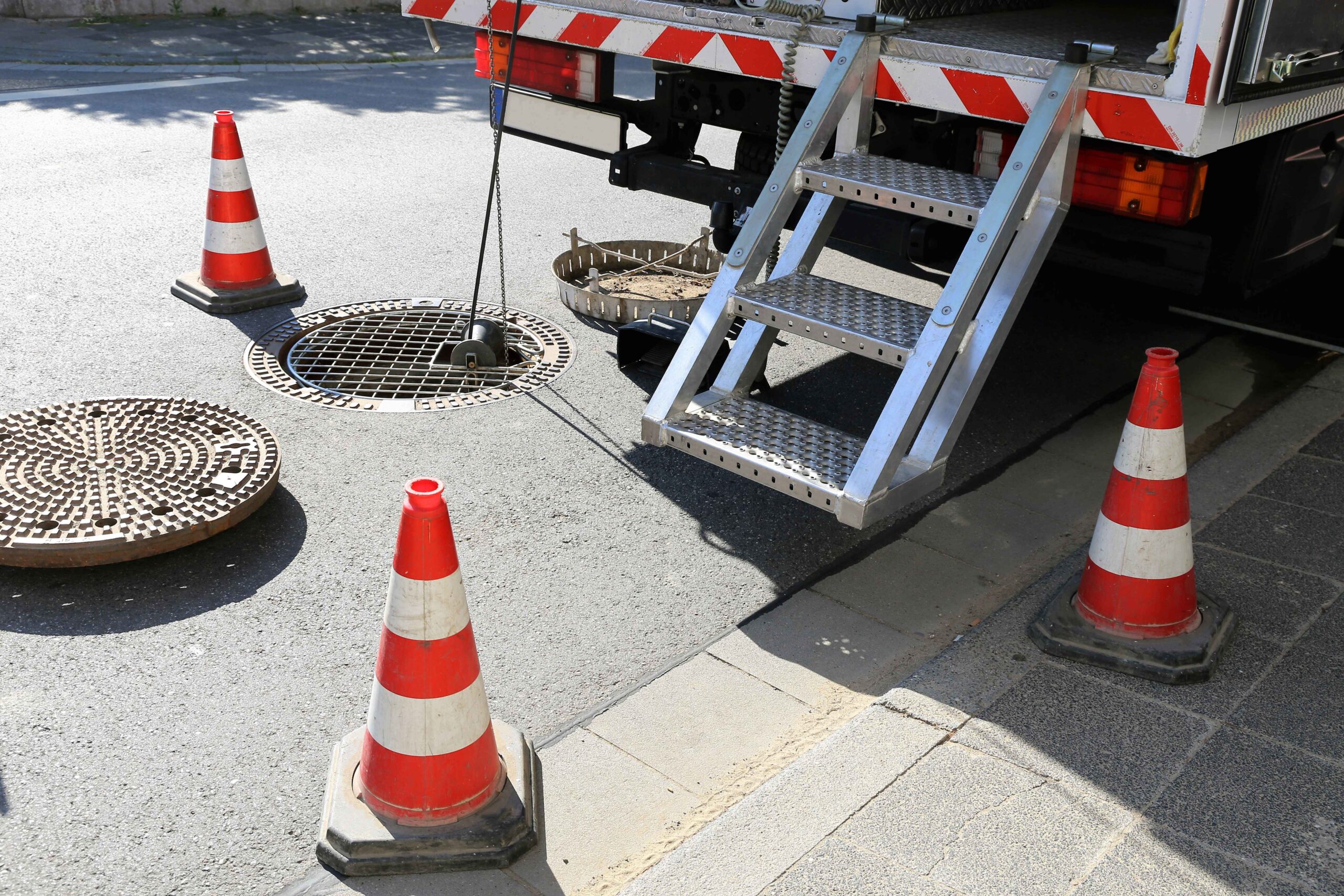
Understanding Your Main Sewage System
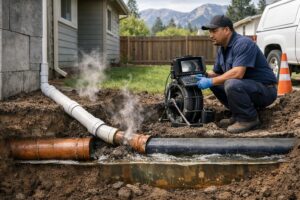
Your main pipeline carries waste and wastewater from your home to the municipal septic tank. Unlike the indoor plumbing tubes within your home, it is typically larger in diameter and buried underground, often running underneath your yard or driveway. The key components of a sewerage structure, are branch pipelines that connect individual fixtures, and cleanout entry points. Cleanouts are vertical tubes with removable caps that provide easy access for checkup purposes.Signs For Sewerage & Drain Cleaning Methods in Denver
Check the early warning signals of plugged pipelines can help you from frustrating plugups. Here are some common indicators that need attention:- Slow drainage across multiple fixtures: If you notice that your sinks, showers, and toilets are draining slower than usual, it could be a sign of blocks.
- Unpleasant odors emanating from drains: A foul, sewage-like smell from your drains is often a telltale sign of a block.
- Gurgling sounds from toilets and drains: When air bubbles are trapped in the tubes due to a plug-up, you may hear a bubbling noise from your toilet, basin, or shower.
- Frequent backups or overflows: If you’re experiencing slow drains in your home, it indicates that you have a severely plugged drain and need immediate attention.
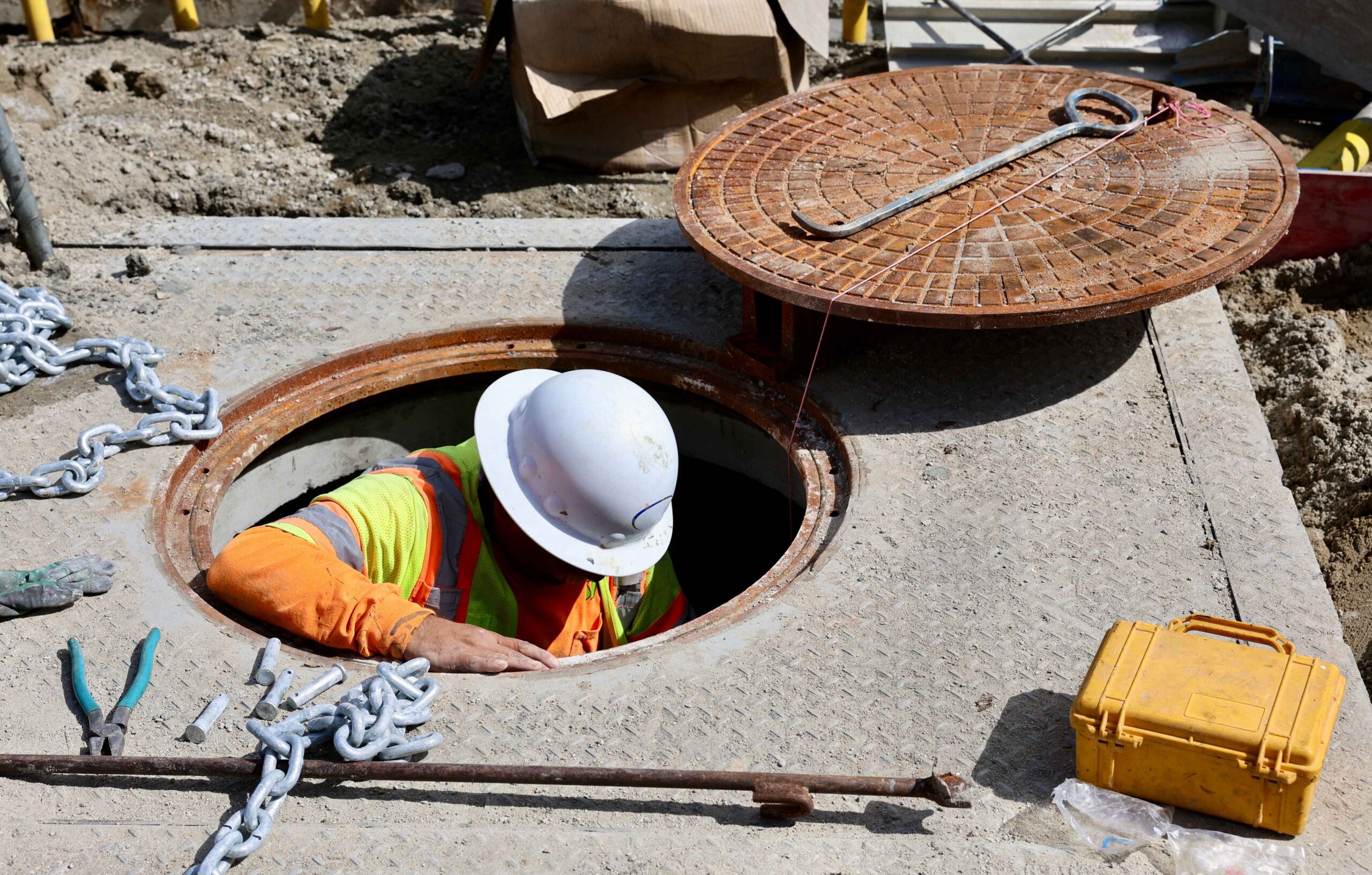
Denver’s Homemade Drain Cleaner Methods
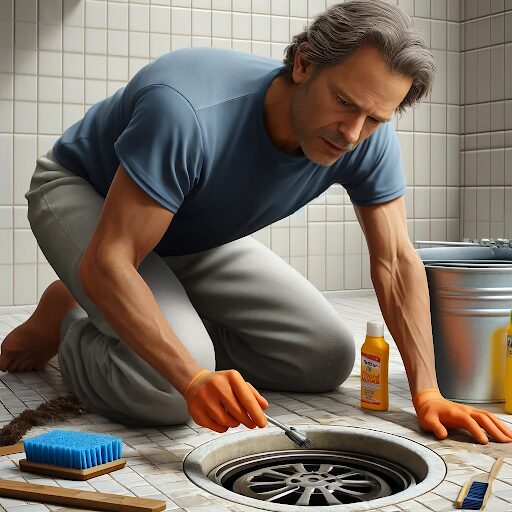
Before calling a consultant, try a few of Denver’s DIY drain cleaning and organizing methods to remove minor blockages in your pipelines. The nice thing about using a natural drain cleaner is that you don’t have to worry about nasty chemical drain cleaners along with the water. Here are some ways and ingredients.- Baking soda and vinegar: This eco-friendly combination can help break down minor blocks. Start by pouring a pot of boiling water down the drain or kitchen sink. Simply pour a cup of baking soda into the drain, followed by a cup of vinegar. Let the mixture fizz and sit for 30 minutes Pour boiling water into the drain again for an hour before flushing the baking soda and hot water. Repeat if necessary.
- Baking Soda + Salt: Mix 1/2 cup of salt and 1/2 cup baking soda, and pour down the drain. Let sit for about 30 minutes. Follow with a pot of boiling water.
- Enzymatic drain cleaners: Buy these natural, bio-based enzyme cleaners that use beneficial bacteria and enzymes to break down organic matter and clear blocks over time. Look for reputable brands and follow the instructions carefully.
- Plumbing snake (also known as a drain auger): For tougher plug-ups, a plumbing snake can be a useful tool. Insert the snake into the drain and crank it to push the cable, breaking it up and allowing water to stream freely again.
When to Call a Professional Plumber
Denver’s DIY drain cleaners solution can be capable of minor plug-ups, but certain situations demand a trained treatment:- Recurring or persistent clogs: If you’ve tried homemade drain cleaner methods without success, or if it keeps recurring, it is time to call in a specialist. They have specialized equipment and expertise to search and clear even the toughest blocks.
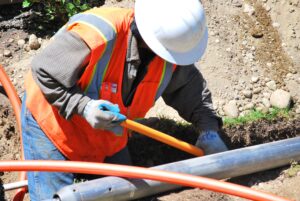
- Tree root intrusion: Roots from nearby trees or shrubs can penetrate and grow inside your tubes, causing severe jammed drains and even pipeline damage. An experienced plumber has unique tools to cut through roots and restore proper flow.
- Broken or collapsed pipes: If your pipeline is old or damaged, it may require a more extensive fix or alternative. They can assess the condition of your tubes and recommend the appropriate course of action.
Preventive Maintenance
While occasional plug-ups are inevitable, there are several preventive measures you can take to minimize the issue:- Proper disposal of grease, and food scraps: Stop pouring grease or oil down your drains, as they can solidify and cause clogs. Instead, dispose of them in the trash or a designated container. Additionally, use a sink strainer to catch food scraps and prevent them from entering.
- Regular flushing with hot water: Always clean your drains and periodically flush with hot water can help dissolve and dislodge any buildup or small clogs before they become more severe.
- Avoid flushing non-biodegradable items: Never flush objects like baby wipes, feminine hygiene products, paper towels, or cat litter down the toilet, as they can cause significant blocks.
- Schedule frequent inspections: Consider hiring a skilled worker to perform routine inspections and cleanings of your sewerage. This proactive approach can help recognize and address an issue before it escalates into costly fixes.