By Marisa Beaver, Owner · Updated
Drain problems poor installation causes can wreck your plumbing for years. If your drains back up again and again, bad pipe work is usually the root cause, and it’s a problem we see in homes all over the area. Drain problems poor installation issues tend to start with the wrong pipe slope, then get worse when undersized lines and poor venting pile on. Nearly every time, the trouble traces back to a single point: someone installed the drain system wrong from the start. Sewer Experts has state-certified drain and sewer specialists who fix drain problems poor installation causes at the root instead of just clearing the clog. We pull the full camera inspection history of your line to see what’s really going on. This guide shows you how bad installation causes drain failures, and how to fix them at the source.
1. Signs of Drain Problems Poor Installation
2. How Pipe Slope Causes Drain Problems
3. Undersized Lines and Drain Failures
4. Venting Mistakes Behind Poor Installation
5. Fixing Drain Problems for Good
6. Why Professional Drain Audits Matter
Signs of Drain Problems Poor Installation
Drain problems poor installation issues show up slowly at first. You may notice slow drains in more than one room. That is often your first clue. So, do not ignore small signs. They point to bigger drain problems ahead.
Gurgling sounds are another warning sign. This happens when air gets trapped in pipes. Also, bad smells near drains signal trouble. These smells mean sewer gas is escaping somewhere. That means a vent or seal was not installed right.
Repeat clogs are the biggest red flag. If drain problems poor installation caused your first clog, more will follow. Most importantly, a clog that returns fast within weeks needs a full check. Plus, water backing up into tubs or sinks points to a deeper issue.
Slow Drains in Multiple Fixtures
When more than one drain runs slow, the issue is not local. This often means the main line has a slope problem. Poor installation of the main line affects every fixture tied to it. So, check all your drains at once. If they all slow down together, call a pro.
Frequent Backups After Installation
New drains should not back up often. But if yours does, poor installation is likely the cause. Backups within the first year point to design flaws. This includes wrong pipe size or bad slope. Next, get a camera inspection to see the real problem inside your line.
Key Takeaway: Repeat clogs, slow drains, and odors together often signal drain problems poor installation caused. Catching these signs early saves you from bigger repairs later.
How Pipe Slope Causes Drain Problems
Pipe slope controls how waste water flows. Drain lines need a slope of about a quarter inch per foot. If the slope is too flat, water sits still. That means waste and debris build up fast.
On the other hand, too much slope causes issues too. Water rushes ahead of solid waste. Then, solids get left behind and clog the line. This is a classic case of drain problems poor installation causes.
A bad slope is hard to see without tools. Most homeowners cannot check pipe slope on their own. So, a camera inspection is the best way to check. The Colorado Department of Public Health and Environment sets standards for proper wastewater line grading in the state.
Flat Slope Traps Waste
A flat pipe cannot move waste well. Water flows too slow to carry solids along. As a result, buildup forms inside the pipe. This buildup narrows the line over time. Eventually, this causes full drain blockages.
Steep Slope Leaves Solids Behind
A pipe with too much slope drains liquid fast. But solid waste moves slower than water. This gap causes solids to stick to pipe walls. Over time, this narrows the pipe further. That means more drain problems down the road.
Expert Insight from Sewer Experts, State-Certified Sewer and Water Specialists: Correct pipe slope is one of the most overlooked parts of drain installation. Even a small grading error can cause chronic backups for years. We see this often during camera inspections across the Denver area. Fixing the slope, not just the symptom, is what finally ends the repeat clogs.
Undersized Lines and Drain Failures
Undersized drain lines cannot handle normal water flow. This is a common cause of drain problems poor installation creates. Builders sometimes use pipes too small for the job. Then, the line gets overwhelmed fast.
A small pipe fills up quicker during heavy use. So, showers, laundry, and dishwashers running together can overload it. This leads to backups at the worst times. Also, undersized lines trap more solid waste.
Older homes often have this issue. Homes built decades ago used smaller pipe standards. Now, modern water use is much higher. That means old, undersized lines struggle daily. A proper sewer line replacement fixes this size mismatch for good.
How Pipe Size Affects Flow
Pipe size must match your home’s water use. A four-inch line handles most single homes well. Smaller lines cannot keep up with modern demand. So, undersized pipes clog more often. This is a root cause many homeowners miss.
Upgrading Old Pipe Sizes
Upgrading pipe size stops repeat drain failures. Trenchless methods make this upgrade easier today. You avoid digging up your whole yard. Then, your new line handles modern water flow with ease. This upgrade often pays off within a few years.
Pro Tip: Ask for pipe diameter measurements during any inspection. Compare them to your home’s fixture count. A mismatch here often confirms drain problems poor installation caused from the start.
Venting Mistakes Behind Poor Installation
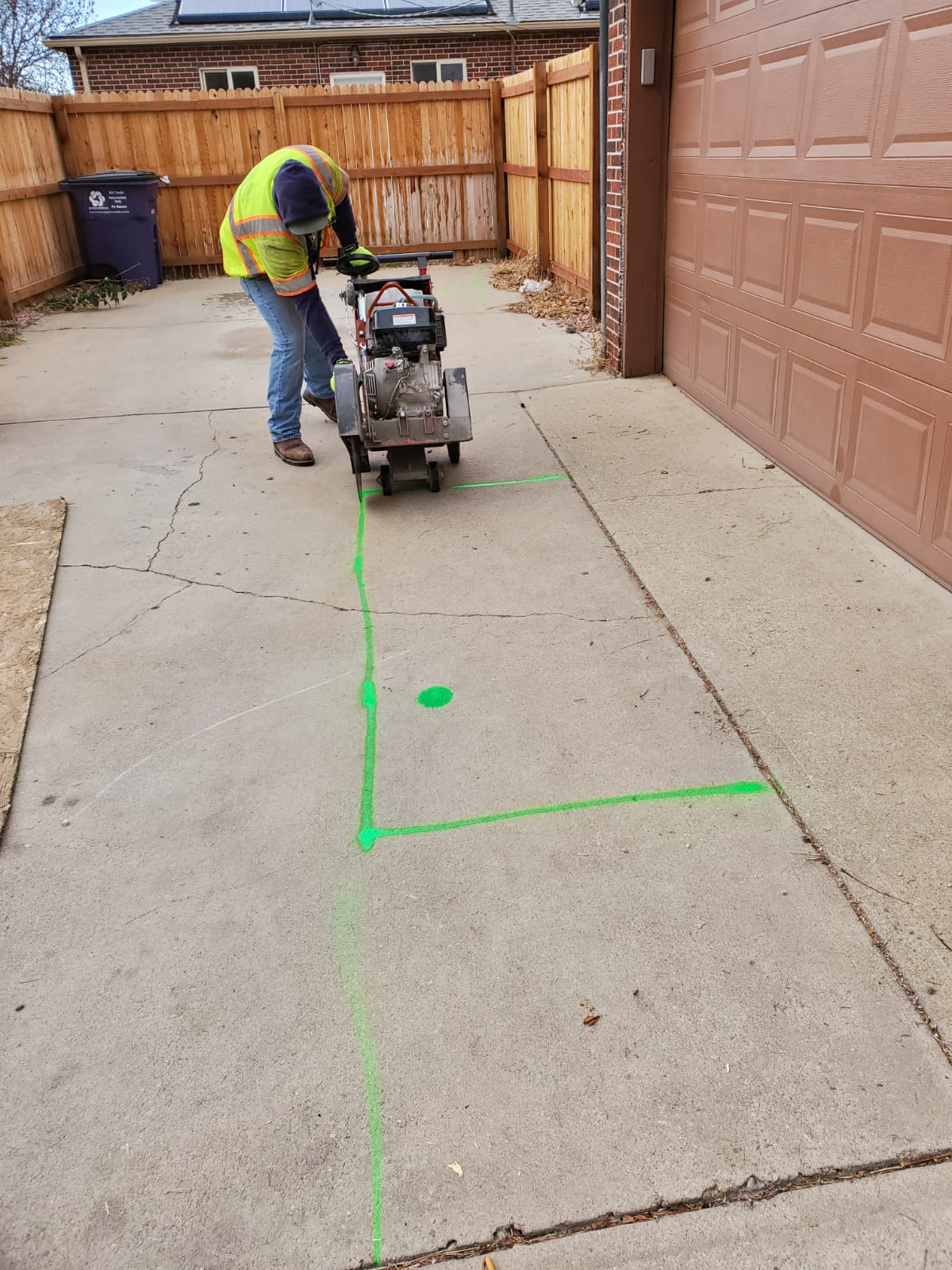
Proper venting lets air into your drain system. Without it, water cannot flow smoothly. This causes suction that slows drains down. Poor venting is a hidden cause of many drain problems.
Bad venting also lets sewer gas back into your home. That means bad smells near sinks and tubs. This is both a comfort issue and a safety issue. The International Association of Plumbing and Mechanical Officials sets clear venting standards for a reason.
Common venting mistakes include vents that are too short. Also, some installers skip vents on far fixtures. Then, those fixtures drain poorly right away. Fixing bad venting often solves gurgling sounds fast.
Why Air Flow Matters in Drains
Drains need air to push water through fast. Without air, a vacuum forms in the pipe. This vacuum slows or blocks water flow. So, gurgling and slow drains often follow. Good venting keeps air moving at all times.
Spotting a Missing Vent Line
A missing vent often causes one fixture to drain slow. Meanwhile, other fixtures work fine. This pattern points right to venting mistakes. Also, watch for gurgling when you flush nearby toilets. That sound means air is trapped in the line.
Common Mistake to Avoid: Do not assume every drain problem needs a chemical cleaner. Chemical cleaners cannot fix bad venting or pipe slope. Treating the symptom without checking the installation just wastes time and money.
Fixing Drain Problems for Good
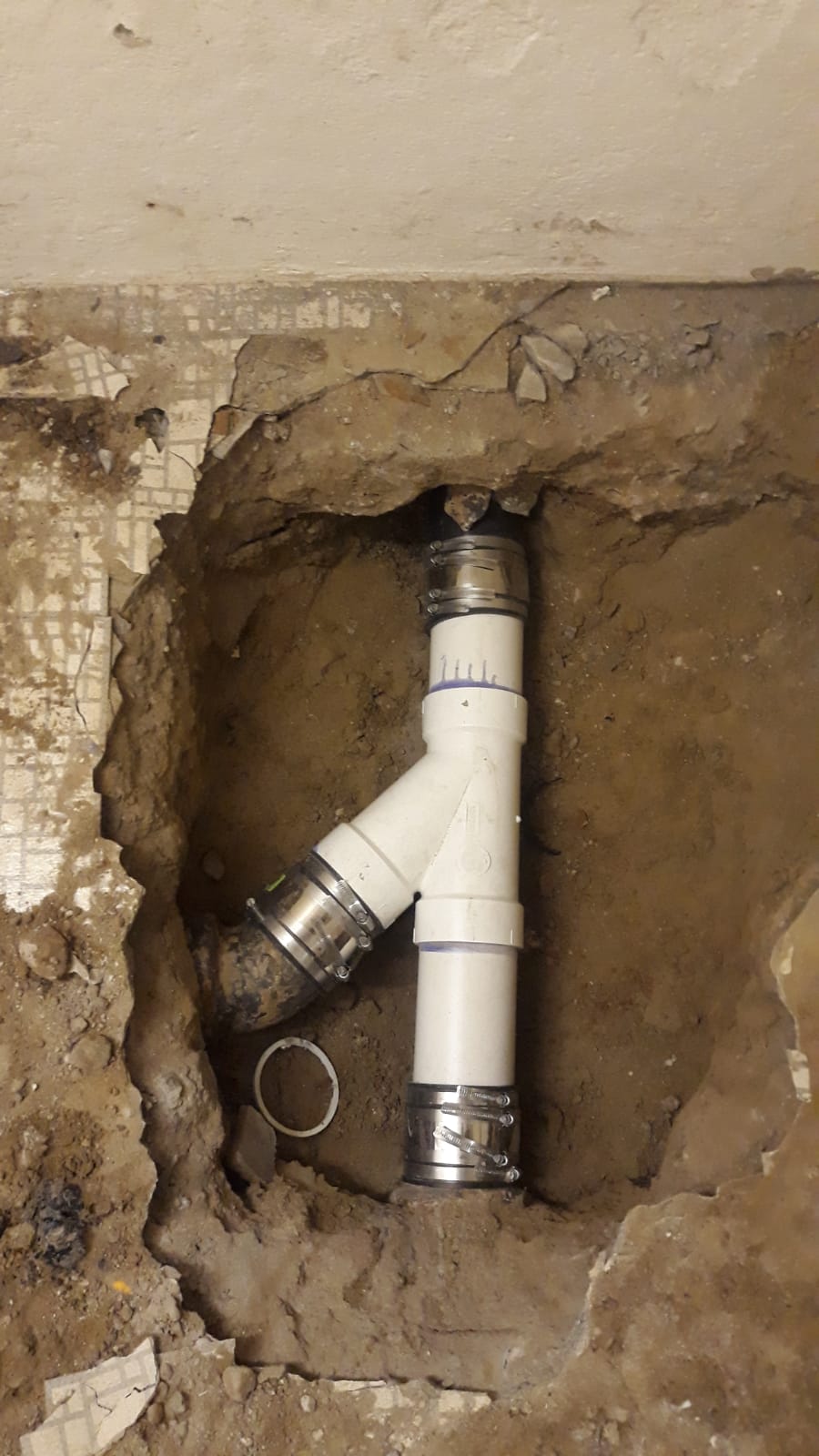
Fixing drain problems poor installation caused starts with a full inspection. A camera scope shows the exact issue inside your line. This step matters more than guessing at repairs. So, always start here first.
Next, your plumber maps out the real fix. This might mean correcting pipe slope. Or it could mean replacing undersized lines. Likewise, it may mean adding proper vent lines.
Trenchless repair methods fix many of these issues without major digging. CIPP lining, for example, creates a new pipe inside the old one. This method also corrects some slope and size issues. Learn more about how to find your sewer line before your inspection appointment.
Camera Inspection Finds the Cause
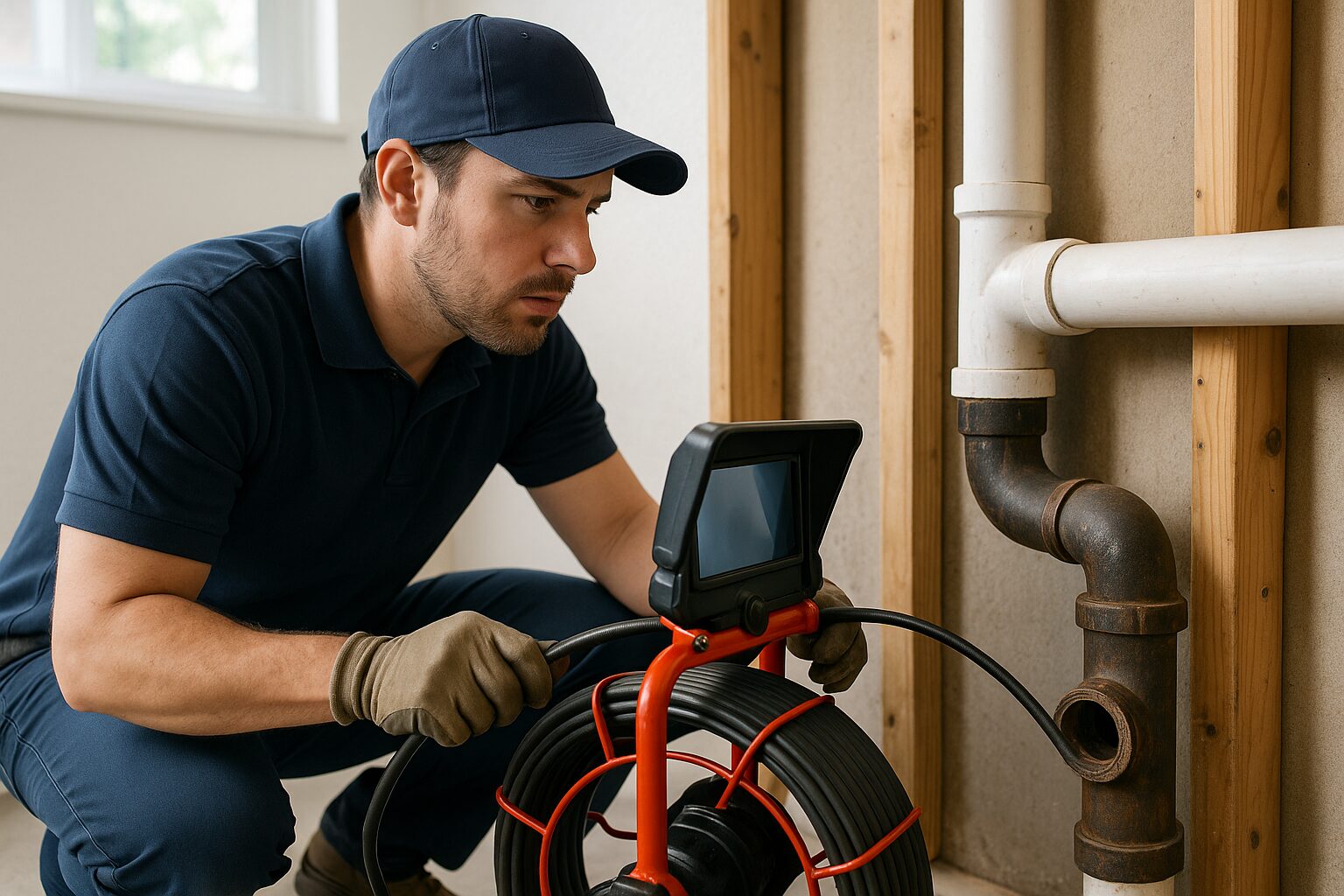
A sewer camera inspection shows pipe condition clearly. It reveals slope issues, cracks, and blockages. This tool takes the guesswork out of repairs. Then, your plumber can plan the right fix. This step saves money over time.
Trenchless Repair Options Today
Trenchless repair fixes pipes without full excavation. This method saves your yard and driveway. Also, it often costs less than full replacement. Pipe bursting and CIPP lining both work well. Ask your plumber which method fits your situation best.
What This Means for You: This means you do not have to live with repeat drain problems. Poor installation can be fixed at the root cause. You do not need to dig up your whole yard either. Modern trenchless methods fix slope, size, and venting issues fast. That means fewer clogs and less stress for years to come.
Drain problems poor installation caused do not fix themselves. Bad pipe slope, undersized lines, and poor venting all trace back to the same root, and until someone finds it, the backups keep coming. The real fix always starts with finding that root cause.
Do not keep patching symptoms with quick fixes. Call for a professional drain audit today. Our state-certified team finds the exact cause of your drain problems poor installation created, then works to fix it right the first time. Start with a professional drain audit and finally put an end to the repeat backups.
Frequently Asked Questions
What causes drain problems poor installation issues most?
Bad pipe slope causes most drain problems poor installation creates. Undersized lines and poor venting add to the issue. Together, these installation mistakes lead to constant backups. A camera inspection finds the exact cause fast.
Can drain problems poor installation cause be fixed without digging?
Yes, trenchless methods fix many drain problems without full digging. CIPP lining and pipe bursting both work well. These methods fix slope and size issues inside the old pipe. Your yard stays mostly untouched during repair.
How do I know if poor installation caused my drain problems?
Repeat clogs within months often mean poor installation. Gurgling sounds and bad smells are warning signs too. A camera inspection confirms drain problems poor installation caused directly. This step removes all the guesswork.
Do undersized pipes really cause drain problems?
Yes, undersized pipes cause frequent drain problems. Small pipes cannot handle modern water use well. This leads to backups during heavy use times. Upgrading pipe size often stops these drain problems for good.
What should a professional drain audit include?
A drain audit should include a full camera inspection. It should check pipe slope, size, and venting together. This finds any drain problems poor installation caused. Then, your plumber can plan the correct, lasting fix.
Step-by-Step Process
Step-by-Step Drain Problems Poor Installation Fix
1. Schedule a full camera inspection of your line.
2. Check pipe slope for flat or steep sections.
3. Measure pipe diameter against fixture count needs.
4. Inspect all vent lines for proper size and placement.
5. Note every spot with repeat clogs or backups.
6. Compare findings against Colorado plumbing code standards.
7. Choose trenchless repair if the line allows it.
8. Correct pipe slope during the repair process.
9. Replace undersized sections with correct pipe size.
10. Test all drains after repair for proper flow.
Quick Reference: What Is Drain Problems Poor Installation?
Drain problems poor installation means drain failures caused by bad original pipe work. This includes wrong pipe slope during install. It also includes undersized lines and bad venting. These mistakes lead to repeat clogs and backups. So, fixing the cause means fixing the installation itself. A camera inspection finds the exact problem inside the line. Then, trenchless repair often fixes it without full digging.
Additional Resources
1. Learn how a sewer line belly forms and why it causes similar drain problems over time. Read our belly in sewer line guide.
2. Find out who pays for repairs with our homeowner responsibility guide on sewer line ownership.
3. See real repair pricing in our Colorado sewer repair cost guide for 2025.
4. Spot early warning signs with our collapsed sewer line signs guide before problems grow.