Freeze thaw sewer damage Colorado homeowners face is real. It happens every year. And most people don’t see it coming until raw sewage backs up into their basement. Colorado winters are brutal on underground pipes. Temperatures drop hard at night. Then they climb back up during the day. That constant freeze thaw cycle cracks sewer lines, shifts pipe joints, and collapses aging drain systems. Freeze thaw sewer damage in Colorado is one of the top causes of sewer failure on the Front Range.
At Sewer Experts (SewerEx), our team has spent years diagnosing and repairing sewer lines across Denver, Aurora, Boulder, Fort Collins, and other Front Range communities. We’ve seen what freeze thaw sewer damage does to pipes in every soil type and neighborhood. This guide explains exactly how freeze thaw cycles crack your sewer line, what warning signs to watch for, and what you can do right now to protect your home.
1. How Freeze Thaw Cycles Damage Sewer Lines
2. Warning Signs of Freeze Thaw Sewer Damage in Colorado
3. Which Sewer Pipes Fail First in Colorado Winters
4. How to Prevent Freeze Thaw Sewer Damage
5. Repair Options After Freeze Thaw Sewer Damage
How Freeze Thaw Cycles Damage Colorado Sewer Lines
Freeze thaw sewer damage in Colorado starts underground. You can’t see it. But it’s happening every winter beneath your yard and driveway. When soil freezes, it expands. When it thaws, it contracts. This movement puts enormous pressure on buried sewer pipes. Over time, that pressure cracks pipe walls, separates joints, and causes full pipe collapse.
Colorado’s Front Range sees some of the most dramatic freeze thaw cycles in the country. Denver’s winter temperatures repeatedly freeze and thaw the ground through the season. Each swing shifts, squeezes, and releases the ground around your sewer line. Each cycle adds stress. Each cycle brings your sewer pipe closer to failure. Freeze thaw sewer damage in Colorado is not a one-time event. It’s a slow, cumulative process.
Soil type makes it worse. Clay-heavy soils, common across the Denver metro, hold more water. Wet soil expands more when it freezes. That means more pressure on your sewer line with every cold snap. Sandy soils drain faster and cause less expansion. But even sandy soil shifts enough to crack older pipes.
Frost Depth and Pipe Vulnerability
Colorado building codes require sewer pipes to be buried at least 36 inches deep. That’s the standard frost depth for most of the Front Range. But frost can penetrate deeper during severe winters. When frost reaches your sewer line, the pipe itself can freeze. Frozen sewer pipes crack from internal ice pressure. They also crack from the frozen soil squeezing them from outside.
Older homes are at higher risk. Pipes installed before 1980 often sit at shallower depths. They were installed to older code standards. Some are only 24 inches deep. Those pipes are directly in the freeze thaw zone every single winter. Freeze thaw sewer damage in Colorado hits these shallow pipes hardest.
New construction is not immune either. Improper backfill after installation leaves air pockets in the soil. Those pockets fill with water. That water freezes. And the ice damages the pipe from the outside in.
Spring Thaw: When Damage Becomes Visible
Spring thaw is when freeze thaw sewer damage in Colorado shows up. The ground softens. Cracked pipes shift. Separated joints open up. Root intrusion accelerates because roots follow water into the cracks that winter created. Suddenly, drains slow down. Sewage backs up. Yards develop soft, wet spots over the sewer line.
Many Colorado homeowners call us in March and April. They think the problem just started. But the damage happened in January. The thaw just made it visible. That’s why pre-winter sewer inspections matter so much. Catching a small crack in October is far cheaper than dealing with a collapsed sewer line in April.
So, freeze thaw sewer damage in Colorado is a year-round concern. Winter creates the damage. Spring reveals it. And summer is when most homeowners finally get it fixed, after months of slow drains and bad smells.
Key Takeaway: Colorado’s frequent freeze thaw cycles put constant pressure on buried sewer pipes. Clay soils expand more when frozen, increasing pipe stress. Older pipes at shallow depths face the highest risk. Freeze thaw sewer damage in Colorado builds slowly all winter and becomes visible in spring.
Warning Signs of Freeze Thaw Sewer Damage in Colorado
Freeze thaw sewer damage in Colorado gives you warning signs. Most homeowners miss them. They chalk up slow drains to grease buildup. They ignore the smell. They don’t connect a wet spot in the yard to a cracked sewer pipe 4 feet underground. But these signs are your sewer line asking for help.
The most common warning sign is slow drains throughout the house. One slow drain is usually a local clog. But when multiple drains run slow at the same time, the problem is in the main sewer line. Freeze thaw damage often cracks the main line. That crack collects debris, roots, and sediment. Flow slows down. Then it stops.
Gurgling sounds from toilets and drains are another red flag. That gurgling means air is trapped in the sewer line. Air gets trapped when a pipe is partially blocked or collapsed. Freeze thaw sewer damage in Colorado creates exactly those conditions. So, don’t ignore the gurgle.
Yard and Foundation Warning Signs
Look at your yard in late winter and early spring. Soft, soggy patches over the sewer line path are a direct sign of freeze thaw sewer damage in Colorado. A cracked pipe leaks sewage into the surrounding soil. That soil stays wet even when the rest of the yard dries out. You might also notice unusually green or fast-growing grass directly over the sewer line. Sewage is a fertilizer. Lush grass in a narrow strip is not a good thing.
Foundation cracks can also point to sewer damage. When a sewer line under or near your foundation fails, the soil shifts. That soil movement can crack your foundation. This is more common in older Denver neighborhoods where sewer lines run close to the house. Freeze thaw sewer damage in Colorado that goes unrepaired can cost far more than just a pipe fix.
Basement sewage backups are the most urgent sign. If sewage comes up through your basement floor drain, your main sewer line is blocked or collapsed. That’s an emergency. Call a sewer specialist immediately.
Indoor Odor and Drain Patterns
Sewer gas smell inside your home is a serious warning sign. Sewer gas contains hydrogen sulfide. It smells like rotten eggs. It’s also toxic in high concentrations. A cracked sewer pipe from freeze thaw damage lets sewer gas escape into the soil and sometimes into your home through foundation cracks or floor drains.
According to the Environmental Protection Agency, sewer gas exposure indoors poses real health risks. Don’t assume the smell will go away on its own. It won’t. The crack causing it will only get bigger through more freeze thaw cycles.
Also watch for multiple drain backups happening at the same time. If your toilet backs up when you run the washing machine, that’s a main line problem. Freeze thaw sewer damage in Colorado often causes partial collapses that block the main line. Water from one fixture has nowhere to go, so it comes up through another.
Which Sewer Pipes Fail First in Colorado Winters
Not all sewer pipes handle freeze thaw cycles the same way. The material your pipe is made of determines how fast freeze thaw sewer damage in Colorado will affect it. Older pipe materials crack faster. Newer materials flex more. Knowing what’s in the ground under your home helps you understand your risk level.
Cast iron pipes were standard in Denver homes built before 1960. Cast iron is strong but brittle. It does not flex. When freeze thaw pressure builds, cast iron cracks rather than bends. Many of these pipes are now 60 to 80 years old. They were already corroded before freeze thaw cycles started attacking them. Cast iron sewer lines in older Denver neighborhoods are at very high risk of freeze thaw sewer damage in Colorado.
Clay tile pipes are even more vulnerable. Clay is rigid and porous. It absorbs water. When that water freezes inside the pipe wall, the clay cracks from the inside out. Clay sewer lines were common in Colorado homes built between 1900 and 1950. If your home is over 70 years old and has never had a sewer inspection, there is a good chance you have clay pipes underground.
PVC and ABS Pipe Performance in Freezes
PVC and ABS plastic pipes handle freeze thaw cycles much better than clay or cast iron. They flex slightly under pressure. That flexibility helps them absorb soil movement without cracking. But PVC is not immune to freeze thaw sewer damage in Colorado. At very low temperatures, PVC becomes brittle. A hard freeze combined with heavy soil pressure can still crack a PVC pipe.
PVC joints are also a weak point. The rubber gaskets at pipe connections can harden and fail in cold temperatures. When a gasket fails, the joint separates. Soil and roots enter the pipe. Flow is restricted. Freeze thaw sewer damage in Colorado often shows up first at pipe joints, not in the middle of the pipe.
So, even if your home has newer PVC sewer lines, you are not fully protected from freeze thaw damage. Proper burial depth, good soil compaction, and regular inspections are still necessary.
CIPP Lined Pipes and Freeze Resistance
CIPP (cured-in-place pipe) lining is the most freeze-resistant option available today. A CIPP liner is installed inside your existing pipe. It creates a smooth, seamless new pipe within the old one. There are no joints to separate. There is no porous material to absorb water. The liner is flexible enough to handle soil movement without cracking.
Our trenchless pipe lining service uses CIPP technology to rehabilitate damaged sewer lines without digging up your yard. CIPP liners last 50 years or more. They resist freeze thaw pressure far better than any original pipe material. For Colorado homeowners with older clay or cast iron pipes, CIPP lining is the smartest long-term investment.
Next, consider that CIPP lining also seals existing cracks. So if freeze thaw sewer damage in Colorado has already started on your pipe, lining stops it from getting worse. It’s both a repair and a prevention strategy in one.
Pro Tip: If you own an older home, often one built before the 1970s or 80s, schedule a sewer camera inspection before winter. Clay and cast iron pipes in older Colorado homes are the most vulnerable to freeze thaw sewer damage. A camera inspection costs a fraction of what a full sewer line replacement costs. Catch the problem early and save thousands.
How to Prevent Freeze Thaw Sewer Damage in Colorado
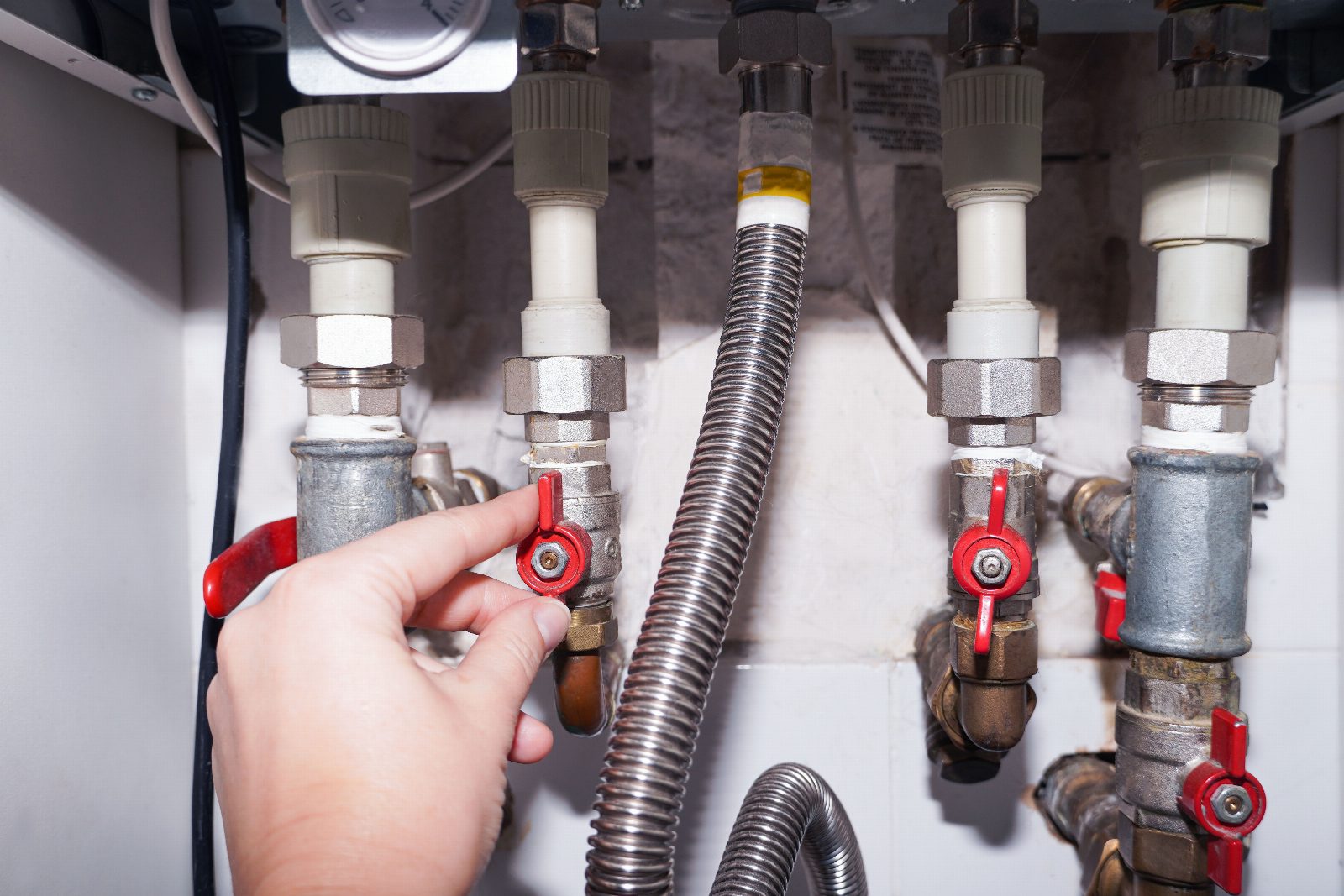
Preventing freeze thaw sewer damage in Colorado is possible. You don’t have to wait for a backup to take action. There are specific steps you can take before winter arrives to protect your sewer line. Some are simple. Some require a professional. All of them are cheaper than emergency sewer repair.
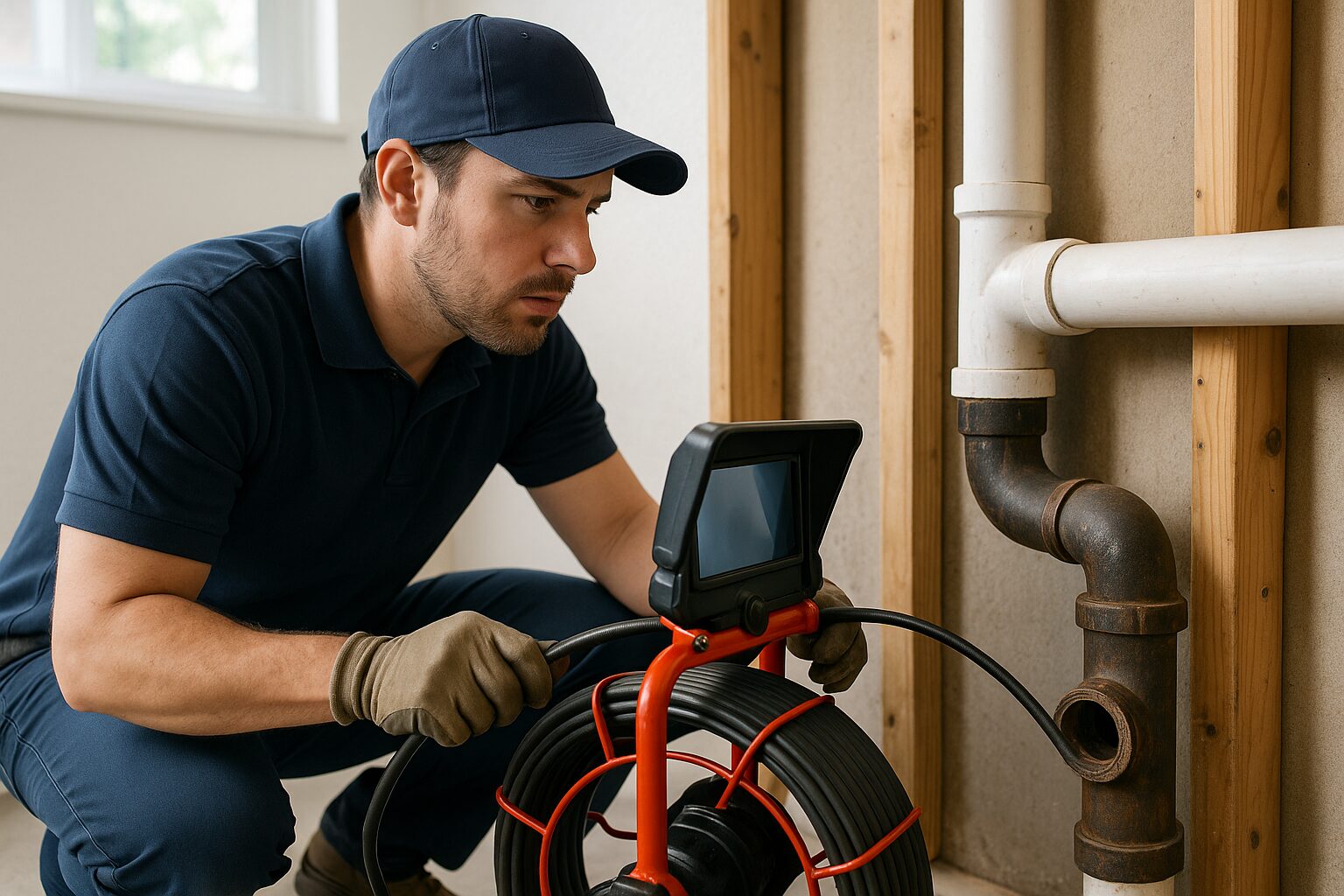
The single most effective prevention step is a pre-winter sewer camera inspection. A high-definition camera goes into your sewer line and shows exactly what’s there. Cracks, root intrusion, joint separation, and pipe sag all show up clearly on camera. You get a real picture of your sewer line’s condition before freeze thaw cycles put it under maximum stress. Freeze thaw sewer damage in Colorado that’s caught early is almost always repairable without full pipe replacement.
Insulating exposed pipes is another important step. Pipes that run through unheated crawl spaces or along exterior walls are at higher risk of freezing. Foam pipe insulation is inexpensive and easy to install. It won’t stop soil movement, but it does prevent the pipe itself from freezing solid during extreme cold snaps.
Drain Cleaning Before Winter Freeze
A clean sewer line handles freeze thaw stress better than a partially blocked one. Grease, debris, and root intrusion narrow the pipe. When freeze thaw movement shifts the pipe, a narrow pipe collapses faster than a clear one. Pre-winter drain cleaning removes that buildup and gives your sewer line the best chance of surviving the season.
Hydro jetting is the most thorough drain cleaning method. High-pressure water blasts through grease, roots, and sediment. It leaves the pipe walls clean. A clean pipe drains faster and resists blockage during freeze thaw events. Freeze thaw sewer damage in Colorado is worse in pipes that were already partially blocked going into winter.
Also, avoid pouring grease down your drains at any time of year. But especially in fall. Grease coats pipe walls and hardens in cold temperatures. That hardened grease narrows your sewer line right when freeze thaw cycles are about to put it under the most stress.
Soil and Landscaping Factors
What’s above your sewer line matters. Bare soil over a sewer line freezes faster and deeper than soil covered by grass or mulch. A layer of organic mulch over the sewer line path acts as insulation. It slows the freeze and reduces the depth of frost penetration. This simple step can reduce freeze thaw pressure on your sewer pipe.
Tree roots are a major factor in freeze thaw sewer damage in Colorado. Roots follow water. A cracked pipe from a previous freeze thaw cycle leaks water. Roots find that water and grow into the crack. Each winter, the crack gets bigger. Each spring, more roots enter. Within a few years, a small crack becomes a full root blockage. Remove trees with aggressive root systems near your sewer line. Or have the line inspected and lined before roots become a problem.
According to Colorado State University Extension, proper soil management around foundations and utility lines significantly reduces freeze thaw damage risk. Good drainage away from the sewer line path keeps soil drier, which means less expansion when temperatures drop.
Common Mistake to Avoid: Don’t wait until spring to address slow drains. Many Colorado homeowners assume slow drains in winter are just from cold temperatures. But slow drains in winter often mean freeze thaw sewer damage is already happening. Waiting until spring lets the damage get worse through more freeze thaw cycles. Act when you first notice the problem.
Repair Options After Freeze Thaw Sewer Damage
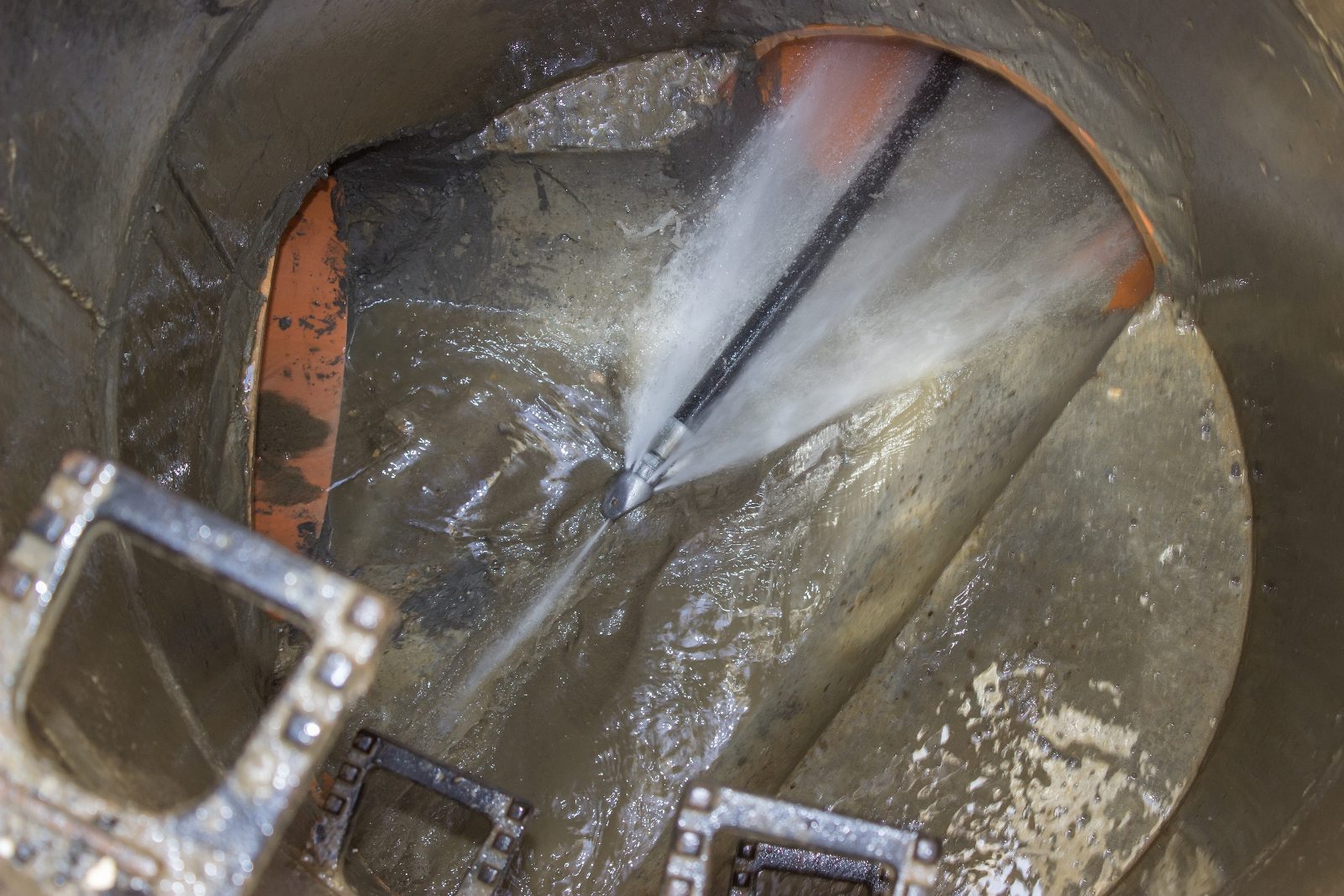
Freeze thaw sewer damage in Colorado requires the right repair for the right situation. Not every damaged pipe needs full replacement. And not every repair requires digging up your yard. Modern trenchless technology has changed what’s possible. You can now fix most freeze thaw sewer damage without destroying your landscaping, driveway, or foundation.
The first step is always a camera inspection. You need to see the damage before you can fix it. A camera inspection shows the location, type, and extent of freeze thaw damage. It tells us whether the pipe needs cleaning, lining, spot repair, or full replacement. Without a camera inspection, any repair is a guess. Freeze thaw sewer damage in Colorado varies widely from hairline cracks to full pipe collapse. The repair must match the damage.
For minor freeze thaw damage, spot repair is often enough. A small section of pipe is accessed and replaced. This works when the damage is limited to one area. But if freeze thaw sewer damage in Colorado has affected multiple sections of the pipe, spot repair is not cost-effective. Full lining or replacement makes more sense.
Trenchless Pipe Bursting for Collapsed Lines
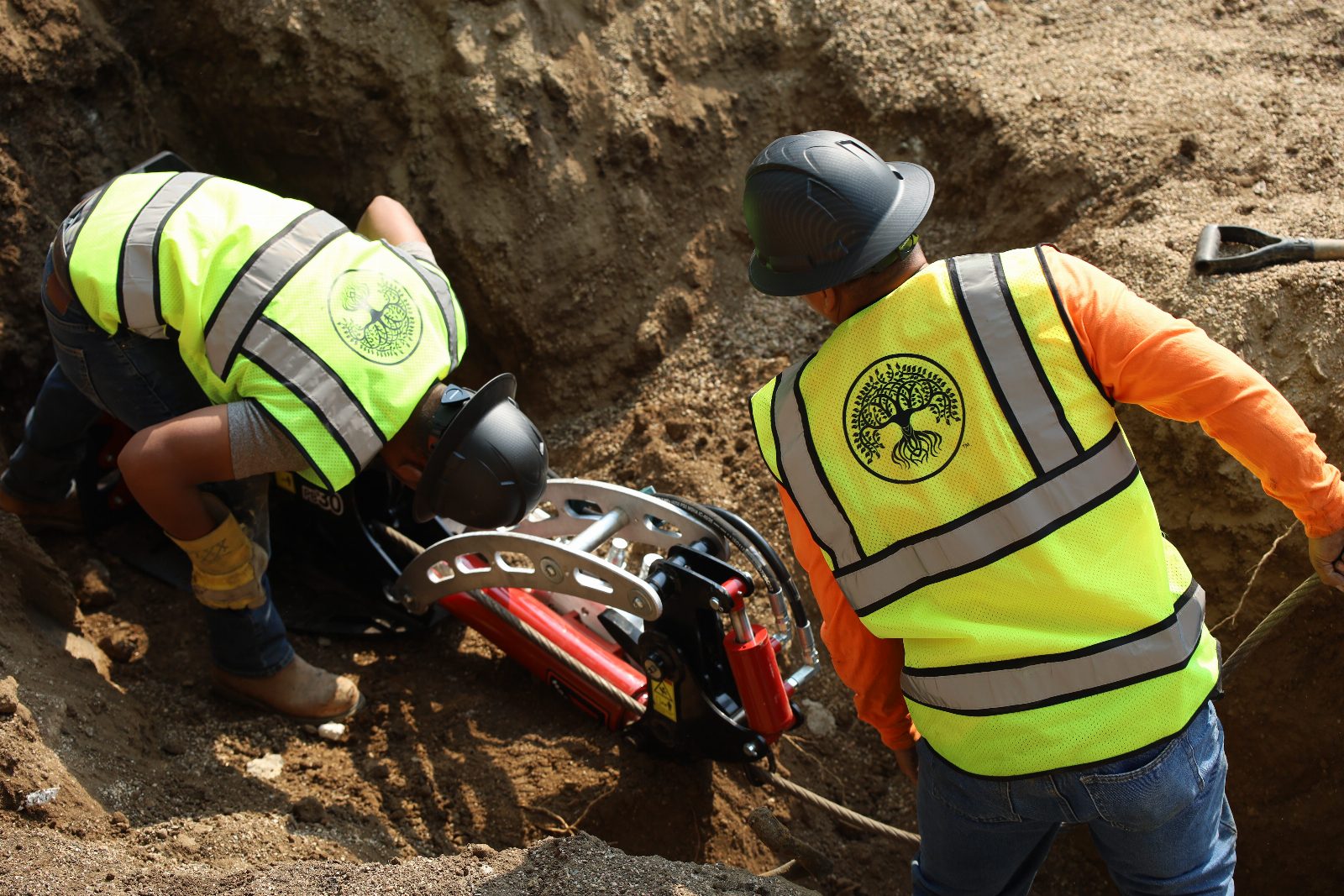
When freeze thaw sewer damage in Colorado has collapsed or severely cracked a pipe, trenchless pipe bursting is often the best repair option. A bursting head is pulled through the old pipe. It breaks the old pipe outward while pulling a new pipe into place behind it. The result is a brand-new pipe in the exact same location. No trenching. No yard destruction.
Our trenchless pipe bursting service handles even severely damaged sewer lines. Pipe bursting works in clay, cast iron, and PVC pipes. It’s faster than traditional open-cut replacement. And the new pipe is HDPE, which handles freeze thaw cycles far better than any original pipe material. HDPE is flexible, seamless, and rated for 50+ years of service.
Pipe bursting is especially useful in Colorado because it avoids digging through frozen ground in winter. Traditional open-cut repair in frozen Colorado soil is slow and expensive. Trenchless methods work year-round, even in cold weather.
CIPP Lining for Cracked Sewer Pipes
CIPP lining is the best repair for freeze thaw sewer damage in Colorado when the pipe structure is still mostly intact. The liner is saturated with resin and inserted into the damaged pipe. It’s inflated to press against the pipe walls. Then it cures in place, forming a hard, smooth new pipe inside the old one. The result seals all cracks, fills joint gaps, and blocks root entry points.
CIPP lining is minimally invasive. It requires only one or two small access points. No trenching. No landscape damage. The liner cures in a few hours. Most homeowners have their sewer line back in service the same day. And because CIPP liners are seamless, they resist future freeze thaw damage far better than the original pipe.
For Colorado homeowners dealing with freeze thaw sewer damage, CIPP lining offers the best combination of speed, durability, and cost. It’s our most recommended repair for cracked clay and cast iron pipes across the Denver metro area. Read what our customers say about our work at Sewer Experts reviews.
What This Means for You: Freeze thaw sewer damage in Colorado is not something you can ignore and hope it fixes itself. Every winter makes it worse. Every freeze thaw cycle adds more stress to an already cracked pipe. But you have options. Trenchless repair technology means you don’t have to dig up your yard to fix the problem. A camera inspection tells you exactly what you’re dealing with. And acting before winter hits is always cheaper than reacting to an emergency in January. Your sewer line protects your home. Protect it before the next freeze thaw cycle does more damage.
Freeze thaw sewer damage in Colorado is one of the most common and most preventable causes of sewer failure on the Front Range. Colorado’s dramatic temperature swings put your sewer pipe under stress through repeated freeze thaw cycles all winter. Clay and cast iron pipes in older homes crack first. But even newer PVC pipes can fail at joints when freeze thaw pressure builds. The warning signs are there. Slow drains, gurgling toilets, wet yard patches, and sewer gas smells all point to freeze thaw sewer damage in Colorado.
The good news is that modern trenchless repair methods fix most freeze thaw damage without digging up your yard. CIPP lining and pipe bursting are fast, durable, and cost-effective. But the best move is prevention. Get a pre-winter sewer inspection to catch freeze damage early. Our team at Sewer Experts (SewerEx) has years of experience protecting Colorado sewer lines from freeze thaw damage. Contact us today to schedule your inspection before the next freeze hits.
Key Takeaway: Colorado’s freeze thaw cycles crack sewer pipes from the outside in. Water trapped in clay-heavy soils expands as it freezes, putting massive pressure on buried pipes. Pre-winter sewer inspections catch freeze thaw sewer damage in Colorado before it becomes a full emergency. Trenchless repair options like CIPP lining and pipe bursting fix most damage without digging up your yard.
Frequently Asked Questions
What causes freeze thaw sewer damage in Colorado?
Freeze thaw sewer damage in Colorado happens when soil freezes and expands around buried sewer pipes. That expansion puts pressure on the pipe. Then the soil thaws and contracts. This repeated cycle cracks pipe walls and separates joints. Colorado’s frequent freeze thaw cycles make sewer damage very common.
How do I know if my sewer line has freeze thaw damage?
Signs of freeze thaw sewer damage include slow drains throughout the house, gurgling toilets, sewer gas smell indoors, wet patches in the yard over the sewer line, and sewage backups. Multiple slow drains at once usually mean the main sewer line is damaged. A camera inspection confirms the damage.
Which pipe materials are most vulnerable to freeze thaw sewer damage in Colorado?
Clay tile and cast iron pipes fail fastest under freeze thaw pressure. Clay absorbs water and cracks when that water freezes inside the pipe wall. Cast iron is brittle and cracks under soil expansion pressure. PVC pipes handle freeze thaw cycles better but can still fail at joints in extreme cold.
Can freeze thaw sewer damage in Colorado be repaired without digging?
Yes. Most freeze thaw sewer damage in Colorado can be repaired using trenchless methods. CIPP lining installs a new pipe inside the old one without digging. Pipe bursting replaces the old pipe by pulling a new one through it. Both methods work in cold weather and restore full sewer function quickly.
How can I prevent freeze thaw sewer damage to my Colorado home?
Schedule a pre-winter sewer camera inspection to catch existing cracks before they worsen. Clean your drains before winter to remove buildup. Add mulch over the sewer line path to slow frost penetration. Remove trees with aggressive roots near the sewer line. These steps reduce freeze thaw sewer damage risk significantly.
Step-by-Step Process
Step-by-Step: Protecting Your Sewer Line from Freeze Thaw Damage in Colorado
1. Schedule a pre-winter sewer camera inspection in October
2. Review inspection results and identify crack or joint damage
3. Clean drains with hydro jetting to remove grease and root buildup
4. Insulate exposed pipes in crawl spaces and along exterior walls
5. Add organic mulch over the sewer line path in your yard
6. Remove or trim trees with aggressive roots near the sewer line
7. Repair identified cracks with CIPP lining before first hard freeze
8. Replace severely damaged pipes using trenchless pipe bursting
9. Monitor drains throughout winter for slow flow or gurgling sounds
10. Schedule a post-winter inspection in March to catch new freeze thaw damage
Quick Reference: What Is Freeze Thaw Sewer Damage in Colorado?
Freeze thaw sewer damage in Colorado is pipe damage caused by repeated soil freezing and thawing. When soil freezes, it expands. That expansion puts pressure on buried sewer pipes. When soil thaws, it contracts. This cycle repeats through the winter on Colorado’s Front Range. Each cycle adds stress to the pipe. Over time, pipes crack, joints separate, and pipes collapse. Clay and cast iron pipes fail fastest. But all pipe materials are at risk. So, freeze thaw sewer damage in Colorado is a seasonal threat every homeowner must manage. Pre-winter inspections and trenchless repairs are the best tools to stop it.
Additional Resources
• Trenchless Pipe Lining Denver — Learn how CIPP lining repairs freeze thaw sewer damage without digging up your Colorado yard. Liners last 50+ years.
• Trenchless Pipe Bursting Denver — Explore how pipe bursting replaces collapsed sewer lines caused by freeze thaw damage across the Front Range.
• Sewer Experts Reviews — Read what Colorado homeowners say about our freeze thaw sewer damage repairs and inspections across Denver and beyond.
• Contact Sewer Experts Denver — Schedule your pre-winter sewer inspection today and protect your home from freeze thaw sewer damage this season.
By Marisa Beaver, Owner · Updated