The Energize Denver lawsuit has drawn in the federal government. The U.S. Justice Department has filed a Statement of Interest in the legal fight over Denver and Colorado’s building performance standards, arguing the rules are plausibly preempted by the 1975 Energy Policy and Conservation Act, according to Law360 and the federal court docket (case 1:24-cv-01093). The case centers on Energize Denver, the ordinance that pushes large buildings to cut energy use, and the outcome could reshape deadlines for owners planning mechanical and plumbing retrofits.
1. What Changed in the Energize Denver Lawsuit
2. Who the Energize Denver Lawsuit Affects
3. What Building Owners Should Do Now
4. How Sewer Experts Can Help You Comply
5. Energize Denver Lawsuit FAQ
6. Quick Reference on the Energize Denver Case
What Changed in the Energize Denver Lawsuit
Energize Denver requires owners of large buildings to cut energy use through mechanical, plumbing, and system upgrades. Colorado’s state performance standards work alongside it. Building owners challenged both in court, and that fight has run for months.
Now the U.S. Justice Department has filed a Statement of Interest arguing the rules are plausibly preempted by the 1975 Energy Policy and Conservation Act, which bars capping how much energy existing buildings use. On October 2, 2026, the federal court let the building-performance-standard claims proceed while dismissing the consumer-appliance claims as untimely, and the 2026 Rules remain in effect.
The Justice Department’s filing widens the fight. It can also add time before a final ruling. For an Energize Denver case already shaping retrofit deadlines, that matters.
The Rule Behind the Energize Denver Lawsuit
Energize Denver pushes owners of large commercial and multifamily buildings toward lower energy use. Many need mechanical, plumbing, or system retrofits to hit those targets. The lawsuit challenges how the city and state apply that mandate.
Why Federal Involvement Changes the Stakes
The Justice Department’s involvement can shift how and where the fight plays out. It may also stretch the timeline beyond a local dispute. That’s one reason owners shouldn’t expect a quick answer.
Key Takeaway: The U.S. Justice Department has filed a Statement of Interest in the Energize Denver lawsuit, arguing the rules are preempted by the 1975 Energy Policy and Conservation Act. On October 2, 2026, the court let the building-performance claims proceed and dismissed the appliance claims, so the case continues.
Who the Energize Denver Lawsuit Affects
This case lands directly on owners of large commercial and multifamily buildings in Denver. If your property falls under Energize Denver’s standards, you’re watching this closely whether you planned to or not.
Contractors matter too. Mechanical, plumbing, and system retrofit work tied to compliance depends on deadlines holding steady. Firms handling commercial grease trap installation are fielding more questions about timing.
Property managers tracking several buildings face the widest exposure. One unresolved lawsuit can affect budgets across a whole portfolio, not just one address.
Large Building Owners Covered by Energize Denver
Owners of qualifying commercial and multifamily properties are the most direct stakeholders. Energize Denver sets targets by building size and type, and those targets haven’t changed because of this case.
Contractors and Property Managers Feel It Too
Retrofit contractors need steady deadlines to plan labor and materials. Property managers juggling several buildings carry that risk across a whole portfolio, raising the stakes of any delay.
What Building Owners Should Do Now
The current reporting is clear on one point: keep moving. Owners shouldn’t assume Energize Denver’s mandate will be struck down just because the Justice Department weighed in.
That means continuing compliance upgrades on the current timeline. Trenchless pipe lining retrofit work often takes weeks to schedule once permits and crews line up, so delays now can cost more later.
It also means staying informed. Watch for updates straight from primary reporting instead of secondhand summaries, since details can shift as the litigation moves forward.
Why Pausing Compliance Plans Is Risky
If the Energize Denver mandate holds, owners who paused planning will be scrambling to catch up. Scheduling mechanical and plumbing work takes lead time that a court case doesn’t pause.
How to Track the Case Going Forward
Follow primary reporting, like Law360 and the federal court docket (case 1:24-cv-01093), for confirmed updates. Ask your attorney how the federal filing might affect your specific deadline.
Pro Tip: Book your retrofit contractor consultation now, even before the case resolves. Scheduling mechanical and plumbing upgrades takes weeks, and owners who wait for a ruling often lose that lead time once deadlines don’t move.
How Sewer Experts Can Help You Comply
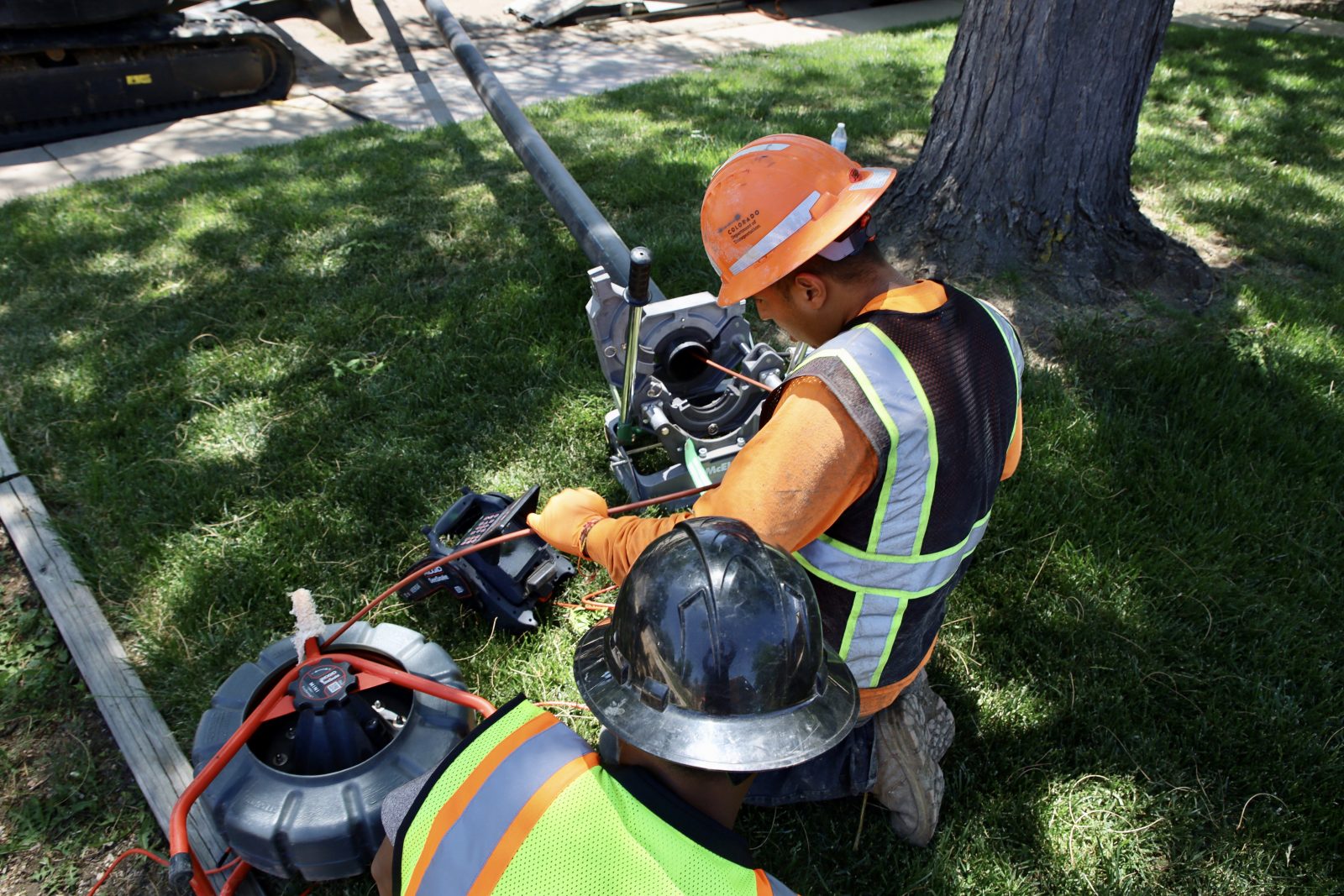
Building upgrades often come down to systems nobody sees until they fail: sewer lines, water lines, and the plumbing tied to a building’s performance. That’s where our crews spend most of their time.
We handle trenchless pipe bursting solutions for aging sewer and water lines, which cuts the disruption and cost of a full dig-and-replace job. For buildings on a tight retrofit budget, that difference matters.
If you manage a building covered by Energize Denver and need plumbing or sewer retrofit work, now is the time to get on a schedule, not after a ruling.
Retrofit Work That Supports Compliance
Sewer and water line upgrades often tie directly into a building’s overall system performance. Trenchless methods get that work done with less disruption and lower cost than full replacement.
Why Timing Your Retrofit Matters
Contractor schedules fill up fast once a deadline nears. Booking retrofit work early protects your timeline no matter how the Energize Denver lawsuit turns out.
Common Mistake to Avoid: Treating a pending lawsuit as a reason to delay retrofit planning is a common mistake. The source doesn’t say deadlines are paused. Owners who wait for a ruling before scheduling work often end up competing for the same contractors everyone else needs at the last minute.
What the Energize Denver Case Means for You
Step back from the legal details and the picture is simple. Energize Denver’s standards are still in effect. The lawsuit, now with federal involvement, hasn’t changed what’s expected of covered buildings, at least not according to anything confirmed so far.
That leaves owners with a clear choice. Keep planning compliance upgrades and stay ahead of the deadline, or wait and hope the case resolves in your favor before time runs out.
Most owners we talk with choose the first option, because it’s the one they can control.
The Deadline Hasn't Moved
Nothing in the current report says Energize Denver’s compliance deadlines have changed. Building owners should plan as if the mandate stands, because right now, it does.
Planning Beats Waiting
Owners who keep moving on retrofit work protect themselves either way. If the mandate holds, they’re ready. If it changes, they’ve still improved their building.
What This Means for You: The Energize Denver lawsuit adds uncertainty, but not a pause. Compliance deadlines are still active, and federal involvement could stretch the case out rather than resolve it quickly. Building owners who keep planning mechanical, plumbing, and system retrofits now protect their timeline no matter how the court case ends. Waiting is a bet most owners can’t afford.
The Energize Denver lawsuit just grew more complicated after the U.S. Justice Department filed a Statement of Interest arguing the rules are preempted by the 1975 Energy Policy and Conservation Act. Law360 and the federal court docket (case 1:24-cv-01093) confirm the core facts are simple: Denver and Colorado’s building performance standards face a court challenge, and the outcome will shape compliance timelines for owners of large buildings.
Until the case resolves, the Energize Denver mandate stands as written. Building owners should keep planning mechanical, plumbing, and system retrofits instead of waiting on a ruling that may take months. If your building needs retrofit work tied to compliance, contact our Denver team to get your project scheduled before deadlines tighten.
Expert Insight from Sewer Experts: Energize Denver was never simple for building owners, and the Justice Department’s filing in the lawsuit adds another layer of uncertainty. Our advice to clients hasn’t changed. Keep moving on mechanical and plumbing upgrades instead of waiting on a court decision. Compliance deadlines don’t pause for litigation, and owners who keep working through their retrofit list stay ready no matter how the case ends.
Key Takeaway: The Energize Denver lawsuit continues after the U.S. Justice Department weighed in, and the October 2, 2026 ruling kept the building-performance claims alive. Compliance deadlines haven’t changed, so building owners should keep planning mechanical and plumbing retrofits rather than waiting on a final decision.
Frequently Asked Questions
What is the Energize Denver lawsuit about?
The Energize Denver lawsuit challenges Denver and Colorado’s building performance rules. These rules make large buildings cut energy use. The U.S. Justice Department has now weighed in with a Statement of Interest. So, the Energize Denver case covers more ground than before, and its outcome affects retrofit deadlines for owners.
Why did the federal government weigh in on the Energize Denver case?
Law360 and the federal court docket (case 1:24-cv-01093) confirm the U.S. Justice Department filed a Statement of Interest in the Energize Denver case. The Justice Department argues the rules are plausibly preempted by the 1975 Energy Policy and Conservation Act. But its involvement signals the Energize Denver lawsuit now carries weight beyond city and state courts.
Does the Energize Denver lawsuit pause compliance deadlines?
No. The source doesn’t say Energize Denver deadlines are paused. Building owners should keep planning mechanical and plumbing upgrades. Treating the Energize Denver lawsuit as a reason to wait could leave owners behind if the mandate stands.
Who does the Energize Denver lawsuit affect most?
Owners of large commercial and multifamily buildings feel the Energize Denver lawsuit most directly. Contractors handling mechanical, plumbing, and system retrofits are affected too. Property managers tracking compliance timelines should also watch how the Energize Denver case moves forward.
Where can I read the original report on the Energize Denver lawsuit?
Law360 and the federal court docket (case 1:24-cv-01093) reported the Energize Denver lawsuit development. Building owners can read the original article for full details on the federal government’s filing. Checking primary reporting on the Energize Denver case helps you avoid relying on rumors.
Step-by-Step Process
Step-by-Step: Responding to the Energize Denver Lawsuit
1. Read the original Energize Denver lawsuit report in full.
2. Confirm your building falls under Energize Denver performance standards.
3. Check your current energy benchmarking and compliance status.
4. List mechanical, plumbing, and system retrofits still needed.
5. Get quotes from licensed Denver retrofit contractors now.
6. Keep your current compliance timeline instead of waiting.
7. Watch for updates on the Energize Denver court case.
8. Ask your attorney how federal intervention affects your deadline.
9. Schedule retrofit work around existing Energize Denver deadlines.
10. Contact a trusted Denver plumbing team for retrofit help.
Quick Reference: What Is the Energize Denver Lawsuit?
The Energize Denver lawsuit is the ongoing legal fight over Denver and Colorado’s building performance standards. These rules make large buildings cut energy use through mechanical, plumbing, and system upgrades. The U.S. Justice Department has now filed a Statement of Interest in the case. So, the Energize Denver lawsuit could shape how fast building owners must comply, and what proof they need to show.
Additional Resources
Want to know who we are? Our About Sewer Experts page shares our Denver roots and the team behind every retrofit-ready plumbing job.
Curious what past clients say? Read real Sewer Experts reviews from Denver property owners who already went through major system upgrades.
Not sure if we serve your building? Check our Denver service area to confirm coverage before your next retrofit project begins.
Reviewed by Marisa Beaver, Owner · Updated

About the author
Marisa Beaver
Owner · Demolition license (Colorado); 27 drain-layer's licenses (Colorado)
Marisa Beaver is the owner of Sewer Experts, a locally owned sewer, drain, and water line company based in Commerce City, Colorado, serving Denver and the Front Range including Aurora, Lakewood, Thornton, and Boulder. She oversees client relations and business operations, working directly with customers on sewer line repair, drain cleaning, and water line services, and personally answers client calls and coordinates technical consultations. Beaver holds a demolition license and 27 drain-layer's licenses in Colorado. Sewer Experts is licensed, insured, and bonded with state-certified technicians, and generated over $2 million in revenue in 2020. A woman- and minority-owned business, Sewer Experts has held an on-call Denver Housing Authority contract and been featured on the cover of Dig Different magazine.