Energize Denver Lawsuit: What the Federal Government’s Intervention Means for Building Owners

The Energize Denver lawsuit has drawn in the federal government. The U.S. Justice Department has filed a Statement of Interest in the legal fight over Denver and Colorado’s building performance standards, arguing the rules are plausibly preempted by the 1975 Energy Policy and Conservation Act, according to Law360 and the federal court docket (case 1:24-cv-01093). The case centers on Energize Denver, the ordinance that pushes large buildings to cut energy use, and the outcome could reshape deadlines for owners planning mechanical and plumbing retrofits.

1. What Changed in the Energize Denver Lawsuit
2. Who the Energize Denver Lawsuit Affects
3. What Building Owners Should Do Now
4. How Sewer Experts Can Help You Comply
5. Energize Denver Lawsuit FAQ
6. Quick Reference on the Energize Denver Case

What Changed in the Energize Denver Lawsuit
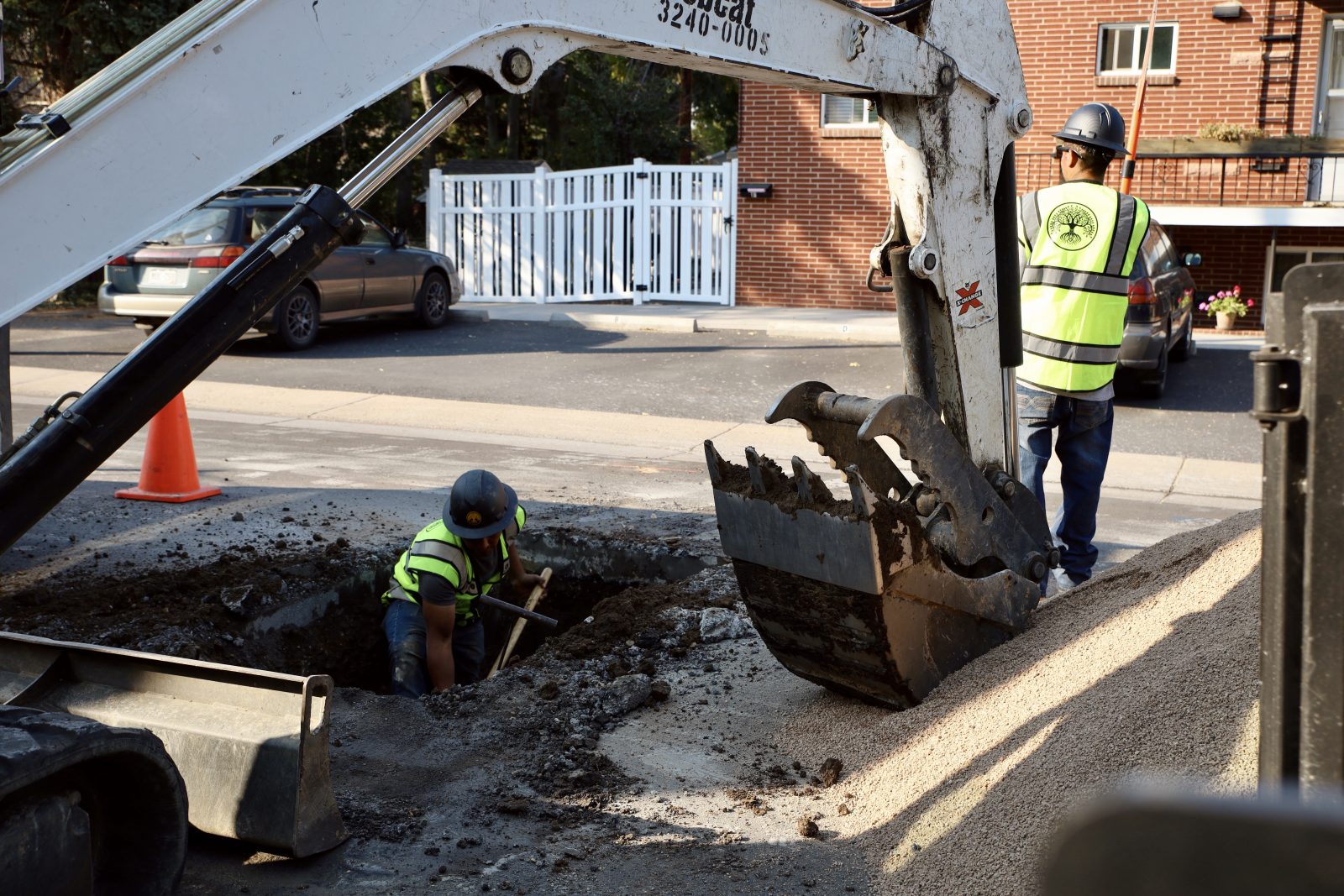
What Changed in the Energize Denver Lawsuit

Energize Denver requires owners of large buildings to cut energy use through mechanical, plumbing, and system upgrades. Colorado’s state performance standards work alongside it. Building owners challenged both in court, and that fight has run for months.

Now the U.S. Justice Department has filed a Statement of Interest arguing the rules are plausibly preempted by the 1975 Energy Policy and Conservation Act, which bars capping how much energy existing buildings use. On October 2, 2026, the federal court let the building-performance-standard claims proceed while dismissing the consumer-appliance claims as untimely, and the 2026 Rules remain in effect.

The Justice Department’s filing widens the fight. It can also add time before a final ruling. For an Energize Denver case already shaping retrofit deadlines, that matters.

The Rule Behind the Energize Denver Lawsuit

Energize Denver pushes owners of large commercial and multifamily buildings toward lower energy use. Many need mechanical, plumbing, or system retrofits to hit those targets. The lawsuit challenges how the city and state apply that mandate.

Why Federal Involvement Changes the Stakes

The Justice Department’s involvement can shift how and where the fight plays out. It may also stretch the timeline beyond a local dispute. That’s one reason owners shouldn’t expect a quick answer.

Key Takeaway: The U.S. Justice Department has filed a Statement of Interest in the Energize Denver lawsuit, arguing the rules are preempted by the 1975 Energy Policy and Conservation Act. On October 2, 2026, the court let the building-performance claims proceed and dismissed the appliance claims, so the case continues.

Who the Energize Denver Lawsuit Affects

This case lands directly on owners of large commercial and multifamily buildings in Denver. If your property falls under Energize Denver’s standards, you’re watching this closely whether you planned to or not.

Contractors matter too. Mechanical, plumbing, and system retrofit work tied to compliance depends on deadlines holding steady. Firms handling commercial grease trap installation are fielding more questions about timing.

Property managers tracking several buildings face the widest exposure. One unresolved lawsuit can affect budgets across a whole portfolio, not just one address.

Large Building Owners Covered by Energize Denver

Owners of qualifying commercial and multifamily properties are the most direct stakeholders. Energize Denver sets targets by building size and type, and those targets haven’t changed because of this case.

Contractors and Property Managers Feel It Too

Retrofit contractors need steady deadlines to plan labor and materials. Property managers juggling several buildings carry that risk across a whole portfolio, raising the stakes of any delay.

What Building Owners Should Do Now

The current reporting is clear on one point: keep moving. Owners shouldn’t assume Energize Denver’s mandate will be struck down just because the Justice Department weighed in.

That means continuing compliance upgrades on the current timeline. Trenchless pipe lining retrofit work often takes weeks to schedule once permits and crews line up, so delays now can cost more later.

It also means staying informed. Watch for updates straight from primary reporting instead of secondhand summaries, since details can shift as the litigation moves forward.

Why Pausing Compliance Plans Is Risky

If the Energize Denver mandate holds, owners who paused planning will be scrambling to catch up. Scheduling mechanical and plumbing work takes lead time that a court case doesn’t pause.

How to Track the Case Going Forward

Follow primary reporting, like Law360 and the federal court docket (case 1:24-cv-01093), for confirmed updates. Ask your attorney how the federal filing might affect your specific deadline.

Pro Tip: Book your retrofit contractor consultation now, even before the case resolves. Scheduling mechanical and plumbing upgrades takes weeks, and owners who wait for a ruling often lose that lead time once deadlines don’t move.

How Sewer Experts Can Help You Comply
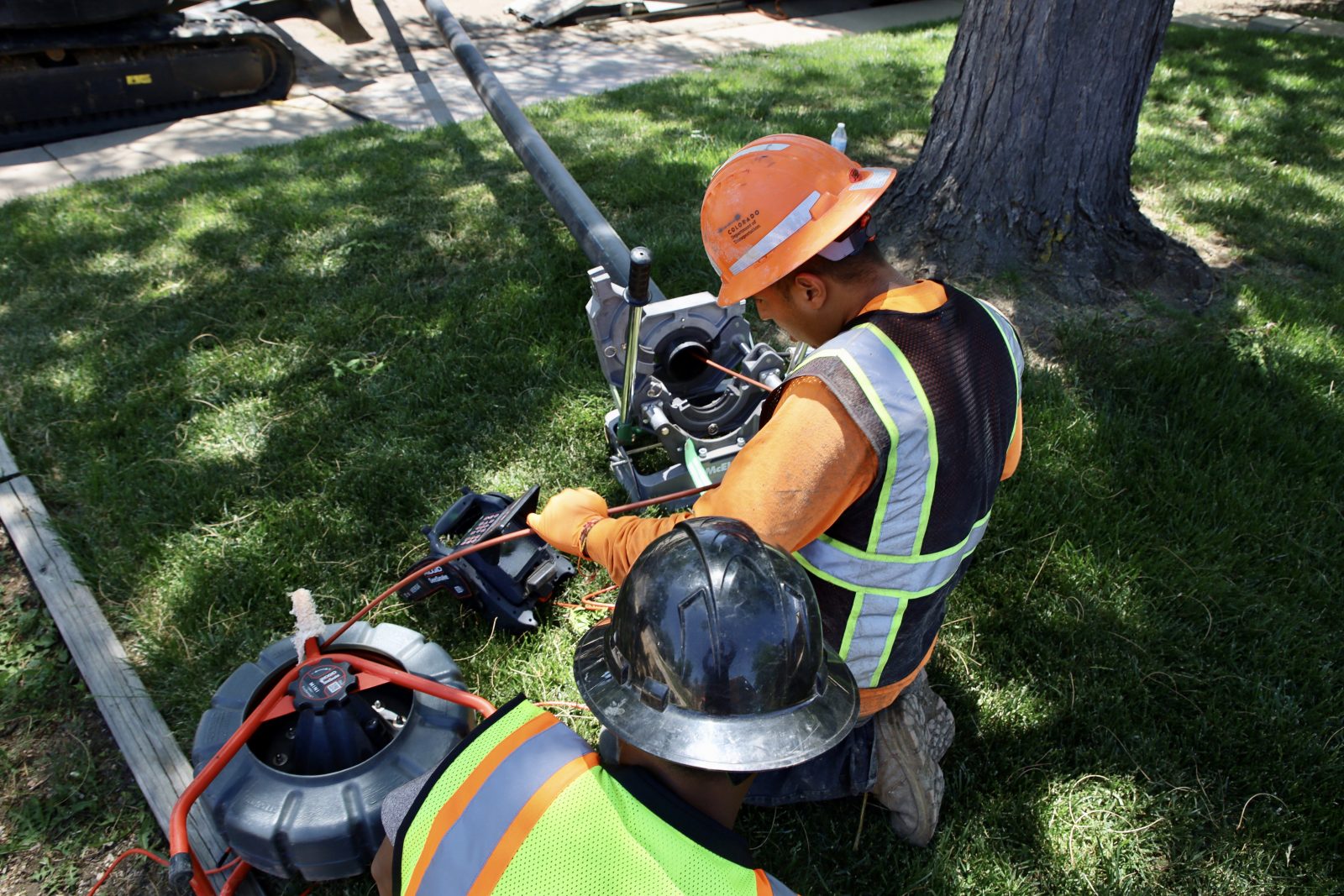
How Sewer Experts Can Help You Comply

Building upgrades often come down to systems nobody sees until they fail: sewer lines, water lines, and the plumbing tied to a building’s performance. That’s where our crews spend most of their time.

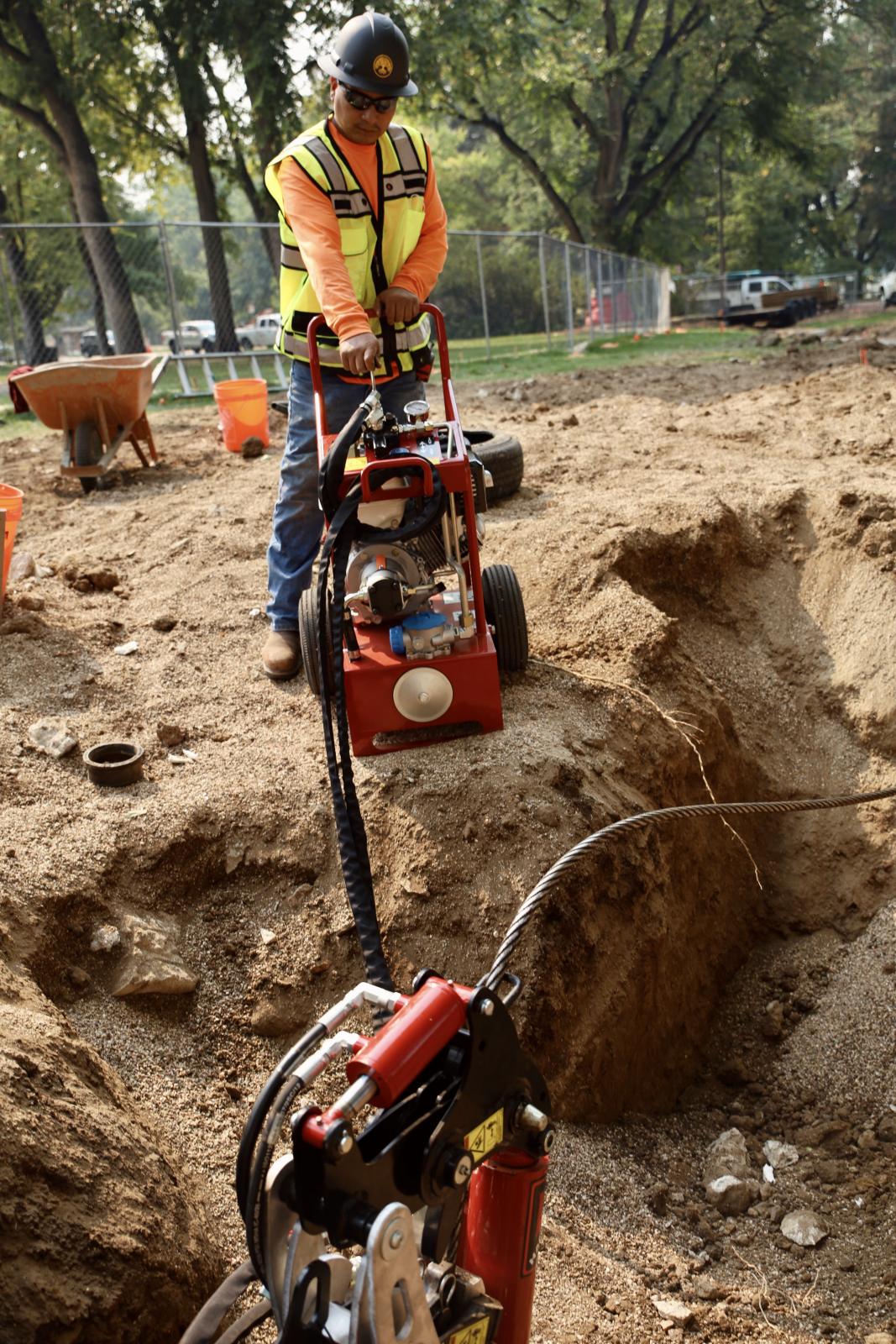
We handle trenchless pipe bursting solutions for aging sewer and water lines, which cuts the disruption and cost of a full dig-and-replace job. For buildings on a tight retrofit budget, that difference matters.

If you manage a building covered by Energize Denver and need plumbing or sewer retrofit work, now is the time to get on a schedule, not after a ruling.

Retrofit Work That Supports Compliance

Sewer and water line upgrades often tie directly into a building’s overall system performance. Trenchless methods get that work done with less disruption and lower cost than full replacement.

Why Timing Your Retrofit Matters

Contractor schedules fill up fast once a deadline nears. Booking retrofit work early protects your timeline no matter how the Energize Denver lawsuit turns out.

Common Mistake to Avoid: Treating a pending lawsuit as a reason to delay retrofit planning is a common mistake. The source doesn’t say deadlines are paused. Owners who wait for a ruling before scheduling work often end up competing for the same contractors everyone else needs at the last minute.

What the Energize Denver Case Means for You

Step back from the legal details and the picture is simple. Energize Denver’s standards are still in effect. The lawsuit, now with federal involvement, hasn’t changed what’s expected of covered buildings, at least not according to anything confirmed so far.

That leaves owners with a clear choice. Keep planning compliance upgrades and stay ahead of the deadline, or wait and hope the case resolves in your favor before time runs out.

Most owners we talk with choose the first option, because it’s the one they can control.

The Deadline Hasn't Moved

Nothing in the current report says Energize Denver’s compliance deadlines have changed. Building owners should plan as if the mandate stands, because right now, it does.

Planning Beats Waiting

Owners who keep moving on retrofit work protect themselves either way. If the mandate holds, they’re ready. If it changes, they’ve still improved their building.

What This Means for You: The Energize Denver lawsuit adds uncertainty, but not a pause. Compliance deadlines are still active, and federal involvement could stretch the case out rather than resolve it quickly. Building owners who keep planning mechanical, plumbing, and system retrofits now protect their timeline no matter how the court case ends. Waiting is a bet most owners can’t afford.

The Energize Denver lawsuit just grew more complicated after the U.S. Justice Department filed a Statement of Interest arguing the rules are preempted by the 1975 Energy Policy and Conservation Act. Law360 and the federal court docket (case 1:24-cv-01093) confirm the core facts are simple: Denver and Colorado’s building performance standards face a court challenge, and the outcome will shape compliance timelines for owners of large buildings.

Until the case resolves, the Energize Denver mandate stands as written. Building owners should keep planning mechanical, plumbing, and system retrofits instead of waiting on a ruling that may take months. If your building needs retrofit work tied to compliance, contact our Denver team to get your project scheduled before deadlines tighten.

Expert Insight from Sewer Experts: Energize Denver was never simple for building owners, and the Justice Department’s filing in the lawsuit adds another layer of uncertainty. Our advice to clients hasn’t changed. Keep moving on mechanical and plumbing upgrades instead of waiting on a court decision. Compliance deadlines don’t pause for litigation, and owners who keep working through their retrofit list stay ready no matter how the case ends.

Key Takeaway: The Energize Denver lawsuit continues after the U.S. Justice Department weighed in, and the October 2, 2026 ruling kept the building-performance claims alive. Compliance deadlines haven’t changed, so building owners should keep planning mechanical and plumbing retrofits rather than waiting on a final decision.

Frequently Asked Questions

What is the Energize Denver lawsuit about?

The Energize Denver lawsuit challenges Denver and Colorado’s building performance rules. These rules make large buildings cut energy use. The U.S. Justice Department has now weighed in with a Statement of Interest. So, the Energize Denver case covers more ground than before, and its outcome affects retrofit deadlines for owners.

Why did the federal government weigh in on the Energize Denver case?

Law360 and the federal court docket (case 1:24-cv-01093) confirm the U.S. Justice Department filed a Statement of Interest in the Energize Denver case. The Justice Department argues the rules are plausibly preempted by the 1975 Energy Policy and Conservation Act. But its involvement signals the Energize Denver lawsuit now carries weight beyond city and state courts.

Does the Energize Denver lawsuit pause compliance deadlines?

No. The source doesn’t say Energize Denver deadlines are paused. Building owners should keep planning mechanical and plumbing upgrades. Treating the Energize Denver lawsuit as a reason to wait could leave owners behind if the mandate stands.

Who does the Energize Denver lawsuit affect most?

Owners of large commercial and multifamily buildings feel the Energize Denver lawsuit most directly. Contractors handling mechanical, plumbing, and system retrofits are affected too. Property managers tracking compliance timelines should also watch how the Energize Denver case moves forward.

Where can I read the original report on the Energize Denver lawsuit?

Law360 and the federal court docket (case 1:24-cv-01093) reported the Energize Denver lawsuit development. Building owners can read the original article for full details on the federal government’s filing. Checking primary reporting on the Energize Denver case helps you avoid relying on rumors.

Step-by-Step Process

Step-by-Step: Responding to the Energize Denver Lawsuit

1. Read the original Energize Denver lawsuit report in full.
2. Confirm your building falls under Energize Denver performance standards.
3. Check your current energy benchmarking and compliance status.
4. List mechanical, plumbing, and system retrofits still needed.
5. Get quotes from licensed Denver retrofit contractors now.
6. Keep your current compliance timeline instead of waiting.
7. Watch for updates on the Energize Denver court case.
8. Ask your attorney how federal intervention affects your deadline.
9. Schedule retrofit work around existing Energize Denver deadlines.
10. Contact a trusted Denver plumbing team for retrofit help.

Quick Reference: What Is the Energize Denver Lawsuit?

The Energize Denver lawsuit is the ongoing legal fight over Denver and Colorado’s building performance standards. These rules make large buildings cut energy use through mechanical, plumbing, and system upgrades. The U.S. Justice Department has now filed a Statement of Interest in the case. So, the Energize Denver lawsuit could shape how fast building owners must comply, and what proof they need to show.

Additional Resources

Want to know who we are? Our About Sewer Experts page shares our Denver roots and the team behind every retrofit-ready plumbing job.

Curious what past clients say? Read real Sewer Experts reviews from Denver property owners who already went through major system upgrades.

Not sure if we serve your building? Check our Denver service area to confirm coverage before your next retrofit project begins.

Reviewed by Marisa Beaver, Owner · Updated

Marisa Beaver

About the author

Marisa Beaver

Owner · Demolition license (Colorado); 27 drain-layer's licenses (Colorado)

Marisa Beaver is the owner of Sewer Experts, a locally owned sewer, drain, and water line company based in Commerce City, Colorado, serving Denver and the Front Range including Aurora, Lakewood, Thornton, and Boulder. She oversees client relations and business operations, working directly with customers on sewer line repair, drain cleaning, and water line services, and personally answers client calls and coordinates technical consultations. Beaver holds a demolition license and 27 drain-layer's licenses in Colorado. Sewer Experts is licensed, insured, and bonded with state-certified technicians, and generated over $2 million in revenue in 2020. A woman- and minority-owned business, Sewer Experts has held an on-call Denver Housing Authority contract and been featured on the cover of Dig Different magazine.
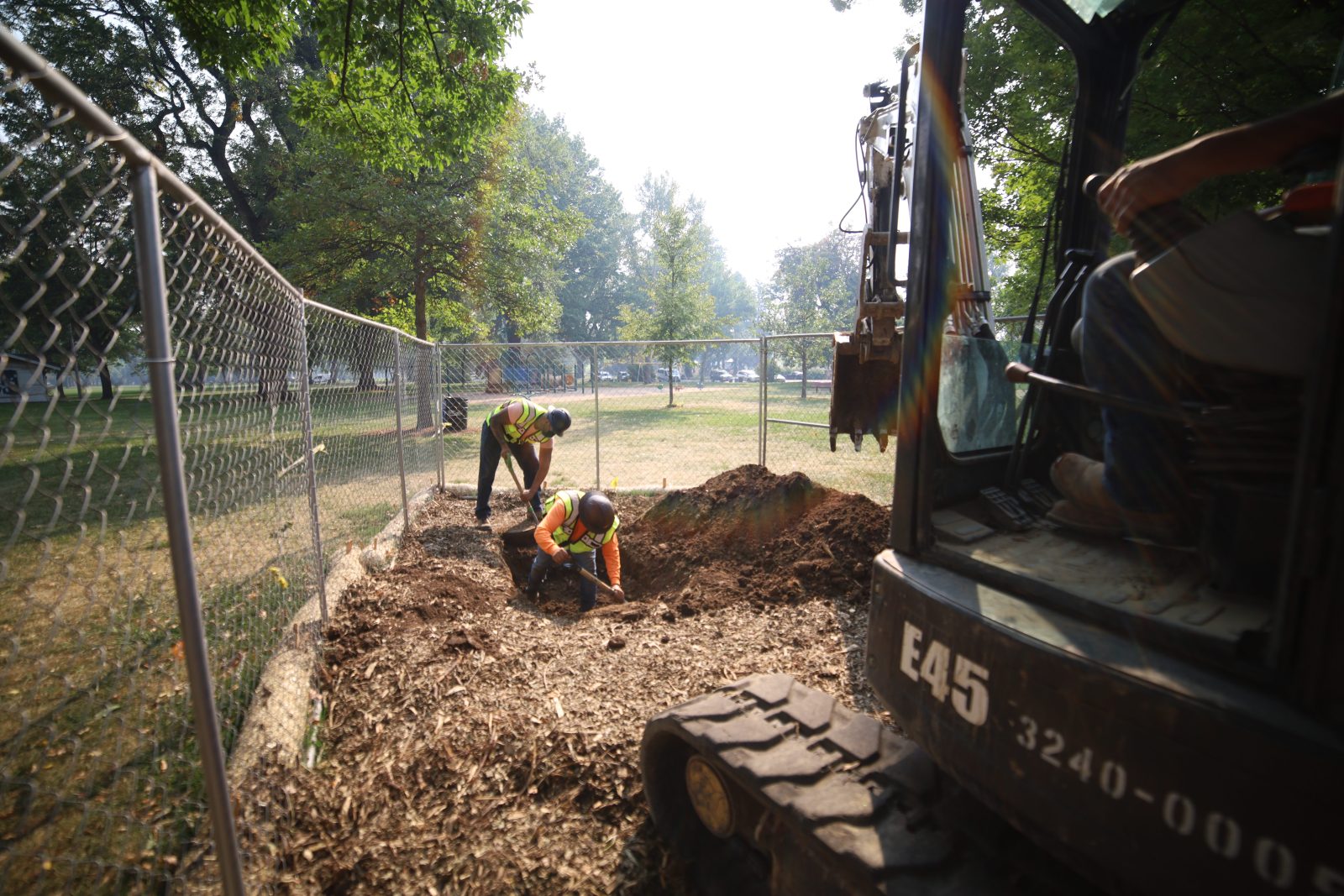
Denver Water Lead Pipe Replacement Forces Sunnyside Business Shutdowns

As of October 4, 2026, Denver Water lead pipe replacement work has cut off water for a full day at a bar in Sunnyside, and the notice given to the owner was short. The closure first came to light in a Hoodline report on the Sunnyside shutdown, which put the lost business total near $5,000. Denver Water confirms the lead service line program is expanding to more properties across the city, so more shutoffs like this one are likely.

1. What Changed in Sunnyside
2. Who Is Affected by Shutoffs
3. What To Do Now
4. How Sewer Experts Can Help
5. What This Means for Your Block
6. Frequently Asked Questions

What Changed: Denver Water Lead Pipe Replacement Timeline

What Changed: Denver Water Lead Pipe Replacement Timeline

Denver Water is actively replacing lead service lines in the Sunnyside neighborhood. The work forced a shutoff lasting a full day at the Monkey Barrel, a Sunnyside bar, with little warning before crews arrived. Hoodline’s report ties the closure directly to this phase of lead pipe replacement, not routine maintenance.

The utility has not released a public list of exact shutoff dates for upcoming blocks, and it has not given a citywide completion deadline either. What is confirmed is scope: the program is expanding past Sunnyside to more Denver properties, and each site may see a daylong disruption while crews swap the line. Property owners who want options beyond standard trenching can look at trenchless pipe replacement methods for comparable line work on their own property.

No Public Shutoff Calendar Yet

Denver Water has not published a block by block shutoff schedule. Businesses near active work zones learn about closures shortly before crews start, based on the Hoodline account of the Monkey Barrel closure.

Program Reaches Beyond Sunnyside

Denver Water has confirmed the lead pipe replacement push is moving to more properties citywide. The source does not name the next neighborhoods or give a completion date for the expansion.

Key Takeaway: Denver Water’s lead pipe replacement work is active and spreading past Sunnyside, but the utility has not shared a public shutoff calendar for other blocks yet.

Who Is Affected by the Water Line Shutoffs

Businesses next to active lead service line work face the most direct hit. The Monkey Barrel, a bar in Sunnyside, lost a full day of water access and a reported $5,000 in business, according to Hoodline. So any shop, restaurant, or bar near a work zone could face the same disruption with similarly short notice.

Homeowners on the same block feel it too. A day without water affects laundry, dishwashing, and basic plumbing in any residence tied to the line being replaced. Lead exposure risk also touches anyone drinking water through an old lead service line before it gets swapped, which is a core reason the EPA’s Lead and Copper Rule pushes utilities nationwide to find and replace these lines.

Nearby Businesses Lose a Full Day

Any business within the active work zone can lose water for an entire shift, as the Monkey Barrel did. That means lost sales on top of the inconvenience.

Residents on the Same Block

Homeowners tied to the same service line face a full day without running water too, affecting cooking, laundry, and basic hygiene until Denver Water restores service.

What To Do Now About Lead Pipe Replacement Shutoffs

Property owners and businesses in Denver Water’s service territory should start by asking Denver Water directly about any upcoming shutoff dates for their block. The utility is the only source with real scheduling information right now, since no public calendar exists yet.

Next, schedule a plumber to check interior lines and backflow devices before the crew arrives, and again once water service is restored. A shutoff and restart can shake loose sediment or expose a weak fitting that was fine under steady pressure. If your property could use a less disruptive repair method instead of another trench, pipe lining services are worth asking about during that same visit.

Call Denver Water First

Denver Water holds the only accurate shutoff schedule right now. Call and ask for your block’s dates before making any other plans around the work.

Book a Plumbing Check Before and After

Schedule one visit before the shutoff and one after. The first checks your current setup, and the second confirms nothing shifted once water pressure returns.

Pro Tip: Ask Denver Water for the shutoff window in writing, then book your plumber for both the day before and the day after. That second visit catches problems the shutoff itself can cause.

How Sewer Experts Can Help During Denver Water Shutoffs

A sudden daylong shutoff is a good moment to find out what shape your own lines are in before Denver Water schedules work on your block. Our team can inspect interior shutoff valves, backflow devices, and the water line running to your property, then flag anything that needs attention before a city crew ever shows up.

Denver Water publishes background on its lead reduction program for residents who want to confirm whether their property has a lead service line. Knowing that answer now beats finding out during an unplanned shutoff.

Check Your Own Lines Early

An inspection before Denver Water reaches your block tells you exactly what to expect, instead of guessing once a shutoff notice arrives.

Confirm If You Have a Lead Service Line

Not every property in Denver has a lead service line left to replace. Confirming your status now helps you plan, or rules out the issue entirely.

Common Mistake to Avoid: Don’t wait for a shutoff notice to learn whether your property has a lead service line. Waiting until crews are on the block leaves no time to plan around the closure.

What Denver Water Lead Pipe Replacement Means for Your Block

This is not a one time event limited to Sunnyside. Denver Water has confirmed the lead pipe replacement program is moving to more properties across the city, and the Hoodline report shows how little warning a business can get before a crew arrives.

That means any property on a block with an old lead line could see a daylong shutoff with short notice. Sewer Experts works with property owners across Denver on service line issues, including the plumbing checks that matter most around a shutoff like this.

The Program Is Spreading Past Sunnyside

Denver Water’s own confirmation means other neighborhoods should expect similar work, even without a published timeline yet.

Short Notice May Become the Norm

Based on the Sunnyside case, properties near future work sites should not count on much lead time once a crew is scheduled.

What This Means for You: If Denver Water is working anywhere near your property, expect a shutoff notice with little lead time. Plan your plumbing check now instead of after the crew arrives, so a closed tap does not turn into a bigger repair bill.

Denver Water’s lead pipe replacement work is already disrupting business in Sunnyside, and the utility has confirmed more properties are next. The Hoodline report on the Monkey Barrel closure is the clearest example yet of how short the notice can be.

If you want help checking your plumbing before a shutoff reaches your block, contact Sewer Experts to schedule a visit. Our team can walk through what a Denver Water shutoff means for your specific property and help you get ahead of it.

Expert Insight from Sewer Experts: Lead service line replacement work means a full shutoff while crews cut in the new line. Property owners near active work zones should ask their water utility for a specific shutoff window and have a plumber check interior shutoff valves and backflow devices beforehand.

Key Takeaway: Denver Water’s lead pipe replacement program is expanding, shutoffs can land with little notice, and checking your interior plumbing ahead of time limits the damage.

Frequently Asked Questions

What is Denver Water doing with lead pipe replacement in Sunnyside?

Denver Water is replacing old lead service lines in the Sunnyside neighborhood. The work needs a full water shutoff, and it already closed the Monkey Barrel bar for a day with short notice, per Hoodline’s report.

Why did the Denver Water shutoff force a bar to close?

The lead pipe replacement work cuts water to the property while crews swap the line. Without running water, a bar cannot serve customers, so the Monkey Barrel closed for the day Denver Water worked on its block.

How much warning do businesses get before a shutoff?

Hoodline’s report describes little advance warning before the Sunnyside shutoff. Denver Water has not published a public shutoff calendar, so nearby businesses should ask the utility directly about dates.

Is the lead pipe replacement program expanding beyond Sunnyside?

Yes. Denver Water confirms the program is moving to more properties across the city. The source does not name the next neighborhoods or give a completion date.

What should property owners do before a water line shutoff?

Ask Denver Water about upcoming shutoff dates for your block. Then book a plumber to check interior lines and backflow devices before and after the work.

Step-by-Step Denver Water Lead Pipe Replacement Shutoff Prep

How to Prepare for a Denver Water Shutoff

1. Call Denver Water and ask if your block has scheduled lead pipe replacement work.
2. Request the exact shutoff date and expected time window in writing.
3. Tell nearby tenants or staff about the shutoff as soon as you know it.
4. Book a plumber to check interior shutoff valves before the work starts.
5. Ask the plumber to inspect backflow devices tied to your water line.
6. Fill clean containers with water for drinking and basic needs that day.
7. Turn off appliances that use water, like dishwashers, before the shutoff begins.
8. Post a closure or limited hours notice if you run a business on site.
9. Check for leaks or pressure changes once Denver Water restores service.
10. Book a follow up plumbing check if anything seems off after restart.

Quick Reference: What Is Denver Water Lead Pipe Replacement?

Denver Water lead pipe replacement is the utility’s work to swap old lead service lines for safer pipe. Crews dig in or bore a new line, then connect it to the property. The work needs a full water shutoff, often for a day. Denver Water runs the program across its service area, and it is now reaching past Sunnyside to more properties.

Additional Resources

Read Denver customer reviews to see real experiences with water and sewer line work across the city.

Check the Sewer Experts service area to confirm coverage near your Denver property.

Visit the Sewer Experts homepage for an overview of water line and sewer line topics covered on this site.

Reviewed by Marisa Beaver, Owner · Updated

Marisa Beaver

About the author

Marisa Beaver

Owner · Demolition license (Colorado); 27 drain-layer's licenses (Colorado)

Marisa Beaver is the owner of Sewer Experts, a locally owned sewer, drain, and water line company based in Commerce City, Colorado, serving Denver and the Front Range including Aurora, Lakewood, Thornton, and Boulder. She oversees client relations and business operations, working directly with customers on sewer line repair, drain cleaning, and water line services, and personally answers client calls and coordinates technical consultations. Beaver holds a demolition license and 27 drain-layer's licenses in Colorado. Sewer Experts is licensed, insured, and bonded with state-certified technicians, and generated over $2 million in revenue in 2020. A woman- and minority-owned business, Sewer Experts has held an on-call Denver Housing Authority contract and been featured on the cover of Dig Different magazine.
Denver Energy Code Lawsuit Dismissed: Energy Code Stays in Force

As of August 7, 2026, Denver’s Energy Code remains in force, though the dismissal addressed only the new-construction electrification rules and is now on appeal to the 10th U.S. Circuit Court of Appeals. Chief U.S. District Judge Philip A. Brimmer, of the U.S. District Court for the District of Colorado, dismissed an industry-backed lawsuit against the code, as The Gazette and Colorado Politics reported. The dismissal keeps the code’s efficiency and electrification rules in place for anyone building or renovating in Denver. This denver energy code lawsuit outcome keeps the current rules in place for now, but with the appeal pending, contractors and property owners should confirm the code’s current status with the City and County of Denver.

1. What Changed in the Denver Energy Code Lawsuit
2. Who the Denver Energy Code Ruling Affects
3. What To Do Now Under the Energy Code
4. How Our Denver Sewer Team Can Help
5. What the Ruling Means for Your Project
6. Frequently Asked Questions About the Ruling

What Changed in the Denver Energy Code Lawsuit

What Changed in the Denver Energy Code Lawsuit

Industry groups sued to block Denver’s Energy Code. They argued the code’s efficiency and electrification rules went too far for builders. Chief U.S. District Judge Philip A. Brimmer, of the U.S. District Court for the District of Colorado, disagreed and dismissed the case on August 7, 2026, as The Gazette and Colorado Politics reported. So, the denver energy code lawsuit dismissal leaves the new-construction electrification rules in place for now. Nothing changes for enforcement. The source does not detail the court’s full reasoning beyond the dismissal, and the plaintiffs have appealed to the 10th U.S. Circuit Court of Appeals, so confirm the code’s current status with the City and County of Denver.

The Court's Ruling

The judge’s order dismisses the industry’s claims outright. That leaves Denver’s Energy Code in place with no pause in enforcement. But the plaintiffs have appealed, so builders and property owners should confirm the code’s current status with the City and County of Denver rather than treat the ruling as final.

What the Energy Code Covers

Denver’s Energy Code sets efficiency and electrification requirements for building projects. It applies to new construction and many renovations. The dismissal addressed only the new-construction electrification requirements; separate efficiency rules affecting existing buildings and renovations remain under litigation. The source does not list specific fees, forms, or deadlines beyond this general scope.

Key Takeaway: A federal court dismissed the industry suit against Denver’s Energy Code, but the dismissal is on appeal to the 10th Circuit. The federal court upheld only the new-construction electrification rules; separate efficiency rules for existing buildings and renovations remain under litigation. Efficiency and electrification rules stay in force for building projects across Denver for now, with no new deadlines or forms tied to this decision, so confirm current status with the City and County of Denver.

Who the Denver Energy Code Lawsuit Ruling Affects

Who the Denver Energy Code Lawsuit Ruling Affects

This ruling touches anyone building or renovating in Denver. Contractors must keep following the code on active job sites. Property owners planning new construction or major renovations face the same rules as before. Developers working on multi-unit projects also stay subject to the code’s efficiency standards. The industry group that filed suit represented builders opposed to the rules, but the source does not name the specific group or list its members.

Contractors and Builders

Contractors already working under Denver’s Energy Code keep the same obligations. Permits tied to efficiency and electrification standards remain valid. There is no gap in enforcement to plan around.

Property Owners and Developers

Property owners planning a renovation should expect the same code requirements they faced before the lawsuit. With the dismissal now on appeal, developers budgeting new projects in Denver should plan around the current rules while confirming their status with the City and County of Denver.

What To Do Now Under the Energy Code

What To Do Now Under the Energy Code

Contractors and property owners should keep complying with Denver’s Energy Code. The ruling does not pause enforcement or create a grace period. If you have a project moving through permitting, continue as planned. If you are early in planning a renovation, build the code’s efficiency and electrification requirements into your budget now. The source does not mention any new compliance window tied to this decision, so treat the existing rules as current.

For Active Projects

Keep following your existing permit conditions. The dismissal does not change inspection timelines or documentation contractors already submit for Denver construction projects.

For Planned Renovations

Property owners still in the planning stage should confirm their renovation plans meet the energy code before applying for permits. Waiting on an appeal is not a reason to delay compliance.

Pro Tip: Before you open walls or dig for an energy code upgrade, have your sewer and water lines inspected first. Finding a cracked pipe mid-renovation forces a second permit and extra cost. Checking early keeps your project on schedule and on budget.

How Our Denver Sewer Team Can Help

Renovation work tied to Denver’s Energy Code often means opening floors or exterior walls. That is the right moment to check sewer and water lines most homeowners never see. Our trenchless pipe lining services repair aging lines without tearing up a finished yard or driveway, which matters when a renovation schedule is already tight. We coordinate around your permit timeline instead of adding a separate project later.

Sewer Line Inspections During Renovation

A quick camera inspection before construction starts tells you whether your sewer line can handle the work ahead. It is a small step that avoids a bigger headache later.

Scheduling Around Your Permit

We work alongside your contractor’s timeline so utility repairs do not stall your energy code project. Most jobs finish in a day or two, keeping your renovation on track.

Common Mistake to Avoid: The biggest mistake property owners make is treating energy code upgrades and utility line condition as separate problems. Walls and floors only come up once during a renovation. Skipping a sewer line check now often means a second excavation, a second permit, and a second round of costs later.

What the Ruling Means for Your Next Project

This ruling leaves the existing rules in place for now, not new ones. Denver’s Energy Code works the same way it did before the lawsuit, so your planning does not need to change. For general background on how energy codes work across the country, the Department of Energy’s building energy codes program explains how states and cities set these standards. The plaintiffs have appealed the dismissal to the 10th U.S. Circuit Court of Appeals, so this page will be updated as that appeal proceeds.

No New Deadlines or Fees

The dismissal does not add fees, forms, or deadlines. Denver’s existing permitting process and energy code timeline stay the same for every project type covered by the code.

Code Enforcement Continues As Before

City enforcement of the energy code was never paused during the lawsuit. Contractors who kept complying face no backlog or catch-up requirement while the case moves through appeal.

What This Means for You: For most Denver builders and property owners, this ruling changes nothing day to day. You keep following the same efficiency and electrification rules you already planned around. A federal court looked at the industry’s challenge to the new-construction rules and rejected it, but the plaintiffs have appealed, so confirm the code’s current status with the City and County of Denver before you commit to a plan.

Denver’s Energy Code cleared its first major court test, though the plaintiffs have appealed to the 10th U.S. Circuit Court of Appeals. The dismissal of this denver energy code lawsuit means contractors and property owners keep building under the same efficiency and electrification rules that applied before the suit. Nothing about permitting, enforcement, or deadlines has changed.

If your next project in Denver involves a major renovation, pair your energy code planning with a check of your sewer and water lines before the walls go back up. Contact our Denver sewer team to schedule an inspection around your permit timeline, so one project covers both jobs instead of two. This page will be updated as the appeal proceeds.

Expert Insight from Sewer Experts: Renovation projects built around energy code compliance often open up walls, floors, or yards where old utility lines sit. We regularly find aging sewer or water lines during these jobs that nobody knew needed attention. Handling that work alongside the energy code upgrades saves property owners a second permit process and a second round of digging later.

Key Takeaway: A federal court dismissed the industry’s denver energy code lawsuit, leaving Denver’s Energy Code in force for now; the plaintiffs have appealed to the 10th Circuit, and separate efficiency rules for existing buildings remain under litigation, so confirm current status with the City and County of Denver. Contractors and property owners should keep following its efficiency and electrification rules with no new deadlines. If a renovation is on your calendar, pair your compliance plan with a sewer line check to avoid a second dig later.

Frequently Asked Questions

What is the Denver energy code lawsuit about?

The denver energy code lawsuit challenged Denver’s Energy Code rules on efficiency and electrification for building projects. Industry groups argued the rules went too far. A federal judge dismissed the case, and the plaintiffs have appealed to the 10th U.S. Circuit Court of Appeals, so the code stays in force for now for Denver contractors and property owners.

Who filed the Denver energy code lawsuit?

An industry-backed group filed the lawsuit against Denver’s Energy Code. The available reporting does not name the group or list its members. A federal judge dismissed the case, but the plaintiffs have appealed to the 10th U.S. Circuit Court of Appeals, so the code remains enforceable for now.

Does the Denver energy code lawsuit ruling change my permit timeline?

No. The ruling does not add deadlines, fees, or forms. Denver’s Energy Code requirements stay exactly as they were before the lawsuit, so your existing permit process and timeline continue unchanged.

Will the Denver energy code lawsuit be appealed?

The plaintiffs appealed the dismissal to the 10th U.S. Circuit Court of Appeals, and the U.S. Justice Department has since argued that related Denver energy rules are likely preempted by federal law. Denver’s Energy Code remains in force while the appeal is pending, but confirm its current status with the City and County of Denver.

What should contractors do after the Denver energy code lawsuit dismissal?

Contractors should keep following Denver’s Energy Code exactly as before. Nothing about inspections, permits, or efficiency and electrification requirements has changed because of this dismissal.

Quick Reference: What Is the Denver Energy Code Lawsuit?

The Denver energy code lawsuit was a legal case brought by industry groups against Denver’s Energy Code. That code sets efficiency and electrification rules for building projects in the city. The groups wanted a court to block the rules. A federal judge dismissed the case instead, and the plaintiffs have appealed to the 10th U.S. Circuit Court of Appeals. So, the energy code stays in force for Denver contractors and property owners while that appeal is pending.

Additional Resources

If you’re renovating, our guide on how to find your sewer line fast helps you locate buried lines before construction starts.

Curious about budgeting? See our breakdown of the real cost of sewer repair in Colorado for current pricing.

Selling soon? Read what happens if your sewer line fails during a home sale to plan ahead.

Reviewed by Marisa Beaver, Owner · Updated

Marisa Beaver

About the author

Marisa Beaver

Owner · Demolition license (Colorado); 27 drain-layer's licenses (Colorado)

Marisa Beaver is the owner of Sewer Experts, a locally owned sewer, drain, and water line company based in Commerce City, Colorado, serving Denver and the Front Range including Aurora, Lakewood, Thornton, and Boulder. She oversees client relations and business operations, working directly with customers on sewer line repair, drain cleaning, and water line services, and personally answers client calls and coordinates technical consultations. Beaver holds a demolition license and 27 drain-layer's licenses in Colorado. Sewer Experts is licensed, insured, and bonded with state-certified technicians, and generated over $2 million in revenue in 2020. A woman- and minority-owned business, Sewer Experts has held an on-call Denver Housing Authority contract and been featured on the cover of Dig Different magazine.
Commercial Grease Trap Compliance in Denver: The Complete Restaurant Owner’s Guide to FOG Regulations

Your Denver restaurant faces real risk from FOG violations. Fats, oils, and grease build up fast. They clog city sewer lines. And Denver’s wastewater authority takes commercial grease trap compliance seriously. Fines start at hundreds of dollars per day. Repeat violations can shut you down. So every restaurant owner needs to understand the rules now.

A properly installed and maintained commercial grease trap for your Denver restaurant is not optional. It is a legal requirement. Sewer Experts has served Denver-area restaurants for over 20 years. We install, inspect, and maintain grease traps that meet every city and state code. This guide covers everything you need to know about commercial grease trap Denver restaurant rules, FOG regulations, and how to stay compliant year-round.

1. What Is a Commercial Grease Trap and Why Denver Restaurants Need One
2. Denver FOG Regulations Every Restaurant Owner Must Know
3. How to Choose the Right Grease Trap for Your Restaurant
4. Commercial Grease Trap Maintenance and Cleaning Schedule
5. Avoiding Fines: Compliance Tips for Denver Restaurant Owners

What Is a Commercial Grease Trap and Why Denver Restaurants Need One

A commercial grease trap is a plumbing device. It sits between your kitchen drains and the city sewer line. Its job is simple. It catches fats, oils, and grease before they enter the public sewer system. Without one, FOG flows straight into Denver’s pipes. It cools, hardens, and causes blockages.

Denver’s wastewater authority requires a commercial grease trap for any food service business. That includes full-service restaurants, fast food locations, cafeterias, and food trucks with fixed connections. Denver’s regional wastewater authority enforces these rules strictly. Violations carry daily fines and can trigger mandatory inspections.

Sewer Experts installs grease traps for Denver restaurants of every size. We handle underground interceptors for high-volume kitchens and indoor units for smaller spaces. Our team knows Denver’s local codes inside and out.

How a Grease Trap Works

Wastewater from your kitchen enters the grease trap first. The trap slows the flow. Grease floats to the top. Solids sink to the bottom. Clean water exits through the outlet pipe into the sewer. It is a straightforward process. But it only works when the trap is the right size and properly maintained.

A grease trap that is too small fills up fast. When it is full, grease passes through. That defeats the whole purpose. Your commercial grease trap must match your kitchen’s daily grease output. Sewer Experts sizes every unit to your specific restaurant volume. We do not guess. We calculate.

Types of Grease Traps for Denver Restaurants

There are two main types used in Denver restaurants. The first is an indoor hydromechanical grease interceptor. It installs under a sink or in a utility area. It works well for low-volume kitchens. The second is an outdoor gravity grease interceptor. It is a large underground tank. It handles high-volume commercial kitchens.

Denver’s FOG regulations often require the larger outdoor unit for full-service restaurants. Your local permit office will specify which type your operation needs. Sewer Experts installs both types. We also handle all permits and inspections so you do not have to manage the paperwork alone.

Key Takeaway: Every Denver restaurant that produces fats, oils, or grease must have a properly sized commercial grease trap. The right unit stops FOG from entering city sewer lines. It protects your business from fines. Sewer Experts installs compliant grease traps for Denver restaurants of all sizes.

Denver FOG Regulations Every Restaurant Owner Must Know

Denver’s FOG regulations are not suggestions. They are enforceable rules backed by city ordinance and state environmental law. The Colorado Department of Public Health and Environment sets baseline standards. Local wastewater districts add their own requirements on top. Your Denver restaurant must meet both.

The core rule is this. Any food service establishment must install a grease trap or grease interceptor. It must be sized correctly. It must be cleaned on a regular schedule. And you must keep records of every cleaning and inspection. Inspectors can ask for those records at any time.

Sewer Experts helps Denver restaurant owners understand exactly what applies to their location. We have worked with every major wastewater district in the Denver metro area. We know what each one requires.

Grease Trap Sizing Requirements in Denver

Denver’s FOG program uses a formula to size grease traps. It factors in the number of meals served per day, the type of cooking, and the number of drain connections. Sizing is establishment-specific, so the right capacity varies from one restaurant to the next. Have your interceptor sized by the Denver Department of Transportation and Infrastructure (DOTI) before you buy, and confirm the current sizing criteria with DOTI before you install.

Under-sizing is the most common compliance mistake. A grease trap that is too small fills up between cleanings. FOG passes through into the sewer. That triggers a violation even if you clean on schedule. Sewer Experts calculates the correct size before every installation. We use Denver’s actual sizing formula, not estimates.

Record-Keeping and Inspection Requirements

Denver’s FOG regulations require written records for every grease trap service. You must log the date of cleaning, the name of the service company, and the volume of waste removed. Federal pretreatment rules require keeping those records for at least three years; confirm the current retention period with the Denver Department of Transportation and Infrastructure (DOTI) before you rely on it. Inspectors from the wastewater district can request them without advance notice.

Many Denver restaurant owners get caught off guard by surprise inspections. They have had their grease trap cleaned. But they cannot find the paperwork. That alone can result in a fine. Sewer Experts provides a full service report after every cleaning. We also offer digital record storage so your compliance documents are always ready.

How to Choose the Right Grease Trap for Your Denver Restaurant

Choosing the right commercial grease trap for your Denver restaurant depends on three things. First, your kitchen’s daily output of fats, oils, and grease. Second, the physical space available for installation. Third, the specific requirements of your local wastewater district. Get any one of these wrong and you face a compliance problem.

Sewer Experts starts every project with a site assessment. We look at your kitchen layout, your drain connections, and your menu. A burger restaurant produces far more grease than a salad bar. A breakfast diner needs a different setup than a sushi restaurant. We match the grease trap to your actual operation.

We also check your local permit requirements before we recommend anything. Denver’s different wastewater districts sometimes have different rules. We know all of them.

Indoor vs. Outdoor Grease Interceptors

Indoor hydromechanical grease traps work for smaller Denver restaurants. They install under a sink or in a utility closet. They are easier to access for cleaning. But they fill up faster. They need cleaning every one to four weeks depending on volume.

Outdoor gravity interceptors are larger underground tanks. They handle much higher grease volumes. Most full-service Denver restaurants use these. They need pumping every 30 to 90 days. Sewer Experts installs both types. We also handle the excavation and backfill for underground units. You get a complete installation from one team.

Permits and Approvals for Grease Trap Installation

Installing a commercial grease trap in Denver requires permits. You need approval from your local building department and your wastewater district. The process involves submitting plans, getting approval, completing the installation, and passing a final inspection. It sounds like a lot. But Sewer Experts handles all of it.

We prepare and submit all permit applications. We coordinate with inspectors. We make sure the installation passes on the first inspection. Our team has done this hundreds of times across the Denver metro area. You focus on running your restaurant. We handle the compliance side.

Pro Tip: Always get your grease trap sized by a licensed professional before purchasing. Many Denver restaurant owners buy a unit online and then discover it does not meet local code. That means buying a second unit and paying for two installations. Sewer Experts sizes your grease trap correctly the first time. Call us before you buy anything.

Commercial Grease Trap Maintenance and Cleaning Schedule

A commercial grease trap only works when it is clean. FOG builds up with every meal your kitchen produces. Over time, the trap fills. Grease starts passing through into the sewer. That is when violations happen. Regular maintenance is the only way to stay compliant and protect your Denver restaurant.

Denver’s FOG regulations set minimum cleaning frequencies. But the right schedule depends on your kitchen’s output. High-volume restaurants may need monthly service. Lower-volume operations might go 60 to 90 days between cleanings. Sewer Experts sets a custom maintenance schedule for every client. We track your grease trap’s fill rate and adjust the schedule as your business changes.

We also perform a full inspection at every service visit. We check the inlet and outlet pipes, the baffles, and the tank walls. We catch small problems before they become big ones. Our Denver drain cleaning and maintenance services keep your entire system running clean.

When to Clean Your Grease Trap

Denver DOTI sets a cleaning threshold based on how full the interceptor is. When the combined depth of FOG and solids reaches the level set in Denver’s grease-interceptor policy, it must be cleaned. This is not a suggestion. It is a compliance threshold — confirm the current threshold with the Denver Department of Transportation and Infrastructure (DOTI) before you rely on it. Inspectors measure this during site visits.

Many Denver restaurant owners wait too long between cleanings. They assume a set schedule is enough. But a busy week can push a grease trap past that threshold faster than expected. Sewer Experts monitors your trap’s fill rate. We alert you when service is needed. You never have to guess.

What Happens During a Professional Grease Trap Cleaning

A professional grease trap cleaning is more than pumping out the tank. Sewer Experts removes all FOG and solid waste. We scrape the walls and baffles. We flush the inlet and outlet pipes. We inspect every component for damage or wear. Then we provide a written service report with all the details your records require.

We dispose of all waste at licensed facilities. Denver has strict rules about FOG disposal. Improper disposal is a separate violation. Sewer Experts handles everything correctly. You get a clean trap, a full inspection report, and peace of mind.

Common Mistake to Avoid: Do not use enzyme or bacterial additives to extend time between grease trap cleanings. Many Denver restaurant owners try this to save money. But additives are not a substitute for licensed pumping and do not satisfy cleaning requirements — they simply push grease further down the line. They do not remove FOG. They just move the problem. Use only licensed pumping and cleaning services.

Avoiding Fines: FOG Compliance Tips for Denver Restaurants

FOG violations are expensive. Denver restaurants that fall out of compliance can face escalating daily penalties under city ordinance — confirm the current amounts with the Denver Department of Transportation and Infrastructure (DOTI) before you rely on any figure. Repeat violations lead to mandatory inspections, required upgrades, and in serious cases, temporary closure. The good news is that most violations are completely preventable.

The U.S. Environmental Protection Agency’s guidelines on fats, oils, and grease make clear that proper grease management protects both businesses and public infrastructure. Denver’s local rules align with these federal guidelines. Staying compliant protects your restaurant and the city’s sewer system.

Sewer Experts offers a free commercial grease trap assessment for Denver restaurant owners. We review your current setup, check your records, and identify any compliance gaps. Then we give you a clear action plan. No surprises. No guesswork.

Staff Training for FOG Compliance

Your grease trap can only do so much. Staff behavior matters too. Train your kitchen team to scrape plates before washing. Use dry wiping on pots and pans before rinsing. Never pour cooking oil or grease down the drain. Collect used fryer oil in sealed containers for proper disposal.

These simple habits reduce the load on your commercial grease trap. Less FOG entering the trap means longer time between cleanings. It also means your trap works more effectively. Sewer Experts can provide basic FOG training materials for your kitchen staff. We want your Denver restaurant to stay compliant between our service visits.

Scheduling Your Annual Compliance Audit

Denver’s wastewater districts conduct random inspections. But smart restaurant owners do not wait for an inspector to show up. Schedule your own annual compliance audit. Review your grease trap size, your cleaning records, and your staff practices. Fix any gaps before an inspector finds them.

Sewer Experts offers a full compliance audit for Denver restaurants. We check your grease trap installation, your maintenance records, and your current cleaning schedule. We compare everything against Denver’s current FOG regulations. If anything is out of compliance, we tell you exactly what to fix. Check our verified customer reviews to see how we have helped other Denver restaurant owners stay compliant.

What This Means for You: If you own a Denver restaurant, FOG compliance is not a back-burner issue. It is an active, ongoing responsibility. The right commercial grease trap, properly sized and regularly cleaned, keeps your operation legal. It protects you from fines. It protects the city’s sewer system. And it protects your reputation as a responsible business owner. Sewer Experts makes compliance simple. We handle installation, maintenance, record-keeping support, and compliance audits. You get one trusted partner for everything your commercial grease trap needs in Denver.

Running a Denver restaurant means managing a lot of moving parts. Your commercial grease trap should not be one you worry about. With the right grease trap installed and a solid maintenance plan in place, FOG compliance becomes routine. You avoid fines. You protect your kitchen. And you keep your operation running without interruption.

Sewer Experts has helped Denver restaurant owners stay compliant for over 20 years. We install commercial grease traps, handle all permits, and provide ongoing maintenance. Our team knows Denver’s FOG regulations inside and out. Contact Sewer Experts today for a free commercial grease trap assessment and compliance audit. Reach us at sewerex.com/contact or call (720) 663-7473. Do not wait for an inspector to find a problem. Let us help you stay ahead of it.

Why FOG Compliance Matters: Fats, oils, and grease are among the leading causes of sanitary sewer overflows in Colorado. Food service establishments that install properly sized grease interceptors and maintain them on a regular schedule significantly reduce their risk of contributing to sewer blockages. Consistent maintenance records are typically among the first things inspectors look for during a compliance review. Keeping clean records significantly reduces the risk of enforcement action.

Key Takeaway: Denver restaurant owners who install the right commercial grease trap, clean it on schedule, and keep proper records significantly reduce their risk of FOG violations. Sewer Experts handles every step of that process. From installation to ongoing maintenance to compliance audits, we keep your Denver restaurant on the right side of FOG regulations.

Frequently Asked Questions

Does every Denver restaurant need a commercial grease trap?

Yes. Denver’s FOG regulations require a commercial grease trap for any food service business that produces fats, oils, or grease. That includes restaurants, cafeterias, food trucks with fixed connections, and commercial kitchens. The grease trap must be properly sized and regularly maintained to meet compliance standards.

How often does a commercial grease trap need cleaning in Denver?

Denver DOTI sets a fill-based cleaning threshold. Clean your grease trap before FOG and solids reach the level set in Denver’s grease-interceptor policy, and confirm the current threshold with the Denver Department of Transportation and Infrastructure (DOTI). For most Denver restaurants, that means cleaning every 30 to 90 days. High-volume kitchens may need monthly service. Sewer Experts sets a custom schedule based on your restaurant’s actual grease output.

What size commercial grease trap does my Denver restaurant need?

Grease trap size depends on your daily meal count, cooking type, and drain connections. Sizing is establishment-specific, so the required capacity varies from one restaurant to the next. Have your interceptor sized by the Denver Department of Transportation and Infrastructure (DOTI) before you buy, and confirm the current sizing criteria with DOTI. Sewer Experts calculates the correct size using Denver’s official FOG sizing formula before every installation.

What are the fines for grease trap violations in Denver?

Denver restaurants that fall out of compliance can face escalating daily penalties under city ordinance — confirm the current amounts with the Denver Department of Transportation and Infrastructure (DOTI) before you rely on any figure. Repeat violations trigger mandatory inspections and required upgrades. Serious cases can lead to temporary closure. Proper grease trap installation and regular maintenance prevent most violations. Sewer Experts offers free compliance audits to help Denver restaurants avoid fines.

Can I use enzyme additives instead of cleaning my grease trap?

No. Enzyme or bacterial additives are not a substitute for grease trap cleaning and do not satisfy cleaning requirements. These products push FOG further down the sewer line rather than removing it. That creates blockages downstream. Only licensed pumping and cleaning by a certified service like Sewer Experts counts as compliant maintenance.

Step-by-Step Process

Step-by-Step: Commercial Grease Trap Compliance for Denver Restaurants

1. Confirm your Denver restaurant’s FOG compliance requirements with your local wastewater district
2. Schedule a site assessment with Sewer Experts to evaluate your kitchen layout and grease output
3. Calculate the correct grease trap size using Denver’s official FOG sizing formula
4. Select the right grease trap type: indoor hydromechanical or outdoor gravity interceptor
5. Submit permit applications to your local building department and wastewater district
6. Complete the professional grease trap installation with all required inspections
7. Train kitchen staff on FOG best practices: scraping plates, dry wiping, proper oil disposal
8. Set a custom cleaning and maintenance schedule based on your kitchen’s grease output
9. Keep written records of every grease trap cleaning, inspection, and service visit
10. Schedule an annual compliance audit to review records, sizing, and maintenance practices

Quick Reference: What Is a Commercial Grease Trap for Denver Restaurants?

A commercial grease trap is a plumbing device. It sits between your kitchen drains and the city sewer. It captures fats, oils, and grease before they enter Denver’s sewer system. Denver restaurants are required by law to have one. The grease trap must be properly sized for your kitchen’s output. It must be cleaned on a regular schedule. And you must keep written records of every service. So a commercial grease trap is both a physical device and a compliance system. It protects the city’s sewer lines. It also protects your Denver restaurant from fines and shutdowns. Sewer Experts installs and maintains compliant grease traps for Denver restaurants of all sizes.

Additional Resources

• Commercial Grease Trap Installation in Denver — Learn how Sewer Experts installs FOG-compliant grease traps for Denver restaurants, including underground interceptors and indoor units.

• Trenchless Pipe Lining for Denver Businesses — Explore how trenchless pipe lining protects your commercial sewer lines from grease buildup and long-term FOG damage.

• Sewer Experts Denver Reviews — Read verified reviews from Denver restaurant owners and commercial clients who trust Sewer Experts for grease trap and sewer services.

• Contact Sewer Experts Denver — Schedule your free commercial grease trap assessment and FOG compliance audit with Denver’s most trusted sewer specialists.

Reviewed by Marisa Beaver, Owner · Updated

Marisa Beaver

About the author

Marisa Beaver

Owner · Demolition license (Colorado); 27 drain-layer's licenses (Colorado)

Marisa Beaver is the owner of Sewer Experts, a locally owned sewer, drain, and water line company based in Commerce City, Colorado, serving Denver and the Front Range including Aurora, Lakewood, Thornton, and Boulder. She oversees client relations and business operations, working directly with customers on sewer line repair, drain cleaning, and water line services, and personally answers client calls and coordinates technical consultations. Beaver holds a demolition license and 27 drain-layer's licenses in Colorado. Sewer Experts is licensed, insured, and bonded with state-certified technicians, and generated over $2 million in revenue in 2020. A woman- and minority-owned business, Sewer Experts has held an on-call Denver Housing Authority contract and been featured on the cover of Dig Different magazine.