That smell coming from your drain is not always sewer gas. Foul odors from drains not sewer gas are actually very common. They come from biofilm buildup, dry traps, and bacterial growth inside your pipes. Many homeowners panic and assume the worst. But the cause is often simpler than you think.
Foul odors from drains not sewer gas can affect any drain in your home. Kitchen sinks, bathroom drains, and floor drains all trap organic matter. That matter breaks down and creates bad smells. At Sewer Experts Denver, our team has over 20 years of experience diagnosing drain odors across the Denver metro area. We know how to tell the difference between a biofilm problem and a real sewer gas leak. This guide will help you do the same. You will learn the causes, the fixes, and when to call a pro.
1. What Causes Foul Odors From Drains Not Sewer Gas
2. Biofilm Buildup and Drain Odors Explained
3. Dry Traps and How They Create Drain Smells
4. Bacterial Growth Inside Drains and Pipes
5. How to Fix Foul Odors From Drains at Home
6. When to Call a Pro for Drain Odors
What Causes Foul Odors From Drains Not Sewer Gas
Foul odors from drains not sewer gas have several root causes. Most of them involve organic matter stuck inside your pipes. Food particles, soap scum, hair, and grease all collect over time. They sit in your drain and begin to rot. That rotting process creates the bad smell you notice.
Drain odors are not the same as sewer gas. Sewer gas contains hydrogen sulfide and methane. It smells like rotten eggs and can be dangerous. Drain odors from biofilm or bacteria smell musty, sour, or like rotting food. Knowing the difference matters. It helps you pick the right fix.
According to the U.S. Environmental Protection Agency, indoor air quality problems often start with moisture and organic buildup. Drains are a prime spot for both. So foul odors from drains not sewer gas are really an indoor air quality issue at their core.
Three Main Sources of Drain Odors
The three main sources of foul odors from drains not sewer gas are biofilm, dry traps, and bacterial growth. Each one creates a distinct smell. Each one also has a different fix.
Biofilm is a slimy layer of bacteria and organic matter. It coats the inside of your drain pipe. Dry traps let sewer gas in, but they also let drain odors escape. Bacterial growth happens deep inside the pipe. It produces gases that smell foul.
All three can happen at the same time. That makes the drain smell worse. But none of them are as dangerous as a true sewer gas leak.
Drain Odors vs. Sewer Gas: Key Differences
Drain odors and sewer gas smell different. Sewer gas has a sharp, rotten egg smell. It comes from hydrogen sulfide. Drain odors from biofilm or bacteria smell musty or sour. They are not as sharp.
Sewer gas is also dangerous. High levels can cause headaches, nausea, or worse. Drain odors from organic buildup are unpleasant but not toxic. Still, you should fix them fast. They get worse over time.
If you smell rotten eggs near a drain, test for sewer gas first. If the smell is more like mildew or old food, you likely have foul odors from drains not sewer gas. That is a biofilm or bacteria problem.
Key Takeaway: Foul odors from drains not sewer gas come from biofilm, dry traps, and bacterial growth. They smell musty or sour, not like rotten eggs. They are unpleasant but not dangerous. Still, fix them quickly. They get worse the longer you wait.
Biofilm Buildup and Drain Odors Explained
Biofilm is one of the top causes of foul odors from drains not sewer gas. It forms when bacteria stick to the inside of your drain pipe. They form a slimy layer. That layer traps food particles, soap, and grease. Over time, it grows thicker and smells worse.
Biofilm buildup happens in every drain. Kitchen drains get it from food and grease. Bathroom drains get it from soap scum and hair. Even floor drains in basements can develop biofilm. The drain odors from biofilm are often described as musty, sour, or like rotting food.
You can often see biofilm. Look inside your drain opening. If you see a dark, slimy coating, that is biofilm. It is the source of your drain smell. Cleaning it out removes the odor at its source.
How Biofilm Forms in Drains
Biofilm forms in stages. First, bacteria attach to the pipe wall. Then they multiply and form a colony. Next, they produce a sticky substance that traps more organic matter. So the biofilm grows layer by layer.
Warm, moist drains speed up this process. Kitchen drains near dishwashers are especially prone. Bathroom drains that see daily use also build up biofilm fast. The drain odors get stronger as the biofilm thickens.
Biofilm is not just a surface problem. It can grow deep inside the pipe. That is why surface cleaning sometimes does not fix the drain smell. You may need a deeper clean to remove all the biofilm.
Removing Biofilm to Stop Drain Smells
Removing biofilm stops foul odors from drains not sewer gas at the source. Start with a drain brush. Scrub the inside of the drain opening. Then flush with hot water. Next, pour a mix of baking soda and white vinegar down the drain. Let it fizz for 15 minutes. Flush again with hot water.
For stubborn biofilm, use an enzyme-based drain cleaner. These products break down organic matter without harming your pipes. They work well on kitchen and bathroom drains. Repeat the treatment weekly to keep drain odors away.
For professional drain cleaning in Denver, our team uses hydro jetting. This method blasts biofilm off pipe walls with high-pressure water. It removes buildup that home treatments cannot reach.
Dry Traps and How They Create Drain Smells

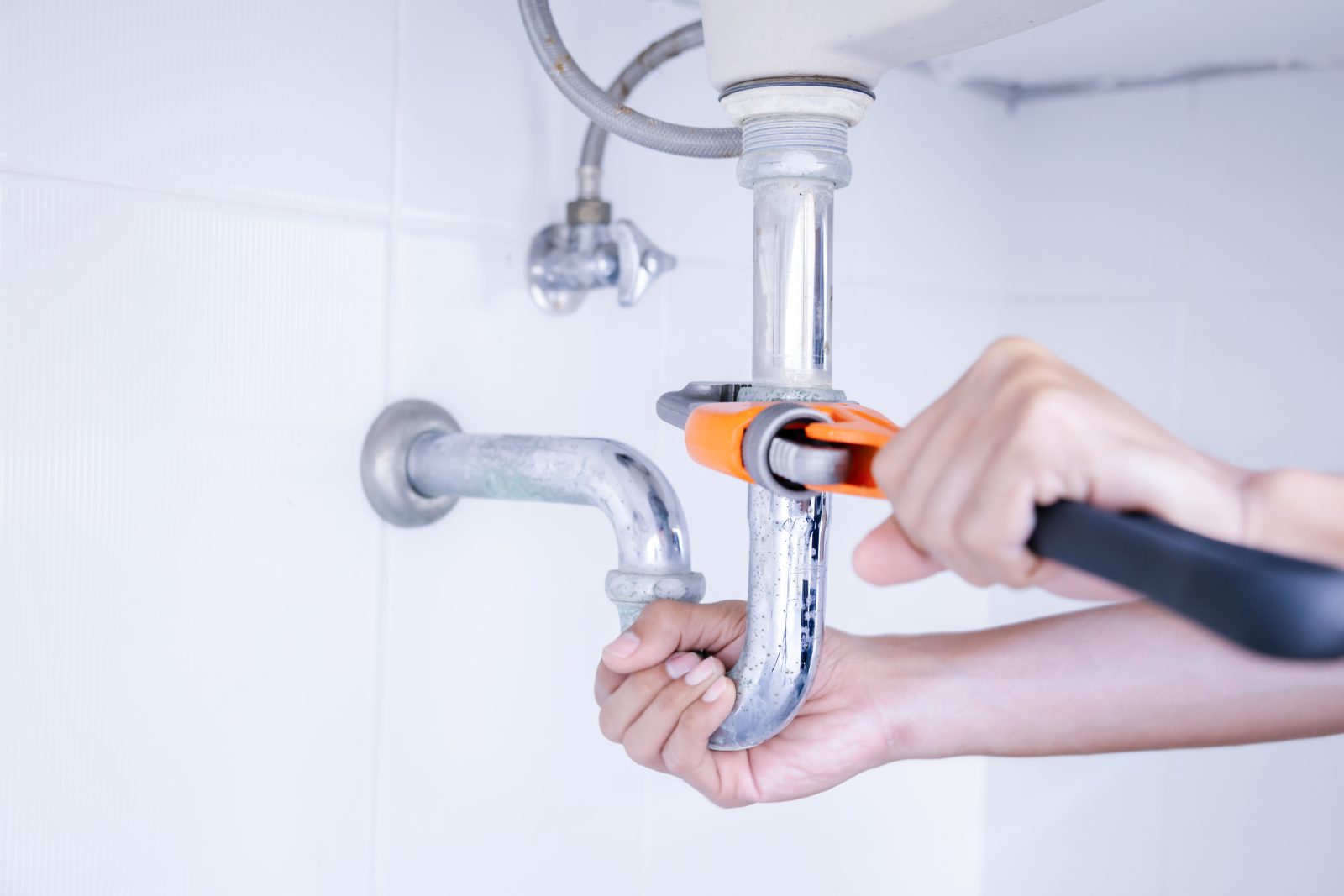
A dry trap is another common cause of foul odors from drains not sewer gas. Every drain has a P-trap. This is the curved pipe section under your sink or floor drain. It holds a small amount of water. That water blocks gases from coming up through the drain.
When the trap dries out, the water barrier disappears. Gases from the drain pipe can then rise into your home. These gases include drain odors from organic buildup deep in the pipe. They smell bad but are different from true sewer gas.
Dry traps happen most often in drains that are rarely used. Guest bathroom sinks, basement floor drains, and utility sinks are common spots. If you have not used a drain in weeks, its trap may be dry.
Signs You Have a Dry Trap
The main sign of a dry trap is a drain smell that comes and goes. You may notice it more in dry weather. You may also notice it in rooms you do not use often. The smell often gets stronger when you run other drains nearby.
Another sign is a gurgling sound from the drain. This happens when air moves through the dry trap. It is not always present, but it is a clue. Also, if the drain smell goes away after you run water, a dry trap is likely the cause.
Dry traps are easy to fix. But first, you need to confirm that is the problem. Rule out biofilm and bacterial growth first. Then test the trap by running water and checking if the smell stops.
How to Fix a Dry Trap Fast
Fixing a dry trap is simple. Run water down the drain for 30 seconds. This refills the trap. The water barrier returns. The drain odors should stop within minutes.
For drains you rarely use, add a cup of water every two weeks. This keeps the trap full. You can also add a small amount of mineral oil. Oil sits on top of the water and slows evaporation. This is a great trick for basement floor drains.
If the trap keeps drying out even with regular use, you may have a leak. A cracked P-trap lets water drain away. That keeps the trap empty. In that case, you need a plumber to replace the trap. Foul odors from drains not sewer gas will keep coming back until you fix the leak.
Pro Tip: Add a cup of water to every rarely used drain once every two weeks. This simple habit keeps P-traps full. Full traps block drain odors from rising into your home. It takes 30 seconds and costs nothing. It is the easiest way to prevent foul odors from drains not sewer gas.
Bacterial Growth Inside Drains and Pipes
Bacterial growth is a major driver of foul odors from drains not sewer gas. Bacteria thrive in warm, dark, moist pipes. They feed on organic matter like food scraps, grease, and soap. As they break down this matter, they release gases. Those gases create the drain smell you notice.
Bacterial growth is different from biofilm. Biofilm is a structured colony on the pipe wall. Bacterial growth can happen anywhere in the pipe. It can also happen in the drain stopper, the overflow hole, and the pipe joints. So the drain odors can come from multiple spots at once.
Bacteria in water systems grow fast in warm conditions, a point public health authorities like the Centers for Disease Control and Prevention have long noted. Your drain pipes are the perfect environment. Regular cleaning is the best defense against bacterial growth and the drain odors it causes.
Common Bacteria Found in Smelly Drains
Several types of bacteria cause foul odors from drains not sewer gas. Sulfur-reducing bacteria produce hydrogen sulfide gas. This gas smells like rotten eggs. But it can come from drain bacteria, not just sewer gas. That is why the two are often confused.
Other bacteria produce organic acids as they break down food. These acids smell sour or musty. They are the source of that old-food drain smell in kitchen sinks. Bathroom drains often have bacteria that break down hair and skin cells. These produce a different, more musty drain odor.
All of these bacteria are normal. They exist in every drain. The problem starts when they grow out of control. That happens when drains are not cleaned regularly.
Cleaning Drains to Kill Bacteria
Killing drain bacteria stops foul odors from drains not sewer gas at the source. Start by removing the drain cover. Clean it with a scrub brush and dish soap. Then clean the drain opening with a long brush.
Next, pour boiling water down the drain. This kills surface bacteria fast. Follow with a baking soda and vinegar treatment. Let it sit for 20 minutes. Then flush with more hot water. Repeat this process once a week for best results.
For deep bacterial growth, enzyme drain cleaners work well. They break down the organic matter that bacteria feed on. No food source means less bacterial growth. Less bacterial growth means fewer drain odors. Our drain cleaning services can also address deep pipe buildup that home methods miss.
Common Mistake to Avoid: Do not pour bleach down your drain to fix drain odors. Bleach kills surface bacteria but does not remove biofilm or organic matter. The bacteria grow back fast. Bleach can also damage older pipes and harm the environment. Use enzyme cleaners instead. They break down the root cause of foul odors from drains not sewer gas.
How to Fix Foul Odors From Drains at Home
Fixing foul odors from drains not sewer gas at home is very doable. Most drain odors respond to simple cleaning methods. You do not always need a plumber. But you do need to be consistent. One cleaning rarely solves the problem for good.
Start by identifying which drain smells. Test each one by sniffing close to the drain opening. Then check if the smell gets stronger when you run water. This helps you find the source. Once you know which drain is the problem, you can target your cleaning.
Indoor air quality directly affects health, as public health agencies consistently note. Drain odors are a sign of organic buildup that can affect the air you breathe. Fixing them is not just about comfort. It is about keeping your home healthy.
DIY Methods for Drain Odor Removal
DIY methods work well for mild foul odors from drains not sewer gas. Here are the most effective ones.
First, try the baking soda and vinegar method. Pour half a cup of baking soda down the drain. Follow with half a cup of white vinegar. Cover the drain and wait 15 minutes. Then flush with hot water. This breaks down biofilm and kills some bacteria.
Second, use an enzyme drain cleaner. Pour it in at night. Let it work while you sleep. Flush in the morning. Repeat weekly. Third, clean the drain stopper and overflow hole. These spots collect biofilm fast. A small brush and dish soap work well. These three steps fix most drain odors without any special tools.
When Home Fixes Do Not Stop Drain Smells
Sometimes home fixes do not stop foul odors from drains not sewer gas. This happens when the buildup is deep in the pipe. It also happens when there is a cracked pipe or a damaged P-trap. In these cases, you need a professional.
A sewer camera inspection can find the exact source of the drain odors. Our team at Sewer Experts Denver uses high-definition cameras. We can see inside your pipes and find biofilm, cracks, or blockages. Then we fix the problem at its source.
Hydro jetting is another professional option. It uses high-pressure water to blast buildup off pipe walls. It removes biofilm and bacterial colonies that home methods cannot reach. After hydro jetting, drain odors usually stop completely.
What This Means for You: Foul odors from drains not sewer gas are a sign your pipes need attention. They will not go away on their own. In fact, they get worse over time. The biofilm grows thicker. The bacterial colonies get larger. The drain smell gets stronger. But you can stop this cycle. Regular cleaning keeps drain odors away. And when home methods are not enough, a professional drain cleaning solves the problem fast.
Foul odors from drains not sewer gas are common, fixable, and not dangerous. They come from biofilm buildup, dry traps, and bacterial growth inside your pipes. Each cause has a clear solution. Regular cleaning prevents most drain odors from ever starting. And when they do start, you now know exactly what to do.
Do not let drain smells take over your home. Start with the DIY methods in this guide. If the foul odors from drains not sewer gas keep coming back, call our team at Sewer Experts Denver. We serve the entire Denver metro area, 24 hours a day, 7 days a week. Schedule your drain cleaning or inspection today and get your home smelling clean again.
Expert Insight from Sewer Experts Denver, Colorado State-Certified Sewer and Drain Specialists: Most homeowners assume any bad drain smell means sewer gas. But in our 20-plus years of service across Denver and the Front Range, the majority of drain odor calls come down to biofilm and bacterial buildup. These are not dangerous, but they are persistent. A proper drain cleaning removes the source completely. The smell does not come back because the food source for the bacteria is gone. That is the difference between masking a drain odor and actually fixing it.
Key Takeaway: Foul odors from drains not sewer gas are caused by biofilm, dry traps, and bacterial growth. They smell musty or sour, not like rotten eggs. Regular cleaning with baking soda, vinegar, and enzyme cleaners fixes most drain odors. For deep buildup, professional hydro jetting removes the problem completely. Schedule a drain cleaning to keep your pipes odor-free.
Frequently Asked Questions
What causes foul odors from drains not sewer gas?
Foul odors from drains not sewer gas come from biofilm, dry P-traps, and bacterial growth. Biofilm is a slimy layer of bacteria and organic matter inside the drain. Dry traps let drain odors rise into your home. Bacterial growth produces gases that smell musty or sour. Regular drain cleaning removes all three causes.
How do I know if my drain smell is sewer gas or biofilm?
Sewer gas smells sharply like rotten eggs. It contains hydrogen sulfide and methane. Drain odors from biofilm or bacteria smell musty, sour, or like old food. Drain odors are not dangerous. Sewer gas can be. If the smell is sharp and constant, test for sewer gas. If it is musty, treat the drain for biofilm and bacteria.
Can a dry P-trap cause foul drain odors in my home?
Yes. A dry P-trap lets drain odors rise from the pipe into your home. The P-trap holds water that blocks these odors. When the trap dries out, the barrier disappears. Run water for 30 seconds to refill the trap. For rarely used drains, add water every two weeks to keep the trap full and drain odors out.
What is the best home remedy for drain odors from biofilm?
The best home remedy for drain odors from biofilm is baking soda and white vinegar. Pour half a cup of each down the drain. Wait 15 minutes, then flush with hot water. Enzyme drain cleaners also work well. They break down the organic matter that feeds biofilm bacteria. Repeat weekly to keep drain odors away for good.
When should I call a professional for foul drain odors?
Call a professional when home methods do not stop foul drain odors after two weeks. Also call if the drain smell comes from multiple drains at once. Deep biofilm and bacterial growth need hydro jetting to remove. A sewer camera inspection finds the exact source of drain odors. Professional cleaning removes buildup that home treatments cannot reach.
Step-by-Step Process
Step-by-Step: How to Fix Foul Odors From Drains Not Sewer Gas
1. Identify which drain has the foul odor
2. Check if the P-trap is dry by running water
3. Remove and clean the drain stopper and cover
4. Scrub the drain opening with a long brush
5. Pour baking soda and vinegar down the drain
6. Wait 15 minutes, then flush with hot water
7. Apply enzyme drain cleaner for deep biofilm
8. Clean the overflow hole with a small brush
9. Repeat the cleaning process once per week
10. Call a pro if drain odors persist after two weeks
Quick Reference: What Are Foul Odors From Drains Not Sewer Gas?
Foul odors from drains not sewer gas are bad smells that come from inside your drain pipes. They are not caused by sewer gas. So they are not dangerous. They come from biofilm, dry traps, and bacterial growth. Biofilm is a slimy layer of bacteria and organic matter. It coats the inside of your drain pipe. A dry trap is a P-trap that has lost its water seal. It lets drain odors rise into your home. Bacterial growth happens when bacteria break down food, grease, and soap inside the pipe. They release gases that smell bad. These drain odors smell musty, sour, or like rotting food. They are different from sewer gas, which smells sharply like rotten eggs. You can fix most foul odors from drains not sewer gas with regular cleaning. Baking soda, vinegar, and enzyme cleaners work well. For deep buildup, professional hydro jetting removes the source completely.
Additional Resources
• Sewer Camera Inspection Denver — Learn how high-definition sewer camera inspections find the exact source of drain odors and pipe problems in your home.
• Trenchless Pipe Lining Denver — Explore how trenchless pipe lining repairs damaged pipes that contribute to persistent drain odors and buildup.
• Commercial Grease Trap Installation — Find out how grease traps prevent the organic buildup that causes foul drain odors in commercial kitchens.
• Sewer Experts Denver Reviews — Read what Denver homeowners say about our drain cleaning and odor removal services across the Front Range.
Reviewed by Marisa Beaver, Owner · Updated

About the author
Marisa Beaver
Owner · Demolition license (Colorado); 27 drain-layer's licenses (Colorado)
Marisa Beaver is the owner of Sewer Experts, a locally owned sewer, drain, and water line company based in Commerce City, Colorado, serving Denver and the Front Range including Aurora, Lakewood, Thornton, and Boulder. She oversees client relations and business operations, working directly with customers on sewer line repair, drain cleaning, and water line services, and personally answers client calls and coordinates technical consultations. Beaver holds a demolition license and 27 drain-layer's licenses in Colorado. Sewer Experts is licensed, insured, and bonded with state-certified technicians, and generated over $2 million in revenue in 2020. A woman- and minority-owned business, Sewer Experts has held an on-call Denver Housing Authority contract and been featured on the cover of Dig Different magazine.