You’ve had your sewer line repaired once. Maybe twice. Now there’s another problem. So how many times can a sewer line be repaired before it’s just not worth it anymore? That’s the question most Denver homeowners ask too late. The answer depends on your pipe material, the type of damage, and how many times the same sewer line has already been patched. At Sewer Experts Denver, we’ve inspected and repaired thousands of sewer lines across the Front Range. We know exactly when a repair makes sense and when it’s throwing money at a problem that won’t go away. How many times a sewer line can be repaired is not a fixed number. But there are clear warning signs that tell you the line has hit its limit. According to the U.S. Environmental Protection Agency, aging sewer infrastructure is one of the top causes of backups and overflows in residential systems. This guide breaks down what those limits look like and what to do when you reach them.
1. How Many Times Can a Sewer Line Be Repaired?
2. What Affects How Often Sewer Lines Need Repair
3. Signs Your Sewer Line Has Been Repaired Too Many Times
4. Repair vs. Replacement: How to Decide
5. Trenchless Options When Sewer Line Repair Runs Out
How Many Times Can a Sewer Line Be Repaired?
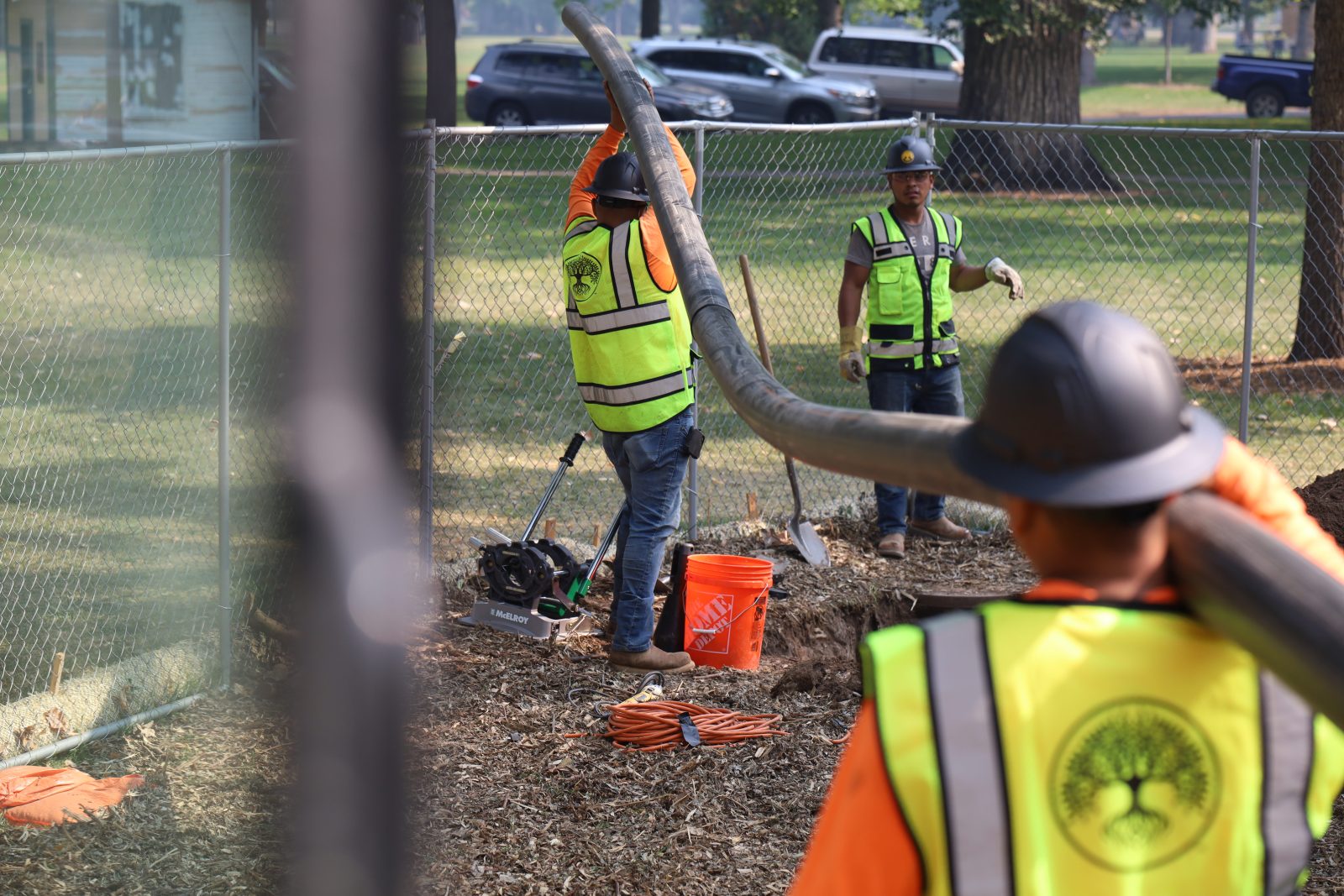
There is no single number that answers how many times a sewer line can be repaired. Some lines get patched 3 or 4 times and still hold up. Others fail after the first repair. What matters is the condition of the pipe between the damaged spots. If the rest of the line is solid, another repair may work. If the pipe is brittle, cracked, or corroded throughout, each new repair just delays the next failure. Most plumbers and sewer specialists agree on a general rule. Once a sewer line has been repaired 2 to 3 times in the same section, replacement becomes the smarter choice. That’s especially true for older clay or cast iron pipes. These materials break down over time. Patching one spot doesn’t fix the pipe’s overall condition. So the question of how many times a sewer line can be repaired really comes down to the pipe’s age and material.
Pipe Material Changes the Answer
Clay pipes were common in homes built before 1970. They crack easily and tree roots love them. A clay sewer line repaired once or twice is already showing its age. PVC pipes are more durable. A PVC sewer line repaired once may last another decade with no issues. Cast iron pipes fall in the middle. They corrode from the inside over time. So even a well-done repair on a cast iron sewer line may not hold long. The pipe material tells you a lot about how many times the sewer line can realistically be repaired before the whole thing needs to go.
Location of Damage Matters Too
A sewer line repaired at the same spot more than once is a red flag. It means the root cause wasn’t fixed. But if each repair is in a different section of the pipe, the line may still have life left. A sewer camera inspection tells you exactly where the damage is and how the rest of the pipe looks. At Sewer Experts Denver, we use high-definition camera inspections before every repair. This shows us whether the sewer line can be repaired again or whether replacement is the only real fix.
Key Takeaway: A sewer line repaired 2 to 3 times in the same section is usually at its limit. Pipe material and damage location both affect how many times a sewer line can be repaired. A camera inspection gives you the clearest answer before spending money on another patch.
What Affects How Often Sewer Lines Need Repair
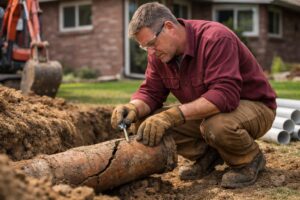
Some sewer lines go 40 years without a single repair. Others need work every few years. The difference comes down to a handful of factors that every homeowner should know. Understanding these factors helps you predict how many times your sewer line will need repair and when replacement becomes the better call. Tree roots are the number one cause of sewer line damage in Denver. Roots find tiny cracks and grow inside the pipe. Each time you clear them, the pipe gets weaker. If your sewer line has been repaired for root intrusion more than twice, the pipe wall is likely compromised. Soil movement is another big factor. Colorado’s clay-heavy soil shifts with moisture changes. This puts stress on buried pipes. A sewer line repaired after a soil shift may face the same problem again within a few years.
Age of the Sewer Line
Sewer lines have a lifespan. Clay pipes last 50 to 60 years. Cast iron lasts 75 to 100 years but corrodes. PVC can last 100 years or more. If your sewer line is near the end of its expected life, how many times it can be repaired drops fast. Each repair on an old pipe is a short-term fix. The pipe is degrading everywhere, not just at the repair site. So even a perfect repair won’t stop the next failure from happening somewhere else on the same line.
Quality of Past Sewer Repairs
Not all sewer line repairs are equal. A poor repair job can make the next failure happen faster. If a previous contractor didn’t address the root cause, the sewer line will need repair again sooner. This is why choosing a certified sewer specialist matters. At Sewer Experts Denver, every sewer line repair includes a post-repair camera inspection. We confirm the fix held and check the rest of the line. This gives you a clear picture of how many more repairs the sewer line can realistically handle. You can read what our customers say about our repair work on our Denver sewer service reviews page.
Signs Your Sewer Line Has Been Repaired Too Many Times
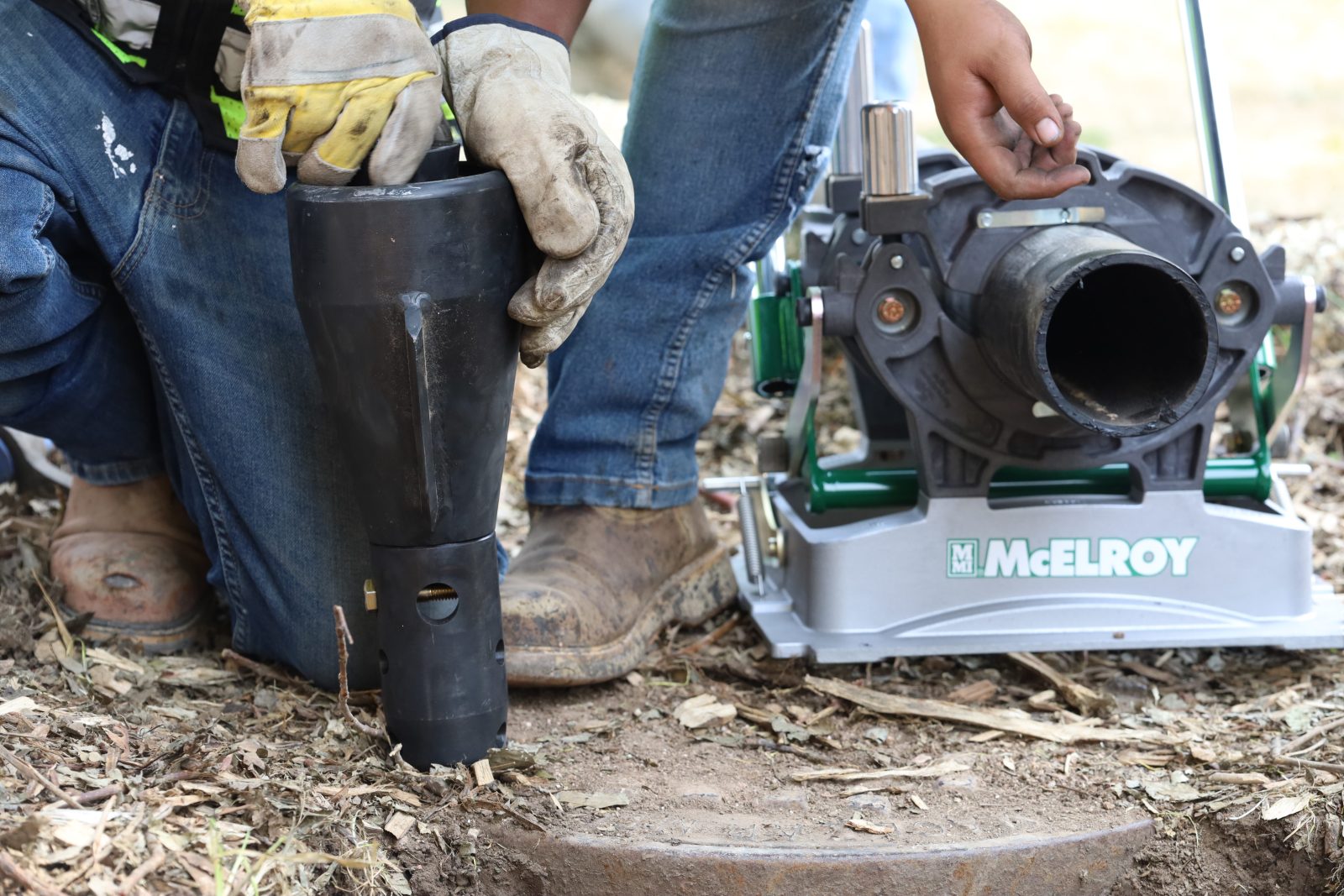
There are clear signs that a sewer line has been repaired too many times. These signs tell you the pipe is past the point where another repair makes financial sense. Knowing them saves you from spending money on a fix that won’t last. The most obvious sign is recurring backups. If your drains back up every 6 to 12 months, the sewer line is failing systemically. One repair won’t fix a systemic problem. Another sign is multiple soft spots or sinkholes in your yard. These form when a sewer line leaks underground for a long time. A sewer line repaired in one spot but leaking in another is a line that needs full replacement. Slow drains throughout the house are also a warning. When every drain in the home runs slow, the main sewer line is the likely cause. If the sewer line has already been repaired and drains are still slow, the repair didn’t solve the real problem.
Sewage Smell Inside the Home
A sewage smell inside your home means gas is escaping from the sewer line. This happens when the pipe has cracks or gaps that a previous repair didn’t seal. If the sewer line has been repaired and you still smell sewage, the line has more damage than the repair addressed. This is a health issue, not just a plumbing issue. The Centers for Disease Control and Prevention notes that sewer gas contains hydrogen sulfide, which is toxic at high concentrations. Don’t ignore this sign. It means the sewer line needs a full inspection and likely full replacement.
Visible Pipe Corrosion or Collapse
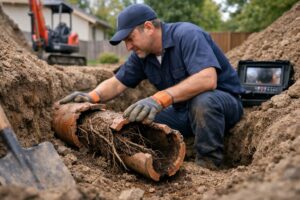
A camera inspection sometimes reveals a pipe that is corroded from the inside or partially collapsed. This is a sewer line that cannot be repaired again. Corrosion means the pipe wall is too thin to hold a patch. A collapsed section means the pipe has lost its shape entirely. No repair can fix a collapsed sewer line. Replacement is the only option. If your sewer line has been repaired before and a camera now shows corrosion or collapse, you’ve reached the limit of how many times that sewer line can be repaired.
Pro Tip: Schedule a sewer camera inspection after every repair. It shows the condition of the full line, not just the repaired spot. This tells you exactly how many more times the sewer line can be repaired before replacement becomes necessary. It’s the best $150 to $300 you can spend on your sewer system.
Repair vs. Replacement: How to Decide
Deciding between sewer line repair and replacement comes down to three things: cost, condition, and how many times the sewer line has already been repaired. A single repair on a newer pipe in good condition makes sense. But a third repair on a 60-year-old clay pipe usually doesn’t. The math is simple. A sewer line repair costs $500 to $3,000 depending on the method and depth. A full sewer line replacement costs $3,000 to $15,000. But if you’re doing a repair every 2 years, you’ll spend more on repairs over 10 years than a replacement would have cost. So how many times can a sewer line be repaired before replacement wins on cost? Usually after 2 to 3 repairs on the same line. At that point, the total repair cost is approaching replacement cost, and the pipe is still deteriorating.
When Sewer Line Repair Still Makes Sense
Repair makes sense when the damage is isolated. One clean break on a PVC pipe that’s otherwise in good shape is a repair job. A small root intrusion on a newer line is a repair job. If the camera shows the rest of the sewer line is solid, another repair is a smart choice. Repair also makes sense when the pipe is accessible and the fix is straightforward. A sewer line repaired with a spot liner or pipe patch can last 10 to 20 more years if the surrounding pipe is healthy. Our trenchless pipe lining service is one of the best options for isolated damage. It seals the damaged section without digging up your yard.
When Replacement Is the Right Call
Replacement makes sense when the sewer line has been repaired multiple times and problems keep coming back. It also makes sense when the camera shows widespread damage, corrosion, or root intrusion throughout the pipe. If the sewer line is over 40 years old and made of clay or cast iron, replacement is almost always the better long-term investment. Trenchless replacement methods like pipe bursting make this process faster and less disruptive than traditional digging. The new pipe comes with a much longer lifespan. So you’re not just fixing the problem, you’re eliminating it for the next 50 to 100 years.
Common Mistake to Avoid: Don’t skip the camera inspection to save money. Many homeowners approve a repair without seeing the full pipe condition. Then they’re surprised when the sewer line needs repair again 18 months later. A camera inspection before every repair decision saves you from paying for a fix that won’t last. Always see the full picture first.
Trenchless Options When Sewer Line Repair Runs Out
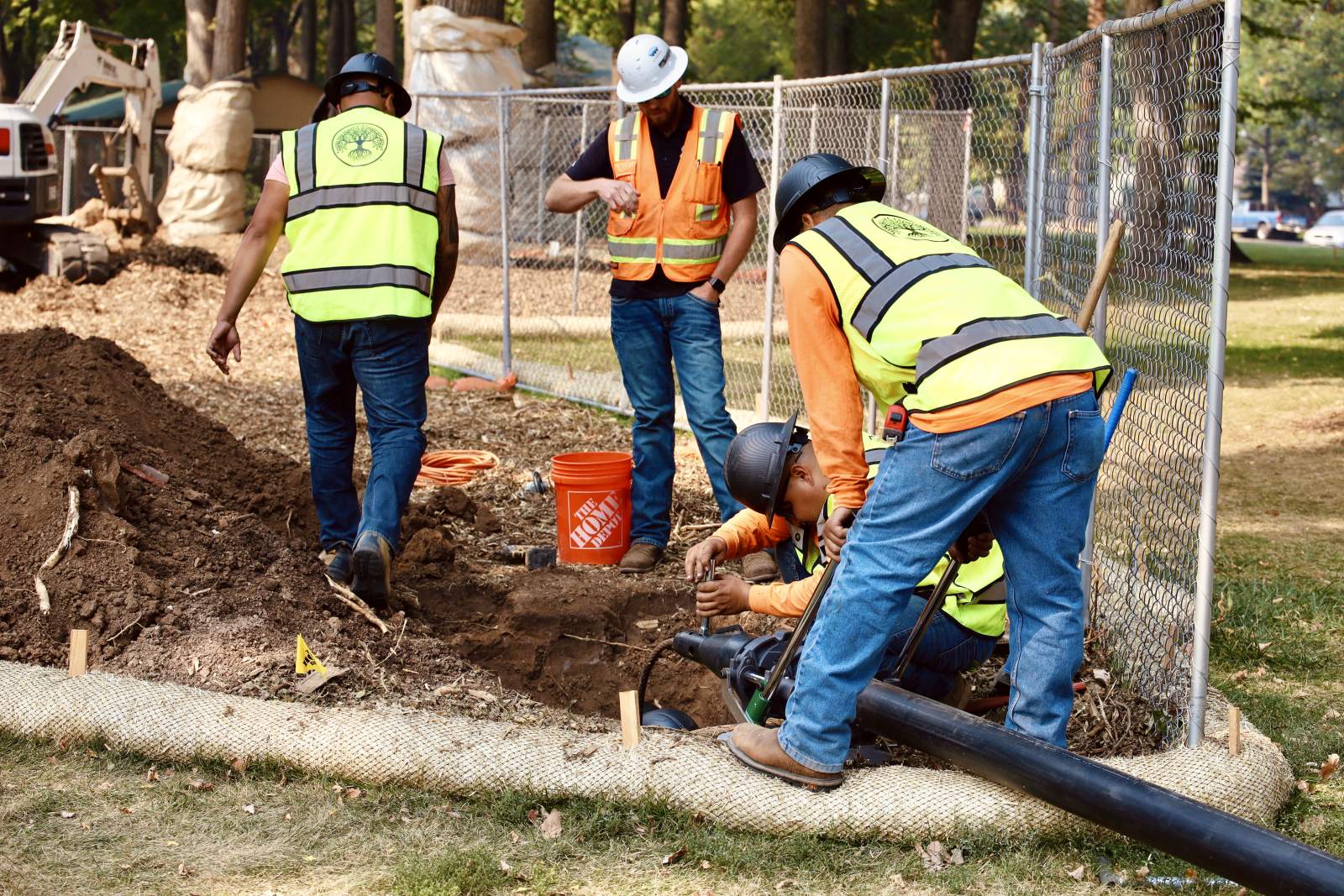
When a sewer line has been repaired too many times, trenchless replacement is the modern solution. It avoids the cost and mess of digging up your yard. And it gives you a brand-new pipe without destroying your landscaping or driveway. Two main trenchless methods exist: pipe lining and pipe bursting. Both are faster than traditional open-cut replacement. Both come with long warranties. And both are available from Sewer Experts Denver across the entire Front Range. Understanding these options helps you make a confident decision when a sewer line repair is no longer enough. How many times a sewer line can be repaired becomes less important once you know a permanent fix is available.
CIPP Pipe Lining for Damaged Sewer Lines
CIPP stands for cured-in-place pipe lining. A resin-coated liner is inserted into the existing sewer line and inflated. It hardens inside the old pipe, creating a new pipe within the old one. CIPP lining repairs last 50 years or more. This is one of the best options when a sewer line has been repaired multiple times but the pipe still has its basic shape. The liner seals cracks, blocks root intrusion, and restores full flow. It’s faster than full replacement and costs less. According to the Water Research Foundation, CIPP lining is one of the most proven trenchless rehabilitation methods available for residential and commercial sewer systems.
Pipe Bursting for Full Sewer Line Replacement
Pipe bursting is the right choice when the sewer line is too damaged for lining. A bursting head is pulled through the old pipe, breaking it apart. A new HDPE pipe is pulled in behind it. The result is a brand-new sewer line with no open trenches. HDPE pipe lasts 100 years or more. It resists root intrusion and corrosion. So after a pipe burst replacement, the question of how many times the sewer line can be repaired becomes irrelevant for decades. Our trenchless pipe bursting service is available throughout Denver and the surrounding communities. We handle the full job from camera inspection to final testing.
What This Means for You: If your sewer line has been repaired more than twice, you’re likely approaching the point where trenchless replacement makes more financial sense. A sewer line repaired repeatedly costs more over time than a one-time replacement. Trenchless methods mean no torn-up yard, no weeks of disruption, and a pipe that lasts 50 to 100 years. The next time your sewer line needs repair, ask for a full camera inspection first. Then compare the repair cost against a trenchless replacement quote. The numbers often surprise homeowners. Replacement is frequently closer in price to a third or fourth repair than most people expect.
So how many times can a sewer line be repaired? The honest answer is 2 to 3 times before replacement becomes the smarter investment. After that, each new repair costs more money on a pipe that keeps failing. The sewer line’s age, material, and damage history all shape that number. But the pattern is clear: repeated sewer line repairs signal a pipe that’s past its useful life. The good news is that trenchless replacement options make a permanent fix faster and less expensive than most homeowners expect. A sewer line replaced with CIPP lining or pipe bursting gives you 50 to 100 years of reliable service. No more guessing how many times the sewer line can be repaired. No more emergency calls. Just a sewer system that works. Call Sewer Experts Denver today for a free estimate. We’ll inspect your sewer line, show you exactly what’s happening inside the pipe, and give you honest repair vs. replacement options. Contact our team to schedule your inspection and get a clear answer about your sewer line.
Expert Insight from Water Research Foundation, Infrastructure Research Division: Repeated spot repairs on aging sewer infrastructure often cost municipalities and homeowners more over a 10-year period than a single full rehabilitation. CIPP lining and pipe bursting consistently outperform patch repairs in long-term cost analysis. Pipes that have been repaired three or more times show significantly higher failure rates within 24 months compared to pipes that received full trenchless rehabilitation at the first major failure point.
Key Takeaway: A sewer line repaired 2 to 3 times is usually at its limit. Pipe material, age, and damage location determine how many times a sewer line can be repaired. After repeated repairs, trenchless replacement with CIPP lining or pipe bursting delivers a permanent fix that lasts 50 to 100 years, often at a cost close to one more repair.
Frequently Asked Questions
How many times can a sewer line be repaired before replacement is needed?
Most sewer lines can be repaired 2 to 3 times before replacement makes more sense. After that, the sewer line is usually degrading throughout. Each new repair costs more money on a pipe that keeps failing. A camera inspection tells you exactly where the sewer line stands.
What is the average lifespan of a sewer line between repairs?
A well-done sewer line repair on a healthy pipe can last 10 to 20 years. But a sewer line repaired on an old or corroded pipe may fail again within 2 to 5 years. Pipe material and repair quality both affect how long the fix holds.
Can a sewer line be repaired with trenchless methods multiple times?
Yes, but there are limits. A sewer line repaired with CIPP spot lining can be lined again if new damage appears elsewhere. But if the pipe has been lined multiple times or is collapsing, full trenchless replacement via pipe bursting is the better option. The sewer line’s overall condition drives that decision.
How do I know if my sewer line needs repair or full replacement?
A sewer camera inspection gives you the clearest answer. It shows the full pipe condition, not just the damaged spot. If the sewer line has isolated damage on an otherwise healthy pipe, repair works. If the pipe shows widespread cracks, corrosion, or root intrusion throughout, replacement is the right call.
Is it cheaper to repair a sewer line multiple times or replace it once?
Over time, multiple sewer line repairs usually cost more than one replacement. A sewer line repaired 3 to 4 times can easily exceed the cost of trenchless replacement. Plus, each repair only fixes one spot. Replacement fixes the entire sewer line and lasts 50 to 100 years with no repeat costs.
Step-by-Step Process
Step-by-Step: How to Decide If Your Sewer Line Can Be Repaired Again
1. Count how many times the sewer line has been repaired already
2. Identify the pipe material (clay, cast iron, or PVC)
3. Schedule a sewer camera inspection of the full line
4. Review the camera footage with your sewer specialist
5. Check if damage is isolated or spread throughout the pipe
6. Get a repair cost estimate for the current problem
7. Get a trenchless replacement quote for comparison
8. Factor in the pipe’s age and remaining lifespan
9. Decide based on total 10-year cost, not just today’s repair price
10. Call for a free estimate to discuss repair vs. replacement options
Quick Reference: What Is How Many Times Sewer Line Repaired?
How many times a sewer line can be repaired refers to the number of patch or spot repairs a pipe can receive before full replacement becomes necessary. Most sewer lines reach this limit after 2 to 3 repairs. The limit depends on pipe material, age, and damage type. Clay pipes hit this limit faster than PVC. So do pipes with widespread root intrusion or corrosion. A sewer camera inspection is the best tool for determining where your sewer line stands. It shows the full pipe condition. Then you can make a clear, informed decision about repair vs. replacement.
Additional Resources
• Trenchless Pipe Lining Denver — Learn how CIPP lining can restore a damaged sewer line without digging up your yard. A long-lasting alternative to repeated spot repairs.
• Trenchless Pipe Bursting Denver — Explore full sewer line replacement without open trenches. Ideal when a sewer line has been repaired too many times to patch again.
• About Sewer Experts Denver — Learn about our 25+ years of sewer line repair and replacement experience serving Denver and the Front Range.
• Contact Sewer Experts Denver — Schedule a free estimate or sewer camera inspection to find out exactly how many more times your sewer line can be repaired.
Reviewed by Marisa Beaver, Owner · Updated

About the author
Marisa Beaver
Owner · Demolition license (Colorado); 27 drain-layer's licenses (Colorado)
Marisa Beaver is the owner of Sewer Experts, a locally owned sewer, drain, and water line company based in Commerce City, Colorado, serving Denver and the Front Range including Aurora, Lakewood, Thornton, and Boulder. She oversees client relations and business operations, working directly with customers on sewer line repair, drain cleaning, and water line services, and personally answers client calls and coordinates technical consultations. Beaver holds a demolition license and 27 drain-layer's licenses in Colorado. Sewer Experts is licensed, insured, and bonded with state-certified technicians, and generated over $2 million in revenue in 2020. A woman- and minority-owned business, Sewer Experts has held an on-call Denver Housing Authority contract and been featured on the cover of Dig Different magazine.