Most homeowners never think about their sewer line until it backs up. But sewer line professional evaluation frequency matters more than most people know. So, how often should you check your pipes?
The right sewer line professional evaluation frequency depends on pipe age, material, and risk factors. A sewer scope inspection catches small cracks before they become big breaks. Routine checks help you head off costly surprises down the line. This guide breaks down sewer line professional evaluation frequency into simple, clear steps, drawing on our hands-on experience with pipes across the Denver area.
Why Sewer Line Professional Evaluation Frequency Matters
Your sewer line works hard every day. Yet most people never see it. So, problems grow quietly underground for years.
A good sewer line professional evaluation frequency catches issues early. Roots creep in. Pipes shift. Joints crack. Each small issue grows worse over time. But a routine sewer camera inspection finds these issues fast.
Without a set sewer line inspection frequency, small clogs turn into full blockages. Then, sewage can back up into your home. That means costly cleanup and repairs. Above all, waiting too long raises your risk of a total pipe failure.
Experts agree that early detection saves money. The EPA’s guidance on wastewater systems stresses regular maintenance for all pipe types. This applies to city sewer lines and private lines alike.
How Sewer Problems Start Small
Most sewer failures start as tiny cracks. Tree roots find these cracks fast. Then, roots grow inside the pipe. Water flow slows down. Waste builds up behind the blockage. This process can take months or years. A proper sewer line professional evaluation frequency catches this stage early.
The Cost of Skipping Evaluations
Emergency sewer repairs cost far more than routine checks. A full collapse often means digging up your yard. Also, sewage backups can damage floors and walls. Most importantly, health risks rise fast with raw sewage exposure. Skipping your sewer line inspection frequency almost always costs more later.
Key Takeaway: A steady sewer line professional evaluation frequency stops small pipe issues before they become costly disasters. Catching a crack or root intrusion early keeps a minor repair from turning into an emergency dig.
Pipe Age Sets Your Evaluation Timing
Older pipes need more frequent checks. This is a basic rule of sewer line professional evaluation frequency. Pipes over 40 years old face higher failure risk. So, they need yearly evaluation.
Newer pipes, under 10 years old, can wait longer between checks. Every three to five years is often enough. But this depends on soil type and pipe material too.
Most homes built before 1980 have clay or cast iron pipes. These materials crack and corrode over time. A regular sewer camera inspection schedule helps track wear as pipes age.
Homes built after 2000 often use PVC pipe. PVC lasts longer and resists roots better. Still, even new PVC needs a check every five years. That means every home benefits from some evaluation schedule.
Pipes Under 10 Years Old
New pipes rarely fail without cause. A check every three to five years is enough. But if you notice slow drains, schedule an evaluation right away. Do not wait for the standard sewer line inspection frequency if symptoms appear.
Pipes Over 40 Years Old
Older pipes need yearly sewer line professional evaluation frequency checks. Age weakens joints and pipe walls. Also, older materials crack more easily under tree root pressure. Annual checks catch damage before it spreads.
Expert Insight from Sewer Experts (SewerEx) Team: Homeowners often wait until a backup happens to call us. But routine sewer scope inspections find root intrusion and pipe cracks long before symptoms show up. Catching issues early is always cheaper than an emergency dig.
Pipe Material Guides Inspection Frequency
Pipe material changes how often to inspect sewer line systems. Clay pipes crack easily under root pressure. So, they need checks every one to two years.
Cast iron pipes rust from the inside out. This process is called tuberculation. It narrows the pipe over time. A yearly sewer camera inspection tracks this buildup.
Orangeburg pipe is old and weak. It was common between the 1860s and 1970s. If your home has this material, get a check every year. This pipe type fails often and without much warning.
PVC and HDPE pipes resist roots and rust well. A check every four to five years works for most homes. Still, your sewer line professional evaluation frequency should adjust if you notice any drain issues.
Clay and Cast Iron Pipe Risks
Clay pipes have many small joints. Roots find these joints fast. Cast iron rusts and narrows over decades. Both materials need frequent sewer line inspection frequency checks. Yearly reviews catch damage before a full blockage forms.
Modern PVC and HDPE Pipe
PVC pipe resists cracks and root damage well. So, it needs less frequent checks than clay or iron. Still, joints and connections can fail. A check every four to five years keeps modern pipe systems safe and flowing well.
Pro Tip: Ask your inspector to note your exact pipe material during your first sewer camera inspection. This record helps set the right sewer line professional evaluation frequency for your specific home going forward.
Risk Factors That Change Your Schedule
Trees near your sewer line raise your risk. Large trees send roots toward moisture. That means your pipe becomes a target. Homes with big trees need a shorter sewer line inspection frequency, often every year.
Soil type also matters. Clay-heavy soil shifts more with weather changes. This shifting stresses pipe joints. So, homes on clay soil need more frequent checks.
History of past clogs raises your risk too. If you have had two or more backups, your sewer line professional evaluation frequency should move to yearly. Also, homes near construction sites face higher risk from ground vibration.
Older neighborhoods with aging city sewer mains also see more issues. Your private line connects to that main. So, nearby infrastructure age can affect your own pipe health.
Tree Roots and Landscaping Risk
Large trees near your line raise root intrusion risk. Roots seek out any crack for water. Because of this, yearly checks make sense for tree-heavy yards. Removing risky trees can also help protect your pipe long term.
Past Backups and Warning Signs
Slow drains, gurgling sounds, and bad smells are warning signs. If you notice these, do not wait for your next scheduled check. Call for a sewer camera inspection right away. Past problems mean higher future risk.
Common Mistake to Avoid: Many homeowners assume no visible problem means no pipe damage. But underground cracks and root growth stay hidden for years. Skipping your sewer line professional evaluation frequency because things ‘seem fine’ often leads to costly surprise repairs.
What a Sewer Scope Inspection Involves
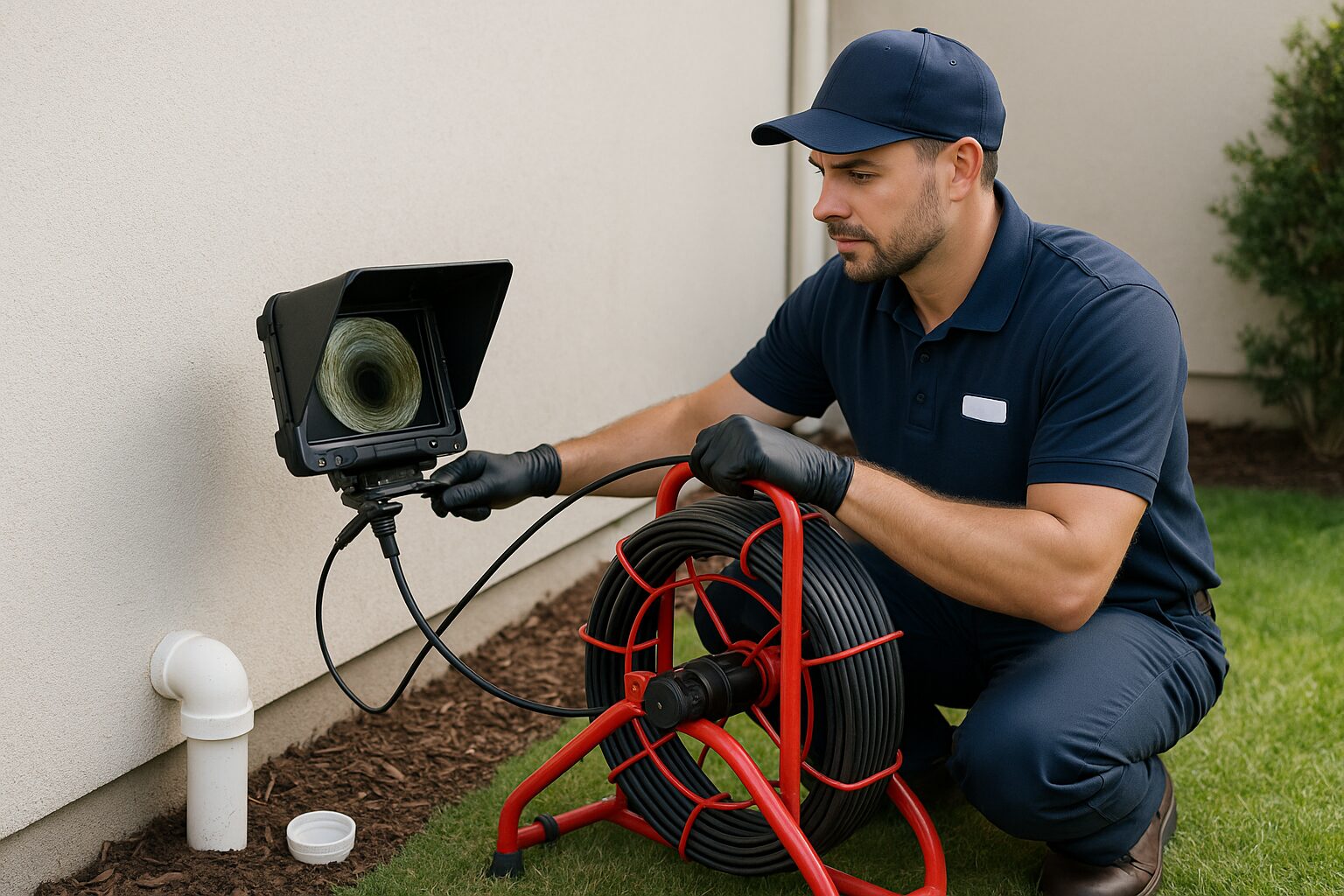
A sewer scope inspection uses a small camera. The camera travels through your pipe. Then, it sends live video to a screen. Technicians look for cracks, roots, and blockages.
Most inspections take about one hour. Sewer scope inspection cost varies by pipe length and access points. Still, this cost is small next to a full pipe replacement.
After the inspection, you get a full report. This report shows pipe condition and any risk areas. It also helps set your next sewer line professional evaluation frequency. Homeowners in Denver can review options through our trenchless pipe lining services if damage is found.
A clear video record also helps during home sales. Buyers and sellers both benefit from proof of pipe condition.
How Long an Inspection Takes
Most sewer camera inspections finish within one hour. Technicians run the camera slowly through the full pipe length. This process rarely disrupts your daily routine. You get results the same day.
Reading Your Inspection Report
Your report shows pipe material, condition, and trouble spots. Also, it includes video footage for your records. Use this report to plan your next sewer line professional evaluation frequency with confidence.
What This Means for You: Regular sewer scope inspections give you real proof of pipe health. Instead of guessing, you get clear video evidence. This helps you plan repairs before emergencies happen. It also protects your home value over time. Most importantly, it gives you peace of mind about what lies beneath your yard.
Your ideal sewer line professional evaluation frequency depends on pipe age, material, and risk. Older clay and cast iron pipes generally need checking more often — many plumbing professionals recommend a yearly look — while newer PVC lines can often go several years between visits. These are general guidelines rather than fixed rules, so consult a licensed professional to set the right schedule for your specific pipes. Trees, soil, and past clogs can also shorten that timeline fast.
Do not wait for a backup to think about your pipes. A steady sewer line professional evaluation frequency keeps small cracks from becoming expensive digs. Schedule your sewer inspection with our team today. We bring hands-on pipe experience to every job across the Denver area.
Frequently Asked Questions
What is the ideal sewer line professional evaluation frequency?
Most homes need a sewer line professional evaluation frequency of every two to five years. Older pipes need yearly checks. This evaluation frequency depends on pipe age, material, and past problems.
How often to inspect sewer line if pipes are old?
Pipes over 40 years old need yearly inspection. This sewer line inspection frequency catches rust and cracks early. Older clay and cast iron pipes fail more often without regular checks.
What affects sewer camera inspection schedule timing?
Pipe age, material, and nearby trees all affect your sewer camera inspection schedule. Homes with big trees need yearly checks. This schedule also shifts after any past sewer backup.
How much does sewer scope inspection cost?
Sewer scope inspection cost depends on pipe length and access. Still, this cost is small next to full pipe replacement. Regular checks help you avoid expensive emergency repairs later.
Does routine sewer maintenance replace professional evaluation?
No, routine sewer maintenance like drain cleaning does not replace camera checks. A proper sewer line professional evaluation frequency needs visual inspection. This finds cracks that cleaning alone cannot show.
Step-by-Step Process
Step-by-Step Sewer Line Professional Evaluation Frequency Plan
1. Check your pipe age using home purchase records.
2. Find your pipe material through past reports or inspection.
3. Note any trees growing near your sewer line.
4. Review your soil type for shifting risk.
5. List any past clogs or backup history.
6. Book a sewer camera inspection with a certified team.
7. Ask for a full video report after inspection.
8. Set your next evaluation date based on findings.
9. Watch for slow drains between scheduled checks.
10. Repeat evaluation on your set schedule going forward.
Quick Reference: What Is Sewer Line Professional Evaluation Frequency?
Sewer line professional evaluation frequency means how often a trained technician checks your sewer pipe. This check uses a camera to view inside the line. So, it finds cracks, roots, and blockages early. The right frequency depends on pipe age and material. Older pipes need yearly checks. Newer pipes can wait longer. This evaluation frequency protects your home from costly sewage backups.
Additional Resources
• How to Find Your Sewer Line Fast, a full guide to locating your sewer line on your property using free online tools.
• The Real Cost of Sewer Repair in Colorado, an updated breakdown of sewer repair pricing across Colorado homes.
• Top Signs of a Collapsed Sewer Line, learn the warning signs that mean your sewer line needs urgent attention.
• What Happens If Your Sewer Line Fails During a Home Sale, what buyers and sellers should know about pipe condition.