Slow drains can mean many things. But root intrusion drains vs sewer lines issues often top the list for Denver homes. Tree roots seek water. So, they push into any small pipe crack they find. Root intrusion drains vs sewer lines damage looks similar at first. Yet the fix often differs a lot. Drain roots may need a simple snake or jetting. Sewer line roots often need a full camera check first. Tree roots in sewer pipe cracks can spread fast underground. Our guide on how to get tree roots out of sewer line breaks down the removal steps. The U.S. Environmental Protection Agency (EPA) lists tree roots among the causes of sewer blockages, based on its sanitary sewer overflow guidance. This guide shows you the real signs and fixes for both pipe types.
1. Root Intrusion Drains vs Sewer Lines Basics
2. Signs Roots Invade Your Drain Pipes
3. How Roots Attack Main Sewer Lines
4. Root Intrusion Repair Cost Compared
5. Removing Roots From Sewer Lines Safely
6. Stopping Future Tree Roots in Sewer Pipe
Root Intrusion Drains vs Sewer Lines Basics
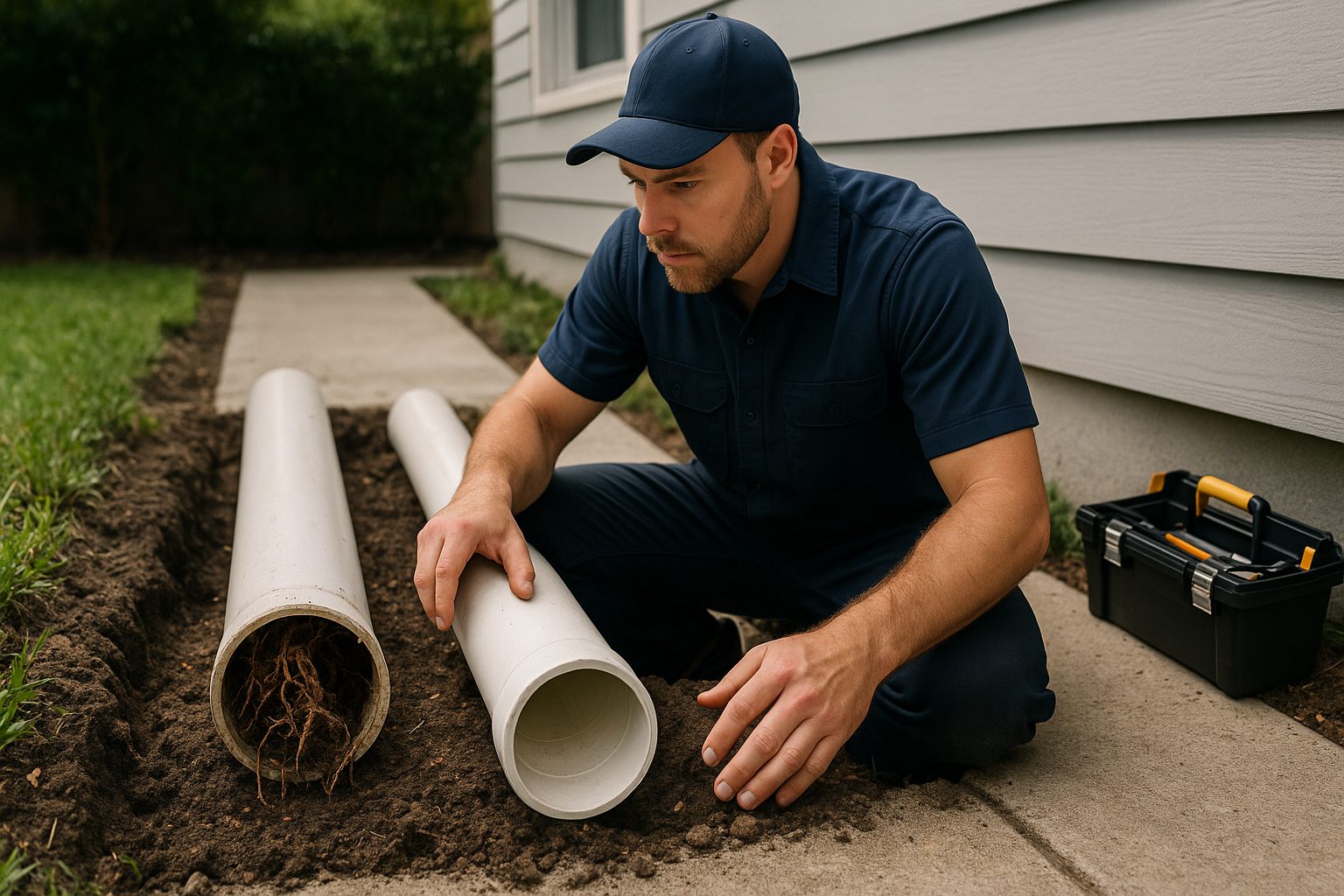
So, what is root intrusion? It happens when tree roots grow into pipes. Roots chase moisture from small leaks. Then, they widen tiny cracks over time. Root intrusion drains vs sewer lines both start this way. But the pipes serve different jobs in your home.
Drain pipes carry water from sinks and tubs. Sewer lines carry waste from your home to the main line. Also, sewer pipes sit deeper and run longer. That means sewer line roots often cause bigger blockages. Drain pipe roots tend to be smaller and easier to reach.
Both issues need fast action. Roots in drain pipe signs show up as gurgling sounds. Sewer line roots often cause slow drains across the whole house. Next, we cover each sign in detail.
Why Roots Target Pipes at All
Tree roots need water to grow. Pipes leak tiny amounts of moisture. So, roots grow toward that moisture source. This root intrusion process happens slowly at first. But once a root enters, it grows fast inside the pipe.
Drain vs Sewer: Key Differences
Drain lines are short and shallow. Sewer lines run deep and connect to the city main. Because of this, sewer root intrusion causes more damage. Root intrusion drains vs sewer lines repairs also differ in cost and method, which we explain later.
Key Takeaway: Scope and Cost: Root intrusion drains vs sewer lines share a cause but differ in scope. Sewer roots run deeper and cost more to fix. Drain roots are often smaller and easier to clear quickly.
Signs Roots Invade Your Drain Pipes
Roots in drain pipe signs start small. First, you may hear gurgling in your sink. Then, water drains slower than normal. These early signs matter a lot. Catching root intrusion in drains early stops bigger problems.
Also, watch for bad smells near drains. Roots trap waste and cause buildup. That buildup creates odor over time. Multiple slow drains at once often point to root intrusion, not just one clog.
So, check your kitchen and bathroom drains together. If both drain slowly, roots may already be deep inside. This is different from a single clogged sink, which usually has one cause.
Gurgling and Slow Drain Warning Signs
Gurgling sounds mean trapped air in your pipes. Roots block normal water flow. As a result, air pushes back through the drain. This sign often shows up before full blockage.
When Multiple Drains Back Up Together
One slow drain is normal. But several slow drains at once are not. This pattern often means roots sit past your drain pipes, closer to the main sewer line.
Expert Insight from Sewer Experts (SewerEx): Root intrusion rarely stays small. Once a root finds a crack, it keeps growing toward that water source. We always recommend a camera inspection first. That way, you know exactly where the roots are before any repair begins.
Multiple slow drains often signal deeper root growth. Don’t wait. Book a camera scope before the blockage gets worse.
How Roots Attack Main Sewer Lines
Tree roots in sewer pipe joints cause the worst damage. Sewer lines often have more joints than drain pipes. Each joint is a weak point. So, roots find these spots fast.
Once inside, roots form thick mats. These mats trap toilet paper and waste. Then, full blockages happen. Sewer backups are messier and more urgent than drain clogs. They can flood basements fast.
Also, older clay pipes are more at risk. Clay cracks easier than modern pipe materials. If your Denver home has an older sewer line, root intrusion risk is higher. Check pipe age with a professional scope.
Why Sewer Pipe Joints Fail First
Joints connect pipe sections. Over time, joints shift and crack slightly. Roots sense the moisture there. So, joints become the main entry point for sewer root intrusion.
Root Mats and Full Sewer Blockages
A root mat grows like a net inside the pipe. Waste gets stuck in the net. Then, water backs up into your home. This is why sewer line root intrusion needs fast repair.
Pro Tip: Ask for a camera inspection before any dig. This shows the exact root intrusion spot. It also helps you avoid paying for work you don’t need.
Root Intrusion Repair Cost Compared
Root intrusion repair cost depends on the pipe type and damage level. Drain pipe fixes often cost less. A simple snake or jetting job may clear small roots fast.
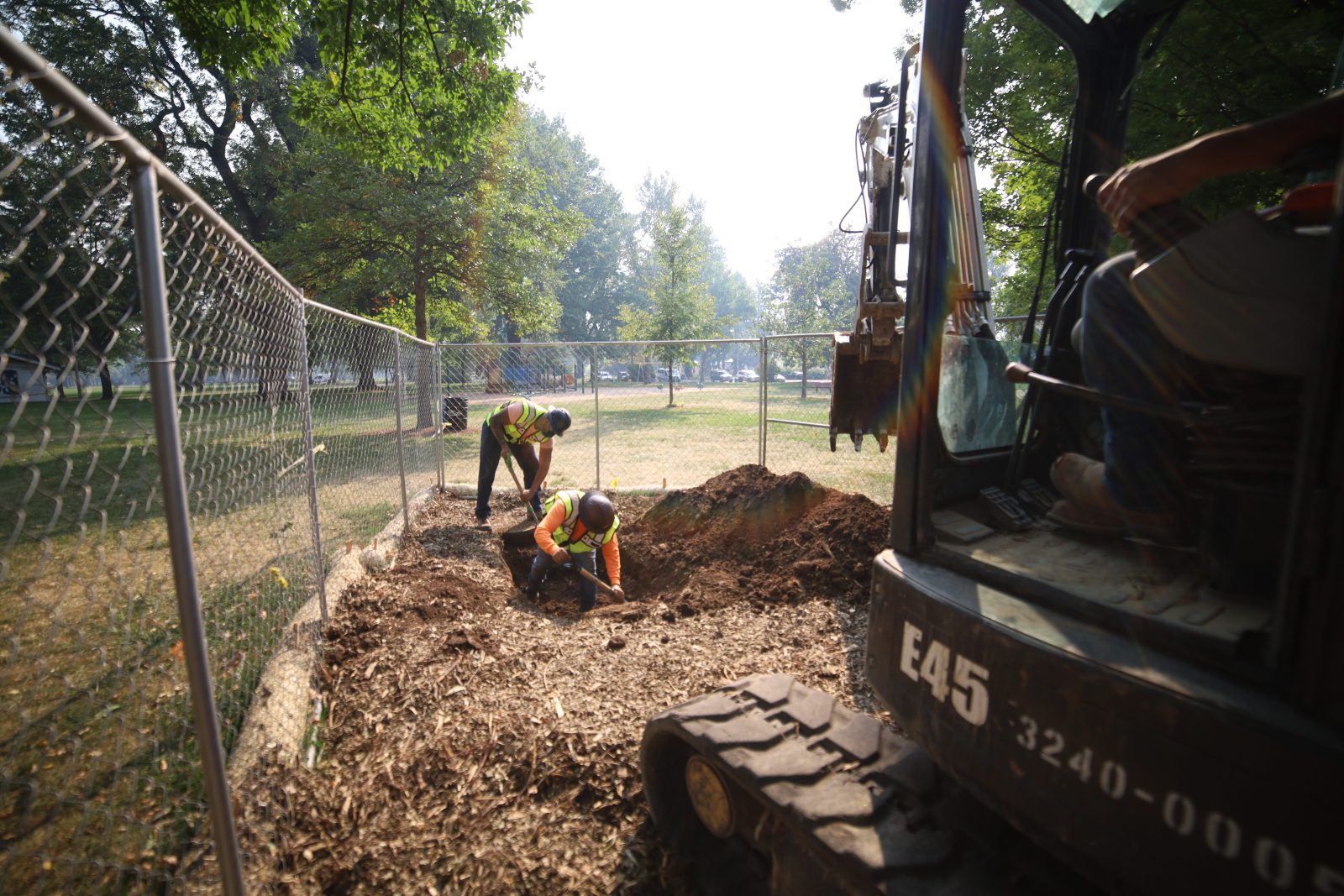
Sewer line repair costs more due to depth and length. Trenchless methods can lower this cost versus full digging. Pipe lining, for example, avoids tearing up your yard.
Also, the type of damage changes price. A small root mat costs less to clear than a fully crushed pipe. That means catching root intrusion early keeps root intrusion repair cost lower for you.
Drain Repair Cost Ranges
Drain pipe root removal is often the smaller job. Snaking and jetting handle most small root intrusion cases. Cost stays lower because the pipe run is shorter.
Sewer Line Repair Cost Factors
Sewer line repair cost depends on pipe length and depth. Trenchless pipe lining often costs less than full replacement. But severe root damage may still need a full line swap.
Common Mistake to Avoid: Don’t skip the camera scope to save money upfront. Guessing at root intrusion location often leads to bigger repair bills later. A proper scope finds the exact problem first.
Removing Roots From Sewer Lines Safely
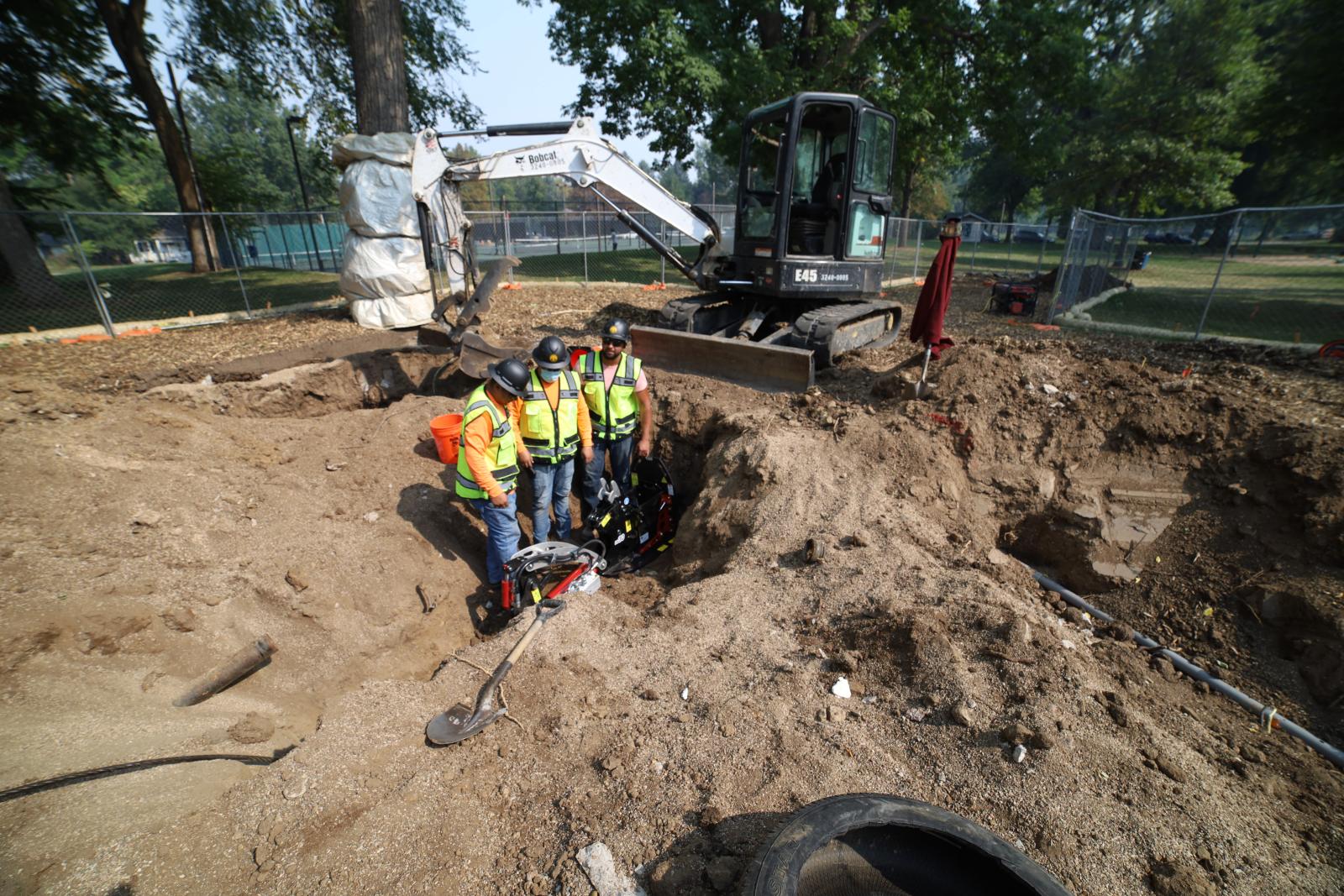
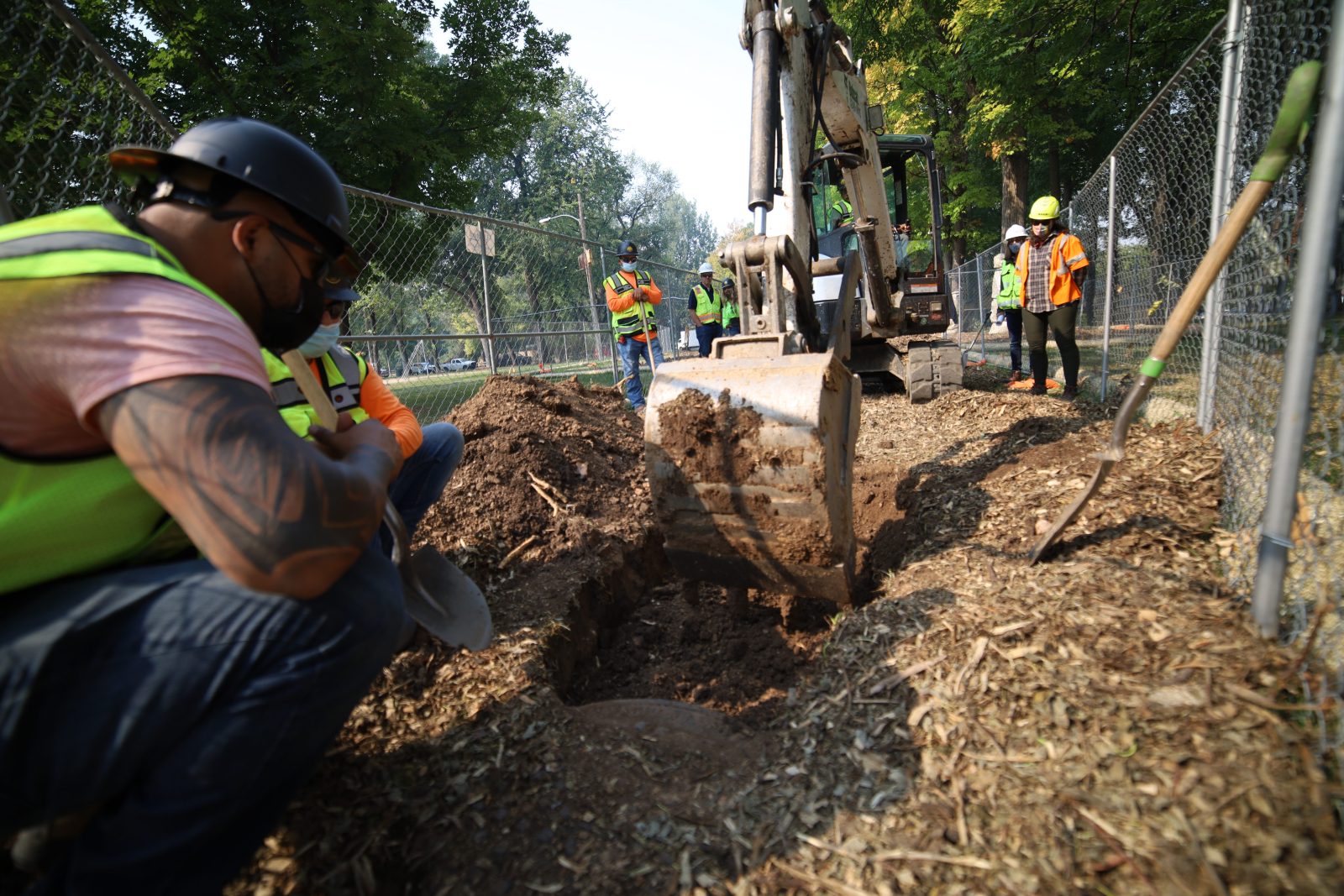
Wondering how to remove roots from sewer line blockages? Hydro jetting tree roots is a top method. It uses strong water pressure to cut roots away. This method clears pipes without harsh chemicals.
Our trenchless pipe lining services also fix cracks that let roots inside. This method lines the pipe from within. So, roots can no longer enter through old cracks.
Also, avoid store-bought root killer as a full fix. These products may slow root growth. But they rarely remove root intrusion for good. A professional scope and jetting combo works best long term.
Hydro Jetting Tree Roots Explained
Hydro jetting sprays water at high pressure. This cuts through root mats fast. It also clears grease and buildup. Many Denver sewer pros use this as a first step.
Trenchless Lining Stops Future Roots
Trenchless lining seals the pipe from inside. This closes small cracks roots use to enter. It also avoids digging up your whole yard.
What This Means for You: You don’t have to guess at root intrusion drains vs sewer lines problems. A camera scope shows the exact issue. Then, jetting or lining fixes it. Most importantly, acting early keeps your repair bill smaller and your yard intact.
Root intrusion drains vs sewer lines problems both start with tree roots seeking water. But the fix, cost, and urgency often differ by pipe type. Drain roots need quick jetting. Sewer line roots often need a camera scope and trenchless repair. So, don’t wait for a full backup to act.
Catching root intrusion early saves you money and stress. Our team offers a trenchless pipe bursting option for severe cases. Schedule a sewer scope to check for roots today. This one step can protect your home from costly sewer line damage.
Key Takeaway: Match the Fix to the Pipe: Root intrusion drains vs sewer lines issues need different fixes. Drains often need jetting. Sewer lines often need a scope plus trenchless repair. Act early to save money.
Frequently Asked Questions
What is root intrusion drains vs sewer lines damage?
Root intrusion happens when tree roots enter pipe cracks. Drain pipe intrusion is often small. Sewer line intrusion runs deeper and spreads more. Both need quick root removal to stop bigger damage.
What are common roots in drain pipe signs?
Gurgling sounds are a top sign. Slow drains across your home also point to roots. Bad smells near drains can mean trapped waste. Watch for these signs early to catch root intrusion fast.
How to remove roots from sewer line pipes?
What does root intrusion repair cost in Denver?
Hydro jetting cuts roots with strong water pressure. Trenchless lining seals cracks roots use to enter. Both methods remove roots without full digging. A camera scope should guide the sewer line repair.
Root intrusion repair cost depends on damage and pipe depth. Drain fixes cost less than sewer line repairs. Trenchless methods often lower total cost. A scope helps confirm exact repair needs.
Can hydro jetting tree roots stop future growth?
Hydro jetting clears existing roots fast. But it does not seal pipe cracks. Pair jetting with trenchless lining to stop future root intrusion. This combo gives longer lasting protection.
Step-by-Step Process
Step-by-Step Root Intrusion Drains vs Sewer Lines Fix
1. Watch for slow drains and gurgling sounds early.
2. Check if one drain or many drains back up.
3. Book a sewer camera scope for a clear view.
4. Confirm if roots sit in drain or sewer pipe.
5. Ask about hydro jetting tree roots for quick removal.
6. Compare root intrusion repair cost options with your provider.
7. Choose trenchless lining to seal small pipe cracks.
8. Consider pipe bursting for severe sewer line damage.
9. Schedule root removal before a full backup happens.
10. Book yearly scopes to catch new root growth early.
Quick Reference: What Is Root Intrusion Drains vs Sewer Lines?
Root intrusion drains vs sewer lines refers to tree roots entering pipe cracks. Drain roots sit in short, shallow pipes. Sewer line roots sit in deeper, longer pipes. So, sewer damage often spreads further. Both need fast root removal. Left alone, root intrusion causes full blockages and backups.
Additional Resources
• How to Find Your Sewer Line Fast, a full 2025 guide to locating your sewer line before any repair work begins.
• The Real Cost of Sewer Repair in Colorado, updated pricing data to help you budget for root intrusion repair.
• Top 10 Signs of a Collapsed Sewer Line, learn warning signs beyond root intrusion that signal urgent pipe failure.
• What Is a Sewer Lateral and Why It Matters, understand the pipe section most often hit by tree roots.
By Marisa Beaver, Owner · Updated