Introduction
Your sewer line broke. Now you need sewer repair Denver help fast. But what is sewer repair exactly? How does sewer line repair work in Denver? This guide shows you everything.
Sewer repair Denver fixes pipes that carry waste from your home. So when your sewer line breaks, you need quick help. The repair process stops sewage backups. It also protects your Denver property from water damage.
Denver homes face unique sewer repair challenges. Clay soils shift and crack pipes. Tree roots grow into old sewer lines. Winter freezes damage aging pipes. Plus, many Denver homes have sewer lines over 50 years old.
You’ll learn about sewer repair Denver methods here. We cover trenchless repair options too. Also, you’ll see real repair costs. Then you can choose the best fix for your broken sewer line.
Marisa Beaver and the Sewerex team serve Denver homeowners daily. We’ve fixed thousands of sewer lines across Colorado. Our Denver sewer repair experts use the latest tools. So you get fast, lasting fixes for your sewer problems.
Table of Contents
- What Is Sewer Repair Denver and Why You Need It
- Common Sewer Line Problems in Denver Homes
- How Sewer Line Repair Works in Colorado
- Trenchless Sewer Repair Options for Denver Properties
- Sewer Replacement Cost Denver: What to Expect
- Finding Broken Sewer Line Repair Near Me
- When to Call Denver Sewer Repair Experts
What Is Sewer Repair Denver and Why You Need It
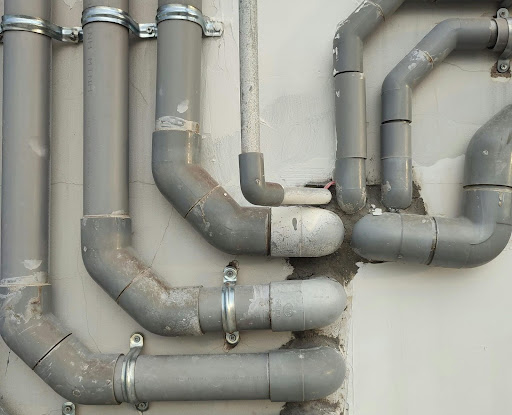
Sewer repair Denver fixes your damaged waste pipes. These pipes carry sewage from your home to the city’s main line. So when pipes break, sewage backs up into your house.
Denver sewer repair solves many pipe problems. Cracks let tree roots inside your sewer line. Breaks cause sewage leaks in your yard. Clogs stop waste from flowing out. Collapsed sections block your entire sewer system.
Most Denver homes need sewer repair eventually. Clay soil moves as it gets wet and dry. This movement cracks your sewer line over time. Tree roots seek water and grow into small cracks. Then roots expand and break pipes completely.
Key Takeaway: Sewer repair Denver prevents sewage backups and protects your home from costly water damage.
Signs You Need Sewer Line Repair Colorado
Watch for these warning signs. Slow drains throughout your home signal sewer problems. Gurgling sounds from toilets mean air is trapped. Sewage smell in your yard shows a leak. Wet spots in your lawn indicate broken pipes.
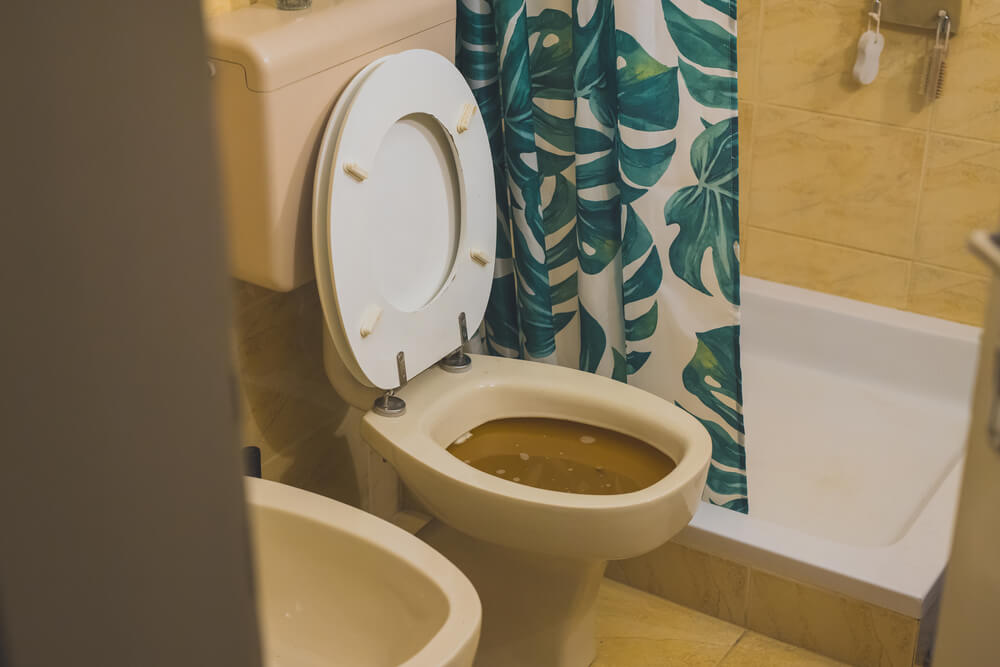
Multiple clogged drains need immediate attention. So does sewage backing up into your basement. These signs mean your sewer line has serious damage. You need professional Denver sewer repair right away.
The EPA’s wastewater management guidelines explain why quick sewer repair matters. Untreated sewage damages the environment. It also creates health risks for your family.
Why Denver Sewer Lines Break
Denver’s climate creates unique sewer repair challenges. Winter freezes crack old clay pipes. Spring thaws shift soil and stress connections. Summer heat dries clay soil and causes settling.
Tree roots cause most Denver sewer repair calls. Cottonwoods, willows, and aspens have aggressive roots. These roots find small cracks in your sewer line. Then they grow larger and break pipes apart.
Old pipes need replacement eventually. Cast iron pipes rust after 50 years. Clay pipes crack from soil movement. Orangeburg pipes collapse from age. So many Denver homes need complete sewer replacement.
Our Denver sewer line inspection services find problems before they worsen. We use video cameras to check your entire line. Then you see exactly what repair you need.
Common Sewer Line Problems in Denver Homes
Denver sewer repair fixes several pipe issues. Tree root intrusion ranks as the top problem. Roots grow through small cracks seeking moisture. Then they expand and block your entire line.
Pipe corrosion affects older Denver homes. Cast iron pipes rust from inside out. This rust creates holes and causes leaks. Eventually, corroded pipes need complete replacement.
Ground shifting breaks sewer lines regularly. Denver’s clay soil expands when wet. It shrinks when dry. This constant movement stresses pipe connections. So joints separate and pipes crack.
Expert Insight from Marisa Beaver, Sewerex Owner: Denver’s unique soil conditions require special sewer repair expertise. Clay soils put extra stress on aging pipes. So we inspect every line carefully before recommending repairs. This approach saves homeowners thousands in unnecessary work.
Root Damage and Blockages
Tree roots destroy Denver sewer lines quickly. Small roots enter through tiny cracks. They grow into thick mats inside pipes. These root masses trap waste and cause backups.
Cutting roots provides temporary relief only. Roots grow back within months. So permanent sewer repair Denver requires pipe replacement. Or you need trenchless lining to seal cracks.
Hydro jetting clears severe root blockages. High-pressure water cuts through root masses. But this only works if pipes aren’t too damaged. Our drain cleaning services assess your line first.
Bellied and Collapsed Pipes
Settling soil creates bellied sewer lines. The pipe sags in the middle. Waste collects in the low spot. Then clogs form and backups happen.
Collapsed pipes need immediate Denver sewer repair. The pipe completely caves in. No waste can flow through. Your entire plumbing system stops working.
Video inspection shows exactly where problems exist. We see cracks, roots, and collapses clearly. Then we plan the most effective sewer repair Denver approach.
How Sewer Line Repair Works in Colorado
Denver sewer repair starts with inspection. We insert a video camera into your cleanout. The camera travels through your entire sewer line. So we see all damage clearly.
Next, we locate the damaged section. GPS tracking marks the exact spot. This precision helps us dig only where needed. So your yard gets minimal disruption.
Then we choose the best repair method. Small cracks get trenchless lining. Severe breaks need pipe replacement. Completely collapsed sections require excavation. Each Denver home needs a custom solution.
The Denver Department of Public Works requires permits for sewer work. We handle all paperwork for you. So your repair meets city codes perfectly.
Traditional Excavation Repair
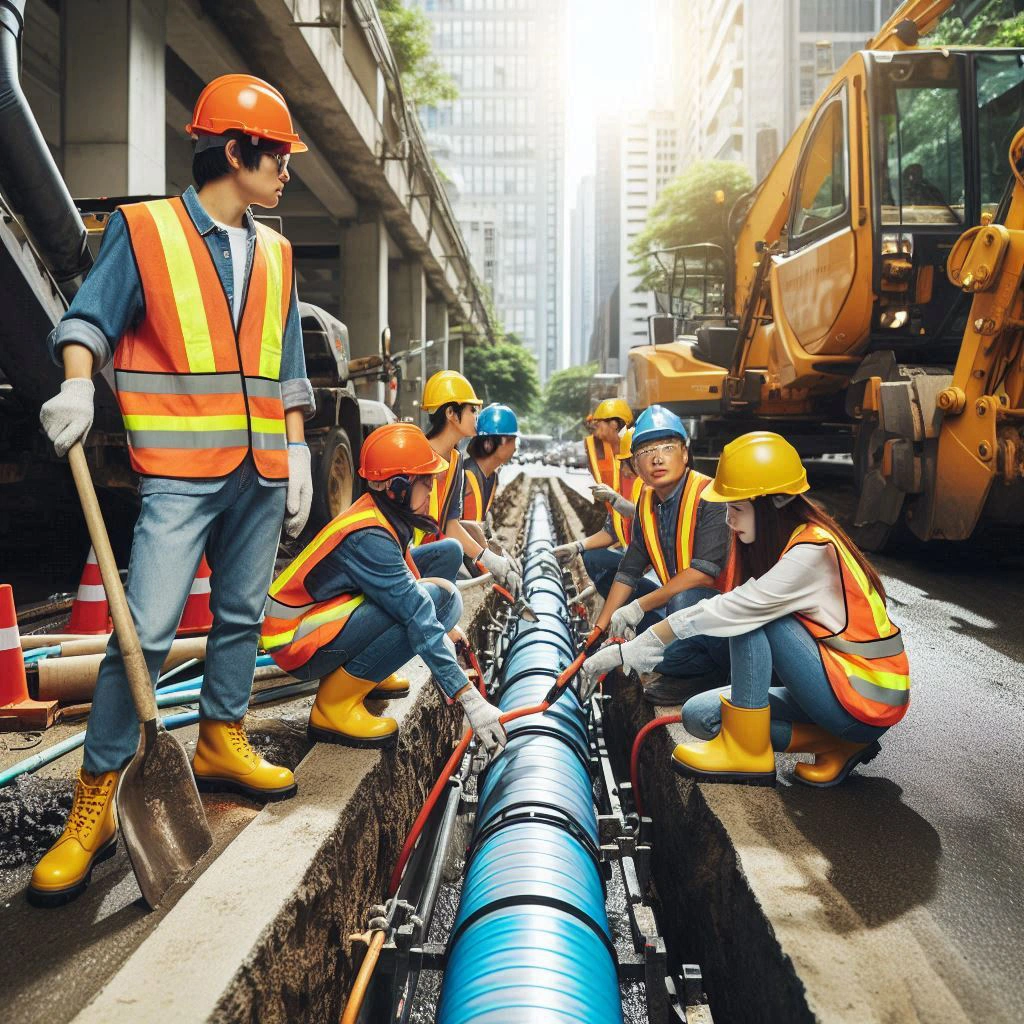
Traditional sewer repair Denver means digging trenches. We excavate soil above your damaged pipe. Then we remove the broken section. New pipe gets installed in its place.
Excavation works for severely damaged lines. It also handles complete sewer replacement needs. Plus, we can upgrade to larger pipes. This prevents future clog problems.
Digging takes more time than trenchless methods. Your yard needs restoration after work finishes. But excavation costs less for extensive damage. So it makes sense for many Denver repairs.
Modern Trenchless Methods
Trenchless sewer repair Denver saves your landscaping. We access pipes through existing cleanouts. No digging trenches through your yard. So grass, gardens, and driveways stay intact.
CIPP lining creates a new pipe inside your old one. We insert a resin-coated liner. It expands against the old pipe walls. Then it hardens into a smooth new surface.
Pipe bursting replaces lines without trenching. We pull a bursting head through your old pipe. It breaks the old pipe apart. New pipe follows behind immediately. Your lawn sees minimal disturbance.
Our trenchless pipe lining services complete repairs in one day. You get a 50-year warranty on new lining. Plus, your property looks unchanged after work.
Trenchless Sewer Repair Options for Denver Properties
Trenchless sewer repair Denver offers major advantages. No digging means less mess. Work finishes faster than traditional methods. Your landscaping stays beautiful throughout repairs.
CIPP lining works for most pipe damage. Small cracks get sealed permanently. Root entry points close completely. The new lining resists future tree root growth.
Denver homeowners love trenchless repair speed. Traditional excavation takes 3-5 days. Trenchless methods finish in one day. So your life returns to normal quickly.
Pro Tip: Trenchless sewer repair Denver works best for pipes with minor to moderate damage. Completely collapsed lines still need excavation.
Cured-In-Place Pipe Lining
CIPP lining creates a pipe within your pipe. We clean your sewer line first. Then we insert a flexible liner coated with epoxy resin. Air or water pressure expands the liner.
The liner presses against your old pipe walls. UV light or hot water cures the resin. It hardens in just hours. You get a brand new pipe inside the old one.
This Denver sewer repair method lasts 50+ years. The smooth surface resists clogs better. Tree roots can’t penetrate the seamless lining. So you won’t need repairs again soon.
Lining costs more than simple repairs upfront. But you save money long-term. No repeated root removal calls. No future excavation expenses. Your sewer line works perfectly for decades.
Pipe Bursting for Replacement
Pipe bursting replaces your entire sewer line. We dig small access pits at each end. A steel bursting head pulls through your old pipe. It fractures the old pipe as it moves.
New HDPE pipe follows immediately behind. The bursting head pulls it into place. Your new pipe is stronger than the old one. It resists root intrusion and corrosion.
This trenchless method works under driveways and buildings. No digging up hardscaping saves thousands. Denver homeowners with concrete patios choose this option. So do homes with extensive landscaping.
Pipe bursting handles severe damage well. Even collapsed sections get replaced. You get a completely new sewer line. Plus, work finishes in just 1-2 days.
Sewer Replacement Cost Denver: What to Expect
Sewer replacement cost Denver varies by method. Traditional excavation runs $3,500 to $7,000. Trenchless repair costs $4,500 to $15,000. Complete sewer replacement reaches $15,000 to $30,000.
Several factors affect your Denver sewer repair price. Pipe depth increases labor costs. Longer lines need more materials. Difficult access raises equipment expenses. Your specific situation determines final costs.
Denver’s rocky soil sometimes increases prices. Hard rock requires special excavation equipment. This adds to total sewer repair Denver expenses. But our team has tools for all soil types.
Most homeowner’s insurance covers sudden sewer line breaks. Gradual deterioration usually isn’t covered. Check your policy before starting work. We provide detailed estimates for insurance claims.
Cost Breakdown by Repair Type
Video inspection costs $200 to $500 in Denver. This diagnostic step prevents unnecessary work. You see exactly what repair you need. So you make informed decisions about fixes.
Spot repair for small sections runs $1,000 to $3,000. We fix just the damaged area. The rest of your sewer line stays intact. This works for localized breaks or cracks.
Full line replacement represents the largest expense. Traditional excavation costs less overall. But trenchless methods save on landscape restoration. Consider total project costs when choosing.
The Colorado Department of Public Health recommends proper sewer system maintenance. Regular inspections catch problems early. So you avoid expensive emergency repairs later.
Financing Sewer Repair in Denver
Many Denver homeowners finance sewer repair costs. We offer payment plans for qualified customers. You can spread costs over 12-60 months. So unexpected repairs don’t drain savings.
Home equity loans provide another option. Interest rates beat credit card rates significantly. You can deduct interest on your taxes too. So this makes sense for major repairs.
Some local programs help low-income homeowners. Denver offers sewer line assistance in certain cases. Contact the city’s housing department for details. We’ll help you explore all options.
Emergency repairs can’t wait for financing approval. We work with you to find solutions. Your sewer line needs fixing immediately. So we’ll start work and arrange payment details.
Finding Broken Sewer Line Repair Near Me
Searching “broken sewer line repair near me” returns many options. But not all Denver sewer repair companies offer equal service. You need experienced, licensed professionals. Check credentials before hiring anyone.
Look for companies with Colorado plumbing licenses. Verify insurance coverage protects your property. Read recent customer reviews online. Ask for references from past Denver clients.
Emergency sewer repair Denver requires 24/7 availability. Sewage backups don’t wait for business hours. Choose a company that responds quickly. We answer calls day and night.
Local Denver sewer repair expertise matters. Different neighborhoods have different pipe materials. Soil conditions vary across the metro area. Local knowledge prevents mistakes and saves money.
What to Ask Sewer Repair Companies
Request detailed written estimates from contractors. The quote should list all work clearly. Material costs and labor should show separately. This transparency helps you compare bids accurately.
Ask about warranty coverage on repairs. Reputable Denver sewer repair companies guarantee work. Trenchless lining should carry 50-year warranties. Pipe replacement needs at least 10-year coverage.
Verify the company carries proper licensing. Colorado requires plumbing contractor licenses. Check with the Department of Regulatory Agencies online. This confirms legitimate business status.
Insurance protection matters for your security. Companies need liability and workers compensation coverage. This protects you from accident liability. Request proof of current insurance certificates.
Emergency Sewer Repair Services
Sewage backups create health emergencies. Raw sewage contains dangerous bacteria. It also damages your home quickly. So you need immediate Denver sewer repair response.
Our emergency services operate 24/7/365. We arrive within hours of your call. Our trucks carry all needed equipment. So we start work immediately upon arrival.
Emergency sewer repair Denver often costs more. After-hours service includes premium charges. But preventing sewage damage saves money overall. Your home and health come first.
We contain sewage spills immediately. Then we clear blockages quickly. Finally, we repair the underlying problem. This complete approach prevents repeat emergencies.
When to Call Denver Sewer Repair Experts
Call sewer repair Denver pros at first warning signs. Don’t wait for complete backups. Early repairs cost less than emergencies. Plus, you avoid sewage damage cleanup.
Multiple slow drains signal sewer line problems. One clogged drain means local issues. But several slow drains indicate main line blockage. This needs professional Denver sewer repair immediately.
Sewage odors in your home require urgent attention. Sewer gas contains methane and hydrogen sulfide. These gases create health risks. They also indicate serious pipe damage.
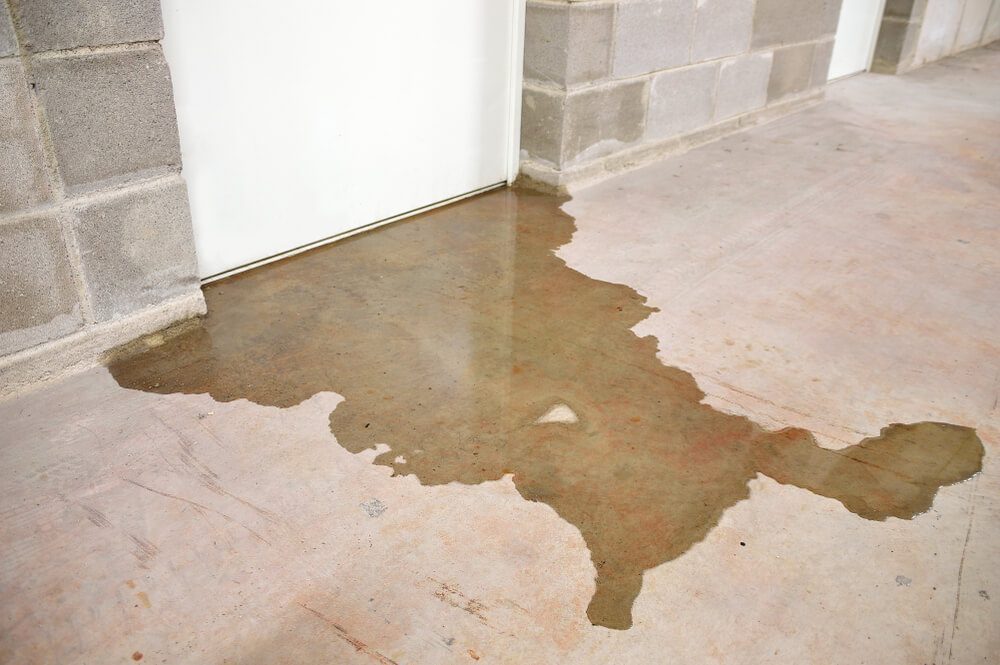
Standing water in your basement needs investigation. It might signal sewer line backup. Or it could mean foundation drain problems. Either way, call experts to diagnose issues.
Common Mistake to Avoid: Don’t use chemical drain cleaners for sewer backups. These products damage pipes further. They also endanger plumbers who work on your line later.
Preventing Future Sewer Problems
Regular maintenance prevents most Denver sewer repair needs. Schedule video inspections every 2-3 years. Catch small problems before they grow. This saves thousands in emergency costs.
Tree root barriers protect your sewer line. Install them during landscaping projects. Choose slow-growing trees near sewer routes. Keep aggressive root systems away from pipes.
Professional drain cleaning removes buildup safely. We use hydro jetting for thorough cleaning. This clears grease, scale, and minor roots. Your pipes flow freely for months.
Know where your sewer line runs. Mark the route on your property map. Avoid planting trees directly above it. Don’t drive heavy vehicles over the line. This prevention protects your investment.
Our regular maintenance programs keep sewers healthy. We inspect and clean your line annually. Problems get caught early and fixed cheaply. So you avoid costly emergency Denver sewer repair calls.
Conclusion and Next Steps
Sewer repair Denver solves many pipe problems. You learned how sewer line repair works. Now you know repair methods and costs. Plus, you understand when to call experts.
Denver homes need quality sewer repair services. Our team at Sewerex has 20+ years of experience. We serve residential and commercial customers daily. So we’ve seen every type of sewer problem.
Trenchless repair saves your landscaping money. Traditional excavation works for severe damage. Each Denver home needs the right solution. We help you choose the best approach.
Don’t wait until sewage backs up. Call at the first warning signs. Early repairs cost less than emergencies. Your home and family deserve protection now.
Take action today to fix your sewer line. Our Denver sewer repair experts answer questions anytime. We provide free estimates and honest advice. So you make informed decisions about repairs.
Schedule Your Sewer Inspection Today
Contact Sewerex for expert sewer repair Denver service. We’ll inspect your line with video cameras. Then you see exactly what’s wrong. Our detailed estimate shows all costs upfront.
Call (720) 400-7373 to schedule your appointment. Or visit our website at sewerex.com. We respond to emergency calls 24/7. So help is always available when you need it.
Our professional sewer repair services fix problems right the first time. You get warranties on all work. Plus, we clean up completely after finishing. Your property looks great and your sewer works perfectly.
Denver homeowners trust Sewerex for honest service. We never recommend unnecessary work. You get only the repairs you actually need. This approach has earned us thousands of happy customers.
Frequently Asked Questions
How long does sewer repair Denver take?
Most Denver sewer repair jobs finish in 1-3 days. Trenchless methods complete fastest, often in one day. Traditional excavation takes 2-5 days depending on damage. Emergency repairs start immediately and work until finished. Weather can extend timelines during winter months.
Can I claim sewer line repair on insurance?
Homeowners insurance may cover sudden sewer line breaks. Gradual deterioration usually isn’t covered by policies. Check your specific policy details before filing claims. We provide detailed reports for insurance companies. Some policies include optional sewer backup coverage too.
What causes sewer lines to break in Denver?
Tree roots cause most Denver sewer repair needs. Clay soil movement cracks pipes over time. Freezing temperatures damage old clay and cast iron. Age weakens all pipe materials eventually. Heavy vehicle traffic over lines breaks them too.
How much does trenchless sewer repair cost?
Trenchless sewer repair Denver costs $4,500 to $15,000 typically. CIPP lining runs $80-250 per linear foot. Pipe bursting costs $60-200 per foot usually. Exact prices depend on pipe depth and access. But you save on landscape restoration costs completely.
When should I replace my entire sewer line?
Replace your sewer line when damage is extensive. Pipes over 50 years old need replacement usually. Multiple breaks in different spots signal full replacement. Collapsed sections require complete line replacement always. Our inspection shows if repair or replacement works best.
Step-by-Step Sewer Line Repair Process
How to Get Your Denver Sewer Repaired:
- Call Sewerex at first signs of sewer problems
- Schedule a video camera inspection of your line
- Review the inspection footage with our Denver experts
- Get a detailed written estimate for all work
- Choose between trenchless repair or traditional excavation methods
- Approve the work plan and schedule repair date
- We obtain all necessary Denver permits for you
- Our crew arrives and completes the sewer repair work
- Final inspection ensures everything works perfectly right
- Receive your warranty documentation for the sewer repair Denver job
Quick Reference: What Is Sewer Repair Denver?
Sewer repair Denver fixes damaged pipes that carry waste from your home. The repair process includes video inspection first. Then experts locate the break or clog. Next, they choose trenchless lining or excavation. Finally, they install new pipe or liner. Most Denver sewer repair jobs finish in 1-3 days. You get warranties on all completed work.
Additional Resources for Denver Homeowners
Related Sewer and Drain Services:
For additional sewer services, check our complete service pages. You’ll find information about preventive maintenance programs. We also offer emergency drain cleaning throughout Colorado. Our team handles commercial and residential properties equally well.