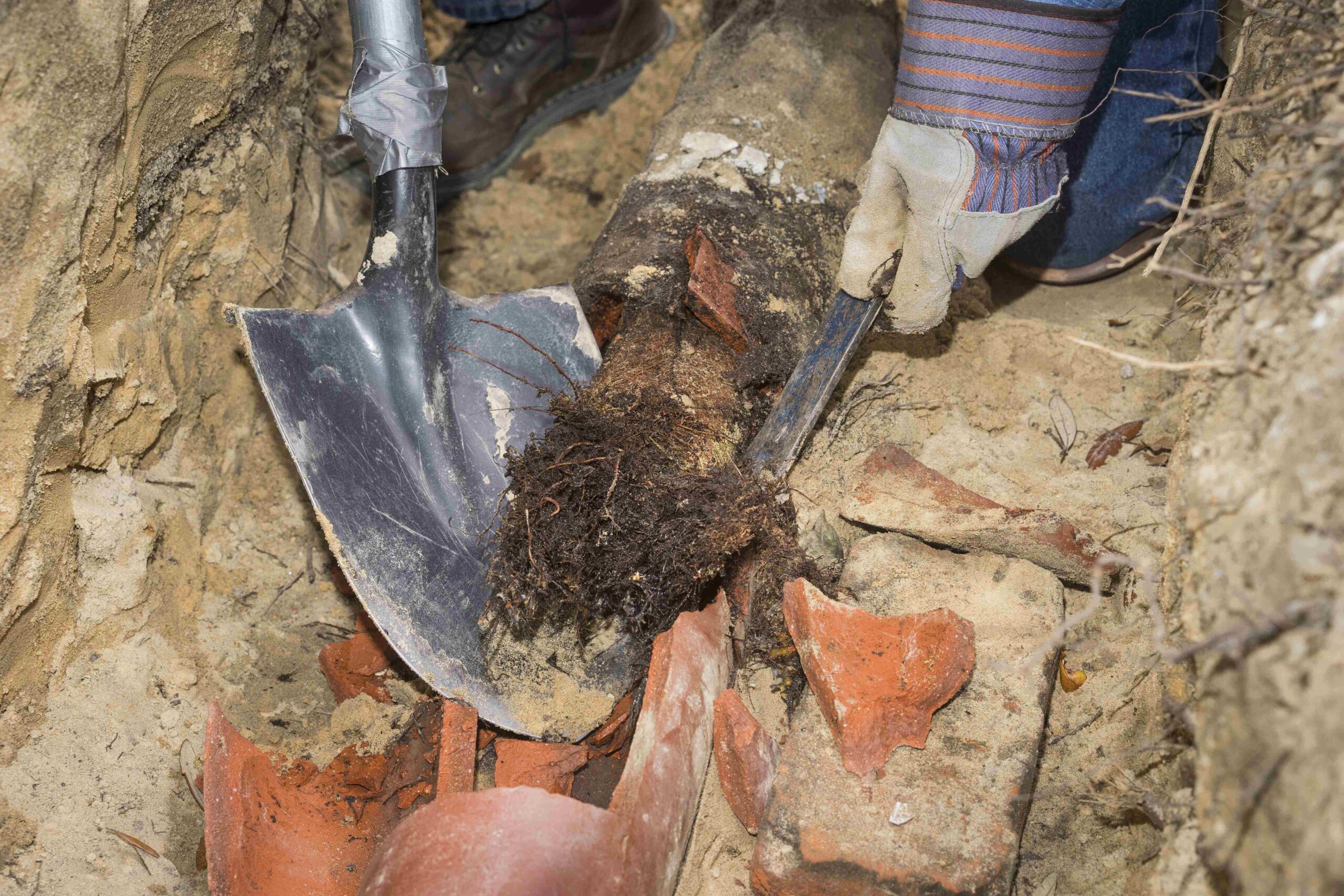
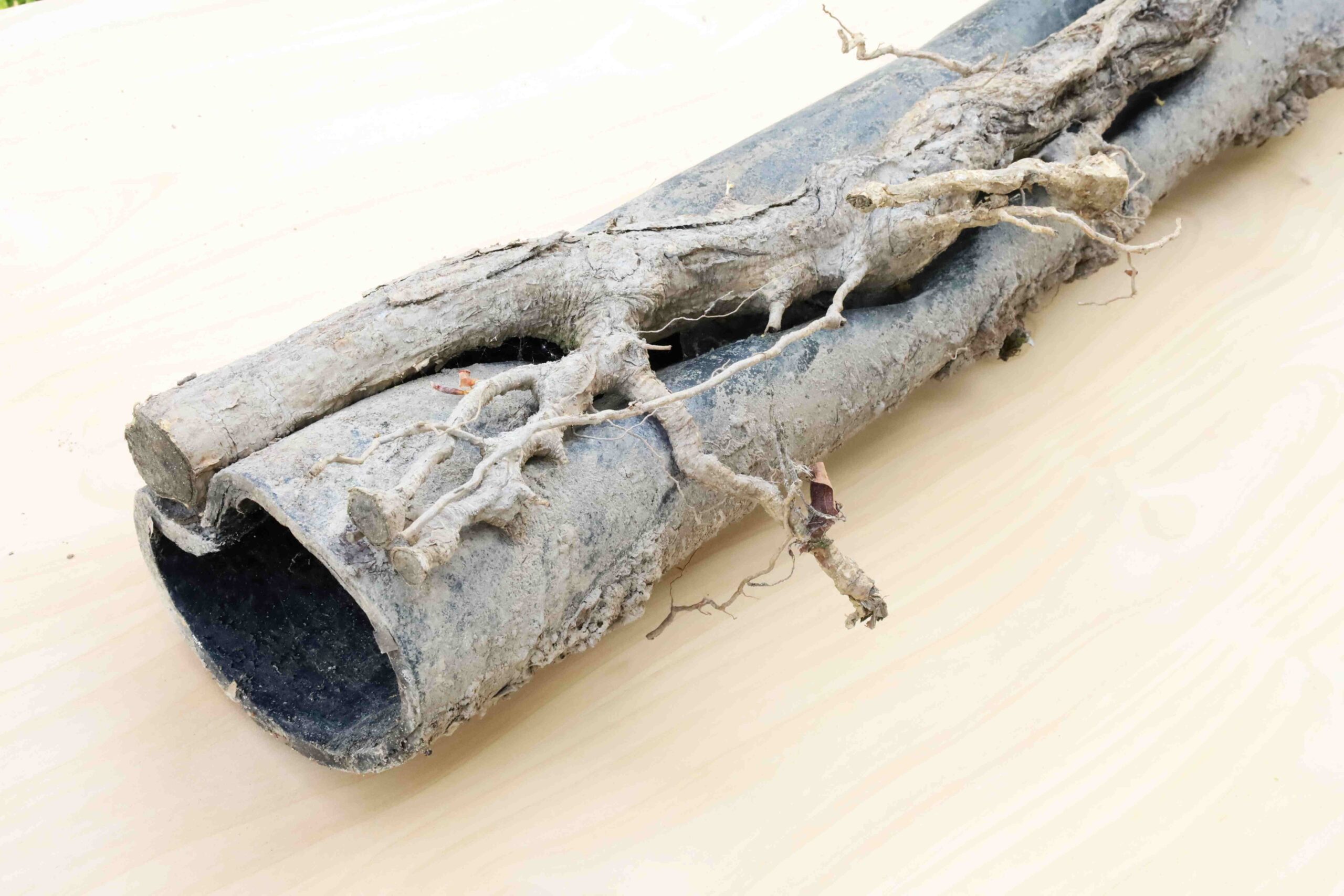
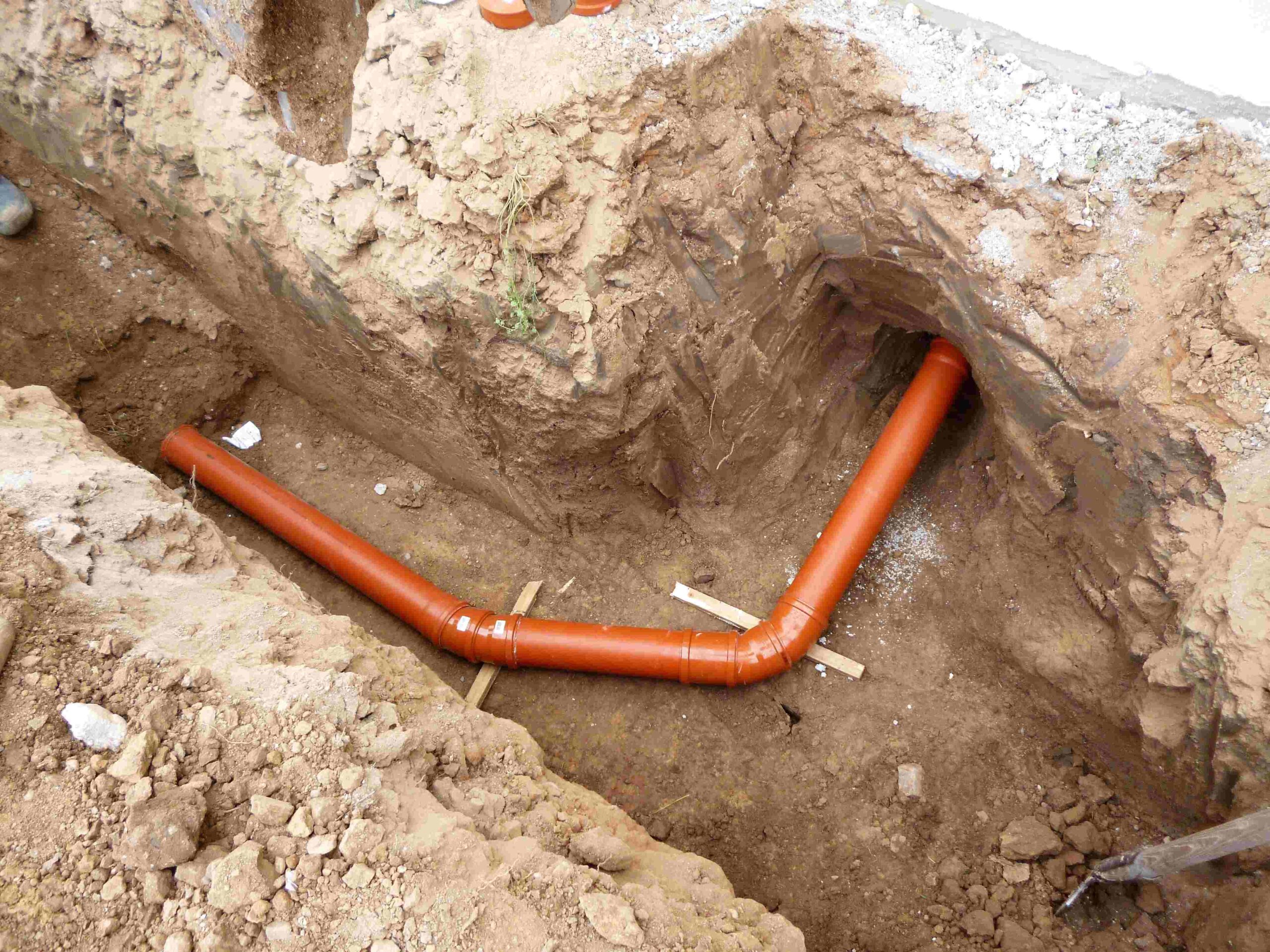
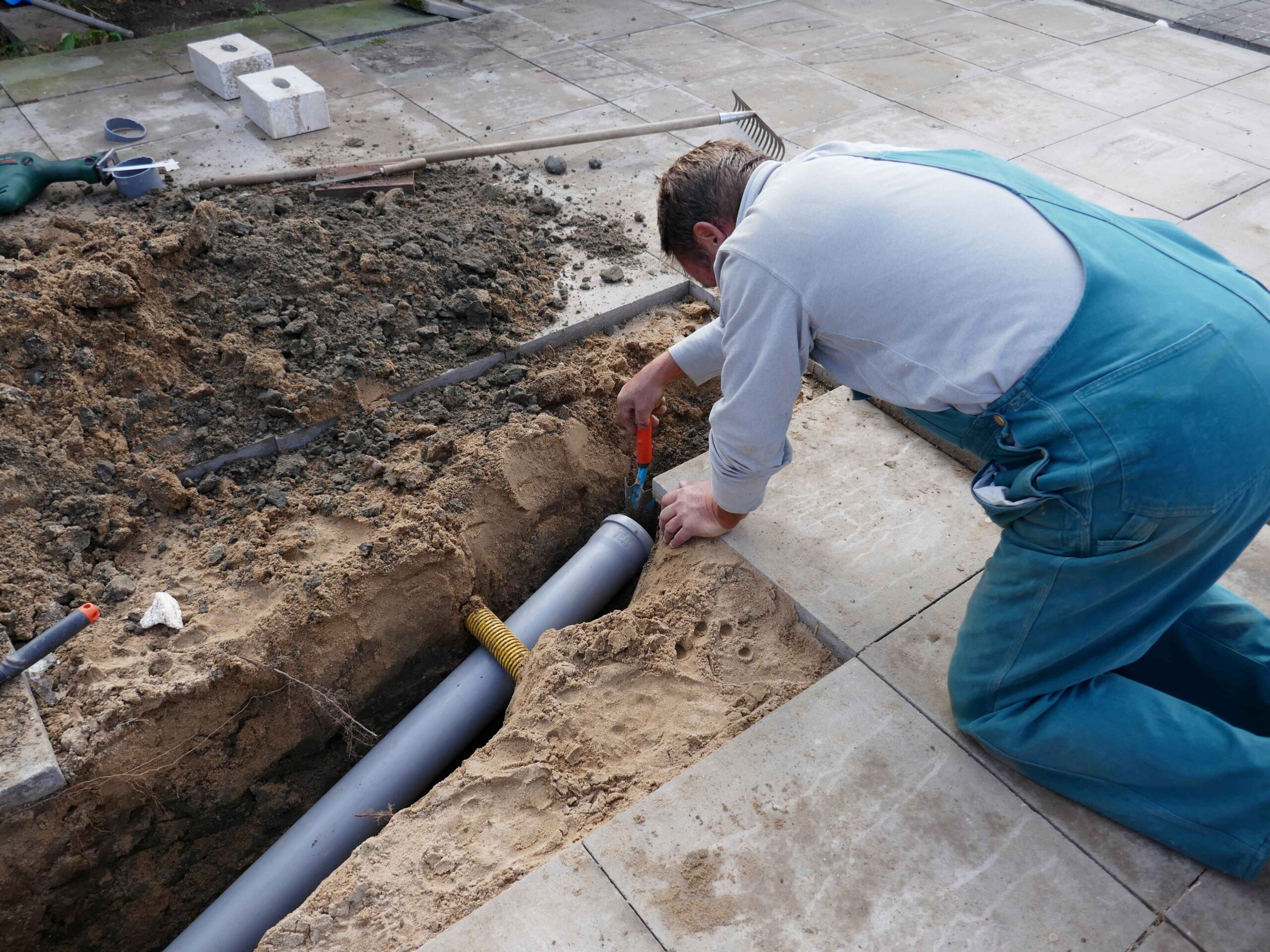
Trenchless or Dig-free sewer line repair is a modern, efficient method for fixing without extensive digging and disruption to the landscape. Unlike conventional methods that require large trenches to access and repair pipes, trenchless technology utilizes advanced techniques to minimize the impact on the surrounding area. This approach is increasingly popular due to its efficiency, cost-effectiveness, and reduced environmental impact.
Types of Non-Invasive Sewer Line Repair
There are several types of sewer line repair, each suited to different situations and types of damage:
Also known as cured-in-place pipe (CIPP) lining, involves inserting a flexible liner coated with resin into the damaged pipe. The liner is then inflated and the resin is cured, forming a new, durable pipe within the old one. This method is ideal for repairing minor cracks and leaks without the need for excavation.
Trenchless Pipe Bursting
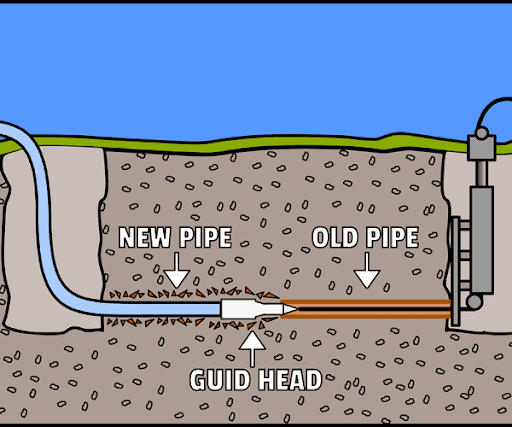
This is a technique used to replace severely damaged or old pipes. It involves pulling a recent pipe through the old one while simultaneously fracturing the old pipe outward. This method is particularly effective for upsizing channels, as it allows the installation of larger-diameter tubes to increase flow capacity.
Benefits of Trenchless Sewerline Fixes
Minute Disruption: Since they do not require extensive digging, Denver sewer repair companies cause small disruption to landscapes, driveways, sidewalks, and other structures.
Affordability: While the initial cost may be higher than traditional methods, trenchless repairs often result in lower overall costs due to reduced labor, restoration, and time requirements.
Quick Installation: Trenchless repairs can typically be completed in a fraction of the time required for traditional repairs.
Environmentally Friendly: Less digging means reduced soil displacement and a smaller environmental footprint.
Durability: Trenchless methods often use materials that are resistant to corrosion and root intrusion, extending the lifespan.
The Process of Trenchless Sewer Line Repair
Pipe Lining Process
Inspection: A camera inspection is performed to assess the condition of the existing pipe and determine the extent of the damage.
Cleaning: The pipe is thoroughly cleaned using hydro jetting or other steps to remove debris and roots.
Liner Insertion: A pliant liner coated with resin is inserted into the cracked pipe.
Curing: The liner is inflated and cured using hot water, steam, or UV light, forming a fresh pipe within the old one.
Final Inspection: A final sewer scope denver Colorado ensures the integrity.
Pipe Bursting Process
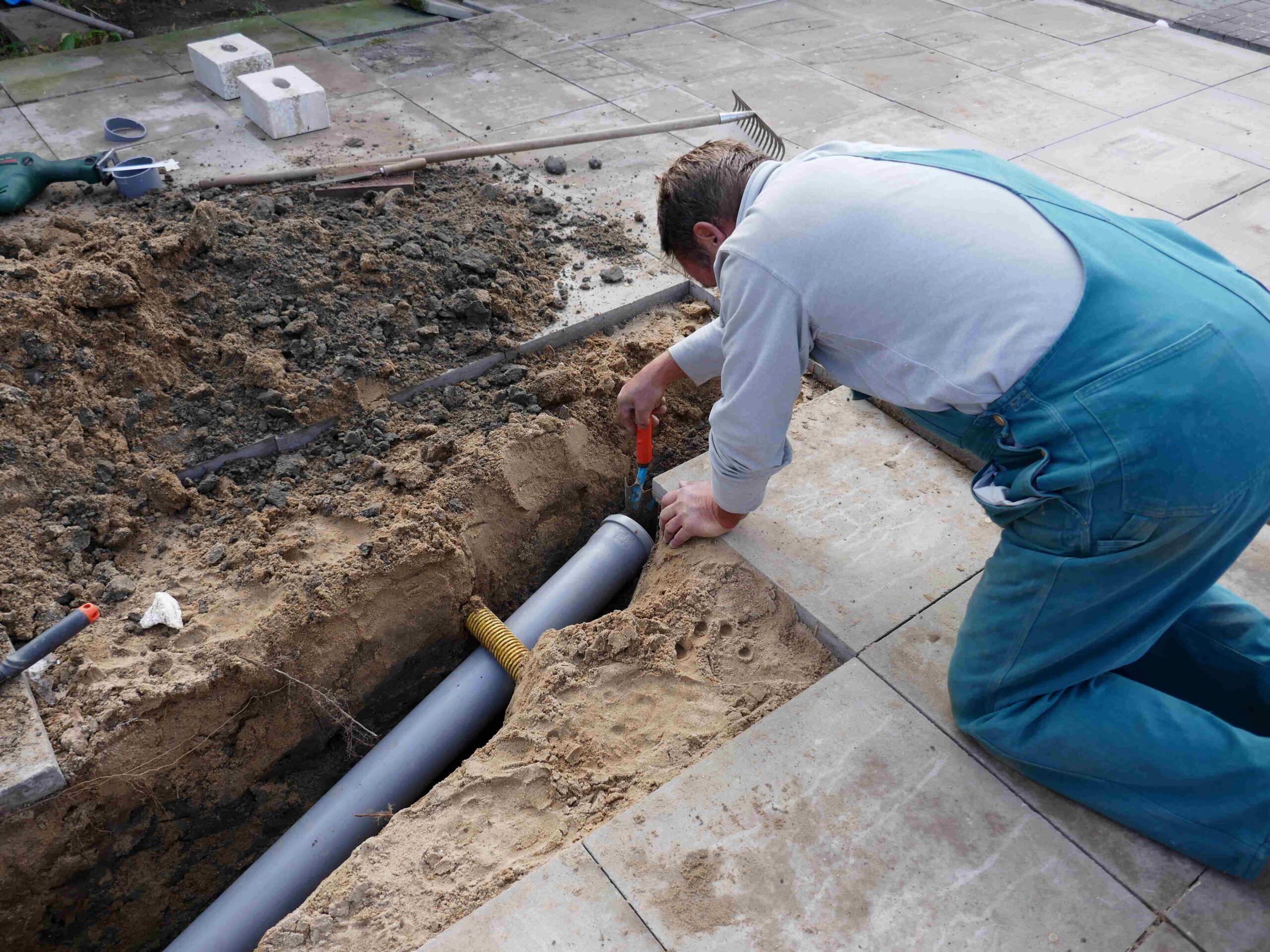
Preparation: Small access holes are dug at the beginning and end of the pipe section to be replaced.
Insertion: A bursting head is inserted into the old pipe, connected to the newest one.
Bursting: The bursting head is pulled through the old pipe, breaking it apart while simultaneously pulling the new pipe into place.
Connection: The new pipe is connected to the existing plumbing system, and the access holes are backfilled.
Applications of Shovel-free Sewer Line Repair
This method is versatile and can be used in various settings, including:
Residential Properties: Homeowners can benefit from fixing sewer line problems without damaging their lawns, driveways, or landscaping.
Commercial Properties: Businesses can avoid disruptions to their operations and minimize downtime with quick and efficient repairs.
Municipalities: Cities and towns can use non-disruptive methods to upgrade aging infrastructure and reduce the impact on traffic and public spaces.
Choosing the Right Trenchless Sewer Line Repair
The choice between pipe lining and bursting depends on several factors, including:
Condition of the Existing Pipe: Minor cracks and leaks are suitable for pipe lining, while severely worn down or collapsed tube may require pipe bursting.
Pipe Material: Different materials respond differently to each method. For instance, bursting pipes is more effective for replacing brittle materials like clay or cast iron.
Location: The presence of nearby structures and utilities can influence the choice of method, as some repairs require access points and sufficient space for equipment.
Budget: While both wayys offer cost savings over traditional processes, the specific costs can vary based on the extent of the damage and the length of the pipe to be repaired.
Advances in Trenchless Technology
Technological advancements continue to improve the efficiency and effectiveness. Some of the latest innovations include:
Advanced Imaging: High-resolution cameras allow for more precise assessments and targeted fixes.
Robotic Systems: Robotics can perform repairs in hard-to-reach areas, reducing the need for excavation.
Eco-Friendly Materials: New materials are being developed that are more durable and environmentally friendly, further extending the lifespan.
The Future of Trenchless Drainage Line Repair
As urban areas continue to grow and infrastructure ages, the demand for efficient, cheap, and environmentally friendly sewer repair methods will increase. These types of technology is well-positioned to meet these demands, offering solutions that minimize disruption and maximize the lifespan of sewer systems.
Final Thoughts
No-dig sewer repair represents a significant advancement in the field of plumbing and infrastructure maintenance. By eliminating the need for extensive trenchless methods provide a quicker, more cost-effective, and environmentally friendly solutions. Whether dealing with minor cracks or complete pipe replacements, trenchless technology offers a reliable and durable option for property owners and municipalities alike. As techn continues to advance, the capabilities and applications will only expand, making it an essential tool for modern infrastructure maintenance.
Get Reliable Repair Service in the Denver Metro Area Today!
Are you facing sewer line issues? Or wondering how much does video sewer inspection cost? At Sewer Experts, we specialize in lining and fragmenting, providing efficient, cost-effective, and environmentally friendly repairs that minimize disruption to your property.
Why Choose Us?
Minimal disruption to your property
Quick and efficient process
Long-lasting and durable solutions
Don’t let sewer line problems disrupt your life. Visit SewerEx to learn more about our trenchless repair services and schedule your consultation today!
It is a method to fix or replace torn down sewer pipes without extensive digging. Techniques like pipe lining and pipe bursting minimize disruption and restore them efficiently.
2. How does no-dig pipe lining work?
It involves inserting a resin-coated liner into the damaged pipe, inflating it, and curing the resin to create a new pipe within the old one.
3. What is pipe or line bursting?
It involves pulling a current pipe through the old one while breaking the old pipe apart. This method is used for replacing severely damaged pipes and allows for upsizing.
4. What are the benefits?
Benefits include minor disruption to landscaping, cost-effectiveness, quicker installation, environmental friendliness, and durability.
5. When should I choose trenchless pipe lining vs. pipe bursting?
Choose pipe lining for minor cracks and leaks and bursting for severely damaged or collapsed pipings. The decision depends on the pipe’s condition, material, location, and budget.
6. What is the overview on the costs of trenchless line replacement
Trenchless sewer line replacement typically costs between $6,000 to $12,000, with how much does trenchless sewer line replacement cost per foot ranging from $135 to $285, depending on factors such as location, pipe size, and the specific trenchless method used. In urban areas like Denver, how much is trenchless sewer line replacement denver may be on the higher end of this range due to local factors.
7. What Are the Costs and Options for Trenchless Sewer Pipe Repair and Relining?
When considering how much does trenchless sewer line repair cost Denver, homeowners often look into trenchless sewer pipe repair and replacement options. It’s important to understand the trenchless sewer pipe repair cost and how it varies. The trenchless sewer pipe repair costs can differ based on factors such as the extent of the damage and the location of the problem. For those facing issues with their outside sewer pipe repair home, trenchless sewer pipe relining may be a viable solution. With advances in technology sewer pipe relining, the process has become more efficient and less invasive. Many homeowners wonder, how much does sewer pipe relining cost? The cost of sewer pipe relining can vary, and it’s useful to know the average cost of sewer pipe lining to budget accordingly. Additionally, the trenchless sewer pipe lining cost per foot is a specific metric that can help estimate the total expense of the project.
A collapsed sewer pipe is a homeowner’s nightmare. Not only can it cause significant damage to your property, but it can also be costly and time-consuming to fix. Understanding the signs of collapsed sewer line is vital for preventing extensive ruin and addressing the case promptly. In this article, we will explore the five signs that indicate your main sewer line may have collapsed and need immediate servicing.
1. Persistent Drain Clogs and Slow Draining
One of the most common and early signs of a collapsed main sewer line is clogged drain plug-ups and slow draining. While occasional plug-ups are normal and can be attributed to a build-up of debris or oil, frequent blocks occurring simultaneously in multiple fixtures suggest a more serious result.
Why This Happens
When a sewer pipe is collapsed, it disrupts the normal flow of wastewater. This obstruction causes trash to accumulate at the point of collapse, leading to blockages that affect your entire plumbing network. Over time, the blockage becomes more severe, causing water to drain slowly or not at all.
What to Look For
Multiple Clogs: If you notice plugs occurring in different spouts around the same time, this could indicate a problem with your main sewer line rather than individual pipes.
Slow Draining Water: Water that drains slowly is a red flag. Pay particular consideration if this concern persists despite using drain cleaning products or plungers.
Gurgling Sounds: Strange noises coming from your discharges, especially when using other fixtures, can be a sign of air trapped in the drainage framework because of a line collapsed or clogged.
2. Sewage Backups and Overflows
These are some of the most alarming and awful signs as an result of a caved in sewer lines. When sewer water cannot flow freely through your sewer pipeline, it has nowhere else to go but back up into your home.
Why This Happens
A collapsed sewer pipe includes a complete or partial blockage, preventing it from flowing out to the municipal sewer system or septic tank. Instead, it backs up into your home’s lowest points, typically the basement or first-floor sewers.
What to Look For
Foul Fragrances: The scent of filth in your home is a clear indicator of a problem with your sewer pipe. This can emanate from drains, toilets, or the basement.
Visible Sewage: If you see sludge backing up into outlets this is a serious event that requires immediate attention.
Water Stains: Look for water stains or damp spots around your basement floor discharge. These could indicate a sewerage block that hasn’t yet become critical.
3. Unpleasant Odors
Stenches coming from your outlet are another significant sign of a collapsed pipe. These are not only nasty but can also pose health risks if left unaddressed.
Why This Happens
A collapsed pipe can cause junk to drip into the surrounding soil, which leads to smelling both inside and outside your home. The accumulation of garbage material can also cause gases to build up and escape through your vents.
What to Look For
Smelly Sewer: If you notice a persistent filth smell in your home, especially near drains or in the basement, it’s a strong indication of a sewer pipes problem.
Outdoor Stench: Stinks in your garden, particularly near where your sewer pipes run, suggest that sewerage may be seeping into the ground.
Gaseous Smells: Sometimes, you might detect a rotten egg smell (hydrogen sulfide) which is a byproduct of decomposing rubbish.
4. Lush Patches in the Backyard
While a green, lavish lawn is usually a desirable feature, unusually dense areas can be a sign of pipe clogs or collapses. This happens when discharging garbage acts as a fertilizer, promoting the rapid grow of grass and plants.
Why This Happens
When a main sewer line collapses it can cause breaks or cracks that allow rubbish to seep into the surrounding soil. The nutrients in the drainage provide an excellent fertilizer for vegetation, leading to unusually rich areas in your lawn.
What to Look For
Uneven Increase: Look for areas in your lawn where the grass or plants are growing faster and more robustly than in other areas.
Wet Spots: Marks of grass that are consistently wet or soggy, even during dry weather, may indicate a leak from the drain pipes.
Sinkholes: In serious cases, the soil may become so saturated with wastewater that it begins to erode, forming holes or depressions in your yard.
5. Foundation Cracks and Settling
Structural damaged to your home can also be a sign that a pipe has collapsed. This occurs when leaking sewage undermines the integrity of the soil supporting your house infrastructure.
Why This Happens
A collapsed sewer pipe can cause significant erosion of the soil around and beneath your establishment. The loss of this supporting soil can lead to cracking and other structural challenges.
What to Look For
New or Worsening Cracks: Pay attention to any new cracks in your home’s support, walls, or floors, particularly if they appear swiftly or worsen over time it will make those sewer lines to collapse.
Uneven Floors: If you notice that your floors are becoming uneven or sloping, this could be a sign that the ground is settling by reason of soil erosion.
Doors and Windows: Doors and windows that are suddenly difficult to open or close may indicate a shift in your home’s structure caused by the foundational settlement.
Addressing a Collapsed Sewer Line Early
If you doubt that your sewer line has collapsed, it’s essential to take immediate action to prevent further damage and health hazards. Be aware of collapsed sewer line symptoms and the signs of a collapsed drain pipe, as these can indicate a serious problem. Understanding the collapsed sewer line repair cost is crucial for budgeting, and it’s important to know whether does homeowners insurance cover collapsed sewer lines or is a collapsed sewer line covered by insurance. If you’re experiencing these issues, consult a professional to assess the situation and provide the necessary repairs.
1. Contact a Sewer Line Professional
The first step is to calling a licensed and experienced sewer line professional who specializes in collapsed sewer line repair. They will assess a thorough inspection, often using advanced techniques such as video checkups, to diagnose it accurately.
2. Consider Trenchless Repair Methods
Advanced Plumbing offers a trenchless repairing that is less interfering and more cost effective than traditional excavation. Techniques such as pipe bursting or pipe lining can restore them without the need for extensive digging and disruption to your property.
3. Prevent Future Problems
Once it is complete, take steps to hinder forthcoming sanitation concerns. Regular maintenance, such as annual examinations and proper disposal of junk, can help keep your drainage in good condition. Stop flushing items that can cause blockages, such as wipes, feminine hygiene products, and lubes.
Summary
This is a serious problem that requires immediate care to avoid extensive detriment to your property and health hazards. By recognizing the signs early—persistent drain plug-ups, sewage plug-ups, obnoxious essences, green patch-ups in the yard, and baseline cracks—you can take action before the situation worsens. If you presume the problem, contact a pro to require sewer line repair and immediately identify the matter. Utilizing modern restoration and maintaining your sewerage can help preclude later difficulties and guarantee the longevity of your plumbing network.Understanding these signs and knowing how to address it can save you time, money, and stress, ensuring a safe and healthy environment for your home. It’s important to start by assessing the condition, as misaligned pipes, tree root growth over the fallen sewer, and underground pressure can all lead to problems. A licensed plumber can help spot the issue, whether it’s a break in the main line or a backup causing an odor near your sink, toilet, or bathtub. Addressing these issues promptly can prevent further damage to your house’s foundation. In an emergency, having information on the best options for repairs and backups can be crucial. Eventually, the backup may lead to more significant outcomes if not handled properly.
Get Expert Sewer Line Repair in the Denver Metro Area
Dealing with it can be stressful and overwhelming, but you don’t have to face it alone. We specialize in providing first-rate sewer line repair services throughout the Denver metro area. Our team of professionals is equipped with the latest machinery and techniques to pinpoint and fix your sewer network concerns instantly and efficiently.
Why Choose Us?
Knowledgeable Technicians: Our team has years of experience handling a wide range of sewer line topics.
Advanced Technology: We use state-of-the-art apparatus, including video camera inspection and trenchless repair, to ensure a thorough and minimally aggressive fixing.
Prompt Service: We understand the urgency of your troubles and offer fast, reliable service to get your home back to normal as quickly as possible.
Affordable Solutions: We provide transparent pricing and cost-effective solutions tailored to your specific needs.
If you doubted the problem, don’t wait for it to become a bigger issue. Reach out for a free consultation and let us help you restore your sewer framework to optimal condition. Understanding these signs and knowing how to address a collapsed area
Take the first step towards solving your clog by reaching out to the trusted professionals in our company. Your satisfaction and peace of mind are our superior priorities.
FAQ: Collapsed Sewer Lines
What causes a sewer line to collapse?
Collapse due to older sewer, tree root intrusion, shifting soil, or impair from heavy equipment or ground settling.
How can I confirm if my sewer line has caved in?
Signs such as frequent drain plugs, foul scents, lavish spots in your lawn, and framework cracks suggest a clog or collapse sewer line. An expert will require using a video inspection.
What should I do if I suspect that it is that issue?
Call a licensed professional immediately for an inspection and diagnosis. Delaying can lead to more extensive harm.
Are there less invasive methods to remedy a sewer line that has collapsed?
Yes, trenchless sewer replacement and pipe bursting and pipe lining can fix the collapsed pipe without extensive excavating, minimizing disruption to your property.
How can I forbid future sewer line collapses?
Collapsed sewer line include frequent maintenance, annual checkups, and proper waste disposal (avoiding rinsing non-degradable objects) can help keep it in good condition and avoiding approaching issues.
What dissolves tree roots in sewer lines? Tree roots normally infiltrating sewer tubes is a common problem that many homeowners face. These intrusions can lead to a range of concerns, from blocked drains to severe damage. Left unchecked, tree roots developing can cause a clogged sewer, resulting in pricey fixes and prolonged inconvenience. In this comprehensive guideline, we will explore the reasons tree roots expand and intrude sewerage, the signs of tree root intrusion in sewer, efficient ways to remove the tree roots, and how to prevent them from increasing. Understanding these aspects will help you maintain a clean and healthy sewer to protect your home.
Why It’s Important to Address Sewer Lines Tree Roots Quickly
When tree roots in sewer line penetrate, they can cause slow sewerage, clogged pipes, and reserves, all of which can lead to more crucial and expensive plumbing problems if not addressed promptly. Gurgling toilets, nasty scents, and unusual fluctuations in water pressure are some of the warning signals that are caused by roots that may be a problem obstructing your pipes. Ignoring these symptoms can result in entire sewer line tree roots growth and, eventually, ruptured pipes, which can cause sewerage to leak into your yard and home.
Warning Signs
It’s crucial to recognize a sign of a tree root breach:
Slow Drainage: Water draining slowly from sinks, bathtubs, and toilets could indicate a plug caused by a root in your sewer.
Gurgling Toilets: If your toilet gurgles or bubbles when flushed, this could suggest that tree root growth is obstructing the sewer system.
Foul Odors: Unpleasant wastewater smells coming from your drains or yard may signal root damage that has broken the sewer line.
Sewage Backups: If you find backing up in your home, it’s likely due to a major plug in the main sewer line.
Why Tree Roots Invade Sewer Tubes
Root Attraction to Moisture and Nutrients
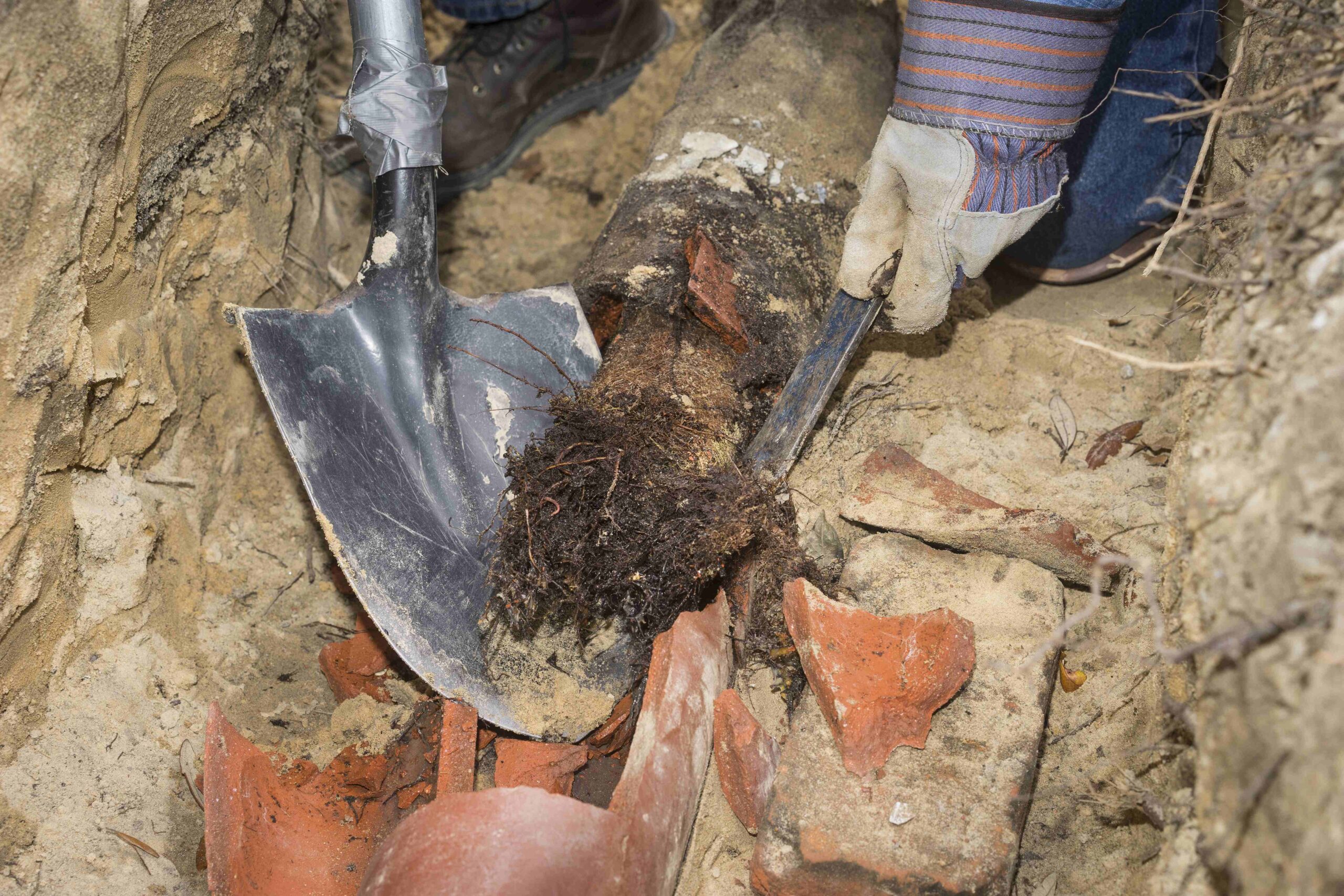
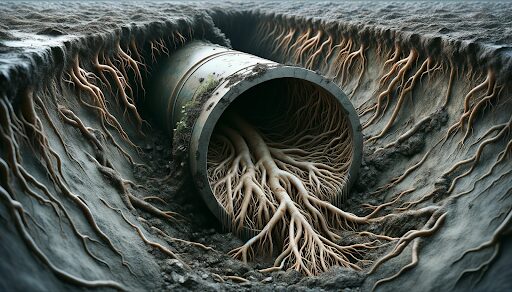
Tree roots are naturally drawn to sources of moisture and nutrients. Tiny cracks in pipes allow moisture to seep into the surrounding soil, attracting roots that instinctively search out this water. Once the roots penetrate a pipe, they continue to grow and feed on the nutrient-rich waste within, ultimately forming a dense root mass that can clog the entire pipe.
Aging Infrastructure
Sewerage made from substances like clay, concrete, or cast iron is especially prone to cracking and decay. These pipes, which are more sensitive to wear and tear, present ideal conditions for roots grow instantly. Their joints and seams may weaken over time, providing convenient entry points for roots.
Five Effective Ways of Removing The Roots in Your Sewer
Mechanical Removal
It involves using professional draining tools like cutters, augers, or sewer snakes to clear the root block manually. A rotating blade attached to the end of a snake cuts through the roots inside the pipe, breaking up the blockage. However, it’s vital to use the proper tool size to restrict damage to the pipes or injury to yourself.
Sewer Jetting
It uses high-pressurize water jets to remove debris and rid of roots after the extraction. This method is efficient in flushing out small root fragments that may have been left behind. The force of the water can reach areas deeper in the pipe that other tools might miss, providing a thorough cleaning.
Chemical Treatments
Foaming Root Killers: This chemical melts tree roots inside the sewer line and prevents future growth. They are usually applied as a foam that expands to fill the whole diameter of the pipe, ensuring complete root coverage. They can be efficient, especially when combined with machinery-driven extraction.
Copper Sulfate and Rock Salt: Traditional root killers yet potentially hazardous treatments like copper sulfate and rock salt have been used for many years to kill tree roots. They are often flushed down the toilet to reach the sewer line, where they dehydrate and kill roots. However, they can be harmful to the environment and may damage aged pipes.
Cured-In-Place Pipe Linings
This is a trenchless technique that includes inserting a flexible, resin-coated liner into the damaged pipe and inflating it. Once inflated, the resin hardens to create a new, seamless interior layer that seals any cracks, preventing tree roots from sewer to grow faster. This method is less disruptive than traditional excavation and is ideal for repairing small to moderate damage.
Professional Plumbing Service
Plumbing professionals can use a sewer camera to analyze the pipes and determine the extent of the root damage. Their expertise in evaluating the condition of the pipes helps them choose the most appropriate treatment. A plumbing professional can also provide comprehensive maintenance and offer valuable suggestions on stopping future root intrusions.
Preventative Measures to Avoid Tree Roots From Growing
Routine Inspections
Conducting normal scoping inspection cameras can help identify earlier marks of tree root trespass. This proactive approach allows homeowners to catch potential issues before they become a major problem or issue.
Replacing Pipe
If your sewer line is made of older ingredients like clay or cast iron, consider changing it with newer, more durable materials like PVC or steel. Modern pipes are less susceptible to cracking and root intrusion, providing a longer-lasting solution.
Landscaping Strategies
It can help minimize the risk of root intrusion. Plant trees at least 100 feet away from the sewer line and choose species with less aggressive root systems. Additionally, always call utility location services before excavating to identify covert pipes and keep off accidental damage or issue.
Summary
Tree roots invading can cause significant damage to your sewer if not detected and addressed right away. By understanding why roots infiltrate pipes, recognizing the danger signs, and implementing efficient extraction and precautionary strategies, homeowners can protect their sewer system. Machine extraction, sewer jetting, and piping are all viable answers for eliminating root obstructions. Meanwhile, standard checking, pipe substitutes, and smart gardening can prevent future problems. If you suspect root damage in your sewer line, it’s crucial to behave directly. Check your sewer tubes or contact a local plumber for a thorough assessment and restorations. Here are some tips: flush only appropriate materials to refrain clogs, and run water regularly through the system. It’s a good idea to have a plumber inspect your system multiple times a year. Daily maintenance is the best option to fix problems early and hinder long-term damage. For more information, visit a reliable site or contact a local plumbing business. Popular plumbers often provide valuable advice and services, ensuring your house and garden remain sheltered from root invasions. Sign up for everyday maintenance to keep your system running smoothly without needing to leave it to chance.
Don’t Let Tree Roots to Grow and Wreak Havoc on Your Sewer Line!
Are you experiencing slow drains, gurgling toilets, or an awful odour? Tree roots in the sewer can be a hidden nightmare, causing costly damages and disruptions. We specialize in identifying and resolving these underground matters efficiently with minimal disruption to your property. Our sewer line repairs and replacements service guarantee that your plumbing is restored without the need for extensive digging. Schedule Your Inspection Today!Call us at (720) 663-7473 or drop in Sewer Experts to learn more about our services and book a comprehensive sewer scope inspection. Act now to protect your properties and get away with major repairs!Don’t wait until it’s too late. Contact us now and ensure peace of mind with our reliable professional sewer cleaning solutions!
Frequently Asked Questions (FAQ): How to Get Tree Roots Out of Sewerage
What are the earlier signals of tree roots in my sewer line?
Best signs include slow, gurgling toilets, foul, and reserved sewerage systems.
Why do tree roots infiltrate sewer tubes?
Roots seek moisture and nutrients. Leaks from cracked pipes attract them, and once inside, they thrive on the nutrient-rich waste.
What ways are used to get rid of roots from sewerage?
Methods of automatic extraction (cutters and snakes), pressurized water pump, chemical processes like foaming, and cured-in-place tubing.
Are chemical procedures safe to take away tree roots?
Foam root killer work is generally safe when used as directed. Traditional chemicals like copper sulfate can be hazardous and may harm pipes.
How can I prevent tree roots from entering my sewer tubes?
A regular check, substitute old pipes, and smart growing (planting trees at least 100 ft. away) can help prevent root invasion.
How do I find the sewer line on my property? Knowing the location of your sewer line can save you from a world of headaches. An unknown or poorly mapped unable-to-find all the sewer location can lead to accidental damage during landscaping or construction, significant expenses if repairs are needed, and difficulties when trying to resolve plumbing issues quickly. This article will guide you to find your sewer lines and avoid these potential pitfalls.
Definition and FunctionThe sewer line serves as the primary pipeline that transports away home’s wastewater. It links your indoor plumbing to a broader sewerage, either a private or municipal sewer network. The proper functioning of this line is crucial for hygiene, convenience, and environmental safety.Different Types of Sewer Systemsmain sewer line typically falls into two categories: urban and septic. Urban structures are prevalent in urban and suburban areas, where wastewater is routed to a public treatment plant. In contrast, septic systems are common in rural regions and involve on-site sewage treatment via a septic tank and a drain field. Understanding which type of system your house uses will determine where you should find underground lines.
Preparation Before Searching for the Sewer Line
Tools and Resources Required
Essential ToolsCan’t find the sewer line? To locate the sewer line on your property, you will need some essential tools. A snaking or auger can help you trace the line course. A locator apparatus, specifically designed to find the line, may also be beneficial. Additionally, a camera that can travel through the line provides real-time footage of the pipe’s internal route and length.Consulting Local AssetsCheck with your local utility offices for a sewer line map, which may indicate the position of sewer connections. If you’ve recently purchased your home, ask the previous owners if they have any map or information about the location of the sewer lines. City departments often maintain documentation that could help you identify where your line connects to the sewage.
Steps for Finding Your Sewer Line on Your Property
Start with Basic Information
Locate Your Sewer CleanoutCan’t find the main sewer? The easiest way to find a sewer cleanout point is a capped pipe sticking out from the ground. The cleanout is designed for access to the home’s sewer lines quickly and is often located near your home or an outdoor plumbing fixture. Remove the cap and use a flashlight to see the route the pipe leads. Advice on any sewer, mark your sewer access points for future sewer line services.Check House Blueprints or Municipal RecordsThey can be invaluable assets, revealing the layout of the plumbing and potential sewer line locations. These documents often provide measurements from fixed points, allowing you to approximate where the line should be on your property.
Use Advanced Techniques
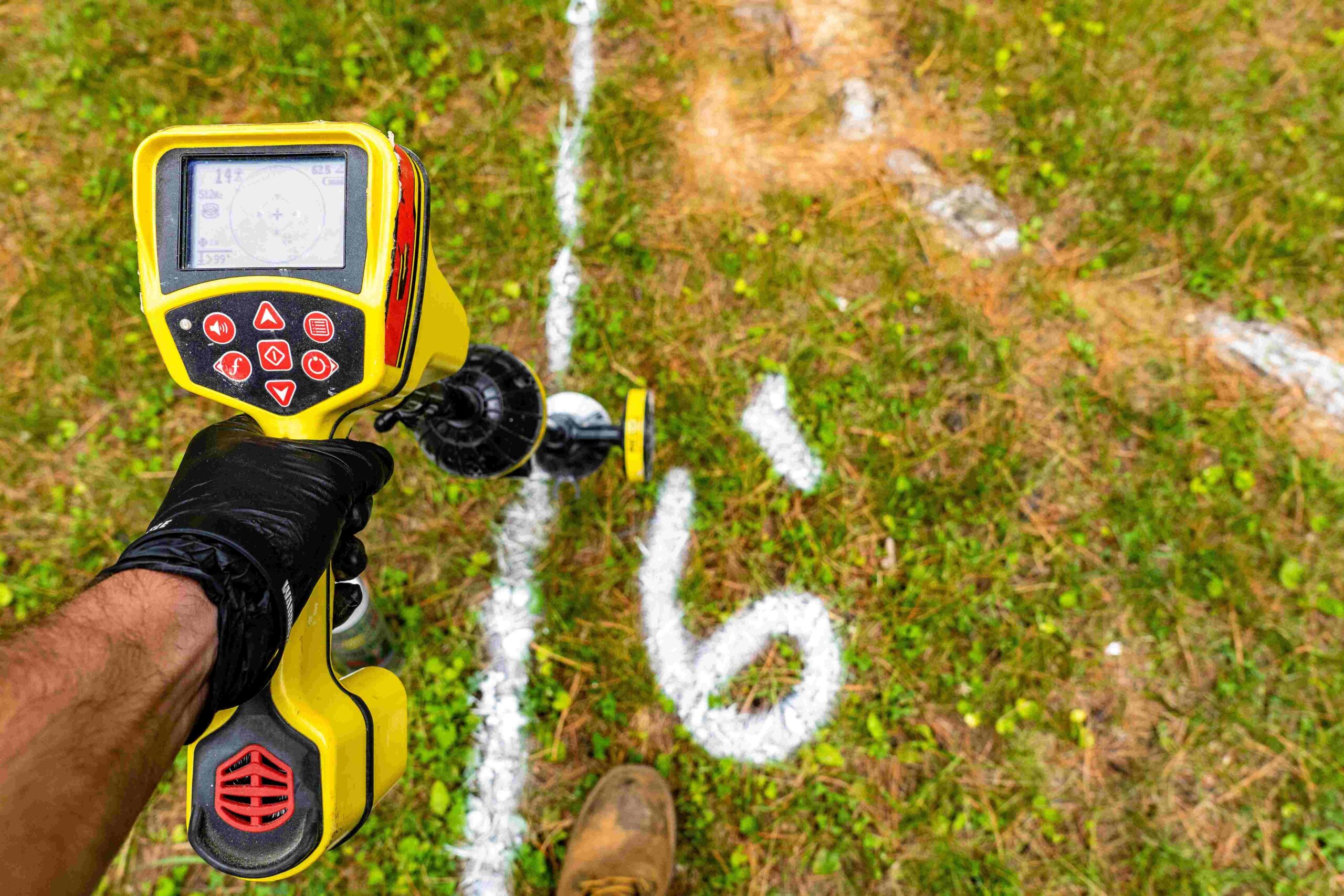
Utilize a Plumbing Snake or CameraIf the sewer line isn’t apparent, consider feeding a snake into the cleanout or another accessible drain. These machines can help determine the sewer direction and length by following the line underground. It offers visual confirmation, while the snake can help trace the route based on the snaking’s path.Invest in a Sewer Locator DeviceTips for finding your sewer. Learn ways to find where your sewer is using a sewer locator apparatus, also known as a pipeline locator, which uses electromagnetic signals to trace buried lines. Attach the signal transmitter to the sewer pipe or cleanout, and use the receiver above ground to trace the path. Mark your sewer access points for future sewer line repair and replacement services.
Professional Help
Hire a Plumbing ProfessionalIf you can’t locate the line or don’t have the necessary equipment, consider hiring a specialist. Call a professional plumber who can use specialized tools and techniques to accurately pinpoint the line, and their expertise is responsible for fixing the problem in the pipeline.Common Signs of Hidden Sewer Line IssuesIt may indicate problems with the sewer line, including slow-draining fixtures, frequent backup, foul odor, and a wet spot in your yard. If you notice these signs, it’s best to consult a professional plumber for further investigation.
Additional Tips for Sewer Line Management
Maintenance and Prevention
Regular InspectionStandard inspections, ideally once a year, can identify minor issues before they escalate. An inspection using a sewer camera allows professionals to check for tree roots, corrosion, or blockages that could cause future sewer issues.Safest Usage PracticesEnsure that only biodegradable waste and toilet paper go down your drains. Avoid disposing of grease, food scraps, hygiene products, and chemical cleaners in your main sewer line, as these can clog the line or damage pipes.
Summary
Find your sewer, Knowing the sewer line location is critical to preventing unnecessary costs and complications. Understanding the sewage, preparing with the right tools, following the step-by-step guide, and seeking professional assistance to inspect your home if necessary will help you locate the pipes efficiently. Usual maintenance in your commercial and residential and secure usage practices will also contribute to the longevity of your framework.If you’re still struggling with locating or maintaining your sewer line, consider reaching out to a plumbing professional. They can offer specialized assistance and guidance tailored to your specific property needs. Whether you’re dealing with clogged toilet, sink, or drains, professionals have the right methods to address these issues effectively. It’s important to maintain the foundation of both homes and commercial properties by ensuring the proper functioning of all utilities. For precise service, they can create a map of your plumbing system to prevent future problems. Don’t hesitate to call for help to keep your house running smoothly.
Struggling to find your sewer line on your property?
Let ourprofessional plumber give their best and take the guesswork out of the process. For sewer line location services with their state-of-the-art equipment and experienced team, they’ll quickly and accurately pinpoint the exact sewer line’s location, providing you with peace of mind in your house and saving you time and effort. Contact Us online for professional sewer line services and ensure the job is done right the first time! Request a quote now!
Frequently Asked Questions: Finding the Sewer Line on Your Property
How do I know if my property uses a septic or a city main sewer line?
If you’re unsure which your house uses, consider checking your water bill or utility files. Assets connected to a city sewerage will typically have a sewer service charge. You can also contact your local city utility office or consult the previous homeowner. For septic, the presence of a septic tank cover or a designated drain field area on your home is a strong indicator.
Where is the sewer cleanout typically located?
The sewer cleanout is usually located near the exterior of your home, close to where the main sewer line exits the structure. It may be obvious as a capped pipe protruding from the ground or attached to a wall. Occasionally, cleanouts can also be found in basements or garages.
What should I do if I cannot find any documents about my sewer line location?
If you cannot search any maps, layouts, or city documents, start by looking for visible plumbing fixtures or sewer cleanouts. You can also consider using a snaking method, or locator tool. As a last resort, hiring a sewer professional with specialized tools and experience may be necessary.
How often should I inspect my sewer line issue?
It is generally advisable to hire a professional plumber of your sewer line at least once a year. Annual inspections can help identify minor blockages, root intrusions, or corrosion before they lead to important damage or costly repairs.
Can I use chemical drain cleaners to prevent sewer line drains?
Chemical drain cleaners can sometimes exacerbate sewer line problems. They may corrode the pipes or cause further blockages if used excessively. Instead, practice secure disposal habits, such as avoiding grease or non-biodegradable waste, and consider regular professional service cleaning or natural enzyme-based answers.
Maintaining the overall health of a sewer system is crucial for ensuring the safety and functionality of a home or building. A well-functioning sewage line is essential for preventing costly and unsanitary backups, leaks, and potential structural damage. This blog aims to address the primary question, “Is a sewer inspection necessary?” and provide valuable insights into the importance of this preventative measure.Sewer scope inspections are a proactive approach to identifying and addressing potential issues before they escalate into major problems. By conducting periodic inspections, homeowners and property managers can detect early signs of deterioration, such as cracks, root intrusion, or blockages, and take timely action to mitigate further damage.
Understanding Sewer Inspections
What Is a Sewer Inspection?
Definition and Purpose: A sewer survey is a comprehensive evaluation of the sewer line and drainage system. Its goal is to detect any possible problems, obstructions, or structural weaknesses that could result in expensive repairs or dangerous conditions if not addressed.
Sewer Scope Inspection: One of the most common methods is through a sewer scope inspection. This process involves inserting a specialized camera into the sewer, allowing a trained professional to examine the interior of the pipes and identify any problems or areas of concern.
Common Signs of Sewer Problems
Slow Drains and Gurgling Noises: If you notice that your drains are draining slowly or you hear gurgling noises coming from your plumbing fixtures, it could be a sign of a blockage or issue. These warning signs should not be ignored, as they may indicate a more serious underlying problem.
Foul Odors and Wet Spots: Unusual foul odors or unexplained wet spots on your property can also be indicators of an issue. These smells and moisture could be caused by leaks or cracks, allowing sewage to escape and contaminate the surrounding area.
Benefits of Sewer Inspections
Early Detection of Issues
Preventive Maintenance: Regular sewer scope inspections allow for the early detection of potential issues, enabling homeowners to address them promptly and avoid the cost of sewer scope inspection and repairs down the line. By catching problems early, you can often resolve them through less invasive and more affordable methods.
Homebuyers’ Perspective: For those in the process of purchasing a home, this can provide valuable insights into the condition of the sewer system. This information can help buyers make informed decisions and negotiate appropriate repairs or concessions if necessary especially when adjusting to the cost to have sewer line camera inspection.
Cost Savings in the Long Run
Preventative Investment: While sewer inspections may require an upfront investment, they can ultimately save homeowners significant amounts of money by preventing expensive repairs or replacements that can result from undetected issues.
Insurance and Liability: In some cases, sewer inspections may lower liability risks and potentially qualify homeowners for insurance discounts or better coverage options. Proactively addressing potential issues can demonstrate responsible home maintenance practices.
When Is a Sewer Line Check Necessary?
New Property Acquisition
Older Properties: If you’re purchasing an older home, it’s highly recommended to have a sewer scope inspections performed. Over time, sewer lines can deteriorate or become compromised, and older properties are more susceptible to these issues.
High-Risk Areas: Properties located in areas prone to flooding, seismic activity, or other environmental factors that can impact the integrity may require more frequent inspections to ensure the system’s safe and proper functioning.
Recurring Drain Issues
Persistent Clogs: If you’re experiencing recurring clogs or slow drainage in multiple fixtures throughout your home, it could be a sign of a more significant issue. A professional assessment can find the root cause of the problem.
Backups and Flooding: If you’ve experienced a sewer backup or minor flooding in your home, it’s crucial to have drain cleaning sewer inspection in Denver. These incidents could indicate a blockage, crack, or other damage that needs to be addressed immediately.
Renovation or Landscaping Projects
Structural Integrity, before undertaking major home renovations or landscaping projects that involve digging or excavation, it’s advisable to have a sewer line assessment conducted. This step can help ensure that the structural integrity is not compromised during the construction process.
How to Get a Inspection Done
Hiring a Professional
When it comes to sewer inspections, it’s essential to hire a qualified and experienced professional. Look for inspectors who are certified and licensed to perform these services in your area. Understanding what is a sewer scope inspection and the sewer scope inspection cost can aid in your decision-making process.During the inspection, the professional will typically use specialized equipment, such as a camera for sewer inspection or other diagnostic tools, to examine the interior. They will look for any signs of blockages, cracks, root intrusion, or other issues that could compromise the system’s functionality. Sewer scope inspection Denver services are specifically tailored to address these concerns efficiently.A thorough checking can help identify potential problems early, allowing you to take preventive measures and avoid costly repairs down the line. Regular sewer inspections are also recommended, particularly for older homes or areas with mature trees, to ensure the continued proper functioning of the sewer system. Consider scheduling same day sewer repair Denver CO if immediate issues are detected.
Summary
Sewer inspections are a crucial preventative measure for maintaining the health and integrity of a building’s sewer system. By identifying potential issues early on, homeowners can avoid costly repairs, minimize liability risks, and ensure the safe and efficient functioning of their plumbing and drainage systems.Whether you’re purchasing a new property, experiencing recurring drain issues, or planning major renovations or landscaping projects, it’s highly recommended to consult a professional certified sewer inspection Denver. This proactive approach can save you time, money, and hassle in the long run, while also protecting your valuable investment.Is your home showing signs of a potential sewer problem? Don’t wait until it’s too late. At SewerEx, we offer comprehensive and best sewer inspection camera with locator services to protect your investment and provide peace of mind. Our team of certified professionals uses cutting-edge technology to detect issues early and help you avoid costly repairs down the line.Contact us today to know how much does a sewer inspection cost and the cost of sewer line camera inspection and to schedule a thorough sewer assessment and main line camera inspection Denver with the experts you can trust. Ensure your sewer system is functioning at its best. Get in touch with Sewer Experts now and safeguard your home or business!
Frequently Asked Questions
What is a sewer inspection?
A sewer scope inspections is a comprehensive evaluation of the sewer and drainage system. Its purpose is to identify any potential issues, blockages, or structural defects that could lead to costly repairs or hazardous situations if left unaddressed. A common method is using a specialized camera to visually inspect the interior of the pipes.
What are some common signs that an home inspection sewer scope may be needed?
Common signs include slow drains, gurgling noises from plumbing fixtures, foul odors, and unexplained wet spots on your property. These can indicate a blockage, leak, or other issue with the sewer line.
What are the main benefits of Denver sewer inspection?
The main benefits are early detection of issues to allow for preventative maintenance, potential cost savings by avoiding major repairs, lowering liability risks, and possibly qualifying for better home insurance coverage by demonstrating responsible maintenance.
When is a sewer inspection particularly recommended?
A sewer video examination is highly recommended when purchasing an older home, if you live in an area prone to environmental factors that could impact sewer lines, if you experience recurring drain clogs or backups, and before undertaking major renovations or landscaping that involve digging.
How do you get a proper sewer examination done?
It’s best to hire a qualified and experienced professional sewer inspection company like us! Look for inspectors certified and licensed in your area to use specialized camera equipment and diagnostic tools to thoroughly examine the interior condition of your sewer pipes.

 There are several types of sewer line repair, each suited to different situations and types of damage:
 The choice between pipe lining and bursting depends on several factors, including: