
Understanding Sewer Line Clogs
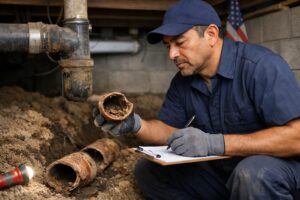
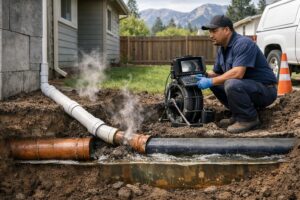
Before getting into the process of hydro jetting service in your sewer line, it is essential to know what causes a main sewer line to clogged. Tree roots, accumulations of debris, and pipe damage are among the most common culprits it can infiltrate and wrap around pipes, gradually restricting water flow. Flushing inappropriate items like lube, female hygienic products, and disposable wipes can also contribute to a clog over time. Signs that your sewerage system may be clogged include sluggish drainage in multiple fixtures, gurgling noises from drains or toilets, and unpleasant odors emanating from drains. If left unaddressed, it can lead to a clog or a broken pipe, snaking your drain is the best answer. You need to know which drains will work for this process. DIY snaking is only appropriate for the following drains and only if you are confident in doing so such as kitchen and bathroom sink, toilet, bathtub, shower, and floor drain.Preparing to Snake a Sewer Line
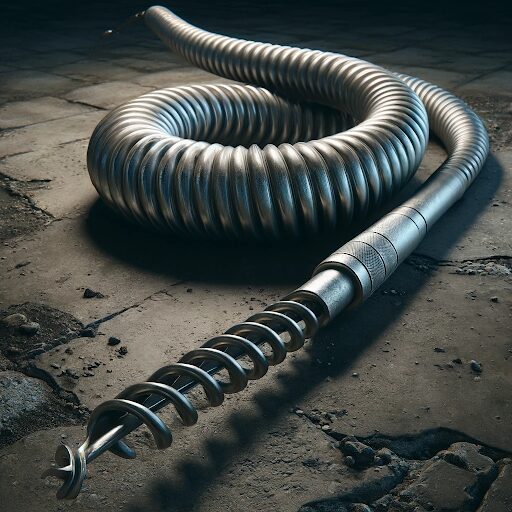
You will need a few essential tools and materials. First and foremost, you will be required to an auger drain, also known as a plumber’s snake. Flexible steel cables can range from 25 to 100 feet in full length and are designed to see through pipes and fix clogs. Additionally, you will need to place protective gear, including sturdy gloves, goggles, and potentially a face mask, as the process can be messy. It is also advisable to have a bucket or drain pan on hand to catch any water or debris that may spill out during the process.
Step-by-Step Guidelines
-
Locating the Access Point
-
Using the Drain Snake
-
Aftercare