Toilet drains vs floor drains — most homeowners treat them the same. They do not work the same way. Each drain has a different job. Each one fails in a different way. And fixing the wrong one wastes time and money.
At Sewer Experts, we have handled drain problems across Denver for over 25 years. We see the same confusion every week. A homeowner notices a slow drain. They assume it is one problem. But toilet drains and floor drains have separate designs, separate clogs, and separate fixes. The Environmental Protection Agency confirms that water waste from drain issues adds up fast. So does the damage. This guide breaks down toilet drains vs floor drains clearly. You will know exactly what each drain does. You will spot problems faster. And you will call the right help at the right time.
1. What Are Toilet Drains and Floor Drains?
2. How Toilet Drains Work and Why They Fail
3. How Floor Drains Work and Common Problems
4. Toilet Drains vs Floor Drains: Side-by-Side Comparison
5. When to Call a Professional for Drain Issues
What Are Toilet Drains and Floor Drains?
Toilet drains and floor drains both move water out of your home. But that is where the similarity ends. Toilet drains connect directly to your toilet. Floor drains sit flat in the floor. Each drain serves a specific purpose in your plumbing system.
Understanding toilet drains vs floor drains starts with knowing what each one is built to do. A toilet drain handles waste and water from a single fixture. A floor drain handles overflow, spills, and water that lands on the floor. They look different. They connect differently. And they clog for different reasons.
Toilet Drain Basics Explained
A toilet drain is a vertical pipe. It runs from the base of your toilet down into the main sewer line. The pipe is typically 3 to 4 inches wide. That size handles solid waste and water together.
The toilet drain uses a wax ring seal at the base. This seal keeps sewer gases out of your bathroom. It also keeps water from leaking onto the floor. When the wax ring fails, you get leaks and odors. Toilet drains also connect to a P-trap or S-trap. This trap holds water. The water blocks sewer gas from rising back up.
Toilet drains move waste fast. Each flush sends 1.28 to 1.6 gallons of water through the pipe. That force clears the drain quickly. But it also means clogs hit hard when they happen.
Floor Drain Basics Explained
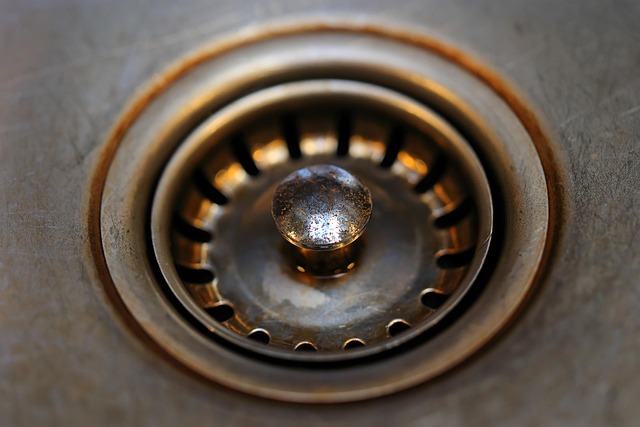
A floor drain is a horizontal drain set into the floor surface. You find floor drains in basements, laundry rooms, garages, and utility areas. They catch water that spills or pools on the floor.
Floor drains connect to the main drain line too. But they work passively. Water flows in by gravity. There is no flush force. Floor drains also have a trap. This trap can dry out over time. A dry trap lets sewer gas into your home. That is a common problem many homeowners miss.
Floor drains often have a strainer on top. The strainer catches debris. But debris still builds up inside the drain over time. So, floor drains need regular cleaning to stay clear.
Toilet drains and floor drains both connect to your sewer line. But toilet drains handle pressurized waste flow from a single fixture. Floor drains handle passive overflow from the surrounding floor area. Knowing this difference helps you spot the right problem fast and avoid costly misdiagnosis.
How Toilet Drains Work and Why They Fail
Toilet drains work under pressure. Each flush creates a surge of water. That surge pushes waste through the toilet drain and into the main sewer line. The design is simple. But toilet drains fail in very specific ways.
When comparing toilet drains vs floor drains, toilet drain failures are usually more urgent. A clogged toilet drain backs up fast. It can overflow within minutes. Floor drain failures tend to be slower. But both need attention. Ignoring a toilet drain problem leads to water damage and sewer gas exposure.
Common Toilet Drain Clogs
Toilet drain clogs happen for a few clear reasons. The most common cause is flushing items that do not break down. Wipes, paper towels, and hygiene products all cause toilet drain blockages. Even so-called flushable wipes do not dissolve well.
Hard water buildup is another cause. Mineral deposits narrow the toilet drain pipe over time. This slows flow and leads to partial clogs. Tree roots are a third cause. Roots find cracks in the sewer line near the toilet drain connection. They grow inside the pipe and block flow.
A slow-flushing toilet is the first sign of a toilet drain problem. Water rises high in the bowl after flushing. Or the toilet gurgles. These signs mean the toilet drain needs attention now.
Toilet Drain Seal and Trap Failures
The wax ring under your toilet is part of the toilet drain system. It seals the toilet drain to the floor flange. When the wax ring fails, water leaks at the base of the toilet. You may see water pooling around the toilet base. You may smell sewer gas in the bathroom.
The toilet drain trap can also fail. A cracked trap lets sewer gas bypass the water seal. This is less common than wax ring failure. But it does happen in older homes.
Both problems need a plumber. You cannot fix a failed toilet drain seal with a plunger. The toilet must come off the floor. The drain flange must be inspected. Then a new wax ring goes in. Our team at Sewer Experts handles these repairs daily across Denver.
How Floor Drains Work and Common Problems
Floor drains work by gravity alone. Water flows across the floor and into the drain opening. The drain connects to the main sewer line or a dry well. Floor drains are passive. They do not flush. They just collect.
In the toilet drains vs floor drains comparison, floor drains are often overlooked. Homeowners forget about them until there is a problem. But floor drains protect your home from flooding. A working floor drain in your basement can save thousands in water damage costs.
According to FEMA’s flood damage guidelines, water damage is the most common and costly home disaster. A clear floor drain is your first line of defense.
Why Floor Drains Clog and Smell
Floor drains clog slowly. Dirt, hair, soap scum, and debris build up in the drain over months. The strainer catches large items. But fine particles pass through and collect in the pipe below.
The bigger problem is the dry trap. Floor drains have a P-trap just like other drains. But floor drains are used rarely. The water in the trap evaporates. When the trap dries out, sewer gas rises through the floor drain into your home. You smell a rotten egg or sewage odor. This is the most common floor drain complaint we hear.
The fix is simple. Pour a gallon of water into the floor drain every few months. This refills the trap. It blocks sewer gas. It takes 30 seconds and costs nothing.
Floor Drain Backup and Overflow
A floor drain that backs up is a serious sign. Water coming up through a floor drain means the main sewer line is blocked. The floor drain is the lowest drain in your home. So, it overflows first when the main line backs up.
This is different from a toilet drain backup. A toilet drain backup usually means a clog in that specific toilet drain. A floor drain backup usually means a problem deeper in the system. It could be a main line clog. It could be a collapsed pipe. It could be tree root intrusion.
When your floor drain backs up, do not use any water in the house. Every flush, every sink, every shower adds more water to the blocked line. Call a drain professional right away. Our trenchless pipe lining service can fix main line damage without digging up your yard.
Pour a gallon of water into every floor drain in your home every 90 days. This simple habit keeps the trap full. A full trap blocks sewer gas. It also keeps the drain pipe from drying out and cracking. Set a phone reminder so you never forget this quick maintenance step.
Toilet Drains vs Floor Drains: Side-by-Side Comparison
Now let us put toilet drains vs floor drains side by side. This comparison makes the differences clear. It also shows you why troubleshooting each drain requires a different approach.
Both toilet drains and floor drains connect to your main sewer line. Both have traps. Both can clog. But the causes, symptoms, and fixes are different for each. Knowing these differences saves you time. It also helps you describe the problem accurately when you call a plumber.
The International Association of Plumbing and Mechanical Officials sets the standards for both drain types. Those standards exist because toilet drains and floor drains have different load and flow requirements.
Design and Location Differences
Toilet drains are vertical. They drop straight down from the toilet base. They are 3 to 4 inches in diameter. They sit under the toilet and are not visible during normal use.
Floor drains are horizontal. They sit flush with the floor surface. They are typically 2 to 4 inches in diameter. You can see them in the floor. They have a visible strainer or grate on top.
Toilet drains are in bathrooms only. Floor drains appear in basements, laundry rooms, utility rooms, garages, and commercial kitchens. So, location tells you a lot. If the drain is in the floor and visible, it is a floor drain. If it is under a toilet, it is a toilet drain.
Failure Signs for Each Drain Type
Toilet drain failure signs include slow flushing, gurgling sounds, water rising high in the bowl, and leaks at the toilet base. You may also smell sewer gas near the toilet. These signs point to the toilet drain specifically.
Floor drain failure signs include sewer odors from the floor, slow drainage after a spill, water backing up through the drain, and visible debris in the strainer. A floor drain that backs up during heavy rain or when other drains run is a main line signal.
So, the key difference is this. Toilet drain problems stay local to the toilet. Floor drain problems often signal a bigger issue in the main sewer line. This is why toilet drains vs floor drains is not just a design question. It is a diagnostic question. Our drain cleaning service addresses both types with the right tools.
Do not use a plunger on a floor drain that is backing up. Plunging a floor drain during a main line backup pushes sewage further into your pipes. It does not fix the blockage. It can make the backup worse. Call a professional for a camera inspection first to find the real cause.
When to Call a Professional for Drain Issues
Some drain problems are DIY fixes. A dry floor drain trap needs only water. A minor toilet drain clog may clear with a plunger. But many drain problems need a professional. Knowing when to call saves you from bigger damage.
At Sewer Experts, we serve Denver and 34 surrounding communities 24 hours a day, 7 days a week. We have seen every type of toilet drain and floor drain problem. And we know that waiting too long always costs more. So, use this section as your guide for when to pick up the phone.
Signs Your Toilet Drain Needs a Pro
Call a professional for your toilet drain when the plunger does not work after two or three tries. Also call when you see water leaking at the toilet base. A soft or rocking toilet base means the floor flange may be damaged. That is a toilet drain problem that needs immediate attention.
If multiple toilets in your home are slow at the same time, the problem is not in the toilet drain. It is in the main sewer line. That needs a camera inspection. Our team uses high-definition sewer cameras to find the exact location and cause of the blockage.
Sewer gas smell near the toilet is also a professional call. Sewer gas contains hydrogen sulfide. It is harmful at high levels. Do not ignore that smell. Open windows and call us right away.
Signs Your Floor Drain Needs a Pro
Call a professional for your floor drain when water backs up through it. This almost always means a main line problem. Also call when the sewer odor does not go away after you refill the trap with water. A persistent smell means the trap is cracked or the drain pipe is damaged.
If your floor drain is in a basement and you see sewage or dark water coming up, stop using all water in the home. Call immediately. This is a main sewer line backup. It is a health hazard.
Regular floor drain maintenance also benefits from professional cleaning. Hydro jetting clears years of buildup from floor drain pipes. It is faster and more thorough than any DIY method. Check our customer reviews to see what Denver homeowners say about our drain work.
Understanding toilet drains vs floor drains means you can act faster when something goes wrong. You will not waste money on the wrong fix. You will not ignore a floor drain backup that signals a main line collapse. And you will not plunge a toilet drain when the real problem is 20 feet down the sewer line. This knowledge puts you in control. When you call Sewer Experts, you can describe the problem clearly. That means faster diagnosis and faster repair. Our team is ready 24/7 across Denver and the Front Range.
Toilet drains vs floor drains is not a complicated topic once you see the differences clearly. Toilet drains handle waste from a single fixture under pressure. Floor drains collect overflow passively from the surrounding floor. Each drain fails differently. Each drain needs a different fix.
The most important thing is to act fast when either drain shows a problem. A slow toilet drain becomes a full backup. A dry floor drain lets sewer gas into your home. Neither problem fixes itself. Sewer Experts has served Denver homeowners for over 25 years with honest, fast drain service. Call us today for a professional drain evaluation. Our team is available around the clock. Contact Sewer Experts and get the right answer for your drain problem today.
Floor drains and toilet drains are governed by separate code requirements because they handle fundamentally different types of drainage loads. Toilet drains must handle intermittent high-volume waste flow. Floor drains must handle continuous low-volume surface water. Treating them as interchangeable leads to code violations and system failures. Always identify the drain type before selecting a repair method.
Toilet drains and floor drains connect to the same sewer system but work in completely different ways. Toilet drains use flush pressure to move waste. Floor drains use gravity to collect surface water. Misidentifying the drain type leads to wrong repairs and bigger problems. Know the difference and call the right help fast.
Frequently Asked Questions
What is the main difference between toilet drains and floor drains?
Toilet drains connect directly to the toilet and move waste under flush pressure. Floor drains sit in the floor and collect surface water by gravity. Toilet drains are vertical pipes. Floor drains are horizontal. Each drain handles a different type of water flow and fails for different reasons.
Why does my floor drain smell like sewer gas?
A floor drain smells like sewer gas when the trap dries out. The floor drain trap holds water to block gas. When the floor drain is not used often, that water evaporates. Pour one gallon of water into the floor drain to refill the trap and stop the odor fast.
Can a toilet drain and floor drain share the same pipe?
Yes. Both toilet drains and floor drains connect to the main sewer line. They share the main pipe but have separate branch connections. A blockage in the main line affects both drain types. That is why a floor drain backup often signals a main sewer line problem, not just a floor drain clog.
How do I know if my toilet drain or floor drain is clogged?
A clogged toilet drain shows slow flushing, gurgling, or water rising high in the bowl. A clogged floor drain shows slow water drainage after a spill or water backing up through the drain opening. If both happen at once, the main sewer line is likely blocked, not just one drain.
When should I call a professional for toilet drains vs floor drains?
Call a professional when a plunger does not clear the toilet drain after two tries. Call immediately when the floor drain backs up with sewage. Both situations can signal main sewer line damage. A camera inspection finds the exact problem fast. Do not wait, as drain backups cause serious water and health damage.
Step-by-Step Process
Step-by-Step: How to Diagnose Toilet Drains vs Floor Drains
1. Identify the drain type by location and appearance
2. Check if the toilet drain flushes slowly or gurgles
3. Look for water pooling at the toilet base
4. Pour water into the floor drain to test flow speed
5. Smell near each drain for sewer gas odors
6. Run water in sinks and check if floor drain backs up
7. Inspect the floor drain strainer for visible debris
8. Try a plunger on the toilet drain if clogged
9. Refill the floor drain trap with one gallon of water
10. Call Sewer Experts if problems persist after basic steps
Quick Reference: What Is Toilet Drains vs Floor Drains?
Toilet drains vs floor drains refers to two different drain types in your home plumbing system. A toilet drain is a vertical pipe under the toilet. It moves waste and water into the main sewer line using flush pressure. It is 3 to 4 inches wide. It has a wax ring seal at the base.
A floor drain is a horizontal drain set into the floor surface. It collects water that spills or pools on the floor. It works by gravity alone. It has a trap that must stay filled with water to block sewer gas.
Both drain types connect to the main sewer line. But they fail differently. Toilet drains clog from waste and wipes. Floor drains clog from debris and dry traps. Knowing the difference helps you fix the right problem fast.
Additional Resources
• Trenchless Pipe Lining Denver — Learn how trenchless pipe lining repairs damaged sewer lines connected to your toilet drains and floor drains without digging up your yard.
• Sewer Experts Denver Reviews — Read what Denver homeowners say about our drain cleaning and sewer repair work across the Front Range.
• About Sewer Experts — Learn about our 25-plus years of drain and sewer expertise serving Denver and surrounding Colorado communities.