
As of August 14, 2026, Colorado has approved the Colorado water demand calculator as an alternate standard for sizing water supply piping. Code officials also call it the International Association of Plumbing and Mechanical Officials (IAPMO) Water Demand Calculator, or Appendix M, and it applies to single-family and multifamily buildings.
So Contractor Magazine broke the news, confirming that Colorado now accepts this science-based water demand calculator as a sizing option. For plumbers and builders working with Denver sewer experts, that means a new choice for pipe sizing on upcoming jobs.
1. What Changed With Colorado Pipe Sizing Rules
2. Who The New Calculator Affects
3. What Colorado Contractors Should Do Now
4. How Sewer Experts Can Help
5. Background On The Water Demand Method
6. Frequently Asked Questions
What Changed: The Colorado Water Demand Calculator Rule
Colorado’s plumbing code now lists the water demand calculator as an approved sizing method. That gives contractors a second path next to the older fixture-unit tables most plumbers already know. Contractor Magazine’s report frames this as an immediate option for new design work across the state.
Appendix M Becomes an Approved Option
IAPMO’s Appendix M is the technical name for the water demand calculator. The Colorado Plumbing Board approved it for voluntary statewide use on August 14, 2026, so contractors should confirm local adoption timing with their building department.
Applies to Single and Multifamily Homes
The approval covers single-family and multifamily buildings. The source report does not mention commercial projects, so this option currently applies to residential water supply piping only.
Key Takeaway: Colorado now treats the water demand calculator as a valid alternate standard for residential water supply piping. Plumbers gain a second sizing method alongside the traditional tables, backed by IAPMO’s Appendix M. The source has not specified a formal adoption deadline for local jurisdictions.
Who Is Affected by the New Sizing Option
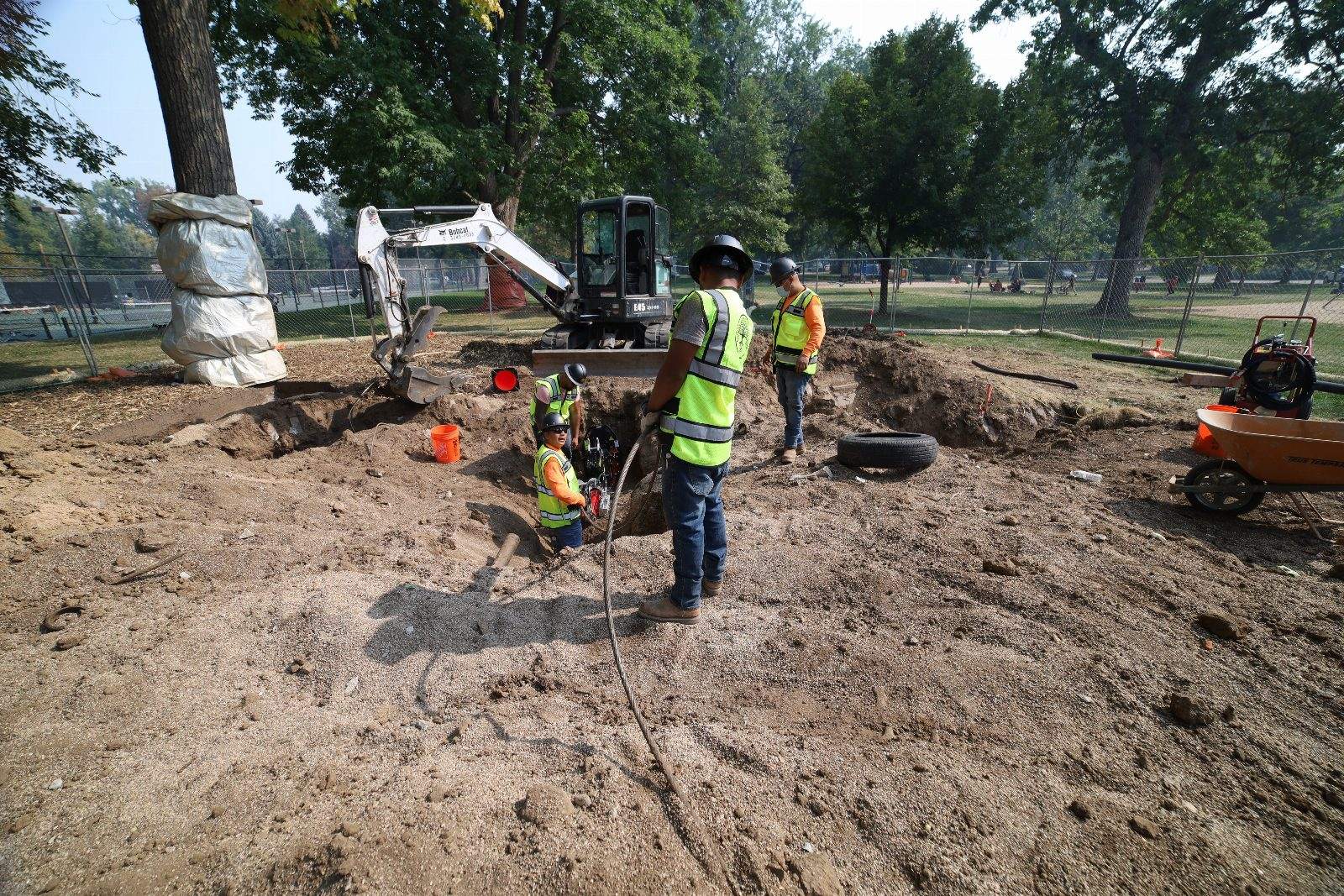
This change reaches everyone who designs or installs water supply lines in Colorado. It also affects builders who choose which method their project follows. That reach includes engineers who size systems for larger multifamily developments too.
Plumbers and Contractors Statewide
Licensed plumbers across Colorado can now offer the water demand calculator as a sizing choice. Then they can compare results against the older fixture-unit method before choosing a pipe size.
Builders and Developers in Colorado
Builders working on single-family and multifamily projects now have a documented alternate standard to cite on permit applications. This matters most for jobs where traditional tables produce oversized pipe runs.
What to Do Now About Pipe Sizing
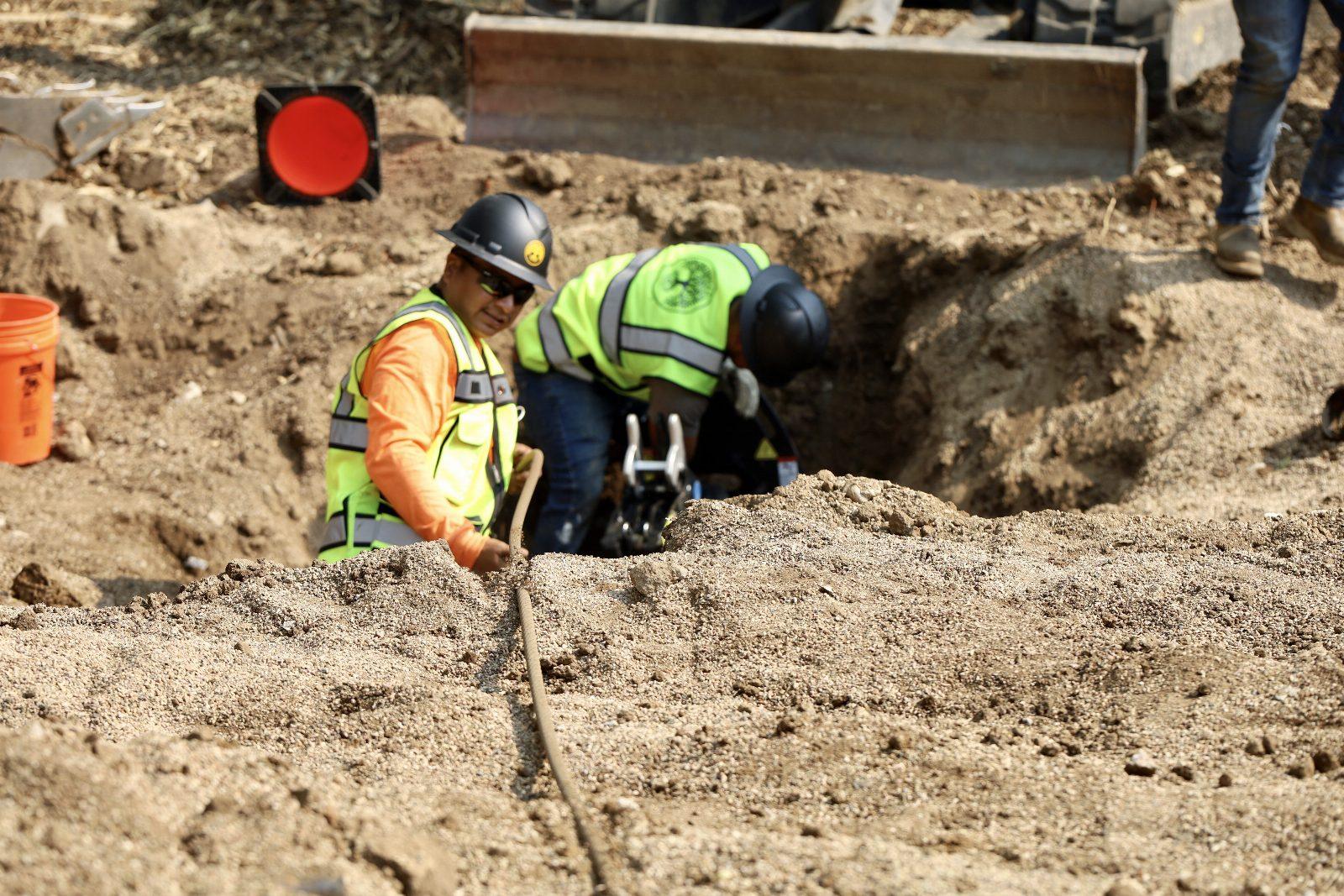
Contractors in Colorado should treat this as a planning update, not an emergency. Then take a few practical steps before your next project starts. A few clear steps will get your crew ready quickly.
Learn the New Calculator Method
Review IAPMO’s Appendix M materials so your team understands how the water demand calculator works. Also compare a few past projects using both methods to see how sizes differ.
Check Local Jurisdiction Requirements First
Not every city processes permits the same way. So confirm with your local building department which pipe-sizing method it accepts before your team submits plans for a new project.
Pro Tip: Pro tip: Run a side-by-side comparison on your next Colorado job. Size the same water line using both the fixture-unit table and the water demand calculator. Then compare pipe diameters. Most contractors find the calculator produces a tighter, more accurate result on larger multifamily runs.
How Sewer Experts Can Help You Adapt
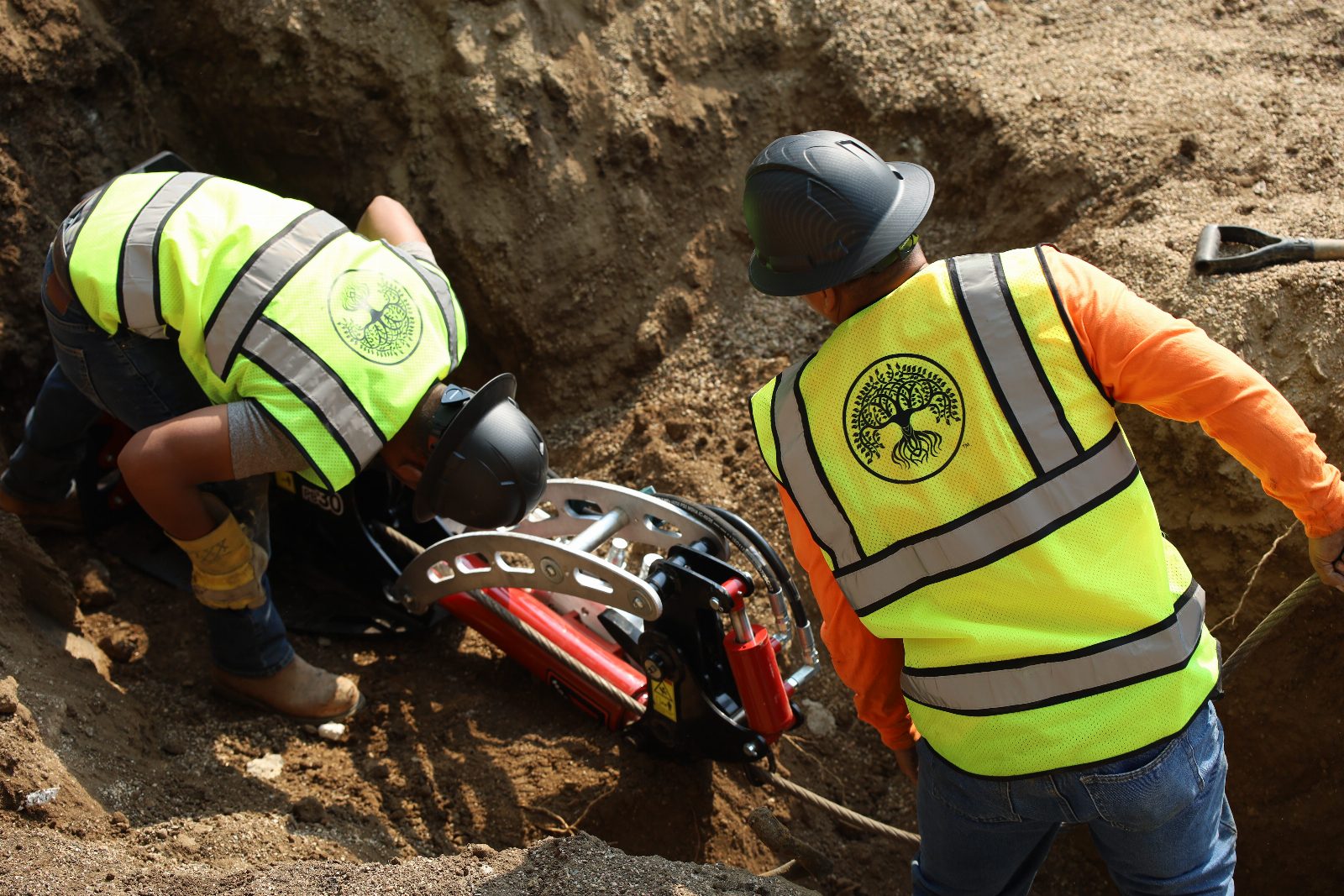
You do not have to sort out this change alone. Our licensed plumbing team already tracks Colorado code updates like this one.
Guidance on Which Method Fits
We can walk through both sizing methods with you and explain what the water demand calculator changes for your specific project. That saves you time on plan review.
Support for New Construction Projects
Beyond sizing questions, our team also handles related pipe work, including our trenchless pipe bursting method for replacing old lines without tearing up a finished yard.
Common Mistake to Avoid: Common mistake to avoid: Assuming every Colorado city already accepts the water demand calculator the same way. Contractor Magazine’s report confirms statewide approval, but it does not detail how each local jurisdiction will apply the rule. Always confirm acceptance with your specific building department before you rely on the new method for permit approval.
Background on the Water Demand Method
IAPMO built the water demand calculator using modern plumbing fixture data instead of the decades-old assumptions behind fixture-unit tables. That difference is why Colorado now allows it as an alternate standard.
How It Differs From Old Tables
Traditional fixture-unit tables size pipes using fixed averages. The water demand calculator instead uses statistical modeling tied to how fixtures actually get used, which can lead to smaller, better-matched pipe sizes.
Why This Update Matters Statewide
A single approved alternate gives every jurisdiction in Colorado the same reference point. That consistency should make plan review faster once departments finish adopting it.
What This Means for You: What this means for you: Colorado plumbers now have an official, documented option beyond the traditional pipe-sizing tables. If you have run into oversized water lines on past multifamily jobs, the water demand calculator may offer a more accurate result. Confirm your local jurisdiction’s stance first, then bring the option up during design meetings with your builder or client before you finalize any bid.
Colorado’s approval of the water demand calculator gives plumbers and builders a real, science-based alternative to older pipe-sizing tables. The change applies to single-family and multifamily projects under the Colorado water demand calculator rule, and Contractor Magazine’s report confirms the statewide update.
So if you work on plumbing projects in Colorado, start learning the new method now and confirm how your local jurisdiction plans to apply it. The Colorado water demand calculator will not replace every project’s method overnight. But it gives your team another accurate tool to use. Reach out and contact our team at Sewer Experts if you want help sorting out which pipe-sizing standard fits your next Colorado build.
Expert Insight from Sewer Experts: Sewer Experts has watched Colorado’s plumbing code evolve for years, and this update stands out. A second sizing method means less guesswork on projects where traditional tables run conservative. We tell clients to ask their local building department which standard applies before design work starts, since acceptance can vary by city until the rule settles in fully across Colorado’s building departments this year.
Key Takeaway: Colorado’s approval of the water demand calculator adds a real, science-based sizing option for single-family and multifamily projects. Confirm your local jurisdiction’s stance, then use whichever standard best fits your next build.
Frequently Asked Questions
What is the Colorado water demand calculator?
The Colorado water demand calculator is IAPMO’s Appendix M, a science-based method for sizing water supply pipes. So instead of fixed fixture-unit tables, the calculator uses statistical data on how fixtures actually get used. Colorado now accepts it as an alternate sizing standard for homes.
Does the calculator replace the old pipe-sizing method?
No, it does not replace the old method completely. Colorado now allows the water demand calculator as an alternate option, so plumbers can choose either standard. Most contractors compare both methods before picking the calculator for their next project design.
Which buildings does the Colorado water demand calculator apply to?
The Colorado water demand calculator applies to single-family and multifamily buildings. Contractor Magazine’s report does not mention commercial projects, so contractors should assume this calculator covers residential water supply piping only, and it works alongside older sizing tables too.
Do all Colorado cities already accept the new calculator?
Not necessarily. Contractor Magazine’s report confirms statewide approval, but it does not detail how fast each city will apply the new calculator. So always confirm with your local building department before you rely on this calculator for a permit approval this year.
Where can plumbers learn to use the Colorado water demand calculator?
IAPMO publishes the official Appendix M materials plumbers need to learn the water demand calculator. Also, contractors can ask Sewer Experts for guidance on comparing the calculator against traditional sizing tables before submitting final permit paperwork.
Step-by-Step Process
Step-by-Step: Using the Colorado Water Demand Calculator
1. Read Contractor Magazine’s report on the Colorado water demand calculator approval.
2. Download IAPMO’s Appendix M materials for your reference library.
3. Compare a past project’s pipe sizes using both methods.
4. Note where the water demand calculator produces smaller pipe diameters.
5. Call your local building department about accepted sizing standards.
6. Ask which permit forms reference Appendix M specifically.
7. Train your design team on the new calculator method.
8. Run the calculator on your next multifamily project draft.
9. Document your sizing choice for the permit application file.
10. Contact Sewer Experts if you need extra guidance sizing pipes.
Quick Reference: What Is the Colorado Water Demand Calculator?
The Colorado water demand calculator is IAPMO’s Appendix M. It is a science-based method for sizing water supply pipes in homes. Colorado approved it as an alternate standard, so plumbers can now choose it instead of the older fixture-unit tables. The calculator uses real fixture-use data, not fixed averages, to estimate demand more accurately.
Additional Resources
Read customer reviews from Colorado homeowners who have worked with our licensed plumbing and sewer team on past projects across the Denver area.
Learn more about our team, including how long we have served Colorado homeowners and the licensing that backs our plumbing and sewer work.
Check our service area page to see whether Sewer Experts covers your part of Colorado before your next plumbing or sewer project.
By Marisa Beaver, Owner · Updated