Shower drain backups causes fixes are something Denver homeowners deal with more than they expect. Water pooling at your feet is annoying. But it often signals something bigger than a clogged trap. Shower drain backups causes fixes range from simple hair clogs to full main line blockages. Knowing the difference saves you time and money.
At Sewer Experts (SewerEx), our team has handled shower drain backups causes fixes across Denver and the Front Range since 2012. We have seen every type of drain problem. Some fixes take five minutes. Others need a camera inspection and professional repair. This guide walks you through the real causes of shower drain backups, the fixes that work, and the warning signs that mean DIY is not enough. According to the U.S. Environmental Protection Agency, household plumbing leaks waste billions of gallons each year. Your shower backup may be part of a bigger problem.
1. What Causes Shower Drain Backups
2. Shower Drain Backups Causes Fixes You Can Do Yourself
3. When Shower Drain Backups Point to Main Line Problems
4. Vent Pipe Issues and Shower Drain Backups
5. Professional Fixes for Shower Drain Backups
What Causes Shower Drain Backups in Denver Homes

Shower drain backups causes fixes start with understanding what is actually blocking your drain. Most people assume it is just hair. That is sometimes true. But shower drain backups have several causes, and each one needs a different fix.
Hair is the most common cause. It binds with soap scum and forms a dense plug inside the drain trap. Over time, that plug grows. Water slows down. Then it stops draining entirely. This type of shower drain backup usually sits close to the surface.
Soap buildup is the second big cause. Bar soap leaves a waxy residue on pipe walls. That residue narrows the pipe over time. Combined with hair, it creates a stubborn clog. Shower drain backups from soap buildup often feel gradual. The drain gets slower week by week.
Hard Water Scale in Shower Drains
Denver has moderately hard water. That means mineral deposits build up inside your pipes. Calcium and magnesium stick to pipe walls. Over years, this narrows the drain opening. Shower drain backups from hard water scale are common in older Denver homes.
You cannot see this buildup from above. It happens deep inside the pipe. A drain camera inspection is the only way to confirm it. Once confirmed, hydro jetting clears the scale fast. Regular drain cleaning prevents it from coming back.
Tree Root Intrusion Near Shower Lines
Tree roots are a less obvious cause of shower drain backups. Roots grow toward moisture. They find tiny cracks in sewer lines. Once inside, they expand and block flow. Shower drain backups from root intrusion are more common in older Denver neighborhoods with mature trees.
This cause is almost impossible to diagnose without a camera. If your shower drain backs up along with other drains in the house, roots may be the reason. This is not a DIY fix. Root intrusion needs professional removal and often pipe repair.
Key Takeaway: Shower drain backups have multiple causes. Hair and soap are the most common. But hard water scale, tree roots, and main line blockages also cause shower drain backups. Identifying the right cause is the first step toward the right fix. Do not assume it is always a simple clog.
Shower Drain Backups Causes Fixes You Can Do Yourself
Some shower drain backups causes fixes are genuinely DIY-friendly. If the clog is in the trap or just below the drain cover, you can often clear it yourself. Here is what works and what does not.
A drain snake is your best tool for shower drain backups near the surface. Push it into the drain. Rotate it to grab hair and soap clogs. Pull the clog out. This works well for shower drain backups caused by hair buildup. It is cheap and fast.
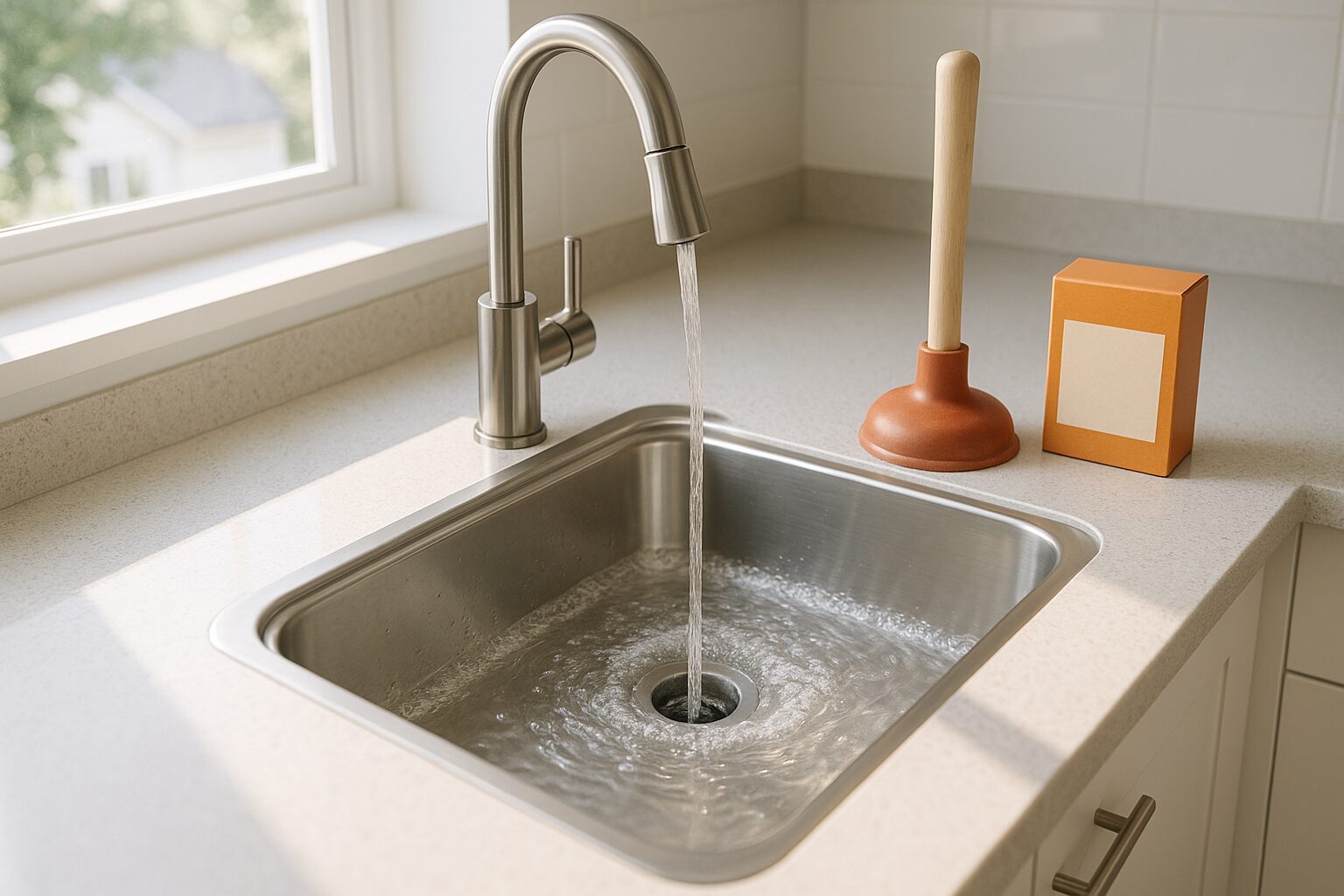
A plunger can also help. Cover the drain fully. Push down firmly several times. The pressure can break up a soft clog. But plungers do not work on hard scale or deep blockages. For those shower drain backups, you need more than a plunger.
Baking Soda and Vinegar for Drain Clogs
Baking soda and vinegar is a popular home remedy for shower drain backups. Pour half a cup of baking soda into the drain. Follow with half a cup of white vinegar. Let it fizz for 15 minutes. Then flush with hot water.
This method works on light soap buildup. It does not clear hair clogs or hard scale. It will not fix shower drain backups caused by main line problems. Use it as a monthly maintenance step, not a primary fix. It is safe for pipes and better than chemical drain cleaners.
Chemical Drain Cleaners: What to Know
Chemical drain cleaners are sold everywhere. They promise fast fixes for shower drain backups. But they come with real risks. These chemicals are harsh. They can damage older pipes. They also do not fully clear hair clogs. They dissolve the outer layer but leave the core intact.
For shower drain backups causes fixes, we recommend skipping chemical cleaners. They mask the problem. They do not solve it. And repeated use weakens your pipes over time. A drain snake or professional hydro jetting is always a better choice.
According to Colorado State University Extension, harsh chemical drain products can also harm your home’s septic system and local water quality. That is another reason to avoid them.
When Shower Drain Backups Signal a Main Line Problem
Shower drain backups causes fixes get more serious when the main sewer line is involved. This is where most homeowners get it wrong. They keep snaking the shower drain. But the real problem is 20 feet deeper in the main line.
How do you know it is the main line? Watch for these signs. Multiple drains back up at the same time. Your toilet gurgles when you run the shower. Water backs up into the tub when you flush. These are not shower trap problems. These are main line blockages.
Main line blockages happen for several reasons. Grease buildup is one. Tree root intrusion is another. Pipe collapse from age or ground movement is a third. In Denver, older clay pipes are especially prone to cracking and collapse. Shower drain backups from main line issues will not go away with DIY fixes.
Signs Your Main Line Is Blocked
The clearest sign of a main line blockage is multiple fixtures backing up together. If your shower drain backs up and your toilet also drains slowly, that points to the main line. If water comes up in the floor drain when you run the washing machine, that is another red flag.
Foul smells from drains are also a warning sign. Sewage odors mean waste is not moving through the line properly. This is a health concern. Do not ignore it. Shower drain backups with sewage smells need professional attention right away.
Camera Inspection for Main Line Diagnosis
A sewer camera inspection is the only way to know exactly what is causing your shower drain backups. A high-definition camera goes into the line. It shows the blockage, the pipe condition, and the exact location of the problem.
This matters because the fix depends on the cause. A grease blockage needs hydro jetting. A root intrusion may need cutting and pipe lining. A collapsed pipe needs replacement. Without a camera, you are guessing. And guessing wastes money on the wrong fix.
Pro Tip: If your shower drain backs up and clears on its own, do not ignore it. That pattern means a partial blockage is growing. It will become a full blockage soon. Get a camera inspection now. Catching it early costs far less than an emergency repair later.
Vent Pipe Issues That Cause Shower Drain Backups
Most homeowners never think about vent pipes. But vent problems are a real cause of shower drain backups. Your drain system needs air to flow properly. Vent pipes run from your drain lines up through the roof. They let air in so water can drain out smoothly.
When a vent pipe is blocked, drains slow down. Water creates a vacuum as it drains. That vacuum pulls water out of your trap. Without water in the trap, sewer gases enter your home. Shower drain backups from vent issues often come with gurgling sounds and bad smells.
Vent pipes get blocked by leaves, bird nests, and debris. In Denver winters, ice can also block a vent pipe. This is a less common cause of shower drain backups, but it is worth knowing about.
How to Tell If a Vent Is Blocked
A blocked vent creates specific symptoms. Your shower drain gurgles loudly after water goes down. Other drains in the house also gurgle. You smell sewer gas near drains. These signs point to a vent problem, not a drain clog.
You can sometimes clear a vent yourself. Use a garden hose to flush water down the vent pipe from the roof. Or use a drain snake from the roof opening. But working on a roof is risky. If you are not comfortable up there, call a professional. Shower drain backups from vent issues are fixable, but safety comes first.
Vent Problems vs. Drain Clogs: Key Differences
Drain clogs and vent problems feel similar. Both cause slow drains and shower drain backups. But the fixes are different. A drain clog sits inside the pipe. A vent problem is outside the pipe system.
The key difference is the gurgling sound. Drain clogs rarely cause gurgling. Vent blockages almost always do. Also, vent problems affect multiple fixtures at once. A single slow shower drain is usually a clog. Multiple slow drains with gurgling usually means a vent issue.
Our team at Sewer Experts has diagnosed both types across Denver. A quick camera inspection tells us which one you have. Then we fix the right problem the first time.
Common Mistake to Avoid: Do not keep snaking a shower drain that keeps backing up. If the clog returns within days, the problem is not in the trap. It is deeper in the main line or in the vent system. Repeated snaking wastes time and can scratch pipe walls. Get a camera inspection instead.
Professional Fixes for Shower Drain Backups in Denver
When DIY does not work, professional shower drain backups causes fixes get the job done right. Sewer Experts uses proven methods to clear and repair drain problems at every level. Here is what professional service looks like.
Hydro jetting is the most powerful drain cleaning method. A high-pressure water stream blasts through the pipe. It clears hair, soap, grease, and mineral scale. It also cleans the pipe walls. Shower drain backups from buildup are gone after one hydro jetting session. It is safe for most pipe types and far more effective than snaking.
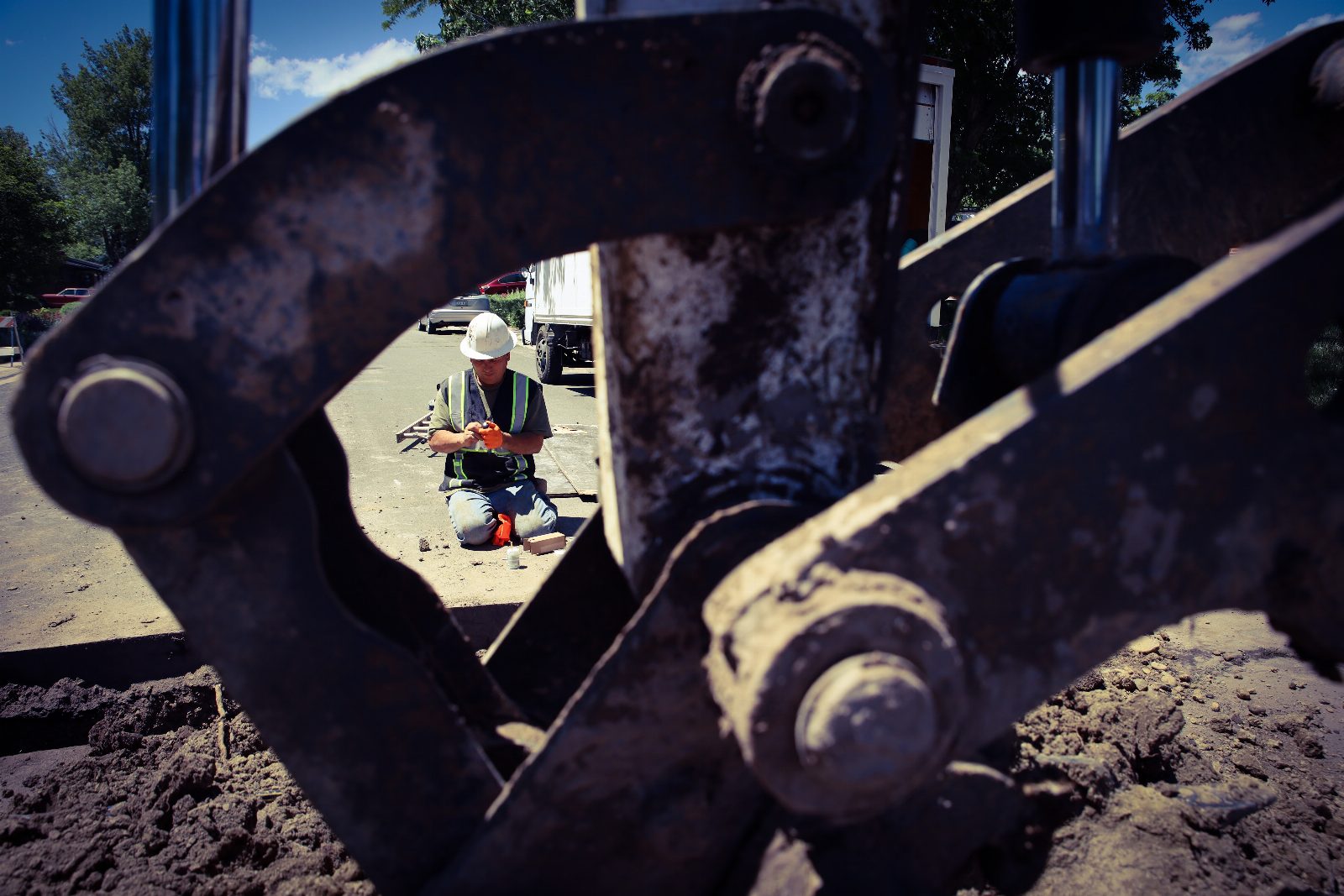
For main line blockages, we start with a camera inspection. We find the exact location and cause. Then we choose the right fix. That might be hydro jetting, root cutting, or pipe repair. We do not guess. We diagnose first.
Trenchless Pipe Lining for Damaged Drains
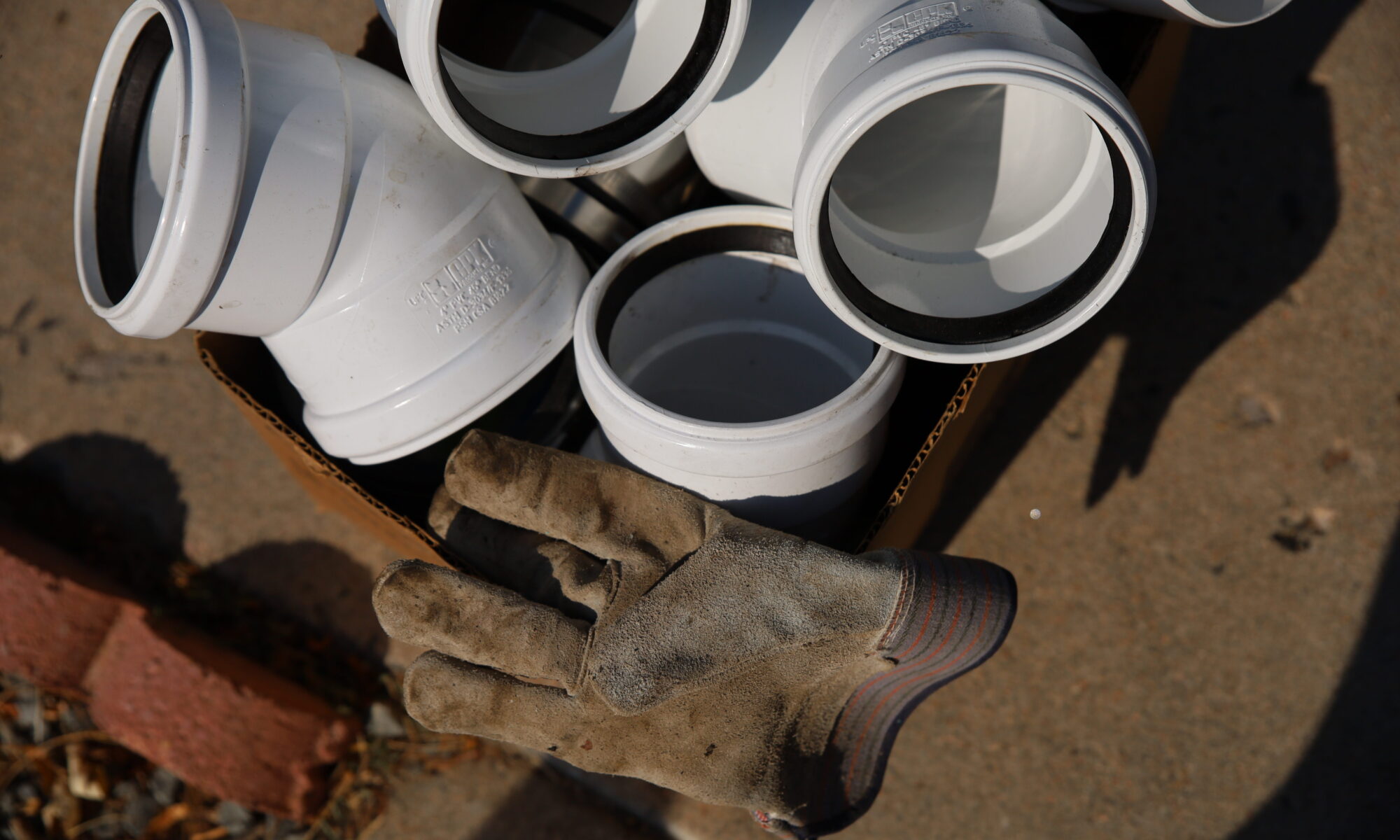
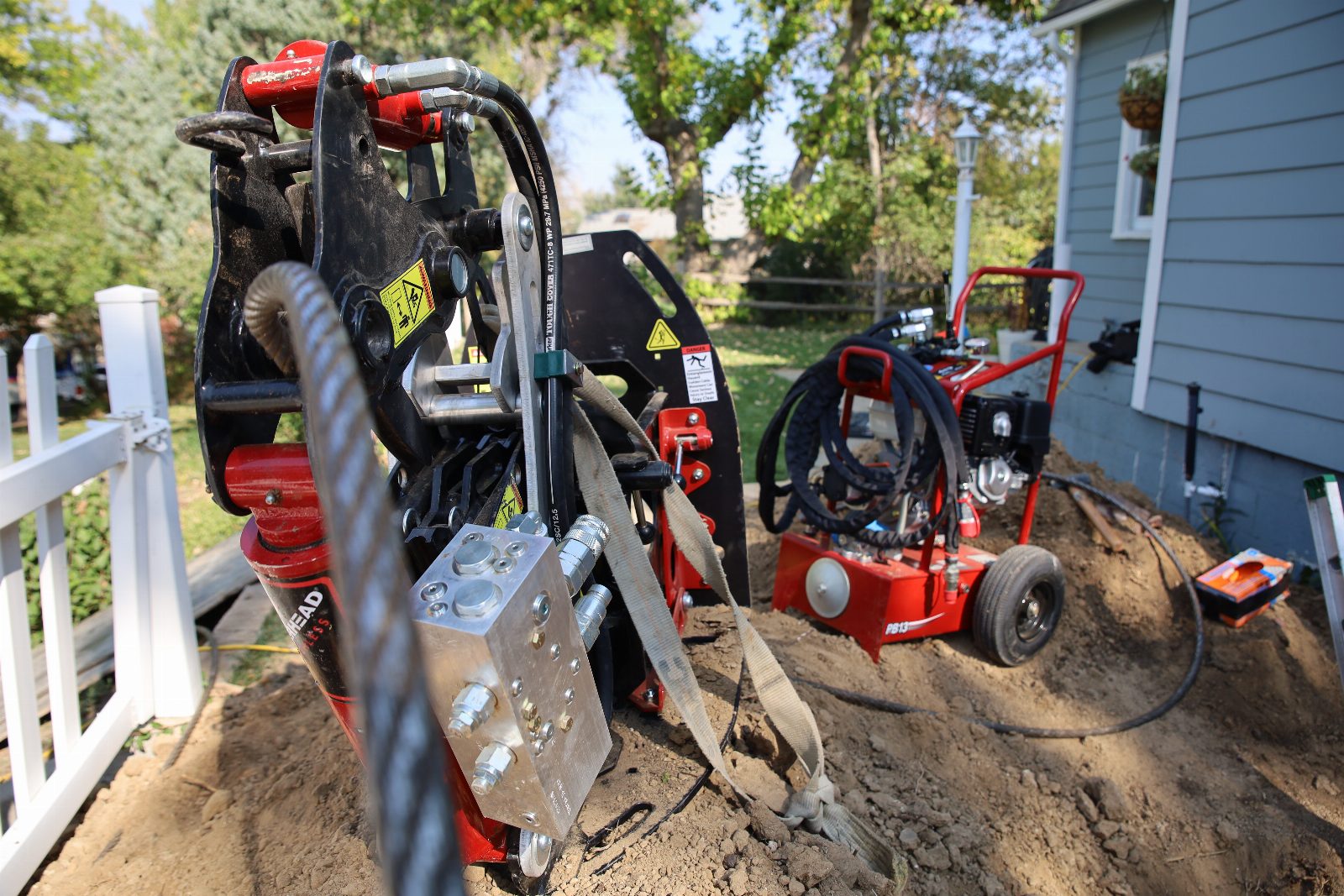
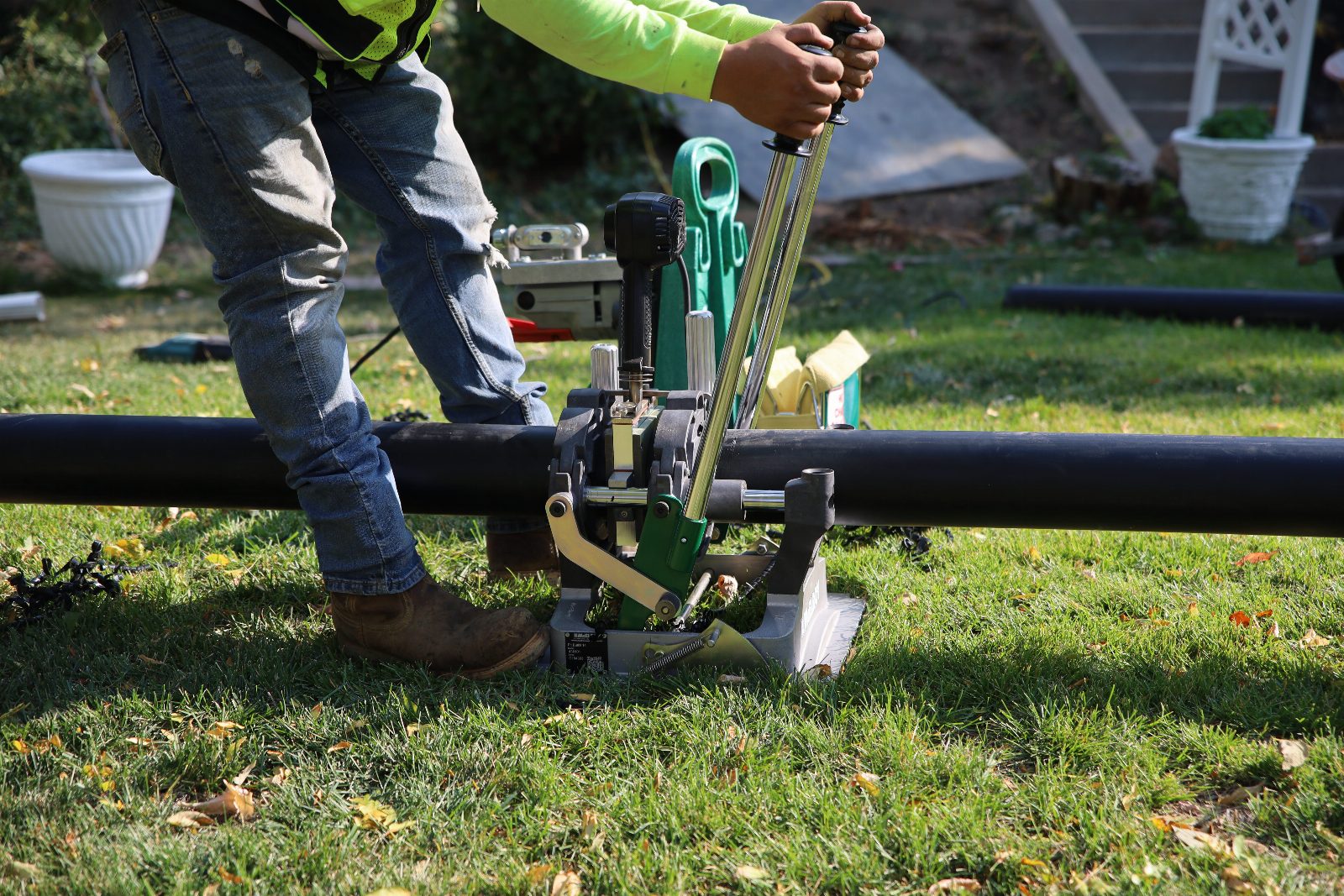
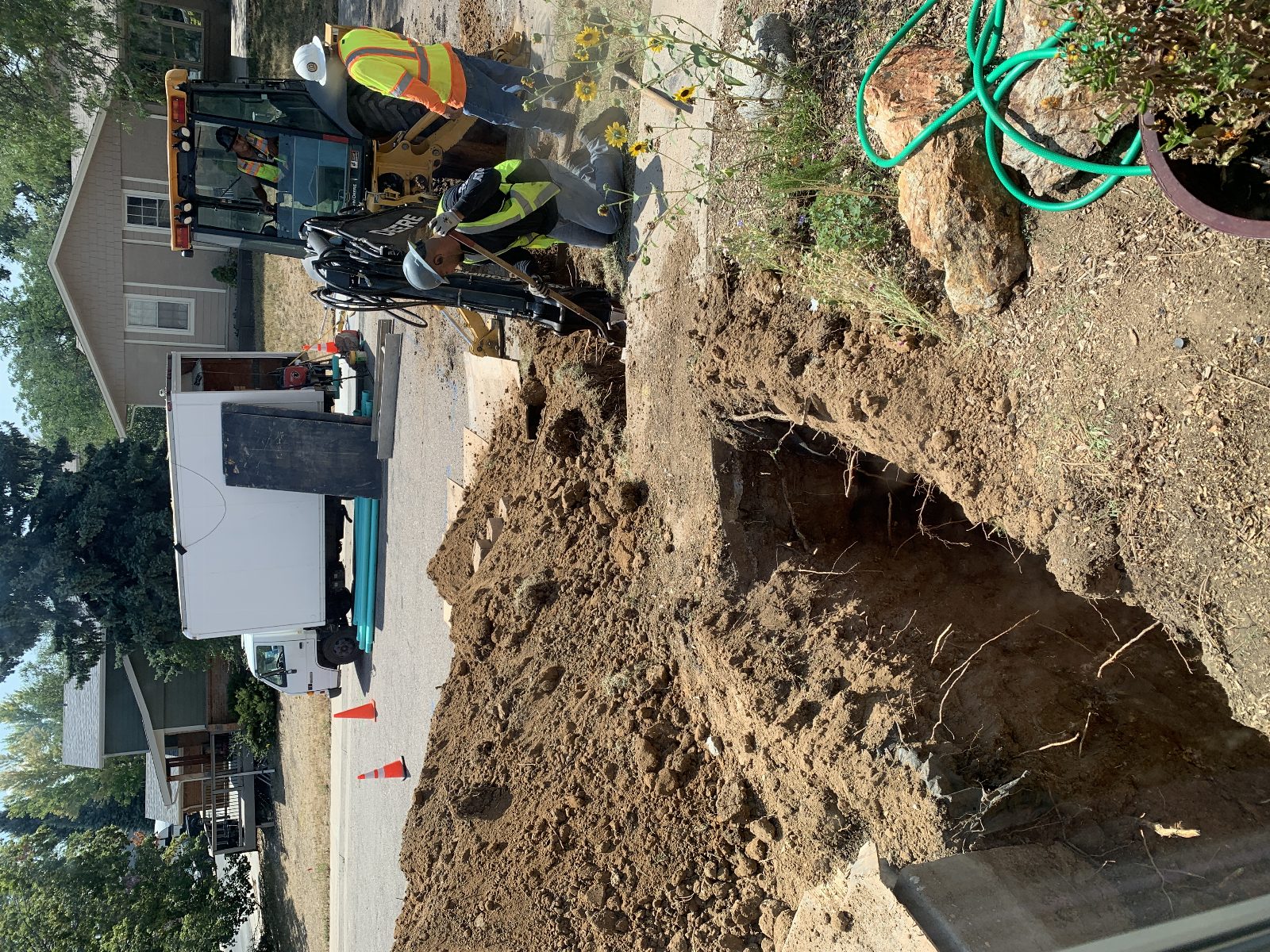
If your shower drain backups come from a cracked or corroded pipe, trenchless pipe lining is a smart fix. We insert a new liner into the damaged pipe. It cures in place and creates a smooth new pipe inside the old one. No digging. No yard damage. Repairs last 50 years or more.
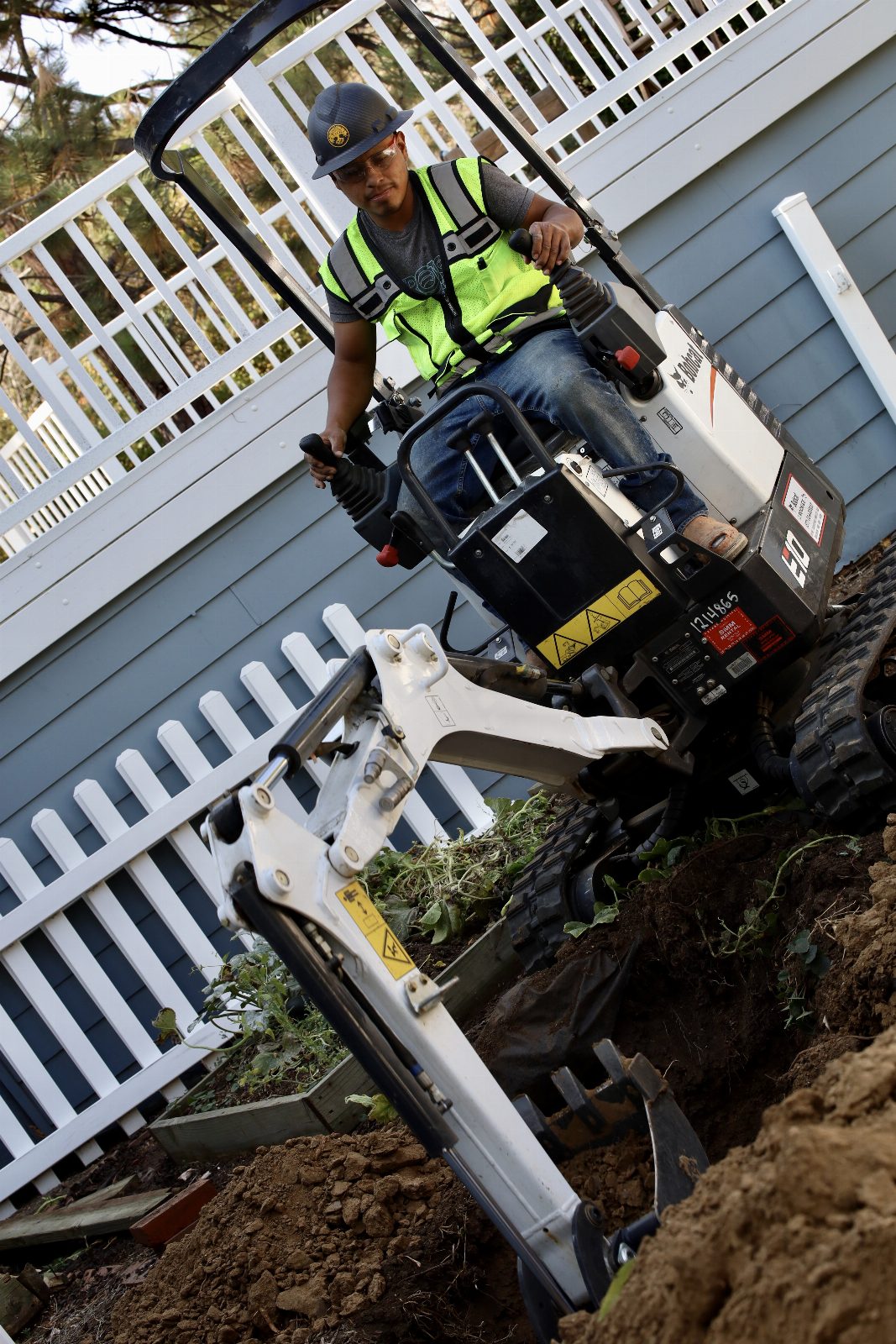
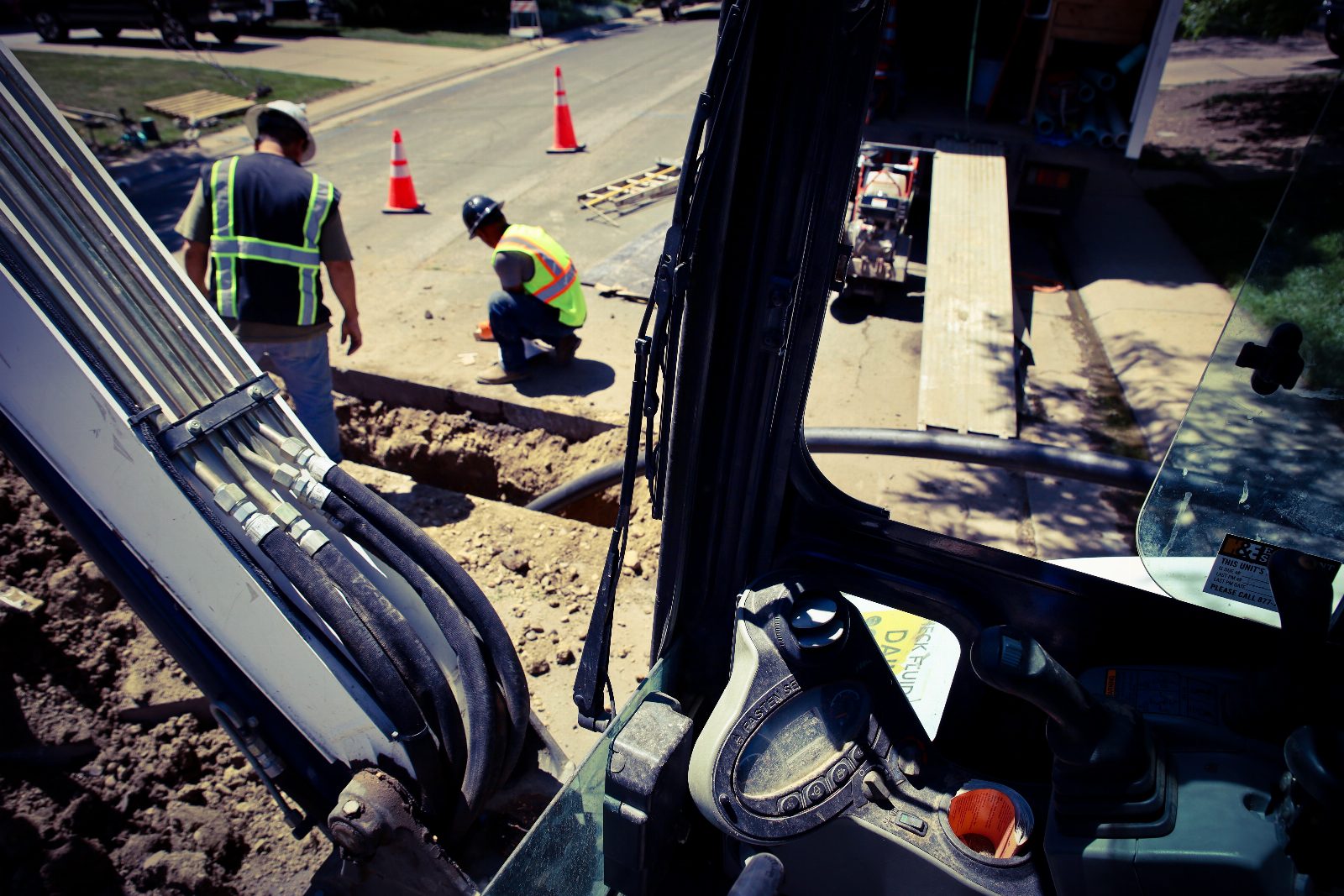
This method works on main sewer lines and lateral lines. It is faster than traditional pipe replacement. And it costs less because we do not have to excavate. For Denver homeowners with older clay or cast iron pipes, trenchless lining is often the best long-term fix for recurring shower drain backups.
Drain Cleaning Maintenance Plans
The best fix for shower drain backups is preventing them. Regular drain cleaning stops buildup before it becomes a blockage. We recommend annual hydro jetting for homes with older pipes. Every two years works for newer homes.
A drain maintenance plan also includes periodic camera inspections. We check the pipe condition. We catch small problems before they become big ones. Shower drain backups causes fixes are always cheaper when caught early. Our team serves communities across the Denver metro and Front Range and offers emergency drain service.
Regular plumbing maintenance extends pipe life and reduces emergency repair costs significantly. That is a smart investment for any Denver homeowner.
What This Means for You: Shower drain backups causes fixes are not all the same. Some you can handle yourself. Others need professional tools and expertise. The key is knowing which situation you are in. If your shower drain backs up once and clears with a snake, you probably have a simple clog. But if it keeps coming back, if other drains are slow, or if you hear gurgling, the problem is deeper. Do not wait for a full blockage or sewage backup. Get a free estimate from Sewer Experts. We find the real cause and fix it right the first time.
Shower drain backups causes fixes cover a wide range of problems. Hair and soap clogs are the easiest to fix. Main line blockages, vent issues, and pipe damage need professional help. The mistake most Denver homeowners make is treating every shower drain backup the same way. They snake the drain, it clears, and they move on. Then it backs up again two weeks later.
Sewer Experts has solved shower drain backups causes fixes across Denver since 2012. We use camera inspections to find the real problem. Then we fix it with hydro jetting, trenchless lining, or pipe repair. Our work is backed by a workmanship warranty. Do not guess at your drain problem. Contact Sewer Experts today and get a free estimate. Know exactly what is causing your shower drain backup and fix it for good.
Expert Insight from Sewer Experts: Recurring drain backups are rarely isolated events. In most cases, a slow shower drain is the first visible symptom of a larger system issue, whether that is a partial main line blockage, a deteriorating pipe section, or a compromised vent stack. Homeowners who address only the surface symptom without diagnosing the root cause typically face the same problem again within weeks. A professional camera inspection is the single most cost-effective diagnostic step available.
Key Takeaway: Shower drain backups causes fixes depend entirely on where the blockage is. A trap clog is a DIY fix. A main line blockage or vent problem is not. When your shower drain keeps backing up despite snaking, the problem is deeper. A camera inspection from Sewer Experts finds it fast and saves you from repeated failed fixes.
Frequently Asked Questions
What are the most common shower drain backups causes and fixes?
The most common shower drain backups causes are hair, soap scum, and mineral scale. Fixes include drain snaking, baking soda and vinegar, and hydro jetting. For shower drain backups from main line issues, a camera inspection identifies the exact cause. Then professional drain cleaning or pipe repair solves it.
Why does my shower drain keep backing up after I snake it?
If your shower drain keeps backing up after snaking, the clog is deeper than the trap. Main line blockages and vent pipe issues cause recurring shower drain backups. Snaking only clears the surface. A camera inspection finds the real cause. Then the right fix stops the shower drain backup for good.
Can a blocked vent pipe cause shower drain backups?
Yes. A blocked vent pipe causes shower drain backups by creating a vacuum in the drain line. Water drains slowly and drains gurgle. Sewer gas smells also appear. Shower drain backups from vent issues affect multiple fixtures at once. Clearing the vent pipe from the roof fixes this type of drain backup.
How do I know if my shower drain backup is a main line problem?
Multiple slow drains, toilet gurgling, and sewage smells all point to a main line problem. Shower drain backups that happen alongside other fixture issues are rarely just a trap clog. A sewer camera inspection confirms main line blockages. Shower drain backups from main line issues need professional repair, not DIY snaking.
Is hydro jetting safe for fixing shower drain backups?
Yes. Hydro jetting is safe and highly effective for shower drain backups. It uses high-pressure water to clear hair, soap, grease, and scale from drain pipes. Hydro jetting cleans pipe walls completely. It is safe for most pipe types. For shower drain backups from buildup, hydro jetting outperforms snaking every time.
Step-by-Step Process
Step-by-Step: Diagnosing and Fixing Shower Drain Backups
1. Check the drain cover for visible hair and soap buildup
2. Remove the drain cover and pull out surface clogs by hand
3. Use a drain snake to reach clogs just below the trap
4. Try baking soda and vinegar for light soap buildup
5. Test all other drains to check for main line involvement
6. Listen for gurgling sounds that signal vent pipe issues
7. Call Sewer Experts for a free estimate
8. Review camera footage to identify the exact blockage location
9. Choose the right fix: hydro jetting, pipe lining, or root removal
10. Schedule annual drain maintenance to prevent future backups
Quick Reference: What Is Shower Drain Backups Causes Fixes?
Shower drain backups causes fixes refers to the process of identifying why a shower drain is not draining and choosing the right repair. Shower drain backups happen when something blocks water flow inside the drain pipe. Common causes include hair, soap scum, mineral scale, main line blockages, and vent pipe issues. So the fix depends on the cause. Simple clogs near the surface can be cleared with a drain snake or baking soda. But deeper shower drain backups need professional tools like hydro jetting or camera inspection. In short, shower drain backups causes fixes is about matching the right solution to the right problem.
Additional Resources
• Trenchless Pipe Lining Denver — Learn how CIPP lining repairs damaged sewer and drain pipes without digging up your yard. A long-term fix for recurring drain backups.
• Trenchless Pipe Bursting Denver — Explore how pipe bursting replaces old, collapsed, or root-damaged sewer lines quickly and with minimal disruption to your property.
• Sewer Experts Denver Reviews — Read what Denver homeowners say about our drain cleaning and sewer repair services. Real reviews from real customers across the Front Range.
• Contact Sewer Experts Denver — Schedule your free drain camera inspection today. Available 24 hours a day, 7 days a week across all Denver-area communities.
By Marisa Beaver, Owner · Updated