Your home has two types of drains working together. Understanding main drain vs branch drain is the first step to protecting your plumbing. For most Denver homeowners, drains stay out of sight and out of mind — until a backup or a repair bill forces the issue.
A main drain carries waste from your entire home to the city sewer. A branch drain serves just one fixture, like a toilet or sink. Both drains matter. But a problem in your main drain vs branch drain system can affect your whole house fast. At Sewer Experts Denver, our team has years of hands-on experience diagnosing drain problems across the Front Range. We see the same issues repeat every year. So, this guide breaks down exactly how each drain works, what goes wrong, and what you should do next. A plumbing failure can quietly cause water damage long before you notice it, so knowing your main drain vs branch drain system helps you act before damage spreads.
What Is a Main Drain vs Branch Drain?
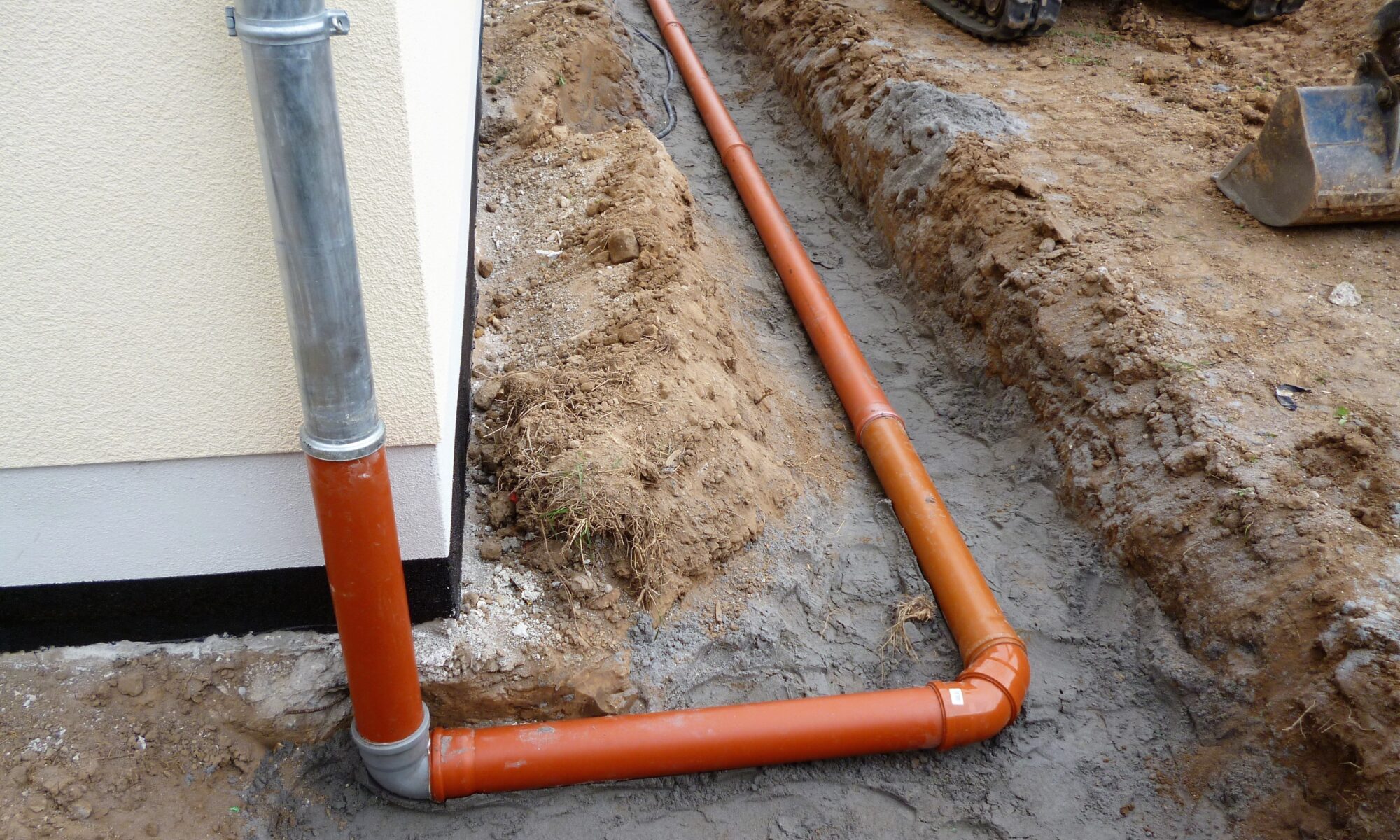
Every home has a drain system with two main parts. The main drain is the large pipe that runs under your home. It collects all waste water and sends it to the city sewer line. The branch drain is a smaller pipe. It connects one fixture to the main drain.
Think of it like a tree. The main drain is the trunk. Branch drains are the branches. Each branch drain feeds into the main drain. So, waste from your toilet, sink, and shower all travel through branch drains first. Then they merge into the main drain.
The main drain vs branch drain difference matters for repairs. A clog in a branch drain affects one fixture. A clog in the main drain can back up your whole house. That is why knowing which drain has the problem saves you time and money.
Main Drain: The Backbone of Your System
The main drain is usually 4 inches wide. It runs horizontally under your home’s foundation. In Denver, most homes have clay, cast iron, or PVC main drain pipes. Older homes near Commerce City and Arvada often have clay pipes from the 1950s and 1960s.
The main drain connects to the city sewer at the property line. Everything that goes down any drain in your home ends up in the main drain. So, the main drain handles a heavy load every single day. It is the most important pipe in your home’s drain system.
When the main drain fails, every drain in your home can back up. Water may come up through floor drains or toilets. This is a plumbing emergency. It needs fast action.
Branch Drain: Serving Individual Fixtures
A branch drain is smaller than a main drain. Most branch drains are 1.5 to 3 inches wide. Each branch drain connects one fixture to the main drain system. Your kitchen sink has its own branch drain. So does each toilet, shower, and bathtub.
Branch drains run at a slight angle. This angle lets gravity pull waste toward the main drain. If the angle is wrong, waste sits in the pipe. That causes slow drains and clogs. Branch drains also have P-traps. A P-trap holds water to block sewer gas from entering your home.
Branch drain problems are usually easier to fix than main drain problems. But they still need attention. A blocked branch drain can overflow and cause water damage to walls and floors.
When it comes to your main drain vs branch drain, here’s what matters most: the main drain carries waste from the whole house, while each branch drain serves a single fixture. When either one clogs or fails, the damage can be real — and the sooner you know which drain is the culprit, the faster and cheaper the fix tends to be.
How Main Drains Work in Denver Homes
The main drain does one job. It moves all waste water from your home to the city sewer. But the way it does that job is more complex than most people think. The main drain relies on gravity, proper slope, and clean pipe walls to work right.
In Denver, the main drain typically runs from your home’s lowest point to the street. The pipe slopes downward at about 1/4 inch per foot. This slope keeps waste moving. If the slope is too flat, solids settle and build up. If the slope is too steep, water runs ahead of solids and leaves them behind.
The main drain also connects to a vent stack. The vent stack is a pipe that runs up through your roof. It lets air into the drain system. Without air, drains gurgle and drain slowly. So, the main drain, branch drains, and vent stack all work together.
Main Drain Pipe Materials in Colorado
The material of your main drain pipe matters a lot. Older Denver homes often have clay or cast iron main drain pipes. Clay pipes crack over time. Tree roots love to grow into clay pipe joints. Cast iron pipes corrode and collapse after 50 to 75 years.
Newer homes use PVC main drain pipes. PVC is smooth, durable, and resists root intrusion. It lasts 100 years or more with proper care. If your home was built before 1980, your main drain pipe may be near the end of its life.
A sewer camera inspection can show you exactly what your main drain looks like inside. Our team at Sewer Experts uses high-definition cameras to check main drain condition. This is the best way to know if your main drain needs repair before a backup happens.
How Tree Roots Attack Main Drains
Tree roots are the number one enemy of main drain pipes in Denver. Roots seek moisture. Your main drain pipe is full of moisture. So, roots grow toward pipe joints and cracks. Once inside, roots grow fast. They can fill a main drain pipe in just a few years.
Root intrusion causes slow drains first. Then partial blockages. Then full backups. By the time you notice a problem, roots may have already damaged a large section of your main drain. This is why regular drain inspections matter so much.
For trenchless pipe lining in Denver, our team can seal root entry points without digging up your yard. CIPP lining creates a new pipe inside the old one. It blocks roots for 50 years or more. This is often the best fix for root-damaged main drain pipes.
How Branch Drains Connect to Your Main Drain
Branch drains connect to the main drain at specific points called wye fittings or tee fittings. Each connection point is a potential weak spot. Over time, these joints can loosen, crack, or corrode. When a joint fails, waste water can leak into your walls or under your floor.
Each branch drain in your home serves a specific zone. The kitchen branch drain handles sink and dishwasher waste. The bathroom branch drains handle toilet, sink, and shower waste. Laundry branch drains handle washing machine water. All of these branch drains eventually feed into the main drain.
The layout of branch drains varies by home. In two-story homes, branch drains from upper floors run down through walls to connect to the main drain. In single-story homes, branch drains run under the floor slab or through a crawl space. Knowing your home’s layout helps you find problems faster.
P-Traps and Vents on Branch Drains
Every branch drain has a P-trap. The P-trap is the curved section of pipe under your sink or behind your toilet. It holds a small amount of water at all times. This water creates a seal. The seal blocks sewer gas from coming up through your drain.
Sewer gas contains methane and hydrogen sulfide. Both are dangerous. So, P-traps are not optional. They are required by building code. If a P-trap dries out or breaks, you will smell sewer gas in your home. This is a sign your branch drain needs attention right away.
Branch drains also connect to vent pipes. Vents let air into the drain system so water flows freely. A blocked vent causes gurgling sounds and slow drains. You may hear gurgling in one drain when another drain runs. That is a classic sign of a vent or branch drain problem.
Branch Drain Clogs vs Main Drain Clogs
Telling a branch drain clog from a main drain clog is not always easy. But there are clear signs. A branch drain clog affects only one fixture. Your kitchen sink drains slowly, but your toilet and shower work fine. That points to a branch drain problem.
A main drain clog affects multiple fixtures at once. Your toilet backs up when you run the washing machine. Water comes up in the shower when you flush. These are signs the main drain is blocked. The backup has nowhere to go, so it comes up through the lowest drain in your home.
According to Colorado State University Extension, proper home maintenance includes regular drain checks. Catching a main drain vs branch drain problem early prevents costly water damage. Our team can run a camera through your main drain to confirm the exact location and cause of any blockage.
Run water in two fixtures at the same time. If one backs up while the other runs, you likely have a main drain problem. If only one fixture is slow on its own, it is probably a branch drain clog. This simple test helps you describe the problem clearly when you call for service.
Common Main Drain vs Branch Drain Problems
Both main drains and branch drains fail in predictable ways. Knowing the most common problems helps you spot trouble early. Early action almost always costs less than emergency repair. So, pay attention to the warning signs your drains give you.
Main drain problems tend to be more serious. They affect your whole home. Branch drain problems are usually more contained. But both types of drain problems can cause water damage, mold, and structural issues if ignored. The main drain vs branch drain distinction shapes how you respond.
Here are the most common problems our team sees in Denver homes every week. Some are simple fixes. Others need professional equipment. All of them are worth addressing quickly.
Top Main Drain Failures to Watch For
Root intrusion is the most common main drain problem in Denver. Tree roots enter through pipe joints and grow until they block the pipe. Grease buildup is the second most common issue. Grease sticks to pipe walls and narrows the main drain over time.
Pipe collapse is a serious main drain failure. This happens when old clay or cast iron pipes crack and cave in. A collapsed main drain cannot be cleared with a snake. It needs repair or replacement. Pipe bellies are another problem. A belly is a low spot in the main drain where waste collects and causes repeated clogs.
Offset joints happen when the ground shifts and pipe sections separate. Denver’s clay soil expands and contracts with moisture changes. This movement can push main drain pipes out of alignment. An offset joint lets roots in and lets waste leak out into the soil around your home.
Top Branch Drain Failures in Denver Homes
Hair and soap scum are the top causes of branch drain clogs in bathrooms. They build up in the P-trap and the pipe just beyond it. Kitchen branch drains clog from grease, food scraps, and coffee grounds. These materials stick to pipe walls and narrow the drain over time.
Broken P-traps are a common branch drain problem. Plastic P-traps crack with age or from impact. A broken P-trap lets sewer gas into your home. It also allows waste water to leak under your sink. This leads to mold and cabinet damage.
For trenchless pipe bursting in Denver, our team can replace damaged branch drain sections without major demolition. This method works well when a branch drain pipe has collapsed or corroded beyond cleaning. It is faster and less disruptive than traditional pipe replacement.
Do not pour chemical drain cleaners into your main drain or branch drains repeatedly. These chemicals eat through old clay and cast iron pipes. They also kill the beneficial bacteria in septic systems. Use a drain snake or call a professional instead. Chemical cleaners mask the problem without fixing the real cause.
How to Tell Which Drain Has the Problem
Diagnosing a main drain vs branch drain problem starts with observation. You do not need special tools for the first step. Just pay attention to which fixtures are affected and when. The pattern tells you a lot about where the problem is.
If one drain is slow, start with that fixture’s branch drain. Check the P-trap for hair or debris. Try a plunger or a hand snake. If that does not fix it, the clog may be deeper in the branch drain. At that point, a professional drain cleaning service is the right call.
If multiple drains are slow or backing up, the main drain is the likely cause. Do not keep running water or flushing toilets. This makes the backup worse. Call a drain professional right away. A sewer camera inspection will confirm the exact problem and location in your main drain.
Warning Signs of a Main Drain Problem
Watch for these main drain warning signs. Multiple slow drains in different rooms at the same time. Gurgling sounds from toilets or floor drains when you run water elsewhere. Sewage smell coming from drains throughout your home. Water backing up in the shower when you flush the toilet.
These signs mean the main drain is partially or fully blocked. The backup is looking for the lowest exit point. That is usually a floor drain in the basement or a ground-floor toilet. If you see water coming up through a floor drain, stop using all water immediately.
According to the Environmental Protection Agency, sewage backups pose serious health risks. Raw sewage contains bacteria, viruses, and parasites. Do not try to clean up a sewage backup without proper protective gear. Call a professional drain service right away.
Warning Signs of a Branch Drain Problem
Branch drain problems give different signals. One sink drains slowly but everything else works fine. You smell sewer gas near one specific fixture. Water pools under a sink cabinet. One toilet gurgles but others do not. These are all branch drain warning signs.
Branch drain clogs often build up slowly. You may notice a drain getting slower over weeks or months. Do not wait until it stops completely. A slow drain is easier and cheaper to fix than a full blockage. Act when you first notice the change.
If you smell sewer gas from one drain, check the P-trap first. Pour a cup of water into the drain. This refills a dry P-trap. If the smell goes away, the P-trap was dry. If the smell stays, the P-trap may be cracked or the branch drain vent may be blocked. Both need professional attention.
Understanding main drain vs branch drain problems puts you in control. You can describe the issue clearly when you call for help. You know when to try a simple fix and when to call a professional. You also know when to stop using water to prevent a bigger backup. Denver homeowners who catch drain problems early spend far less on repairs. A camera inspection costs a fraction of what a full sewage backup cleanup costs. Our team at Sewer Experts Denver is available 24 hours a day, 7 days a week. We serve all 34 communities across the Front Range. So, help is always close when you need it.
Understanding your main drain vs branch drain comes down to one core idea: the main drain carries all the waste from your home, while each branch drain handles a single fixture — and a problem in either one can escalate fast, whether that’s a branch clog turning into water damage or a main failure turning into a sewage emergency.
Once you can spot the difference, read the warning signs, and sense when a job is beyond a plunger, you’re in a much better position to act. So if you have a slow drain, a backup, or a sewer smell, don’t wait it out. Contact Sewer Experts Denver today for a free estimate on drain repair or replacement. Our certified team is ready to inspect your main drain and branch drain system and get your plumbing working right again.
Most homeowners call us after a full backup, but the warning signs were there weeks earlier — a gurgling toilet, a slow kitchen drain, a faint sewer smell. Those are your main drain and branch drain telling you something is wrong, and catching them early usually means a simple cleaning instead of a full pipe replacement. The habits that protect Denver homeowners most: schedule regular inspections, respond quickly when a drain slows down, and get a professional diagnosis instead of guessing before a small problem becomes a big one.
Frequently Asked Questions
What is the main difference between a main drain and a branch drain?
A main drain carries waste from your entire home to the city sewer. A branch drain serves just one fixture. The main drain is larger, usually 4 inches wide. Branch drains are smaller, usually 1.5 to 3 inches. Both drains must work together for your plumbing to function properly.
How do I know if my main drain or branch drain is clogged?
If one fixture drains slowly, the branch drain is likely clogged. If multiple fixtures back up at once, the main drain is the problem. Gurgling sounds in toilets when other drains run also point to a main drain issue. A camera inspection confirms which drain has the blockage.
Can a branch drain problem affect my main drain?
Yes. A severe branch drain clog can push waste back into the main drain. This causes backups in other fixtures. Branch drain leaks can also damage the connection point where the branch drain meets the main drain. So, fixing branch drain problems quickly protects your main drain too.
How often should I have my main drain inspected in Denver?
Denver homeowners should have their main drain inspected every 2 to 3 years. Homes with large trees nearby need annual inspections. Older homes with clay or cast iron main drain pipes also need more frequent checks. A camera inspection catches root intrusion and buildup before they cause a full backup.
What is the best repair option for a damaged main drain or branch drain?
The best repair depends on the damage type. Clogs in branch drains often clear with hydro jetting. Cracked or root-damaged main drain pipes often need trenchless pipe lining or pipe bursting. These methods fix the main drain without digging up your yard. A camera inspection shows which repair fits your situation.
Step-by-Step Process
Step-by-Step: How to Diagnose a Main Drain vs Branch Drain Problem
1. Check which fixtures are draining slowly or backing up
2. Run two fixtures at once to test for main drain issues
3. Listen for gurgling sounds in toilets or floor drains
4. Smell near each drain for sewer gas odors
5. Pour water into unused drains to refill dry P-traps
6. Try a plunger on the affected branch drain fixture
7. Use a hand snake on a single slow branch drain
8. Stop all water use if multiple drains back up at once
9. Call a professional for a sewer camera inspection
10. Get a free estimate for drain repair or replacement
Quick Reference: What Is Main Drain vs Branch Drain?
A main drain is the large pipe that carries all waste water from your home to the city sewer. It is usually 4 inches wide. It runs under your home’s foundation. A branch drain is a smaller pipe. It connects one fixture to the main drain. Branch drains are 1.5 to 3 inches wide. So, every sink, toilet, and shower has its own branch drain. All branch drains feed into the main drain. Then the main drain sends everything to the city sewer. A problem in a branch drain affects one fixture. A problem in the main drain affects your whole home. Both types of drains need regular care to work properly.
Additional Resources
• Trenchless Pipe Lining Denver — Learn how CIPP lining repairs damaged main drain and branch drain pipes without digging up your yard. Repairs last 50 years or more.
• Trenchless Pipe Bursting Denver — Find out how pipe bursting replaces collapsed or severely damaged main drain pipes with minimal disruption to your property.
• Sewer Experts Denver Reviews — Read what Denver homeowners say about our main drain and branch drain repair services across the Front Range.
• About Sewer Experts Denver — Learn about our 25 years of experience, state certifications, and commitment to drain repair and sewer services in Colorado.