Most homeowners never think about how household drain systems work. Then a drain backs up. Suddenly, you need answers fast. Understanding how household drain systems work can save you time, money, and a lot of stress.
Your home’s drain system is a network of pipes, traps, and vents. It moves waste water safely out of your home. Every sink, toilet, and shower connects to this system. At Sewer Experts Denver, we have spent over a decade helping Denver homeowners fix drain problems. We know how household drain systems work inside and out. This guide explains every part clearly. So you can spot problems early and act fast.
1. How Household Drain Systems Work: The Basics
2. Drain Pipes and How They Connect
3. How Drain Traps Protect Your Home
4. How Drain Vents Keep Water Flowing
5. Common Drain System Problems to Know
6. When to Call a Drain Professional
How Household Drain Systems Work: The Basics
Understanding how household drain systems work starts with one simple idea. Water flows downhill. Your drain system uses gravity to move waste water away from your home. Every pipe, trap, and vent works together for this one purpose.
Your home has two separate water systems. One brings clean water in. The other takes waste water out. The drain system handles the waste water side. It connects every fixture in your home to the main sewer line. That main line runs out to the city sewer or your septic tank.
The drain system has three main parts. First, there are the drain pipes. Second, there are the traps. Third, there are the vent pipes. Each part plays a specific role. Remove any one part and the whole system fails. So knowing how household drain systems work means knowing all three parts.
Gravity Does the Heavy Work
Gravity is the engine behind how household drain systems work. Drain pipes are installed at a slight downward angle. This angle is called the slope or pitch. Local plumbing codes set the required slope, calling for a steeper minimum on smaller drain lines than on larger pipes like the main drain line. Check your local plumbing code for the exact figure. This keeps water moving at the right speed.
Too little slope and water moves too slowly. Solids settle in the pipe and cause clogs. Too much slope and water moves too fast. It leaves solids behind and those solids build up over time. The right slope keeps everything moving together. This is why drain installation requires precision. A small error in slope causes big problems later.
Proper plumbing design also helps conserve water. The U.S. Environmental Protection Agency’s WaterSense program tracks how much water efficient, leak-free plumbing saves each year. Good drain slope is part of that design.
The Main Drain Line Explained
Every drain in your home connects to the main drain line. This is the largest pipe in your drain system. It runs horizontally under your home. Then it exits through the foundation. It connects to the city sewer or your septic system.
The main drain line is wider than the pipes that feed it. Branch drain lines from sinks and showers are smaller. These branch lines feed into larger secondary lines. Those secondary lines then connect to the main drain line.
Think of it like a tree. Small branches connect to bigger branches. Bigger branches connect to the trunk. The trunk is your main drain line. When the main line clogs or breaks, every drain in your home is affected. That is why main line health is so important.
Key Takeaway: How household drain systems work comes down to gravity, slope, and connection. Every drain in your home feeds into one main line. That line carries waste water out of your home. Keeping that main line clear and intact is the most important thing you can do for your drain system.
Drain Pipes and How They Connect in Your Home
Now that you know the basics of how household drain systems work, let’s look at the pipes themselves. Drain pipes come in different materials. Older homes often have cast iron or clay pipes. Newer homes use PVC or ABS plastic pipes. Each material has different strengths and weaknesses.
PVC pipes are light and easy to install. They resist corrosion well. Cast iron pipes are heavy and durable. But they can rust and crack over time. Clay pipes were common in older homes. They break easily and tree roots love to grow into them. Knowing your pipe material helps you understand your drain system’s risks.
Drain pipes connect using fittings. Elbows change the direction of flow. Tees split flow between two pipes. Couplings join two pipes together. Every connection point is a potential leak spot. So good installation and regular inspection matter a lot.
Branch Lines Feed the Main Drain
Branch drain lines carry waste water from individual fixtures. Your kitchen sink has its own branch line. So does each bathroom sink, toilet, and shower. These branch lines run inside your walls and floors. They connect to larger secondary drain lines.
The toilet drain is the largest branch line. This is because toilets move solid waste. Sink and shower drains are smaller. They only move liquid waste and small particles. Each branch line must slope correctly toward the main drain line.
When branch lines connect to secondary lines, they use angled fittings. These fittings keep water flowing in one direction. They also prevent waste from backing up into other fixtures. This is a key part of how household drain systems work. The design prevents cross-contamination between fixtures.
Pipe Materials and Their Lifespan
Different pipe materials last different lengths of time. PVC pipes are corrosion-resistant and long-lasting. Cast iron pipes are durable but corrode from the inside over the years. Clay pipes can last for decades but crack easily. ABS plastic pipes are also long-lasting. Actual lifespan depends on soil, water quality, and installation, so a manufacturer’s specification or a professional inspection is the best guide to your pipes’ remaining life.
Many older Denver homes have aging cast iron or clay drain pipes. Those pipes may be near the end of their life. Cracks, root intrusion, and corrosion are common problems. A drain camera inspection can show exactly what condition your pipes are in.
Our team at Sewer Experts Denver uses high-definition cameras to inspect drain pipes. We can see cracks, blockages, and root intrusion clearly. Then we recommend the right fix. You can learn more about our trenchless pipe lining service, which repairs damaged pipes without digging up your yard.
How Drain Traps Work to Protect Your Home
Drain traps are one of the most important parts of how household drain systems work. A trap is a curved section of pipe. It sits directly below every drain fixture. You can see the P-shaped trap under your bathroom sink. Every drain in your home has one.
The trap holds a small amount of water at all times. This water creates a seal. That seal blocks sewer gases from entering your home. Sewer gases include methane and hydrogen sulfide. These gases are toxic and can cause serious health problems. The water seal in the trap keeps them out.
Without a working trap, your home would smell like a sewer. Worse, those gases could build up to dangerous levels. So traps are not just a plumbing detail. They are a safety feature. Understanding how drain traps work is a big part of understanding how household drain systems work.
P-Traps and S-Traps Compared
The most common trap type is the P-trap. It looks like the letter P on its side. Water fills the curved bottom section. This creates the gas seal. P-traps are used under sinks, showers, and bathtubs. They are the standard in modern plumbing.
Older homes sometimes have S-traps. These look like the letter S. S-traps were common before modern plumbing codes. The problem with S-traps is siphoning. Water can drain too fast and pull the water seal out of the trap. This breaks the gas barrier. Under most modern plumbing codes, S-traps are generally not permitted in new construction, so check your local code.
If your home has S-traps, consider upgrading them. A plumber can replace them with P-traps easily. This small fix can prevent sewer gas from entering your home. It is a simple but important part of keeping your drain system safe.
When Traps Dry Out or Fail
Traps can fail in two ways. First, the water seal can evaporate. This happens in drains that are rarely used. A guest bathroom sink or a floor drain in the basement can dry out. When the water evaporates, the gas seal is gone. Sewer gases enter your home.
The fix is simple. Run water in unused drains every few weeks. This refills the trap and restores the seal. It takes about 30 seconds and prevents a serious problem.
Second, traps can crack or corrode. A damaged trap leaks water under your sink. It also lets sewer gases through. If you smell a sewer odor near a drain, check the trap first. A cracked trap needs replacement right away. This is a basic but critical part of how household drain systems work.
Hydrogen sulfide gas from sewer systems can be harmful to your health, which is why sewer odors should never be ignored. For details on the risks, consult the Centers for Disease Control and Prevention. Keeping your traps in good shape protects your family.
Pro Tip: Run water in every drain in your home once a month. This keeps trap seals full and active. Pay special attention to floor drains in basements and utility rooms. These are the most commonly forgotten drains. A dry trap is one of the easiest drain problems to prevent.
How Drain Vents Keep Your Drain System Flowing
Vent pipes are the part of how household drain systems work that most people forget. You can see them sticking up through your roof. They look like small pipes poking out of the shingles. These vents are not for water. They are for air.
Drain pipes need air to work properly. Without air, water cannot flow freely. Think of a juice box. When you squeeze it, juice comes out. But if you poke a hole in the top, air gets in and juice flows out easily. Drain vents work the same way. They let air into the drain system so water can flow out smoothly.
Vents also carry sewer gases up and out of your home. Instead of those gases coming through your drains, they exit through the roof vents. This keeps your home safe and odor-free. Vent pipes are a critical part of how household drain systems work.
How Vent Pipes Connect to Drain Lines
Vent pipes connect to drain lines at specific points. Each fixture group has its own vent connection. The vent pipe runs upward through the wall. It connects to a larger vent stack. That stack runs straight up through the roof.
The main vent stack is usually three to four inches wide. It connects to the main drain line near the bottom. At the top, it opens to the outside air. This open top is what allows air to enter the system. It also lets sewer gases escape safely.
Some homes use air admittance valves instead of roof vents. These are one-way valves that let air in but not out. They are used in locations where running a vent pipe to the roof is not practical. But they do not release sewer gases. So they are only used for specific fixtures, not as a replacement for the main vent stack.
Signs Your Drain Vent Is Blocked
A blocked vent pipe causes specific problems. You will hear gurgling sounds from your drains. Water drains slowly even when the drain itself is clear. You may smell sewer odors inside your home. These are all signs that air is not getting into the drain system.
Vent pipes can get blocked by leaves, bird nests, or ice in winter. A blocked vent creates negative pressure in the drain pipes. This negative pressure can pull water out of your traps. Then sewer gases enter your home through the empty traps.
Clearing a blocked vent usually requires a professional. A plumber can run a snake down the vent pipe from the roof. Or they can use a drain camera to locate the blockage. Do not ignore vent problems. They affect every drain in your home. This is a key part of how household drain systems work that homeowners often overlook.
Common Mistake to Avoid: Many homeowners assume slow drains always mean a clog in the drain pipe. But a blocked vent pipe causes the same symptoms. If drain cleaning does not fix your slow drains, the vent may be the problem. Always check the vent system before assuming the drain pipe needs major work.
Common Drain System Problems and How to Spot Them
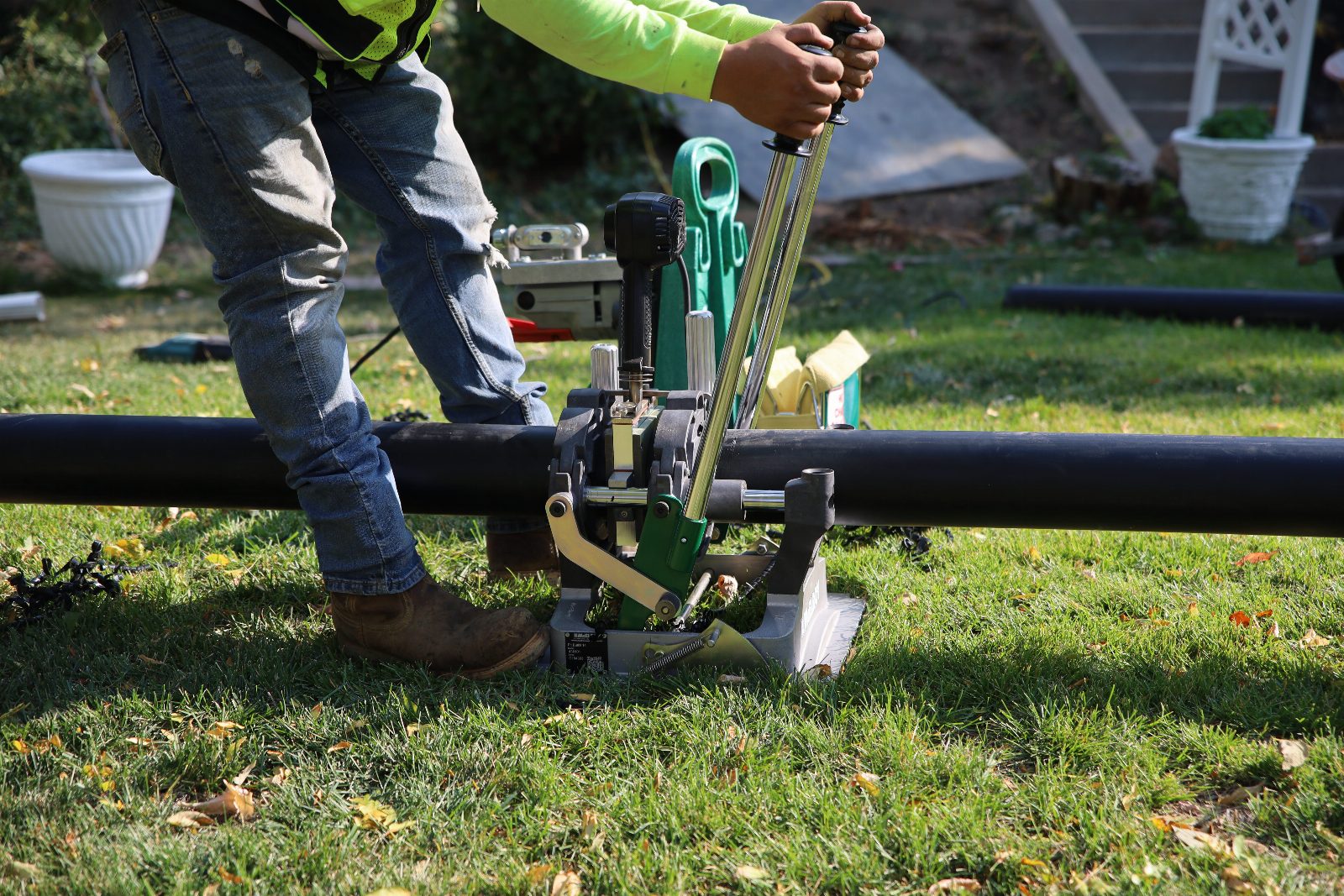
Knowing how household drain systems work helps you spot problems early. Most drain problems start small. A slow drain today can become a full backup tomorrow. Catching issues early saves money and prevents damage to your home.
The most common drain problems are clogs, leaks, root intrusion, and pipe damage. Each has its own warning signs. Clogs cause slow drains and backups. Leaks cause water stains and odors under sinks. Root intrusion causes recurring clogs and gurgling sounds. Pipe damage causes slow drains, odors, and wet spots in your yard.
Many drain problems are not visible without a camera. The pipe runs inside walls and under floors. You cannot see what is happening inside. This is why drain camera inspections are so valuable. They show exactly what is wrong and where. Then you can fix the right problem the right way.
Tree Root Intrusion in Drain Pipes
Tree root intrusion is one of the most common drain problems in Denver. Tree roots seek out water. They find tiny cracks in drain pipes and grow inside. Over time, roots fill the pipe completely. This causes severe blockages and can crack the pipe further.
Clay pipes are most vulnerable to root intrusion. But roots can enter any pipe with a crack or loose joint. Signs of root intrusion include recurring clogs, slow drains, and gurgling toilets. You may also notice sinkholes or wet spots in your yard above the drain line.
Root intrusion requires professional treatment. A drain camera inspection confirms the problem. Then hydro jetting can clear the roots. For severe cases, trenchless pipe bursting replaces the damaged pipe without digging up your yard. This is a fast and effective solution for root-damaged drain lines.
Tree roots can spread well beyond the tree’s canopy, so even trees planted far from your home can reach your drain pipes.
Grease and Soap Buildup in Drains
Grease and soap buildup is the most common cause of kitchen and bathroom drain clogs. Grease from cooking coats the inside of drain pipes. It hardens as it cools. Over time, it builds up and narrows the pipe. Eventually, the pipe clogs completely.
Soap scum does the same thing in bathroom drains. It combines with hair and mineral deposits. This creates a thick, sticky blockage. These blockages grow slowly. You may not notice a problem until the drain is nearly blocked.
Never pour grease down your kitchen drain. Let it cool and throw it in the trash. Use a drain strainer to catch hair in bathroom drains. These simple habits prevent most common drain clogs. But if buildup has already occurred, hydro jetting can clear it completely. Hydro jetting uses high-pressure water to scour the inside of drain pipes clean.
What This Means for You: Understanding how household drain systems work helps you stay ahead of problems. You can spot warning signs early. You know which problems need professional help. And you know what questions to ask when you call a plumber. Most drain problems are preventable with simple habits. But when problems do occur, acting fast prevents small issues from becoming expensive repairs.
Now you know how household drain systems work. Your drain system uses gravity, pipes, traps, and vents to move waste water safely out of your home. Every part plays a role. When one part fails, the whole system suffers. Knowing how household drain systems work helps you catch problems early and make smart decisions.
If your drains are slow, gurgling, or backing up, do not wait. These are signs that something is wrong inside your drain system. The team at Sewer Experts Denver has over a decade of experience diagnosing and fixing drain problems across the Denver metro area. Call us for a drain camera inspection if you suspect issues. We will show you exactly what is happening inside your pipes and give you a clear plan to fix it.
Expert Insight from Sewer Experts Denver, Colorado State-Certified Sewer and Water Specialists: Most homeowners call us after a drain has already backed up. But the signs are almost always there weeks or months earlier. Slow drains, gurgling sounds, and sewer odors are your drain system asking for help. A camera inspection shows exactly what is happening inside your pipes. Catching a small crack or root intrusion early can save thousands in repair costs later.
Key Takeaway: How household drain systems work is not complicated. Gravity moves water through sloped pipes. Traps block sewer gases. Vents let air in so water flows freely. When any part of this system fails, you will notice it. Act on the warning signs early. A drain camera inspection is the fastest way to know exactly what is wrong.
Frequently Asked Questions
How do household drain systems work in simple terms?
Household drain systems work by using gravity to move waste water out of your home. Sloped drain pipes carry water from fixtures to the main drain line. Traps block sewer gases. Vents let air in so drain pipes flow freely. All drain pipes connect to one main line that exits your home.
Why does my drain gurgle and what does it mean for my drain system?
Gurgling drains mean air is trapped in your drain system. This usually points to a blocked vent pipe or a partial clog. When drain pipes cannot get air from the vent, they pull air through the water in traps. This creates the gurgling sound. A drain inspection can find the exact cause.
How do drain traps protect my home from sewer gases?
Drain traps hold a small amount of water in a curved pipe section. This water creates a seal that blocks sewer gases from entering your home. Every drain fixture has a trap. If a trap dries out or cracks, sewer gases can enter. Run water in unused drains monthly to keep traps full.
What are the most common household drain system problems?
The most common drain system problems are clogs from grease and hair, tree root intrusion, cracked or corroded drain pipes, and blocked vent pipes. Each problem causes slow drains, backups, or sewer odors. A drain camera inspection identifies the exact problem inside your drain pipes quickly and accurately.
When should I call a professional about my household drain system?
Call a professional when multiple drains are slow or backing up at the same time. Also call when you smell sewer odors inside your home or hear gurgling from drains. These signs point to main drain line problems. A drain camera inspection shows exactly what is wrong inside your drain system pipes.
Step-by-Step Process
Step-by-Step: How to Check Your Household Drain System
1. Check every drain fixture for slow drainage
2. Listen for gurgling sounds after flushing toilets
3. Smell near floor drains for sewer gas odors
4. Look under sinks for wet spots or trap leaks
5. Run water in all unused drains to refill traps
6. Check your roof vent pipes for visible blockages
7. Look in your yard for wet spots above drain lines
8. Note which drains are affected and in what order
9. Call a professional for a drain camera inspection
10. Review inspection results and plan any needed repairs
Quick Reference: What Is How Household Drain Systems Work?
How household drain systems work is the process by which waste water moves from fixtures to the sewer or septic system. Drain pipes slope downward so gravity pulls water through them. Each fixture has a trap that holds water to block sewer gases. Vent pipes let air into the drain system so water flows freely. All drain pipes connect to one main drain line. That main line exits the home and connects to the city sewer or septic tank. So the drain system has three key parts: drain pipes, traps, and vents. Each part must work correctly for the whole system to function.
Additional Resources
• Trenchless Pipe Lining Denver — Learn how damaged drain pipes can be repaired from the inside without digging up your yard or landscaping.
• Trenchless Pipe Bursting Denver — Discover how severely damaged drain lines are replaced using a no-dig method that saves time and money.
• Sewer Experts Denver Reviews — Read what Denver homeowners say about their drain system inspections and repairs with our certified team.
• Contact Sewer Experts Denver — Schedule a drain camera inspection or get answers to your drain system questions from our expert team.
By Marisa Beaver, Owner · Updated