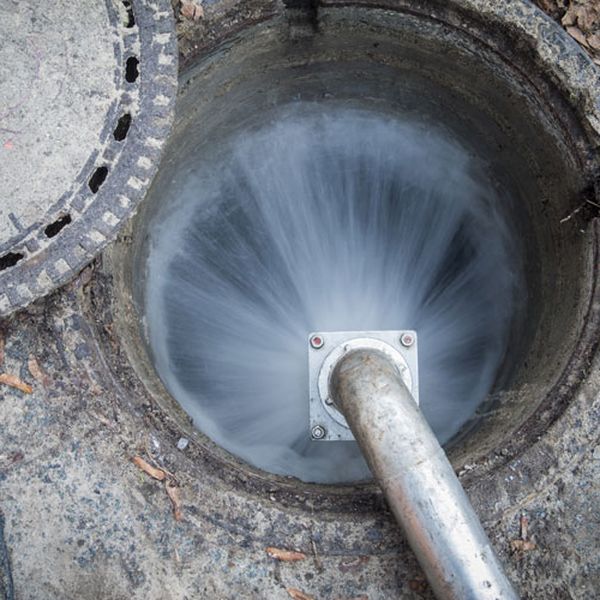

Sewer Experts clears sewer and drain lines with high-pressure water instead of a cable. Hydro jetting cuts through tree roots, grease, scale and sludge and washes the pipe wall clean from the cleanout to the city main. Homes, restaurants and commercial buildings across the Denver metro.
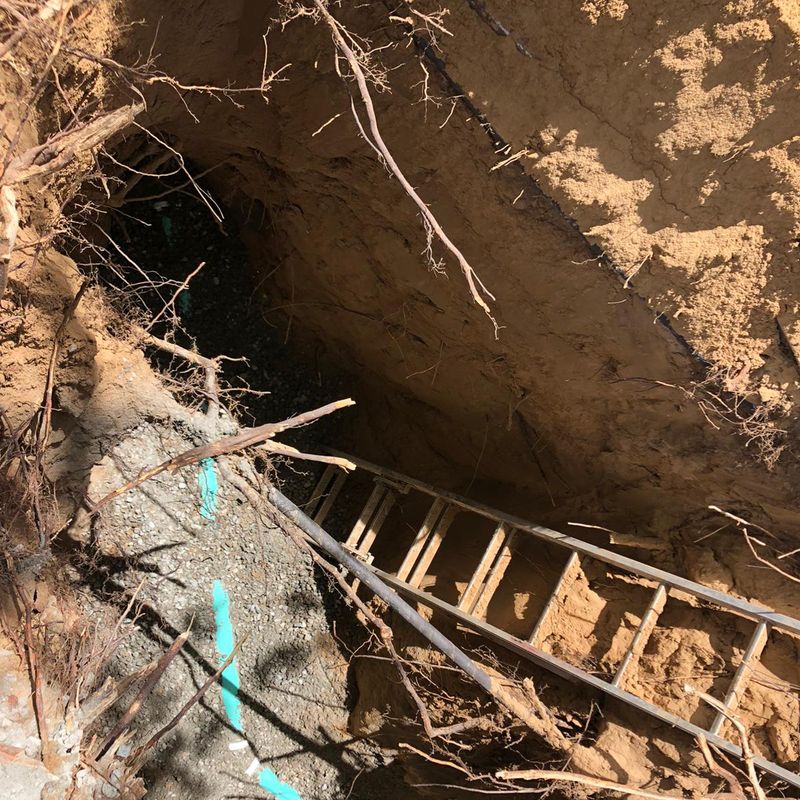
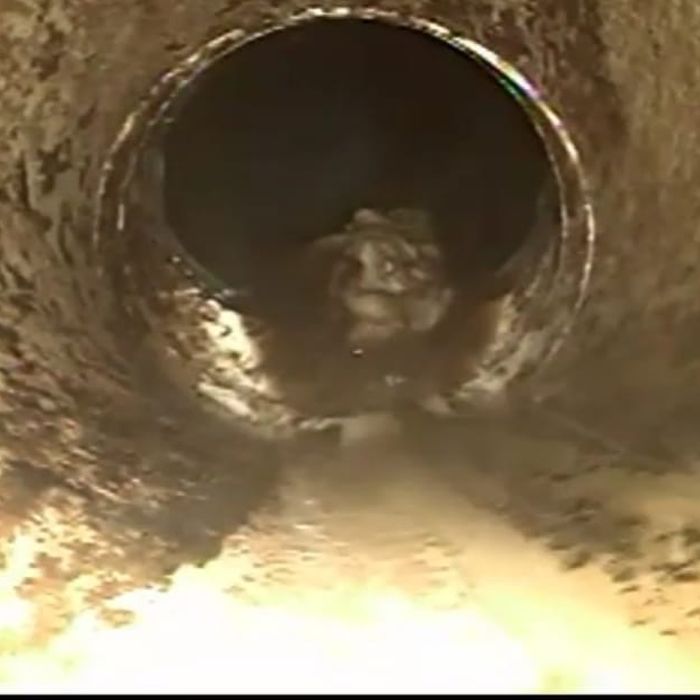
A cable machine bores a hole through a blockage. Water pressure removes the blockage and cleans the whole inside of the pipe, so the line drains at full size instead of half.
Cut back to the pipe wall at every joint the roots got into. Denver’s old clay lines are full of them.
The layer that builds up in kitchen and restaurant lines until the pipe is a fraction of its size.
The rough crust inside old cast iron pipe that snags paper and slows the flow.
Settled solids in bellies and low spots, and the sand that washes in through a broken joint.
The stuff that should never go down a toilet, packed into the line where a snake keeps pushing it.
Cabling has its place: a quick fix for a single clog. Jetting is the fix for a line that clogs again and again.
Both start with a camera inspection. If the pipe is collapsed or badly offset, neither tool is the answer and we will tell you so.
We scope the line before jetting to see what is blocking it and to check that the pipe is sound enough to clean. No jetting into a collapsed pipe.
Root cutters, penetrators and flushing nozzles do different jobs. Pressure is matched to the pipe material and size.
The hose works its way to the main and back, in passes, until the water runs clear. Debris flushes out to the city sewer.
A second scope confirms the line is clean and shows any cracks, offsets or bellies the buildup was hiding. You get the video.
Jetting is safe on sound pipe of any material. It is not safe on pipe that is already failing, which is why we look before we jet.
Modern plastic pipe handles jetting well. The usual problems are grease, wipes and sand from a broken joint, all of which jet out cleanly.
Most older Denver homes have clay lines with root intrusion at every joint. Jetting clears the roots. We keep pressure moderate and watch for cracked or offset joints on camera.
Heavy scale is the issue. Jetting removes loose scale. Badly scaled or channeled cast iron may need descaling, and thin-walled sections are better lined than cleaned repeatedly.
Orangeburg, a tar-paper pipe used into the 1970s, can deform under pressure. Any pipe with a collapse, a large crack or a bad belly gets a repair plan, not a jetting.
Jetting cleans a pipe. It does not fix one. If roots come back every few months, the roots are getting in through a crack or an open joint, and cleaning is a subscription to the same problem. At that point the line needs a liner, a pipe burst or a spot repair, and jetting is the first step of that job, because a liner needs a clean pipe to bond to.
We do the cleaning and the repairs, so we have no reason to sell you one when you need the other. After the second camera pass we will tell you which side of that line you are on.
We have lived in our house for 19 years and have a big pine tree in our front yard that has caused many root problems in our sewer line. We were first roto rooting every year preventatively, then we were getting backups every six months, and then every three months. I decided to finally bite the bullet and get the line replaced. They recommended a pipe burst. They were in and out in one day.
The main sewer line from the house to the street, plus the branch lines that feed it. Most common calls: roots in a clay line, a kitchen line packed with grease, and a basement floor drain that backs up when the washer runs.
Grease lines, shared laterals and long commercial mains that cannot afford a backup on a Saturday night. We work around business hours and can put buildings on a scheduled cleaning cycle so the line is cleaned before it clogs, not after.
Jetting is priced by the job, not by the hour, and quoted after the first camera pass. These are the things that move the number.
Residential hydro jetting is a flat job price for a typical main line, quoted after a camera inspection. Longer lines, heavy roots or scale, no cleanout access and larger commercial pipe add to it. Call with your address and we will give you a price range before we come out.
For a line that clogs repeatedly, yes. A snake bores a hole through the blockage and leaves the rest on the pipe wall. Jetting removes the buildup and cleans the pipe to its full diameter, so it stays clear far longer. For a one-time clog in a fixture drain, a cable is the cheaper tool.
Not sound pipe. Jetting is used on clay, cast iron, PVC and ABS every day. It can worsen a pipe that is already cracked, collapsed or made of Orangeburg, which is why we run a camera through the line first and set the pressure to the material.
Yes. Root-cutting nozzles slice roots off flush with the pipe wall, including the fine root hair a cable blade leaves behind. Roots will grow back through the same joint over time, so if they return every few months the joint should be sealed with a liner or the section replaced.
Most residential main lines take one to two hours including the camera inspections before and after. Heavy roots or a long commercial line can take longer. You get the after video before we leave.
A line with no roots and normal use may never need it. A clay line under mature trees is often jetted every one to two years. Restaurant grease lines are typically cleaned on a quarterly to semi-annual schedule. The camera tells us which one you are.
A cleanout makes the job faster and cleaner, but we can also work through a roof vent or by pulling a toilet. If you have no cleanout, installing one is worth it: every future cleaning and inspection gets easier and cheaper.
A cured-in-place liner has to bond to a clean pipe wall. Jetting strips roots, grease and scale so the liner fits tight and lasts. It is the first step of every lining job we do.
From our shop in Commerce City we cover Denver, Aurora, Arvada, Lakewood, Thornton, Northglenn, Brighton, Broomfield, Wheat Ridge, Golden, Englewood, Littleton, Centennial, Highlands Ranch, Parker and Castle Rock, and the Front Range from Boulder and Longmont to Loveland, Fort Collins and Greeley.
Sewer Experts · 6510 E. 49th Ave. Ste A, Commerce City, CO 80022 · (720) 663-7473
Tell us what is draining slowly or backing up and how often it happens. We will scope the line, jet it, and show you the clean pipe on camera.
Fill in the form and we will call you back.
 6510 E. 49th Ave. Ste A,
Commerce City, CO 80022
6510 E. 49th Ave. Ste A,
Commerce City, CO 80022