Denver Drain Cleaning Services: Effective Methods and Solutions

Drain cleaning is significant for maintaining a functional sanitation system. Clogged drains can cause inconvenience, pricey repairs, and even health hazards. Awareness on how to clean a drain, using both homemade solutions and tried-and-tested practices, can help you obstruct such problem. By adopting these solutions and incorporating them into your home maintenance routine, you’ll preserve both time and money.

Why Is Regular Drainage Cleaning Important?

uncloging a blocked drain

Preventing Clogs and Slow Drains

Obstructions in your home is due to oil, detergent build-up, and food bits. Usual cleaning assists forbid buildup, ensuring that water flows freely through your plumbing. By addressing plugups early on, you can evade high-price plumbing emergencies.

What are the Benefits?

It allows you to tackle blocks using readily available household items. Homemade drain cleaners are often safer and more environmentally friendly than commercial options. They empower homeowners to take immediate action without waiting for professional assistance.

What Are Some Easy Homemade Drain Cleaner Recipes?

Baking Soda and Vinegar Mix

Sodium bicarbonate and vinegar are natural yet potent cleaning agents. Sodium bicarbonate is alkaline, while vinegar is acidic. When combined, they create a fizzing reaction that breaks down debris, making it easier to flush away. To use this mixture efficiently:
  1. One cup of baking soda down the drain.
  2. Followed with one cup of vinegar.
  3. Allow the solution to sit for 15-20 minutes.
  4. Rinse the drain with heated water.

The Solution Recipe

For a more abrasive solution, add salt to the mix. Salt increases friction, helping to dislodge more stubborn buildup. Here’s how to use this combination:
  1. Mix half a cup of salt and half a cup of baking soda.
  2. Place the mixture down the drain.
  3. Proceed with vinegar.
  4. Let the mix sit for 15-20 minutes.
  5. Rinse the drain with hot water.

Boiling Water and Dish Soap

Grease-connected plugups are common in kitchen sinks. It emulsifies oils, while boiling water baking soda helps break it down and flush it out. Use this combination as follows:
  1. Boil a kettle of water.
  2. Generous amount of lathering down the drain.
  3. Slowly put the boiled water after the detergent.
  4. Repeat if necessary for stubborn blocks.

How Do This Solution Successfully Clean Drains?

drain cleaning sewer line

Hazardous Reaction Explanation

The combination creates carbon dioxide bubbles. These bubbles, combined with the effervescence, help agitate debris and dissolve mineral deposits. The pressure created by the reaction dislodges and breaks down blocks, allowing them to be flushed away.

Safe and Ecological Cleaning

Unlike commercial cleaners containing harsh chemicals, the vinegar and bicarbonate of soda are gentle on pipes and for septic systems safety. They are also ecological, reducing your household’s chemical footprint.

How to Implement Baking Soda and Vinegar for Drain Cleaning

To achieve the best results, follow these steps:
  1. Clear any standing water from the clogged drain.
  2. One cup of bicarbonate of soda down the drain.
  3. Add vinegar, about a cup.
  4. Plug the drain to keep the reaction contained.
  5. Wait 15-20 minutes.
  6. Unplug the drain and flush it with scalding water.

How Can You Clean Drains the Right Way?

Identify Your Drain Type and Clog Cause

Understanding the type of drain and the cause of the clog is crucial for selecting the right cleaning method. Bathroom drains are often clogged with hairs and detergent scums, while kitchen drains usually deal with oil and food particles. Tailor your cleaning accordingly to ensure the best results.

Step-by-Step Cleaning Process

  1. Remove visible debris around the drain cover.
  2. For bathroom drains, use a drain snake or drain screen to remove them.
  3. If accessible, unscrew the drain traps to remove lodged debris.
  4. Apply your chosen solution (e.g., baking soda and vinegar).
  5. Rinse thoroughly with boiled water.

Avoiding Common Mistakes

  1. Stop using excessive force when plunging, as this can damage pipes.
  2. Don’t mix commercial drain cleaners with homemade solutions to hinder hazardous reactions.
  3. Refrain from using extremely high-temp water in polyvinyl chloride pipes, which can warp or crack.

Summary and Final Tips

What Are the Best Cleaning Steps?

Regularly cleaning drains with baking soda and vinegar, salt, or dish liquid will prevent clogs and keep your drains flowing smoothly. These ways are efficient and affordable.

What Are Additional Preventative Measures?

  1. Use drain screens to catch bristles and food crumbs.
  2. Avoid pouring lubes down the drain; dispose of them in the trash instead.
  3. Run water through your kitchen drain daily to prevent buildup.
  4. Schedule a monthly cleaning.
By following these preventative steps and applying the best drain cleaning methods discussed about slow moving drains and other drain issues, such as using a pot of boiling water, you can significantly improve your plumbing system. For homes and business properties alike, it’s essential to keep your sewage system running smoothly. Our team of experienced plumbers is highly recommended for their ability to quickly handle any problems. From toilets and sinks to showers, we have the right tools and expertise to ensure everything is cleaned and functioning properly. For instance, you can pour the boiling water down the drain to help dissolve grease and debris. Additionally, if you have a stubborn clog, consider pouring in boiling water or even using several gallons of boiling water to flush the system effectively. Our customer service is dedicated to providing quality care at an affordable pricetag, helping you support a healthy plumbing system. We understand the importance of fast and authentic service, especially when dealing with urgent plumbing issues. Whether it’s a minor clog or a major sewage backup, you can count on our team to address the issue in no time. Habitual maintenance and timely intervention can save you from costly repairs and ensure your house remains in top condition. We highly recommend scheduling frequent checkups with our professional plumbers to keep your plumbing in pristine performance and avoid any unexpected problems. Don’t let clogged drainage systems delay you down! Our professional in the Denver Metro area and high pressure jetting are ready to talk about any emergency plumbing issue, big or small, guaranteeing your drains flow smoothly. Visit Sewerex.com or call us now for a consultation and see why we’re Drain cleaning experts! Schedule an appointment online.

Frequently Asked Questions (FAQ)

  • How often should I clean my drains to prevent plug-ups?

It’s best to clean your drains once a month as part of constant maintenance. Using warm water with dish detergent can help block buildup and keep your drains clean. More frequent cleaning might be necessary if you notice slow draining or often deal with grease and hair jams.
  • What should I do if baking soda and vinegar don’t clear the clog?

Consider using a drain snake or removing the interceptor to access and manually clear the clog. Additionally, a mix of salt and baking soda can provide extra abrasion. If the problem persists, it is a good idea to call a professional plumber like us.
  • Is it risk-free to pour boiling water down the drain?

Boiling water is generally harmless for metallic pipes but can warp or fracture vinyl pipes. Use very hot water for plastic plumbing. Pouring gradually and with caution to deflect splashing or damaging your pipes.
  • How can I stop hair clogs in my bathroom floor drains?

Use a drain screen to catch it before entering the drain. Clean the screen day by day.
  • Are homemade drain cleaners trustworthy for septic systems?

Yes, homemade cleaners are harmless for septic systems. They are gentle, securing that the beneficial bacteria in your sump remain unaffected while effectively cleaning your pipes. For any plumbing emergency contact us!

How & What Dissolves Tree Roots in Sewer Lines

What dissolves tree roots in sewer lines? Tree roots normally infiltrating sewer tubes is a common problem that many homeowners face. These intrusions can lead to a range of concerns, from blocked drains to severe damage. Left unchecked, tree roots developing can cause a clogged sewer, resulting in pricey fixes and prolonged inconvenience.  In this comprehensive guideline, we will explore the reasons tree roots expand and intrude sewerage, the signs of tree root intrusion in sewer, efficient ways to remove the tree roots, and how to prevent them from increasing. Understanding these aspects will help you maintain a clean and healthy sewer to protect your home.

Why It’s Important to Address Sewer Lines Tree Roots Quickly

roots in sewer line When tree roots in sewer line penetrate, they can cause slow sewerage, clogged pipes, and reserves, all of which can lead to more crucial and expensive plumbing problems if not addressed promptly. Gurgling toilets, nasty scents, and unusual fluctuations in water pressure are some of the warning signals that are caused by roots that may be a problem obstructing your pipes. Ignoring these symptoms can result in entire sewer line tree roots growth and, eventually, ruptured pipes, which can cause sewerage to leak into your yard and home.

Warning Signs

It’s crucial to recognize a sign of a tree root breach:
  1. Slow Drainage: Water draining slowly from sinks, bathtubs, and toilets could indicate a plug caused by a root in your sewer.
  2. Gurgling Toilets: If your toilet gurgles or bubbles when flushed, this could suggest that tree root growth is obstructing the sewer system.
  3. Foul Odors: Unpleasant wastewater smells coming from your drains or yard may signal root damage that has broken the sewer line.
  4. Sewage Backups: If you find backing up in your home, it’s likely due to a major plug in the main sewer line.

Why Tree Roots Invade Sewer Tubes

Root Attraction to Moisture and Nutrients

Tree roots are naturally drawn to sources of moisture and nutrients. Tiny cracks in pipes allow moisture to seep into the surrounding soil, attracting roots that instinctively search out this water. Once the roots penetrate a pipe, they continue to grow and feed on the nutrient-rich waste within, ultimately forming a dense root mass that can clog the entire pipe.

Aging Infrastructure

Sewerage made from substances like clay, concrete, or cast iron is especially prone to cracking and decay. These pipes, which are more sensitive to wear and tear, present ideal conditions for roots grow instantly. Their joints and seams may weaken over time, providing convenient entry points for roots.

Five Effective Ways of Removing The Roots in Your Sewer

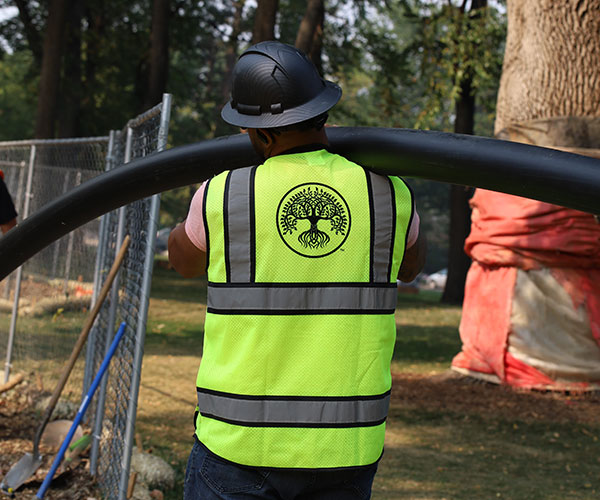
sewer line damaged by tree root

Mechanical Removal

It involves using professional draining tools like cutters, augers, or sewer snakes to clear the root block manually. A rotating blade attached to the end of a snake cuts through the roots inside the pipe, breaking up the blockage. However, it’s vital to use the proper tool size to restrict damage to the pipes or injury to yourself.

Sewer Jetting

It uses high-pressurize water jets to remove debris and rid of roots after the extraction. This method is efficient in flushing out small root fragments that may have been left behind. The force of the water can reach areas deeper in the pipe that other tools might miss, providing a thorough cleaning.

Chemical Treatments

  1. Foaming Root Killers: This chemical melts tree roots inside the sewer line and prevents future growth. They are usually applied as a foam that expands to fill the whole diameter of the pipe, ensuring complete root coverage. They can be efficient, especially when combined with machinery-driven extraction.
  2. Copper Sulfate and Rock Salt: Traditional root killers yet potentially hazardous treatments like copper sulfate and rock salt have been used for many years to kill tree roots. They are often flushed down the toilet to reach the sewer line, where they dehydrate and kill roots. However, they can be harmful to the environment and may damage aged pipes.

Cured-In-Place Pipe Linings

This is a trenchless technique that includes inserting a flexible, resin-coated liner into the damaged pipe and inflating it. Once inflated, the resin hardens to create a new, seamless interior layer that seals any cracks, preventing tree roots from sewer to grow faster. This method is less disruptive than traditional excavation and is ideal for repairing small to moderate damage.

Professional Plumbing Service

Plumbing professionals can use a sewer camera to analyze the pipes and determine the extent of the root damage. Their expertise in evaluating the condition of the pipes helps them choose the most appropriate treatment. A plumbing professional can also provide comprehensive maintenance and offer valuable suggestions on stopping future root intrusions.

Preventative Measures to Avoid Tree Roots From Growing

Routine Inspections

Conducting normal scoping inspection cameras can help identify earlier marks of tree root trespass. This proactive approach allows homeowners to catch potential issues before they become a major problem or issue.

Replacing Pipe

If your sewer line is made of older ingredients like clay or cast iron, consider changing it with newer, more durable materials like PVC or steel. Modern pipes are less susceptible to cracking and root intrusion, providing a longer-lasting solution.

Landscaping Strategies

It can help minimize the risk of root intrusion. Plant trees at least 100 feet away from the sewer line and choose species with less aggressive root systems. Additionally, always call utility location services before excavating to identify covert pipes and keep off accidental damage or issue.

Summary

Tree roots invading can cause significant damage to your sewer if not detected and addressed right away. By understanding why roots infiltrate pipes, recognizing the danger signs, and implementing efficient extraction and precautionary strategies, homeowners can protect their sewer system. Machine extraction, sewer jetting, and piping are all viable answers for eliminating root obstructions.  Meanwhile, standard checking, pipe substitutes, and smart gardening can prevent future problems. If you suspect root damage in your sewer line, it’s crucial to behave directly. Check your sewer tubes or contact a local plumber for a thorough assessment and restorations. Here are some tips: flush only appropriate materials to refrain clogs, and run water regularly through the system. It’s a good idea to have a plumber inspect your system multiple times a year. Daily maintenance is the best option to fix problems early and hinder long-term damage. For more information, visit a reliable site or contact a local plumbing business. Popular plumbers often provide valuable advice and services, ensuring your house and garden remain sheltered from root invasions. Sign up for everyday maintenance to keep your system running smoothly without needing to leave it to chance.

Don’t Let Tree Roots to Grow and Wreak Havoc on Your Sewer Line!

Are you experiencing slow drains, gurgling toilets, or an awful odour? Tree roots in the sewer can be a hidden nightmare, causing costly damages and disruptions. We specialize in identifying and resolving these underground matters efficiently with minimal disruption to your property. Our sewer line repairs and replacements service guarantee that your plumbing is restored without the need for extensive digging.  Schedule Your Inspection Today! Call us at (720) 663-7473 or drop in Sewer Experts to learn more about our services and book a comprehensive sewer scope inspection. Act now to protect your properties and get away with major repairs! Don’t wait until it’s too late. Contact us now and ensure peace of mind with our reliable professional sewer cleaning solutions!

Frequently Asked Questions (FAQ): How to Get Tree Roots Out of Sewerage

  • What are the earlier signals of tree roots in my sewer line?

Best signs include slow, gurgling toilets, foul, and reserved sewerage systems.
  • Why do tree roots infiltrate sewer tubes?

Roots seek moisture and nutrients. Leaks from cracked pipes attract them, and once inside, they thrive on the nutrient-rich waste.
  • What ways are used to get rid of roots from sewerage?

Methods of automatic extraction (cutters and snakes), pressurized water pump, chemical processes like foaming, and cured-in-place tubing.
  • Are chemical procedures safe to take away tree roots?

Foam root killer work is generally safe when used as directed. Traditional chemicals like copper sulfate can be hazardous and may harm pipes.
  • How can I prevent tree roots from entering my sewer tubes?

A regular check, substitute old pipes, and smart growing (planting trees at least 100 ft. away) can help prevent root invasion.

How Do I Find the Sewer Line on My Property?

How do I find the sewer line on my property? Knowing the location of your sewer line can save you from a world of headaches. An unknown or poorly mapped unable-to-find all the sewer location can lead to accidental damage during landscaping or construction, significant expenses if repairs are needed, and difficulties when trying to resolve plumbing issues quickly. This article will guide you to find your sewer lines and avoid these potential pitfalls.

Understanding the Sewer Line System

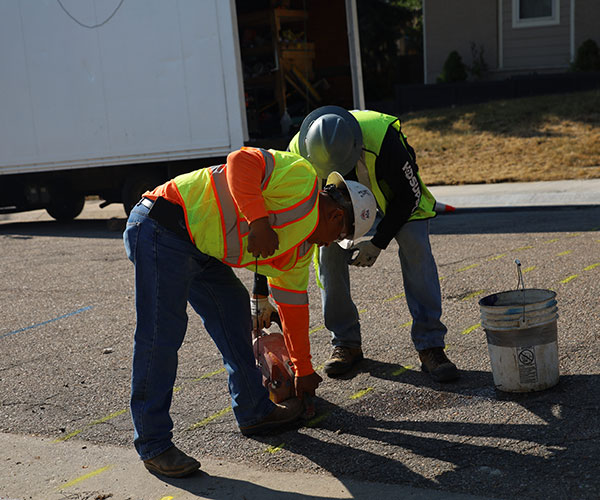
worker is locating sewer lines

What Is a Sewer Line?

Definition and Function The sewer line serves as the primary pipeline that transports away home’s wastewater. It links your indoor plumbing to a broader sewerage, either a private or municipal sewer network. The proper functioning of this line is crucial for hygiene, convenience, and environmental safety. Different Types of Sewer Systems main sewer line typically falls into two categories: urban and septic. Urban structures are prevalent in urban and suburban areas, where wastewater is routed to a public treatment plant. In contrast, septic systems are common in rural regions and involve on-site sewage treatment via a septic tank and a drain field. Understanding which type of system your house uses will determine where you should find underground lines.

Preparation Before Searching for the Sewer Line

Tools and Resources Required

Essential Tools Can’t find the sewer line? To locate the sewer line on your property, you will need some essential tools. A snaking or auger can help you trace the line course. A locator apparatus, specifically designed to find the line, may also be beneficial. Additionally, a camera that can travel through the line provides real-time footage of the pipe’s internal route and length. Consulting Local Assets Check with your local utility offices for a sewer line map, which may indicate the position of sewer connections. If you’ve recently purchased your home, ask the previous owners if they have any map or information about the location of the sewer lines. City departments often maintain documentation that could help you identify where your line connects to the sewage.

Steps for Finding Your Sewer Line on Your Property

Start with Basic Information

Locate Your Sewer Cleanout Can’t find the main sewer? The easiest way to find a sewer cleanout point is a capped pipe sticking out from the ground. The cleanout is designed for access to the home’s sewer lines quickly and is often located near your home or an outdoor plumbing fixture. Remove the cap and use a flashlight to see the route the pipe leads. Advice on any sewer, mark your sewer access points for future sewer line services. Check House Blueprints or Municipal Records They can be invaluable assets, revealing the layout of the plumbing and potential sewer line locations. These documents often provide measurements from fixed points, allowing you to approximate where the line should be on your property.

Use Advanced Techniques

Utilize a Plumbing Snake or Camera If the sewer line isn’t apparent, consider feeding a snake into the cleanout or another accessible drain. These machines can help determine the sewer direction and length by following the line underground. It offers visual confirmation, while the snake can help trace the route based on the snaking’s path. Invest in a Sewer Locator Device Tips for finding your sewer. Learn ways to find where your sewer is using a sewer locator apparatus, also known as a pipeline locator, which uses electromagnetic signals to trace buried lines. Attach the signal transmitter to the sewer pipe or cleanout, and use the receiver above ground to trace the path. Mark your sewer access points for future sewer line repair and replacement services.   sewer lines located in Denver home

Professional Help

Hire a Plumbing Professional If you can’t locate the line or don’t have the necessary equipment, consider hiring a specialist. Call a professional plumber who can use specialized tools and techniques to accurately pinpoint the line, and their expertise is responsible for fixing the problem in the pipeline. Common Signs of Hidden Sewer Line Issues It may indicate problems with the sewer line, including slow-draining fixtures, frequent backup, foul odor, and a wet spot in your yard. If you notice these signs, it’s best to consult a professional plumber for further investigation.

Additional Tips for Sewer Line Management

Maintenance and Prevention

Regular Inspection Standard inspections, ideally once a year, can identify minor issues before they escalate. An inspection using a sewer camera allows professionals to check for tree roots, corrosion, or blockages that could cause future sewer issues. Safest Usage Practices Ensure that only biodegradable waste and toilet paper go down your drains. Avoid disposing of grease, food scraps, hygiene products, and chemical cleaners in your main sewer line, as these can clog the line or damage pipes.

Summary

Find your sewer, Knowing the sewer line location is critical to preventing unnecessary costs and complications. Understanding the sewage, preparing with the right tools, following the step-by-step guide, and seeking professional assistance to inspect your home if necessary will help you locate the pipes efficiently. Usual maintenance in your commercial and residential and secure usage practices will also contribute to the longevity of your framework. If you’re still struggling with locating or maintaining your sewer line, consider reaching out to a plumbing professional. They can offer specialized assistance and guidance tailored to your specific property needs. Whether you’re dealing with clogged toilet, sink, or drains, professionals have the right methods to address these issues effectively. It’s important to maintain the foundation of both homes and commercial properties by ensuring the proper functioning of all utilities. For precise service, they can create a map of your plumbing system to prevent future problems. Don’t hesitate to call for help to keep your house running smoothly.

Struggling to find your sewer line on your property? 

Let our professional plumber give their best and take the guesswork out of the process. For sewer line location services with their state-of-the-art equipment and experienced team, they’ll quickly and accurately pinpoint the exact sewer line’s location, providing you with peace of mind in your house and saving you time and effort. Contact Us online for professional sewer line services and ensure the job is done right the first time! Request a quote now!  

Frequently Asked Questions: Finding the Sewer Line on Your Property

  • How do I know if my property uses a septic or a city main sewer line?

If you’re unsure which your house uses, consider checking your water bill or utility files. Assets connected to a city sewerage will typically have a sewer service charge. You can also contact your local city utility office or consult the previous homeowner. For septic, the presence of a septic tank cover or a designated drain field area on your home is a strong indicator.
  • Where is the sewer cleanout typically located?

The sewer cleanout is usually located near the exterior of your home, close to where the main sewer line exits the structure. It may be obvious as a capped pipe protruding from the ground or attached to a wall. Occasionally, cleanouts can also be found in basements or garages.
  • What should I do if I cannot find any documents about my sewer line location?

If you cannot search any maps, layouts, or city documents, start by looking for visible plumbing fixtures or sewer cleanouts. You can also consider using a snaking method, or locator tool. As a last resort, hiring a sewer professional with specialized tools and experience may be necessary.
  • How often should I inspect my sewer line issue?

It is generally advisable to hire a professional plumber of your sewer line at least once a year. Annual inspections can help identify minor blockages, root intrusions, or corrosion before they lead to important damage or costly repairs.
  • Can I use chemical drain cleaners to prevent sewer line drains?

Chemical drain cleaners can sometimes exacerbate sewer line problems. They may corrode the pipes or cause further blockages if used excessively. Instead, practice secure disposal habits, such as avoiding grease or non-biodegradable waste, and consider regular professional service cleaning or natural enzyme-based answers.

Is a Sewer Inspection Necessary?

Maintaining the overall health of a sewer system is crucial for ensuring the safety and functionality of a home or building. A well-functioning sewage line is essential for preventing costly and unsanitary backups, leaks, and potential structural damage. This blog aims to address the primary question, “Is a sewer inspection necessary?” and provide valuable insights into the importance of this preventative measure. Sewer scope inspections are a proactive approach to identifying and addressing potential issues before they escalate into major problems. By conducting periodic inspections, homeowners and property managers can detect early signs of deterioration, such as cracks, root intrusion, or blockages, and take timely action to mitigate further damage. sewer inspection when buying a house

Understanding Sewer Inspections

What Is a Sewer Inspection?

  • Definition and Purpose: A sewer survey is a comprehensive evaluation of the sewer line and drainage system. Its goal is to detect any possible problems, obstructions, or structural weaknesses that could result in expensive repairs or dangerous conditions if not addressed.
  • Sewer Scope Inspection: One of the most common methods is through a sewer scope inspection. This process involves inserting a specialized camera into the sewer, allowing a trained professional to examine the interior of the pipes and identify any problems or areas of concern.

Common Signs of Sewer Problems

  • Slow Drains and Gurgling Noises: If you notice that your drains are draining slowly or you hear gurgling noises coming from your plumbing fixtures, it could be a sign of a blockage or issue. These warning signs should not be ignored, as they may indicate a more serious underlying problem.
  • Foul Odors and Wet Spots: Unusual foul odors or unexplained wet spots on your property can also be indicators of an issue. These smells and moisture could be caused by leaks or cracks, allowing sewage to escape and contaminate the surrounding area.

Benefits of Sewer Inspections

Early Detection of Issues

  • Preventive Maintenance: Regular sewer scope inspections allow for the early detection of potential issues, enabling homeowners to address them promptly and avoid the cost of sewer scope inspection and repairs down the line. By catching problems early, you can often resolve them through less invasive and more affordable methods.
  • Homebuyers’ Perspective: For those in the process of purchasing a home, this can provide valuable insights into the condition of the sewer system. This information can help buyers make informed decisions and negotiate appropriate repairs or concessions if necessary especially when adjusting to the cost to have sewer line camera inspection.

Cost Savings in the Long Run

  • Preventative Investment: While sewer inspections may require an upfront investment, they can ultimately save homeowners significant amounts of money by preventing expensive repairs or replacements that can result from undetected issues.
  • Insurance and Liability: In some cases, sewer inspections may lower liability risks and potentially qualify homeowners for insurance discounts or better coverage options. Proactively addressing potential issues can demonstrate responsible home maintenance practices.
man inspecting sewer lines

When Is a Sewer Line Check Necessary?

New Property Acquisition

  • Older Properties: If you’re purchasing an older home, it’s highly recommended to have a sewer scope inspections performed. Over time, sewer lines can deteriorate or become compromised, and older properties are more susceptible to these issues.
  • High-Risk Areas: Properties located in areas prone to flooding, seismic activity, or other environmental factors that can impact the integrity may require more frequent inspections to ensure the system’s safe and proper functioning.

Recurring Drain Issues

  • Persistent Clogs: If you’re experiencing recurring clogs or slow drainage in multiple fixtures throughout your home, it could be a sign of a more significant issue. A professional assessment can find the root cause of the problem.
  • Backups and Flooding: If you’ve experienced a sewer backup or minor flooding in your home, it’s crucial to have drain cleaning sewer inspection in Denver. These incidents could indicate a blockage, crack, or other damage that needs to be addressed immediately.

Renovation or Landscaping Projects

Structural Integrity, before undertaking major home renovations or landscaping projects that involve digging or excavation, it’s advisable to have a sewer line assessment conducted. This step can help ensure that the structural integrity is not compromised during the construction process.

How to Get a Inspection Done

Hiring a Professional

When it comes to sewer inspections, it’s essential to hire a qualified and experienced professional. Look for inspectors who are certified and licensed to perform these services in your area. Understanding what is a sewer scope inspection and the sewer scope inspection cost can aid in your decision-making process. During the inspection, the professional will typically use specialized equipment, such as a camera for sewer inspection or other diagnostic tools, to examine the interior. They will look for any signs of blockages, cracks, root intrusion, or other issues that could compromise the system’s functionality. Sewer scope inspection Denver services are specifically tailored to address these concerns efficiently. A thorough checking can help identify potential problems early, allowing you to take preventive measures and avoid costly repairs down the line. Regular sewer inspections are also recommended, particularly for older homes or areas with mature trees, to ensure the continued proper functioning of the sewer system. Consider scheduling same day sewer repair Denver CO if immediate issues are detected.

Summary

Sewer inspections are a crucial preventative measure for maintaining the health and integrity of a building’s sewer system. By identifying potential issues early on, homeowners can avoid costly repairs, minimize liability risks, and ensure the safe and efficient functioning of their plumbing and drainage systems. Whether you’re purchasing a new property, experiencing recurring drain issues, or planning major renovations or landscaping projects, it’s highly recommended to consult a professional certified sewer inspection Denver. This proactive approach can save you time, money, and hassle in the long run, while also protecting your valuable investment. Is your home showing signs of a potential sewer problem? Don’t wait until it’s too late. At SewerEx, we offer comprehensive and best sewer inspection camera with locator services to protect your investment and provide peace of mind. Our team of certified professionals uses cutting-edge technology to detect issues early and help you avoid costly repairs down the line. Contact us today to know how much does a sewer inspection cost and the cost of sewer line camera inspection and to schedule a thorough sewer assessment and main line camera inspection Denver with the experts you can trust. Ensure your sewer system is functioning at its best. Get in touch with Sewer Experts now and safeguard your home or business!

Frequently Asked Questions

  • What is a sewer inspection? 

A sewer scope inspections is a comprehensive evaluation of the sewer and drainage system. Its purpose is to identify any potential issues, blockages, or structural defects that could lead to costly repairs or hazardous situations if left unaddressed. A common method is using a specialized camera to visually inspect the interior of the pipes.
  • What are some common signs that an home inspection sewer scope may be needed? 

Common signs include slow drains, gurgling noises from plumbing fixtures, foul odors, and unexplained wet spots on your property. These can indicate a blockage, leak, or other issue with the sewer line.
  • What are the main benefits of Denver sewer inspection? 

The main benefits are early detection of issues to allow for preventative maintenance, potential cost savings by avoiding major repairs, lowering liability risks, and possibly qualifying for better home insurance coverage by demonstrating responsible maintenance.
  1. When is a sewer inspection particularly recommended? 

A sewer video examination is highly recommended when purchasing an older home, if you live in an area prone to environmental factors that could impact sewer lines, if you experience recurring drain clogs or backups, and before undertaking major renovations or landscaping that involve digging.
  • How do you get a proper sewer examination done? 

It’s best to hire a qualified and experienced professional sewer inspection company like us! Look for inspectors certified and licensed in your area to use specialized camera equipment and diagnostic tools to thoroughly examine the interior condition of your sewer pipes.

How Bad Is A Belly In A Sewer Line?

Introduction to Sewer Line Bellies

What is a Sewer Line Belly?

If you’ve ever dealt with plumbing issues, you may have heard the term “sewer line belly.” This refers to a low point or sagging section in the sewer line that runs from your home to the municipal sewage system or septic tank. A belly in the sewer line can create a number of problems, making it an issue that homeowners need to understand and address promptly.

Common Causes of Sewer Line Bellies

Sewer line bellies can occur due to various factors, both natural and human-caused. Over time, the soil around underground pipes can shift and settle, leading to the development of low points or dips in the line. Improper installation is another common culprit, where the line was not laid at the correct slope or elevation from the start. Tree roots seeking moisture can also grow into and disrupt sewer lines, creating bellies.

The Impact of a Belly on Sewer Line Functionality

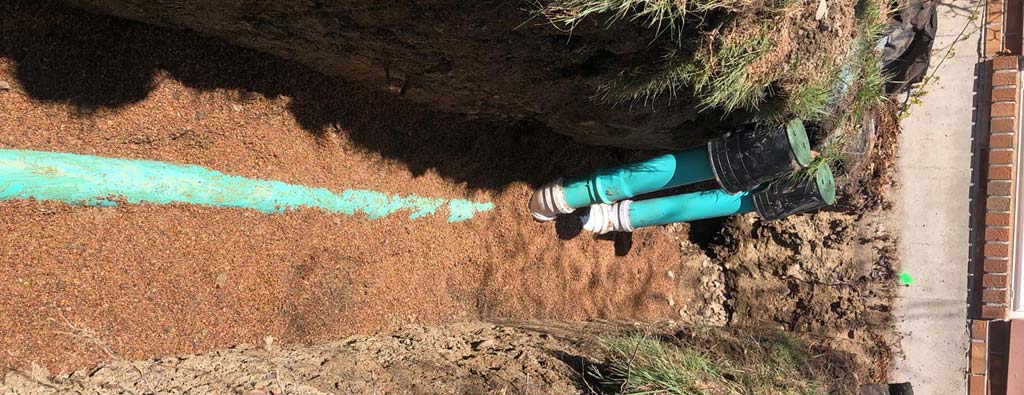
sewer line belly repair

Disruption to Wastewater Flow

The primary function of a sewer line is to efficiently transport wastewater away from your home. However, when a belly forms, it can severely disrupt this process. As wastewater flows through the line, it slows down and accumulates in the low point, potentially leading to complete blockages over time.

Potential for Blockages and Backups

With a sewer line belly, the risk of blockages and backups increases significantly. Solid waste, toilet paper, and other debris can easily become trapped in the low point, causing a clog that prevents proper drainage. In severe cases, this can lead to sewage backing up into your home through toilets, showers, and floor drains, creating a hazardous and unpleasant situation.

Signs and Symptoms of a Sewer Line Belly

Recognizing Early Indicators

Being aware of the early signs of a sewer line belly can help you address the issue before it escalates. Keep an eye out for slow draining sinks, tubs, or toilets, as well as frequent clogs that require frequent plunging or snaking. You may also notice gurgling sounds coming from your drains, indicating an obstruction in the line.

Advanced Symptoms to Watch For

If a sewer line belly is left unaddressed, more severe symptoms may arise. Unpleasant sewage odors emanating from drains or even seeping into your home can be a sign of a significant blockage. You may also notice lush green patches in your yard, as the accumulated wastewater provides an ideal source of moisture and nutrients for grass and vegetation.

Diagnosing a Sewer Line Belly

replacing a damaged belly in a sewer line

Professional Inspection Techniques

To accurately diagnose a sewer line belly, it’s best to enlist the help of a professional plumbing service. They have access to specialized tools like sewer line cameras, which can be inserted into the pipe to provide a clear visual inspection of the interior. This allows them to pinpoint the exact location and severity of any bellies or other issues.

Importance of Regular Sewer Line Assessments

Even if you’re not experiencing any obvious symptoms, it’s a good idea to have your sewer line inspected regularly. Catching a belly early can prevent more extensive damage and make repairs easier and less costly. Many sewer professionals recommend having your line assessed every few years, or whenever you notice any potential warning signs.

Addressing a Sewer Line Belly: Repair and Replacement Options

Trenchless Repair Solutions

In some cases, a sewer line belly can be repaired without the need for extensive excavation. Trenchless methods like Cured-in-Place Pipe (CIPP) lining involve inserting a durable, resin-coated liner into the existing pipe. This liner is then inflated and cured, essentially creating a new pipe within the old one, eliminating any bellies or other defects.

When Replacement is Necessary

If the belly is too severe or the sewer line is significantly compromised, a full replacement may be necessary. This typically involves digging a trench to expose and remove the old pipe, then installing a new sewer line at the proper slope and elevation. While more disruptive and costly, a full replacement can provide a long-lasting solution when other repair options are not viable.

Preventative Measures to Avoid Sewer Line Bellies

Proper Installation Practices

The best way to prevent sewer line bellies is to ensure proper installation from the start. This includes using high-quality materials, maintaining the correct slope and elevation, and carefully compacting the soil around the pipe to prevent future shifting and settling. Homeowners should research and hire reputable sewer experts with experience in sewer line installation.

Ongoing Maintenance and Care

Even with a properly installed sewer line, ongoing maintenance is crucial to prevent issues like bellies from developing over time. Regular cleanings and inspections can identify any potential problems early on, allowing you to address them before they become more severe. It’s also important to be mindful of what goes down your drains, avoiding the disposal of materials that could contribute to clogs.

The Bottom Line

The Cost of Neglecting Sewer Line Bellies

While it may be tempting to ignore the signs of a sewer line belly, neglecting the issue can lead to significant and costly consequences. A severe belly can cause extensive property damage from sewage backups, as well as potential health hazards for your family. Addressing the problem early can save you thousands of dollars in repairs and cleanup costs down the line.

Seeking Expert Help

If you suspect a belly in your sewer line or are experiencing any concerning drainage issues, it’s essential to seek professional help promptly. A licensed sewer professional can accurately diagnose the problem and recommend the most effective solution, whether it’s a minor repair or a full line replacement. Don’t hesitate to consult an expert – addressing a sewer line belly quickly can prevent a minor inconvenience from escalating into a major headache. Notice slow drains or unusual odors at home? Don’t wait for a sewer disaster! Visit Sewer Experts today for expert sewer line inspections and repairs. Trust us to diagnose and fix your sewer line belly efficiently and effectively. Click here to schedule your inspection and ensure your home’s plumbing runs smoothly! Read more articles in our plumbing blog.