How to Stop Backflow from Sewage: A Comprehensive Guide

Backflow from sewage is a serious problem that can cause harm to one’s health and cause extensive property damage. Understanding the causes and implementing anticipation measures is essential for maintaining a safe and functional sewage system. This comprehensive guide will cover the causes, its potential consequences, and the various ways to prevent it.

Understanding Sewage Backflow

bathroom floor wet with backflow It occurs when wastewater flows in the opposite direction from its intended path, causing it to enter homes, businesses, and other structures. This reverse flow can introduce contaminants, including harmful bacteria and chemicals, into clean water supplies and living spaces.

What Causes It?/span>

  1. Blockages: One of the most common causes is a blockage. This can be due to the accumulation of grease, hair, foreign objects, or tree roots infiltrating the pipes.
  2. Heavy Rainfall or Flooding: During intense rains or flooding, the municipal sewer system can become overwhelmed, causing excess water to push back into private lines and homes.
  3. Damaged or Collapsed Sewer Drainlines: Aging or poorly maintained lines can crack, collapse, or become misaligned, leading to challenges.
  4. Inadequate Slope or Poorly Designed Systems: Sewer systems need a proper slope to allow gravity to move wastewater away from properties. Poor design can result in insufficient slope, causing wastewater to flow backward.
  5. Pressure Imbalances: Changes in pressure, often due to pumping failures or sudden changes in water usage, can result in water to flow back.

Consequences of Sewage Backup

The repercussions are both immediate and long-term, impacting health and finances:
  1. Health Hazards: Sewage contains pathogens such as bacteria, viruses, and parasites that can cause diseases. Exposure to unclean water can lead to gastrointestinal illnesses, infections, and other serious health conditions.
  2. Property Damage: It can also ruin flooring, walls, furniture, and personal belongings. The moisture and contaminants can also promote mold growth, leading to further damage and health risks.
  3. Financial Burden: The expense of cleansing after, repairing damages, and addressing health issues can be substantial.

Preventing Sewage Backflow

toilet sewage backed up This requires a combination of proper maintenance, the set up of backflow preventer, and system design improvements. Here are the key strategies:

1. Regular Upkeep and Inspection

Routine maintenance and inspection can help identify and address potential issues before they cause water to flow out.

2. Installing Backflow Prevention Devices

These are critical in preventing sewage from flowing back inside. Here are some of the most common types:
  • Backwater Valves: These valves allow wastewater to flow out but close to prevent it from coming back in. They are essential in areas prone to heavy rains or flooding.
  • Check Valves: Similar to backwater valves, check valves allow water to flow in one direction and prevent reverse flow. They are typically installed in the main sewer line.
  • Air Gap: This is a simple and effective method where a physical gap is created between the water supply and potential contaminants, ensuring that wastewater cannot siphon back into the clean water supply.

3. Proper System Design and Installation

Ensuring that it is designed and installed correctly is crucial for preventing backflow.
  • Adequate Slope: Ensure that system lines have the correct slope to allow gravity to move wastewater away. Consult with professionals to verify that the slope meets local building codes and standards.
  • Attachment: Always use licensed and experienced experts for installing or upgrading your system. Proper installation is key to preventing future problems.

4. Flood Precaution Measures

Implementing flood precautionary measures can help protect your property from the effects of heavy downpour and flooding.
  • Sump Pumps: Installing a sump pump in low-lying areas can help remove excess water and prevent it from entering.
  • Grading and Drainage: Ensure that the ground around your area is graded properly to direct water away from your foundation. Additionally, maintain gutters and downspouts to manage rainwater effectively.
  • Flood Barriers: In areas prone to flooding, consider installing flood barriers or sandbags to prevent water from entering.

5. Monitoring and Alarms

Setting up monitoring systems and alarms can provide early warnings of potential concerns, allowing you to take action before significant damage occurs.
  • Flood Alarms: These devices can detect the presence of water in areas where it shouldn’t be, such as basements or near sewer pipes, and alert you to potential issues like sewer backflow preventer problems and lever operated sewer backflow valve problems.
  • Pressure Monitors: Monitoring the pressure can help identify imbalances. Some systems can be integrated with smart home technology for real-time alerts.

Dealing with Incidents

Despite the best efforts, incidents can still occur. Knowing how to respond promptly and effectively is crucial in minimizing damage and health risks.

1. Immediate Actions

  • Shut Off Water Supply: If you suspect an incident, immediately shut off the main water supply to prevent further contamination.
  • Avoid Touching: Avoid exposure with dirty water, as it can contain harmful pathogens. Use protective gear such as gloves, boots, and masks if you need to enter the affected area.
  • Ventilation: Open windows and doors to allow air in and reduce the concentration of harmful gases and contaminants.

2. Expert Cleanup and Restoration

Disinfecting after a sewage backflow incident requires expertise to ensure thorough decontamination and restoration.
  • Hire Professionals: Contact a professional sewage cleanup to handle the decontamination and restoration process. They have the necessary equipment and expertise to safely clean and disinfect affected areas.
  • Remove Contaminated Materials: Dispose of any materials that cannot be thoroughly cleaned and disinfected, such as carpets, drywall, and insulation.
  • Dry and Dehumidify: Thoroughly dry the affected location to prevent mold growth. Use dehumidifiers and fans to accelerate the drying process.

3. Health and Safety Precautions

Taking health and safety precautions is essential to protect yourself and others from the hazards associated with it.
  • Seek Medical Attention: If you or anyone else has been exposed, seek medical attention immediately. Inform the healthcare provider about the exposure to ensure proper treatment.
  • Use Protective Gear: When handling contaminated materials, always wear protective gear to minimize exposure to harmful pathogens.
  • Disinfect Thoroughly: After the initial cleanup, disinfect all surfaces and objects that were exposed to the contaminated water to ensure complete decontamination.

The Bottom Line

Stopping backflow from sewage is a critical aspect. By understanding the causes, implementing preventive measures, and knowing how to respond to incidents, you can protect your home and health from the adverse effects of sewage backflow. Regular maintenance, proper system design, and community collaboration are essential components in ensuring the long-term effectiveness of backflow prevention efforts. Stay proactive and informed to keep your sewer system running smoothly and prevent the potential hazards.

Preventing sewage backflow is crucial for maintaining a healthy home environment. Water backflow valves, sewage backflow valves, and sewer backflow valves are essential components in protecting your property from sewage backups. A sewage backwater valve or automatic sewer backwater valve installation can be a cost-effective solution, with the cost to install backwater valve varying depending on factors such as location and complexity. Backwater valve for sewer line and backwater valve sewer system options are available for different setups, including internal backwater valve install methods. For those wondering how to install a floor drain backwater valve, it’s important to note that a floor drain with backwater valve can significantly improve drainage. Understanding how backwater valve floor drain work can help homeowners decide between a system or city sewer connection. In some cases, a force main sewer pipe in house might be necessary, while sewer pipe caps can provide additional protection. Factors that lead to sewage backups should be addressed promptly to prevent health hazards. There are various types of sewer backflow preventers and sewer backflow preventers designed for different applications. It’s recommended to hire a licensed plumber to install water machine and other plumbing fixtures, ensuring proper function while allowing water and sewage to flow correctly. Sewer backflow preventer types include flap designs, with a sewer backflow preventer flap being a common choice. For those wondering how to use a sanitary sewer backflow preventer valve for tub, consulting a professional is advisable to ensure proper installation and functionality.

Ensure Your Home Stays Safe and Clean

Are you facing problems in the Denver Metro area? Wanting to replace water backflow valve residential or know how to install backflow valve for sprinkler system and how do you replace backflow valve? Don’t let sewer backups disrupt your home and health. We specialize in providing top-notch sewer line repair services, from weekly or montly maintenance, sewer residential backflow valve installation, commercial backflow valve sewer installation to emergency repairs. Our experienced team uses the latest technology to ensure it is functioning smoothly and efficiently.

Why Choose Sewer Experts?

  • Expert Technicians: Our highly trained professionals are equipped to handle all your needs.
  • Advanced Technology: We use state-of-the-art equipment for accurate diagnostics and effective solutions.
  • Customer Satisfaction: Your satisfaction is our priority. We ensure quality assistance and lasting solutions.
Don’t wait until a small issue turns into a major problem. Contact Sewer Experts today for reliable, professional services in the Denver Metro area. Call us now at (720) 663-7473 or visit sewerex.com to schedule an appointment!  

FAQ: Sewage Backflow Prevention

What is sewage backflow and why is it a problem?

It occurs when wastewater reverses direction and enters clean water supplies or living spaces, causing property damage. It introduces harmful pathogens and contaminants into homes and buildings.

What are the common causes?

Common causes include blockages in the sewer line, heavy rainfall or flooding, damaged or collapsed sewer lines, inadequate slope, and pressure imbalances within the system.

How can I prevent sewage backflow in my home?

Preventive measures include regular checkups and inspection of sewer lines, installing backflow prevention devices like backwater valves and check sewer backflow valve installation cost, ensuring proper system design, sewer backflow valve improper installation isn’t done and slope, and implementing flood prevention measures such as proper drainage and basement floor drain backflow valve.

What should I do if I experience a backflow incident?

Immediately shut off the water, avoid going near to sewage water, ventilate the room, and contact a professional sewage cleanup. Ensure thorough decontamination and removal of contaminated materials.

How can communities help?

Communities can raise awareness through educational campaigns, collaborate with authorities for infrastructure improvements, and implement green infrastructure solutions like rain gardens and permeable pavements to manage stormwater and reduce overload.

What Is a Cleanout and Why Should You Have One?

Also known as a sewer cleanout, this essential component is integral to maintaining the efficiency. Understanding the main sewer line clog repair cost and how much does a cleanout cost is crucial for homeowners. The main sewer cleanout install cost can vary, but it’s a necessary expense when the sewer cleanout is clogged. Knowing where the sewer cleanout is located and how to find the main sewer cleanout is essential for timely repairs.

What Is a Cleanout?

sewer cleanout It is an entry that allows for the insertion of tools and equipment to clear plugs or execute investigations. Generally, they are capped pipes that rise vertically from the main sewer line to floor level, making it easy for cleaners to enter the line without digging up the land or damaging the belongings. A residential sewer cleanout cover box protects the access point. The sewer cleanout installation cost depends on the complexity of the system. It’s important to know how to find the main drain line in house, as well as the costs associated with sewer drain line repair. Materials such as ABS plastic drain line are commonly used in these repairs. When dealing with basement drain cleanout plug problems, knowing the steps for floor drain cleanout plug replacement and removing sewer drain cleanout plug is crucial.

Types of Cleanouts

  1. Single: This is the most basic type, featuring a single-lidded pipe extending.
  2. Double: Also known as a two-way drain cleanout, this configuration has two covered pipes that allow passage from both directions of the main sewer line, facilitating more potent cleaning.
  3. Inline: These are installed inline with the pipe and are often used in lengthy sewer lines to give multiple entry points.

Materials Used

They are usually made from durable substances such as ABS (acrylonitrile butadiene styrene), or cast iron. The choice of material depends on the specific requirements of the plumbing and local building codes. For exterior concerns, PVC cleanout plug is often used. Learning how to find buried main drain cleanout and how to find main drain cleanout can save time and money. The home main drain cleanout cost varies, and regular maintenance of the main drain cleanout plug is advised. Outdoor drain cleanout and how to locate foundation drain cleanout are important for preventing blockages. The plumbing drain cleanout cover white flat is another key component. Finding the home drain cleanout location and knowing how to find drain cleanout inside the house ensures swift action during clogs. Using a cast iron drain cleanout cover is common in older residences. Understanding what is a municipal sewer system can help in diagnosing broader setbacks. For any issues, professional drain cleanout service is recommended.

How Does it Work?

It provides a direct entryway, allowing them to insert augers, hydro-jetting equipment, cameras, and other gears to diagnose and fix troubles. Here’s how it works:
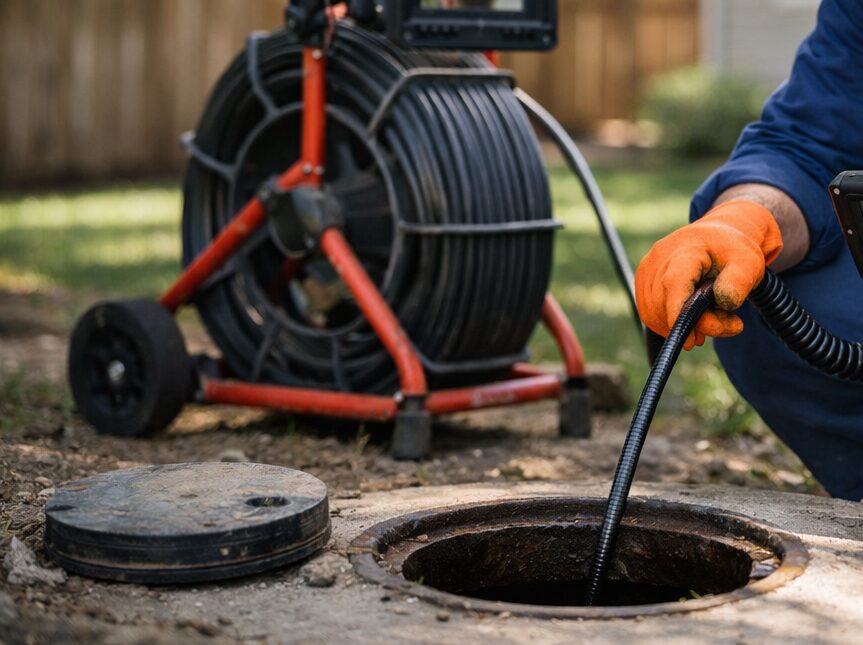
  1. Examinations: A sewer cleaner removes the cap and inserts a sewer camera to inspect the condition of the pipes and locate clogs or damages.
  2. Cleaning: Tools like augers or high-pressure water jetting equipment are included throughout to clear blocks.
  3. Maintenance: Daily preservation, containing flushing or checking for tree root intrusions.

Why Should You Have a Cleanout Installed?

sewer scope service denver co It is important for several reasons:
  1. Ease of Entryway: They provide a convenient opening to complete necessary maintenance and remedies without wide excavating or disruption.
  2. Preventive Maintenance: Standard use it for examinations can help determine potential problems before they become major difficulties, saving time and money.
  3. Effectual Problem Solving: In case of a blockage or plug-up, it allows for a quick solution, minimizing impair and inconvenience.
  4. Cost-Effective: By providing a simple gateway, they reduce the need for expensive drilling and repairs, making them a productive solution in the long run.

Common Issues and How to Address Them

Even with a sewer cleanout, it can still undergo concerns. Here are some common problems and how to handle them:
  1. Blockages: Caused by grease, hair, or foreign objects can be quickly cleared using equipment inserted through.
  2. Tree Roots: Roots can infiltrate sewage lines, causing ruin. Everyday checkups can detect root intrusions early, allowing for timely intervention.
  3. Pipe Deterioration: Over time, pipes can deteriorate due to age or ecological factors. It allows for smooth check ups and maintaining the extended life of the sewerage.
  4. Slow Drains: it often indicates a blockage somewhere. It provides an entry point to identify and remove these blocks, restoring correct draining.

How to Preserve Your Cleanout

Continuing conservation is crucial in ensuring they function appropriately and extend the lifespan. Here are some tips:
  1. Day-to-day Checkups: Schedule frequent inspections to check for blocks, leaks, or damage.
  2. Keep It Clear: Make sure that the space around is free from debris, soil, or other obstructions that might block passage.
  3. Proper Usage: Stop flushing non-degradable items, grease, or large quantities of hair down the drains, as these can cause clogs.
  4. Cap Maintenance: Check the it periodically to ascertain it is secure and not damaged. A missing or broken cap can allow debris and pests in.

The Process

Installing is a job best left to skilled workers due to the complexity and precision required. Here’s a general overview of the process:
  1. Site Assessment: A specialist assesses the location to determine the best position for the concrete sewer cleanout box, normally near where the line exits the building.
  2. Excavation: The spot is excavated to expose the drain lines.
  3. Cutting and Fitting: A section is cut, and the fitting is installed.
  4. Connection and Testing: It is forced main sewer connections to the existing line, sealed, and tested to guarantee there are no leaks.
  5. Backfilling: The pit site is backfilled, and the cap is installed.

Legal and Code Requirements

The installations and maintenance are governed by codes and regulations, which vary by site. These codes dictate the digit, placement, and kind of them is required. It’s fundamental to comply with these regulations to elude penalties and the structure operates efficiently.

Benefits of Having a Cleanout

Beyond the practical advantages, it offers several additional benefits:
  1. Increased Value: A well-maintained plumbing network, including accessible sewer trap cleanouts, can increase the value of your land.
  2. Environmental Protection: Waste management and timely maintenance stop leakage, protecting the environment from contamination.
  3. Health and Safety: Properly functioning systems reduce the risk of health hazards associated with backups and drips.

DIY vs. Professional Maintenance

While some maintenance tasks can be handled by homeowners, such as keeping the area clear, most tasks require qualified and certified talent. Skilled workers have the necessary instruments and knowledge to perform thorough examinations, recognize points, and execute fixes safely and efficiently.

DIY Tips:

  • Regular Monitoring: Keep an eye on your drains for any signs of trouble, such as sluggish draining or foul odors.
  • Safe Cleaning: Use environmentally friendly drain cleaners and avoid harsh chemicals that can destroy pipes.
  • Bulkhead Security: Make sure that the cap is always securely in place to block debris from entering.

When to Contact an Expert

Certain situations necessitate the skill of a specialist:
  1. Recurring Blockages: If you suffer repeated plugs, a professional inspection can distinguish underlying matters.
  2. Sewage Backup: Any signs of plugs require immediate intervention to prevent health hazards and damage.
  3. Significant Drainage Issues: Delay or non-functioning drains, despite attempts to clear them, indicate a need for specialized evaluation and repair.

Final Verdict

A cleanout offer is an indispensable part of a modern plumbing system, offering effortless access for maintenance and ensuring a smooth operation. Timely intervention by specialists can keep it functioning optimally, protecting your home, health, and the environment. By understanding the significance of it and how to sustain it, verify dependable plumbing for years to come.

Understanding the street to home sewer system diagram is crucial for both residential and commercial properties. For commercial and industrial sewer system backup repair, it’s essential to address matters promptly to avoid disruptions. Homes sewer system maintenance often involves dealing with private septic tank issues, especially in older homes where pipe in older homes may be more prone to predicaments. Regular house drain cleanouts and knowing how do drain cleanouts work at home can prevent major challenges.

Properly identifying drain cleanouts location on homes and maintaining plumbing drain cleanouts is essential. Each cleanout access point serves as an access point for clearing blockages and maintaining system efficiency. If you need assistance, sewer line repair companies in Denver offer traditional sewer line repair. For those in the same location, the best plumbers in Denver area provide comprehensive services. Various Denver drain cleaning companies can address specific needs for older properties. For businesses, commercial drain cleaning companies in Denver call for expertise in handling complex systems.

Maintaining house drain system parts is vital for the overall health of your plumbing. Roof water drain system and control flow roof drain system design are important for preventing water damage. Home improvement plumbing repair services can help address any headaches that arise. For a good and thorough assessment, use a video camera to notice potential concerns in your house. Pressurized water systems can help clean clogged areas effectively, whether in your shower or other room of the home. Our gallery showcases our great work in various homes and business areas. If you encounter a problem, call us for a job well done. We highly care about customer service and ensure every job is handled with the utmost care.

Denver Services by Sewer Experts

Are you dealing with blockages, gradual draining, or bad odors? Our specialists are here to help with top-notch repair and setting up services in the Denver Metro area.

Why Choose Us?

  • Experienced Technicians: Our certified team has years of learning.
  • Advanced Technology: We use the latest apparatus for fast, effective solutions.
  • Reliable Service: From repairs to replacements, we ensure lasting results.
  • Customer Satisfaction: We’re committed to exceeding your expectations.

Our Services Include:

Contact Us Today!

Visit SewerEx or call us at (720) 663-7473 to schedule a consultation.  

FAQ: Sewer Line Cleanouts

1. What is a sewer cleanout?

It is an opening in your plumbing system that allows for uncomplicated inspection, cleaning, and upkeep. It typically consists of a c pipe that rises from the main sewer line to ground level.

2. Why having it is necessary?

It offers easy entry, enabling brief identification and removal of blocks, sustenance, and efficient resolution of sewerage problems like main sewer line keeps clogging, thereby preventing costly sustainment and extensive destruction.

3. How often should I inspect my cleanout?

It’s recommended to have it inspected annually. Routine checkup helps detect potential obstacles early and make certain that your sewer system functions correctly.

4. Can I install it for myself?

Installing it is a complex task that requires professional plumbers. It involves precise cutting and fitting, adhering to local plumbing codes, and ensuring the right sealing to avoid discharges.

5. What should I do if I experience a backup?

If you encounter a sewage clog, call a professional plumber to assess them immediately. Avert using water fixtures and keep them clear to facilitate rapid opening for the sewer line cleaning.

What Is Trenchless Sewer Line Repair?

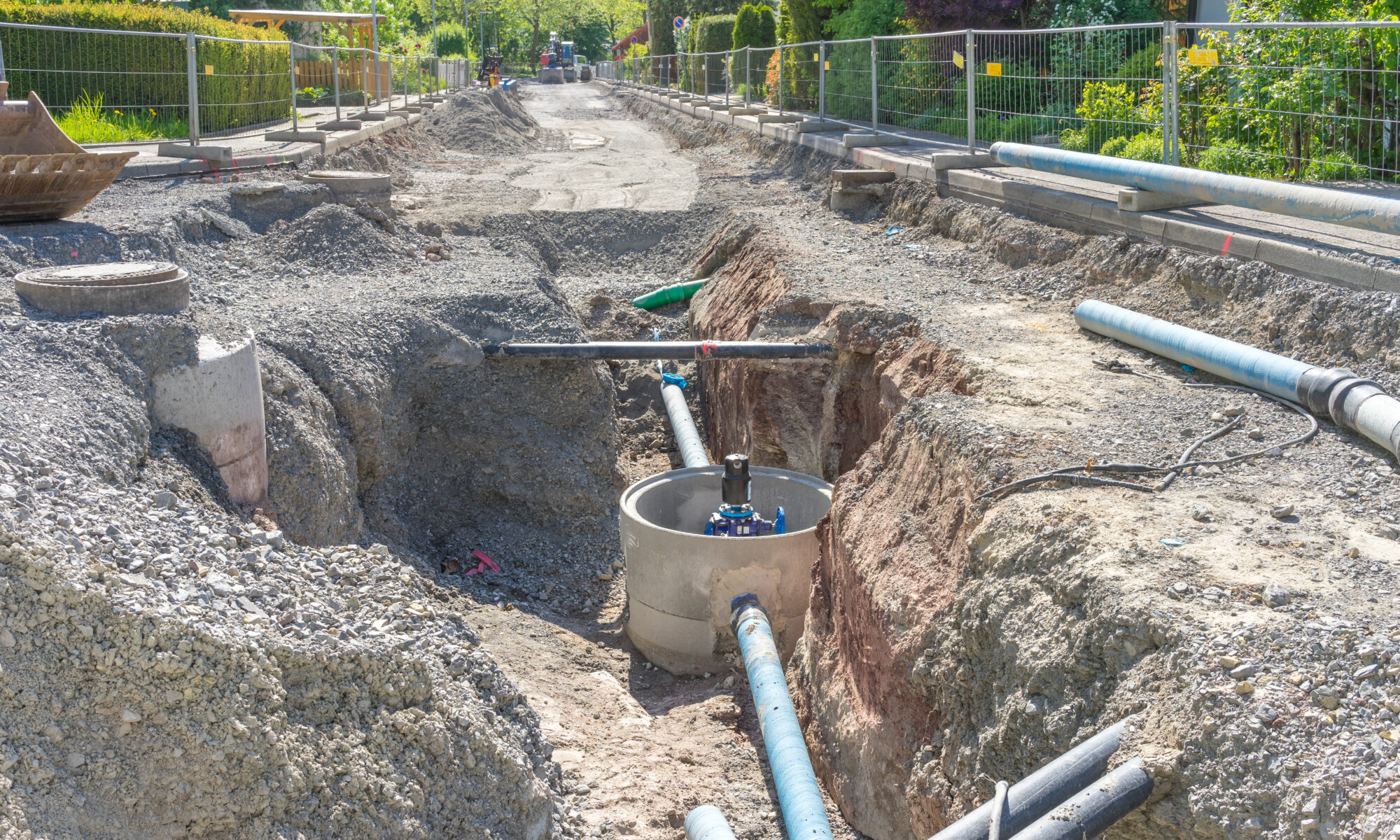
Trenchless or Dig-free sewer line repair is a modern, efficient method for fixing without extensive digging and disruption to the landscape. Unlike conventional methods that require large trenches to access and repair pipes, trenchless technology utilizes advanced techniques to minimize the impact on the surrounding area. This approach is increasingly popular due to its efficiency, cost-effectiveness, and reduced environmental impact.

Types of Non-Invasive Sewer Line Repair

trenchless sewer line installation There are several types of sewer line repair, each suited to different situations and types of damage:
  • Trenchless Pipe Lining (CIPP – Cured-In-Place Pipe)
  • Trenchless Pipe Bursting

Microtunneling Pipe Lining (CIPP)

Also known as cured-in-place pipe (CIPP) lining, involves inserting a flexible liner coated with resin into the damaged pipe. The liner is then inflated and the resin is cured, forming a new, durable pipe within the old one. This method is ideal for repairing minor cracks and leaks without the need for excavation.

Trenchless Pipe Bursting

This is a technique used to replace severely damaged or old pipes. It involves pulling a recent pipe through the old one while simultaneously fracturing the old pipe outward. This method is particularly effective for upsizing channels, as it allows the installation of larger-diameter tubes to increase flow capacity.

Benefits of Trenchless Sewerline Fixes

  1. Minute Disruption: Since they do not require extensive digging, Denver sewer repair companies cause small disruption to landscapes, driveways, sidewalks, and other structures.
  2. Affordability: While the initial cost may be higher than traditional methods, trenchless repairs often result in lower overall costs due to reduced labor, restoration, and time requirements.
  3. Quick Installation: Trenchless repairs can typically be completed in a fraction of the time required for traditional repairs.
  4. Environmentally Friendly: Less digging means reduced soil displacement and a smaller environmental footprint.
  5. Durability: Trenchless methods often use materials that are resistant to corrosion and root intrusion, extending the lifespan.

The Process of Trenchless Sewer Line Repair

Pipe Lining Process

  1. Inspection: A camera inspection is performed to assess the condition of the existing pipe and determine the extent of the damage.
  2. Cleaning: The pipe is thoroughly cleaned using hydro jetting or other steps to remove debris and roots.
  3. Liner Insertion: A pliant liner coated with resin is inserted into the cracked pipe.
  4. Curing: The liner is inflated and cured using hot water, steam, or UV light, forming a fresh pipe within the old one.
  5. Final Inspection: A final sewer scope denver Colorado ensures the integrity.

Pipe Bursting Process

  1. Preparation: Small access holes are dug at the beginning and end of the pipe section to be replaced.
  2. Insertion: A bursting head is inserted into the old pipe, connected to the newest one.
  3. Bursting: The bursting head is pulled through the old pipe, breaking it apart while simultaneously pulling the new pipe into place.
  4. Connection: The new pipe is connected to the existing plumbing system, and the access holes are backfilled.

Applications of Shovel-free Sewer Line Repair

This method is versatile and can be used in various settings, including:
  1. Residential Properties: Homeowners can benefit from fixing sewer line problems without damaging their lawns, driveways, or landscaping.
  2. Commercial Properties: Businesses can avoid disruptions to their operations and minimize downtime with quick and efficient repairs.
  3. Municipalities: Cities and towns can use non-disruptive methods to upgrade aging infrastructure and reduce the impact on traffic and public spaces.

Choosing the Right Trenchless Sewer Line Repair

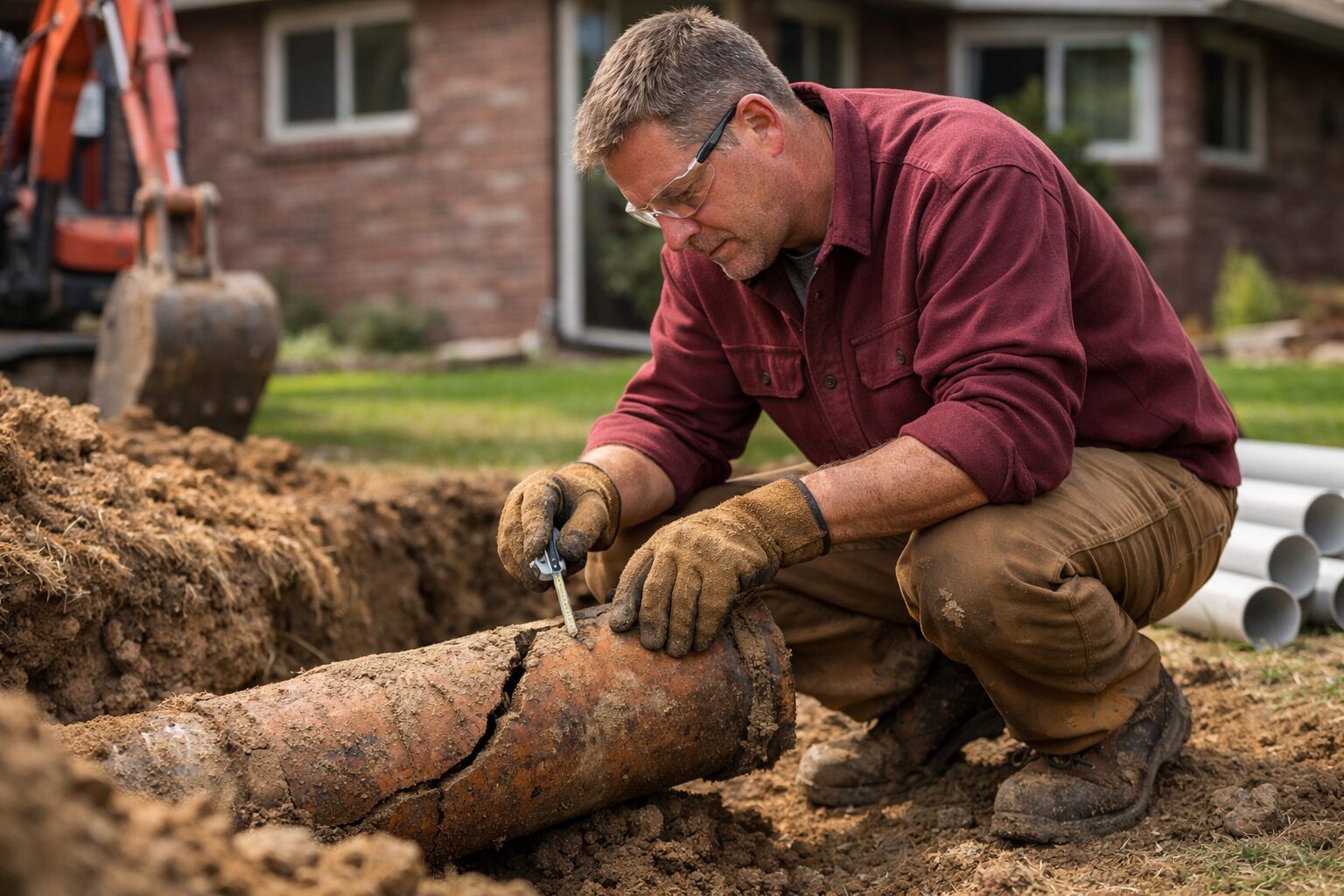
worker is locating Denver sewer lines The choice between pipe lining and bursting depends on several factors, including:
  1. Condition of the Existing Pipe: Minor cracks and leaks are suitable for pipe lining, while severely worn down or collapsed tube may require pipe bursting.
  2. Pipe Material: Different materials respond differently to each method. For instance, bursting pipes is more effective for replacing brittle materials like clay or cast iron.
  3. Location: The presence of nearby structures and utilities can influence the choice of method, as some repairs require access points and sufficient space for equipment.
  4. Budget: While both wayys offer cost savings over traditional processes, the specific costs can vary based on the extent of the damage and the length of the pipe to be repaired.

Advances in Trenchless Technology

Technological advancements continue to improve the efficiency and effectiveness. Some of the latest innovations include:
  1. Advanced Imaging: High-resolution cameras allow for more precise assessments and targeted fixes.
  2. Robotic Systems: Robotics can perform repairs in hard-to-reach areas, reducing the need for excavation.
  3. Eco-Friendly Materials: New materials are being developed that are more durable and environmentally friendly, further extending the lifespan.

The Future of Trenchless Drainage Line Repair

As urban areas continue to grow and infrastructure ages, the demand for efficient, cheap, and environmentally friendly sewer repair methods will increase. These types of technology is well-positioned to meet these demands, offering solutions that minimize disruption and maximize the lifespan of sewer systems.

Final Thoughts

No-dig sewer repair represents a significant advancement in the field of plumbing and infrastructure maintenance. By eliminating the need for extensive trenchless methods provide a quicker, more cost-effective, and environmentally friendly solutions. Whether dealing with minor cracks or complete pipe replacements, trenchless technology offers a reliable and durable option for property owners and municipalities alike. As techn continues to advance, the capabilities and applications will only expand, making it an essential tool for modern infrastructure maintenance.  

Get Reliable Repair Service in the Denver Metro Area Today!

Are you facing sewer line issues? Or wondering how much does video sewer inspection cost? At Sewer Experts, we specialize in lining and fragmenting, providing efficient, cost-effective, and environmentally friendly repairs that minimize disruption to your property.

Why Choose Us?

  • Minimal disruption to your property
  • Quick and efficient process
  • Long-lasting and durable solutions
Don’t let sewer line problems disrupt your life. Visit SewerEx to learn more about our trenchless repair services and schedule your consultation today!

Explore Our Services:

Get your sewer line fixed the right way—contact us now!

Frequently Asked Questions

1. What is non-invasive sewer line repair?

It is a method to fix or replace torn down sewer pipes without extensive digging. Techniques like pipe lining and pipe bursting minimize disruption and restore them efficiently.

2. How does no-dig pipe lining work?

It involves inserting a resin-coated liner into the damaged pipe, inflating it, and curing the resin to create a new pipe within the old one.

3. What is pipe or line bursting?

It involves pulling a current pipe through the old one while breaking the old pipe apart. This method is used for replacing severely damaged pipes and allows for upsizing.

4. What are the benefits?

Benefits include minor disruption to landscaping, cost-effectiveness, quicker installation, environmental friendliness, and durability.

5. When should I choose trenchless pipe lining vs. pipe bursting?

Choose pipe lining for minor cracks and leaks and bursting for severely damaged or collapsed pipings. The decision depends on the pipe’s condition, material, location, and budget.

6. What is the overview on the costs of trenchless line replacement

Trenchless sewer line replacement typically costs between $6,000 to $12,000, with how much does trenchless sewer line replacement cost per foot ranging from $135 to $285, depending on factors such as location, pipe size, and the specific trenchless method used. In urban areas like Denver, how much is trenchless sewer line replacement denver may be on the higher end of this range due to local factors.

7. What Are the Costs and Options for Trenchless Sewer Pipe Repair and Relining?

When considering how much does trenchless sewer line repair cost Denver, homeowners often look into trenchless sewer pipe repair and replacement options. It’s important to understand the trenchless sewer pipe repair cost and how it varies. The trenchless sewer pipe repair costs can differ based on factors such as the extent of the damage and the location of the problem. For those facing issues with their outside sewer pipe repair home, trenchless sewer pipe relining may be a viable solution. With advances in technology sewer pipe relining, the process has become more efficient and less invasive. Many homeowners wonder, how much does sewer pipe relining cost? The cost of sewer pipe relining can vary, and it’s useful to know the average cost of sewer pipe lining to budget accordingly. Additionally, the trenchless sewer pipe lining cost per foot is a specific metric that can help estimate the total expense of the project.  

Top 5 Signs You Have a Collapsed Sewer Line Needing Repair

A collapsed sewer pipe is a homeowner’s nightmare. Not only can it cause significant damage to your property, but it can also be costly and time-consuming to fix. Understanding the signs of collapsed sewer line is vital for preventing extensive ruin and addressing the case promptly. In this article, we will explore the five signs that indicate your main sewer line may have collapsed and need immediate servicing. denver collapsed sewer line repair

1. Persistent Drain Clogs and Slow Draining

One of the most common and early signs of a collapsed main sewer line is clogged drain plug-ups and slow draining. While occasional plug-ups are normal and can be attributed to a build-up of debris or oil, frequent blocks occurring simultaneously in multiple fixtures suggest a more serious result.

Why This Happens

When a sewer pipe is collapsed, it disrupts the normal flow of wastewater. This obstruction causes trash to accumulate at the point of collapse, leading to blockages that affect your entire plumbing network. Over time, the blockage becomes more severe, causing water to drain slowly or not at all.

What to Look For

  • Multiple Clogs: If you notice plugs occurring in different spouts around the same time, this could indicate a problem with your main sewer line rather than individual pipes.
  • Slow Draining Water: Water that drains slowly is a red flag. Pay particular consideration if this concern persists despite using drain cleaning products or plungers.
  • Gurgling Sounds: Strange noises coming from your discharges, especially when using other fixtures, can be a sign of air trapped in the drainage framework because of a line collapsed or clogged.

2. Sewage Backups and Overflows

These are some of the most alarming and awful signs as an result of a caved in sewer lines. When sewer water cannot flow freely through your sewer pipeline, it has nowhere else to go but back up into your home.

Why This Happens

A collapsed sewer pipe includes a complete or partial blockage, preventing it from flowing out to the municipal sewer system or septic tank. Instead, it backs up into your home’s lowest points, typically the basement or first-floor sewers.

What to Look For

  • Foul Fragrances: The scent of filth in your home is a clear indicator of a problem with your sewer pipe. This can emanate from drains, toilets, or the basement.
  • Visible Sewage: If you see sludge backing up into outlets this is a serious event that requires immediate attention.
  • Water Stains: Look for water stains or damp spots around your basement floor discharge. These could indicate a sewerage block that hasn’t yet become critical.

3. Unpleasant Odors

Stenches coming from your outlet are another significant sign of a collapsed pipe. These are not only nasty but can also pose health risks if left unaddressed. collapsed sewer line denver

Why This Happens

A collapsed pipe can cause junk to drip into the surrounding soil, which leads to smelling both inside and outside your home. The accumulation of garbage material can also cause gases to build up and escape through your vents.

What to Look For

  • Smelly Sewer: If you notice a persistent filth smell in your home, especially near drains or in the basement, it’s a strong indication of a sewer pipes problem.
  • Outdoor Stench: Stinks in your garden, particularly near where your sewer pipes run, suggest that sewerage may be seeping into the ground.
  • Gaseous Smells: Sometimes, you might detect a rotten egg smell (hydrogen sulfide) which is a byproduct of decomposing rubbish.

4. Lush Patches in the Backyard

While a green, lavish lawn is usually a desirable feature, unusually dense areas can be a sign of pipe clogs or collapses. This happens when discharging garbage acts as a fertilizer, promoting the rapid grow of grass and plants.

Why This Happens

When a main sewer line collapses it can cause breaks or cracks that allow rubbish to seep into the surrounding soil. The nutrients in the drainage provide an excellent fertilizer for vegetation, leading to unusually rich areas in your lawn.

What to Look For

  • Uneven Increase: Look for areas in your lawn where the grass or plants are growing faster and more robustly than in other areas.
  • Wet Spots: Marks of grass that are consistently wet or soggy, even during dry weather, may indicate a leak from the drain pipes.
  • Sinkholes: In serious cases, the soil may become so saturated with wastewater that it begins to erode, forming holes or depressions in your yard.

5. Foundation Cracks and Settling

Structural damaged to your home can also be a sign that a pipe has collapsed. This occurs when leaking sewage undermines the integrity of the soil supporting your house infrastructure.

Why This Happens

A collapsed sewer pipe can cause significant erosion of the soil around and beneath your establishment. The loss of this supporting soil can lead to cracking and other structural challenges.

What to Look For

  • New or Worsening Cracks: Pay attention to any new cracks in your home’s support, walls, or floors, particularly if they appear swiftly or worsen over time it will make those sewer lines to collapse.
  • Uneven Floors: If you notice that your floors are becoming uneven or sloping, this could be a sign that the ground is settling by reason of soil erosion.
  • Doors and Windows: Doors and windows that are suddenly difficult to open or close may indicate a shift in your home’s structure caused by the foundational settlement.

Addressing a Collapsed Sewer Line Early

If you doubt that your sewer line has collapsed, it’s essential to take immediate action to prevent further damage and health hazards. Be aware of collapsed sewer line symptoms and the signs of a collapsed drain pipe, as these can indicate a serious problem. Understanding the collapsed sewer line repair cost is crucial for budgeting, and it’s important to know whether does homeowners insurance cover collapsed sewer lines or is a collapsed sewer line covered by insurance. If you’re experiencing these issues, consult a professional to assess the situation and provide the necessary repairs.

1. Contact a Sewer Line Professional 

The first step is to calling a licensed and experienced sewer line professional who specializes in collapsed sewer line repair. They will assess a thorough inspection, often using advanced techniques such as video checkups, to diagnose it accurately.

2. Consider Trenchless Repair Methods

Advanced Plumbing offers a trenchless repairing that is less interfering and more cost effective than traditional excavation. Techniques such as pipe bursting or pipe lining can restore them without the need for extensive digging and disruption to your property.

3. Prevent Future Problems

Once it is complete, take steps to hinder forthcoming sanitation concerns. Regular maintenance, such as annual examinations and proper disposal of junk, can help keep your drainage in good condition. Stop flushing items that can cause blockages, such as wipes, feminine hygiene products, and lubes.

Summary

This is a serious problem that requires immediate care to avoid extensive detriment to your property and health hazards. By recognizing the signs early—persistent drain plug-ups, sewage plug-ups, obnoxious essences, green patch-ups in the yard, and baseline cracks—you can take action before the situation worsens. If you presume the problem, contact a pro to require sewer line repair and immediately identify the matter. Utilizing modern restoration and maintaining your sewerage can help preclude later difficulties and guarantee the longevity of your plumbing network. Understanding these signs and knowing how to address it can save you time, money, and stress, ensuring a safe and healthy environment for your home. It’s important to start by assessing the condition, as misaligned pipes, tree root growth over the fallen sewer, and underground pressure can all lead to problems. A licensed plumber can help spot the issue, whether it’s a break in the main line or a backup causing an odor near your sink, toilet, or bathtub. Addressing these issues promptly can prevent further damage to your house’s foundation. In an emergency, having information on the best options for repairs and backups can be crucial. Eventually, the backup may lead to more significant outcomes if not handled properly.

Get Expert Sewer Line Repair in the Denver Metro Area

Dealing with it can be stressful and overwhelming, but you don’t have to face it alone. We specialize in providing first-rate sewer line repair services throughout the Denver metro area. Our team of professionals is equipped with the latest machinery and techniques to pinpoint and fix your sewer network concerns instantly and efficiently.

Why Choose Us?

  • Knowledgeable Technicians: Our team has years of experience handling a wide range of sewer line topics.
  • Advanced Technology: We use state-of-the-art apparatus, including video camera inspection and trenchless repair, to ensure a thorough and minimally aggressive fixing.
  • Prompt Service: We understand the urgency of your troubles and offer fast, reliable service to get your home back to normal as quickly as possible.
  • Affordable Solutions: We provide transparent pricing and cost-effective solutions tailored to your specific needs.

Our Services Contain:

Don’t Wait Until It’s Too Late!

If you doubted the problem, don’t wait for it to become a bigger issue. Reach out for a free consultation and let us help you restore your sewer framework to optimal condition. Understanding these signs and knowing how to address a collapsed area

Contact Us Today!

Take the first step towards solving your clog by reaching out to the trusted professionals in our company. Your satisfaction and peace of mind are our superior priorities.

FAQ: Collapsed Sewer Lines

What causes a sewer line to collapse?

Collapse due to older sewer, tree root intrusion, shifting soil, or impair from heavy equipment or ground settling.

How can I confirm if my sewer line has caved in?

Signs such as frequent drain plugs, foul scents, lavish spots in your lawn, and framework cracks suggest a clog or collapse sewer line. An expert will require using a video inspection.

What should I do if I suspect that it is that issue?

Call a licensed professional immediately for an inspection and diagnosis. Delaying can lead to more extensive harm.

Are there less invasive methods to remedy a sewer line that has collapsed?

Yes, trenchless sewer replacement and pipe bursting and pipe lining can fix the collapsed pipe without extensive excavating, minimizing disruption to your property.

How can I forbid future sewer line collapses?

Collapsed sewer line include frequent maintenance, annual checkups, and proper waste disposal (avoiding rinsing non-degradable objects) can help keep it in good condition and avoiding approaching issues.

How to Find Water Line Leak? * Denver Water Line Service

Water is a precious resource that we rely on for daily activities, from cooking and cleaning to gardening and bathing. However, a leaking pipe can threaten our homes and wallets, making significant damage if left unaddressed. Identifying concealed water line leak symptoms is essential to hinder escalating costs and mitigate potential health hazards in your water main. This article explores how to recognize, discover, and address a water line leak before it leads to more severe consequences in your water main.

Early Water Line Leak Detection

leaking sewer water line Before diving into the detection methods, let’s understand the signs that could indicate a problem to completely cover your home.
  • High Water Bills: An unexpected spike in your water bill could be an indication of a spill. Even if your water usage habits haven’t changed, a substantial increase in utility charges might reveal that water is escaping from the tubes undetected. Compare your current charges to previous months to recognize discrepancies.
  • Mold and Mildew Growth: Unusual dampness or mold patches can result from a main water line leak. Mold thrives in damp environments, and a persistent water source creates an ideal breeding ground. If you notice a musty smell or see dark stains growing, it could detail a water leak behind partitions or beneath the grounds.
  • Low Water Pressure: If the water flow from taps or showers is lower than usual, it might indicate that the water isn’t reaching its intended destination because of a loss somewhere in the pipelines.
  • Water Stains or Wet Marks: Discoloration on ceilings is a telltale sign of a leaking pipe. It might also appear on the ground, especially near plumbing repairs. In the first stages, these might appear as faint yellowish-brown stains, but over time, they can cause significant structural damage.

Techniques to Detect Unseen Water Infiltration

Detecting water line leakages requires a mix of observation and testing. Here are some procedures you can use to determine and confirm a leak is coming.

Monitor Your Water Meter:

  1. Turn off all water-using appliances and taps.
  2. Locate your water meter (typically near the curb or in a basement).
  3. Note the current meter reading and wait for at least two hours without using any water.
  4. Check the meter reading again. If the reading has changed, there’s likely a seeping pipe.

Dye Test for Toilets: Toilets are notorious for seeping silently. To check for seeps:

  1. Add a few drops of food coloring into the toilet tank.
  2. Wait for 15 to 20 minutes without flushing.
  3. If the water in the bowl has changed shade, that is due to leakages.

Visual Monitoring

Conduct a clean and thorough study of visible tubes, and connections for signals of rust, corrosion, or wear. Look for drips of water, condensation on pipelines, or damp locations around the fittings.

Listen for Dripping or Rushing Water

Sometimes, leaking pipes are identifiable by noise alone. In a quiet environment, be all ears to faucets or walls for any rushing water. This method can be particularly useful for behind-the-wall flows.

Advanced Leak Detection Tools and Techniques

drain cleaning sewer line In cases where outflows are not instantly visible or audible, advanced technology in water leak detection can help pinpoint their location.
  • Infrared Camera Inspection: Thermal imaging can reveal temperature differences on partitions or floors. Cold spots indicate where water has escaped and affected the surrounding areas. Professionals often use infrared cameras to discover these anomalies quickly.
  • Moisture Meters: Specialized meters measure the water content in building materials like wood or drywall. If an area is damper than it should be, it could indicate a nearby seepage.
  • Acoustic Detectors: These specialized listening devices can indicate the sound of leaking water, even underground. Plumbing professionals often use them to find a seep based on the noise generated by water escaping.

Professional Help

Sometimes, fixing a leaking pipe requires a professional plumber due to its severity or location. The issue may occur in a place where the valve or seal needs to be replaced, or the size of the predicament might be too large to handle alone. Additionally, leaks under sinks or in the bathroom often require special materials and tools. Scheduling an appointment with a professional ensures that the it is properly addressed and that your sanitation system remains clean and functional.

When to Call a Plumbing Expert

While DIY procedures can fix hot water leaks in your main water line, from minor to more severe cases necessitate skilled help. If it is resulting structural damage, involves underground pipes, or has affected your electrical system, contact a licensed plumbing professional immediately for leak repairs.

Finding a Reliable Professional: Choosing the right plumbing professional can be challenging, but you can follow a few steps:

  1. Look for authorized, insured, and experienced professionals.
  2. Read reviews and ask for referrals from friends or neighbors.
  3. Request detailed quotes and compare pricing.
  4. Ensure they specialize in leak detection and repair.

Preventive Measures

Preventing a main water line crack is better than curing them. Here are a few to consider.

Routine Sanitary Inspections

Scheduling regular checkups can help to fix a leaky pipe and catch issues. It can describe a worn-out fitting, corroding, or other vulnerabilities that could lead to a pipe leak.

Proper Insulation

Pipes that are exposed to frozen conditions are prone to bursting, leading to a pipe leak and water damage. Insulate pipes in unheated spaces like attics, basements, or exterior barriers to protect them.

Water Pressure Regulation 

High-pressure water can strain draintubes and grow the likelihood of a pipe leak. Set up a regulator to sustain a safe level throughout your plumbing system.

Summary

Finding and addressing a smaller leak in the main water line is crucial for minimizing damage and reducing costs. By being aware of the indications and using appropriate detection techniques, you can save yourself from the headaches of major repairs and skyrocketing charges. Additionally, seeking help from a professional plumber to fix a leaking pipe and implementing preventive actions can keep your water pipes in good health, protecting your home and wallet in the long run. Inspect your kitchen and bathroom valves regularly as part of your maintenance routine to avoid emergency issues. It’s common for homeowners to overlook small leaks, but addressing them promptly is the best way to ensure your house is kept in good condition.

Having a complete guide to shut off the water supply and turn off a running sink, shower, and other fixtures can be very useful. A plumber can offer valuable advice on the best materials to use and may appoint a team to handle larger repairs. When you’re dealing with a problem, request an examination to ensure everything is working correctly. Properly sealing valves and keeping your house’s plumbing system clean will avert issues and maintain the integrity of your home.

For example, if you find a leak in your black pipe water line, using a black pipe water line repair coupling can be an effective solution. If the leak is in a PEX system, a PEX water line repair SharkBite coupling can provide a quick fix. For inside home water line repair, consider the layout of your plumbing system, while underground galvanized water line repair may require specialized equipment. If you’re looking for a water line repair company, make sure to choose one with a good reputation. For black plastic water line repair, outdoor water line repair, or outside water line repair near me, local professionals can assist you. Depending on the severity of the leak, you might need water line repair clamps or epoxy to seal the issue. Always be mindful of the main water line leak repair cost, as the cost to repair main water line leak can vary. Understanding the cost to fix main water line leak can help you budget accordingly. If you’re unsure how to fix a main water line leak or how to repair a main water line leak, consulting a professional is advisable.

Be aware of main water line leak symptoms, as they can indicate a more serious issue. If you find yourself asking, “How much does it cost to repair a main water line leak?” or “What to do when a main water line leaks?” it’s best to seek expert advice. Additionally, if you have a swimming pool plumbing system design, ensure it is properly integrated with your home’s water lines. Knowing kitchen sink water supply line sizes and the types of toilet water supply lines can also aid in preventative maintenance.


Don’t Let Hiding Leakage Drain Your Wallet!

Need Skillfull Plumbers? Water leaking can lead to significant damage and unexpected costs. Trust Sewer Expert’s team to find, and fix leak or replace them efficiently, and restrain costly repairs down the road. Schedule your comprehensive inspection today, and hire a plumber to safeguard your home against water damage.

FAQ: Identifying a Break in the Primary Water Pipes

  • What are some signs that I might have a water leak?

Plumbing leak include:
  • Unexpectedly large water bill despite consistent usage.
  • Mold or mildew growth due to excessive dampness.
  • Reduced water force in a faucet or shower.
  • Water stain on wall, ceiling, and floor.
  • How can I check if my toilet is draining by myself?

You can work a simple dye test:
  • Put a few drops of coloring into the toilet tank.
  • Wait 15-20 mins. without flushing.
  • If the pottery water changes color, your toilet is loosing water.
  • What tools or methods can I use to distinguish a leak myself?

You can:
  • Watch your water meter: Check if it shows water usage even when all taps are off.
  • Pay attention carefully to the noise of water drips or rushing.
  • Perform a visual investigation of visible lines and fixtures for signs of wear, rust, or condensation.
  • When should I call a waterworks professional?

You should call if:
  • The spill is causing structural damage to your home.
  • It involves underground tubes behind partitions.
  • Water is leaking near or into the electrical wirings.
  • DIY procedures cannot recognize or fix the problem.
  • How can I prevent future predicaments in my home?

To prohibit future concerns:
  • Schedule standard plumbing examinations and address issues.
  • Insulate lines exposed to freezing temperatures, such as those in attics or bases.
  • Set up a pressure regulator to stop great water urge from staining.