Sewer Repair Denver: Complete Guide to Fixing Your Sewer Line Fast

Introduction

Your sewer line broke. Now you need sewer repair Denver help fast. But what is sewer repair exactly? How does sewer line repair work in Denver? This guide shows you everything.

Sewer repair Denver fixes pipes that carry waste from your home. So when your sewer line breaks, you need quick help. The repair process stops sewage backups. It also protects your Denver property from water damage.

Denver homes face unique sewer repair challenges. Clay soils shift and crack pipes. Tree roots grow into old sewer lines. Winter freezes damage aging pipes. Plus, many Denver homes have sewer lines over 50 years old.

You’ll learn about sewer repair Denver methods here. We cover trenchless repair options too. Also, you’ll see real repair costs. Then you can choose the best fix for your broken sewer line.

Marisa Beaver and the Sewerex team serve Denver homeowners daily. We’ve fixed thousands of sewer lines across Colorado. Our Denver sewer repair experts use the latest tools. So you get fast, lasting fixes for your sewer problems.


Table of Contents

  • What Is Sewer Repair Denver and Why You Need It
  • Common Sewer Line Problems in Denver Homes
  • How Sewer Line Repair Works in Colorado
  • Trenchless Sewer Repair Options for Denver Properties
  • Sewer Replacement Cost Denver: What to Expect
  • Finding Broken Sewer Line Repair Near Me
  • When to Call Denver Sewer Repair Experts

What Is Sewer Repair Denver and Why You Need It

Sewer repair Denver fixes your damaged waste pipes. These pipes carry sewage from your home to the city’s main line. So when pipes break, sewage backs up into your house.

Denver sewer repair solves many pipe problems. Cracks let tree roots inside your sewer line. Breaks cause sewage leaks in your yard. Clogs stop waste from flowing out. Collapsed sections block your entire sewer system.

Most Denver homes need sewer repair eventually. Clay soil moves as it gets wet and dry. This movement cracks your sewer line over time. Tree roots seek water and grow into small cracks. Then roots expand and break pipes completely.

Key Takeaway: Sewer repair Denver prevents sewage backups and protects your home from costly water damage.

Signs You Need Sewer Line Repair Colorado

Watch for these warning signs. Slow drains throughout your home signal sewer problems. Gurgling sounds from toilets mean air is trapped. Sewage smell in your yard shows a leak. Wet spots in your lawn indicate broken pipes.

Multiple clogged drains need immediate attention. So does sewage backing up into your basement. These signs mean your sewer line has serious damage. You need professional Denver sewer repair right away.

The EPA’s wastewater management guidelines explain why quick sewer repair matters. Untreated sewage damages the environment. It also creates health risks for your family.

Why Denver Sewer Lines Break

Denver’s climate creates unique sewer repair challenges. Winter freezes crack old clay pipes. Spring thaws shift soil and stress connections. Summer heat dries clay soil and causes settling.

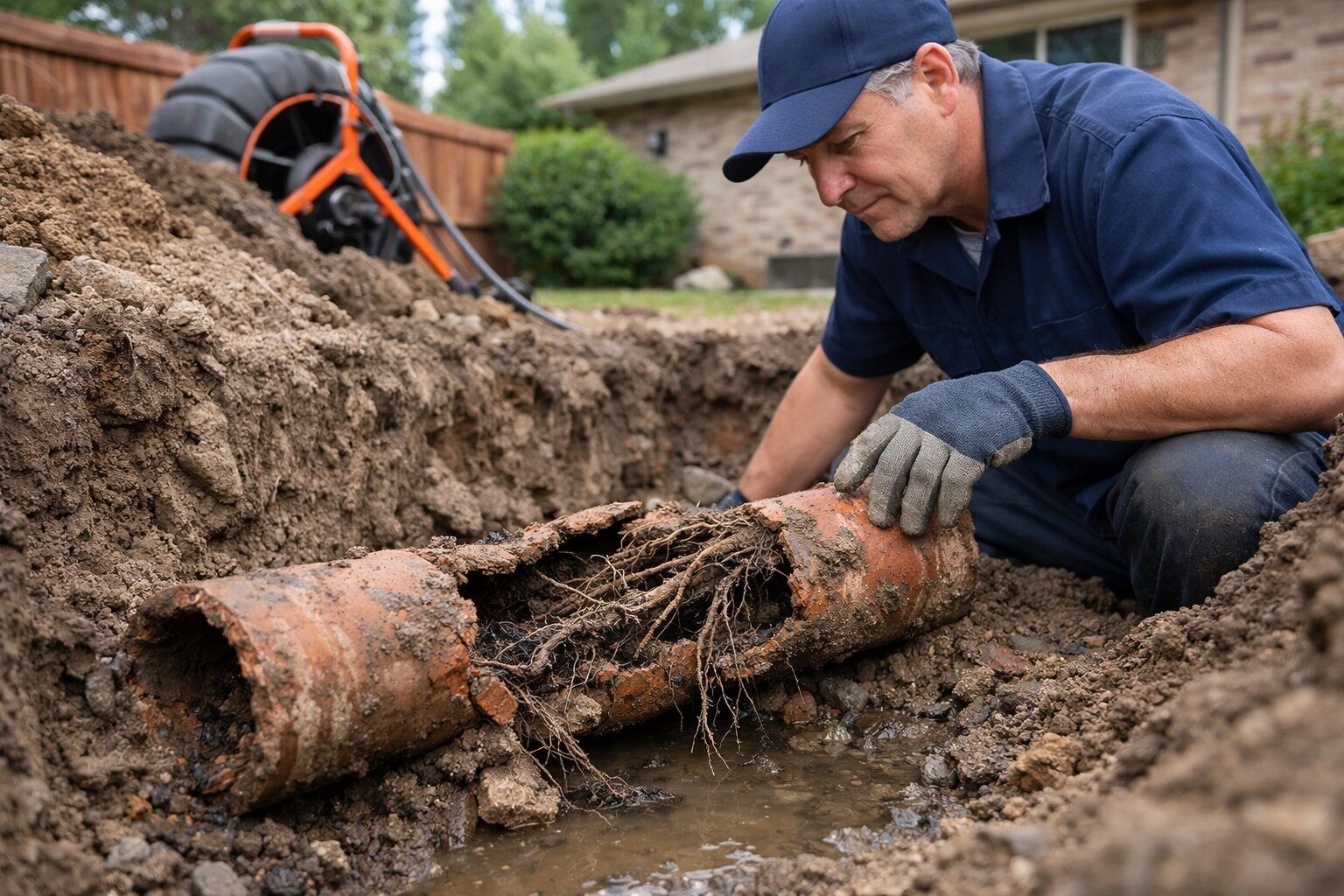
Tree roots cause most Denver sewer repair calls. Cottonwoods, willows, and aspens have aggressive roots. These roots find small cracks in your sewer line. Then they grow larger and break pipes apart.

Old pipes need replacement eventually. Cast iron pipes rust after 50 years. Clay pipes crack from soil movement. Orangeburg pipes collapse from age. So many Denver homes need complete sewer replacement.

Our Denver sewer line inspection services find problems before they worsen. We use video cameras to check your entire line. Then you see exactly what repair you need.


Common Sewer Line Problems in Denver Homes

Denver sewer repair fixes several pipe issues. Tree root intrusion ranks as the top problem. Roots grow through small cracks seeking moisture. Then they expand and block your entire line.

Pipe corrosion affects older Denver homes. Cast iron pipes rust from inside out. This rust creates holes and causes leaks. Eventually, corroded pipes need complete replacement.

Ground shifting breaks sewer lines regularly. Denver’s clay soil expands when wet. It shrinks when dry. This constant movement stresses pipe connections. So joints separate and pipes crack.

Expert Insight from Marisa Beaver, Sewerex Owner: Denver’s unique soil conditions require special sewer repair expertise. Clay soils put extra stress on aging pipes. So we inspect every line carefully before recommending repairs. This approach saves homeowners thousands in unnecessary work.

Root Damage and Blockages

Tree roots destroy Denver sewer lines quickly. Small roots enter through tiny cracks. They grow into thick mats inside pipes. These root masses trap waste and cause backups.

Cutting roots provides temporary relief only. Roots grow back within months. So permanent sewer repair Denver requires pipe replacement. Or you need trenchless lining to seal cracks.

Hydro jetting clears severe root blockages. High-pressure water cuts through root masses. But this only works if pipes aren’t too damaged. Our drain cleaning services assess your line first.

Bellied and Collapsed Pipes

Settling soil creates bellied sewer lines. The pipe sags in the middle. Waste collects in the low spot. Then clogs form and backups happen.

Collapsed pipes need immediate Denver sewer repair. The pipe completely caves in. No waste can flow through. Your entire plumbing system stops working.

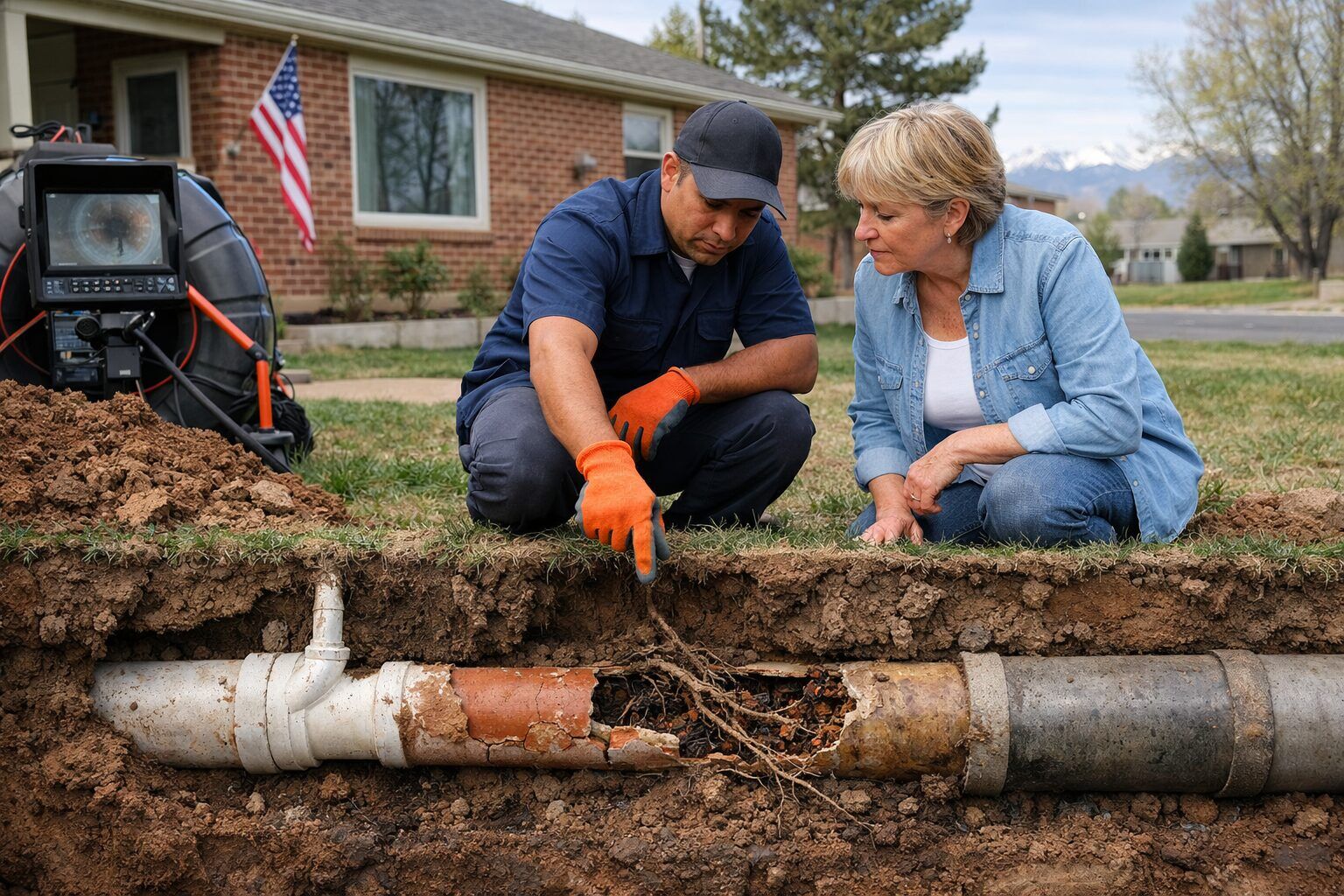
Video inspection shows exactly where problems exist. We see cracks, roots, and collapses clearly. Then we plan the most effective sewer repair Denver approach.


How Sewer Line Repair Works in Colorado

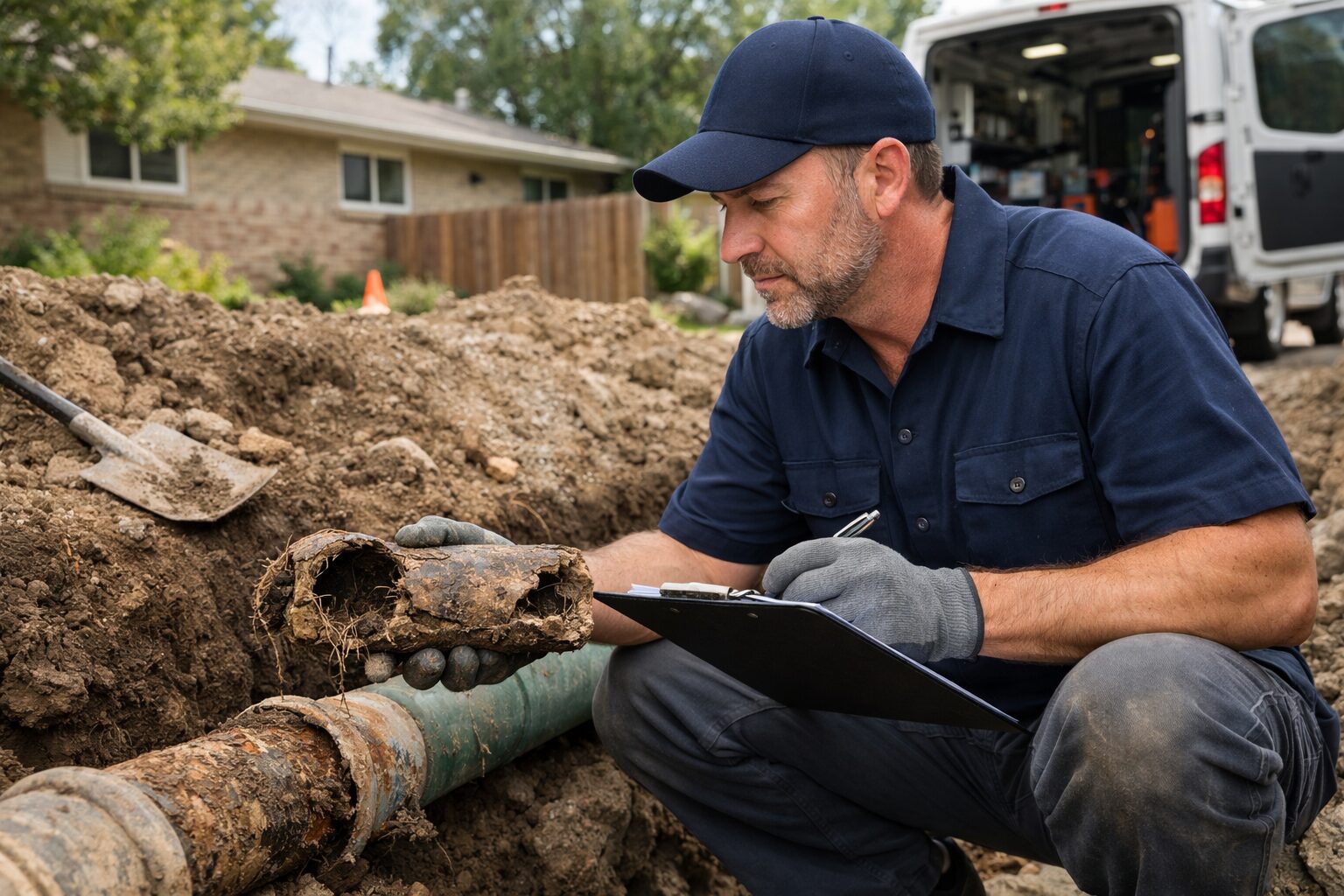
Denver sewer repair starts with inspection. We insert a video camera into your cleanout. The camera travels through your entire sewer line. So we see all damage clearly.

Next, we locate the damaged section. GPS tracking marks the exact spot. This precision helps us dig only where needed. So your yard gets minimal disruption.

Then we choose the best repair method. Small cracks get trenchless lining. Severe breaks need pipe replacement. Completely collapsed sections require excavation. Each Denver home needs a custom solution.

The Denver Department of Public Works requires permits for sewer work. We handle all paperwork for you. So your repair meets city codes perfectly.

Traditional Excavation Repair

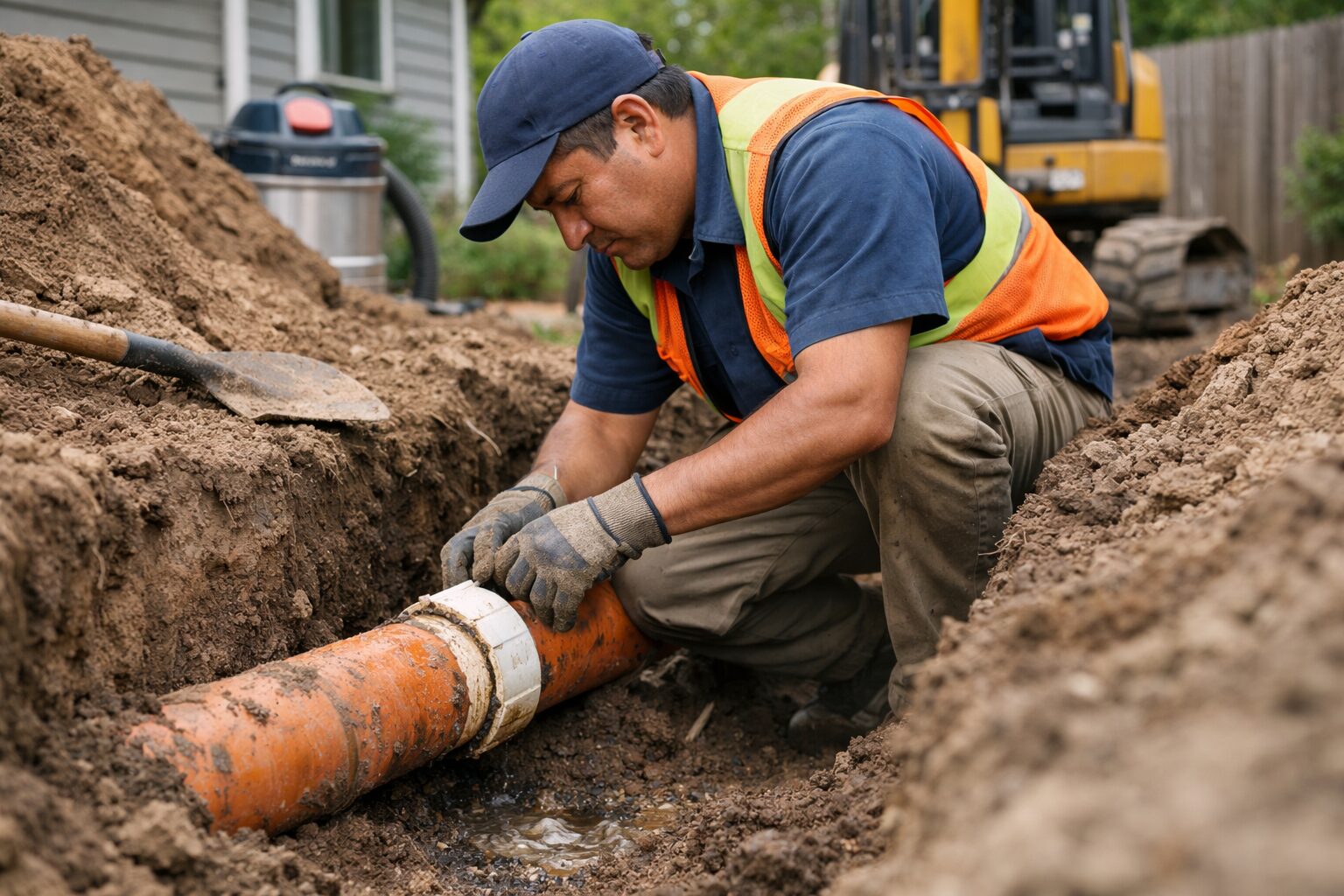
Traditional sewer repair Denver means digging trenches. We excavate soil above your damaged pipe. Then we remove the broken section. New pipe gets installed in its place.

Excavation works for severely damaged lines. It also handles complete sewer replacement needs. Plus, we can upgrade to larger pipes. This prevents future clog problems.

Digging takes more time than trenchless methods. Your yard needs restoration after work finishes. But excavation costs less for extensive damage. So it makes sense for many Denver repairs.

Modern Trenchless Methods

Trenchless sewer repair Denver saves your landscaping. We access pipes through existing cleanouts. No digging trenches through your yard. So grass, gardens, and driveways stay intact.

CIPP lining creates a new pipe inside your old one. We insert a resin-coated liner. It expands against the old pipe walls. Then it hardens into a smooth new surface.

Pipe bursting replaces lines without trenching. We pull a bursting head through your old pipe. It breaks the old pipe apart. New pipe follows behind immediately. Your lawn sees minimal disturbance.

Our trenchless pipe lining services complete repairs in one day. You get a 50-year warranty on new lining. Plus, your property looks unchanged after work.


Trenchless Sewer Repair Options for Denver Properties

Trenchless sewer repair Denver offers major advantages. No digging means less mess. Work finishes faster than traditional methods. Your landscaping stays beautiful throughout repairs.

CIPP lining works for most pipe damage. Small cracks get sealed permanently. Root entry points close completely. The new lining resists future tree root growth.

Denver homeowners love trenchless repair speed. Traditional excavation takes 3-5 days. Trenchless methods finish in one day. So your life returns to normal quickly.

Pro Tip: Trenchless sewer repair Denver works best for pipes with minor to moderate damage. Completely collapsed lines still need excavation.

Cured-In-Place Pipe Lining

CIPP lining creates a pipe within your pipe. We clean your sewer line first. Then we insert a flexible liner coated with epoxy resin. Air or water pressure expands the liner.

The liner presses against your old pipe walls. UV light or hot water cures the resin. It hardens in just hours. You get a brand new pipe inside the old one.

This Denver sewer repair method lasts 50+ years. The smooth surface resists clogs better. Tree roots can’t penetrate the seamless lining. So you won’t need repairs again soon.

Lining costs more than simple repairs upfront. But you save money long-term. No repeated root removal calls. No future excavation expenses. Your sewer line works perfectly for decades.

Pipe Bursting for Replacement

Pipe bursting replaces your entire sewer line. We dig small access pits at each end. A steel bursting head pulls through your old pipe. It fractures the old pipe as it moves.

New HDPE pipe follows immediately behind. The bursting head pulls it into place. Your new pipe is stronger than the old one. It resists root intrusion and corrosion.

This trenchless method works under driveways and buildings. No digging up hardscaping saves thousands. Denver homeowners with concrete patios choose this option. So do homes with extensive landscaping.

Pipe bursting handles severe damage well. Even collapsed sections get replaced. You get a completely new sewer line. Plus, work finishes in just 1-2 days.


Sewer Replacement Cost Denver: What to Expect

Sewer replacement cost Denver varies by method. Traditional excavation runs $3,500 to $7,000. Trenchless repair costs $4,500 to $15,000. Complete sewer replacement reaches $15,000 to $30,000.

Several factors affect your Denver sewer repair price. Pipe depth increases labor costs. Longer lines need more materials. Difficult access raises equipment expenses. Your specific situation determines final costs.

Denver’s rocky soil sometimes increases prices. Hard rock requires special excavation equipment. This adds to total sewer repair Denver expenses. But our team has tools for all soil types.

Most homeowner’s insurance covers sudden sewer line breaks. Gradual deterioration usually isn’t covered. Check your policy before starting work. We provide detailed estimates for insurance claims.

Cost Breakdown by Repair Type

Video inspection costs $200 to $500 in Denver. This diagnostic step prevents unnecessary work. You see exactly what repair you need. So you make informed decisions about fixes.

Spot repair for small sections runs $1,000 to $3,000. We fix just the damaged area. The rest of your sewer line stays intact. This works for localized breaks or cracks.

Full line replacement represents the largest expense. Traditional excavation costs less overall. But trenchless methods save on landscape restoration. Consider total project costs when choosing.

The Colorado Department of Public Health recommends proper sewer system maintenance. Regular inspections catch problems early. So you avoid expensive emergency repairs later.

Financing Sewer Repair in Denver

Many Denver homeowners finance sewer repair costs. We offer payment plans for qualified customers. You can spread costs over 12-60 months. So unexpected repairs don’t drain savings.

Home equity loans provide another option. Interest rates beat credit card rates significantly. You can deduct interest on your taxes too. So this makes sense for major repairs.

Some local programs help low-income homeowners. Denver offers sewer line assistance in certain cases. Contact the city’s housing department for details. We’ll help you explore all options.

Emergency repairs can’t wait for financing approval. We work with you to find solutions. Your sewer line needs fixing immediately. So we’ll start work and arrange payment details.


Finding Broken Sewer Line Repair Near Me

Searching “broken sewer line repair near me” returns many options. But not all Denver sewer repair companies offer equal service. You need experienced, licensed professionals. Check credentials before hiring anyone.

Look for companies with Colorado plumbing licenses. Verify insurance coverage protects your property. Read recent customer reviews online. Ask for references from past Denver clients.

Emergency sewer repair Denver requires 24/7 availability. Sewage backups don’t wait for business hours. Choose a company that responds quickly. We answer calls day and night.

Local Denver sewer repair expertise matters. Different neighborhoods have different pipe materials. Soil conditions vary across the metro area. Local knowledge prevents mistakes and saves money.

What to Ask Sewer Repair Companies

Request detailed written estimates from contractors. The quote should list all work clearly. Material costs and labor should show separately. This transparency helps you compare bids accurately.

Ask about warranty coverage on repairs. Reputable Denver sewer repair companies guarantee work. Trenchless lining should carry 50-year warranties. Pipe replacement needs at least 10-year coverage.

Verify the company carries proper licensing. Colorado requires plumbing contractor licenses. Check with the Department of Regulatory Agencies online. This confirms legitimate business status.

Insurance protection matters for your security. Companies need liability and workers compensation coverage. This protects you from accident liability. Request proof of current insurance certificates.

Emergency Sewer Repair Services

Sewage backups create health emergencies. Raw sewage contains dangerous bacteria. It also damages your home quickly. So you need immediate Denver sewer repair response.

Our emergency services operate 24/7/365. We arrive within hours of your call. Our trucks carry all needed equipment. So we start work immediately upon arrival.

Emergency sewer repair Denver often costs more. After-hours service includes premium charges. But preventing sewage damage saves money overall. Your home and health come first.

We contain sewage spills immediately. Then we clear blockages quickly. Finally, we repair the underlying problem. This complete approach prevents repeat emergencies.


When to Call Denver Sewer Repair Experts

Call sewer repair Denver pros at first warning signs. Don’t wait for complete backups. Early repairs cost less than emergencies. Plus, you avoid sewage damage cleanup.

Multiple slow drains signal sewer line problems. One clogged drain means local issues. But several slow drains indicate main line blockage. This needs professional Denver sewer repair immediately.

Sewage odors in your home require urgent attention. Sewer gas contains methane and hydrogen sulfide. These gases create health risks. They also indicate serious pipe damage.

Standing water in your basement needs investigation. It might signal sewer line backup. Or it could mean foundation drain problems. Either way, call experts to diagnose issues.

Common Mistake to Avoid: Don’t use chemical drain cleaners for sewer backups. These products damage pipes further. They also endanger plumbers who work on your line later.

Preventing Future Sewer Problems

Regular maintenance prevents most Denver sewer repair needs. Schedule video inspections every 2-3 years. Catch small problems before they grow. This saves thousands in emergency costs.

Tree root barriers protect your sewer line. Install them during landscaping projects. Choose slow-growing trees near sewer routes. Keep aggressive root systems away from pipes.

Professional drain cleaning removes buildup safely. We use hydro jetting for thorough cleaning. This clears grease, scale, and minor roots. Your pipes flow freely for months.

Know where your sewer line runs. Mark the route on your property map. Avoid planting trees directly above it. Don’t drive heavy vehicles over the line. This prevention protects your investment.

Our regular maintenance programs keep sewers healthy. We inspect and clean your line annually. Problems get caught early and fixed cheaply. So you avoid costly emergency Denver sewer repair calls.


Conclusion and Next Steps

Sewer repair Denver solves many pipe problems. You learned how sewer line repair works. Now you know repair methods and costs. Plus, you understand when to call experts.

Denver homes need quality sewer repair services. Our team at Sewerex has 20+ years of experience. We serve residential and commercial customers daily. So we’ve seen every type of sewer problem.

Trenchless repair saves your landscaping money. Traditional excavation works for severe damage. Each Denver home needs the right solution. We help you choose the best approach.

Don’t wait until sewage backs up. Call at the first warning signs. Early repairs cost less than emergencies. Your home and family deserve protection now.

Take action today to fix your sewer line. Our Denver sewer repair experts answer questions anytime. We provide free estimates and honest advice. So you make informed decisions about repairs.

Schedule Your Sewer Inspection Today

Contact Sewerex for expert sewer repair Denver service. We’ll inspect your line with video cameras. Then you see exactly what’s wrong. Our detailed estimate shows all costs upfront.

Call (720) 400-7373 to schedule your appointment. Or visit our website at sewerex.com. We respond to emergency calls 24/7. So help is always available when you need it.

Our professional sewer repair services fix problems right the first time. You get warranties on all work. Plus, we clean up completely after finishing. Your property looks great and your sewer works perfectly.

Denver homeowners trust Sewerex for honest service. We never recommend unnecessary work. You get only the repairs you actually need. This approach has earned us thousands of happy customers.


Frequently Asked Questions

How long does sewer repair Denver take?

Most Denver sewer repair jobs finish in 1-3 days. Trenchless methods complete fastest, often in one day. Traditional excavation takes 2-5 days depending on damage. Emergency repairs start immediately and work until finished. Weather can extend timelines during winter months.

Can I claim sewer line repair on insurance?

Homeowners insurance may cover sudden sewer line breaks. Gradual deterioration usually isn’t covered by policies. Check your specific policy details before filing claims. We provide detailed reports for insurance companies. Some policies include optional sewer backup coverage too.

What causes sewer lines to break in Denver?

Tree roots cause most Denver sewer repair needs. Clay soil movement cracks pipes over time. Freezing temperatures damage old clay and cast iron. Age weakens all pipe materials eventually. Heavy vehicle traffic over lines breaks them too.

How much does trenchless sewer repair cost?

Trenchless sewer repair Denver costs $4,500 to $15,000 typically. CIPP lining runs $80-250 per linear foot. Pipe bursting costs $60-200 per foot usually. Exact prices depend on pipe depth and access. But you save on landscape restoration costs completely.

When should I replace my entire sewer line?

Replace your sewer line when damage is extensive. Pipes over 50 years old need replacement usually. Multiple breaks in different spots signal full replacement. Collapsed sections require complete line replacement always. Our inspection shows if repair or replacement works best.


Step-by-Step Sewer Line Repair Process

How to Get Your Denver Sewer Repaired:

  1. Call Sewerex at first signs of sewer problems
  2. Schedule a video camera inspection of your line
  3. Review the inspection footage with our Denver experts
  4. Get a detailed written estimate for all work
  5. Choose between trenchless repair or traditional excavation methods
  6. Approve the work plan and schedule repair date
  7. We obtain all necessary Denver permits for you
  8. Our crew arrives and completes the sewer repair work
  9. Final inspection ensures everything works perfectly right
  10. Receive your warranty documentation for the sewer repair Denver job

Quick Reference: What Is Sewer Repair Denver?

Sewer repair Denver fixes damaged pipes that carry waste from your home. The repair process includes video inspection first. Then experts locate the break or clog. Next, they choose trenchless lining or excavation. Finally, they install new pipe or liner. Most Denver sewer repair jobs finish in 1-3 days. You get warranties on all completed work.


Additional Resources for Denver Homeowners

Related Sewer and Drain Services:

For additional sewer services, check our complete service pages. You’ll find information about preventive maintenance programs. We also offer emergency drain cleaning throughout Colorado. Our team handles commercial and residential properties equally well.

How Can Trenchless Sewer Line Replacement in Denver Benefit Your Home?

Trenchless-Sewer Line-Replacement

  We all want our homes to be safe, functional, and aesthetically pleasing. When sewer lines fail, it can cause significant disruptions, damage, and stress. Traditional sewer line replacement methods are often invasive, costly, and time-consuming. Fortunately, trenchless sewer line replacement offers a modern, efficient solution that minimizes these issues. In this article, we’ll explore how trenchless sewer line replacement in Denver can benefit your home, providing you with a comprehensive understanding of this innovative technology and its numerous advantages. By the end, you’ll see why this method is becoming the preferred choice for homeowners in Denver. Sewer Experts are at the forefront of offering this cutting-edge solution, ensuring your home remains in top condition.  

What Is Trenchless Sewer Line Replacement?

Trenchless sewer line replacement is a modern, innovative method for replacing damaged or old sewer lines without the need for extensive digging. Instead of excavating a large trench to remove the old pipe, trenchless technology allows for the installation of new pipes using minimal disruption. This technique uses advanced equipment to either pull a new pipe through the old one or to burst the old pipe and replace it with a new one simultaneously. The process is less invasive and quicker, making it an attractive option for homeowners.  

Why Choose Trenchless Sewer Line Replacement in Denver?

Denver’s unique environmental and infrastructural characteristics make trenchless sewer line replacement an ideal choice. The city’s variable weather and diverse soil conditions can complicate traditional sewer repairs, often leading to longer project times and higher costs. Trenchless methods, however, are less affected by these variables. Additionally, Denver’s urban areas benefit from the reduced disruption to landscaping and property structures. The efficiency and effectiveness of trenchless sewer line replacement in Denver make it a preferred option for many homeowners.  

What Are the Benefits of Trenchless Sewer Line Replacement Methods?

Trenchless sewer line replacement offers several key benefits:   Minimally Invasive: Unlike traditional methods that require extensive digging, trenchless technology minimizes disruption to your yard, driveway, and other structures. Faster Completion Times: The trenchless process can often be completed in a fraction of the time required for traditional methods, reducing inconvenience for homeowners. Reduced Landscaping Costs: With less digging, there is minimal damage to your landscaping, saving you the cost and effort of restoring your yard post-repair.  

How Do Costs Compare Between Trenchless and Traditional Sewer Line Replacement Methods?

When comparing costs, trenchless sewer line replacement might have a higher initial price tag than traditional methods. However, this doesn’t tell the whole story:   Initial Cost Analysis: While the upfront cost of trenchless technology can be higher, it is often offset by the reduced labor and restoration costs. Long-term Financial Benefits: The durability and efficiency of trenchless methods can lead to fewer repairs in the future, offering significant savings over time. Hidden Costs Associated with Traditional Methods: Traditional sewer line replacement can lead to unexpected costs related to property damage, extensive landscaping repairs, and longer project durations.  

What Do Local Customer Reviews and Testimonials in Denver Say About Trenchless Sewer Line Replacement?

Denver residents who have opted for trenchless sewer line replacement often highlight several positive experiences:   Compilation of Positive Reviews: Many customers appreciate the speed and efficiency of the trenchless method. Commonly Reported Advantages: Homeowners frequently mention the minimal disruption to their daily lives and the preservation of their landscaping. Real-life Examples and Case Studies: Testimonials often include stories of successful projects where the trenchless approach saved time, money, and hassle compared to traditional methods.  

How Does Trenchless Sewer Line Replacement Improve Home Value?

Investing in trenchless sewer line replacement can have a positive impact on your home’s value:   Impact on Property Value and Curb Appeal: Maintaining the integrity of your landscaping and avoiding large excavation sites enhances your property’s curb appeal. Future-proofing Your Home’s Infrastructure: Modern, durable pipes installed through trenchless methods reduce the likelihood of future issues, making your home more attractive to potential buyers.  

Are There Environmental Benefits to Trenchless Sewer Line Replacement?

Trenchless technology is not only efficient but also environmentally friendly:   Eco-friendly Aspects of Trenchless Technology: Reduced digging means less soil disruption and lower emissions from heavy machinery. Reduction in Soil and Water Contamination: By minimizing ground disturbance, trenchless methods help prevent soil erosion and water contamination, contributing to a healthier environment.  

What Should You Expect During the Trenchless Sewer Line Replacement Process?

Understanding the process can help set expectations:   Step-by-step Breakdown of the Process: The procedure typically involves an initial inspection, the use of specialized equipment to install the new pipe, and a final inspection to ensure everything is in order. Timeline and What Homeowners Need to Prepare: Homeowners should expect a shorter project timeline compared to traditional methods and minimal preparation, primarily ensuring access to the sewer entry points.  

How Do You Choose the Right Contractor for Trenchless Sewer Line Replacement in Denver?

Selecting a reputable contractor is crucial for a successful project:   Key Factors to Consider When Selecting a Contractor: Look for experience, certifications, and a strong reputation in trenchless technology. Questions to Ask Potential Contractors: Inquire about their specific experience with trenchless sewer line replacement in Denver, warranty offerings, and customer references. Importance of Experience and Customer Service: A contractor with a proven track record and excellent customer service can provide peace of mind and a smoother project experience.  

Get Started with Trenchless Sewer Line Replacement

Considering trenchless sewer line replacement? Contact Sewer Experts for a professional assessment and discover how this innovative technology can benefit your home. Schedule a consultation or request a quote today to ensure your sewer line issues are resolved with minimal disruption and maximum efficiency.   Trenchless sewer line replacement offers numerous benefits for Denver homeowners. From reduced disruption and faster completion times to long-term cost savings and environmental advantages, this modern method is a smart choice for maintaining your home’s infrastructure. By choosing the right contractor and understanding the process, you can ensure a smooth and efficient sewer line replacement experience. Sewer Experts are here to help you every step of the way, ensuring your home remains in top condition.  

Frequently Asked Question:

 
  1. Q: What is trenchless sewer line replacement and how does it differ from traditional methods?
A: Trenchless sewer line replacement is a modern technique that replaces damaged or old sewer lines with minimal digging. Unlike traditional methods that require extensive excavation, trenchless technology uses advanced equipment to install new pipes through the old ones or by bursting the old pipe and replacing it simultaneously, resulting in less disruption to your property.  
  1. Q: Is trenchless sewer line replacement more expensive than traditional methods?
A: While the initial cost of trenchless sewer line replacement may be higher, it often proves more cost-effective in the long run. The reduced labor, minimal landscaping restoration, and fewer future repairs associated with trenchless methods can lead to significant savings over time compared to traditional replacement methods.  
  1. Q: How long does trenchless sewer line replacement typically take?
A: Trenchless sewer line replacement can often be completed in a fraction of the time required for traditional methods. The exact timeline can vary depending on the specific project, but homeowners can generally expect a shorter project duration and less inconvenience compared to conventional sewer line replacement techniques.  
  1. Q: Are there environmental benefits to choosing trenchless sewer line replacement?
A: Yes, trenchless sewer line replacement offers several environmental benefits. The reduced digging results in less soil disruption and lower emissions from heavy machinery. Additionally, this method helps prevent soil erosion and water contamination, contributing to a healthier environment overall.  
  1. Q: How do I choose the right contractor for trenchless sewer line replacement in Denver?
A: When selecting a contractor for trenchless sewer line replacement, consider their experience, certifications, and reputation in trenchless technology. Ask about their specific experience with trenchless methods in Denver, warranty offerings, and customer references. A contractor with a proven track record and excellent customer service, like Sewer Experts, can provide peace of mind and ensure a smoother project experience.

Why Choose Sewer Experts for Your Denver Sewer Line Installation Needs?

workers-are-setting-up-underground-pipeline Building a reliable sewer system starts with the right sewage line installation. It’s crucial to choose a provider who brings expertise, quality craftsmanship, and a customer-focused approach to the table. In this article, we’ll explore why SewerEx is your best choice. Understanding the importance of a well-installed sewer line can save you from future headaches. Investing in the right service provider ensures peace of mind and long-term benefits.  

What Makes SewerEx Stand Out?

Choosing a service provider is about finding someone who understands your needs and delivers consistently high-quality work. Sewer Experts stand out due to their unique qualifications and dedication to client satisfaction. They have years of experience in the field, and their skilled team ensures every project is completed to the highest standards. The attention to detail and personalized service make them a top choice for homeowners and businesses alike. Their reputation for reliability and excellence speaks volumes. With a proven track record, they have become a trusted name in the industry, especially in Denver. Whether it’s emergency sewer repair Denver CO, commercial sewer repair Denver CO, or Denver sewer repair replacement, this Denver sewer repair company is equipped to handle all your needs efficiently and effectively.  

How Is Quality Ensured?

Quality is at the core of what we do. We use high-quality materials and modern equipment to guarantee a durable and efficient installation. Our process includes several key steps:  
  1. Land Plot Assessment: A thorough assessment to understand specific requirements.
  • This involves a detailed inspection of the site to identify any potential challenges or specific needs.
  • They evaluate the soil, existing infrastructure, and layout to create a tailored plan.
  1. Detailed Planning: Creating a comprehensive plan tailored to your needs.
  • This step includes designing a layout that optimizes functionality and meets all regulatory requirements.
  • They work with you to finalize the plans, ensuring your expectations are met.
  1. Material Selection: Using only the best materials for longevity and reliability.
  • They source superior quality pipes and fittings that are known for their durability.
  • This step also involves selecting materials that are suitable for the soil and weather conditions.
  1. Installation: Precise placement and securing of all components.
  • Their skilled technicians follow the detailed plan to install the sewer line with precision.
  • They use advanced techniques to ensure each component is securely placed.
  1. Quality Checks: Regular inspections and checks to ensure everything is perfect.
  • Post-installation, they conduct thorough inspections to ensure there are no leaks or weak points.
  • They also perform pressure tests to confirm the system’s integrity.
  Regular inspections and quality checks are part of their service. They believe in delivering nothing short of excellence. Their systematic approach ensures each project is executed flawlessly.  

What Technologies Do Sewer Experts Use?

The use of advanced technologies sets them apart from the competition. They employ state-of-the-art methods such as trenchless technology and hydro jetting. These technologies allow for efficient installation with minimal disruption to your property. Trenchless methods, for instance, reduce the need for extensive digging, preserving your landscape and reducing project time. Hydro jetting effectively clears out old pipes before installation, ensuring a clean slate for the new sewer line. These technologies enhance efficiency and ensure that your sewer line is installed correctly and promptly. Their investment in machinery translates to superior results. Cutting-edge tools help them tackle even the most challenging projects.  

How Are Challenges Handled?

Every fitting comes with its own set of challenges, but our crew are well-prepared to handle them. They adopt a proactive approach to problem-solving, with contingency plans in place for common issues. Here’s how they handle potential challenges:  
  1. Unexpected Obstacles: Using advanced equipment to navigate around underground obstacles.
  • This includes tree roots, rocks, or existing utility lines.
  • Their advanced detection systems help identify these obstacles early on.
  1. Weather Conditions: Adjusting schedules and techniques to work efficiently despite weather conditions.
  • They plan around weather forecasts to avoid disruptions.
  • Special techniques are employed to protect the work area from rain or extreme temperatures.
  1. Site Safety: Implementing safety measures to protect workers and the area.
  • Safety barriers and signs are set up to ensure the area is secure.
  • Workers are equipped with the necessary safety gear and follow strict protocols.
  1. Customer Communication: Keeping you informed throughout the project.
  • Regular updates are provided to keep you in the loop about progress and any changes.
  • They are always available to address your concerns and answer questions.
  1. Cost Management: Ensuring projects are completed within budget.
  • They provide detailed cost estimates and stick to them.
  • Efficient project management minimizes unexpected expenses.
  Whether it’s dealing with unexpected underground obstacles or ensuring the installation is not affected by weather conditions, we have the experience and skills to manage these challenges effectively. Our commitment to completing projects on time and within budget means you can trust us hem to handle any obstacles that arise. We prioritize safety and efficiency in all their projects. Our expertise allows them to navigate complexities seamlessly.  

What Are the Benefits of Professional Sewer Line Installation?

Opting for a professional service brings numerous benefits. Professionally installed sewer lines are more durable and less likely to require frequent repairs, saving you money in the long run. The precision and quality of a professional installation ensure that the system works efficiently, reducing the risk of blockages and other issues. Additionally, a professionally installed sewer line adds value to your pplot, making it a wise investment. Proper installation can also prevent environmental hazards. Professional work guarantees compliance with all safety standards. A well-installed system also ensures optimal water flow and prevents backups.  

How Do We Ensure Compliance with Regulations?

Compliance with local building codes and regulations is crucial. We have extensive knowledge of these regulations and ensure that all projects adhere to them. This compliance not only guarantees the legality of the installation but also ensures the safety and effectiveness. Our team’s expertise in local codes means you can trust them to handle all necessary permits and inspections, ensuring a hassle-free process for you. Their thorough understanding of regulations ensures smooth project execution. They stay updated with any changes in local laws and standards. Their proactive approach prevents any legal complications.  

Why Is Customer Feedback Important?

Customer feedback plays a vital role in maintaining the high standards. Positive reviews and testimonials reflect their commitment to delivering outstanding results and excellent customer service. Feedback from satisfied clients helps them continuously improve their services and address any areas needing enhancement. By listening to their customers, we ensure that they meet and exceed expectations, building long-term relationships based on trust and reliability. Their dedication to customer hapiness is unwavering. They actively seek feedback to refine their processes and services. This constant improvement ensures they remain at the forefront of the industry.  

How Do They Provide Ongoing Support After?

The relationship with Sewer Experts doesn’t end once the sewer line installation is complete. They offer ongoing support and maintenance services to ensure it continues to operate efficiently. Regular maintenance checks and prompt responses to any issues help in prolonging the life of your sewer line and preventing major problems. This ongoing support is crucial for maintaining the functionality and reliability, giving you peace of mind. Their customer service team is always available to assist you. They believe in building lasting relationships through continuous support. They also offer emergency services for urgent issues.  

Ready to Install Your Sewer Line?

If you’re ready to install a new sewer line in Denver, don’t hesitate to reach out. Their team is ready to provide you with a comprehensive consultation and top-notch installation services. Visit their website to learn more and schedule an appointment. Choosing SewerEx ensures that you get a reliable, efficient, and long-lasting system. Let them handle your needs with the professionalism and expertise they are known for. Take the first step towards a worry-free sewer solution. Contact them today and experience the difference.   Choosing Sewer Experts for your sewer line installation in Denver guarantees a high-quality, durable, and efficient structuring. Their commitment to excellence, advanced technologies, and customer-focused approach make them the ideal choice for any sewer line project. Trust us to provide you with the best service and support, ensuring your sewer system meets all your needs and expectations. Contact them today and take the first step towards a worry-free sewer line installation. Their dedication to quality and customer satisfaction is unmatched. Let them turn your sewer line project into a success story.  

Frequently Asked Questions: Why Choose SewerEx for Your Denver Sewer Line Installation Needs?:

 
  1. Q: What makes Sewer Experts stand out?
A: SewerEx stand out due to their years of experience, skilled team, personalized service, and dedication to customer satisfaction. They have a proven track record of delivering superb work and have become a trusted name in the industry, especially in Denver.  
  1. Q: How does Sewer Experts ensure quality?
A: Ensuring quality through a thorough process that includes location grounds assessment, detailed planning, material selection, precise installation, and regular quality checks. They use good materials, modern equipment, and advanced techniques to guarantee a durable and efficient installation.  
  1. Q: What technologies do we use?
A: Sewer Experts employs state-of-the-art methods such as trenchless technology and hydro jetting. These technologies allow for efficient installation with minimal disruption to your property, reduce the need for extensive digging, and effectively clear out old pipes before installation.  
  1. Q: How are challenges during installation handled?
A: Sewer Experts adopts a proactive approach to problem-solving, with contingency plans in place for common issues. They use advanced equipment to navigate around unexpected underground obstacles, adjust schedules and techniques to work efficiently despite weather conditions, implement safety measures, maintain customer communication, and ensure projects are completed within budget.  
  1. Q: What are the benefits of expert installation by Sewer Experts?
A: The benefits include increased durability, reduced need for frequent repairs, efficient operations, added household value, prevention of environmental hazards, compliance with safety standards, optimal water flow, and prevention of backups. Their expertise ensures a hassle-free process and long-term reliability of your sewer system.

Dealing with a Blockage in Your Sewer Line: A Comprehensive Guide

Blockage-in-the-sewer-line

Introduction

Obstructions are a common plumbing issue that can cause significant inconvenience and potential health hazards if left unaddressed. Whether you’re a homeowner or a business owner, it’s essential to understand the causes, signs, and ways for tackling a stoppage. This comprehensive guide will provide you with valuable insights and practical tips to help you navigate this frustrating situation effectively.

Understanding Sewer Drain Blockages

The sewerage line is a crucial component of your plumbing system, responsible for transporting wastewater and sewage away. When this line becomes blocked, it can lead to various issues, including slow-draining sinks and tubs, gurgling sounds from drains, foul odors, and even sewage backups. These blockages can occur due to various reasons, such as accumulation of grease, hair, and other debris, tree root intrusion, or even shifts in the ground that cause pipes to crack or collapse.

Causes of Sewage Line Backups

  1. Grease, Hair, and Debris Buildup Over time, grease, hair, and other solid materials can accumulate. Flushing grease, hair, or other non-biodegradable items down the drain can contribute to this buildup.
  2. Root Intrusion Tree roots are attracted to the moisture and nutrients found in sewer lines. As they grow, roots can enter, causing cracks and blockages.
  3. Pipe Damage or Collapse Aging pipes, ground shifts, or improper installation can lead to cracks, breaks, or collapses, resulting in blockages.
  4. Improper Use of Drain Cleaners While drain cleaners can temporarily clear minor clogs, excessive or improper use of these chemicals can cause problems in the future.

Signs of a Blockage

Identifying the signs early is crucial to preventing further cracks and minimizing the risk of costly repairs. Here are some common indicators to watch out for:
  1. Slow-Draining Sinks, Tubs, or Toilets If you notice that your sinks, tubs, or toilets are draining slower than usual, it could be an early sign.
  2. Gurgling Sounds from Drains Gurgling or bubbling sounds coming from your drains can indicate that air is being trapped due to a blockage.
  3. Foul Odors A persistent, unpleasant smell coming from your drains or plumbing fixtures can be a sign of a sewer line blockage, as waste is not being properly flushed away.
  4. Sewage Backups If you experience sewage backing up into your sinks, tubs, or even your basement, it’s a clear indication of a severe obstruction that requires immediate attention.

Preventive Measures

While blockages are sometimes unavoidable, there are several preventive measures you can take to minimize the risk and potentially extend the lifespan of your pipes:
  1. Avoid Flushing Non-Biodegradable Items: Never flush items like wipes, feminine hygiene products, diapers, or paper towels down the toilet, as they can contribute to clogs and blockages.
  2.  Dispose of Grease Properly: Instead of pouring grease down the drain, allow it to cool and solidify, then dispose of it in the trash. Grease buildup is a common cause.
  3. Install Drain Screens or Catch Basins: Using drain screens or catch basins in your sinks and showers can help prevent hair, soap scum, and other debris from entering your pipes and causing clogs.
  4. Schedule Regular Maintenance: Hiring a professional plumbing service to perform regular sewer line inspections and cleanings can help identify potential issues before they become major problems.

DIY Options for Minor Blockages

In some cases, you may be able to clear minor blockages yourself without the need for professional assistance. However, it’s important to exercise caution and avoid using harsh chemicals or applying excessive force, as this can potentially cause further ruin. Here are some DIY solutions to consider:
  1. Plunger: A sturdy plunger can sometimes dislodge minor clogs in sinks, tubs, or toilets by creating a suction force that helps break up the blockage.
  2. Baking Soda and Vinegar: Mixing baking soda and vinegar can create a fizzing reaction that can help dissolve some types of clogs. Pour the mixture down the drain, let it sit for a few minutes, and then flush with hot water.
  3. Drain Snake or Auger: A drain snake or auger is a long, flexible cable with a corkscrew-like end that can be inserted into the drain to break up or retrieve clogs.

Professional Fixes for Severe Blockages

In cases of severe or recurring blockages, it’s advisable to seek a sewer professional. They have access to specialized tools and techniques to effectively diagnose and resolve the issue. Here are some common professional solutions:
  1. Hydro-Jetting: Hydro-jetting is a powerful technique that uses high-pressure water jets to blast through and clear even the most stubborn blockages. This method is particularly effective in removing grease, tree roots, and other debris that may be causing the blockage.
  2. Sewer Line Repair: In some cases, it may be severely damaged or collapsed, requiring fixing. Sewer experts can assess the condition of your pipes and determine the most appropriate course of action, such as trenchless pipe relining or traditional pipe replacement.
  3. Sewer Line Camera Inspection: Before undertaking any major repairs, a sewer cleaner may use a sewer line camera inspection to locate the exact source and extent of the clog. This technique involves inserting a specialized camera to obtain a detailed visual assessment.
  4. Root Removal: If tree roots are the cause of the blockage, a sewer contractor may use specialized tools or chemicals to remove or kill the roots, preventing further intrusion and damage.

Choosing the Right Professional

When seeking professional assistance for a sewer line blockage, it’s crucial to choose a reputable and licensed plumbing company. Look for companies with experienced technicians, positive customer reviews, and a track record of providing quality service, such as clogged sewer line service, best chemical for clogged sewer line, and main sewer line cleaning. Additionally, inquire about the specific methods and techniques they employ, such as sewer line clog remover and how to clean out clogged sewer line, to ensure they align with industry best practices. Dealing with obstructions can be a frustrating and potentially costly issue, but taking prompt action and following the appropriate processes, such as unclogging main sewer line or cleaning out the main sewer line, can help minimize the deterioration and restore proper function to your plumbing system. By understanding the causes, such as what causes a clogged sewer line or clogged sewer line causes, recognizing the signs, and implementing preventive measures like using Drano for clogged sewer line, you can reduce the likelihood of future blockages. Remember, for severe or recurring blockages like a clogged sewer line in house or how much to fix main sewer line clog, it’s always best to seek professional assistance from a licensed professional to ensure the issue is properly diagnosed and resolved effectively.  

Need Emergency Sewer Line Service in Denver?

Don’t let issues such as clogged sewer line near me, main sewer line is clogged, or main drain backup disrupt your home or business any longer. Call us at (720) 663-7473 for a free estimate or schedule an appointment online. Our licensed technicians provide reliable sewer line repairs, replacements, and installations using the latest trenchless methods, including how to fix main sewer line clog, how to fix a sewer line clog, and can i fix clogged main drain pipe. We also offer products to clear clogged main drain line and solutions for how to know if the main drain line is clogged or how to snake a main drain line. Protect your property and avoid costly damage. Contact the sewer experts in Denver today!  

FAQ: Dealing with Blockages

What are the common causes of sewer line blockages? 

The most common causes include grease, hair, and debris buildup, tree root intrusion, pipe damage or collapse, and improper use of drain cleaners.

What are the signs of a sewer line blockage? 

The signs include slow-draining sinks, tubs, or toilets, gurgling sounds from drains, foul odors, and sewage backups.

What preventive measures can I take to minimize the risk? 

Preventive measures include avoiding flushing non-biodegradable items, disposing of grease properly, installing drain screens or catch basins, and scheduling regular sewer line maintenance and inspections.

Can I attempt to clear a minor clog myself? 

For minor blockages, you can try using a plunger, a baking soda and vinegar mixture, or a drain snake or auger. However, exercise caution and avoid using harsh chemicals or excessive force to prevent further breakage.

When should I seek professional assistance for a sewer line blockage? 

If you experience severe or recurring blockages or sewage backups, or if DIY methods are ineffective, it’s advisable to seek professional assistance from a licensed sewer expert.

Different Types of Drainage Pipes and When to Use Them

Drainage systems are critical for maintaining the health, safety, and functionality of urban, suburban, and rural environments. From residential homes to large commercial buildings, functional drainage is essential for preventing water damage, managing stormwater, and ensuring sanitary conditions. The type of drainage pipe used in any system is crucial to its efficiency and longevity.

1. PVC Pipes

Polyvinyl Chloride (PVC) pipes are among the most commonly used drainage pipes in residential and commercial applications. They are known for their durability, cost-effectiveness, and ease of installation. PVC drain pipes sizes and PVC drain pipe for gutters are some of the specific applications where these pipes excel.

Characteristics:

  • Material: PVC
  • Durability: Strong immunity to corrosion and chemical deterioration
  • Assembly: Lightweight and easy to handle
  • Rate: Relatively low

Uses:

  • Residential drainage: Including sewer lines, stormwater drains, and vent systems.
  • Commercial drainage: Used in larger buildings for sewage and wastewater management.

When to Use:

  • Light to moderate load conditions: Suitable for most residential and light commercial applications.
  • Chemical resistance needed: Ideal for areas where the drainage system might be exposed to corrosive substances.

2. Copper Pipes

Copper pipes, known for their sizes and life expectancy, are less common in drainage systems but are sometimes used in specialized applications such as copper piping in house.

Characteristics:

  • Element: Copper
  • Durability: High endurance to corrosion and biofouling
  • Setup: Requires soldering, making it more labor-intensive
  • Value: Expensive compared to other materials

Uses:

  • Hot water drainage: Due to their heat resistance.
  • Certain chemical industries: Where the corrosion tolerance of copper is beneficial.

When to Use:

  • Specialized environments: Where the unique properties of copper (such as its antimicrobial nature) are required.
  • High-temperature applications: Where other substances might fail.

3. Corrugated Plastic Pipes

Corrugated plastic pipes, including 6 inch drain pipe corrugated and corrugated drain pipe fittings, are widely used for their flexibility and ease of installation in various drainage applications like agricultural and residential drainage handling.

Characteristics:

  • Material: Typically polyethylene or polypropylene
  • Strength: Good strength against environmental stress
  • Installing: Lightweight and flexible, easy to install
  • Outlay: Generally lower than solid-wall pipes

Uses:

  • Agricultural drainage handling: Commonly used for field drainage systems.
  • Residential drainage: Yard drainage and foundation drains.

When to Use:

  • Flexible applications: Ideal for instances that require bending and flexibility.
  • Budget-sensitive projects: Where budget constraints are significant.

4. PEX Pipes

PEX pipes, notable for their sizes and the unique benefits they offer, such as flexibility and heat resistance, make them an excellent choice for plumbing applications. PEX pipes sizes and what are PEX pipes highlight some of the queries consumers have about this type of piping.

Characteristics:

  • Material: Cross-linked polyethylene
  • Durability: Resilient to stress fractures and temperature variations
  • Assembly: Easy to install with minimal joints and fittings
  • Cost: Cost-effective for long-term use

Uses:

  • Residential plumbing: Ideal for water supply lines.
  • Heating systems: Used in radiant floor heating and boiler connections.

When to Use:

  • Versatile plumbing needs: Suitable for a wide range of residential and commercial applications.
  • Areas requiring low maintenance: Minimal upkeep due to the durability of the materials.

Final Thoughts

Choosing the right type of drainage pipe depends on various factors, including the specific application, environmental conditions, budget constraints, and regulatory requirements. Specialized environments may require the unique properties of materials like PEX or copper pipes. Understanding the strengths and limitations of each type of pipe is essential for designing a long-lasting drainage system. In summary, this article has provided a comprehensive examination of the various types of drainage pipes, detailing their specific uses and the scenarios where they provide the most benefits. We have covered a wide range of topics including the appropriate drain pipe to use for drain fields, the various types of drain pipe fittings and their functions, the dimensions of PVC drain pipes, the optimal drain pipe choices for French drains, and corrugated drain pipe fittings. Additionally, the discussion extended to 6 inch corrugated drain pipes, PVC options for gutters, sizing of copper pipes, considerations for mobile home drain pipes, methods for cleaning home drain pipes, insights into the drain pipes used in older homes, the installation of sink drain pipes in bathrooms, and the dimensions of PVC drain pipes. We also compared the costs of copper gutters and drain pipes with standard gutters, reviewed all types of plumbing pipes, and explored the different types of plumbing pipes used, their uses, and the number of plumbing pipe types and their applications. Furthermore, details on PVC plumbing pipes and fittings, sizes of PEX pipes, the applications of PEX pipes, in-house copper piping, and the life expectancy of copper piping were also explored, providing a thorough overview of the subject to ensure you can make informed decisions about your drainage and plumbing needs.

Contact the Denver Metro Drainage Specialists Today!

At Sewer Experts, we understand the importance of a reliable and efficient drainage system for your home or business. Whether you’re dealing with a clogged drain, a broken sewer line, or need a complete drainage system installation, our team of experienced professionals is here to help.

Why Choose SewerEx?

FAQ: Different Types of Drainage Pipe and When to Use Them

1. What are the most common types of drainage pipes used in residential applications?

The most common types of drainage pipes used in residential applications are PVC (Polyvinyl Chloride) pipes and HDPE (High-Density Polyethylene) pipes. PVC pipes are popular due to their cost-effectiveness, while HDPE pipes are valued for their flexibility.

2. When should I use cast iron pipes for drainage?

Cast iron pipes are best used in high-load conditions such as underground sewer systems in areas with heavy traffic, and in tall buildings where their noise-dampening properties are beneficial. They are extremely durable and ideal for long-term applications.

3. Are there any eco-friendly options for drainage pipes?

Yes, clay and VCP are eco-friendly options as they are made from natural substances. These are resistant to chemical corrosion and are suitable for environments where the use of natural materials is preferred.

4. What makes HDPE pipes suitable for industrial applications?

These are suitable for industrial applications due to their incredible immunity to impact, abrasion, and chemicals. Their flexibility allows them to adapt to variable terrain and ground movement, making them ideal for harsh industrial environments.

5. Why are asbestos cement no longer recommended for new installations?

Asbestos cement are no longer recommended for new installations due to the health risks associated with asbestos. Inhaling asbestos fibers can cause serious respiratory issues, so they are being phased out and replaced with safer alternatives.