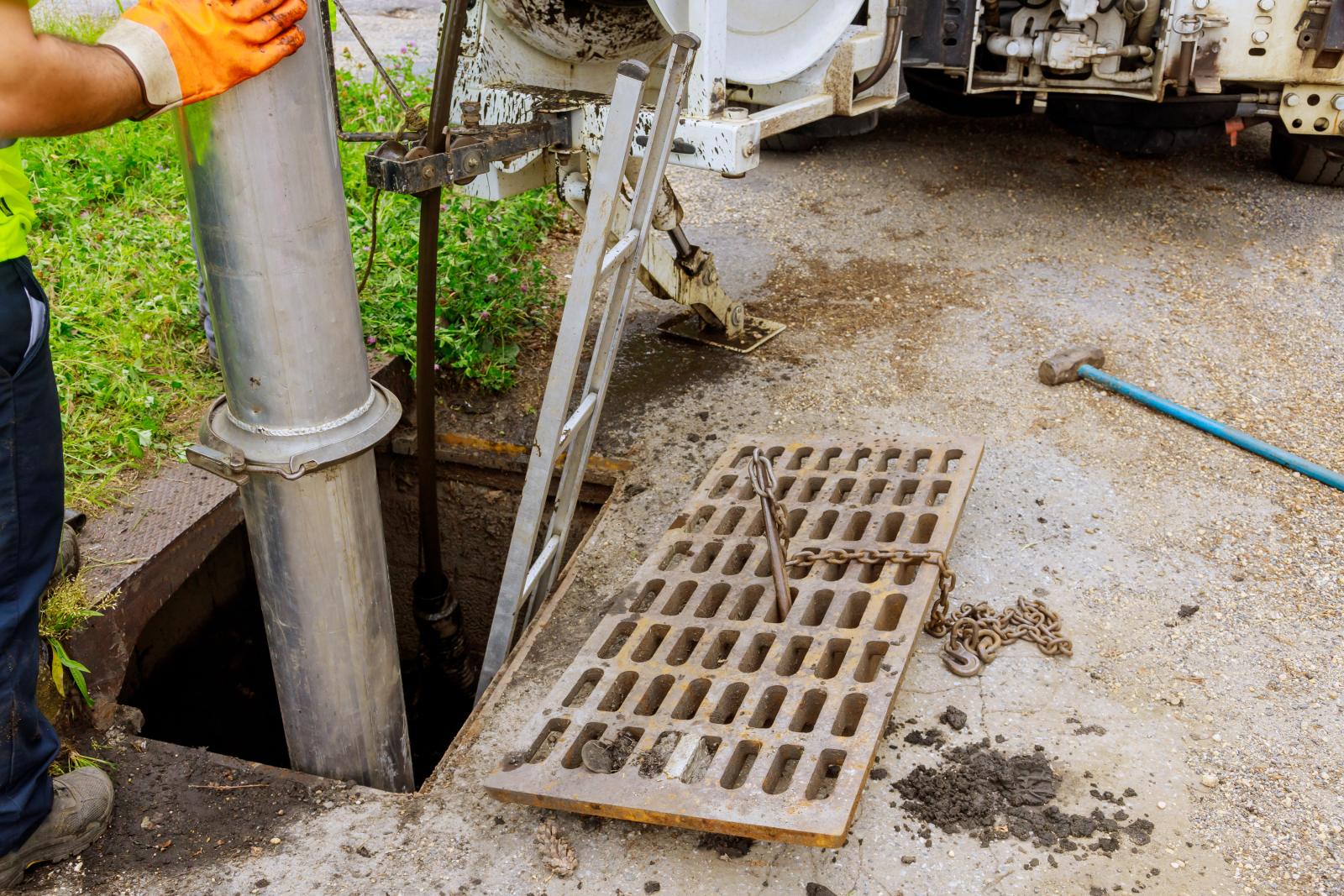
Colorado soil movement drain pipes is a real problem for Denver homeowners. The clay-heavy soil under your yard shifts every season. It expands when wet. It contracts when dry. And when it freezes, it moves hard. That constant motion puts serious stress on your drain pipes.
Denver’s expansive clay soil is one of the most pipe-damaging soils in the country. According to the Colorado Geological Survey, roughly one in five Coloradans are affected by expansive soils over time. Colorado soil movement drain pipes issues cause cracks, bellies, and full collapses. At Sewer Experts (SewerEx), we’ve seen this damage firsthand across Denver-area communities. We’ve spent over a decade repairing drain pipes broken by Colorado’s shifting ground. This guide explains exactly how Colorado soil movement damages drain pipes and what you can do about it.
1. Why Colorado Soil Movement Damages Drain Pipes
2. How Freeze-Thaw Cycles Break Drain Pipes
3. Signs Your Drain Pipes Have Soil Damage
4. Colorado Soil Movement Drain Pipe Repair Options
5. How to Protect Drain Pipes from Soil Shifts
Why Colorado Soil Movement Damages Drain Pipes
Colorado soil movement drain pipes damage starts with one thing: expansive clay. Denver sits on a thick layer of Cretaceous-era clay soil. This clay absorbs water like a sponge. When it absorbs water, it swells. When it dries out, it shrinks. That cycle repeats every single year.
Your drain pipes sit buried in that clay. So when the soil moves, your pipes move with it. Drain pipes are rigid. They can’t flex with the ground. So the soil movement cracks them, bends them, or pushes them out of alignment. Colorado soil movement drain pipes problems are not rare. They’re one of the top causes of sewer failure in the Denver metro area.
The Front Range gets about 14 inches of rain per year. But the real damage comes from the wet-dry swings. A dry summer followed by a wet fall can shift soil several inches. That’s enough to crack a pipe or create a belly where waste pools.
What Expansive Clay Does to Pipes
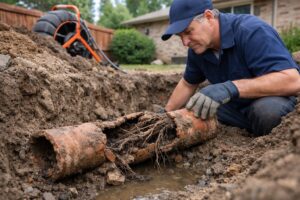
Expansive clay soil can exert thousands of pounds of pressure per square foot. Your drain pipes simply can’t handle that force. The pressure pushes on pipe joints first. Joints crack or separate. Then water leaks into the soil. That wet soil swells more. And the cycle gets worse.
Clay soil also pulls away from pipes when it dries. That creates voids under and around the pipe. Without soil support, the pipe sags. A sagging drain pipe creates a belly. Waste and debris collect in that low spot. Slow drains and backups follow. Colorado soil movement drain pipes damage often starts as a small sag and grows into a full blockage.
Older pipes made of clay tile or cast iron are most at risk. But even modern PVC pipes can crack under extreme soil pressure. No pipe material is fully immune to Colorado soil movement.
How Soil Type Varies Across Denver
Not all Denver neighborhoods have the same soil. Areas like Aurora, Centennial, and Highlands Ranch sit on very high-expansion clay. Westminster and Thornton have moderate clay content. Boulder and the foothills have more rocky soil with less expansion risk.
But even in lower-risk areas, Colorado soil movement drain pipes damage still happens. Rocky soil shifts during freeze-thaw cycles. And any area with poor drainage sees more soil saturation. That saturation drives expansion and pipe stress.
Knowing your neighborhood’s soil type helps predict your risk. But the only way to know your pipe’s actual condition is a camera inspection. Our team at Sewer Experts Denver uses high-definition video to see exactly what Colorado soil movement has done to your drain pipes.
Key Takeaway: Denver’s expansive clay soil shifts with every wet-dry and freeze-thaw cycle. That movement puts direct pressure on buried drain pipes. Cracks, bellies, and joint separations are the most common results. Colorado soil movement drain pipes damage is predictable, but it’s also preventable with the right inspection and repair plan.
How Freeze-Thaw Cycles Break Colorado Drain Pipes
Colorado soil movement drain pipes damage gets worse every winter. Denver goes through dozens of freeze-thaw cycles each winter. Each cycle is a stress event for your buried pipes. When ground temperatures drop below 32°F, soil moisture freezes. Frozen water expands by about 9%. That expansion pushes hard against everything in the ground, including your drain pipes.
Then temperatures rise. The ice melts. The soil contracts. Your pipe shifts again. Dozens of times each winter, your drain pipes go through that stress. Over time, even strong pipes fail. Colorado soil movement drain pipes problems from freeze-thaw cycles are especially common in shallow-buried lines. Pipes buried less than 4 feet deep are most exposed to temperature swings.
Frost heave is the specific term for this process. It is a well-documented cause of underground infrastructure damage in cold climates. In Colorado, frost heave lifts pipes out of alignment. It breaks joints. It creates cracks that grow wider each season.
Frost Depth and Pipe Burial in Colorado
Colorado’s frost depth reaches about 36 inches in the Denver metro area. That means the ground can freeze around three feet deep in a cold winter. Drain pipes buried at standard depth sit right in the freeze zone. So Colorado soil movement drain pipes damage from frost is not a fringe risk. It’s a near-certain outcome over time.
Pipes installed before modern building codes are often too shallow. Older homes in Denver, Lakewood, and Arvada frequently have drain pipes at 18 to 24 inches. Those pipes freeze and shift every winter. Each freeze-thaw cycle adds micro-cracks. Those micro-cracks grow. Eventually the pipe fails.
Even properly buried pipes face risk. A hard winter with little snow cover lets frost penetrate deeper than normal. That’s when pipes buried at 36 inches start to feel the freeze. Colorado soil movement drain pipes stress is highest in January and February.
How Thaw Cycles Create Pipe Bellies
A pipe belly forms when one section of pipe sags lower than the rest. Freeze-thaw cycles are a leading cause. Here’s how it happens. Frost heave lifts part of the pipe during winter. Then the soil thaws and settles unevenly in spring. The pipe doesn’t return to its original position. One section stays higher. The next section drops. That creates a low spot, or belly.
Waste water flows downhill. So waste pools in the belly. Solids settle there. Grease builds up. The belly becomes a blockage point. You notice slow drains first. Then recurring clogs. Then backups. Colorado soil movement drain pipes damage from bellies is very common in homes over 20 years old.
A belly won’t clear with a drain snake. You need to fix the pipe’s position. That means either excavation or trenchless repair. Our trenchless pipe lining service can stabilize a belly without digging up your yard.
Signs Your Drain Pipes Have Colorado Soil Damage
Colorado soil movement drain pipes damage doesn’t always announce itself with a flood. Most of the time, it starts with small signs. You might notice slow drains in one bathroom. Or a gurgling sound from your toilet. Or a wet patch in your yard that never dries out. These are all warning signs that Colorado soil movement has damaged your drain pipes.
The tricky part is that these signs look like ordinary plumbing problems. A slow drain could be a clog. But it could also be a belly caused by soil shift. A gurgling toilet could be a vent issue. But it could also be a cracked pipe letting in soil gases. Colorado soil movement drain pipes damage mimics common plumbing symptoms. That’s why a camera inspection is so important.
Ignoring these signs is costly. A small crack from soil movement grows with each freeze-thaw cycle. What starts as a hairline fracture becomes a full pipe collapse. Sewage then backs up into your home. Repair costs jump from hundreds to thousands of dollars.
Indoor Warning Signs of Pipe Damage
Watch for these indoor signs of Colorado soil movement drain pipes damage:
• Slow drains in multiple fixtures at once
• Gurgling sounds from toilets or floor drains
• Sewage smell inside the home
• Recurring clogs that come back within days
• Water backing up in a tub when you flush the toilet
Multiple slow drains at the same time point to a main line problem. That’s a strong sign of Colorado soil movement drain pipes damage in your main sewer line. A single slow drain is more likely a local clog. But if it keeps coming back, soil damage is possible.
Sewage smell is serious. It means sewer gas is entering your home. That happens when a pipe cracks and the seal breaks. Colorado soil movement can crack pipes enough to let gas in without causing a full backup yet.
Outdoor Warning Signs of Soil Pipe Damage
Outdoor signs are often more obvious. Look for these in your yard:
• A patch of grass that’s greener or grows faster than the rest
• Soggy ground that stays wet after dry weather
• A sunken area or trench line in your yard
• Cracks in your foundation or driveway near the sewer line path
• Rodent activity near the sewer line area
Green patches over a sewer line mean sewage is leaking into the soil. That sewage acts as fertilizer. Colorado soil movement drain pipes cracks feed that leak. Sunken ground means soil has washed away into a broken pipe. That’s a sign of serious pipe failure.
Foundation cracks near the sewer line path are a red flag. Colorado soil movement drain pipes damage and foundation damage often happen together. The same soil shift that breaks your pipe can stress your foundation. Both problems need attention fast. Soil movement is a leading cause of residential infrastructure damage on the Front Range.
Pro Tip: Schedule a drain camera inspection every 3 to 5 years if your Denver home is over 20 years old. Colorado soil movement drain pipes damage builds slowly. Catching a small crack or belly early costs far less than repairing a full collapse. A 30-minute inspection can save you thousands in emergency repair costs.
Colorado Soil Movement Drain Pipe Repair Options
Once Colorado soil movement drain pipes damage is confirmed, you have several repair options. The right choice depends on the type of damage, the pipe material, and how much of the line is affected. At Sewer Experts, we assess every situation before recommending a repair method. We’ve repaired drain pipes damaged by Colorado soil movement across all the communities we serve.
The two main categories are trenchless repair and traditional excavation. Trenchless methods are faster, less disruptive, and often less expensive. Traditional excavation is sometimes necessary for severe damage. Both methods can fix Colorado soil movement drain pipes problems when done correctly.
The key is accurate diagnosis first. A camera inspection tells us exactly where the damage is, how bad it is, and what caused it. Without that data, any repair is a guess. We never recommend a repair method until we’ve seen the pipe on camera.
Trenchless Repair for Soil-Damaged Pipes
Trenchless repair is the best option for most Colorado soil movement drain pipes damage. It requires no digging. We access the pipe through existing cleanouts. Then we repair it from the inside.
CIPP lining (cured-in-place pipe lining) is our most common trenchless method. We insert a resin-coated liner into the damaged pipe. The liner cures in place and forms a new pipe inside the old one. CIPP repairs can last for decades. The new liner is smooth and resistant to root intrusion. It also handles soil movement better than rigid old pipes.
Pipe bursting is another trenchless option. We pull a new pipe through the old one, breaking the old pipe outward as we go. This works well when the old pipe is too damaged for lining. Both methods fix Colorado soil movement drain pipes damage without tearing up your yard, driveway, or landscaping. Our trenchless pipe bursting service handles even severe soil damage cases.
When Excavation Is the Right Choice
Sometimes Colorado soil movement drain pipes damage is too severe for trenchless repair. A fully collapsed pipe needs excavation. A pipe with multiple bellies across a long run may need full replacement. In those cases, we dig.
Modern excavation is more precise than it used to be. We use camera data to dig only where needed. We don’t tear up your entire yard. We target the damaged section, replace it, and backfill with proper compacted material. That compaction matters. Loose backfill is one reason pipes fail again after repair.
We also address the soil conditions during excavation. We can add gravel bedding around the new pipe. Gravel drains water away from the pipe. That reduces soil saturation and slows future Colorado soil movement drain pipes stress. Proper bedding is a step many contractors skip. We don’t.
Common Mistake to Avoid: Don’t use a drain snake as a long-term fix for Colorado soil movement drain pipes damage. A snake clears a clog but does nothing for a cracked pipe or belly. The clog comes back within days. Meanwhile, the underlying soil damage gets worse. Get a camera inspection first. Fix the real problem, not just the symptom.
How to Protect Drain Pipes from Colorado Soil Movement
You can’t stop Colorado soil movement. But you can reduce its impact on your drain pipes. Prevention is far cheaper than repair. A few smart steps now can add decades to your pipe’s life. Colorado soil movement drain pipes protection starts with understanding what makes the problem worse and removing those factors.
Water management is the biggest lever. Expansive clay soil moves most when it gets wet and then dries out. Anything that keeps soil moisture more stable reduces pipe stress. That means managing irrigation, drainage, and water runoff around your home.
Regular inspections are the second lever. Catching Colorado soil movement drain pipes damage early means cheaper, simpler repairs. A small crack fixed with CIPP lining costs a fraction of a full pipe replacement. Early detection is the best investment you can make in your sewer system.
Water Management Around Your Sewer Line
Good water management reduces Colorado soil movement drain pipes stress significantly. Here’s what works:
• Grade your yard so water flows away from the house. Flat or inward-sloping yards pool water near your foundation and sewer line.
• Keep irrigation heads at least 3 feet from the sewer line path. Constant watering saturates clay soil and drives expansion.
• Clean gutters and extend downspouts at least 6 feet from the foundation. Concentrated roof runoff soaks soil fast.
• Fix any plumbing leaks quickly. A slow leak under a slab saturates soil from below.
These steps don’t eliminate Colorado soil movement. But they reduce the wet-dry swings that drive the most damage. Stable soil moisture means less expansion and contraction. Less movement means less stress on your drain pipes.
In very high-expansion clay areas like Aurora and Centennial, some homeowners install French drains or curtain drains. These systems redirect groundwater away from the sewer line path. They’re a bigger investment but very effective.
Inspection Schedules That Catch Damage Early
A regular inspection schedule is your best defense against Colorado soil movement drain pipes failure. We recommend:
• Every 3 years for homes over 20 years old
• Every 5 years for newer homes on high-expansion clay
• After any major drought or flood event
• Before buying any home in the Denver metro area
A pre-purchase sewer inspection is one of the smartest things a Denver home buyer can do. Colorado soil movement drain pipes damage is often hidden. The home looks fine. But the sewer line has cracks or bellies that will cost thousands to fix. A professional inspection before closing can save you from a much bigger surprise later.
Our team provides full camera inspection reports with video footage. You see exactly what we see. No guessing. No upselling. Just clear data about your drain pipes and what Colorado soil movement has done to them. Read what our customers say about our inspection process on our Sewer Experts reviews page.
What This Means for You: If you own a home in Denver, Aurora, Lakewood, or anywhere on the Front Range, Colorado soil movement drain pipes damage is a real risk for you. Your drain pipes are buried in clay soil that shifts every season. Freeze-thaw cycles stress them dozens of times each winter. The damage builds slowly and quietly. Then one day you have a backup or a collapse.
You don’t have to wait for that day. A camera inspection gives you the facts. If your pipes are fine, you have peace of mind. If there’s damage, you catch it early when repair is simple and affordable. Sewer Experts has served Denver homeowners for over a decade. We know Colorado soil movement drain pipes damage better than anyone on the Front Range. We’re here 24 hours a day, 7 days a week.
Colorado soil movement drain pipes damage is one of the most common and most overlooked problems for Denver homeowners. Expansive clay soil shifts with every rain, drought, and freeze. Those shifts crack pipes, create bellies, and collapse sewer lines. The damage builds over years before you notice it.
But you can get ahead of it. Know the warning signs. Manage water around your home. Schedule regular drain pipe inspections. And when you see slow drains, gurgling toilets, or wet spots in your yard, don’t wait. Colorado soil movement drain pipes problems only get worse with time. Get a professional drain evaluation today. Contact Sewer Experts at (720) 663-7473 or visit our contact page to schedule your inspection. We’re available 24/7 across Denver-area communities.
Expert Insight from Colorado Geological Survey, Geologic Hazards Program: Swelling soils are the most costly geologic hazard in Colorado, causing more annual damage than all other natural hazards combined. Expansive clay soils on the Front Range can exert uplift pressures exceeding 10,000 pounds per square foot. Buried infrastructure including drain pipes and sewer lines face direct stress from this movement every season. Homeowners in high-expansion zones should inspect underground utilities regularly.
Key Takeaway: Denver’s expansive clay soil is the number one threat to buried drain pipes on the Front Range. Colorado soil movement drain pipes damage from seasonal swelling and dozens of annual freeze-thaw cycles causes cracks, bellies, and collapses. Regular camera inspections and trenchless repair options like CIPP lining protect your pipes and your home.
Frequently Asked Questions
How does Colorado soil movement damage drain pipes?
Colorado soil movement damages drain pipes through expansion and contraction. Clay soil swells when wet and shrinks when dry. That movement cracks drain pipes, separates joints, and creates bellies. Freeze-thaw cycles add more stress. Drain pipes buried in Colorado clay face this pressure every season, year after year.
What are the signs of soil movement damage in drain pipes?
Signs of Colorado soil movement drain pipes damage include slow drains, gurgling toilets, sewage smell, and recurring clogs. Outdoors, look for soggy ground, green patches over the sewer line, or sunken soil. Multiple slow drains at once point to main line damage from soil movement. Get a camera inspection to confirm.
Can Colorado freeze-thaw cycles crack drain pipes?
Yes. Denver goes through dozens of freeze-thaw cycles each winter. Each cycle shifts the soil around your drain pipes. Frost heave lifts pipes out of alignment. Thaw cycles let them drop unevenly. That repeated movement cracks drain pipes and creates bellies. Pipes buried less than 4 feet deep face the most freeze-thaw damage.
What is the best repair for Colorado soil movement drain pipe damage?
Trenchless CIPP lining is the best repair for most Colorado soil movement drain pipes damage. It creates a new pipe inside the old one without digging. CIPP repairs can last for decades. For severe damage, pipe bursting or excavation may be needed. A camera inspection determines the right repair method for your drain pipes.
How often should Denver homeowners inspect drain pipes for soil damage?
Denver homeowners should inspect drain pipes every 3 to 5 years. Homes over 20 years old need inspections every 3 years. Inspect after major droughts or floods too. Colorado soil movement drain pipes damage builds slowly. Early inspection catches small cracks before they become full collapses. Always inspect drain pipes before buying a Denver home.
Step-by-Step Process
Step-by-Step: Colorado Soil Movement Drain Pipe Inspection and Repair
1. Check for indoor warning signs of drain pipe damage
2. Look for outdoor signs like soggy ground or green patches
3. Locate your main sewer line cleanout access point
4. Schedule a professional drain camera inspection
5. Review the camera footage and damage report with your technician
6. Identify the type of damage: crack, belly, collapse, or joint separation
7. Choose the right repair method: CIPP lining, pipe bursting, or excavation
8. Complete the drain pipe repair with a licensed Colorado contractor
9. Verify the repair with a post-repair camera inspection
10. Set a regular inspection schedule to monitor future soil movement
Quick Reference: What Is Colorado Soil Movement Drain Pipes Damage?
Colorado soil movement drain pipes damage is what happens when shifting ground breaks buried sewer and drain lines. Denver sits on expansive clay soil. That clay swells when wet. It shrinks when dry. It also freezes and heaves in winter. So drain pipes buried in that clay face constant pressure. The pipes crack. They sag. They separate at joints. Then waste can’t flow properly. Slow drains and backups follow. In bad cases, the drain pipe collapses completely. Colorado soil movement is the leading cause of sewer line failure on the Front Range. It affects homes of all ages. But older drain pipes made of clay tile or cast iron fail fastest. Modern PVC drain pipes are more flexible. But they still crack under extreme soil pressure. The fix depends on the damage type. Small cracks in drain pipes get CIPP lining. Severe damage needs pipe bursting or excavation. Regular camera inspections catch drain pipe damage early. Early repair costs far less than emergency replacement.
Additional Resources
• Trenchless Pipe Lining Denver — Learn how CIPP lining repairs soil-damaged drain pipes without excavation. Repairs can last for decades and resist future Colorado soil movement.
• Trenchless Pipe Bursting Denver — Explore pipe bursting as a no-dig solution for severely damaged drain pipes caused by Colorado soil movement and freeze-thaw cycles.
• Sewer Experts Denver Reviews — Read real customer experiences with drain pipe repair and inspection services across Denver and the Front Range.
• Contact Sewer Experts Denver — Schedule your professional drain pipe evaluation today. Available 24/7 across Colorado communities.
Reviewed by Marisa Beaver, Owner · Updated

About the author
Marisa Beaver
Owner · Demolition license (Colorado); 27 drain-layer's licenses (Colorado)
Marisa Beaver is the owner of Sewer Experts, a locally owned sewer, drain, and water line company based in Commerce City, Colorado, serving Denver and the Front Range including Aurora, Lakewood, Thornton, and Boulder. She oversees client relations and business operations, working directly with customers on sewer line repair, drain cleaning, and water line services, and personally answers client calls and coordinates technical consultations. Beaver holds a demolition license and 27 drain-layer's licenses in Colorado. Sewer Experts is licensed, insured, and bonded with state-certified technicians, and generated over $2 million in revenue in 2020. A woman- and minority-owned business, Sewer Experts has held an on-call Denver Housing Authority contract and been featured on the cover of Dig Different magazine.