Denver winters hit hard. Temperatures drop fast. And your water lines pay the price. Water line freeze prevention in Denver is not optional — it is the difference between a normal winter and a costly emergency repair. Frozen water lines burst. They flood basements. They shut off your water supply for days. Every Denver homeowner needs a solid plan before the first freeze arrives.
Our team at Sewer Experts has handled water line freeze damage across the Front Range for over 20 years. We have seen what works and what fails. This complete guide to keeping water lines from freezing covers every proven method. You will learn how to insulate pipes, when to call a pro, and how to protect your home before cold weather strikes. Water line freeze prevention in Denver starts now — not after the damage is done.
1. Why Water Line Freeze Prevention in Denver Matters
2. How Denver Cold Damages Your Water Lines
3. Best Insulation Methods for Water Line Freeze Prevention
4. Water Line Freeze Prevention Steps Every Homeowner Should Take
5. When to Call a Pro for Water Line Winterization
6. Water Line Freeze Prevention Costs vs. Repair Costs
Why Water Line Freeze Prevention in Denver Matters
Denver sits at 5,280 feet above sea level. The altitude makes winters colder and more unpredictable. Water line freeze prevention in Denver is a real concern for every property owner. Temperatures can drop below zero overnight. That kind of cold reaches exposed water lines fast.
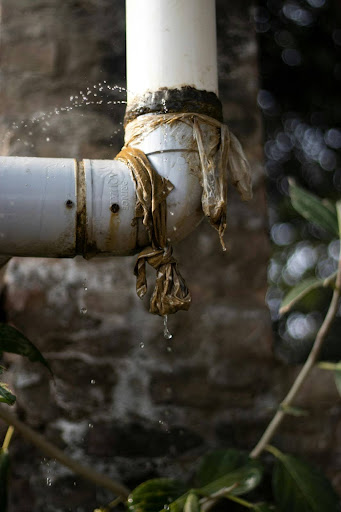
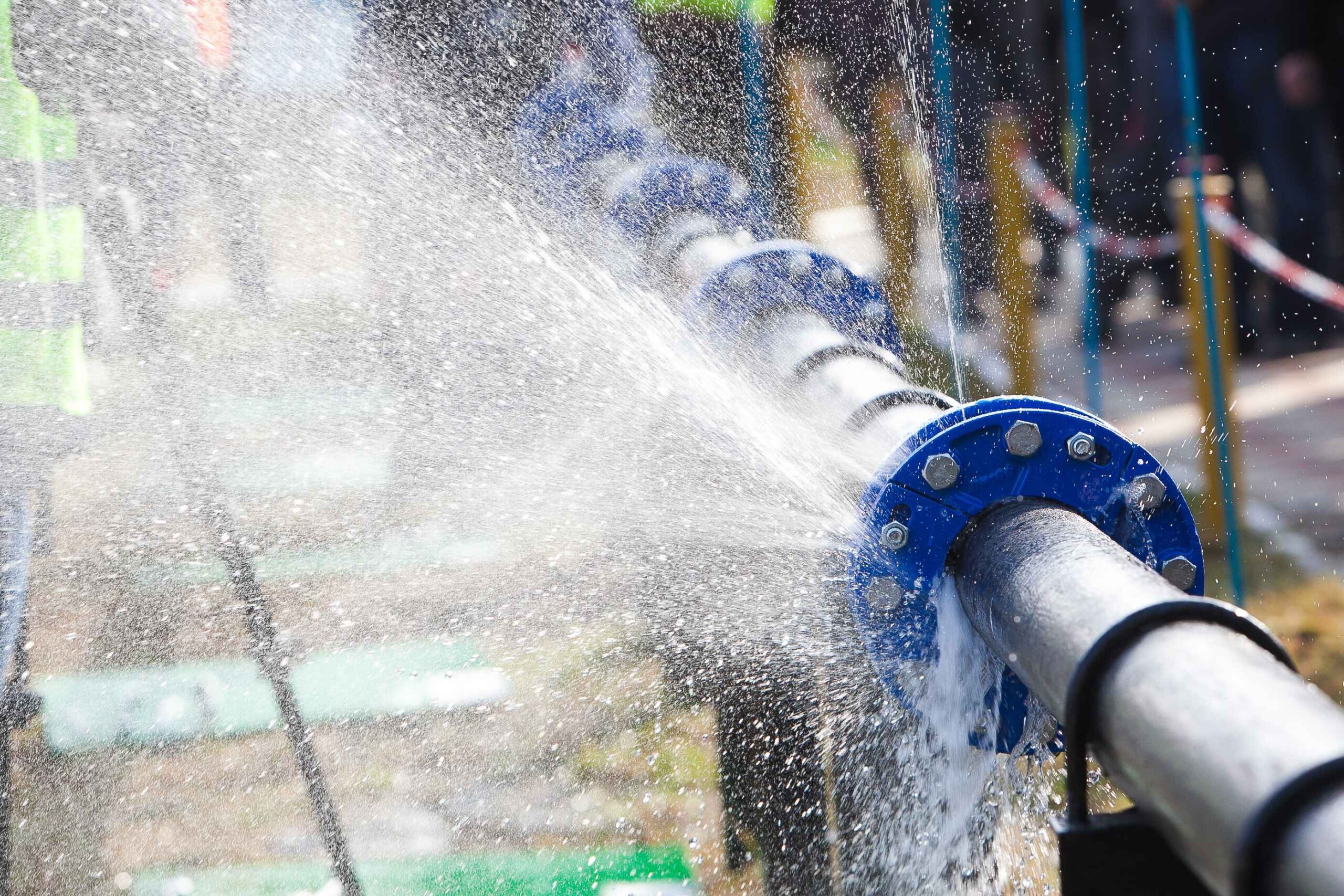
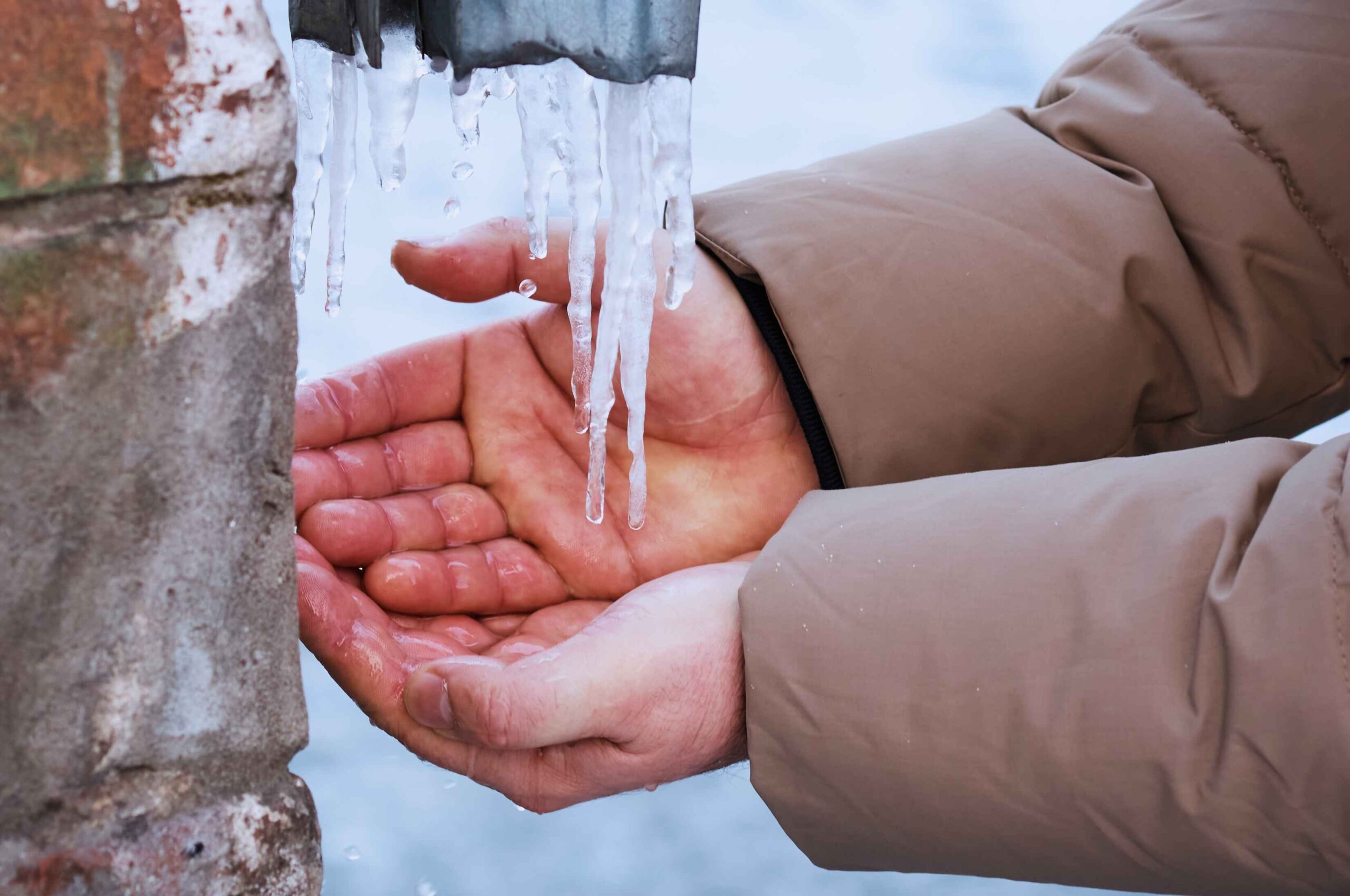
When water inside a pipe freezes, it expands. It expands with enormous force. That force cracks pipes, splits joints, and causes full bursts. A single burst water line can release hundreds of gallons before you even notice. Water line damage from freezing can cost Denver homeowners thousands of dollars. Prevention costs a fraction of that.
Water line freeze prevention in Denver protects more than your pipes. It protects your home’s foundation, your walls, and your belongings. It keeps your water running through the coldest months. And it keeps your repair bills low.
Denver's Freeze Risk by Season
Denver’s freeze season runs from October through March. But surprise freezes happen in September and April too. The National Weather Service tracks Denver’s freeze data closely. Average lows in January drop to about 19°F. Below about 20°F, exposed and poorly insulated water lines are at risk of freezing.
Exposed water lines freeze fastest. Lines in unheated crawl spaces, garages, and exterior walls are most at risk. Water line freeze prevention in Denver means knowing which pipes are vulnerable. Check your home now. Do not wait for a cold snap to find out.
So, which pipes freeze first? Outdoor hose bibs freeze within hours at 20°F. Pipes in uninsulated crawl spaces follow. Interior pipes near exterior walls come next. Water line freeze prevention in Denver targets all three zones.
Real Cost of a Frozen Water Line
The cost of a frozen water line goes beyond the pipe itself. Water damage to drywall, flooring, and mold remediation can each add hundreds to thousands of dollars. Water line freeze prevention in Denver is cheap by comparison.
Basic pipe insulation is inexpensive, and a full professional winterization inspection costs far less than a repair. That is a small price for total water line protection. Plus, Sewer Experts backs all water line work with a 5-year parts and labor warranty. Prices vary, so confirm current figures with the official source before acting on them.
So the math is simple. A small investment in prevention saves you thousands in repairs. Water line freeze prevention in Denver is the smarter choice every time.
Key Takeaway: Denver’s winters regularly drop below the 20°F freeze threshold. Water line freeze prevention in Denver costs a fraction of repair bills. A single burst pipe can cause thousands of dollars in total damage. Act before the first freeze — not after. Prevention is always cheaper than repair.
How Denver Cold Damages Your Water Lines
Understanding freeze damage helps you prevent it. Water expands by about 9% when it freezes. That expansion creates pressure inside your water line. Pipes are not built to handle that pressure. Water line freeze prevention in Denver means stopping that expansion before it starts.
Copper pipes crack cleanly. PVC pipes shatter. PEX pipes are more flexible but still burst under extreme cold. No pipe material is fully immune to freeze damage. Water line freeze prevention in Denver applies to every pipe type in your home.
The damage does not always show up right away. A frozen water line may crack but not leak until it thaws. That delayed leak is dangerous. It can soak insulation and framing for hours before you notice. Water line freeze prevention in Denver stops the problem at the source.
Pipes Most Vulnerable to Freezing
Some water lines freeze faster than others. Outdoor hose bibs are the first to go. They connect directly to outside air. Water line freeze prevention in Denver always starts with hose bibs. Disconnect garden hoses before October. Install frost-free hose bibs if you have not already.
Crawl space water lines are the next biggest risk. Many Denver homes have unheated crawl spaces. Cold air circulates freely under the floor. Water lines there have no protection. Insulating crawl space pipes is one of the most effective water line freeze prevention steps in Denver.
Garage water lines also freeze fast. If your garage is not heated, any water line running through it is at risk. Water line freeze prevention in Denver includes checking garage pipes every fall. Also check pipes near exterior walls in kitchens and bathrooms.
Signs Your Water Line Is Freezing
Catch a freeze early and you can prevent a burst. The first sign is reduced water flow. Turn on a faucet during cold weather. If the flow is weak or stops, a water line may be freezing. Water line freeze prevention in Denver includes knowing these warning signs.
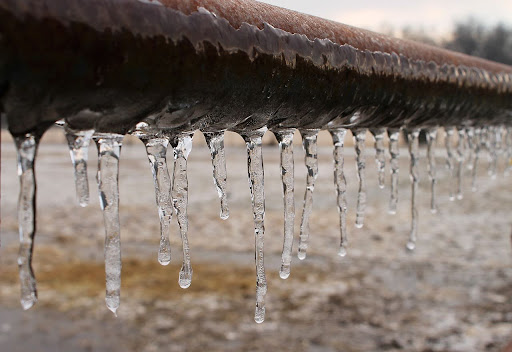
Frost on exposed pipes is another clear signal. If you see frost on a water line, act fast. Apply gentle heat with a hair dryer or heating pad. Never use an open flame on a water line. That causes more damage than the freeze itself.
Also watch for unusual sounds. Banging or cracking sounds from pipes during cold weather mean ice is forming. Water line freeze prevention in Denver means responding to these signs immediately. Call Sewer Experts at (720) 663-7473 if you suspect a frozen water line.
Best Insulation Methods for Water Line Freeze Prevention
Insulation is the foundation of water line freeze prevention in Denver. The right insulation keeps pipe temperatures above freezing even when outdoor temps plunge. There are several proven methods. Each works best in different situations. Knowing which to use is half the battle.
Pipe insulation foam sleeves are the most common solution. They are cheap, easy to install, and effective. They come in standard sizes for most water line diameters. Water line freeze prevention in Denver often starts with foam sleeves on exposed pipes. Cut them to length and snap them around the pipe.
For extreme cold, foam sleeves alone may not be enough. That is where electric heat tape comes in. Heat tape wraps around the water line and plugs into an outlet. It keeps the pipe warm even at -20°F. Water line freeze prevention in Denver for crawl spaces and garages often relies on heat tape.
Foam Sleeve vs. Heat Tape Options
Foam pipe sleeves are inexpensive. They work well for pipes in mild-cold areas. They are a passive solution — no electricity needed. Water line freeze prevention in Denver with foam sleeves is a great first step for most homeowners.
Electric heat tape costs a bit more than foam. It uses electricity to generate heat. Self-regulating heat tape is the safest type. It adjusts its heat output based on pipe temperature. Water line freeze prevention in Denver in extreme cold zones needs heat tape.
But, you can also combine both methods. Wrap the pipe in heat tape first. Then cover it with foam insulation. This double-layer approach is the gold standard for water line freeze prevention in Denver. It works in the coldest crawl spaces and garages.
Insulating Crawl Spaces and Garages
Crawl space insulation goes beyond just the pipes. Insulating the crawl space walls and floor adds a thermal barrier. This keeps the entire space warmer. Water line freeze prevention in Denver improves dramatically when the whole crawl space is insulated.
The U.S. Department of Energy recommends insulating crawl space walls in cold climates, with the recommended R-value depending on your climate zone. Denver qualifies as a cold climate. Rigid foam board on crawl space walls is an effective solution. It blocks cold air from reaching your water lines.
For garages, consider adding a small space heater on the coldest nights. Keep garage doors closed as much as possible. If water lines run through the garage, insulate them with foam sleeves and heat tape. Water line freeze prevention in Denver in garages is simple but often overlooked.
Pro Tip: Install self-regulating heat tape on any water line in an unheated space. Self-regulating tape adjusts its heat output automatically. It uses less electricity and prevents overheating. This is the safest and most effective water line freeze prevention tool in Denver for extreme cold zones. Pair it with foam insulation for maximum protection.
Water Line Freeze Prevention Steps Every Denver Homeowner Should Take
Water line freeze prevention in Denver is not one single task. It is a checklist of actions. Do them before winter arrives. Some take minutes. Others take a few hours. All of them are worth doing. Together, they give your water lines full winter protection.
Start outside. Disconnect all garden hoses before the first freeze. Water left in a connected hose pushes back into the pipe. That water freezes and damages the hose bib. Water line freeze prevention in Denver always begins with hose disconnection in October.
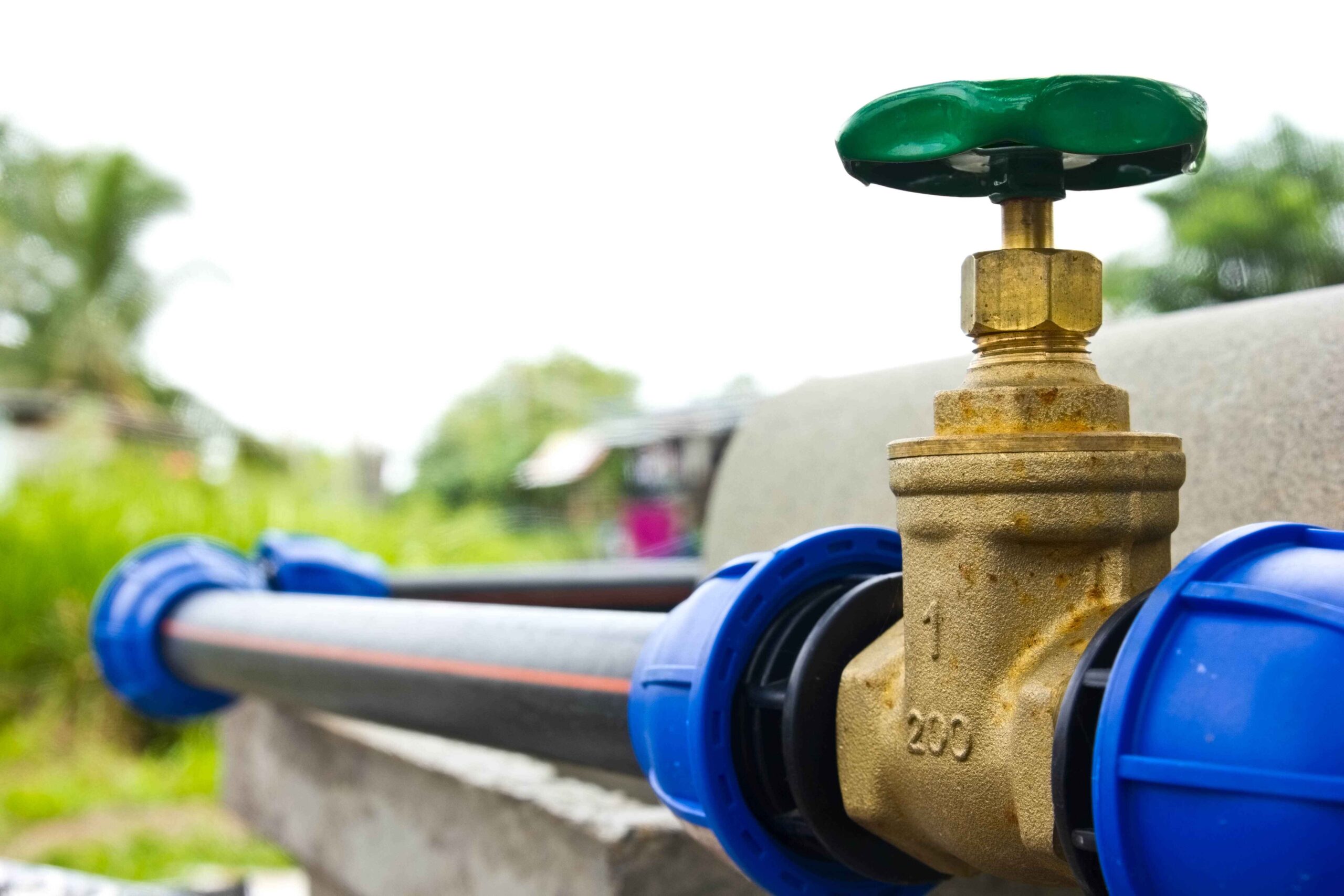
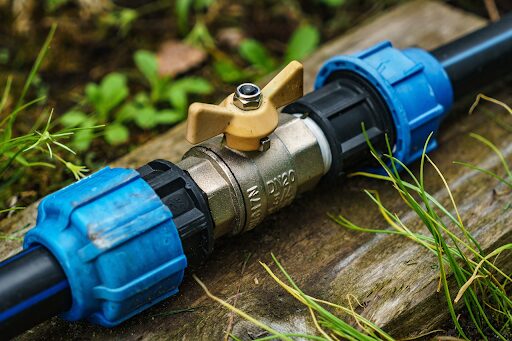
Next, shut off and drain outdoor water lines. Most Denver homes have a shut-off valve for outdoor faucets. Find yours now. Turn it off. Then open the outdoor faucet to drain remaining water. Empty water cannot freeze. This is one of the simplest water line freeze prevention steps in Denver.
Indoor Water Line Protection Steps
Inside your home, keep the heat on. Never set your thermostat below 55°F in winter. Even when you travel. Water line freeze prevention in Denver depends on maintaining minimum indoor temperatures. A cold house is a frozen pipe waiting to happen.
Open cabinet doors under sinks on exterior walls. This lets warm air reach the water lines inside. It is a free and effective water line freeze prevention method in Denver. Do this on nights when temps drop below 20°F.
Also let faucets drip slightly on the coldest nights. Moving water is harder to freeze than still water. A slow drip from both hot and cold taps keeps water moving. Water line freeze prevention in Denver with a dripping faucet costs pennies in water bills. It can save thousands in repairs. Check out our water line repair and installation services if you need professional help.
Winterizing Vacation and Vacant Homes
Vacant homes are the highest freeze risk. No one is there to notice a problem. Water line freeze prevention in Denver for vacant properties requires extra steps. The safest option is a full water line winterization.
To winterize a vacant home, shut off the main water supply. Then drain all pipes by opening every faucet. Flush all toilets. Use compressed air to blow out remaining water from the lines. Add antifreeze to toilet traps and drain traps. Water line freeze prevention in Denver for vacant homes is a complete process.
For rental properties and vacation homes, consider a smart thermostat with remote monitoring. It alerts you if indoor temps drop dangerously low. Water line freeze prevention in Denver for vacant properties also includes having a trusted neighbor check the home during cold snaps.
Common Mistake to Avoid: Never turn off your heat completely when you leave for winter vacation. Many Denver homeowners do this to save money. But a cold house freezes pipes fast. Set your thermostat to at least 55°F. Water line freeze prevention in Denver requires minimum heat at all times. The heating bill is far cheaper than burst pipe repairs.
When to Call a Pro for Water Line Winterization in Denver
Some water line freeze prevention tasks are DIY-friendly. Others need a licensed professional. Knowing the difference saves time and prevents mistakes. Sewer Experts has handled water line winterization across Denver and the Front Range for over 20 years. We know exactly what Denver homes need.
Call a pro when you have older pipes. Pipes over 20 years old are more brittle. They crack more easily under freeze pressure. A professional inspection finds weak spots before they fail. Water line freeze prevention in Denver for older homes starts with a camera inspection.
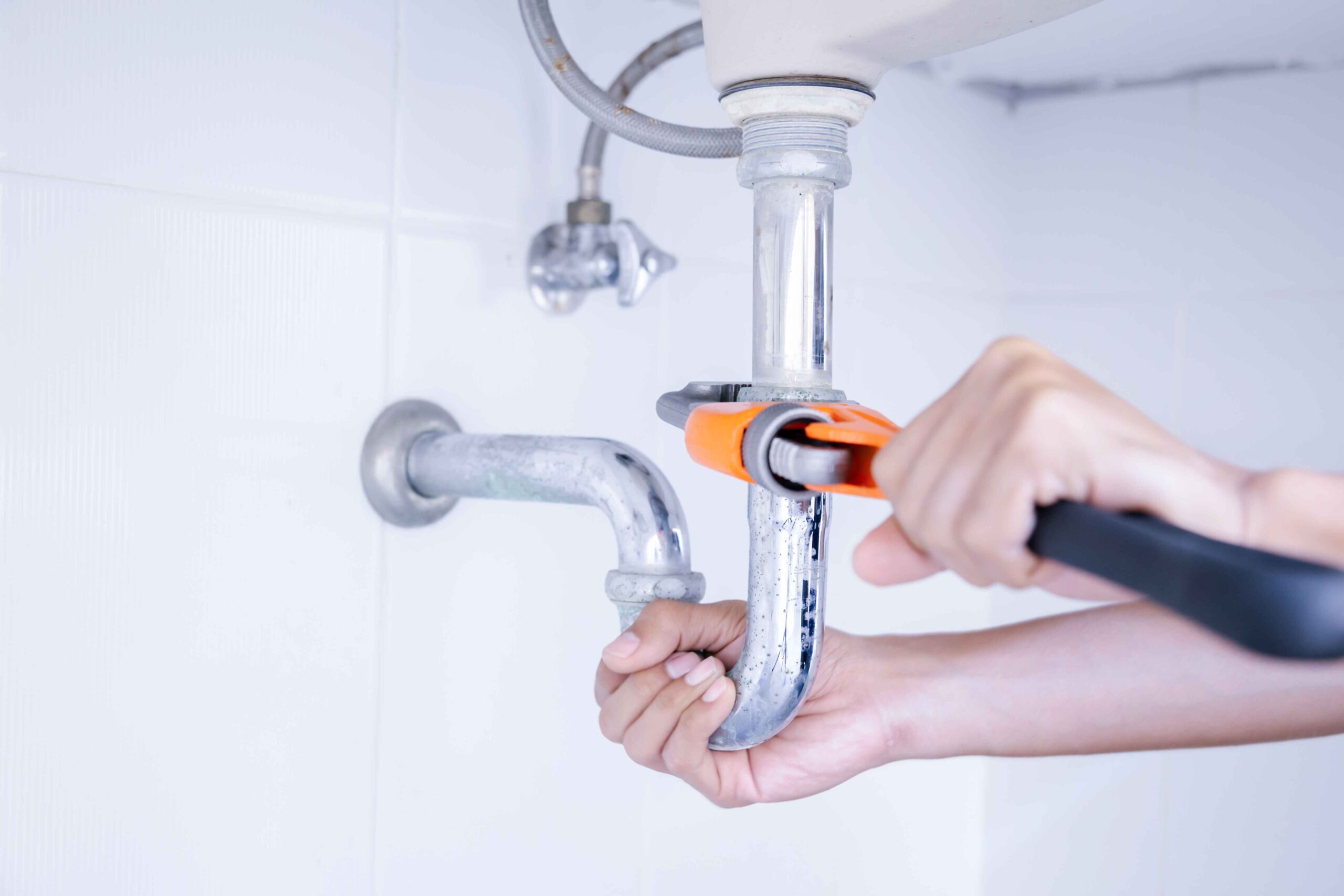
Also call a pro if you have had a frozen pipe before. A previous freeze means your water line has a weak point. That spot will freeze again. Water line freeze prevention in Denver after a prior freeze requires professional assessment. Our team uses high-definition camera inspection to find every vulnerable section.
Professional Winterization Services Available
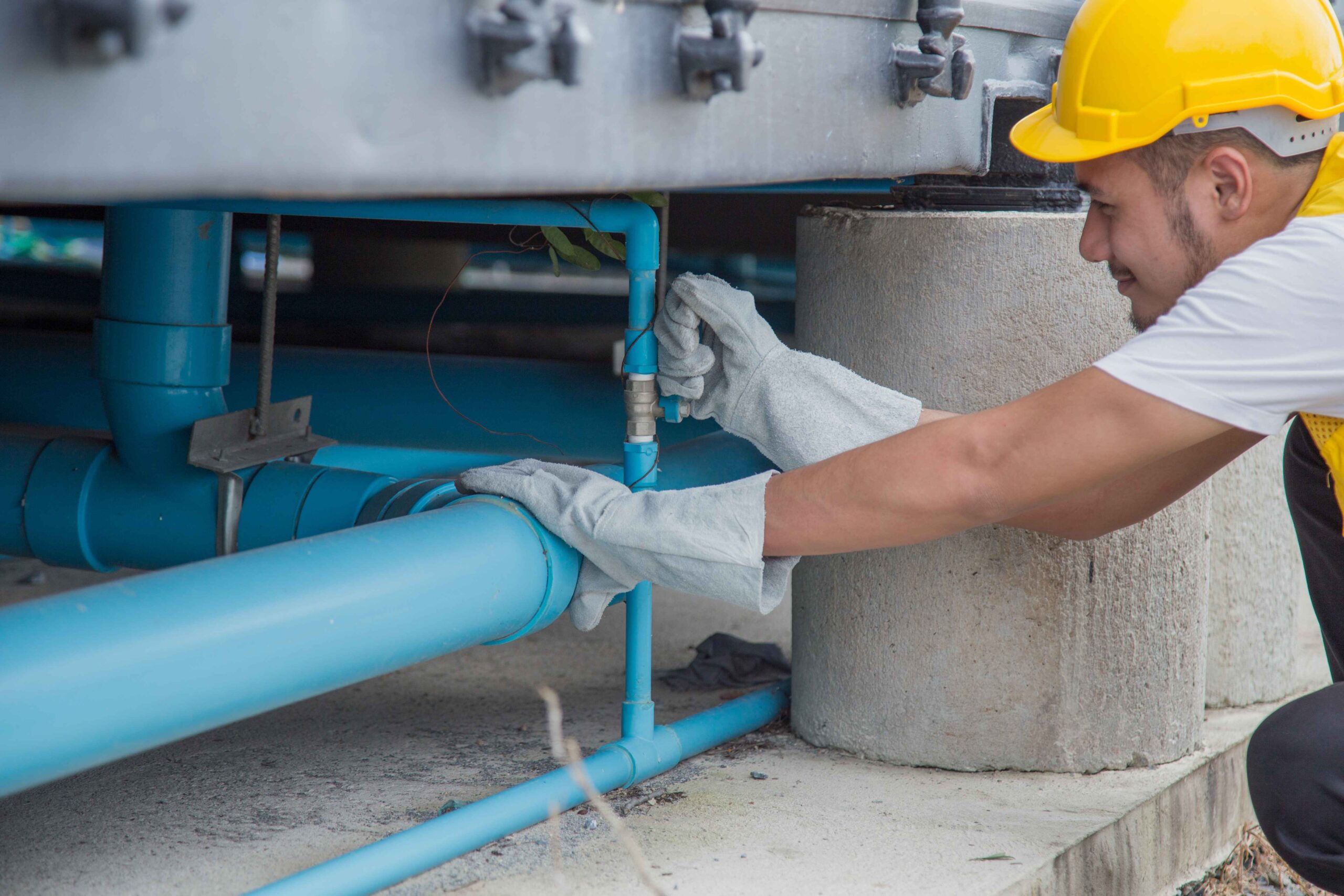
Sewer Experts offers complete water line winterization for Denver homes and businesses. Our service includes a full inspection of all exposed water lines. We check crawl spaces, garages, and exterior wall pipes. We identify every freeze risk and fix it before winter hits.
We also offer trenchless pipe lining for water lines that have already been damaged. Trenchless lining reinforces the pipe from the inside. It adds a new layer of protection without digging up your yard. Water line freeze prevention in Denver sometimes means repairing existing damage first.
Our team is available 24 hours a day, 7 days a week. If a freeze emergency happens at 2 a.m., we are there. Water line freeze prevention in Denver is our specialty. But when prevention fails, fast response is the next best thing. Call (720) 663-7473 any time.
What a Winterization Inspection Covers
A professional winterization inspection from Sewer Experts covers every water line in your home. We start with outdoor hose bibs and shut-off valves. Then we move to crawl spaces and basement water lines. We check garage pipes and any lines near exterior walls.
We use high-definition sewer and water line cameras to inspect pipe interiors. This shows cracks, corrosion, and weak spots invisible from outside. Water line freeze prevention in Denver is most effective when you know exactly where the risks are. Our camera inspection gives you that knowledge.
After the inspection, we give you a full written report. It lists every risk and our recommended fixes. You decide what to do next. Water line freeze prevention in Denver is a partnership between you and our team. Read our customer reviews to see what Denver homeowners say about our work.
What This Means for You: Water line freeze prevention in Denver is not just a technical task. It is peace of mind through the coldest months. When your pipes are protected, you sleep better. You travel without worry. You do not spend January dealing with water damage and emergency plumbers.
Sewer Experts makes water line freeze prevention in Denver simple. One inspection. One clear report. One set of fixes. Then you are protected for the season. Our 5-year parts and labor warranty means you stay protected long after we leave. Water line freeze prevention in Denver is an investment in your home and your sanity. Schedule your inspection before the first freeze hits.
Water line freeze prevention in Denver is the smartest investment you can make before winter. Denver’s cold is real. It is unpredictable. And it does not wait for you to get ready. Frozen water lines burst. They flood homes. They cost thousands to repair. But they are almost entirely preventable.
Start with the basics: insulate exposed pipes, disconnect hoses, keep your heat on, and let faucets drip on the coldest nights. Then call Sewer Experts for a professional winterization inspection. Our team has protected Denver water lines for over 20 years. We know every freeze risk in every type of Denver home. Water line freeze prevention in Denver is what we do best. Contact Sewer Experts today to schedule your water line winterization inspection before winter arrives.
Expert Insight on Frozen Pipe Prevention: “When a pipe freezes, the ice blockage creates pressure between the ice and the closed faucet. That pressure causes the pipe to crack or burst — often at a point far from the ice itself. Insulating pipes in unheated spaces is the single most effective way to prevent freeze damage. Even a quarter-inch of foam insulation can make the difference between a safe winter and a flooded home.”
Key Takeaway: Water line freeze prevention in Denver requires action before temperatures drop. Insulate exposed pipes, shut off outdoor water lines, and keep indoor heat above 55°F. For complete protection, schedule a professional winterization inspection with Sewer Experts. Our 20+ years of Denver experience and 5-year warranty make us the right choice for water line freeze prevention in Denver.
Frequently Asked Questions
What temperature causes water line freeze damage in Denver?
Exposed and poorly insulated water lines are at risk of freezing when temperatures drop below about 20°F. Denver regularly hits these lows from November through February. Water line freeze prevention in Denver targets exposed pipes first. Pipes in unheated crawl spaces and garages freeze fastest. Act before temps drop to protect your water lines.
How do I know if my water line is frozen in Denver?
Reduced or no water flow is the first sign. Check faucets during cold weather. Frost on exposed water lines is another clear signal. Unusual banging sounds from pipes also indicate freezing. Water line freeze prevention in Denver means catching these signs early. Call Sewer Experts immediately if you suspect a frozen water line.
What is the best insulation for water line freeze prevention in Denver?
Foam pipe sleeves work well for mild-cold areas. Self-regulating electric heat tape is best for extreme cold zones. Combining both gives maximum water line protection. Water line freeze prevention in Denver in crawl spaces and garages needs heat tape plus foam insulation. This double-layer method handles Denver’s coldest nights.
How much does water line freeze prevention cost in Denver?
Basic pipe insulation costs $0.50 to $1.50 per linear foot. A professional winterization inspection runs $150 to $300. Compare that to burst pipe repairs costing $1,000 to $15,000. Water line freeze prevention in Denver is far cheaper than repairs. Sewer Experts offers complete winterization services with a 5-year warranty.
Should I let my faucets drip for water line freeze prevention in Denver?
Yes. A slow drip keeps water moving through the water line. Moving water is much harder to freeze than still water. Let both hot and cold taps drip slightly on nights below 20°F. Water line freeze prevention in Denver with a dripping faucet costs pennies. It can prevent thousands in water line damage.
Step-by-Step Process
Step-by-Step Water Line Freeze Prevention in Denver
1. Disconnect all outdoor garden hoses before October
2. Shut off and drain all outdoor water line valves
3. Install foam insulation sleeves on exposed water lines
4. Add self-regulating heat tape in crawl spaces and garages
5. Set your thermostat to at least 55°F all winter
6. Open cabinet doors under sinks on exterior walls
7. Let faucets drip slowly on nights below 20°F
8. Insulate crawl space walls to the R-value recommended for your climate zone
9. Schedule a professional water line winterization inspection
10. Know your main water shut-off valve location
Quick Reference: What Is Water Line Freeze Prevention in Denver?
Water line freeze prevention in Denver is the process of protecting pipes from freezing temperatures. Denver winters regularly drop below 20°F. At that temperature, water inside pipes expands as it freezes. That expansion cracks and bursts water lines. So, prevention means insulating pipes, draining outdoor lines, and keeping indoor heat above 55°F. It also means scheduling professional inspections before winter. Water line freeze prevention in Denver saves homeowners thousands in repair costs. It keeps water flowing through the coldest months. Every Denver home needs a freeze prevention plan in place before October.
Additional Resources
• Complete Guide: How to Keep Water Lines From Freezing — A full resource covering every method for protecting water lines through Denver’s harshest winters, from DIY insulation to professional winterization.
• Trenchless Pipe Lining in Denver — Learn how trenchless pipe lining reinforces damaged or aging water lines without excavation, adding decades of life to your pipes.
• Sewer Experts Denver Reviews — Read what Denver homeowners say about our water line services, winterization inspections, and emergency freeze response.
• Contact Sewer Experts Denver — Schedule your water line winterization inspection or get answers to your freeze prevention questions from our licensed team.
By Marisa Beaver, Owner · Updated