As of September 13, 2026, thousands of U.S. water systems still don’t know where their lead pipes sit. That’s the finding behind a recent investigation into water utility compliance from The Press Democrat. EPA rules set a lead pipe inventory deadline for water systems, but many utilities still haven’t finished mapping their lines, leaving homeowners unsure what runs beneath their yard.
1. What Changed: The Lead Pipe Inventory Deadline
2. Who Is Affected by Lead Lines
3. What To Do Now About Your Pipes
4. How We Can Help You Check Lines
5. Frequently Asked Questions
6. Step by Step Service Line Check
What Changed: The Lead Pipe Inventory Deadline
The EPA’s lead and copper rule set a lead pipe inventory deadline requiring every water system to find and report its line materials. The Press Democrat’s review found many utilities still list their service lines as unknown. That gap matters, because homeowners can’t tell if their water flows through lead pipes until the utility finishes its count.
The report doesn’t give one national completion rate. It does note that enforcement is getting tighter under the EPA’s lead and copper rule. So, utilities that fall behind face more pressure from regulators. The source has not specified exact penalty amounts for individual systems.
Why Inventories Are Taking So Long
Many utilities have thousands of older connections. Records are often missing or incomplete. Crews must dig or test pipes by hand in many cases. That slows the lead pipe count down a lot.
What Counts as an Unknown Line
An unknown line is a pipe whose material hasn’t been checked yet. The report says thousands of these still sit on utility maps nationwide. Until checked, utilities must treat them as lead for safety.
Key Takeaway: The lead pipe inventory deadline pushes water systems to map every line’s material. Thousands still list lines as unknown today. That leaves many homeowners without a clear answer on their own water pipes right now.
Who Is Affected by Lead Lines
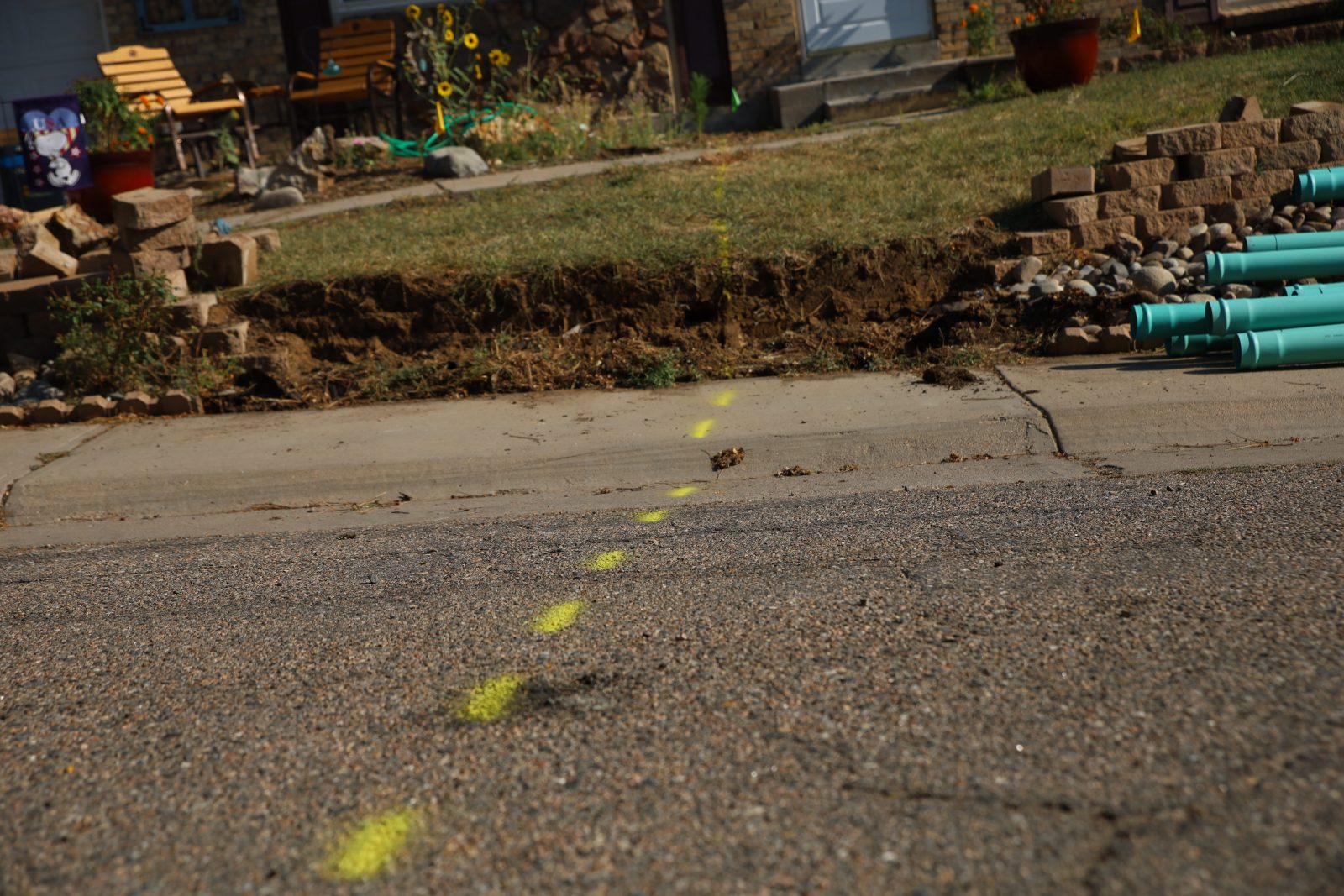
Homeowners in older houses face the most exposure. Properties built before the 1980s often have lead or galvanized service lines. If your utility still marks your line as unknown, you can find your water line location using property records and utility maps.
Renters and landlords feel this too. A landlord who doesn’t know the pipe material can’t tell tenants what’s in their water. Also, buyers and sellers in older neighborhoods may run into this during a home sale.
Older Homes Carry the Most Risk
Homes built before 1986 are more likely to have lead service lines. The source points to older housing stock as the main risk group nationwide.
Renters and Buyers Should Ask Questions
Renters can ask landlords for the utility’s line material report. Buyers can ask sellers for that same record before closing on an older home.
What To Do Now About Lead Pipes
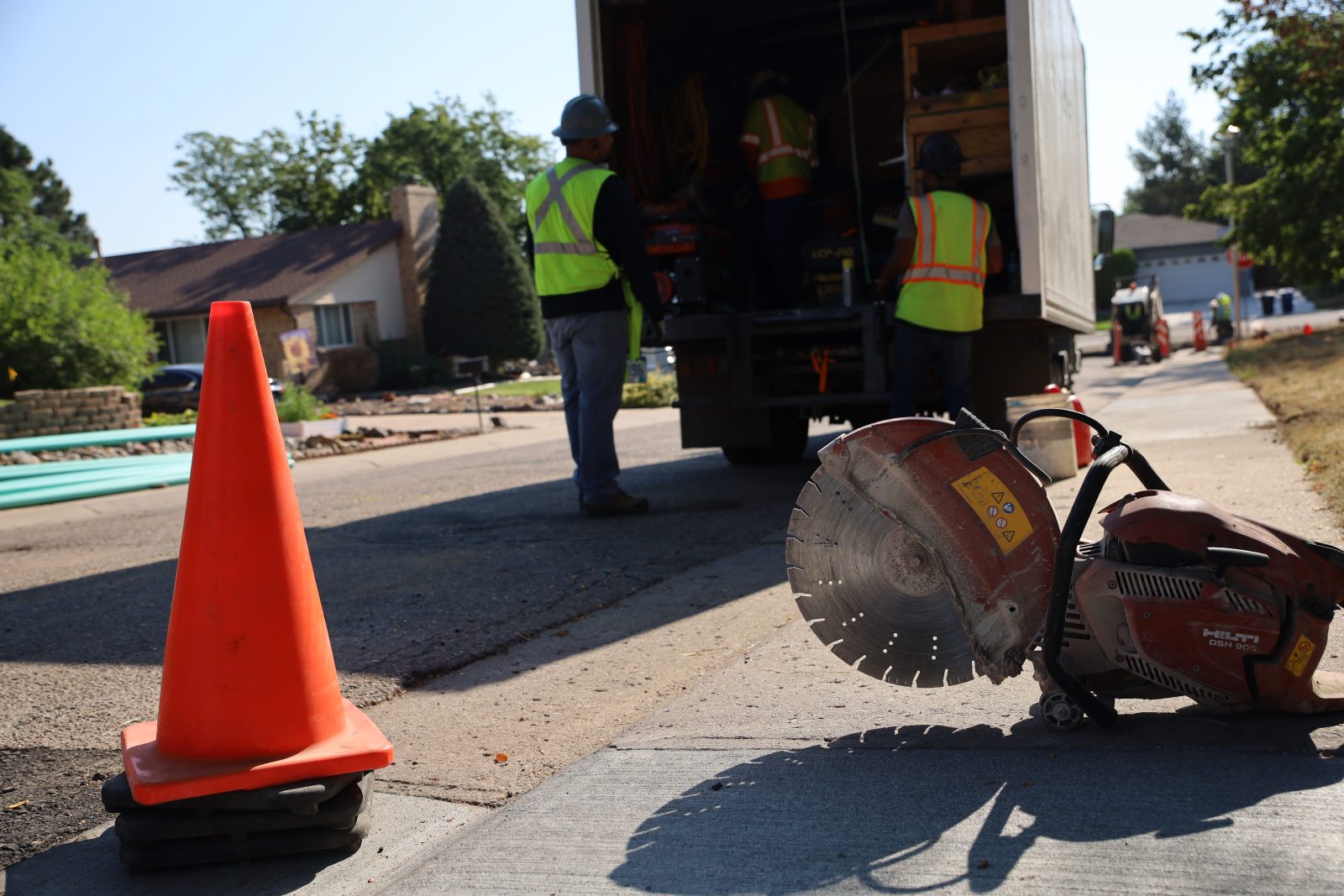
Start by calling your water utility. Ask if your service line is listed as lead, unknown, or something else. That single call tells you where you stand.
If the answer is unknown or lead, a licensed plumber can check the pipe material directly. For lines that test positive, trenchless pipe replacement can swap the line without digging up your yard.
Homeowners should also look at the health risks of lead exposure through CDC’s lead prevention guidance before deciding how fast to act. Then, ask your plumber for a written replacement quote.
How To Request a Line Check
Call your utility’s customer service line and ask for your service line material record. Most utilities can pull this from existing maps or past repair notes.
When To Call a Licensed Plumber
Call a plumber when your utility lists your line as unknown or lead. A hands on check confirms the pipe material in minutes.
Pro Tip: Ask your utility for your service line record in writing. A written answer holds up if you sell your home later. Most utilities will email or mail this record within a few business days of your request.
How We Can Help With Lead Line Questions
Sewer Experts handles water and sewer line work across the Denver area. If your utility flags your line as unknown or lead, our crew can check the material and talk through your options.
We also install replacement lines without the full dig up many homeowners expect. Our pipe lining services and trenchless methods limit damage to your yard and driveway.
No Dig Options for Older Lines
Trenchless methods pull a new line through the old path. That means less digging, less mess, and often a faster finish for your water line work.
Getting a Straight Answer on Your Pipe
We check the actual pipe material on site. You get a clear answer instead of guessing from an old utility map.
Common Mistake to Avoid: A common mistake is waiting for the utility to call first. Many systems are still working through their lead pipe inventory deadline list. So, reach out yourself instead of waiting. Homeowners who ask early get answers and quotes faster than those who sit tight for a notice.
What the Inventory Deadline Means for You

The lead pipe inventory deadline is about information, not instant replacement. Utilities must report what they know, even if the answer is still unknown for your address.
That means you may need to push for a straight answer yourself. The source doesn’t name any new rule beyond the inventory requirement itself, so don’t expect automatic replacement funding without asking.
No Guaranteed Replacement Funding
The report doesn’t mention guaranteed funding for private replacement work. Some utilities offer help; others don’t. Ask your utility directly about any assistance programs.
Your Timeline May Differ From a Neighbor's
Utilities are working through lists address by address. Your neighbor’s line check doesn’t tell you about yours. Ask about your specific address.
What This Means for You: This means you shouldn’t assume your home is fine just because your area’s inventory deadline has passed. Unknown lines still count as a risk until checked. If you live in an older home, ask your utility for your specific record. Then, if the line is lead or still unknown, get a plumber’s opinion before your next water bill cycle.
Thousands of water systems are still working through their lead pipe inventory deadline lists. That leaves real questions for homeowners in older properties. The facts are simple: check your line, get it tested if it’s unknown, and ask for a quote if lead turns up.
Don’t wait for a notice in the mail. Call your utility today, then call a plumber if needed. If you’re ready to check your service line or want a replacement quote, schedule a service line inspection with our Denver team. We’ll give you a straight answer on your pipe material and your options.
Client Experience: Frances Summerhill: “Marco and Damien worked carefully but efficiently with their crew to replace the water supply line to my home. I’m happy to add another 5 star review to the long list of happy customers for Sewer Experts.”, Frances Summerhill, Google review
Key Takeaway: The lead pipe inventory deadline is pushing utilities to answer a basic question: what is this pipe made of? Many still can’t say. If you own an older home, don’t wait on that answer. Check your line, get a plumber’s opinion, and move on a replacement quote if lead shows up.
Frequently Asked Questions
What is the lead pipe inventory deadline?
The lead pipe inventory deadline is the EPA rule requiring every water system to find and report its service line materials. So, utilities must list each line as lead, galvanized, unknown, or lead free. Many systems are still finishing this pipe count today.
Who sets the lead pipe inventory deadline for water systems?
The EPA sets the lead pipe rules that create this deadline nationwide. Then, each state and local water system carries out the actual pipe inventory work. Local utilities report their findings back to state drinking water offices for review.
How do I know if my home has a lead service line?
Call your water utility and ask for your service line record. If it’s listed as lead or unknown, ask a licensed plumber to check the actual pipe. That’s the fastest way to get a clear answer on your lead service line.
What happens if my utility still lists my pipe as unknown?
An unknown pipe is treated like a lead line for safety until checked. So, you can request a hands on inspection from a plumber. Many homeowners get a confirmed answer on their service line within a single visit.
Do I have to replace a lead pipe right away?
The source doesn’t set a personal replacement timeline for homeowners, only utility reporting rules. But if your test confirms lead, getting a replacement quote soon limits your exposure. Ask your plumber about no dig options for faster, less invasive work.
Step-by-Step Process
10 Steps to Check Your Lead Pipe Status
1. Call your water utility and ask about your service line.
2. Request your written service line material record today.
3. Check if your line is listed as lead or unknown.
4. Schedule a hands on pipe check with a licensed plumber.
5. Ask the plumber to confirm the exact pipe material.
6. Get a written report on your service line result.
7. Request a replacement quote if lead is confirmed.
8. Ask about trenchless, no dig replacement options available.
9. Compare quotes and timelines from licensed local plumbers.
10. Schedule your replacement before your next water test cycle.
Quick Reference: What Is a Lead Pipe Inventory Deadline?
A lead pipe inventory deadline is an EPA requirement. It tells water systems to find and report their pipe materials. The goal is simple: know which lines are lead, which are safe, and which are still unknown. Homeowners can then ask their utility for this record on their own address.
Additional Resources
Explore more on who’s responsible for line repairs between homeowners and the city, a question that often comes up alongside pipe material checks.
See what happens to an older line during a home sale, including inspection timing and buyer questions on pipe condition.
Learn about common pipe materials used in homes over the decades, from cast iron to copper to plastic lines.
Reviewed by Marisa Beaver, Owner · Updated

About the author
Marisa Beaver
Owner · Demolition license (Colorado); 27 drain-layer's licenses (Colorado)
Marisa Beaver is the owner of Sewer Experts, a locally owned sewer, drain, and water line company based in Commerce City, Colorado, serving Denver and the Front Range including Aurora, Lakewood, Thornton, and Boulder. She oversees client relations and business operations, working directly with customers on sewer line repair, drain cleaning, and water line services, and personally answers client calls and coordinates technical consultations. Beaver holds a demolition license and 27 drain-layer's licenses in Colorado. Sewer Experts is licensed, insured, and bonded with state-certified technicians, and generated over $2 million in revenue in 2020. A woman- and minority-owned business, Sewer Experts has held an on-call Denver Housing Authority contract and been featured on the cover of Dig Different magazine.