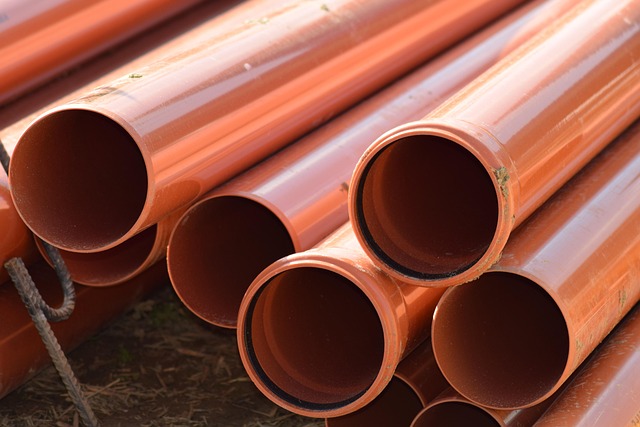
A clogged pipe can shut your building down fast. Commercial building sewer maintenance keeps your property running reliably. High volume sewer system maintenance is not the same as home care. Your building handles far more waste, more often, from more people.
Skipping commercial building sewer maintenance costs more than a repair bill. It costs you tenants, time, and trust. Commercial building sewer maintenance also keeps you code compliant. Cities inspect commercial systems more strictly than homes, so a proactive plan matters most. Learn how professional drain cleaning services in Denver Metro can support your sewer maintenance schedule business needs. This guide covers schedules, code rules, and ways to avoid commercial sewer downtime. Our team brings hands-on experience to every job.
1. Why Commercial Building Sewer Maintenance Matters
2. Building a Sewer Maintenance Schedule
3. Commercial Plumbing Code Compliance Basics
4. Common Mistakes in High Volume Sewer Systems
5. How to Avoid Commercial Sewer Downtime
6. Choosing a Commercial Sewer Maintenance Partner
Why Commercial Building Sewer Maintenance Matters
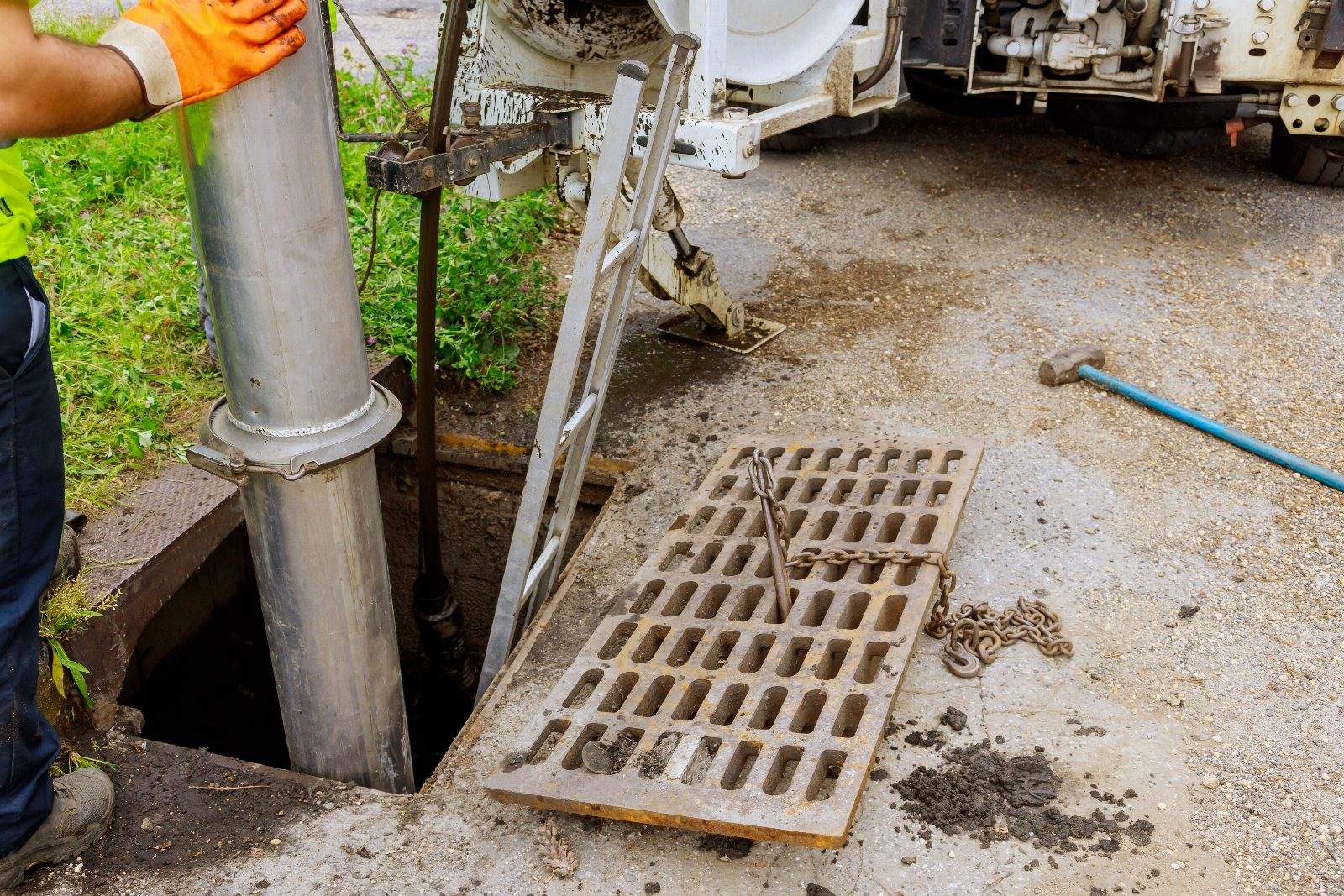
Commercial buildings push sewer lines hard. Restaurants, offices, and retail spaces send heavy waste loads daily. Without commercial building sewer maintenance, pipes wear out fast. Grease, paper, and debris build up over time.
Then, a small clog turns into a big backup. Backups shut down bathrooms, kitchens, and whole floors. That means lost income and angry tenants. Commercial sewer line cleaning on a set schedule stops this cycle before it starts.
Also, older buildings often have aging pipe systems. These systems need more frequent checks. Sewer maintenance protects your investment and your daily operations. Most importantly, it keeps your building safe for everyone inside.
High Waste Loads Need Regular Checks
Commercial properties generate far more waste than homes. A single restaurant can send pounds of grease down the drain each week. So, high volume sewer system maintenance must happen often. Waiting for a problem wastes time and money. Regular checks catch small issues early.
Downtime Hurts Your Bottom Line
Every hour without working plumbing costs money. Tenants may leave for good after one bad flood. But routine commercial building sewer maintenance prevents most surprise failures. It also protects your reputation with tenants and customers. A working system builds trust.
Key Takeaway: Commercial sewer systems face heavy daily use. Regular commercial building sewer maintenance stops small clogs from becoming costly shutdowns. Protect your income and your tenants with a proactive plan.
Building a Sewer Maintenance Schedule
A sewer maintenance schedule business owners can trust starts with facts. First, know your building type. Restaurants need more frequent commercial sewer line cleaning than offices. Second, know your pipe age. Older pipes need closer watching.
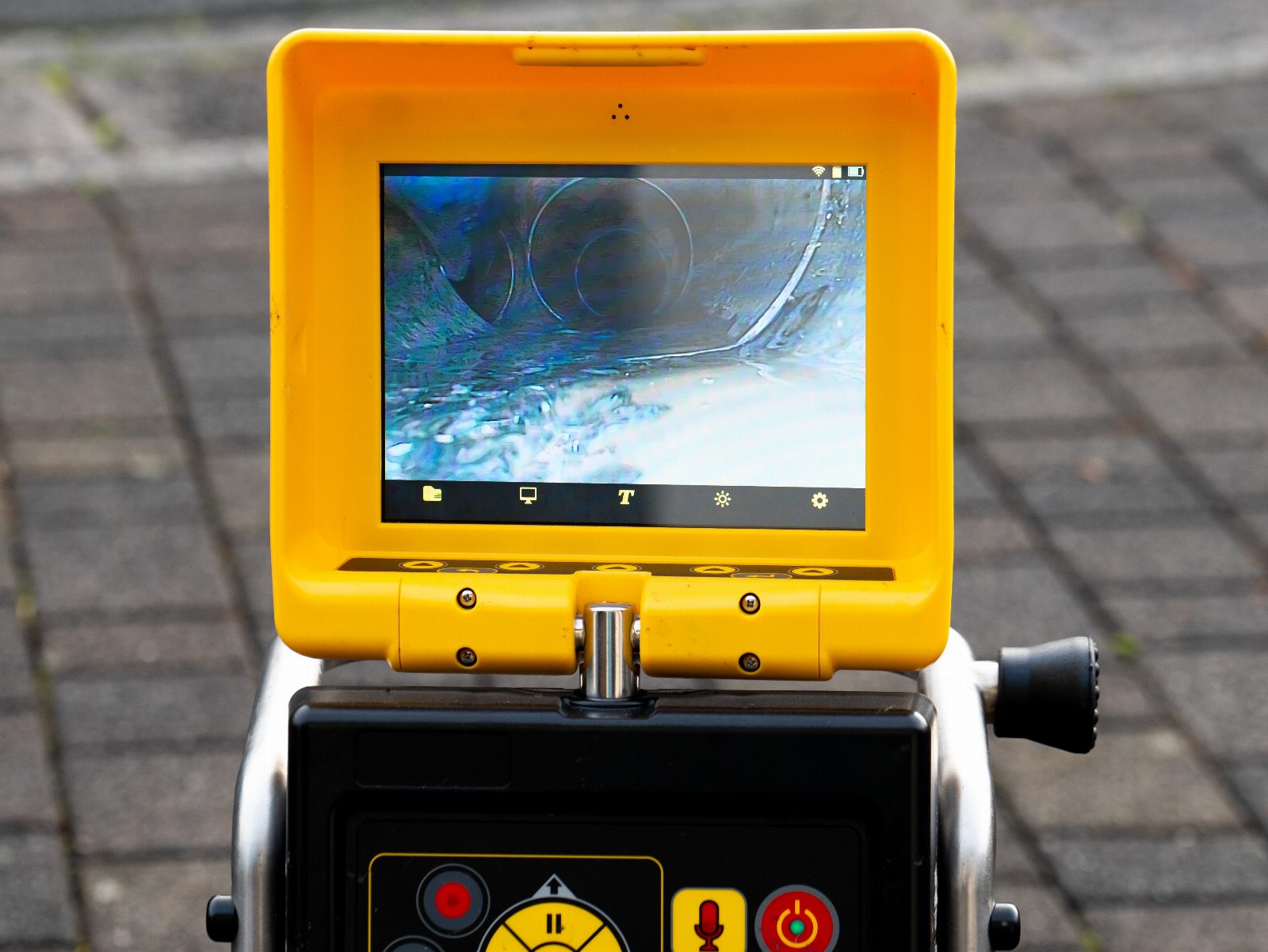
Most commercial properties benefit from regular camera inspections. That means you catch cracks, roots, and blockages early. Then, hydro jetting removes buildup before it causes backups. This method uses high pressure water, not harsh chemicals.
Also, keep a written log of every service visit. This log helps with code compliance during city inspections. It also shows patterns, like recurring clogs in one area. A good sewer maintenance schedule business plan saves money over time.
How Often to Schedule Sewer Cleaning
Most commercial kitchens need frequent cleaning, but the real trigger is the EPA’s 25% rule and your local code, not a fixed interval. Offices and retail spaces can often wait six months. But high volume sewer system maintenance depends on your specific use. Ask a specialist to assess your building’s true needs first.
Camera Inspections Find Hidden Problems
A sewer camera shows the inside of your pipes. It finds cracks, roots, and bellies before they cause floods. This step is a core part of commercial building sewer maintenance. Most experts suggest a routine scope, with the right interval based on your building’s use and local code.
Expert Insight from Sewer Experts (SewerEx) Team: Commercial properties can’t afford surprise sewer failures. We’ve seen buildings save thousands by moving from reactive fixes to a real commercial building sewer maintenance schedule. Camera inspections and routine cleaning catch problems while they’re still small and cheap to fix.
Commercial Plumbing Code Compliance Basics
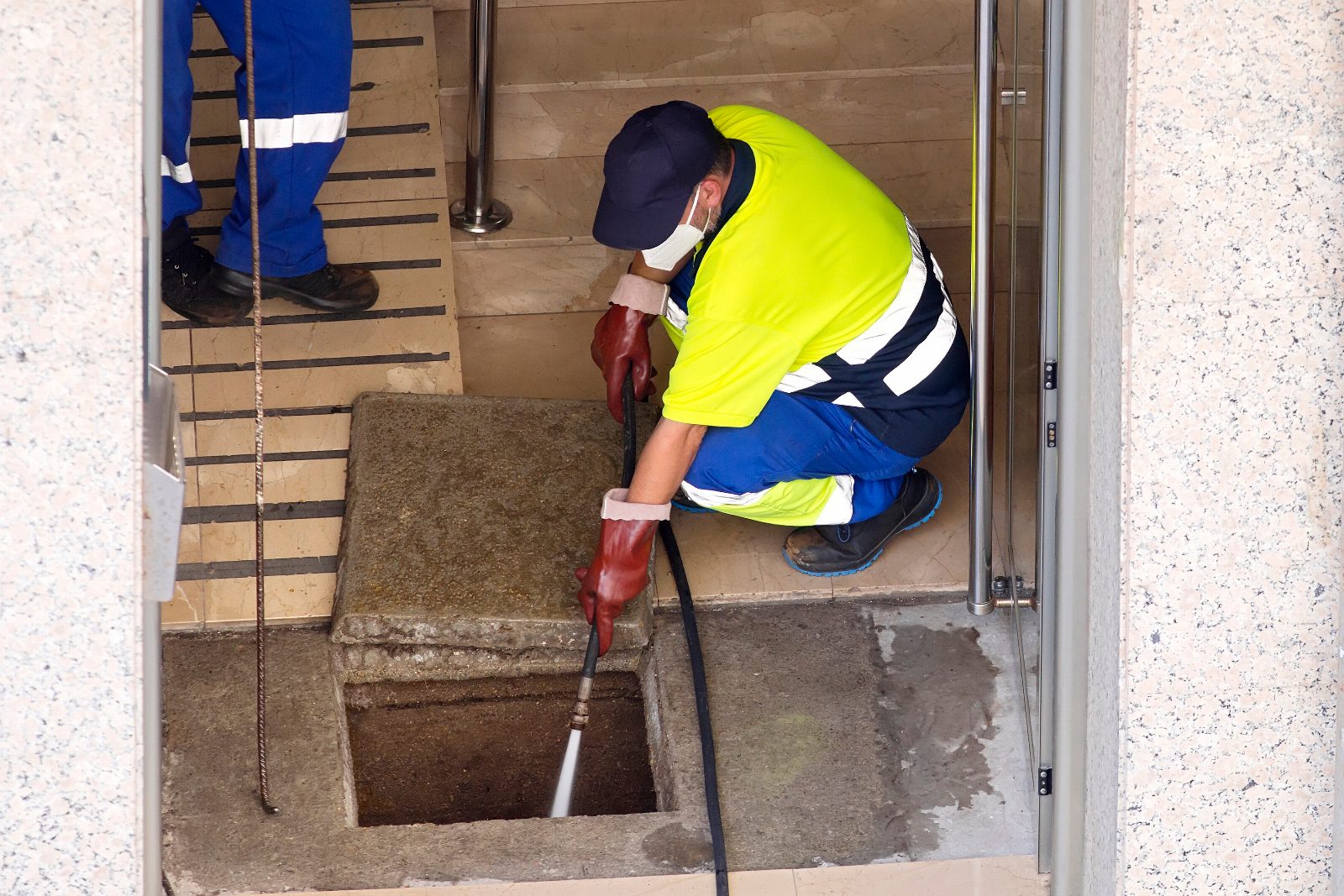
Cities hold commercial buildings to strict plumbing rules. Commercial plumbing code compliance covers grease traps, pipe materials, and inspection records. So, ignoring these rules can bring fines or forced closures.
Grease traps need regular pumping and logs. The EPA’s grease control guidelines outline why FOG buildup harms public sewer systems. Many cities model local codes after these federal standards.
Also, commercial buildings often need backflow prevention devices. These stop dirty water from flowing back into clean lines. A licensed team keeps your commercial grease trap installation current with local code. Staying compliant protects your tenants and your business license.
Grease Trap Rules for Restaurants
Restaurants must pump grease traps on a set schedule. Skipping this step breaks commercial plumbing code compliance rules fast. Fats, oils, and grease harden inside pipes. Then, they block flow and cause backups into your kitchen.
Inspection Records Cities Require
Most cities ask for proof of regular sewer service. Keep dated records of every cleaning and camera scope. This paperwork supports commercial building sewer maintenance during city audits. Missing records can delay permits or renewals.
Pro Tip: Store your grease trap and sewer service records digitally. Then, you can pull proof of commercial plumbing code compliance in seconds during a surprise city inspection.
Common Mistakes in High Volume Sewer Systems
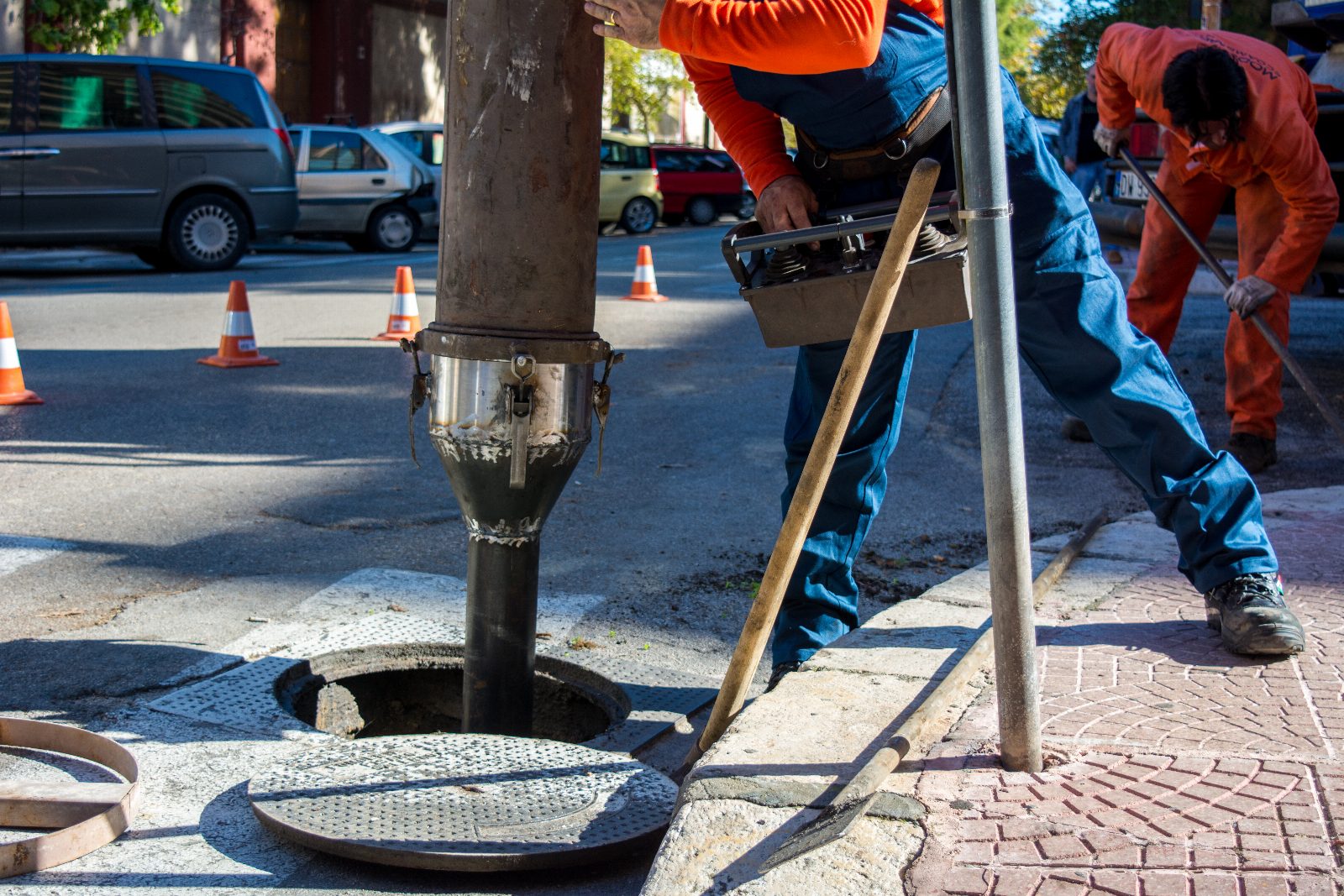
Many building owners wait too long between services. That is the top mistake in high volume sewer system maintenance. Small clogs grow silently until they cause a full backup. Waiting always costs more than routine care.
Another mistake is skipping camera inspections. Owners assume no visible problem means no problem. But roots and cracks grow underground for years. Commercial sewer line cleaning without a camera scope misses these hidden issues.
Also, some property teams use harsh chemicals instead of professional cleaning. Chemicals can damage older pipes over time. They rarely fix the root cause of a clog. A trained team offers safer, longer lasting results.
Ignoring Slow Drains Too Long
A slow drain is an early warning sign. But many owners ignore it until a full clog forms. This delay turns a simple fix into an emergency call. Address slow drains right away to protect your sewer system.
Skipping Professional Camera Scopes
Some owners rely only on visible signs of trouble. Yet most sewer damage starts underground and out of sight. A camera scope reveals cracks and blockages early. This step is key to full commercial building sewer maintenance.
Common Mistake to Avoid: Never wait for a backup to call for service. Reactive fixes cost more and cause more downtime than routine commercial building sewer maintenance. Schedule checks before problems start, not after.
How to Avoid Commercial Sewer Downtime
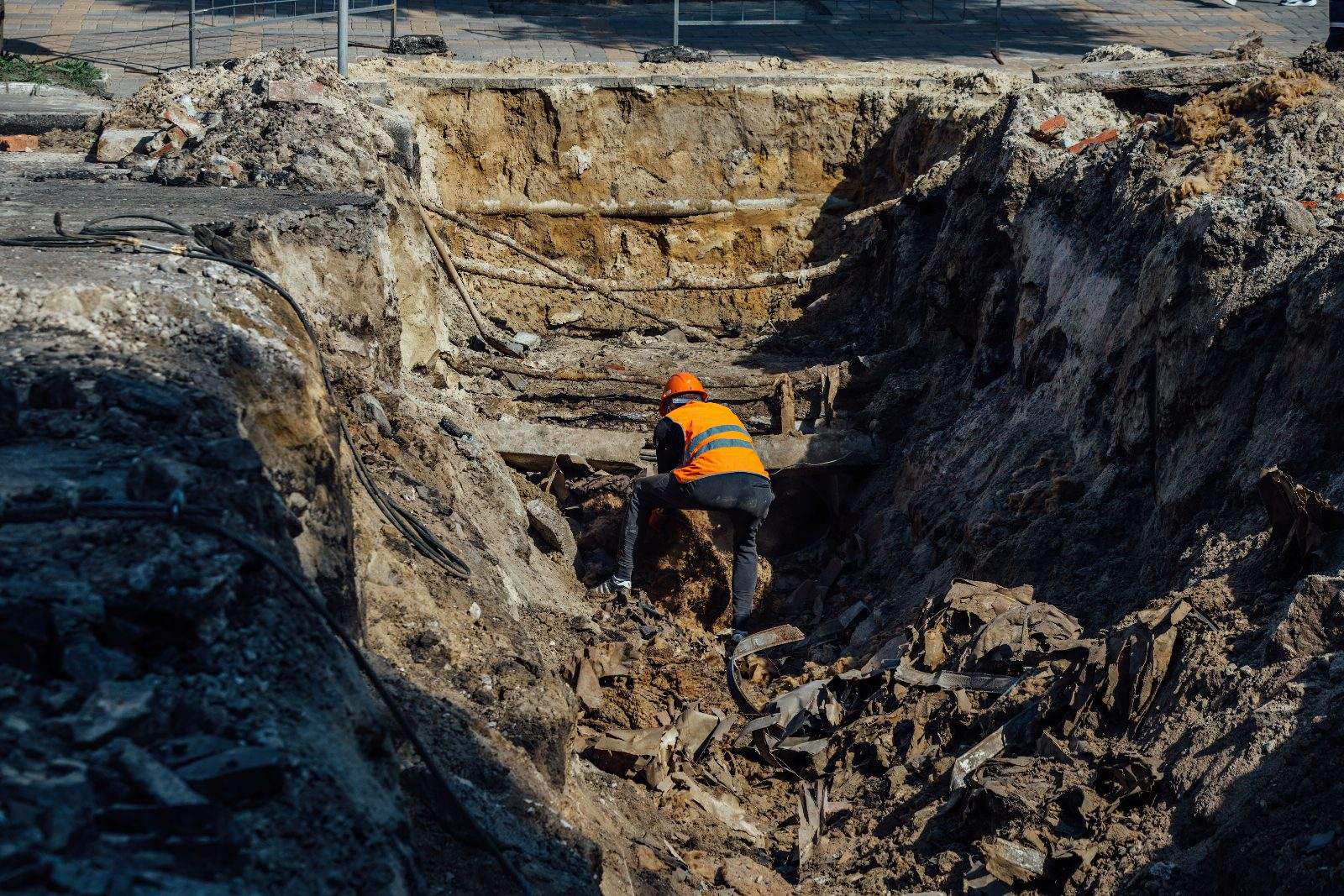
Downtime hits your revenue fast. So, the goal is to avoid commercial sewer downtime before it starts. A written maintenance plan is the first step. This plan should list cleaning dates, inspection dates, and who to call.
Next, train your staff to spot early warning signs. Slow drains, odd smells, and gurgling sounds all point to trouble. Report these signs right away. Fast action often means a small fix, not a full closure.
Also, trenchless repair methods reduce downtime when issues do appear. These methods fix pipes without digging up your parking lot or floors. That means your building stays open during repairs. Explore trenchless pipe lining options to see how fast repairs can happen.
Train Staff on Early Warning Signs
Your team sees problems first. So, teach staff to report slow drains and bad smells fast. Quick reports help avoid commercial sewer downtime. This simple step often saves thousands in emergency repairs.
Choose Trenchless Repair When Possible
Trenchless methods fix pipes from the inside. There is no need to dig up floors or parking lots. This keeps your building open during commercial building sewer maintenance work. Repairs also finish faster than traditional digging.
What This Means for You: A proactive plan means fewer surprise closures. Your tenants stay happy, and your revenue stays steady. Commercial building sewer maintenance is not just upkeep. It is a smart business strategy that protects your property value and daily operations.
Commercial building sewer maintenance protects your property, your tenants, and your income. High volume sewer system maintenance needs a real schedule, not guesswork. Code compliance, camera scopes, and fast action all work together. This combination helps you avoid commercial sewer downtime for good.
Don’t wait for a backup to take action. Set up a maintenance plan for your commercial property today. Our trenchless pipe bursting and cleaning services keep your building open and code compliant. Commercial building sewer maintenance done right means fewer surprises and lower costs over time.
Key Takeaway: Commercial building sewer maintenance combines routine cleaning, camera scopes, and code compliance. This proactive approach avoids costly downtime and protects your property long term.
Frequently Asked Questions
How often should commercial building sewer maintenance happen?
Most commercial buildings need regular sewer maintenance, with the right interval set by your building’s use and local code. Restaurants need more frequent cleaning than offices. So, ask a specialist to review your building’s use. This helps set the right maintenance schedule for you.
What does high volume sewer system maintenance include?
High volume sewer system maintenance includes hydro jetting, camera scopes, and grease trap service. These steps clear buildup before it causes backups. Also, regular checks catch cracks and roots early. This keeps large systems flowing smoothly.
Why does commercial plumbing code compliance matter?
Commercial plumbing code compliance keeps your building legal and safe. Cities can fine or close buildings that break sewer rules. Also, compliance protects public water systems from grease and waste. Staying compliant avoids costly penalties and closures.
How can I avoid commercial sewer downtime?
You can avoid commercial sewer downtime with a written maintenance plan. Train staff to report slow drains right away. Then, use trenchless repair methods when issues appear. This keeps your building open during most repairs.
What is a good sewer maintenance schedule for businesses?
A good sewer maintenance schedule business plan includes regular camera scopes. It also includes routine cleaning at an interval based on your building’s use. Also, keep written service logs for code audits. This schedule prevents most emergency sewer failures.
Step-by-Step Commercial Building Sewer Maintenance
Follow These Steps for Sewer Maintenance
1. Schedule a full camera inspection of your sewer line.
2. Review inspection results with a licensed sewer specialist.
3. Set a commercial sewer line cleaning frequency for your building.
4. Book hydro jetting to clear grease and debris buildup.
5. Pump and inspect grease traps on a set schedule.
6. Check for commercial plumbing code compliance with local rules.
7. Log every service date for future inspection records.
8. Train staff to report slow drains and odd smells.
9. Choose trenchless repair methods to avoid commercial sewer downtime.
10. Review your sewer maintenance schedule business plan every year.
Quick Reference: What Is Commercial Building Sewer Maintenance?
Commercial building sewer maintenance is routine care for a business property’s sewer system. It includes cleaning, camera scopes, and grease trap service. So, this care prevents backups and code violations. It also protects a building from costly downtime. Most experts view it as a proactive, not reactive, process.
Additional Resources
1. Learn how to locate your property’s sewer line with our sewer line locator guide for fast, free results.
2. Understand real repair costs with our sewer repair cost breakdown for Colorado properties.
3. Spot trouble early with our guide on signs of a collapsed sewer line and next steps.
4. See who handles repairs with our sewer line responsibility guide for property owners.
Reviewed by Marisa Beaver, Owner · Updated

About the author
Marisa Beaver
Owner · Demolition license (Colorado); 27 drain-layer's licenses (Colorado)
Marisa Beaver is the owner of Sewer Experts, a locally owned sewer, drain, and water line company based in Commerce City, Colorado, serving Denver and the Front Range including Aurora, Lakewood, Thornton, and Boulder. She oversees client relations and business operations, working directly with customers on sewer line repair, drain cleaning, and water line services, and personally answers client calls and coordinates technical consultations. Beaver holds a demolition license and 27 drain-layer's licenses in Colorado. Sewer Experts is licensed, insured, and bonded with state-certified technicians, and generated over $2 million in revenue in 2020. A woman- and minority-owned business, Sewer Experts has held an on-call Denver Housing Authority contract and been featured on the cover of Dig Different magazine.