When water pools near your washer and slowly creeps toward the wall, most Denver homeowners suddenly remember their basement floor drain. The basement floor drains Denver homes rely on quietly move water out during storms and appliance leaks, so it’s easy to forget they’re there until something goes wrong. But when basement floor drains Denver systems fail, the damage can spread fast, which is exactly why it helps to understand how they work. Most drains use a simple trap and pipe design, yet age, clogs, and dry traps often cause the basement floor drains Denver families depend on to stop working right. Our team works on drain and sewer systems throughout the Front Range, so we know the common failure points firsthand. If you’re already dealing with a backup, you can review the full Denver metro drain cleaning services we offer. Below, we’ll walk through how these drains work and when it’s time to call a pro.
1. How Basement Floor Drains Denver Systems Work
2. Common Signs Your Floor Drain Is Failing
3. Why Floor Drain Traps Run Dry
4. Mistakes That Cause Basement Drain Backups
5. What Drain Failure Means for Your Home
6. When to Call a Basement Drain Expert
How Basement Floor Drains Denver Systems Work
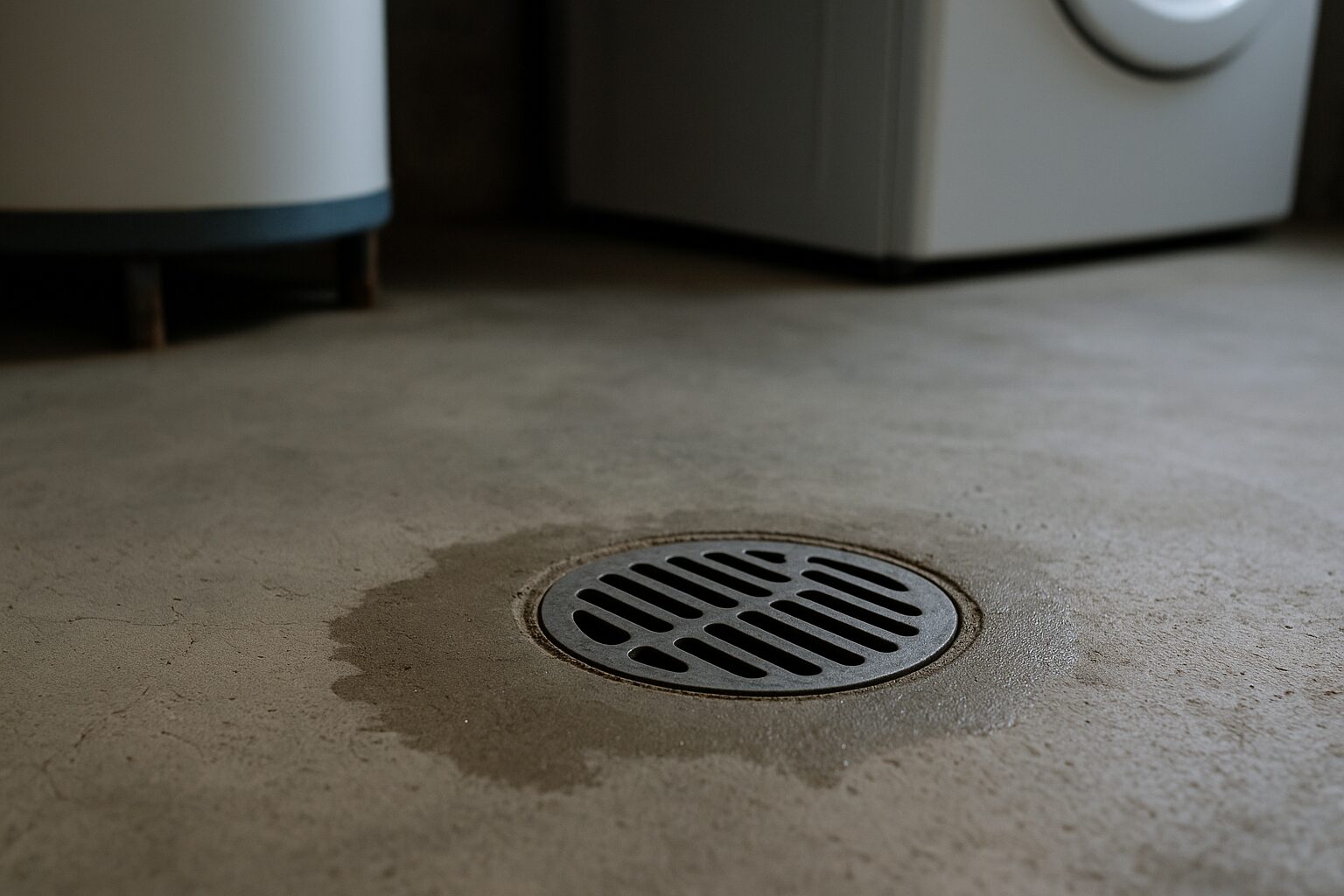
A basement floor drain sits at the lowest point of your slab. It connects to the main sewer or storm line below. Water flows into the drain. Then it moves through a trap and out through a pipe. This basic setup protects your home from water damage.
The trap is the key part. It holds a small pool of water at all times. This pool blocks sewer gas from entering your home. Without it, smells and gas can rise into your basement.
Denver homes often use cast iron or PVC piping for this system. Older homes may still have clay pipe sections. Because of this, basement floor drains Denver inspectors check often show wear tied to pipe age and soil shifts common across the Front Range.
The Drain Trap and Its Job
The trap is a curved pipe section under the drain. It stays filled with water. That water seal stops sewer gas from backing up. Most floor drain problems start when this trap goes dry.
Where the Drain Line Connects
Your floor drain ties into the main sewer lateral. That line runs from your home to the city connection. So, a clog anywhere in that path can push water back into your basement drain.
Key Takeaway: Basement floor drains Denver homes use rely on a water-filled trap and a clear pipe path. Both parts must work together. If either fails, water or gas problems follow fast.
Common Signs Your Floor Drain Is Failing
Most basement drain problems show warning signs early. You just need to know what to watch. A floor drain not draining is one of the clearest red flags. Water sits in the basin instead of flowing out.
Basement drain smells are another common sign. That smell often means your trap ran dry. Sewer gas then rises straight into your living space. Gurgling sounds from nearby pipes also point to a blockage forming.
In fact, many homeowners in Aurora, Lakewood, and Thornton report these exact issues each spring. Snowmelt and heavy rain push more water through aging drain systems. According to the EPA’s home water damage guide, early leak detection saves homeowners real repair costs.
Slow Drainage After Storms
If water drains slowly after rain, your line may have a partial clog. This often gets worse with each storm. Most importantly, don’t ignore repeat slow drains.
Standing Water Near the Drain
Standing water means the drain cannot keep up. This often signals a basement floor drain backup below the surface. Then, water has nowhere else to go but your floor.
Expert Insight from Sewer Experts, Denver Sewer and Drain Specialists: Basement drain smells almost always trace back to a dry trap or a hidden blockage further down the line. Rather than guess at the cause, we recommend a camera inspection, which saves homeowners both time and money.
Why Floor Drain Traps Run Dry
A floor drain trap dry issue is one of the most common basement drain problems. Traps lose water through slow evaporation. This happens most in drains that rarely get used.
Denver’s dry climate makes this worse. Low humidity speeds up evaporation from unused drains. So, a trap can run dry in just a few weeks during hot months.
Once the trap dries out, sewer gas moves freely into your basement. This creates that sharp, rotten smell many homeowners notice. The fix is often simple. But the cause needs checking first.
How Evaporation Empties the Trap
Drains used only during storms sit dry most of the year. Heat and airflow pull water from the trap. After that, gas has a clear path inside.
Refilling the Trap Safely
Pouring a quart of water down the drain refills most traps. Do this every few weeks. Adding mineral oil on top slows future evaporation.
Pro Tip: Mark a reminder to pour water into rarely used basement drains regularly. This simple step takes only seconds and costs nothing, yet it stops most basement drain smells before they start.
Mistakes That Cause Basement Drain Backups
Many basement flooding drain issues trace back to avoidable mistakes. Homeowners often pour grease or debris down floor drains. This builds up over time and blocks flow.
Tree roots also cause major basement floor drain backup events. Roots seek out moisture in older clay pipes. Once inside, they grow and trap solid waste.
Another mistake is ignoring small clogs. A slow drain today can become a full backup after the next storm. Because of this, early action always costs less than emergency repair.
Grease and Debris Buildup
Grease hardens inside pipes over time. It traps hair, dirt, and other debris. This narrows the pipe until water can no longer pass.
Root Intrusion in Older Pipes
Roots find tiny pipe cracks and grow inside. This is common in older Denver neighborhoods. A trenchless pipe lining repair often fixes this without digging up your yard.
Common Mistake to Avoid: As a rule, avoid pouring grease, paint, or chemicals down a basement floor drain. These substances can harden or corrode pipes over time, and that slow buildup is behind many avoidable backups each year.
What Drain Failure Means for Your Home
A failed basement drain puts more than your floor at risk. Water damage can spread into walls, flooring, and stored items fast. Mold growth often follows within 48 hours of standing water.
According to FEMA’s flood mitigation guidance, quick water removal limits long-term structural harm. So, a working basement floor drain protects your home’s value.
Most Denver basements sit below grade. That means gravity alone won’t clear water without a working drain system. Regular checks catch small issues before they turn into big repairs.
Water Damage Spreads Fast
Standing water soaks into drywall within hours. Then, mold can start growing in as little as two days. Fast drain repair limits this damage.
Below-Grade Basements Need Working Drains
Gravity cannot push water out of a below-grade space alone. Your drain system does that job. Without it, water has nowhere to go.
What This Means for You: If your basement floor drain backs up or smells bad, don’t wait. Small signs today can mean bigger repairs later. Most importantly, a quick inspection tells you exactly what’s wrong. This protects your home, your health, and your budget over time.
Basement floor drains Denver homes depend on do more than move water. They block sewer gas, protect your slab, and stop flooding before it starts. But traps run dry, roots invade pipes, and grease builds up over time. Watching for slow drains, smells, and gurgling sounds helps you catch basement floor drains Denver problems early.
Don’t wait for a backup to force your hand. Schedule a drain inspection with Sewer Experts to assess your basement drain system today. Our team checks your full setup, including trenchless pipe bursting options for damaged lines. Catching a problem early is far cheaper than cleaning up after a flood.
Key Takeaway: Basement floor drains fail from dry traps, root intrusion, and buildup. Regular checks and fast repairs protect your Denver home from costly water damage.
Frequently Asked Questions
Why do basement floor drains Denver homes have smell bad?
Basement drain smells usually mean the trap ran dry. Sewer gas then rises into your home. Pour water down the drain monthly. This keeps the trap full and blocks the smell.
What causes a basement floor drain backup?
A basement floor drain backup often comes from clogs, grease, or root intrusion. These block normal flow. Water then has nowhere to go but back into your basement floor.
Why is my floor drain not draining at all?
A floor drain not draining usually points to a blockage in the line. Debris, roots, or grease can cause this. A camera inspection finds the exact clog location fast.
How do I fix a floor drain trap dry issue?
Pour a quart of water into the drain to refill the trap. Add mineral oil on top. This slows evaporation. Repeat monthly for drains you rarely use.
When should I call a pro for basement floor drains Denver homes use?
Call a pro if smells, backups, or slow drainage continue. Basement floor drains Denver experts can inspect with cameras. This finds hidden clogs or pipe damage fast.
Step-by-Step Basement Floor Drains Denver Check
Step-by-Step Basement Floor Drains Denver Check
1. Locate your basement floor drain and clear surface debris.
2. Check for standing water around the drain basin.
3. Smell for sewer gas near the drain opening.
4. Pour a quart of water into the drain trap.
5. Watch how fast the water drains away.
6. Listen for gurgling sounds in nearby pipes.
7. Check nearby fixtures for slow drainage too.
8. Look for cracks or rust around the drain cover.
9. Note any past flooding near the drain area.
10. Call a drain expert if problems continue.
Quick Reference: What Is Basement Floor Drains Denver?
Basement floor drains Denver homes use sit at the lowest slab point. They move water into the main sewer line. A trap inside holds water at all times. This blocks sewer gas from entering. So, the drain protects both your home and your air quality. Most failures trace back to dry traps or blocked pipes.
Additional Resources
Learn how to find your sewer line fast using our sewer line locator guide for Denver properties.
Understand pricing before you call anyone with our sewer repair cost breakdown for Colorado homes.
Spot bigger problems early by reading about signs of a collapsed sewer line and what to do next.
Find out who pays for repairs with our guide on sewer line repair responsibility between homeowners and the city.